All Vehicles
90 curated vehicles across cars, trucks, and motorcycles.
Acura
View make →AMC
View make →
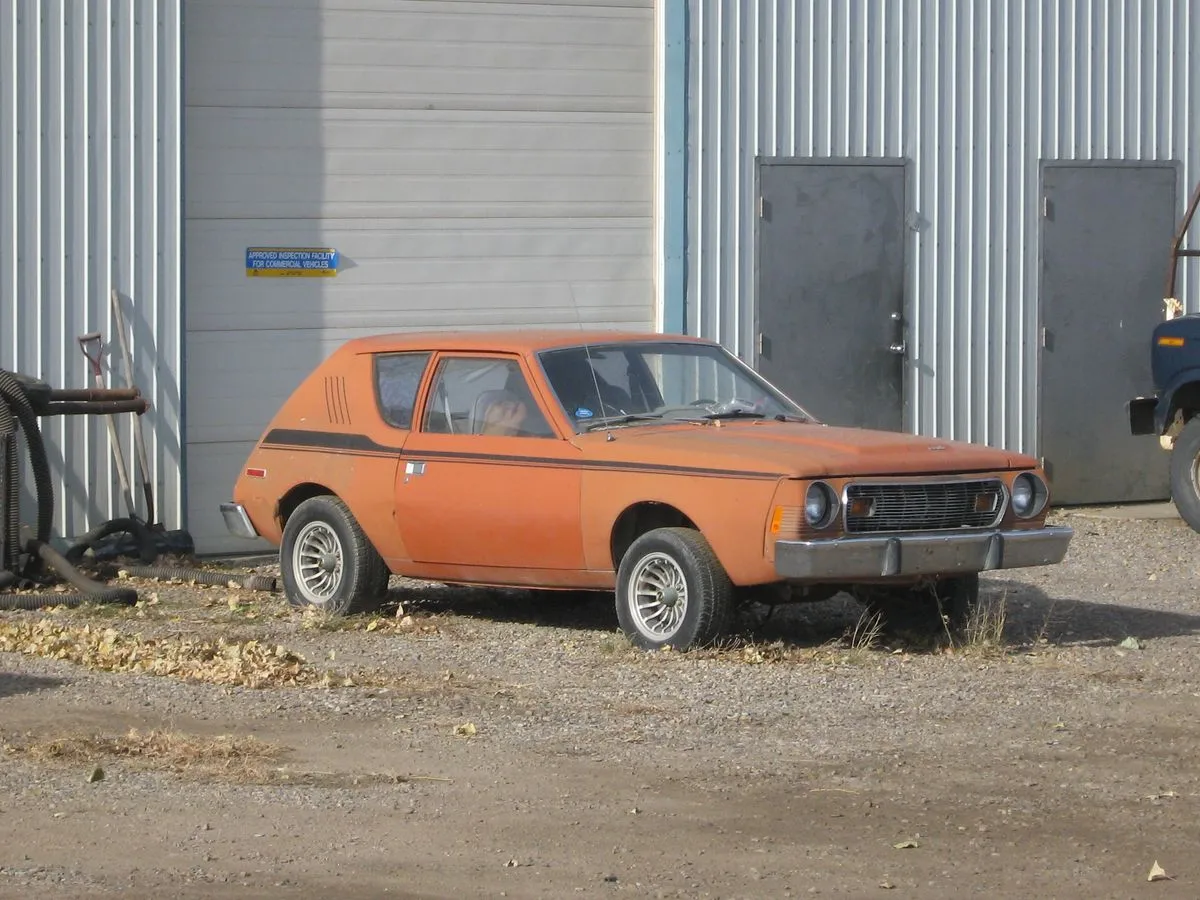
1970 AMC Gremlin
The Gremlin beat the Pinto and Vega to market by six months, making it America's first subcompact. AMC took a calculated risk: chop the back off a Hornet, call it a new car, and hope nobody notices. It worked. The Gremlin sold well despite the mocking. And here's the thing: underneath the strange proportions was a genuinely good car. The AMC inline-6 was reliable. The handling was decent. The V8 option made it a sleeper. The Gremlin was better than its reputation.
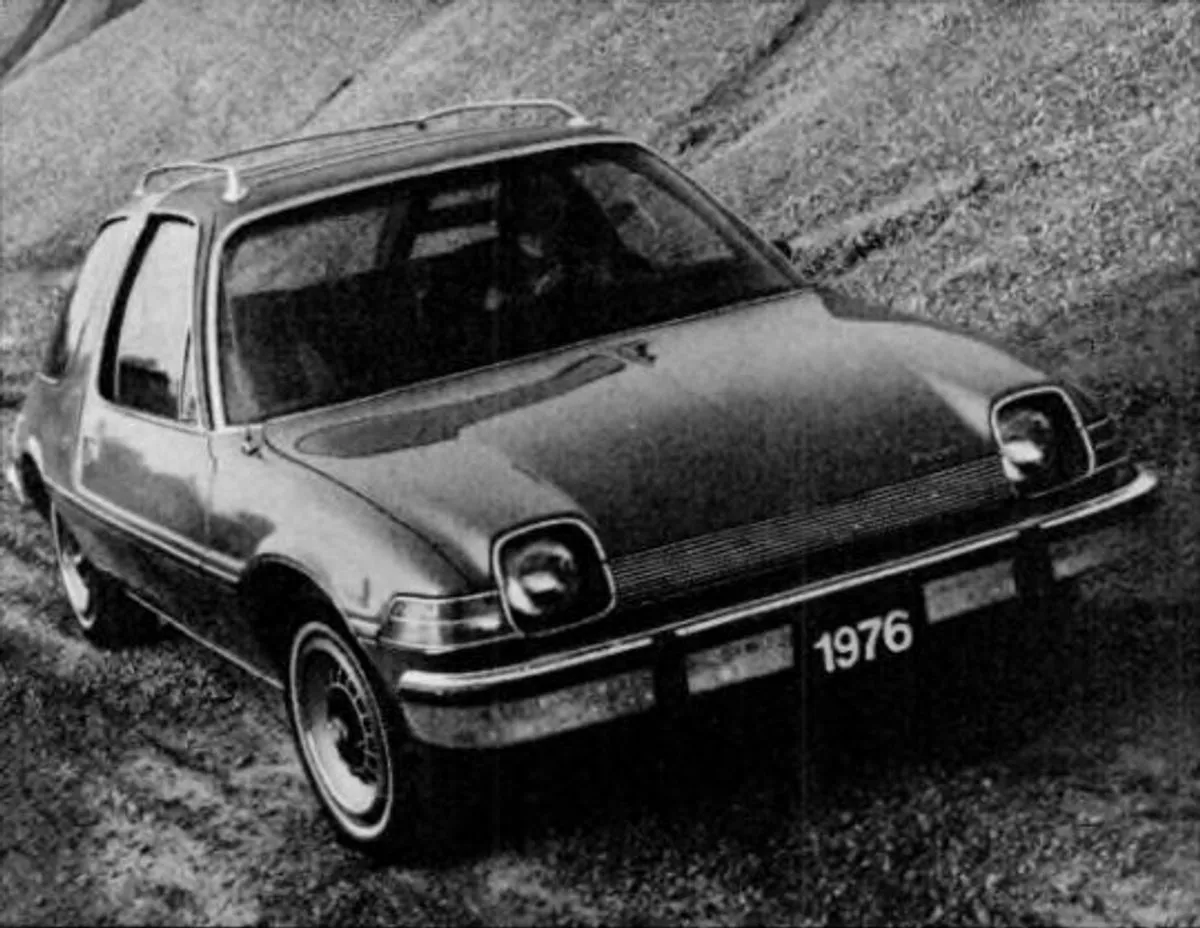
1975 AMC Pacer
The Pacer is automotive proof that courage and good intentions don't guarantee success. AMC designed it for a rotary engine GM never delivered. They built it anyway with their inline-6. The styling was genuinely innovative — the fishbowl glass, the width, the rounded shape were all intentional aerodynamic choices. Critics destroyed it. Sales collapsed after 1975. But the Pacer was trying something. In an era of Detroit conformity, AMC swung for the fences. They missed, but at least they swung.
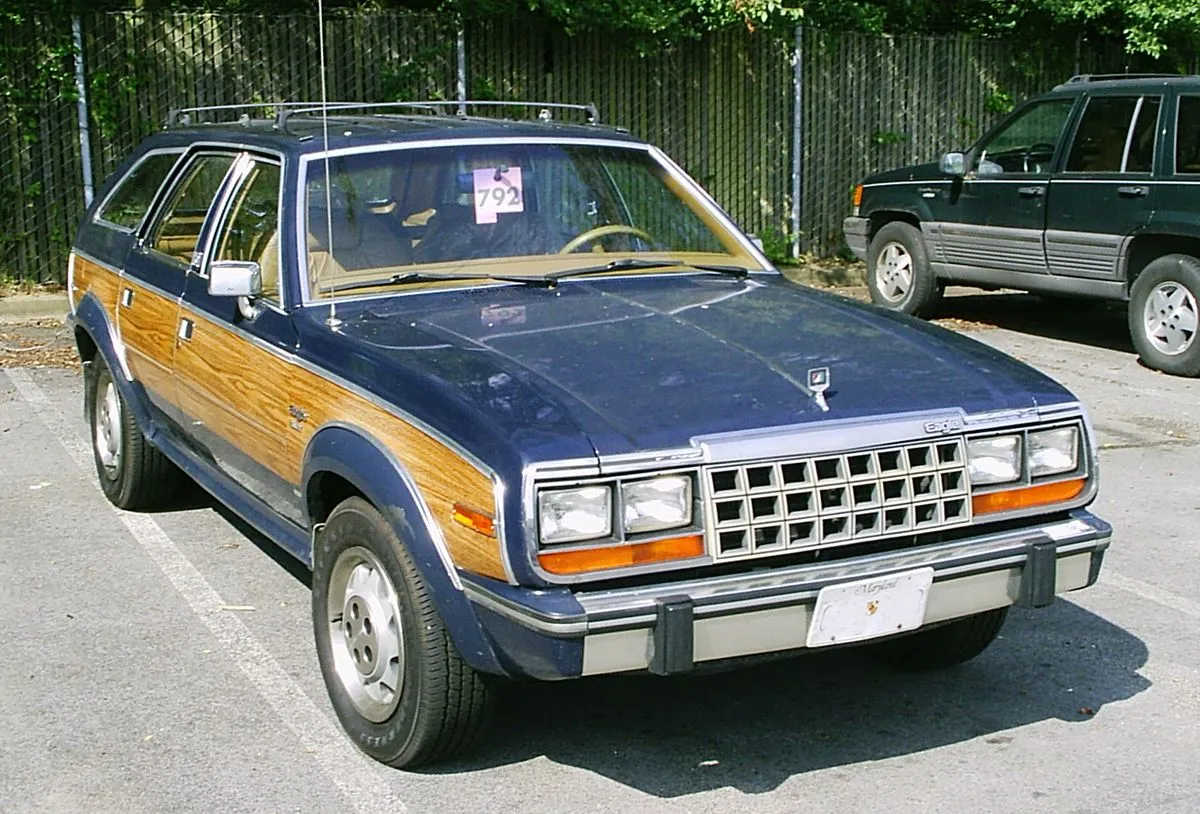
1980 AMC Eagle
The AMC Eagle invented the crossover. Before Subaru Outbacks, before lifted wagons became a lifestyle, AMC took a regular car, raised the suspension, and added full-time 4WD. Critics laughed. Buyers bought. The Eagle pioneered a vehicle segment that now dominates the market. AMC was broke, desperate, and innovative by necessity. They couldn't compete head-to-head with Detroit, so they built something nobody else would try. The modern CUV owes everything to this weird little company's desperate gamble.
Bigfoot
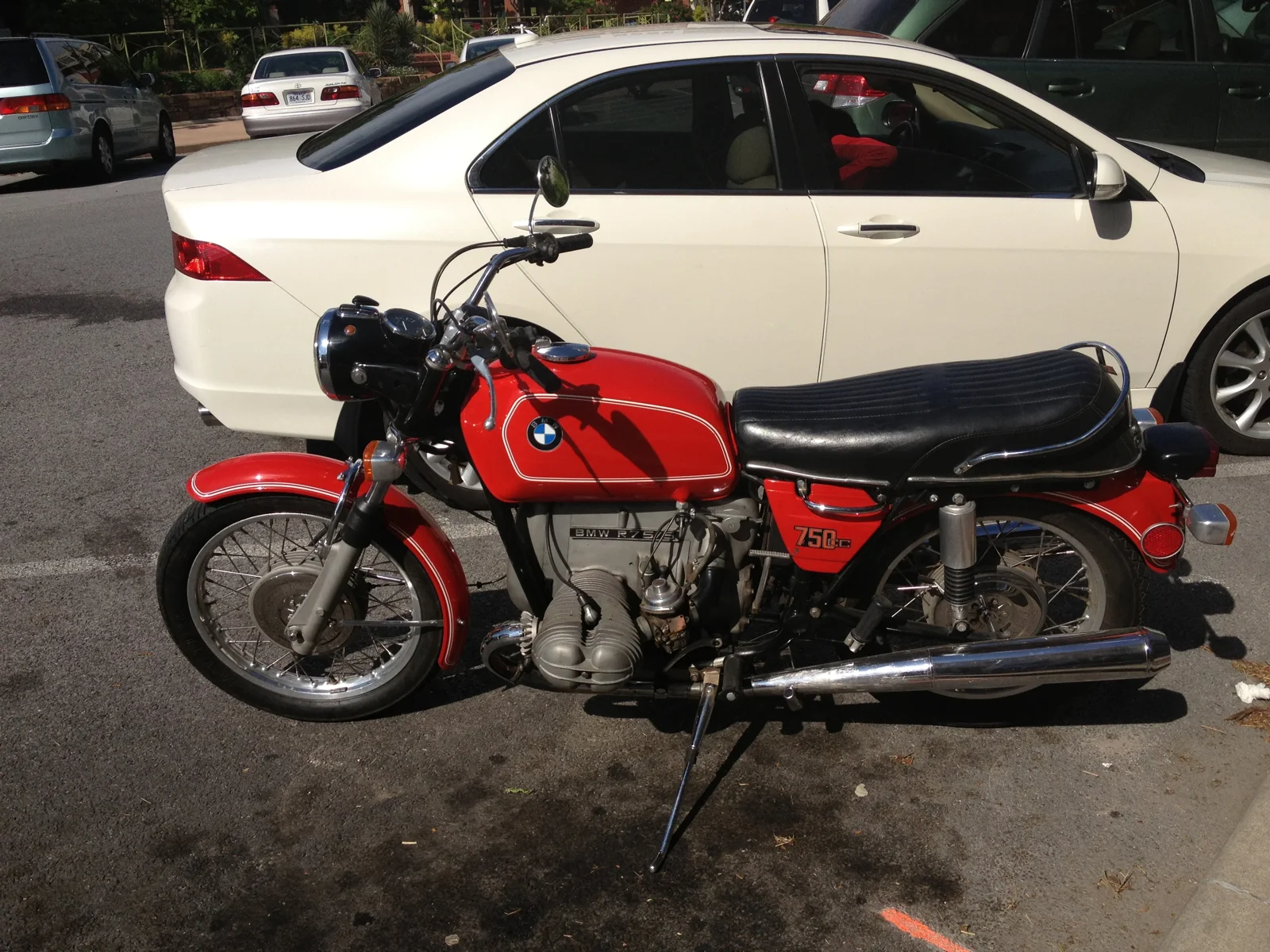
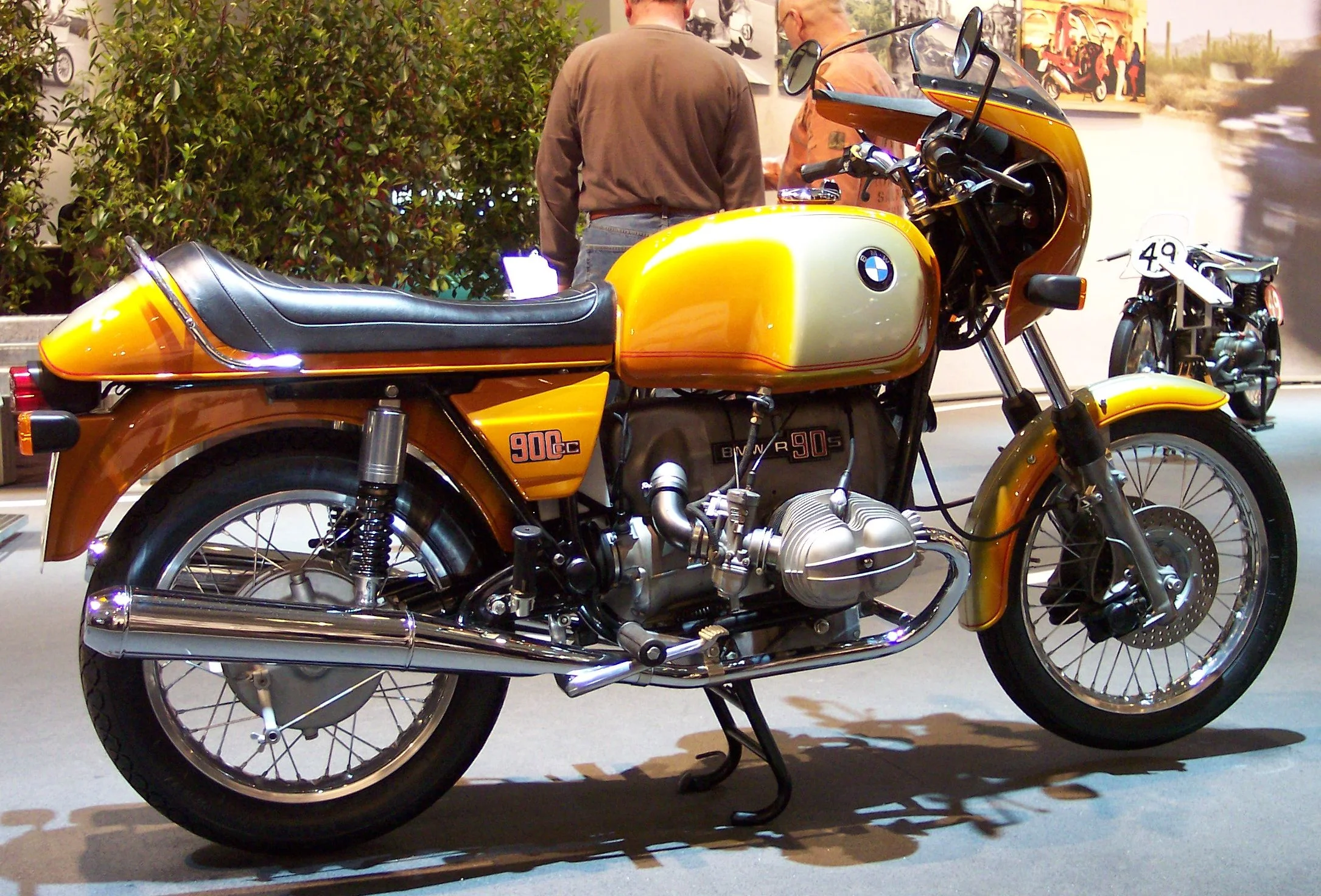
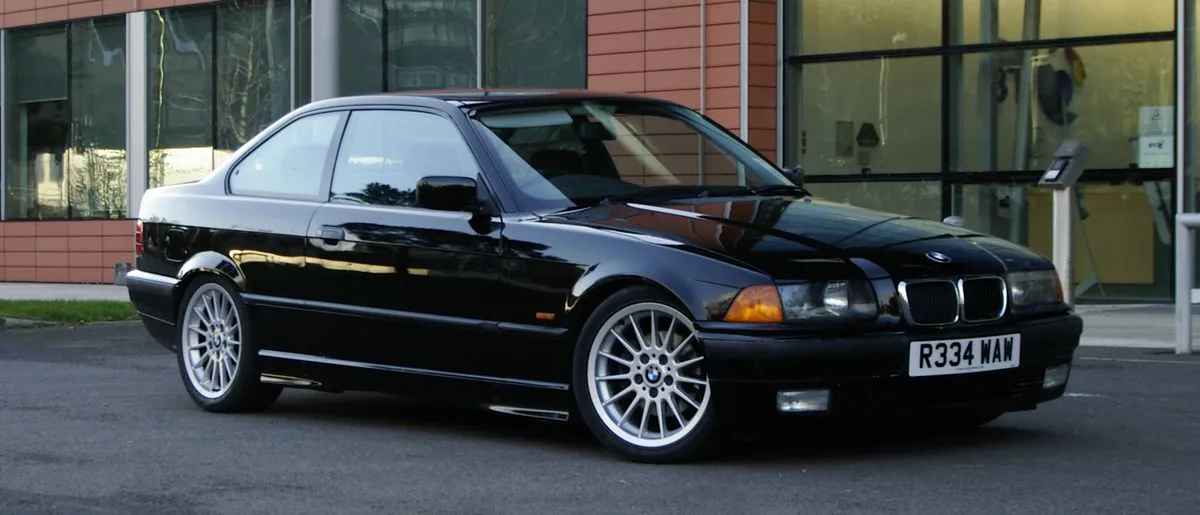
View make →BMW
View make →Buick
View make →Cadillac
View make →
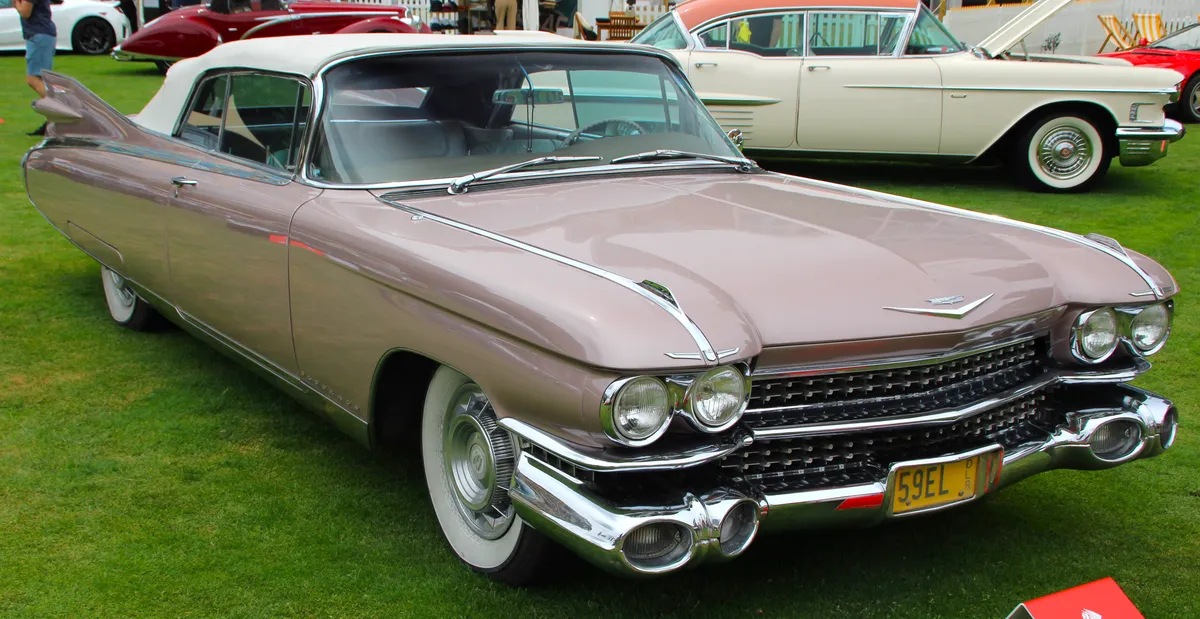
1959 Cadillac Eldorado Biarritz
The 1959 Cadillac is the zenith of American automotive excess — the highest tailfins ever fitted to a production car, the most chrome Cadillac would ever apply, the ultimate expression of postwar optimism before JFK and Vietnam changed the national mood. The Eldorado Biarritz convertible was the flagship: air suspension, power everything, and styling that defined an era. These are the cars in vintage photographs of Las Vegas, Miami, and Hollywood. Love them or hate them, the '59 Cadillac is America in sheet metal — confident, oversized, and completely unapologetic.
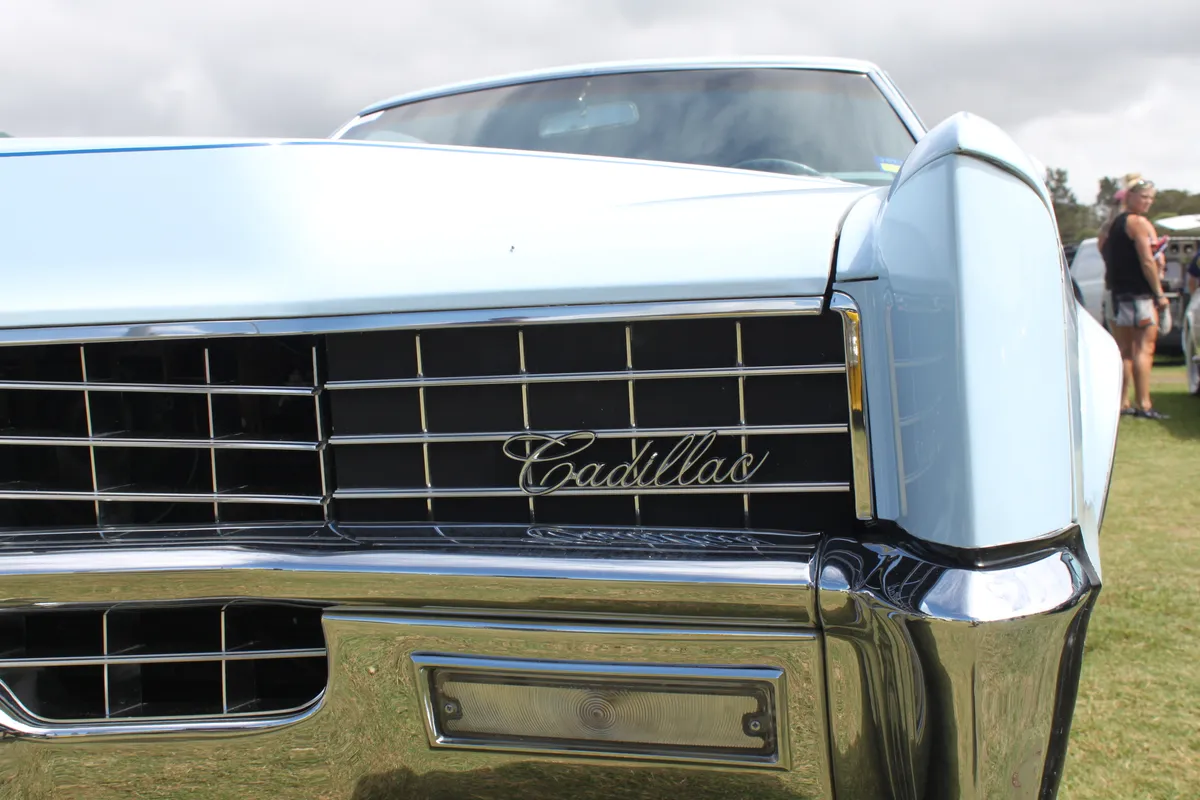
1967 Cadillac Eldorado
The 1967 Eldorado was Cadillac's reinvention — a dramatic departure from the tailfin era into something sleeker and more modern. Built on the E-body platform shared with the Toronado, the Eldorado took front-wheel drive and wrapped it in crisp, Bill Mitchell styling that defined luxury for the late '60s. The hidden headlights, the knife-edge fenders, the frameless door glass — it was modern without being radical. This was the Eldorado that celebrities and executives chose, the car that proved personal luxury could have substance beneath the style.
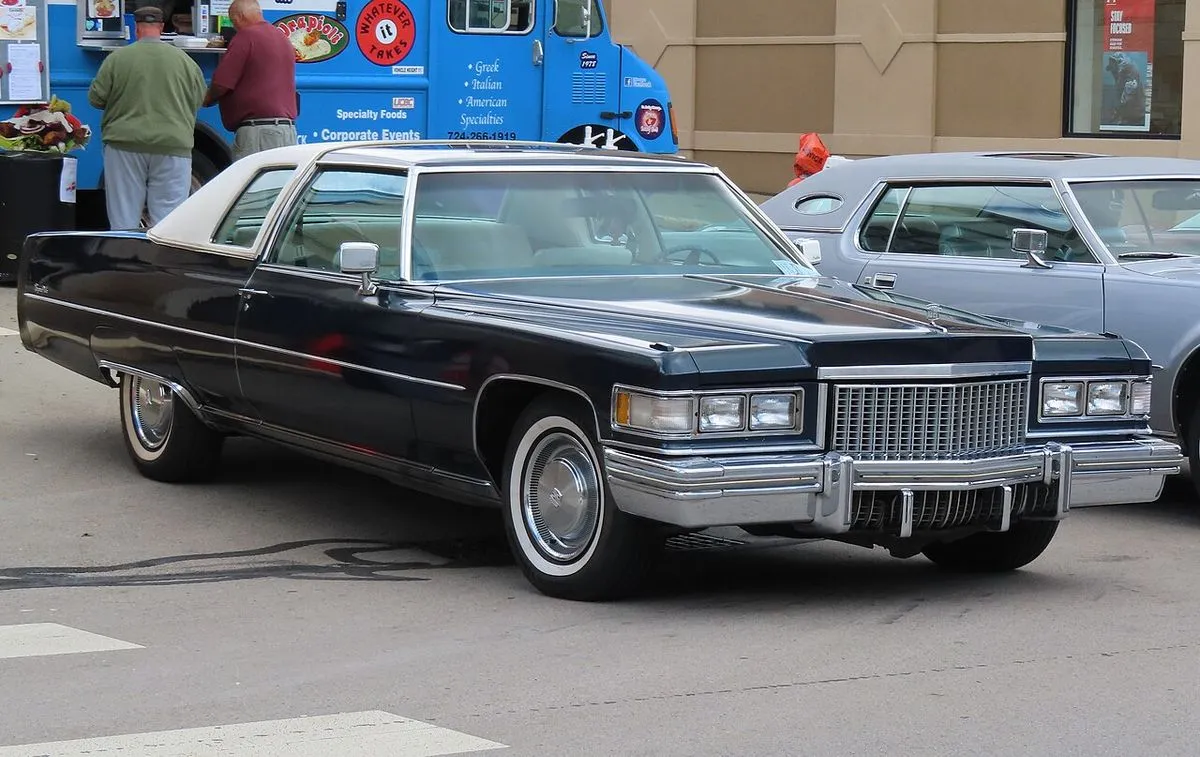
1975 Cadillac Coupe DeVille
The mid-70s Coupe DeVille represents peak American excess — a two-door coupe the size of a small apartment, powered by the largest V8 GM ever built, and appointed like a rolling living room. This was the car for people who'd made it and wanted everyone to know. The emissions-strangled 500 V8 made embarrassing horsepower for its size, but torque was always adequate. These cars floated over roads, isolated their occupants from the outside world, and announced arrival in no uncertain terms.
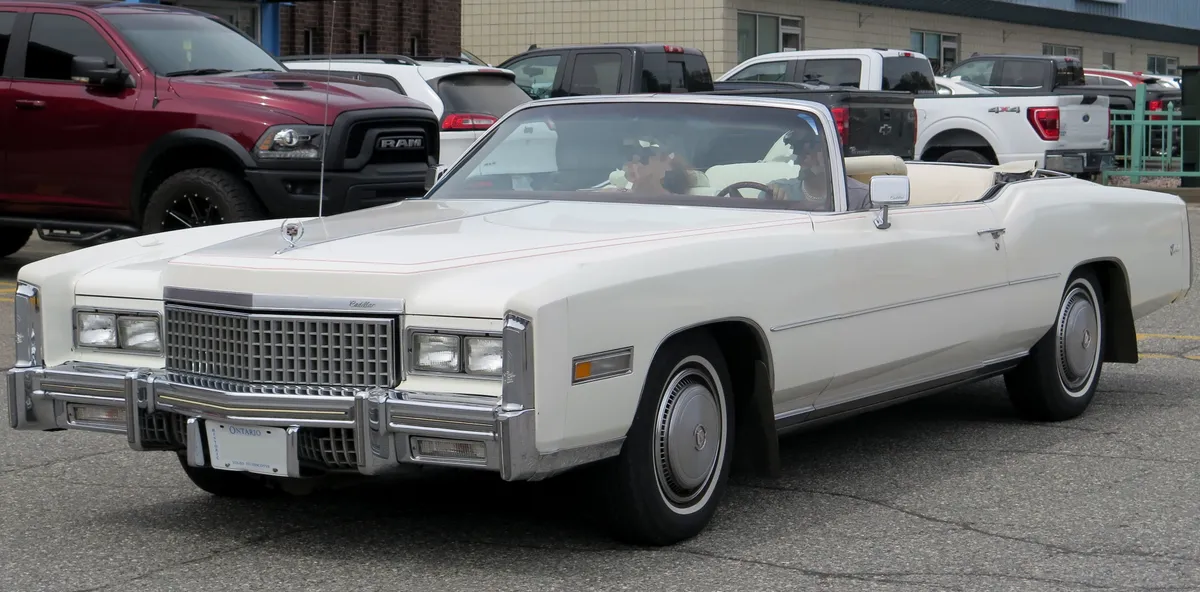
1975 Cadillac Eldorado
The 1971-1978 Eldorado represents Cadillac at maximum displacement: the 500 cubic inch V8 remains the largest engine GM ever put in a production car. By 1975, emissions regulations had sapped the power, but the torque remained — these cars still moved with authority. The 1976 Eldorado convertible was marketed as 'the last American convertible,' creating a speculative frenzy that proved premature but made those cars collectible regardless. These are full-size personal luxury coupes at their most excessive — massive, comfortable, and completely unconcerned with efficiency.
Checker
View make →Chevy
View make →
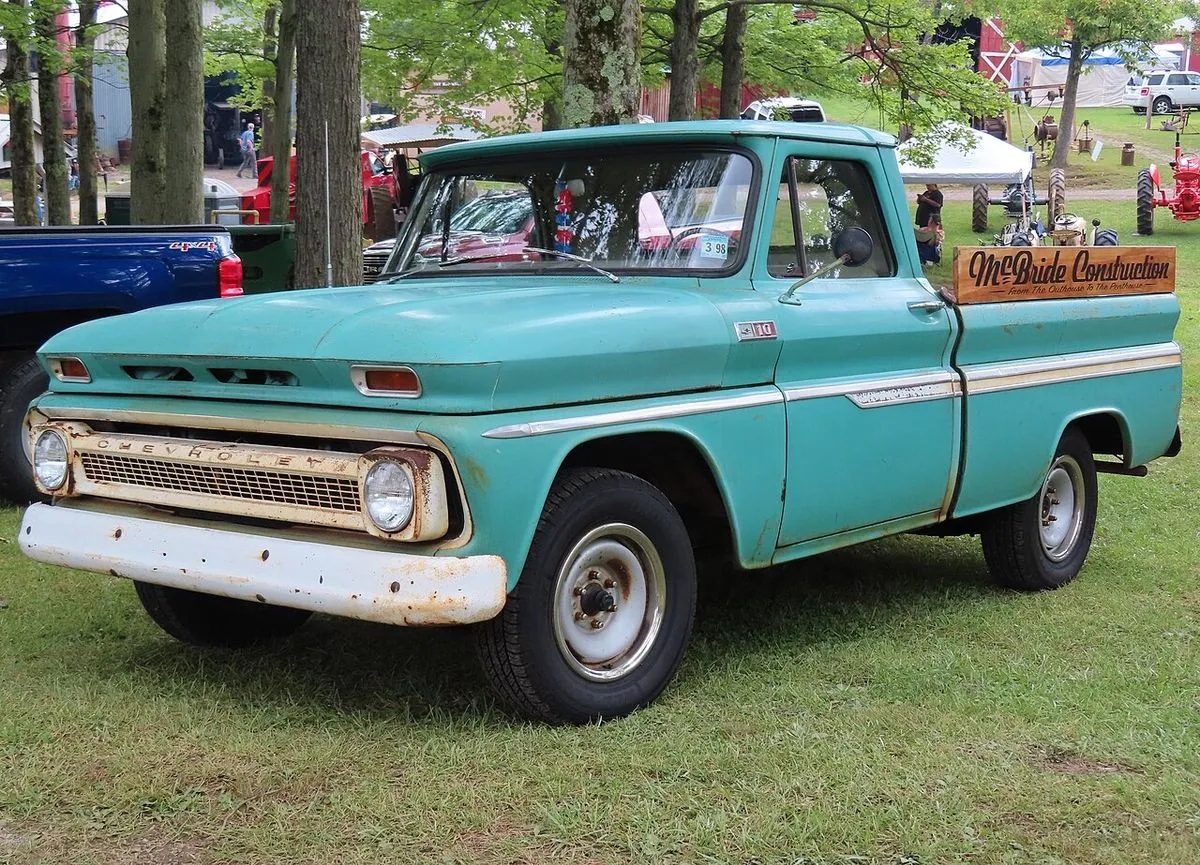
1960-1966 Chevy C10
The 1960-66 Chevrolet C10 is the truck that made pickups cool. Before this generation, trucks were strictly utilitarian. GM's designers gave this truck car-like styling — the wraparound windshield, sweeping fender lines, and available Custom Cab interior made it something you'd want to drive, not just need to drive. The drop-center frame lowered the floor height for easier entry. The optional V8 engines made them quick. These trucks launched the custom truck scene that continues today. A well-built 1966 C10 was the truck every high schooler in America wanted.
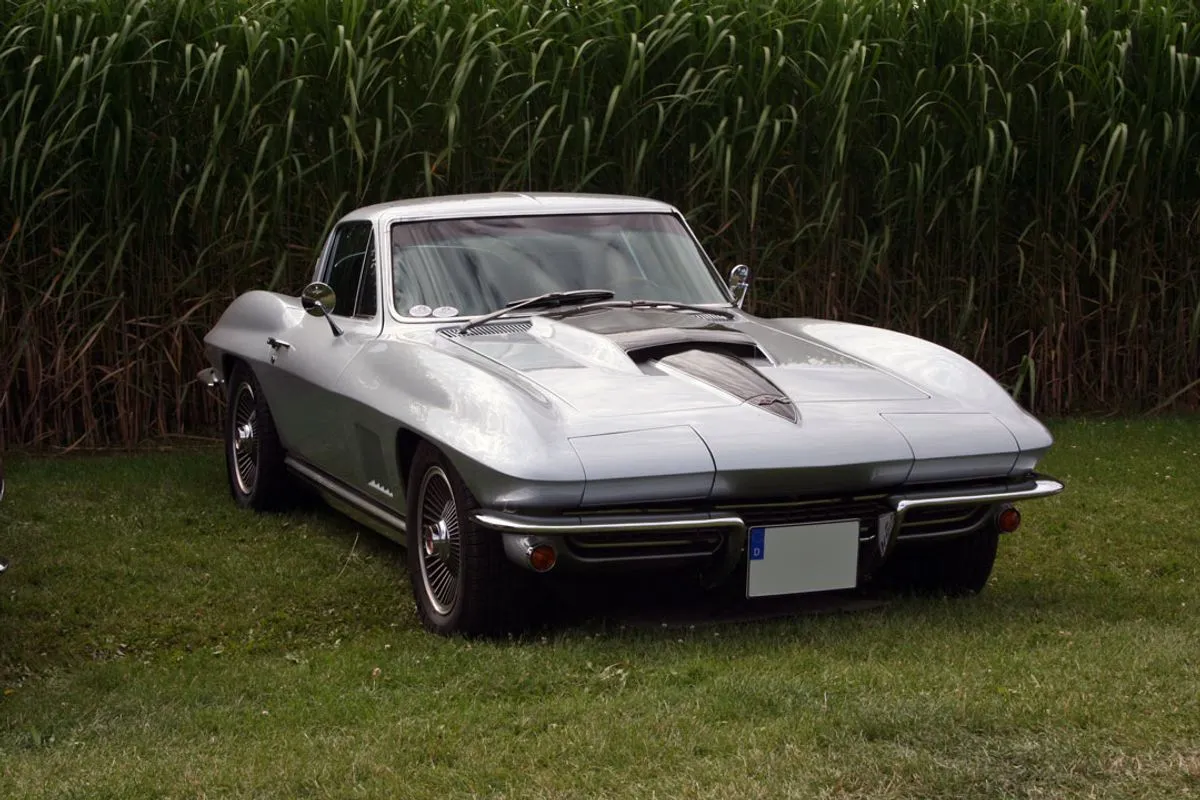
1967 Chevy Corvette C2 Stingray
The C2 Corvette is America's sports car at its most beautiful. The 1963-67 'mid-year' generation introduced the Stingray name, the split rear window (1963 only), and some of the most stunning automotive styling ever committed to fiberglass. By 1967, the final year, Chevrolet had refined the car's quirks while adding the monstrous 427 big-block option. The result was a sports car that could humiliate European exotics on both the track and the street. The L88 racing engine option — aluminum heads, 12.5:1 compression, and a factory-rated 430 hp that was actually closer to 560 — is one of the most valuable engines ever installed in a production car.
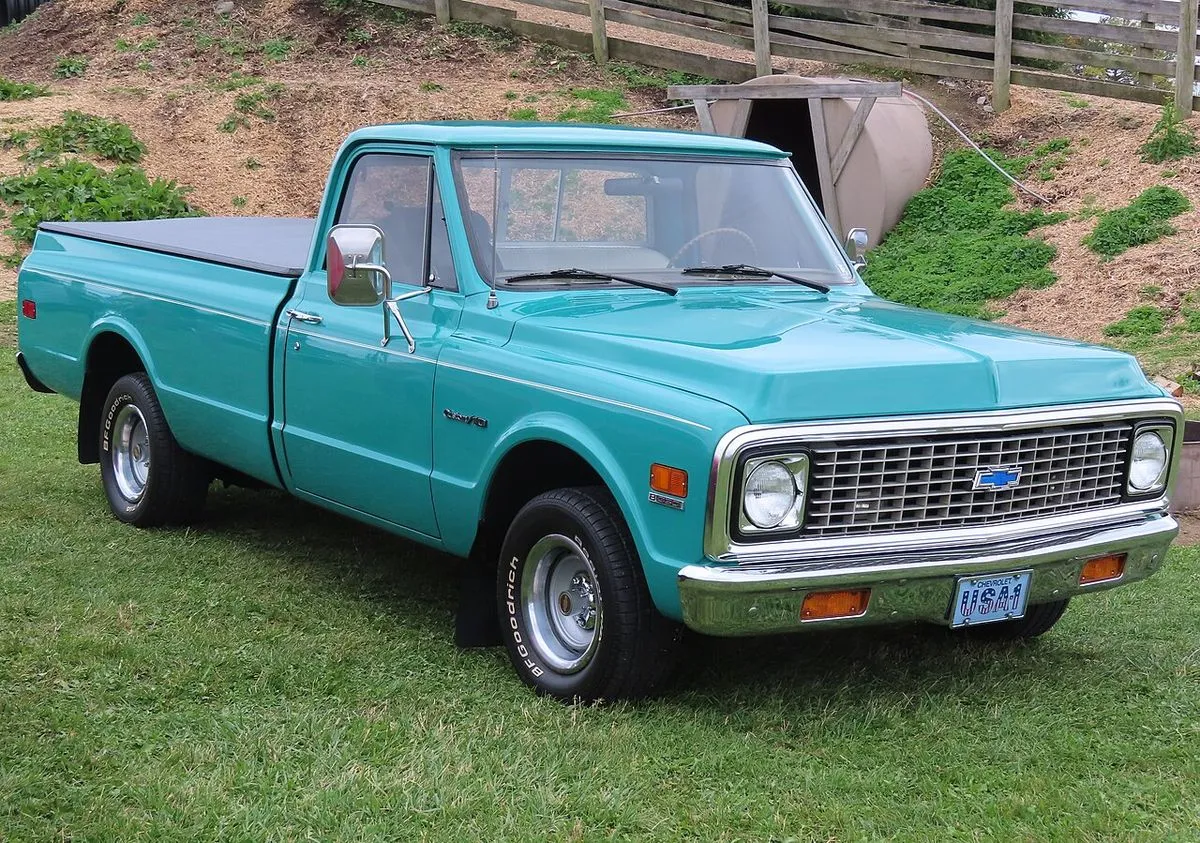
1967-1972 Chevy C10
The '67-72 C10 is the canonical classic truck. The Action Line redesign cleaned up the bulbous '60-66 look into something timeless. It's the truck in every truck commercial when they want to evoke authenticity. The square body that followed ('73-87) is also cool, but these are the ones that launched the restomod movement. LS swaps, air ride, patina paint — the C10 is to trucks what the '32 Ford is to hot rods: the canvas everyone starts with.
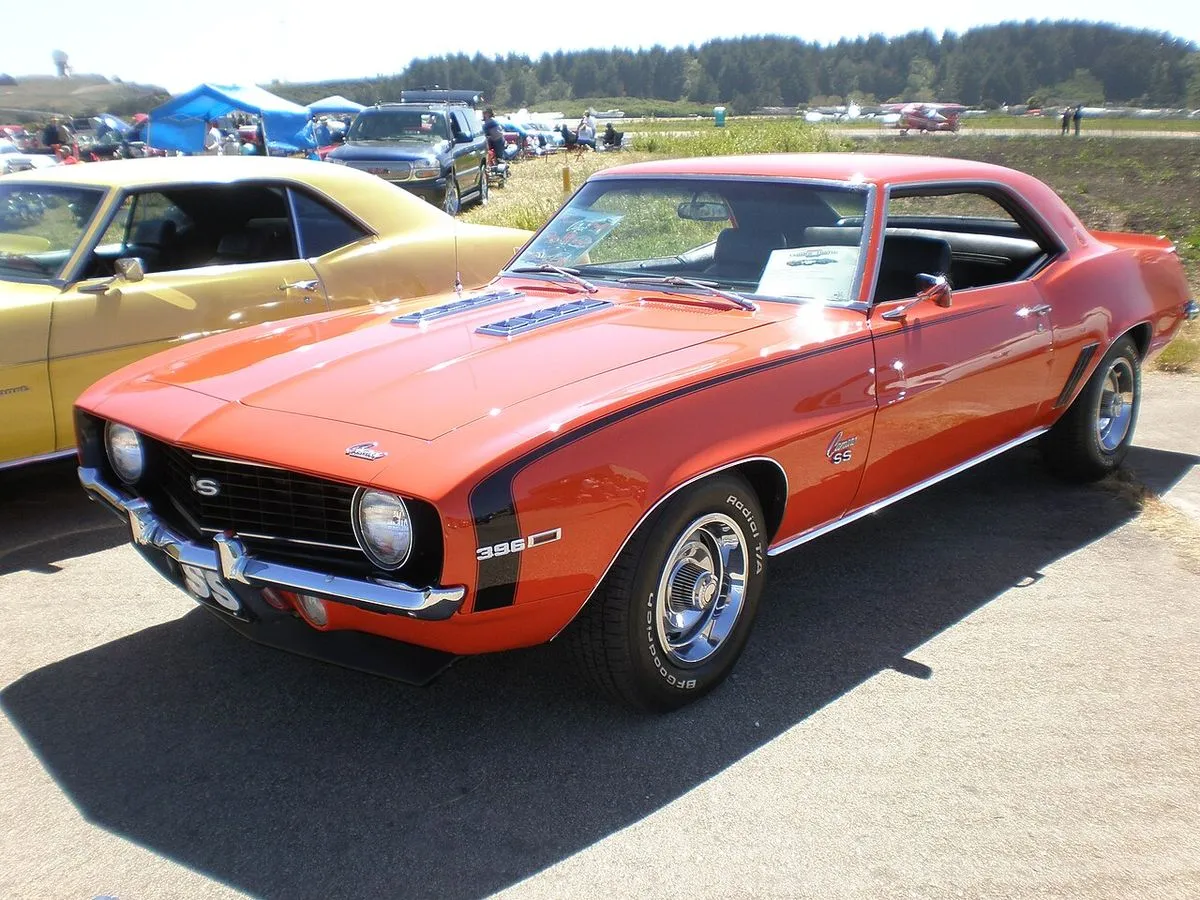
1969 Chevy Camaro SS/Z28
The '69 Camaro is GM's answer to the Mustang, perfected. The 1967-68 cars were good; the '69 is great. The redesigned body added aggression without losing elegance. The Z28 became a legitimate race car for the street — the 302 V8 was designed specifically to dominate Trans-Am racing. The SS 396 put big-block power in a car that could actually handle it. And the COPO 427 cars, ordered through dealer back channels to bypass GM's ban on engines over 400 cubic inches in intermediate cars, are now worth six figures. This is the Camaro that defined what a Camaro should be.
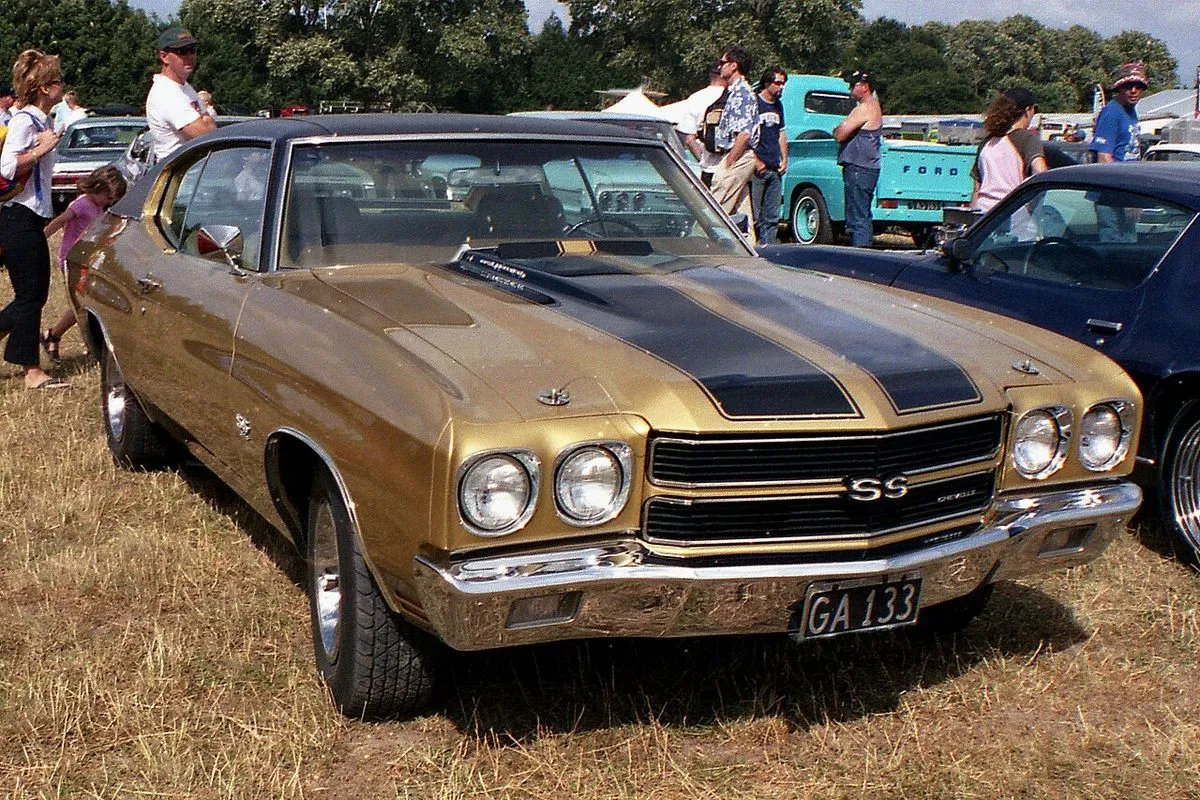
1970 Chevy Chevelle SS 454
The 1970 Chevelle SS 454 is the apex predator of the muscle car era. When GM lifted its 400 cubic inch displacement limit, Chevrolet responded with the LS6 454 — 450 horsepower, 500 lb-ft of torque, and a factory 0-60 time under six seconds. The redesigned body was aggressive and purposeful. The hood scoop actually worked. For one glorious year before insurance rates and emissions killed muscle cars, the LS6 Chevelle was the most powerful production car you could buy. The LS5 (360 hp) was the 'mild' option. Nothing about this car is mild.
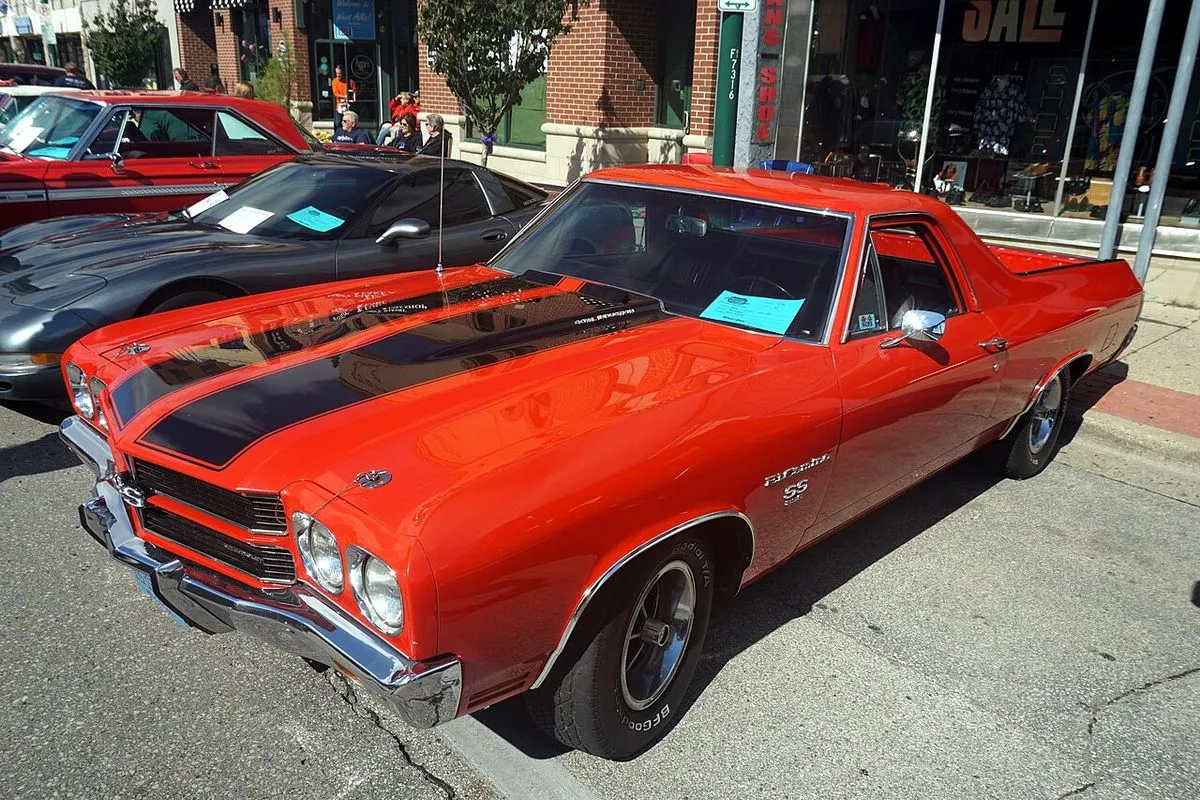
1970 Chevy El Camino SS 454
The El Camino SS is the ultimate 'have your cake and eat it too' muscle car. It's a Chevelle SS in the front, pickup truck in the back. The same engines that made the Chevelle SS legendary — including the 450-hp LS6 454 — were available in a vehicle that could haul a refrigerator. GM built the perfect vehicle for someone who needed to move furniture on Saturday and drag race on Sunday.
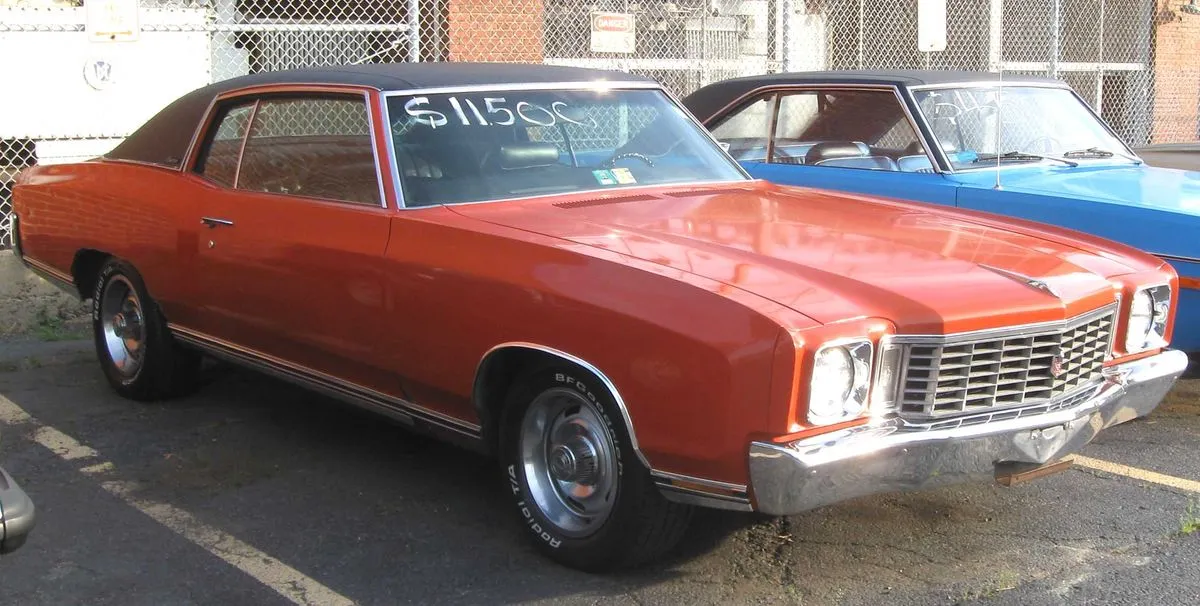
1972 Chevy Monte Carlo
The Monte Carlo was GM's answer to the Ford Thunderbird and Pontiac Grand Prix — a personal luxury coupe that said 'success' without screaming it. The first generation (1970-72) was the pretty one, with flowing lines and available big-block power. The SS 454 turned it into a genuine muscle car with luxury pretensions. The 1973-77 models got the colonnade treatment — heavier, but somehow even more popular. The Monte Carlo became the best-selling coupe in America and laid the foundation for decades of NASCAR dominance. It's the car for people who wanted muscle car performance with grown-up styling.
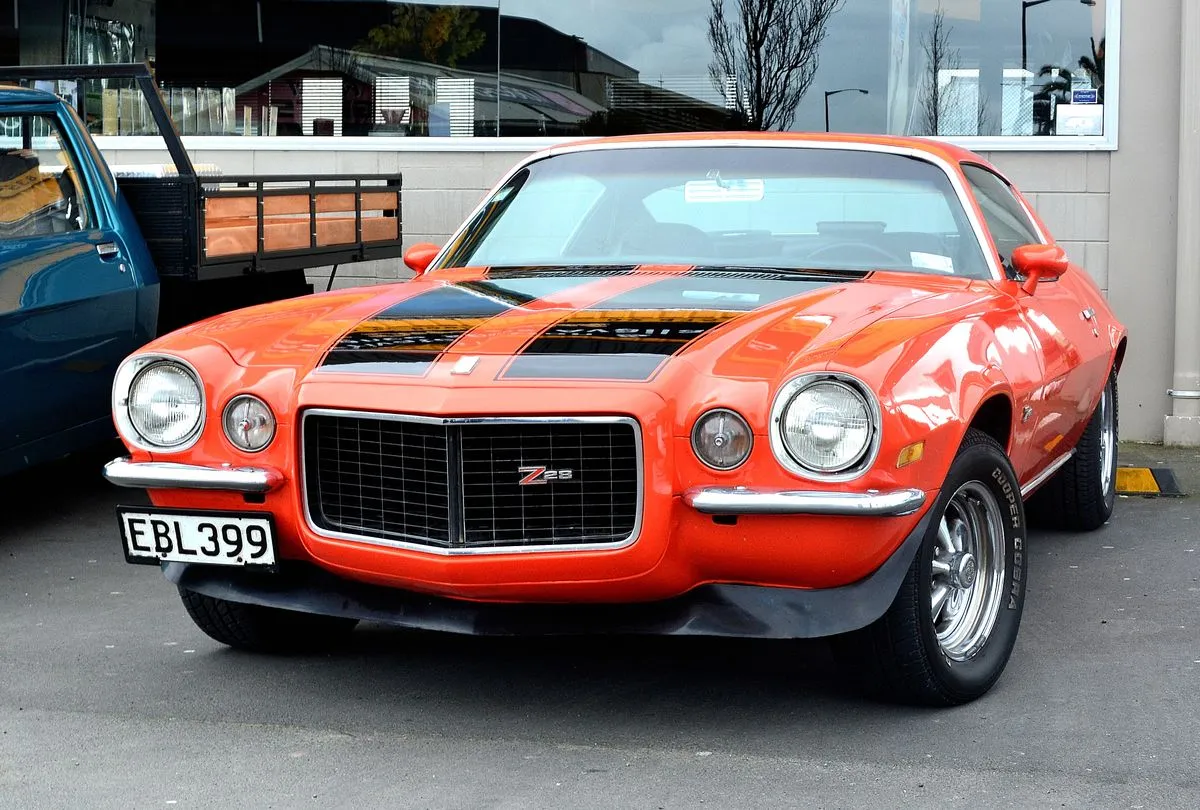
1973 Chevy Camaro Z28
The second-generation Camaro is what happens when GM's designers got ambitious. Where the first-gen Camaro was a Mustang fighter, the second-gen aimed higher — European GT car proportions wrapped around American V8 muscle. The 1970-73 'split bumper' cars are the most desirable, with that aggressive face GM would never build today. The Z28 badge meant business: the LT-1 was a legitimate performance engine, even as emissions regulations started strangling horsepower. By 1973, the muscle car era was dying, but the Camaro's styling made it look fast even when it wasn't.
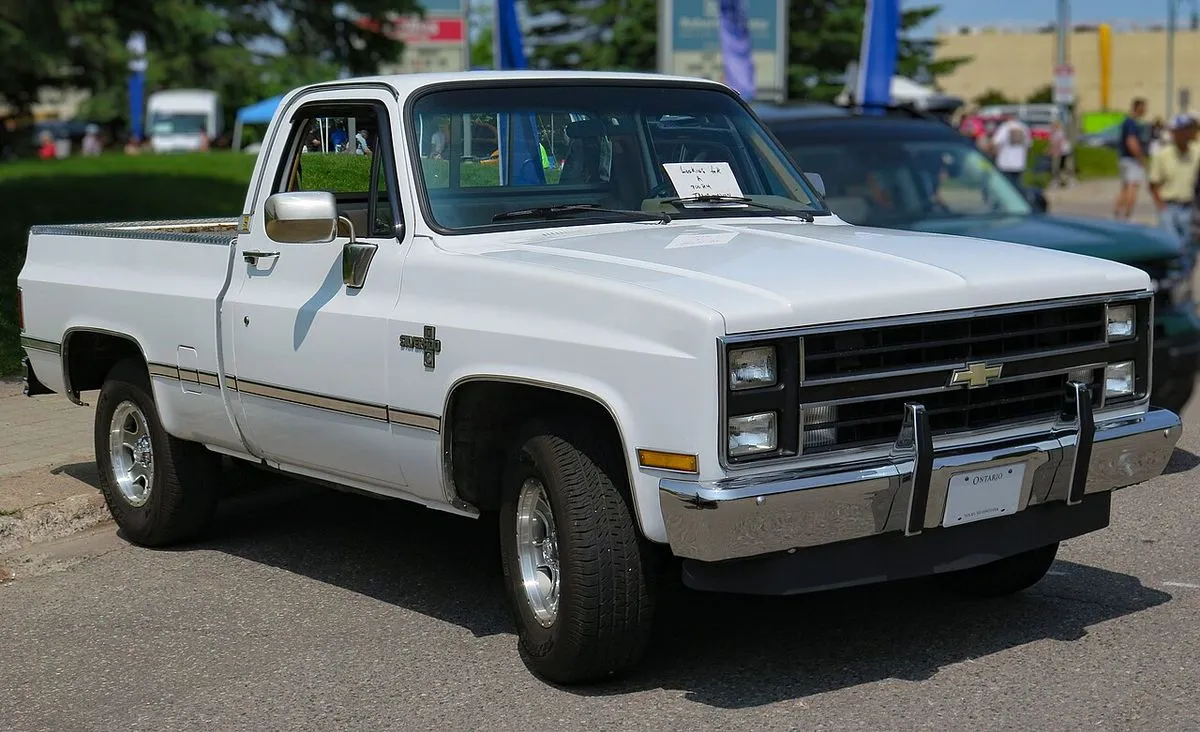
1973-1987 Chevy C/K Square Body
The Chevrolet Square Body is the last old-school American truck — simple, solid, and infinitely fixable. The design ran for 14 years with only incremental changes, which means parts interchange across the entire run. The square styling that gives these trucks their nickname was revolutionary in 1973 and still looks purposeful today. They were workhorses when new, and the survivors are either beat to hell or lovingly maintained. The K-series 4x4 trucks, especially short-bed models, have become the hottest segment in the collector truck market. A clean 1987 K10 Silverado can sell for more than it cost new, adjusted for inflation.
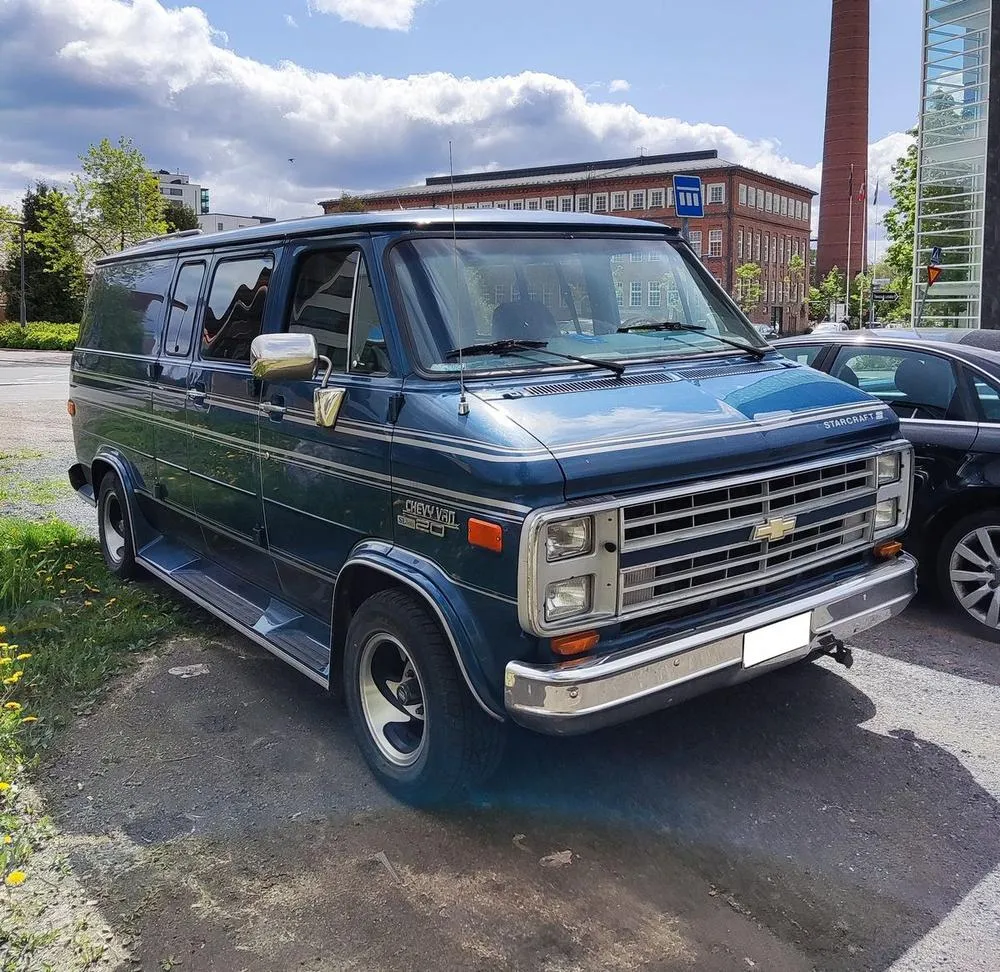
1975 Chevy G20 Van
The G-Series van defined what a full-size American van should be for 25 years. The second-generation design ran from 1971 to 1995 with minimal changes, proving that sometimes you get it right the first time. The G20 became the platform for the entire custom van industry — shag carpet, bubble windows, and murals of wizards on the sides. But underneath the conversions was a solid, reliable truck that could haul, tow, and work. The G-Series was America's utility vehicle.
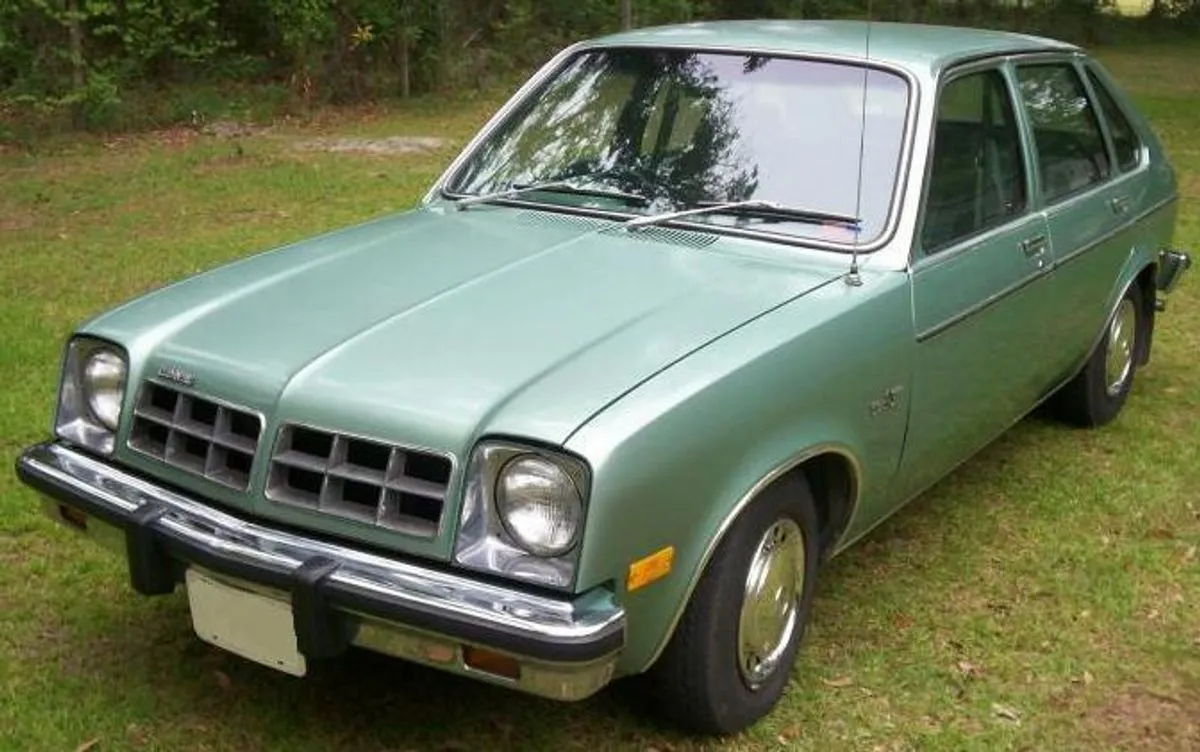
1976 Chevy Chevette
The Chevette was GM's white flag to the imports. After watching Japanese cars steal market share, GM finally built a proper subcompact — by copying what worked. The Chevette was adequate. That's it. Not good, not terrible, just adequate. It did what millions of Americans needed: basic transportation. The RWD layout was archaic even then, but it made the car simple and somewhat fun in snow. The Chevette is the car nobody loved but everybody accepted.
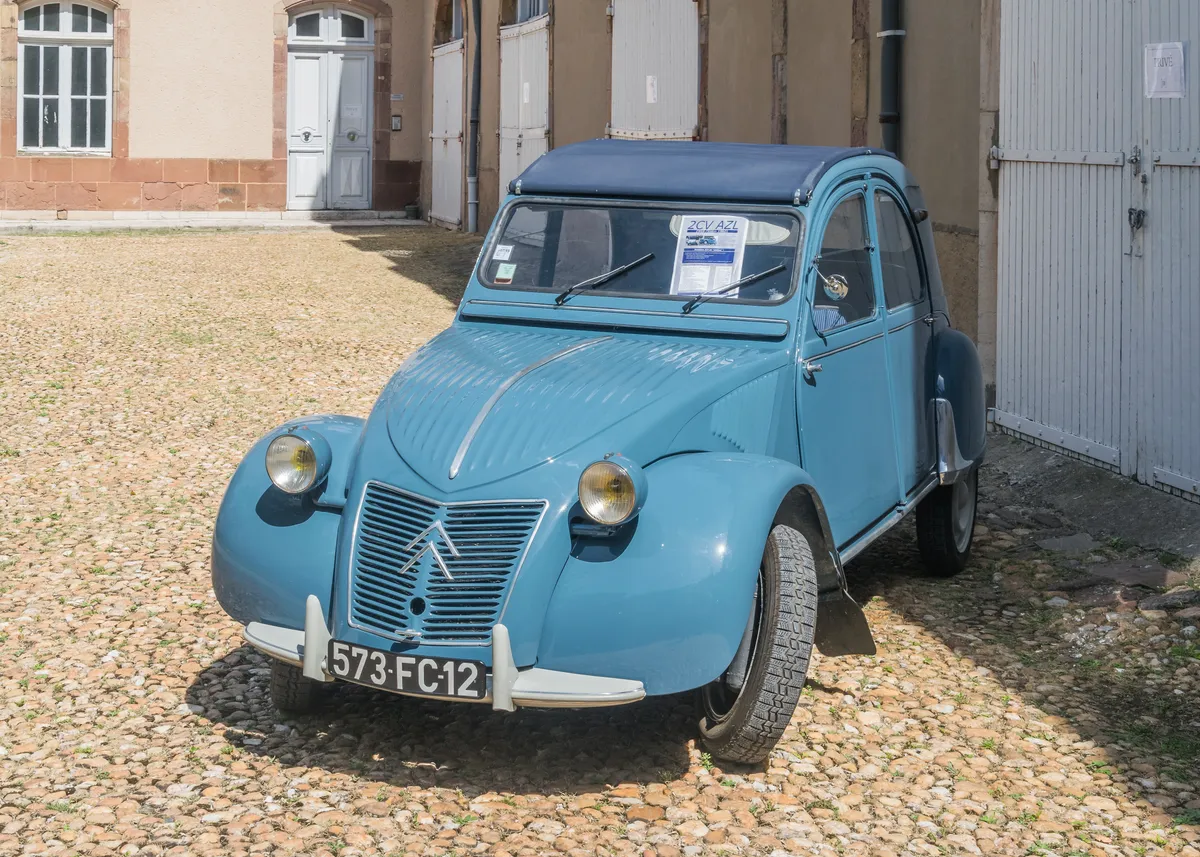
Citroën
View make →Cushman
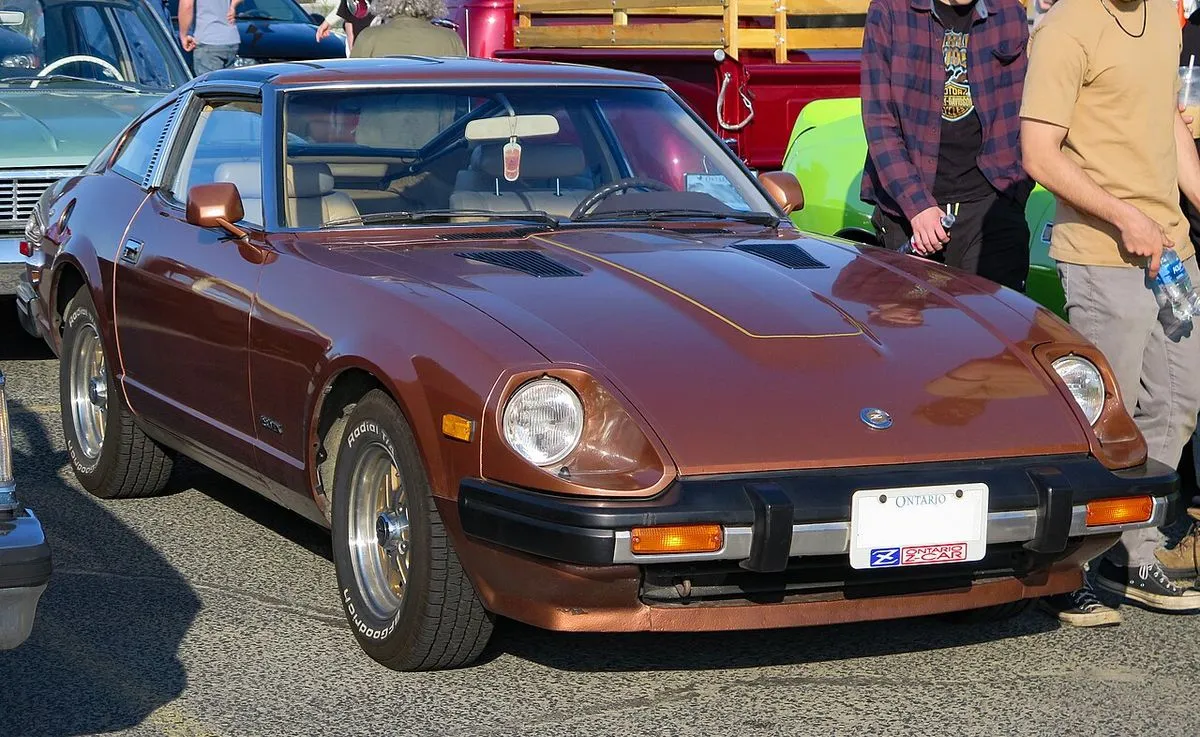
View make →Datsun
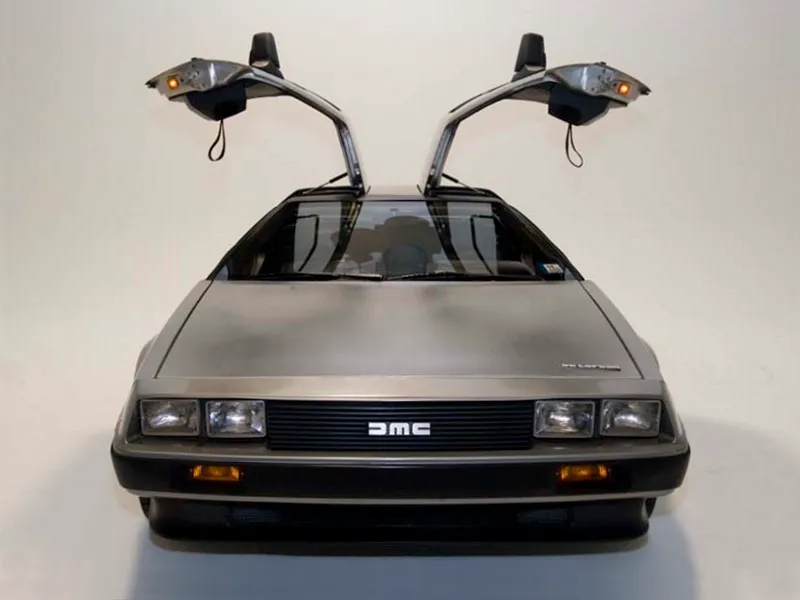
View make →DeLorean
View make →Dodge
View make →
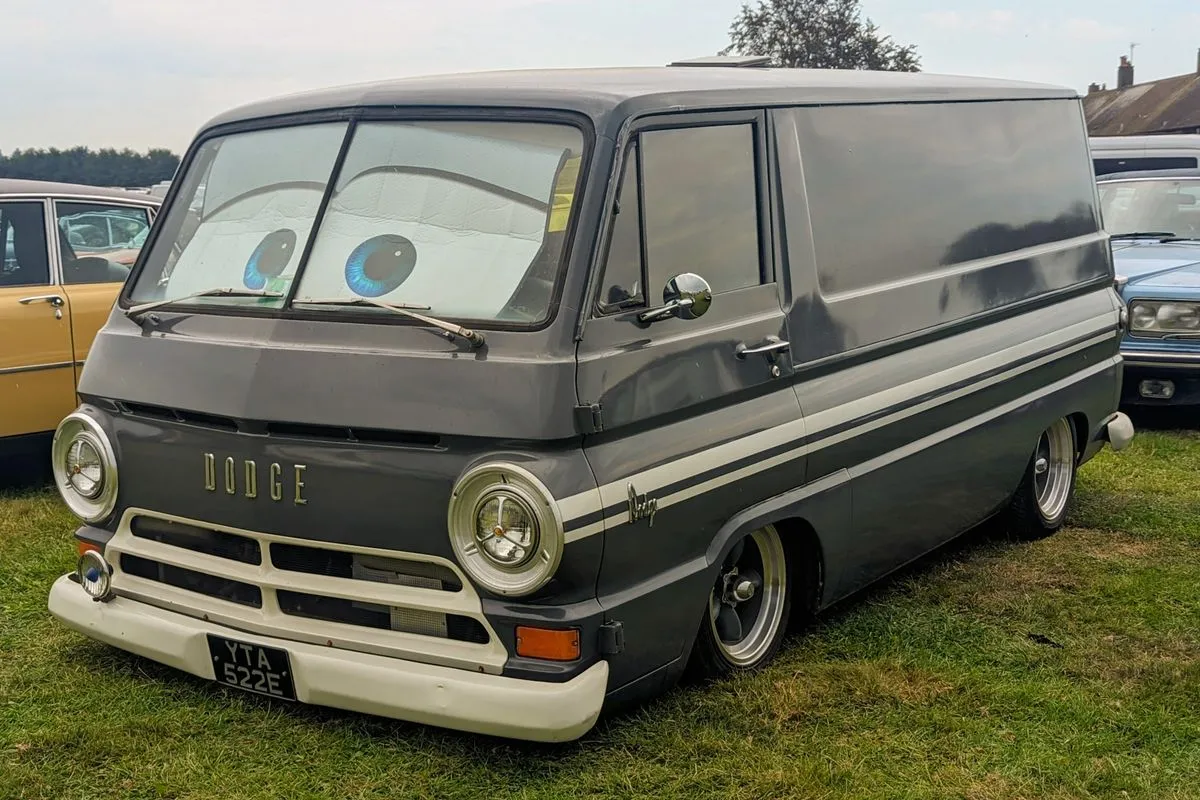
1967 Dodge A100
The A100 is the muscle van. While Ford and GM were putting economical sixes in their compact vans, Dodge offered a 318 V8. The legendary 'Little Red Wagon' drag truck was an A100. This was Chrysler being Chrysler — if some is good, more is better. The forward-control design put you right over the front wheels, which was either exciting or terrifying depending on your perspective. The A100 proved that vans didn't have to be boring.
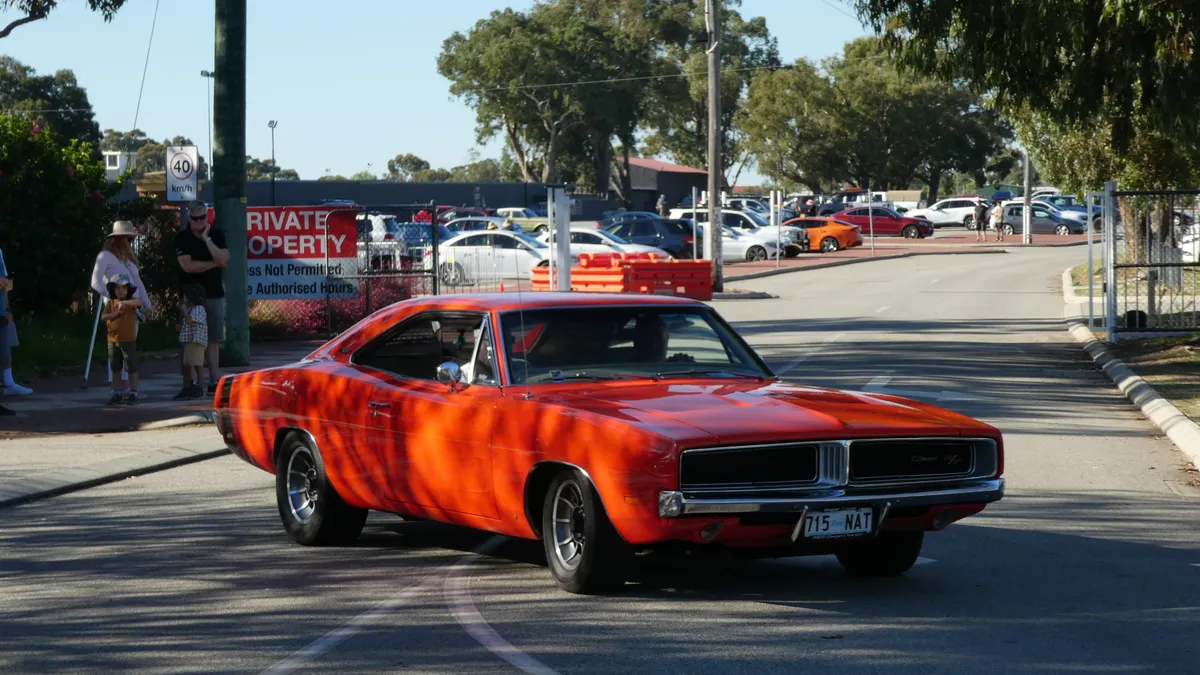
1969 Dodge Charger R/T
The 1968-70 Charger is the most recognizable muscle car silhouette ever drawn. The hidden headlights, tunneled rear glass, and Coke-bottle curves made it look like a spaceship from the future. Then Dodge dropped the 426 Hemi in it. The Charger R/T (Road/Track) came standard with the 440 Magnum — 375 horsepower of reliable big-block power. The optional Hemi added another 50 hp and legendary status. Yes, the General Lee destroyed hundreds of these cars. But the Charger's design transcends any TV show. This is what a muscle car is supposed to look like.
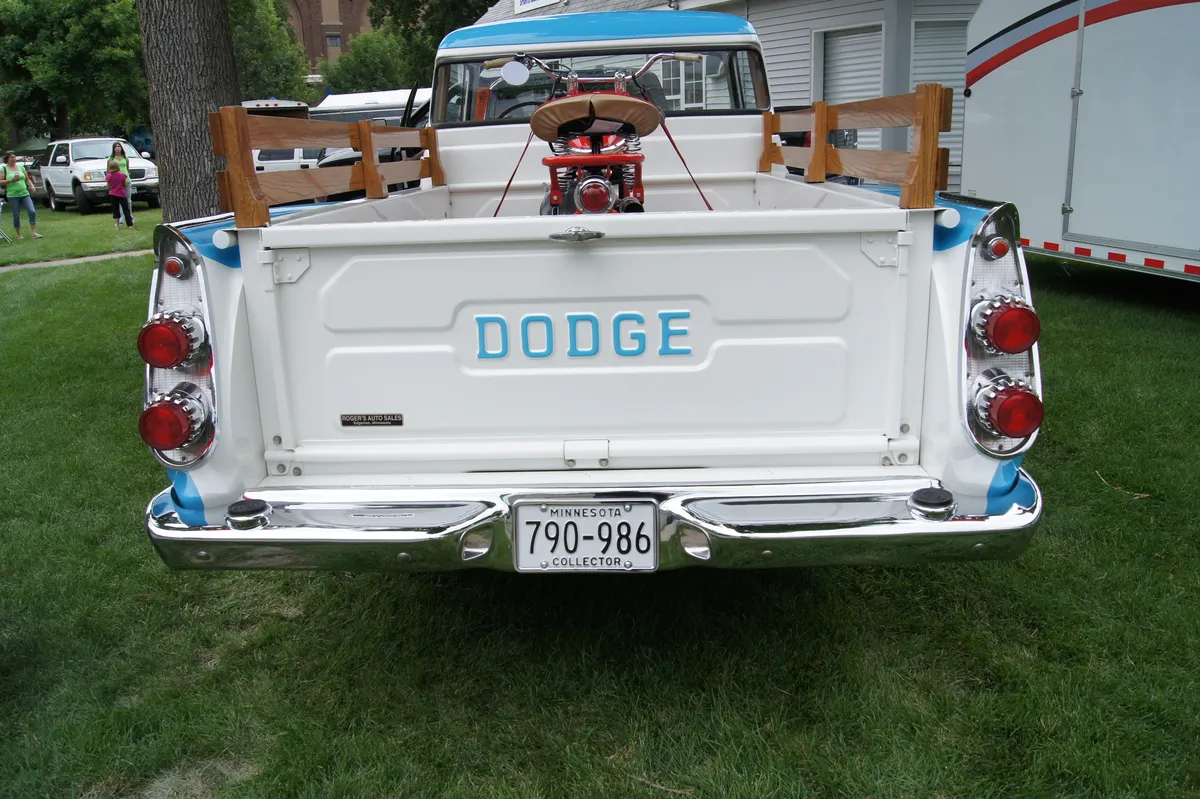
1978 Dodge Li'l Red Express
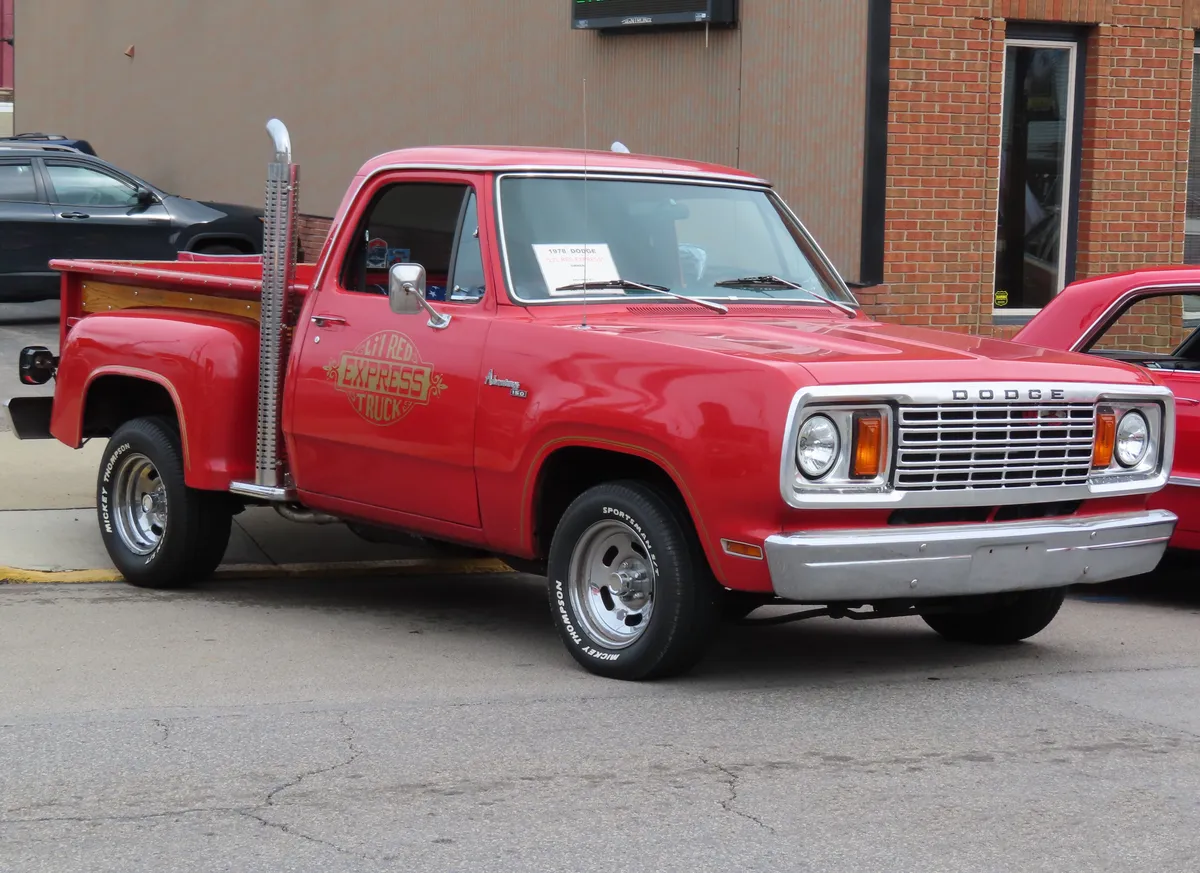
The Li'l Red Express was Dodge's middle finger to the malaise era. While passenger cars choked on emissions equipment and made embarrassing power numbers, Chrysler noticed that light-duty trucks were exempt from the same regulations. So they dropped a 360 V8 with a performance cam, free-flowing exhaust, and those absurd chrome stacks into a D150 shortbed. The result? The fastest American vehicle you could buy in 1978, capable of 14.7-second quarter miles when Corvettes were struggling to break 16. It was a factory hot rod disguised as a work truck, painted Bright Canyon Red and wearing its wood rails and gold stripes like a badge of honor.
1992 Dodge Viper RT/10
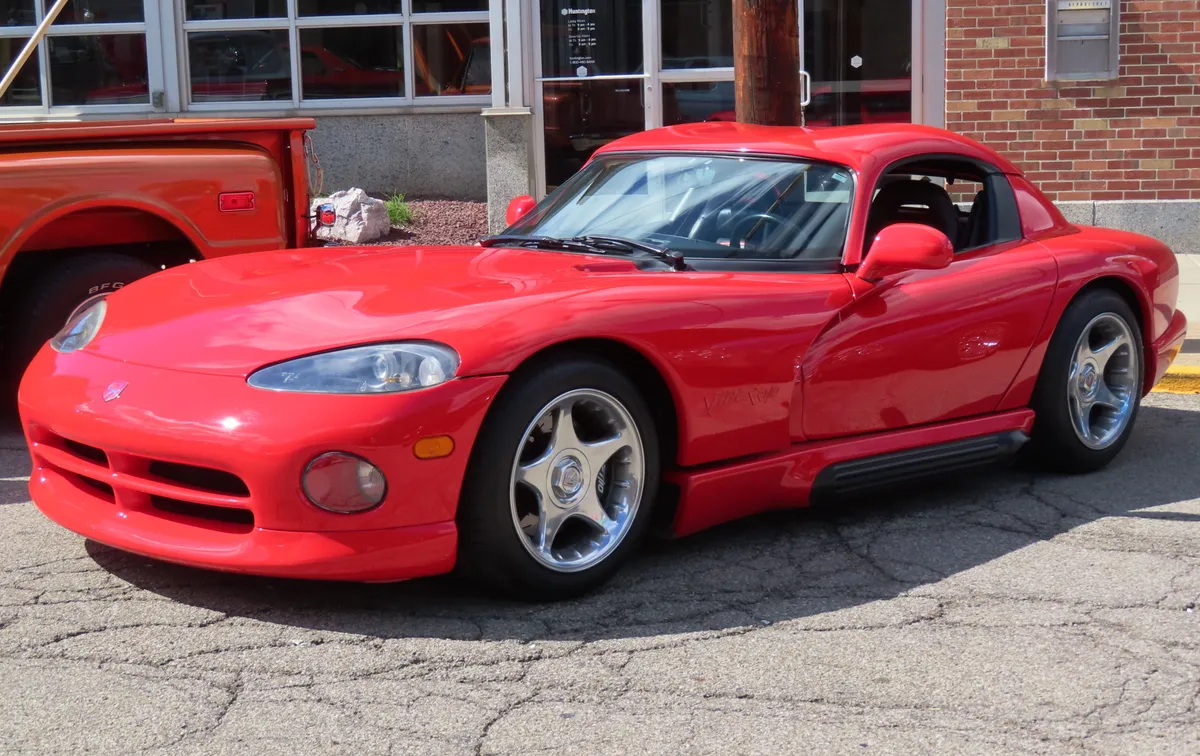
The Viper was Chrysler's insane bet that Americans still wanted raw, unassisted muscle. Bob Lutz and Carroll Shelby created a car with no safety nets — no ABS, no traction control, no airbags, and side exhaust pipes that would brand your calf if you weren't careful. The 8.0L V10 was derived from a truck engine but made 400 hp in an era when Corvettes made 300. The Viper was automotive machismo distilled to its purest form. It was too hot, too loud, too uncomfortable, and too willing to swap ends if you disrespected it. That was the entire point.
1996 Dodge Viper GTS
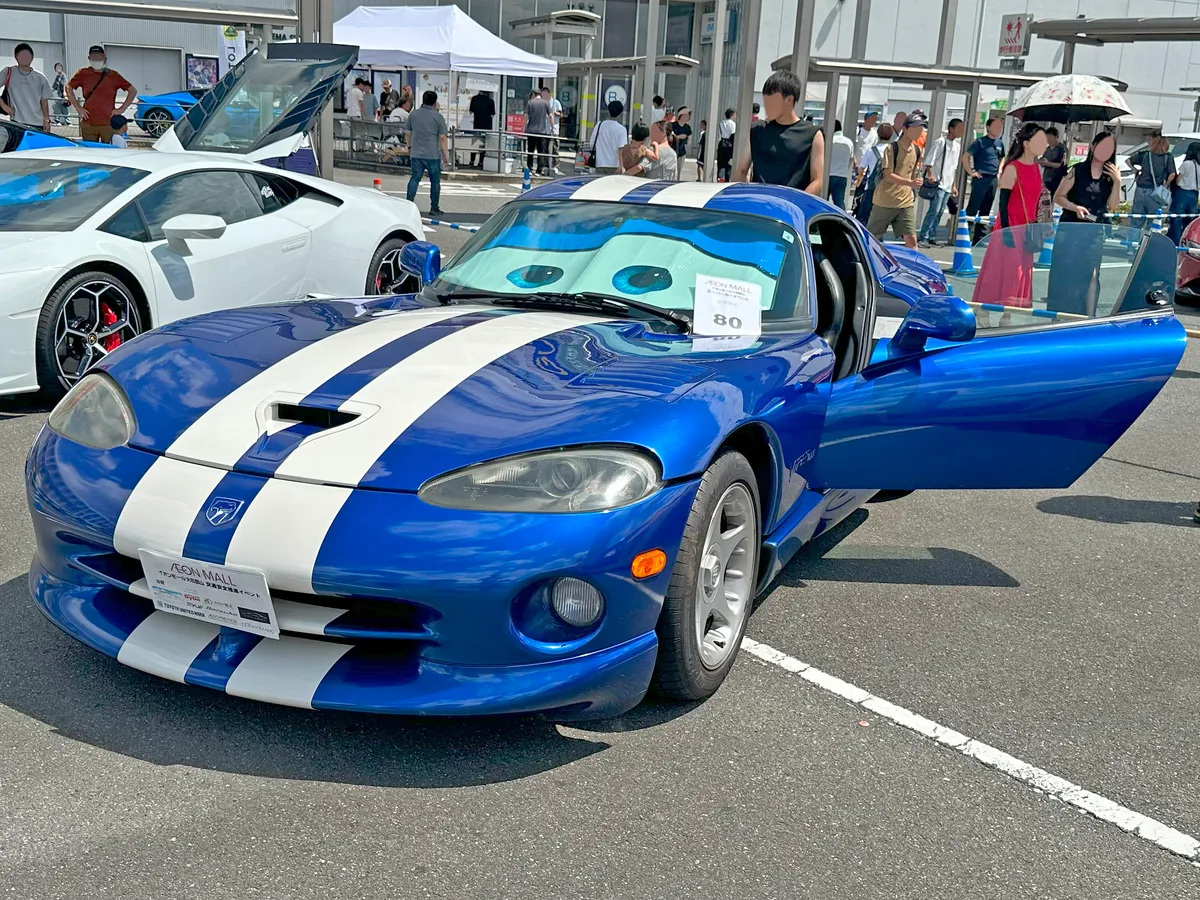
The GTS coupe took the RT/10's brutality and added just enough refinement to make it usable without losing the soul. The double-bubble roof — a direct homage to the Shelby Cobra Daytona coupe — made it instantly recognizable. The 450 hp V10 was even more aggressive than the roadster's. And then Chrysler went racing. The Viper GTS-R dominated GT2 class racing, including class wins at Le Mans in 1998, 1999, and 2000. The blue-with-white-stripes livery became iconic. The GTS proved the Viper wasn't just a drag strip brawler — it could humiliate European exotics on road courses too.
Ferrari
View make →
1962 Ferrari 250 GTO
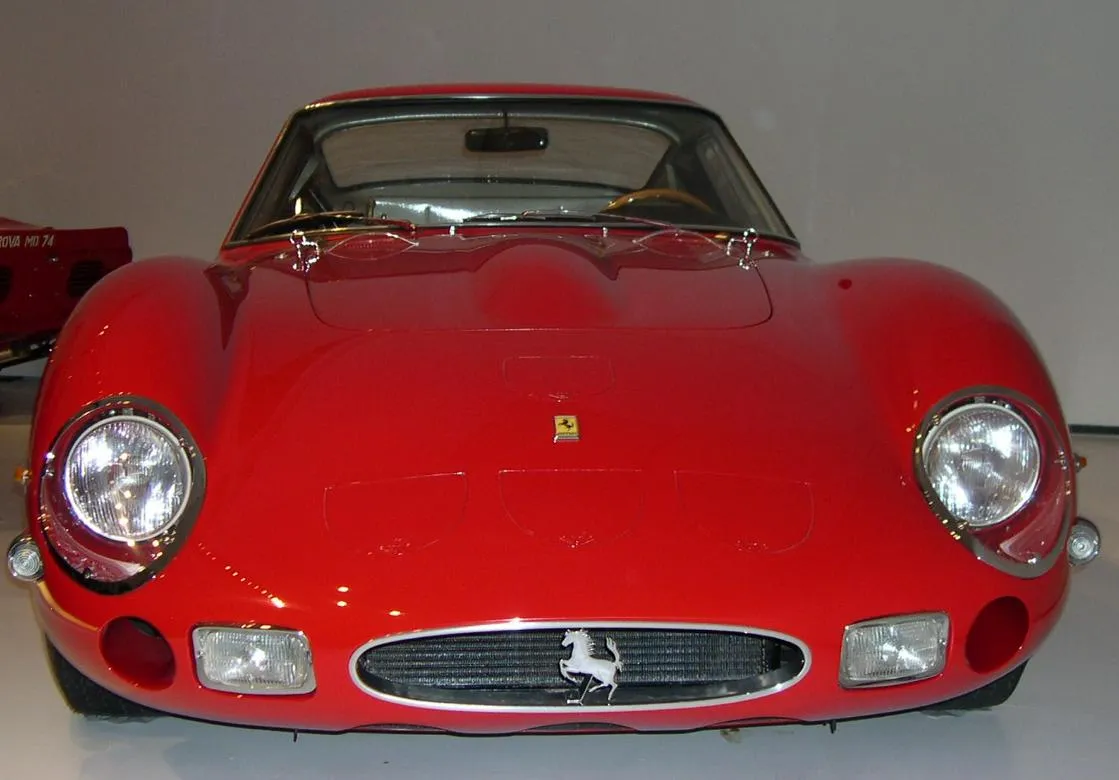
The 250 GTO is the most valuable car in the world, and it earned that status the hard way: by winning everything. Ferrari built exactly 36 of them (39 if you count the later 330 GTO variants) to homologate the car for GT racing. They won the FIA GT Championship three years running. The body was shaped in a wind tunnel — revolutionary for the era. The Colombo V12 was a masterpiece. The drivers who raced them became legends. Today, a 250 GTO sale is front-page news. The most expensive car ever sold at auction was a 250 GTO. This isn't a car; it's the Mona Lisa on wheels.
1977 Ferrari 308 GTS
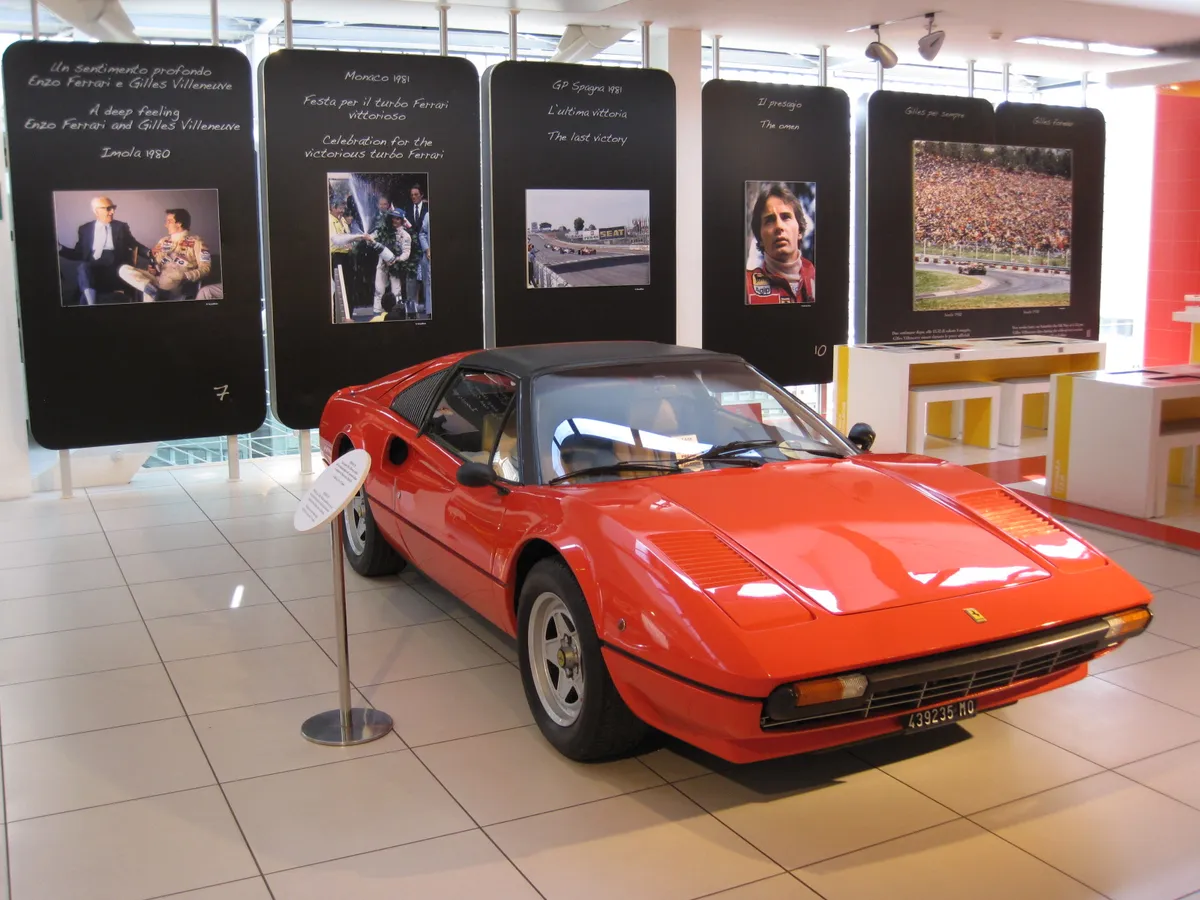
The 308 democratized Ferrari. Before it, Ferraris were V12 exotics for the wealthy. The 308 was a V8 that middle-class professionals could actually aspire to own. Pininfarina's design set the template for mid-engine sports cars — the proportions, the flying buttresses, the wedge shape. Then Tom Selleck drove one in 'Magnum P.I.' for eight seasons, and the 308 GTS became the definitive '80s poster car. Yes, the V8 was down on power compared to the V12s. Yes, the malaise-era emissions equipment strangled performance. None of that mattered. The 308 looked like your dream of a Ferrari, and that was enough.
1984 Ferrari Testarossa
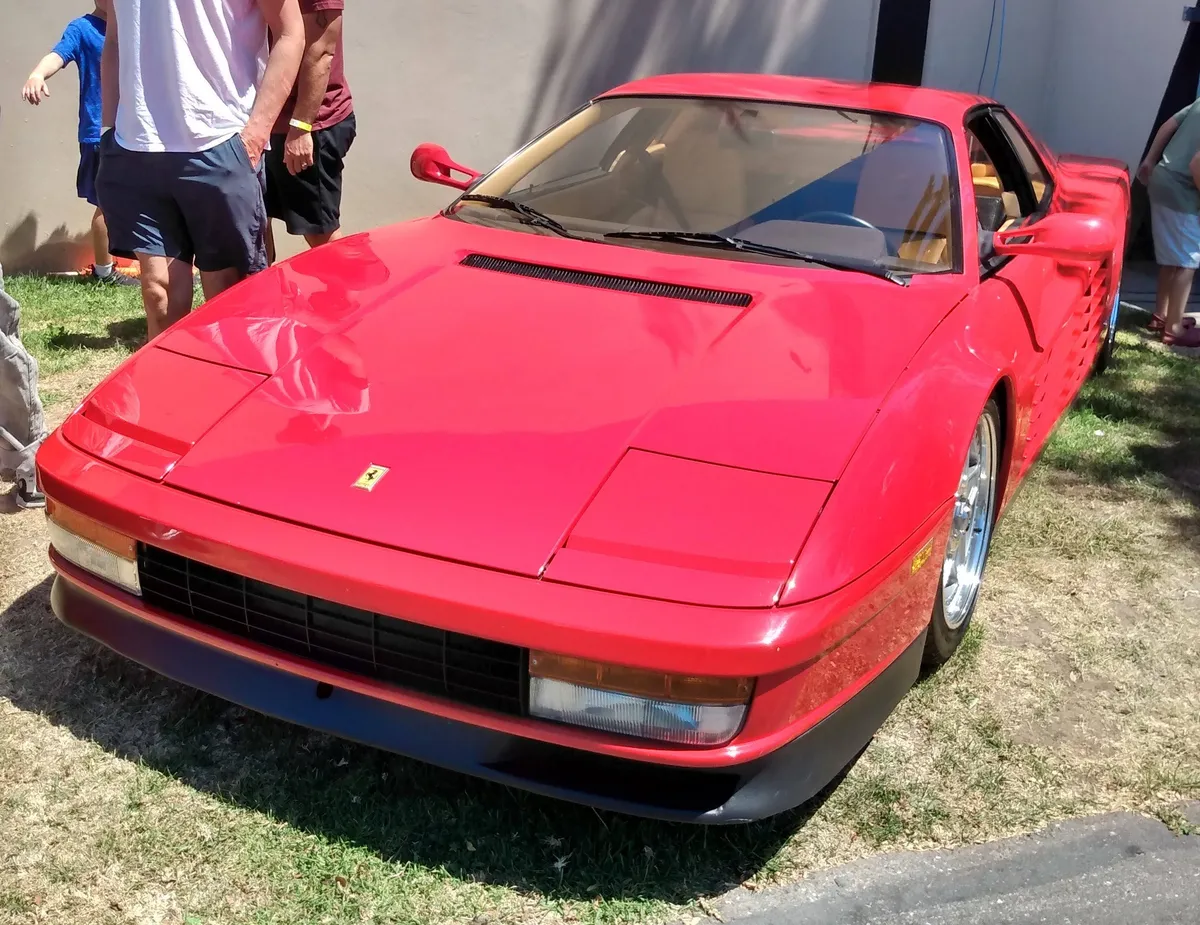
The Testarossa was the ultimate '80s supercar — wide, low, and straked to hell. Pininfarina's design put the radiators in the doors (hence the side strakes), allowing a lower nose and dramatic proportions. The flat-12 engine was Ferrari racing technology adapted for the road. 'Miami Vice' made it a cultural icon; every kid in America had one on their wall. The name referenced Ferrari's legendary racing Testarossas ('red head' for the red cam covers). Critics called it overstyled. They were wrong. The Testarossa was exactly as dramatic as the '80s demanded.
Fiat
View make →Ford
View make →
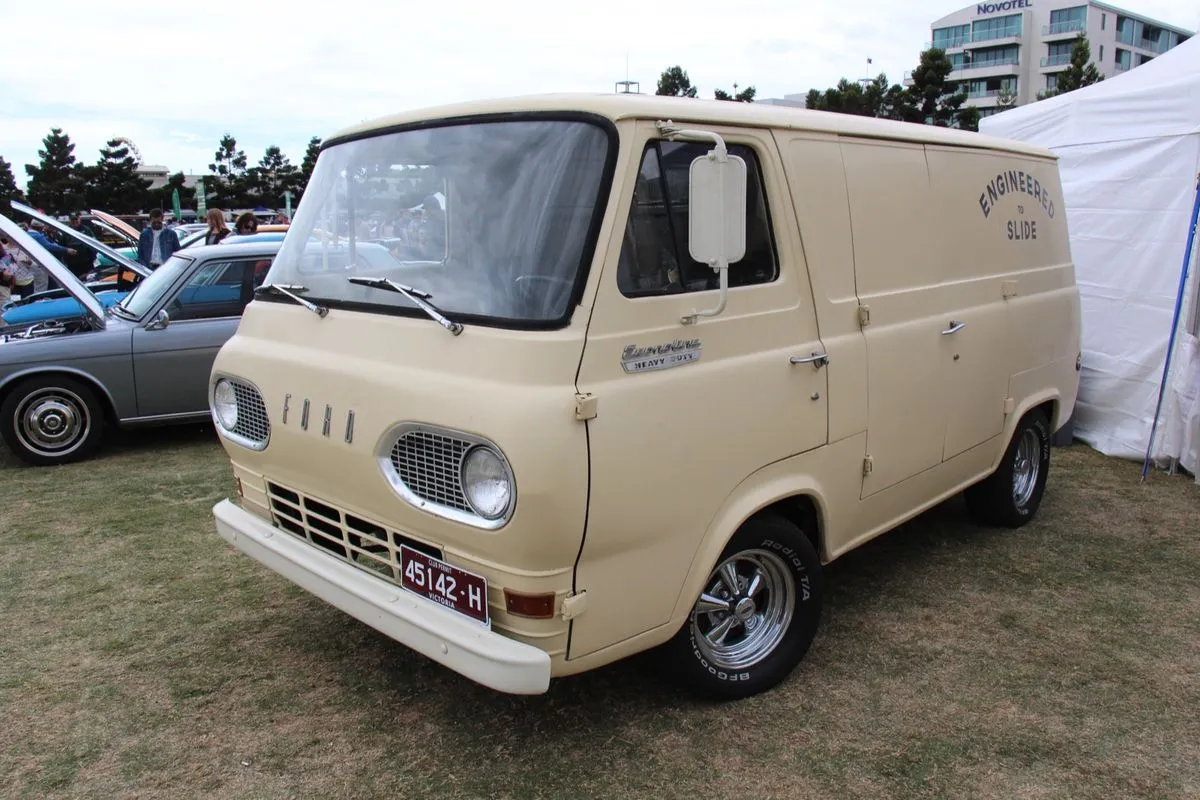
1964 Ford Econoline
Ford's first-gen Econoline was American industry's answer to the VW Bus. Where VW used an air-cooled rear engine, Ford put a Falcon six under the cab floor. The result was a genuinely useful commercial vehicle that also worked for families, campers, and custom van enthusiasts. The cab-forward design maximized cargo space in a compact footprint. Before full-size vans became conversion van monsters, the Econoline was right-sized and practical.
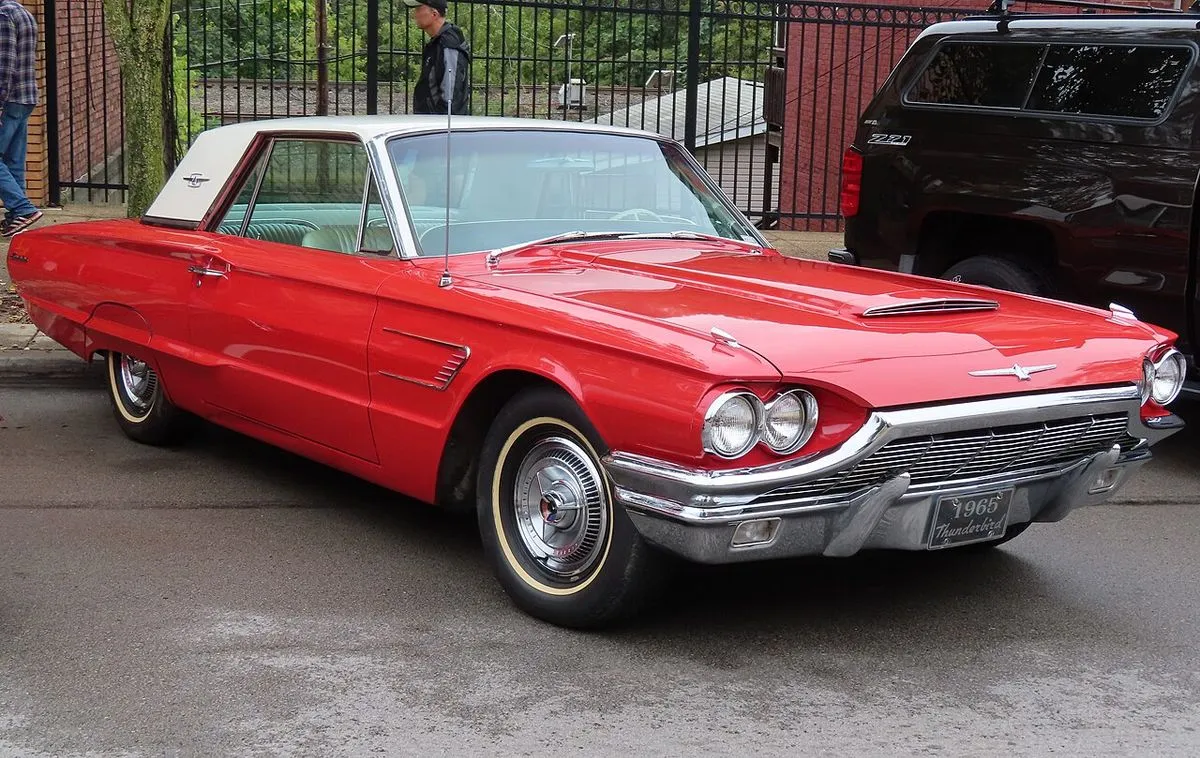
1965 Ford Thunderbird
The fourth-generation Thunderbird perfected the personal luxury concept. This wasn't a sports car — Ford made that clear when they ditched the two-seater format after 1957. This was a luxury cruiser for people who wanted to make an entrance. The sequential turn signals were a party trick that still impresses. The big 390 V8 moved serious weight effortlessly. The T-Bird was for people who'd made it and wanted everyone to know.
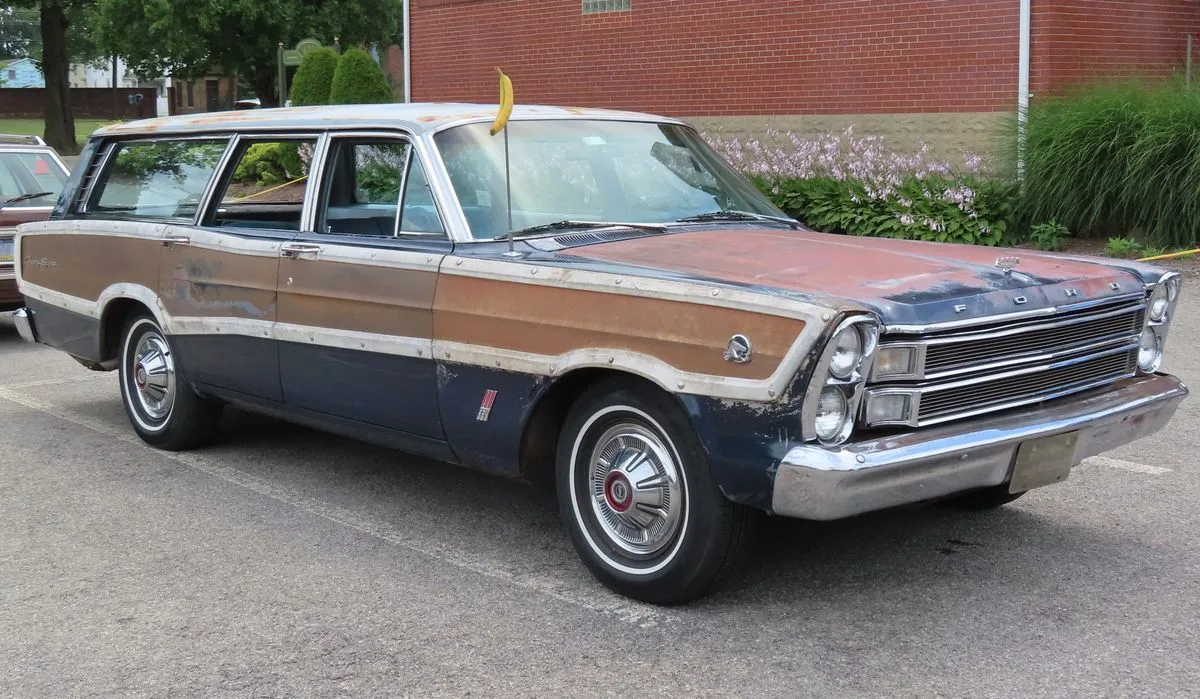
1966 Ford Country Squire
The Country Squire is American family life in automotive form. Wood-paneled wagons carried the baby boom generation to Little League, summer camps, and cross-country vacations. The fake wood — Di-Noc vinyl with printed grain — was aspirational. Real wood wagons were for the country club set; the Squire let everyone else pretend. By the mid-60s, Ford had perfected the formula: big FE V8 for effortless cruising, cavernous interior, and styling that said 'we made it.' Throw a surfboard on the roof and you've got an icon of California cool that defined an era. This is the Woody.
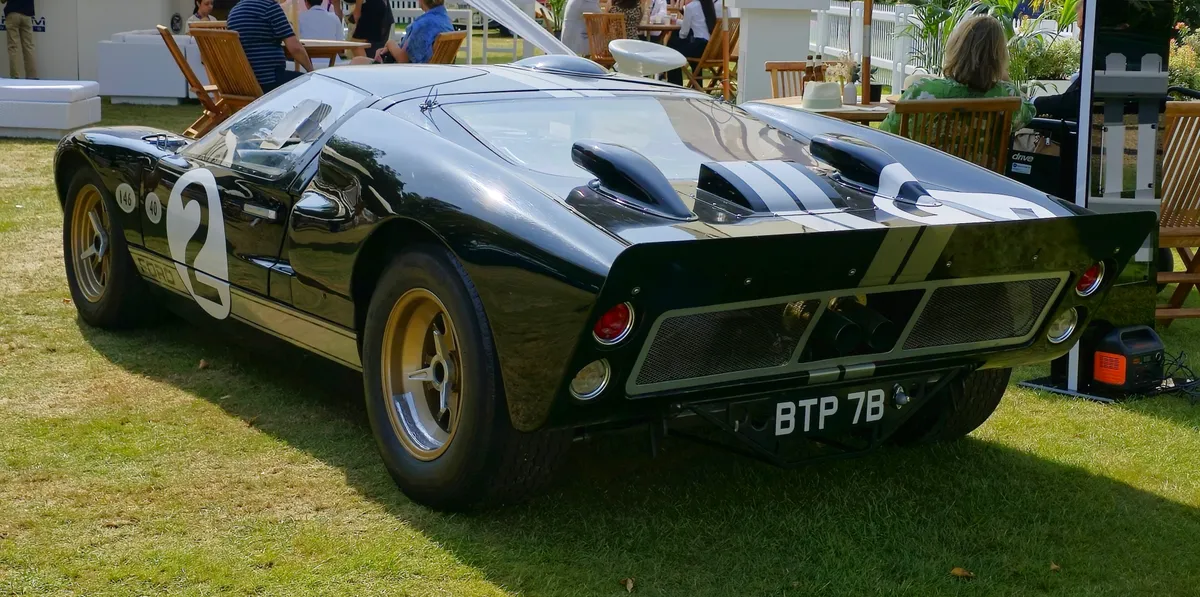
1966 Ford GT40
Henry Ford II tried to buy Ferrari in 1963. Enzo backed out at the last minute. Ford took it personally and built the GT40 specifically to beat Ferrari at Le Mans. It took a few years and a lot of money, but in 1966, Ford went 1-2-3 at Le Mans, destroying Ferrari on the world stage. They won again in 1967, 1968, and 1969. The GT40 proved that American muscle could compete with European racing technology when properly applied. The name came from its height — just 40 inches tall. It's one of the few purpose-built American racecars that achieved motorsport immortality.
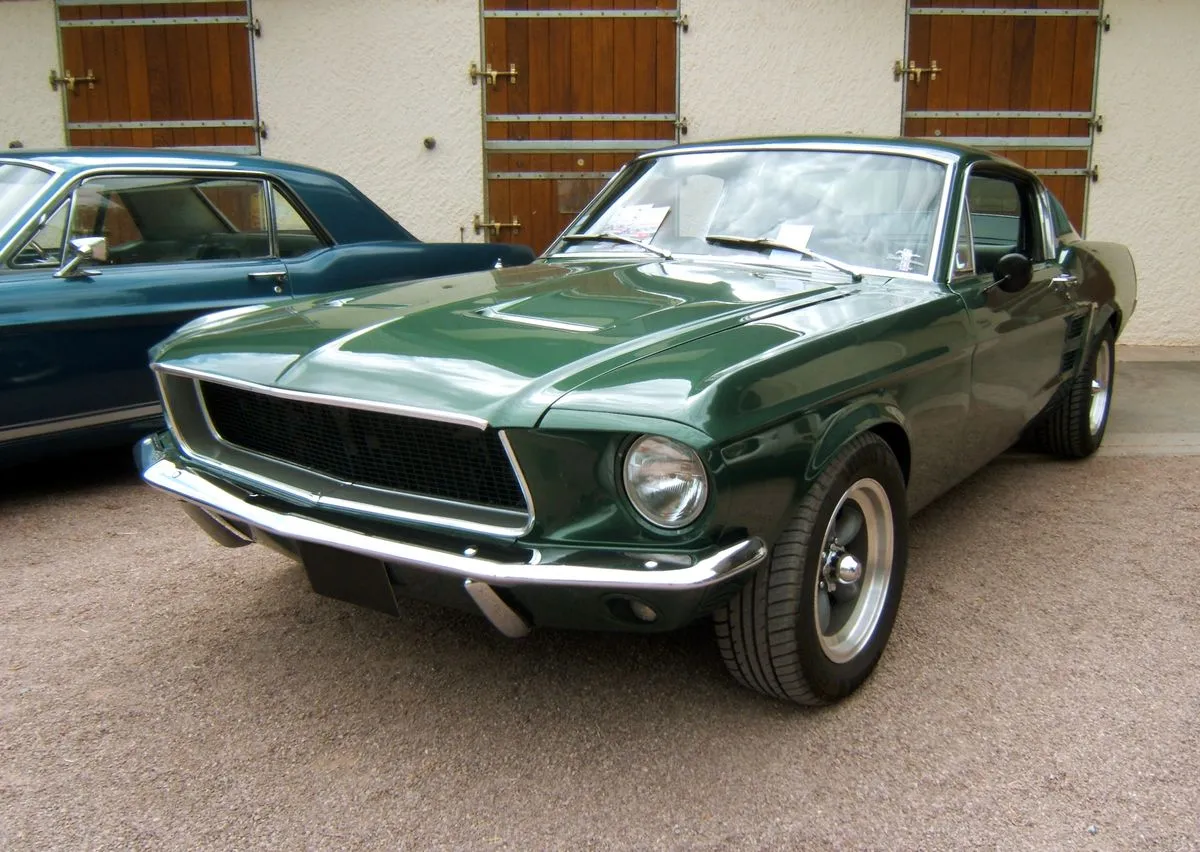
1967 Ford Mustang Fastback
The '67 Mustang is where the pony car grew up. The original 1964½ was a secretary's car — a compact Falcon in a pretty dress. For '67, Ford stretched the body to fit big-block V8s. The fastback roofline became the defining silhouette of American muscle. Steve McQueen's '68 Bullitt Mustang (nearly identical to the '67) cemented the fastback as the coolest car shape of the era. This is the Mustang that launched a thousand posters.
1967-1979 Ford F-100/F-150
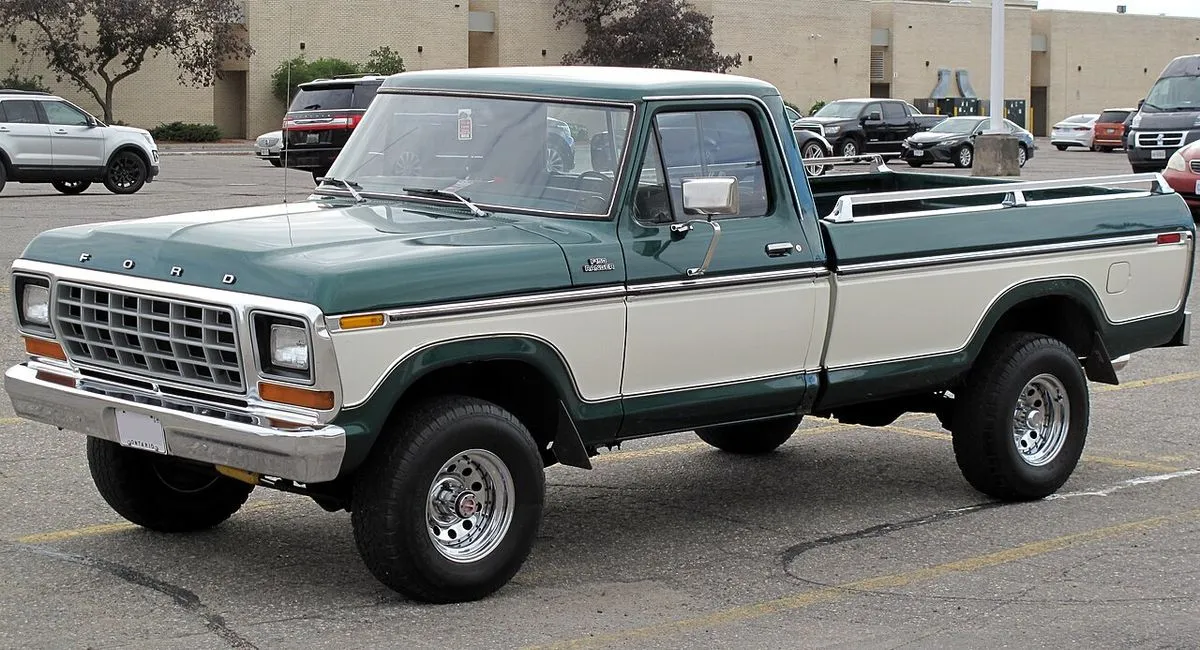
The fifth and sixth generation Ford F-Series trucks represent Ford's transition from work truck to lifestyle vehicle. The 1967-72 'Bumpside' trucks have clean styling that's highly collectible today. The 1973-79 'Dentside' trucks added the character line down the bodyside and a more comfortable cab. The 300 cubic inch inline-6 became legendary for bulletproof reliability — many have crossed 500,000 miles with basic maintenance. The F-150 designation appeared in 1975, eventually becoming America's best-selling vehicle for decades. These trucks were built to work, and the survivors are either still working or treasured for their simplicity.
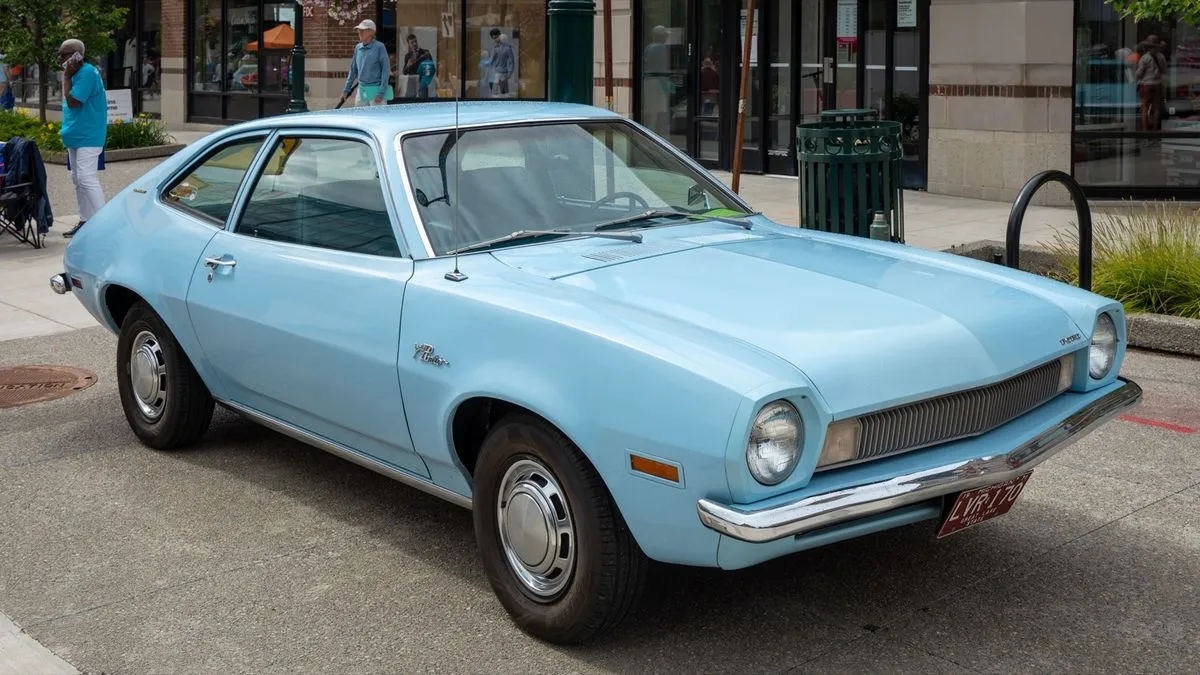
1971 Ford Pinto
The Pinto is forever associated with its fuel tank scandal — Ford's calculated decision that paying wrongful death settlements was cheaper than fixing the design. That scandal defined automotive ethics debates for decades. But before that, the Pinto was just Ford's answer to the import invasion. It was cheap, efficient, and sold millions. The car itself was adequate transportation for people who needed adequate transportation. The scandal shouldn't define the car, but it's impossible to separate them.
1989 Ford Mustang 5.0
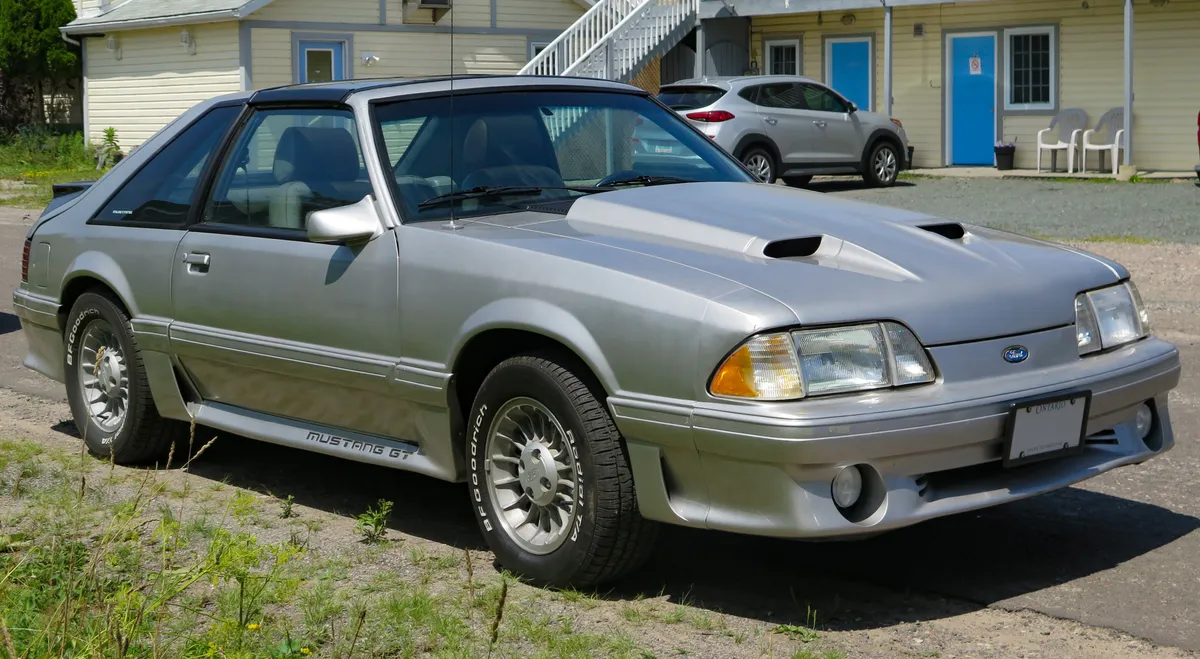
The Fox Body 5.0 saved the Mustang. After years of malaise-era disappointment (Mustang II, anyone?), Ford finally gave enthusiasts what they wanted: a lightweight, rear-drive chassis with a fuel-injected V8 that actually made power. The 1987-1993 5.0 HO engine produced 225 hp — modest by modern standards but transformative for its era. The LX 5.0 notchback became the sleeper of choice; the GT had the aggressive body kit. The aftermarket exploded. Drag strips filled with Fox Bodies. This was the car that proved the pony car segment could survive and thrive.
1992 Ford Festiva
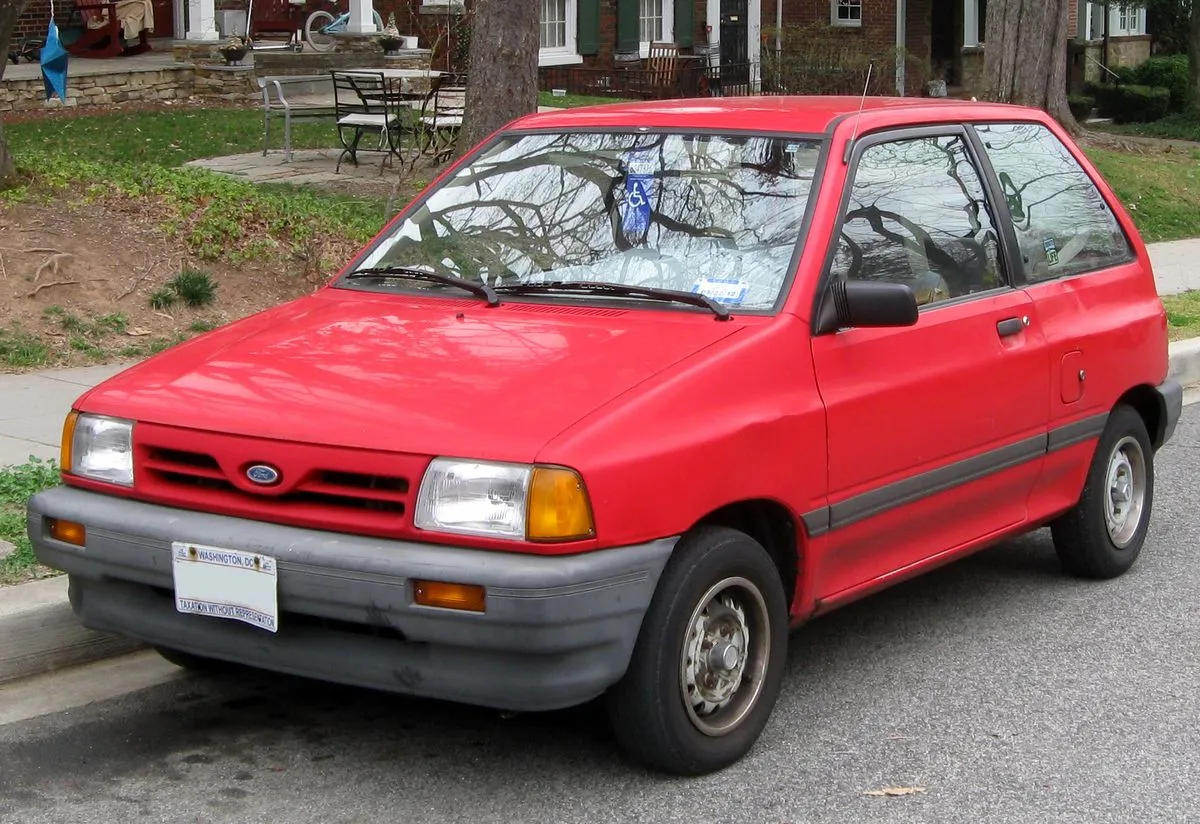
The Festiva is transportation reduced to its absolute essence. Built by Kia, engineered by Mazda, sold by Ford — a globalized economy before anyone used that word. It's slow. It's tinny. The three-speed automatic is basically two gears and a suggestion. But it weighs nothing, sips fuel, and will get you from A to B forever if you do basic maintenance. For kids learning to drive, this was perfect: nothing to break, nothing to race, just honest transportation that taught you how cars work.
1993 Ford F-150 XLT Lariat
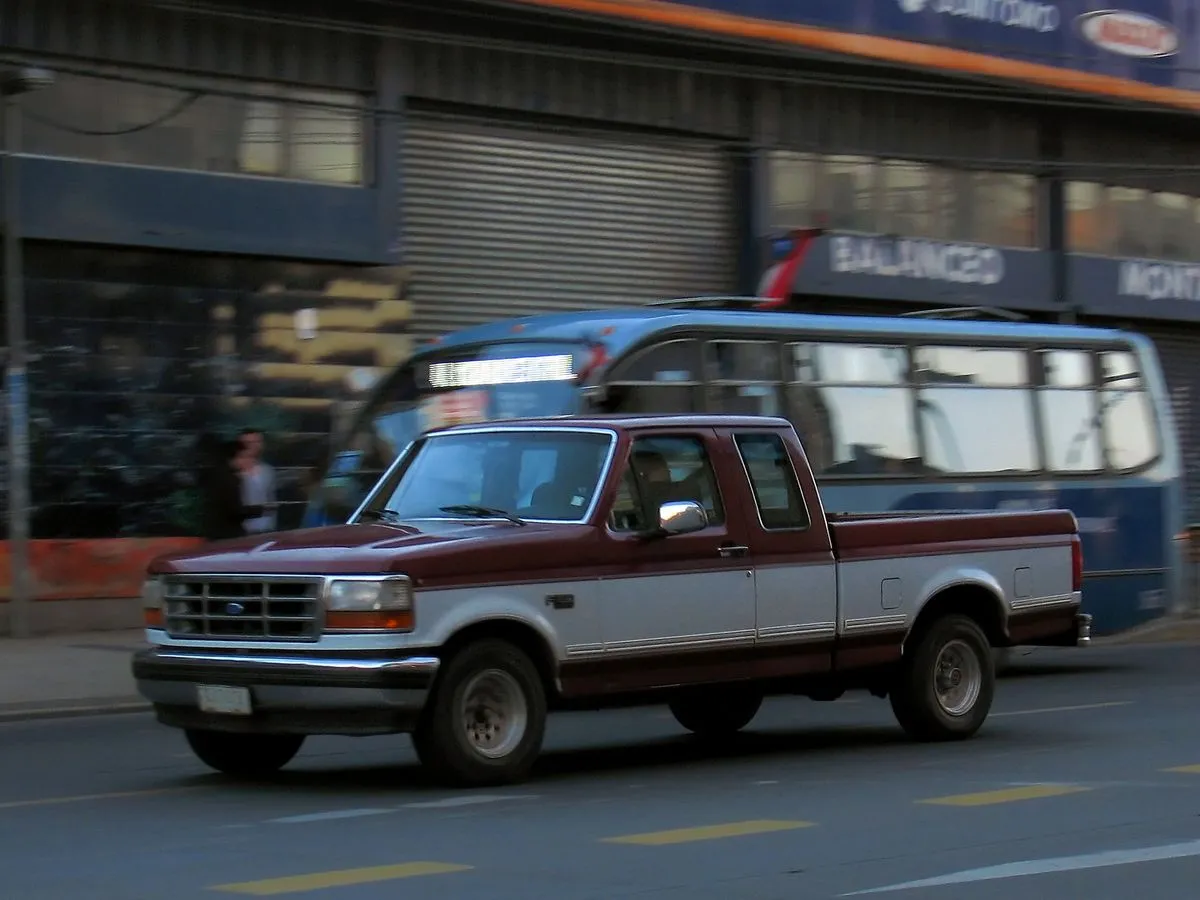
The OBS (Old Body Style) F-150 is the quintessential American truck. It's what people picture when they think 'pickup.' The 1987 redesign added aerodynamics without losing the truck's essential character. The 300 cubic inch inline-6 is legendarily reliable — truckers call it the 'big six' and swear by it. The XLT Lariat trim added carpet, power everything, and enough creature comforts to make the wife happy. This is the working truck that could also be the family vehicle.
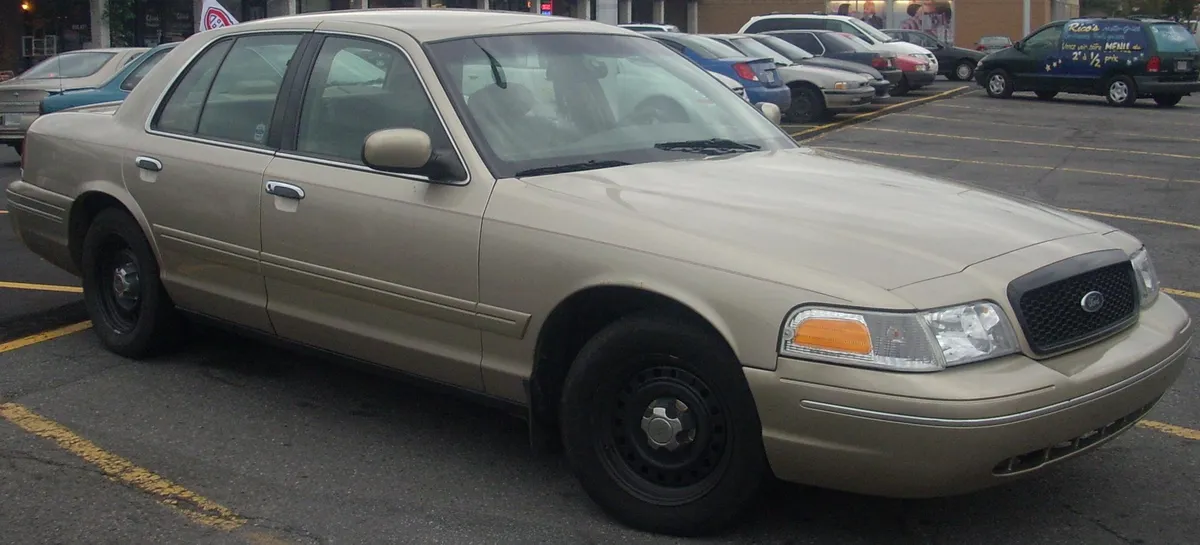
1999 Ford Crown Victoria
The Crown Victoria was the last of the American body-on-frame V8 sedans. While everyone else moved to front-wheel drive and unibody construction, Ford kept building a proper full-frame car with a pushrod V8 and rear-wheel drive. It became the default American police car, taxi, and fleet vehicle. Every cop movie from 1992 to 2011 featured Crown Vics. Every taxi in every city outside New York ran Crown Vics. It was boring by design — reliable, cheap to fix, and fundamentally indestructible. That's exactly why it matters.
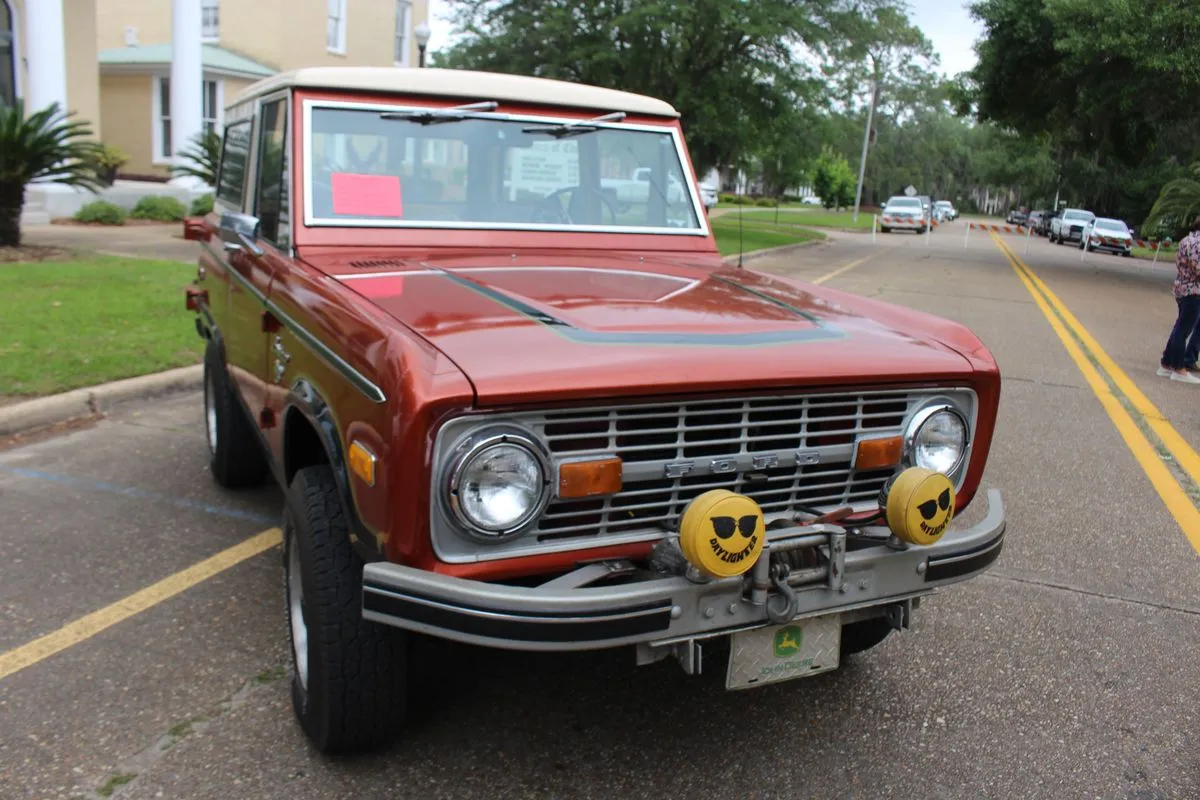
Ford Bronco (First Generation)
The first-gen Bronco was Ford's answer to the Jeep CJ — a no-nonsense, purpose-built 4x4 for people who actually needed to go off-road. The short 92-inch wheelbase made it absurdly maneuverable in the rocks and woods. The removable hardtop made it a convertible. The V8 option made it fast. For a decade, the Bronco was the serious choice for serious off-roaders. Then the O.J. Simpson chase in 1994 made it famous for entirely different reasons. Today, the early Bronco is one of the hottest collector trucks on the market, with values that have tripled in a decade.
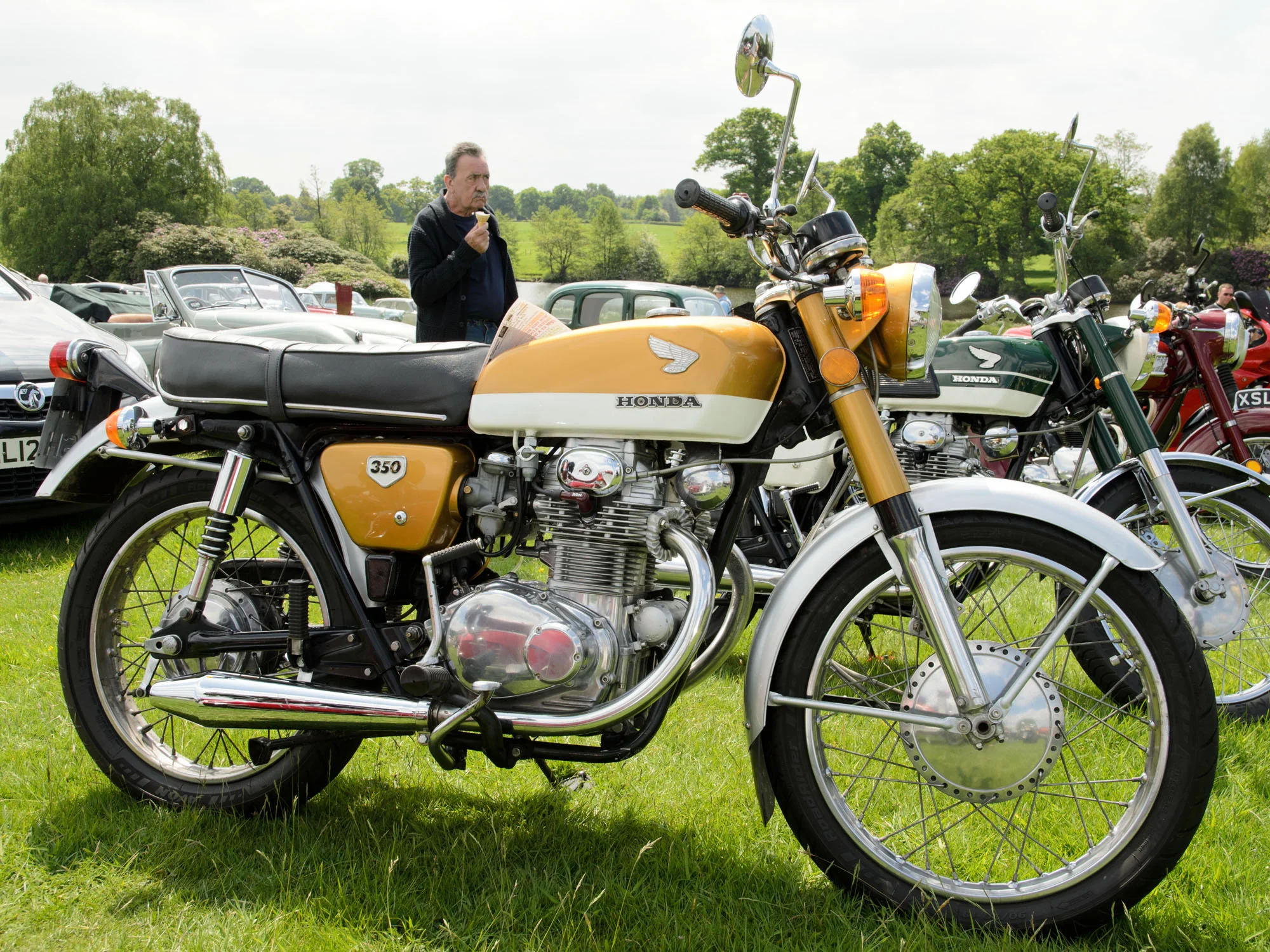
Honda
View make →
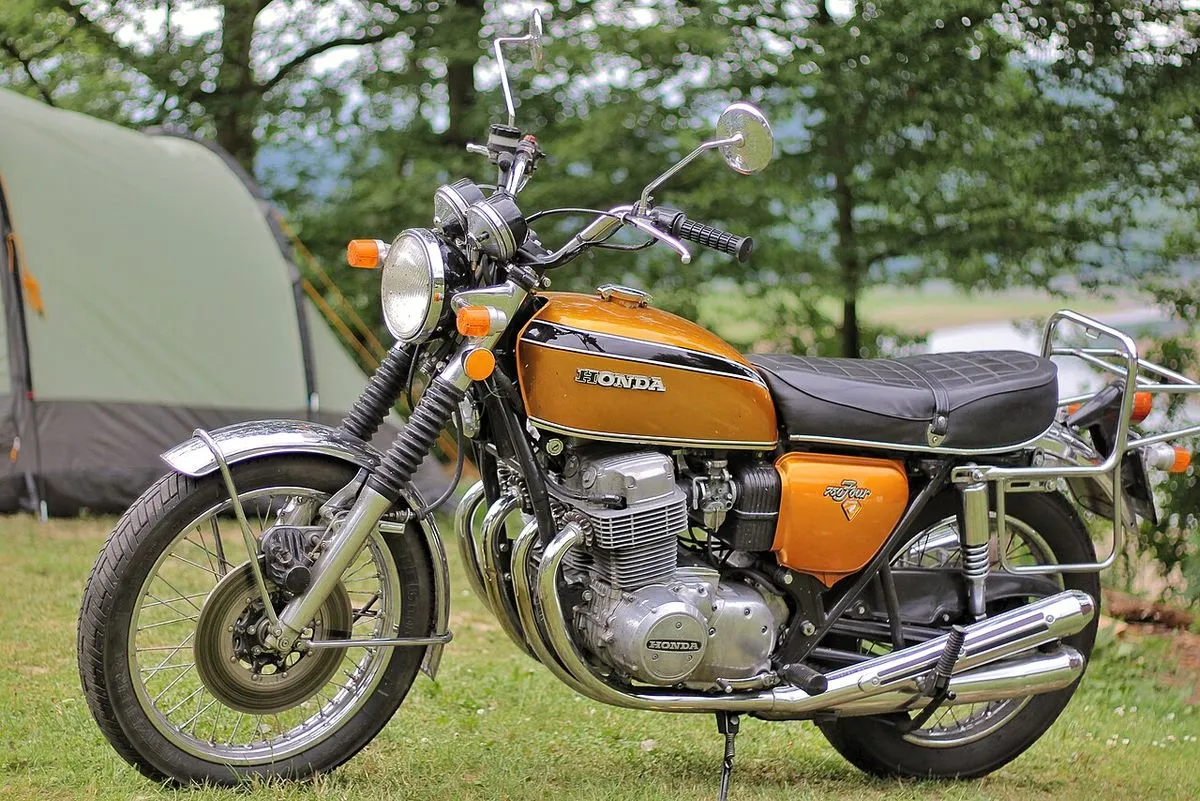
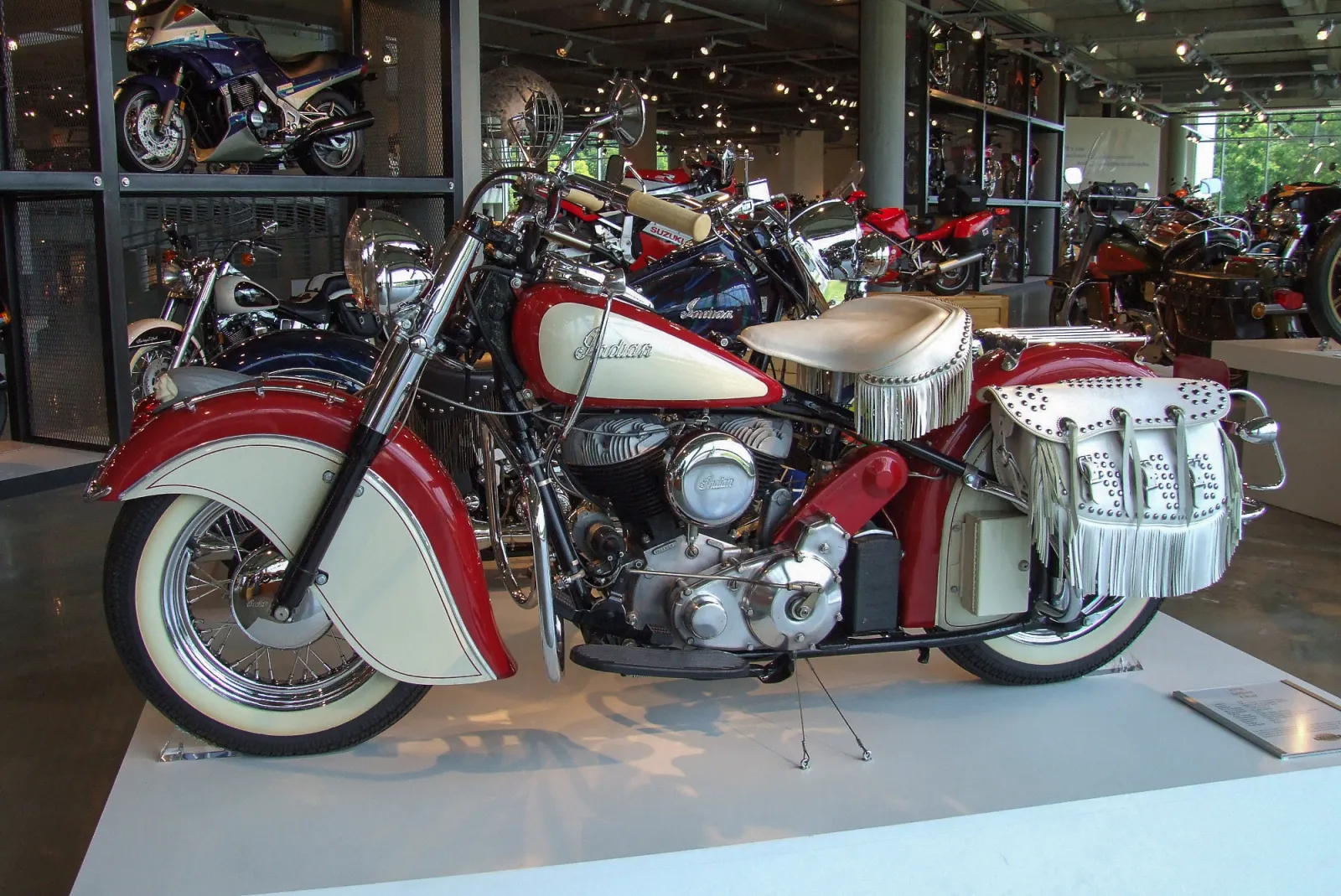
1969 Honda CB750
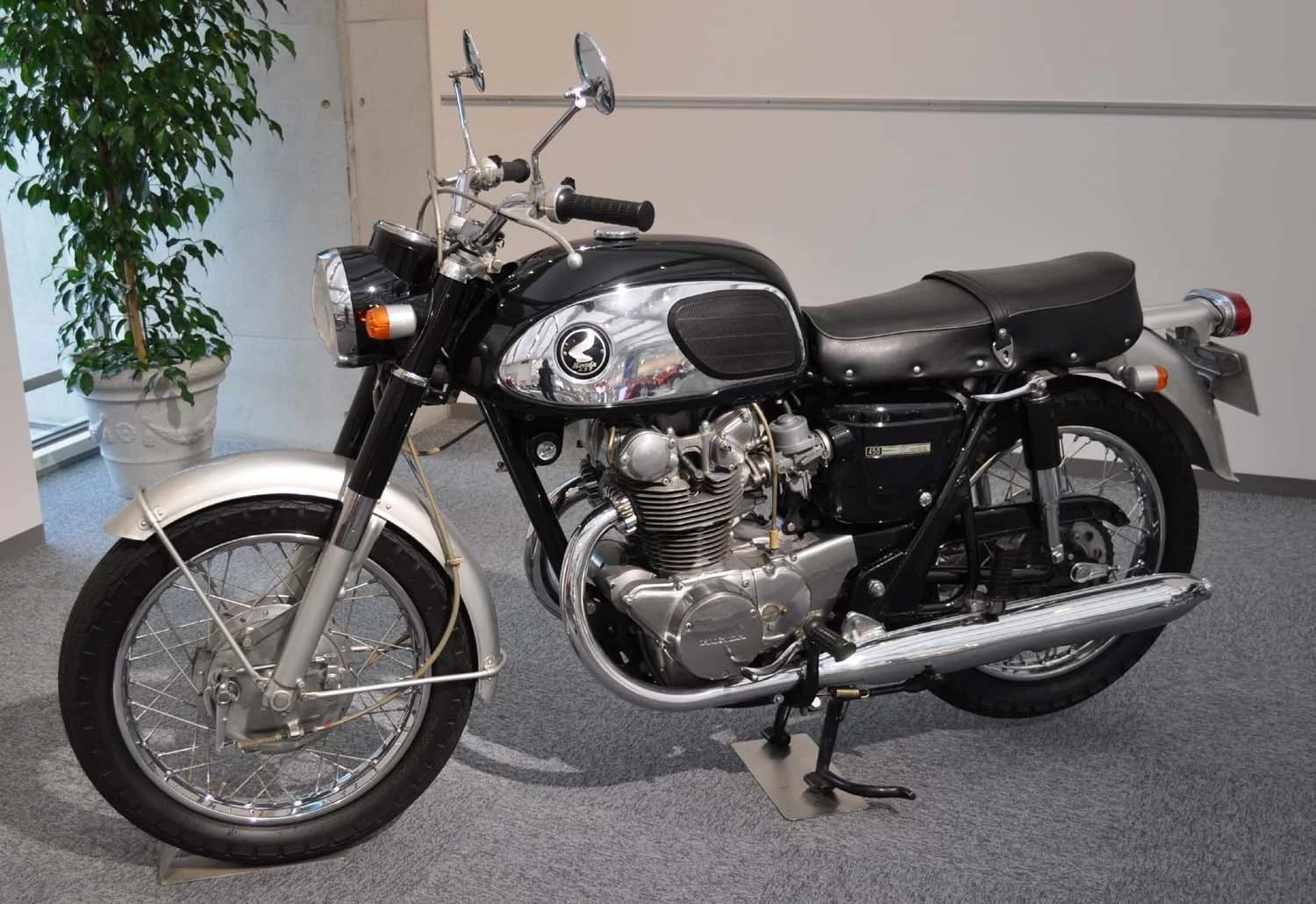
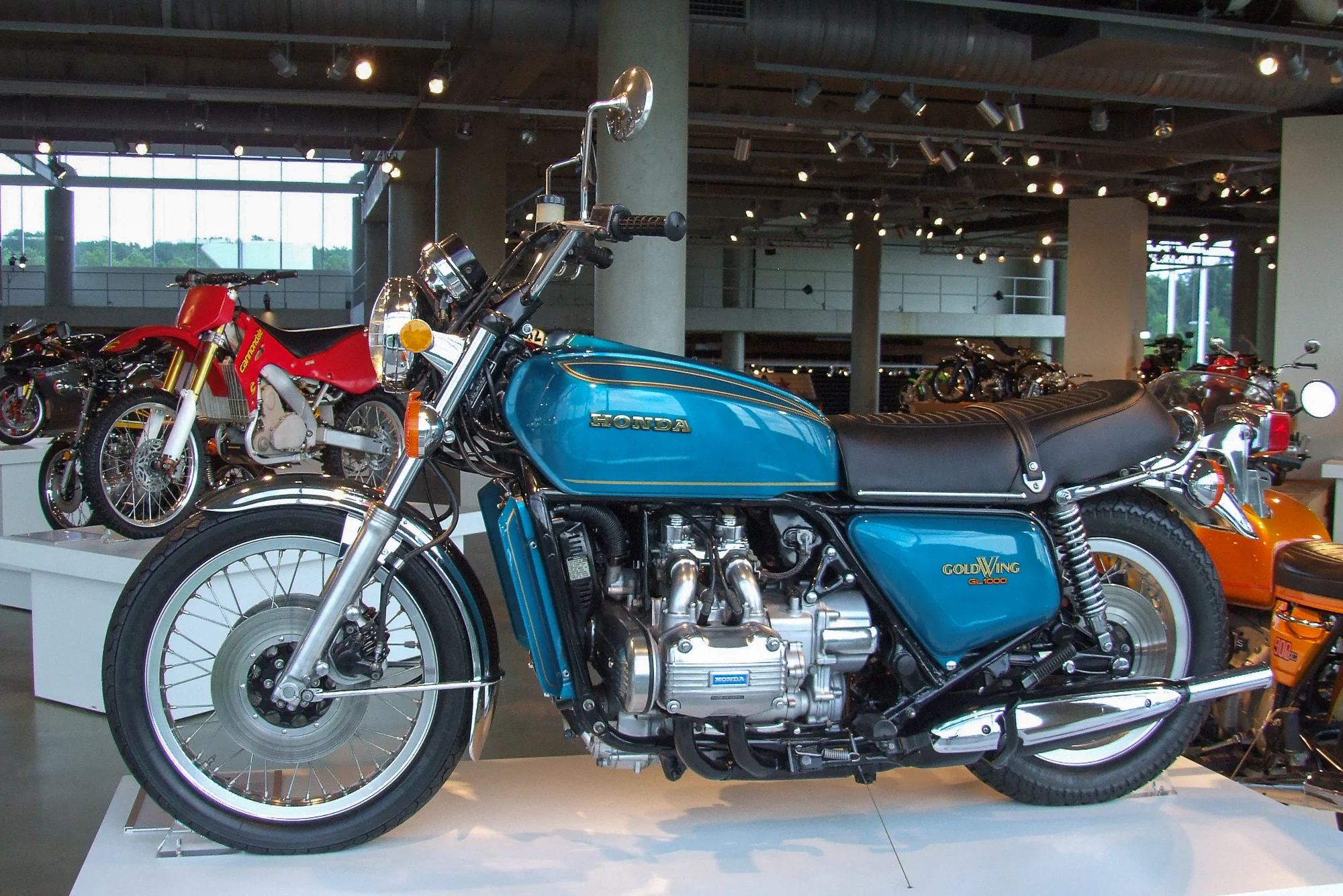
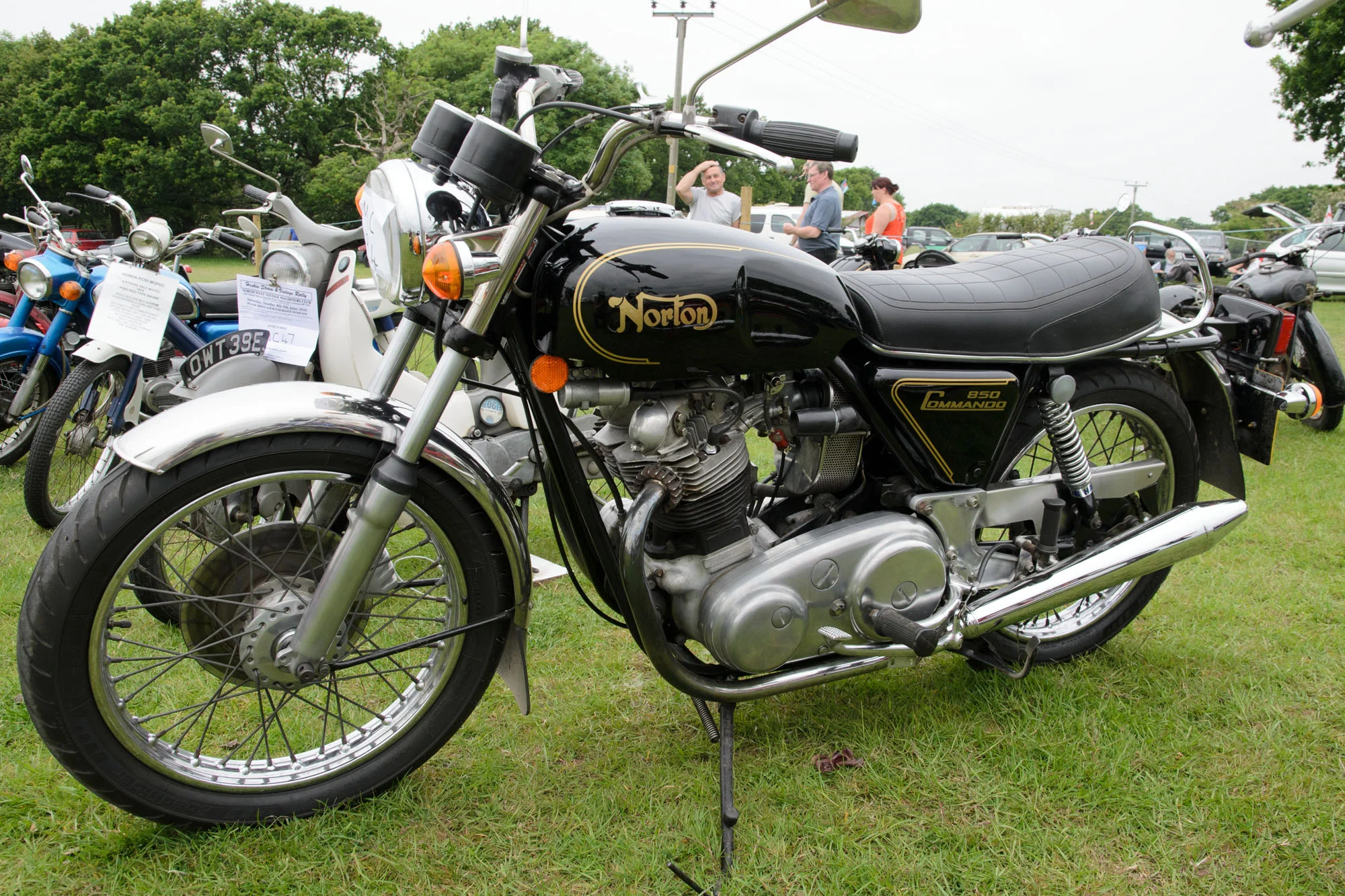
The CB750 is arguably the most important motorcycle ever made. Before 1969, if you wanted a fast, reliable motorcycle, you bought British — and accepted oil leaks, electrical gremlins, and kick-start rituals. Honda showed up with an inline-four that was faster, smoother, more reliable, AND cheaper. It had an electric starter and a front disc brake when British bikes still had drums. Within five years, the British motorcycle industry was essentially dead. The CB750 didn't just win — it changed what a motorcycle could be.
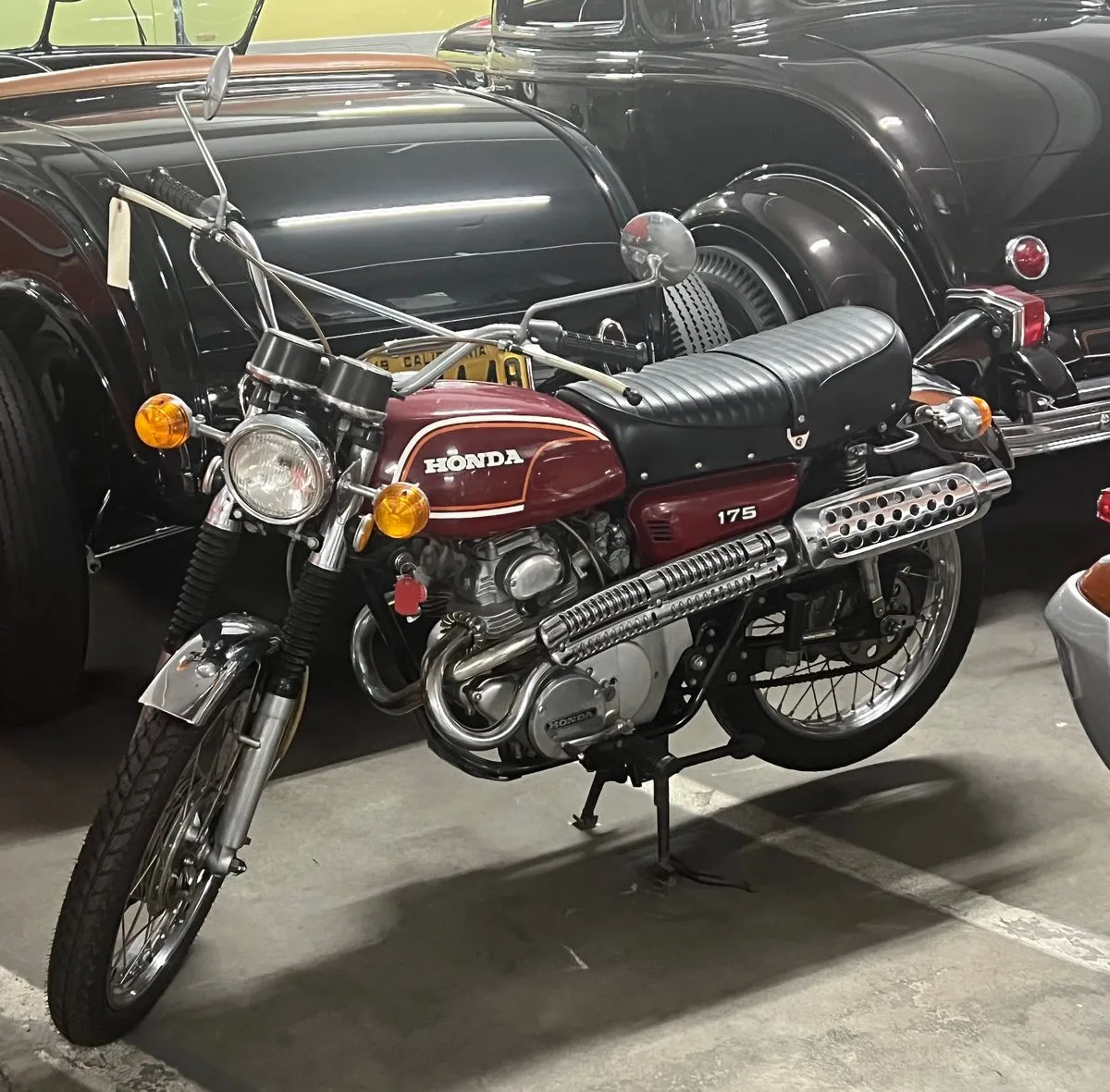
1974 Honda CL175 Scrambler
The CL175 is proof that motorcycling's best days don't require displacement. Honda's Scrambler line put high pipes and semi-knobbies on their small twins, creating bikes that looked adventurous and were genuinely capable on dirt roads. At 17 horsepower, you can use all of what's available without going to jail. It's light enough to pick up when you drop it. Simple enough to fix yourself. Cheap enough to not worry about. The small-displacement scrambler is motorcycling's best-kept secret.
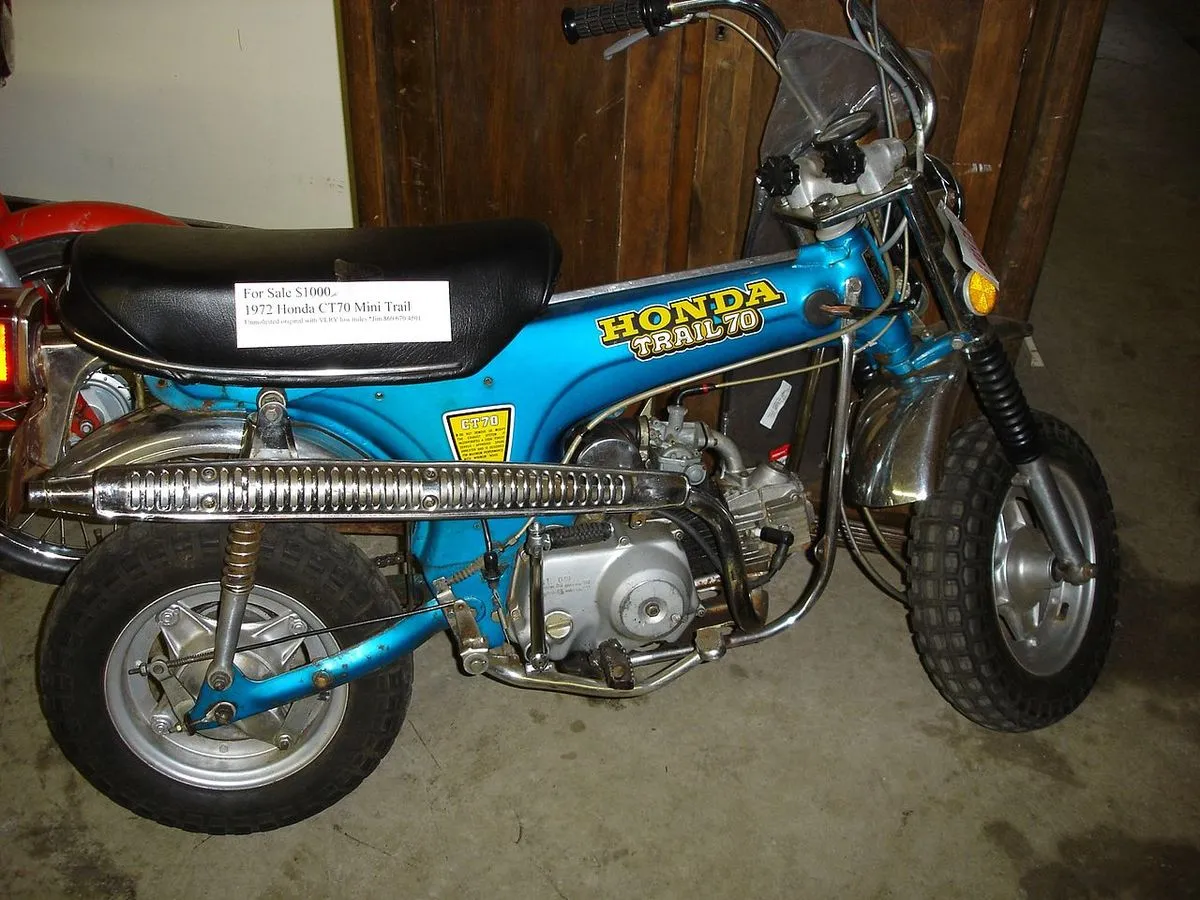
1974 Honda CT70 Trail
The CT70 is how America learned to ride. Honda's genius was making a motorcycle that was small enough to be non-threatening, cheap enough to be impulse-buyable, and reliable enough to survive novice abuse. Parents bought them for kids. Adults discovered they were actually fun. The CT70 created generations of motorcyclists by proving that two wheels weren't scary — they were joy. More people's first motorcycle memories involve a CT70 than any other bike.
1990 Honda CRX Si
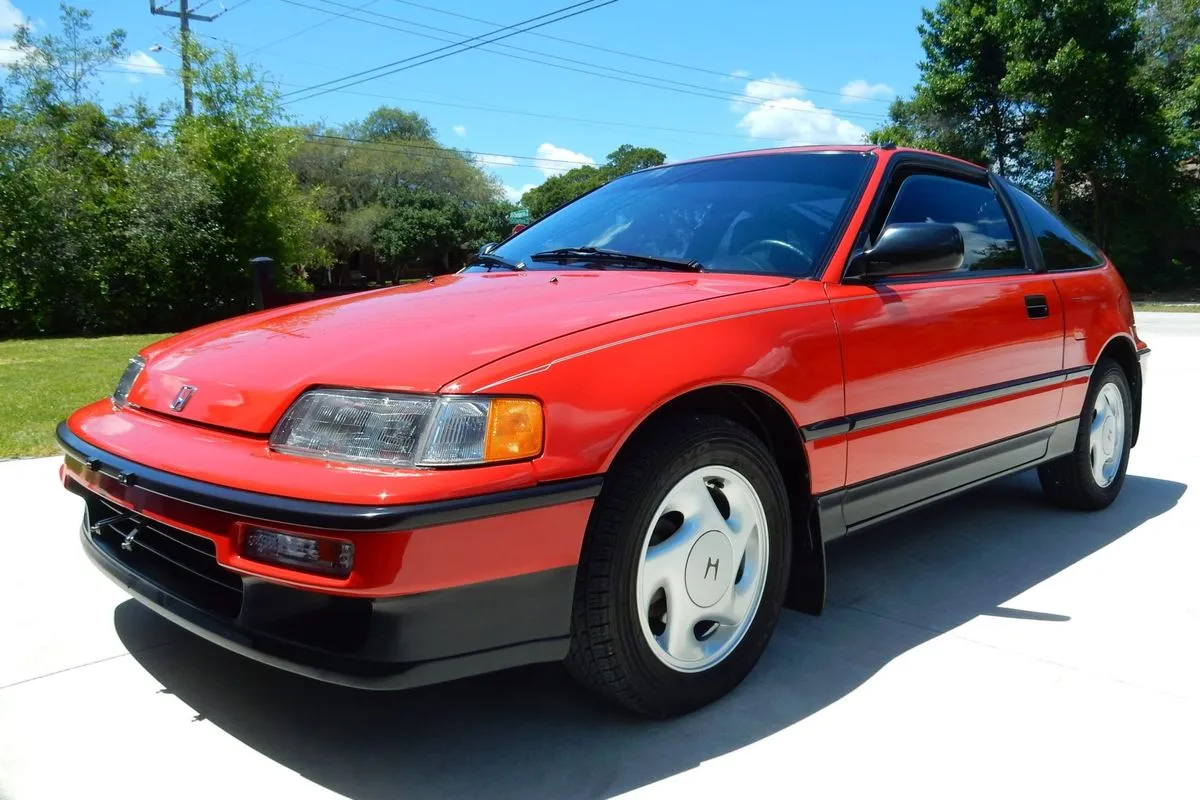
The second-gen CRX is the Miata's sibling that never got the credit. While Mazda was building the perfect roadster, Honda built the perfect coupe. Under 2,200 pounds, a willing SOHC engine, and handling that embarrassed cars costing three times as much. The Si version with the D16A6 engine found the sweet spot: enough power to be fun, reliable enough to be daily driven, efficient enough to pass gas stations without stopping. This was Honda at the height of their engineering arrogance — building cars that made you wonder why anyone bothered with anything else.
International Harvester
View make →
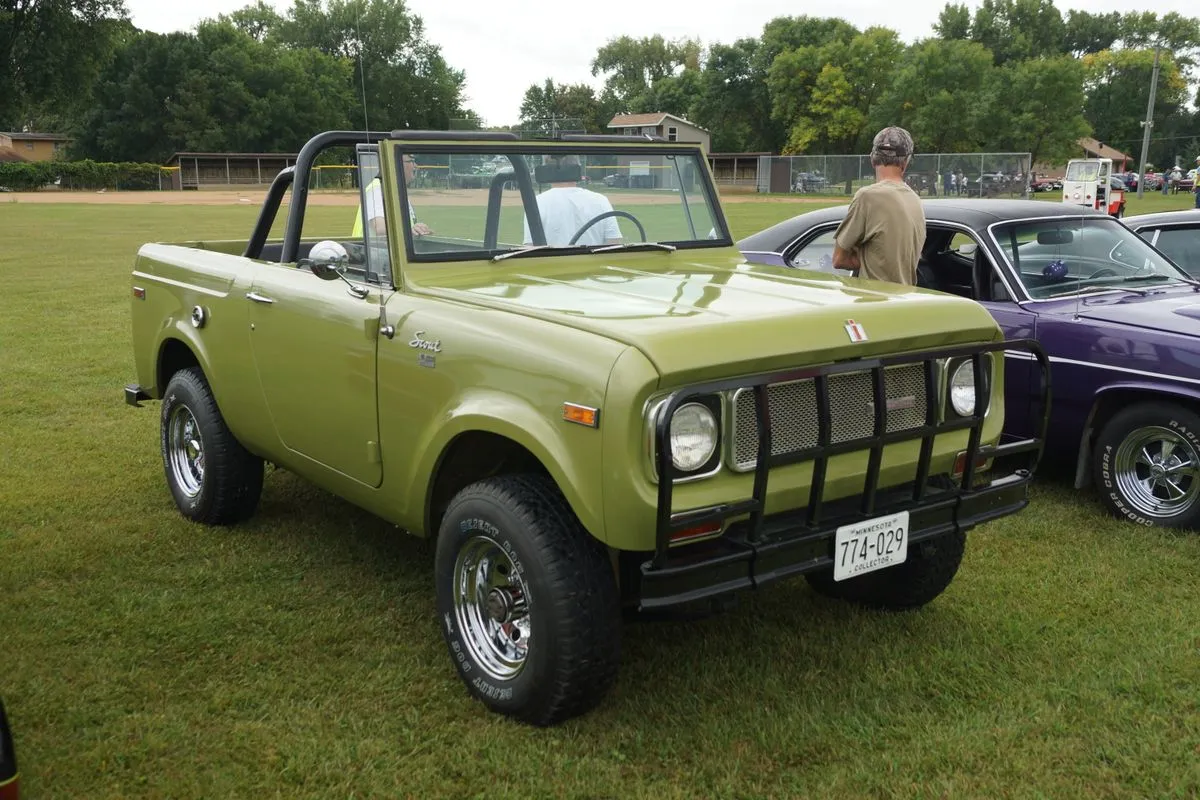
1971 International Scout II
The Scout invented the SUV. International Harvester, a farm equipment company, created a vehicle for farmers and ranchers who needed something between a pickup and a car. The Bronco and Blazer followed, but the Scout got there first. The Scout II refined the formula with more power and better on-road manners. These were genuinely capable off-road vehicles built by a company that knew heavy equipment. The Scout is the grandfather of every crossover on the road today.
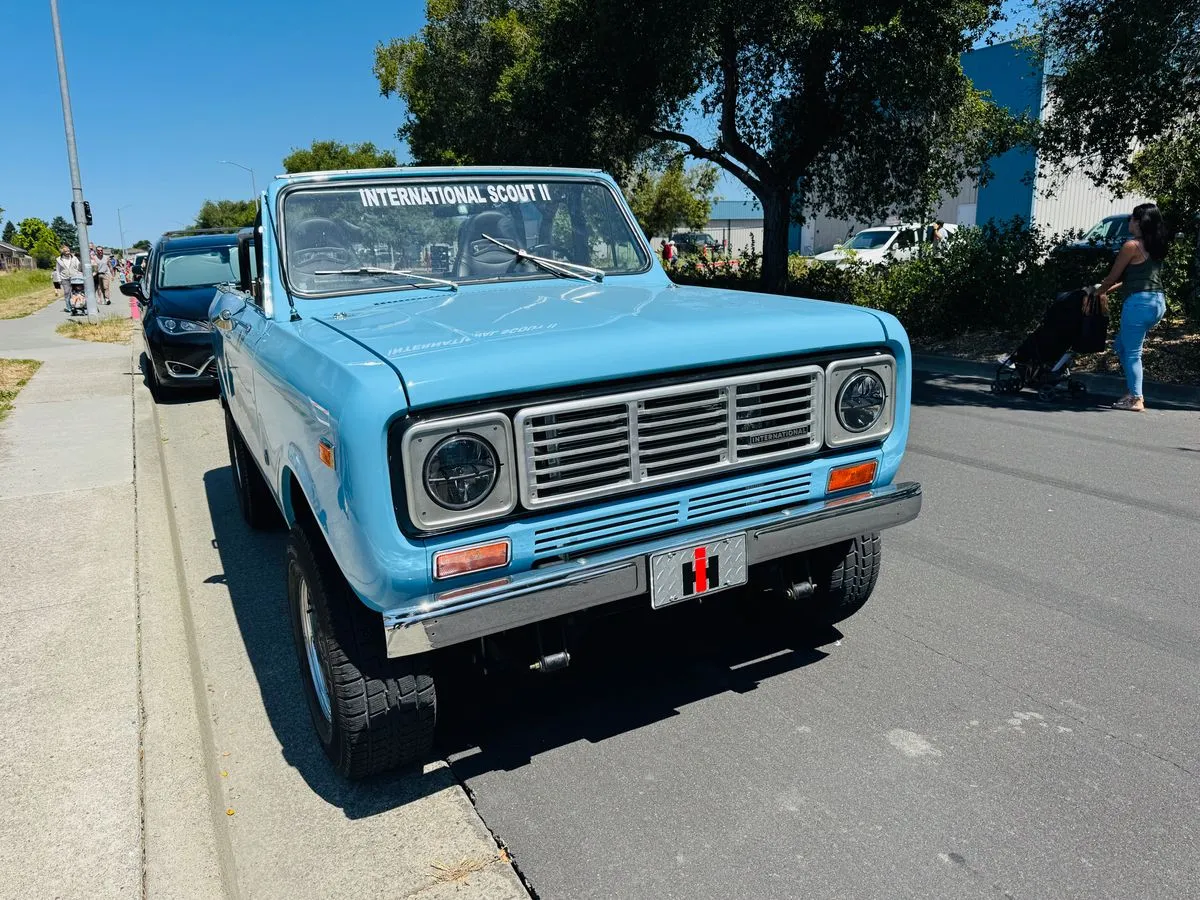
1976 International Scout II
International Harvester was a tractor company that decided to build trucks, and the Scout was what happened when farm equipment engineers tackled the 4x4 market. Where Jeeps were refined over decades, the Scout II was built like a piece of agricultural machinery — overbuilt, simple, and nearly indestructible. The Dana 44 front axle was overkill for a vehicle this size. The transfer case could take abuse that would kill lesser trucks. When IH went under in 1980, the Scout died with it, creating instant rarity. These are the trucks for people who think Jeeps are too complicated.
Jeep
View make →
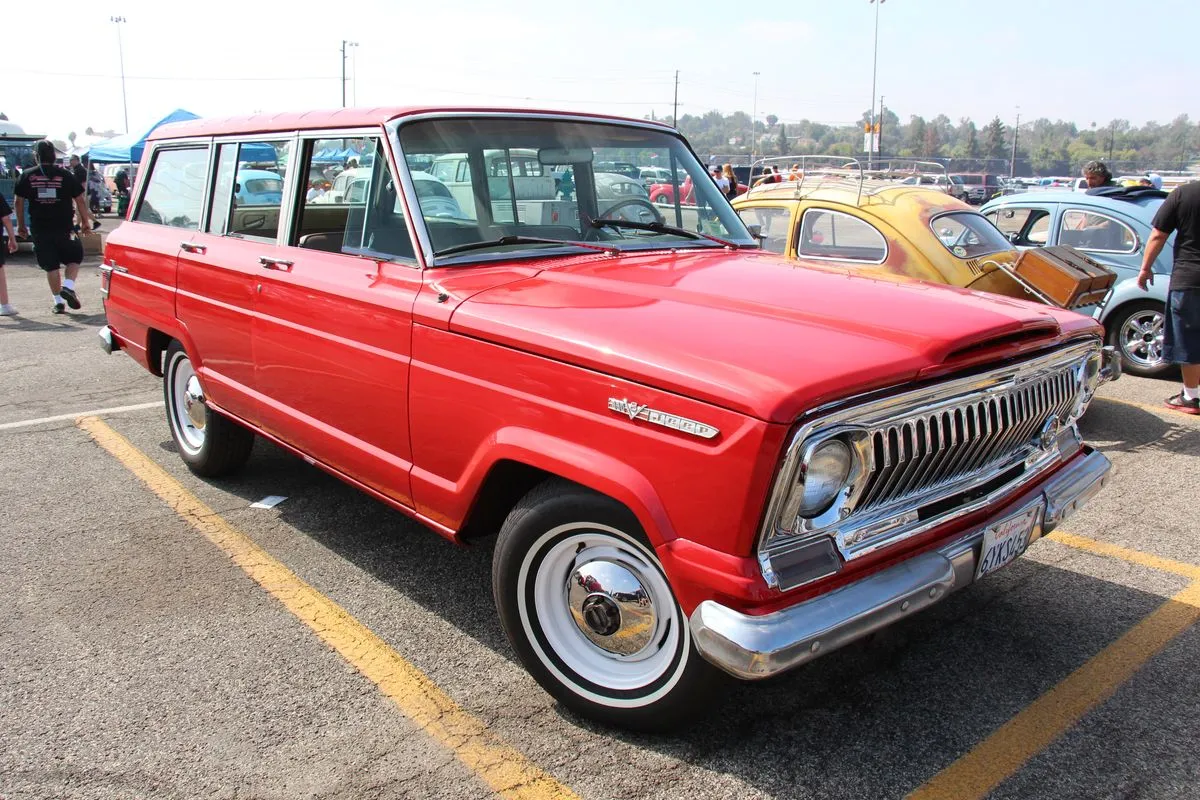
1979 Jeep Wagoneer
The Wagoneer invented the luxury SUV segment. Before Range Rover, before Escalade, before the entire modern SUV industry existed, there was the Wagoneer — a truck that dressed like a country club member. The wood-grain panels weren't ironic; they signaled that this was a vehicle for people who wanted capability without sacrificing status. The Wagoneer proved you could be rugged and refined, launching a category that now dominates American roads.
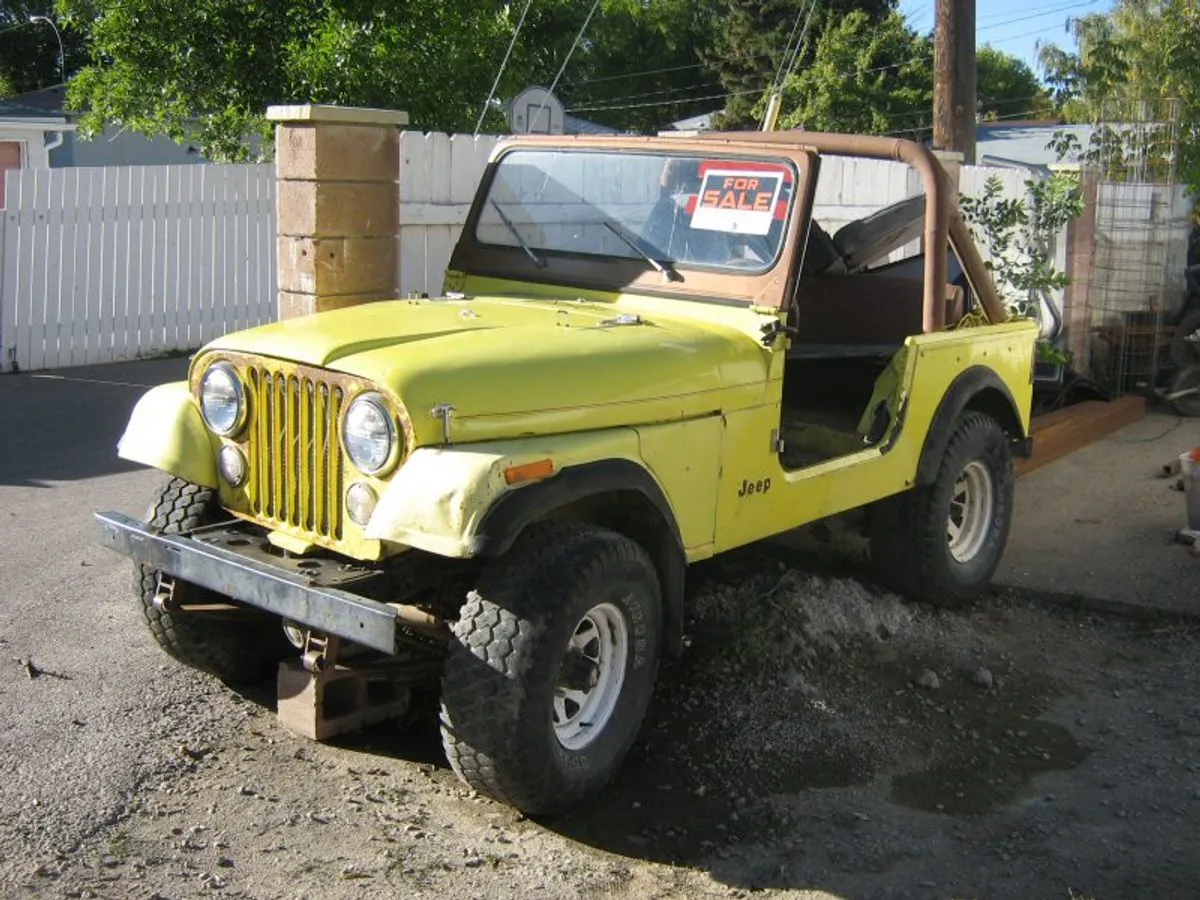
Jeep CJ-5 / CJ-7
The CJ is where the Jeep legend lives. The military MB won World War II; the civilian CJ brought that go-anywhere capability to everyone else. The CJ-5 ran for 28 years with relatively minor changes — a testament to the design's rightness. The CJ-7, introduced in 1976 with a 10-inch longer wheelbase, added practicality without sacrificing capability. These were the Jeeps that crawled Moab before Instagram. The AMC inline-6 engines that arrived in 1972 are bulletproof and still run daily. The CJ is the original recreational 4x4 — every Wrangler since has been chasing this formula.
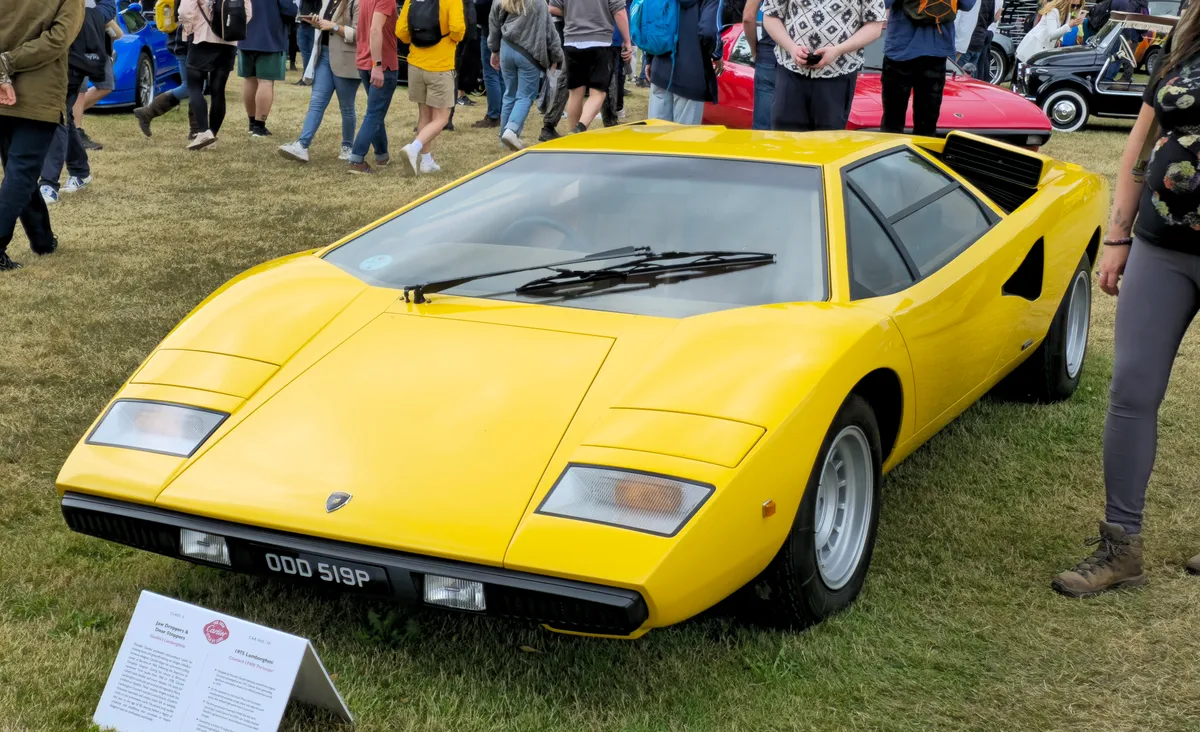
Lamborghini
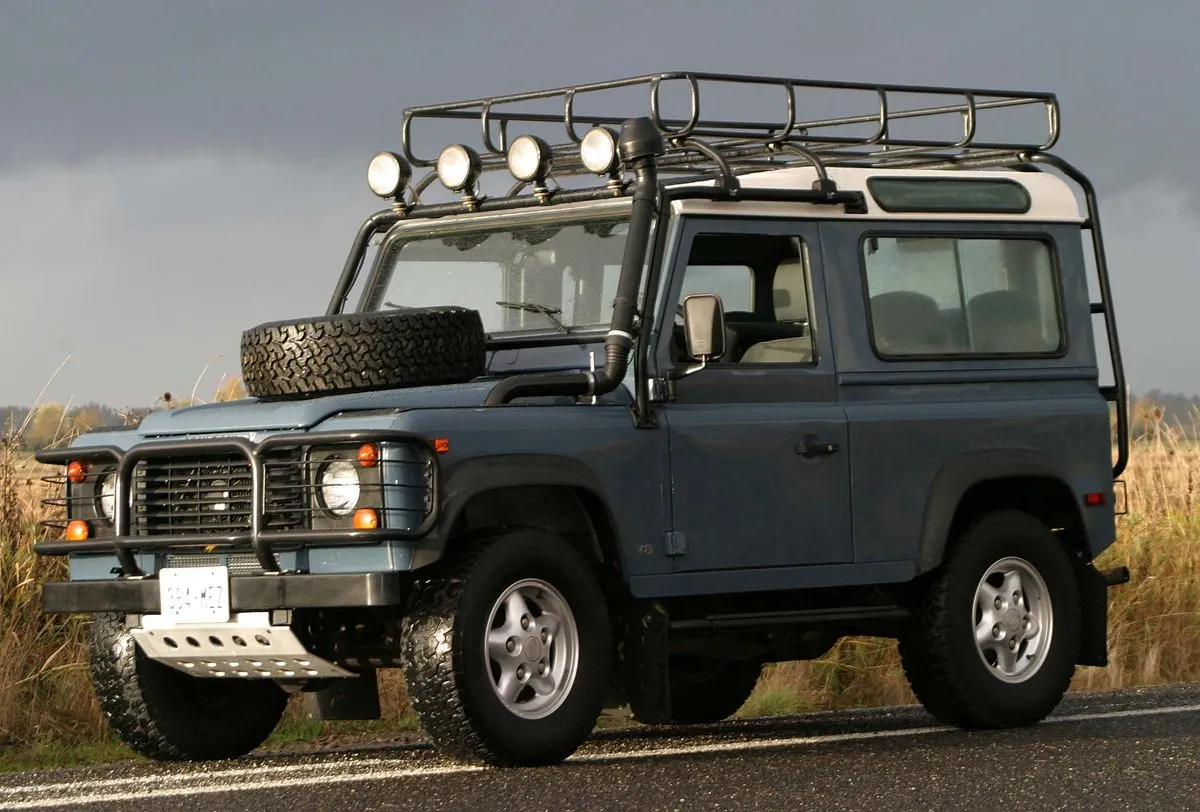
View make →Land Rover
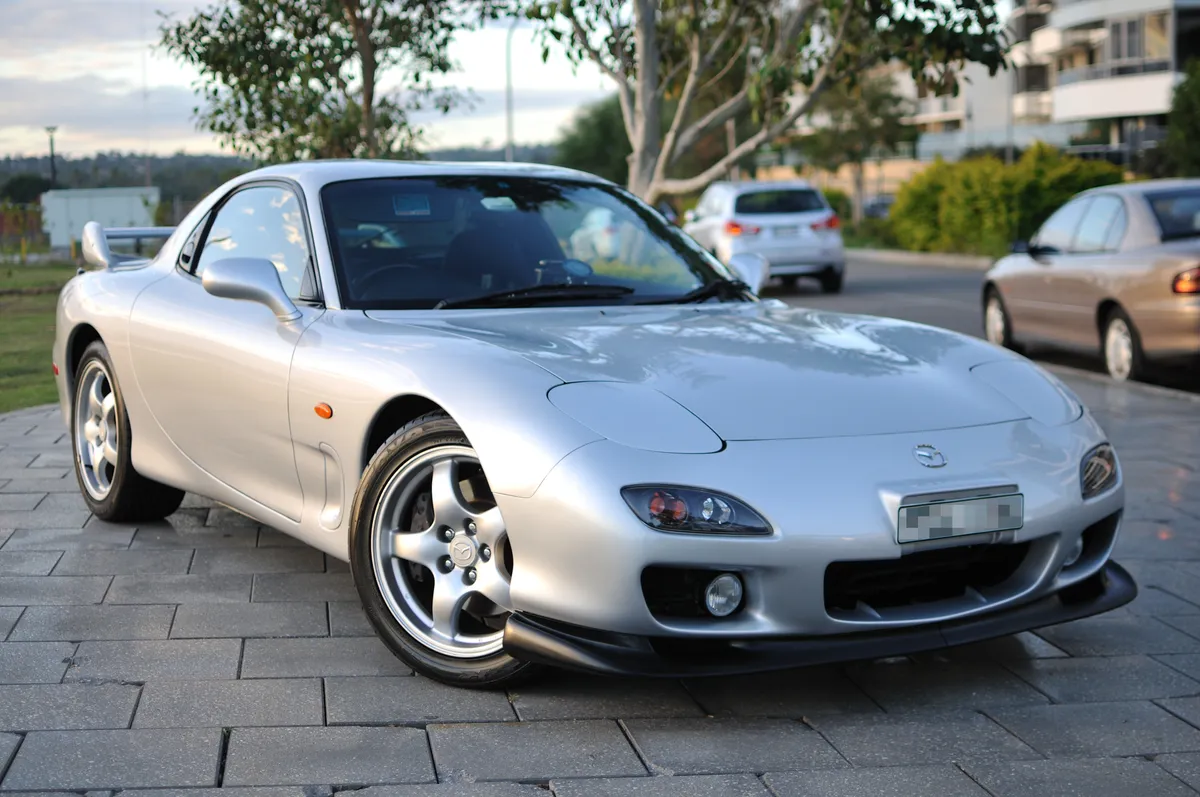
View make →Mazda
View make →Mercedes-Benz
View make →
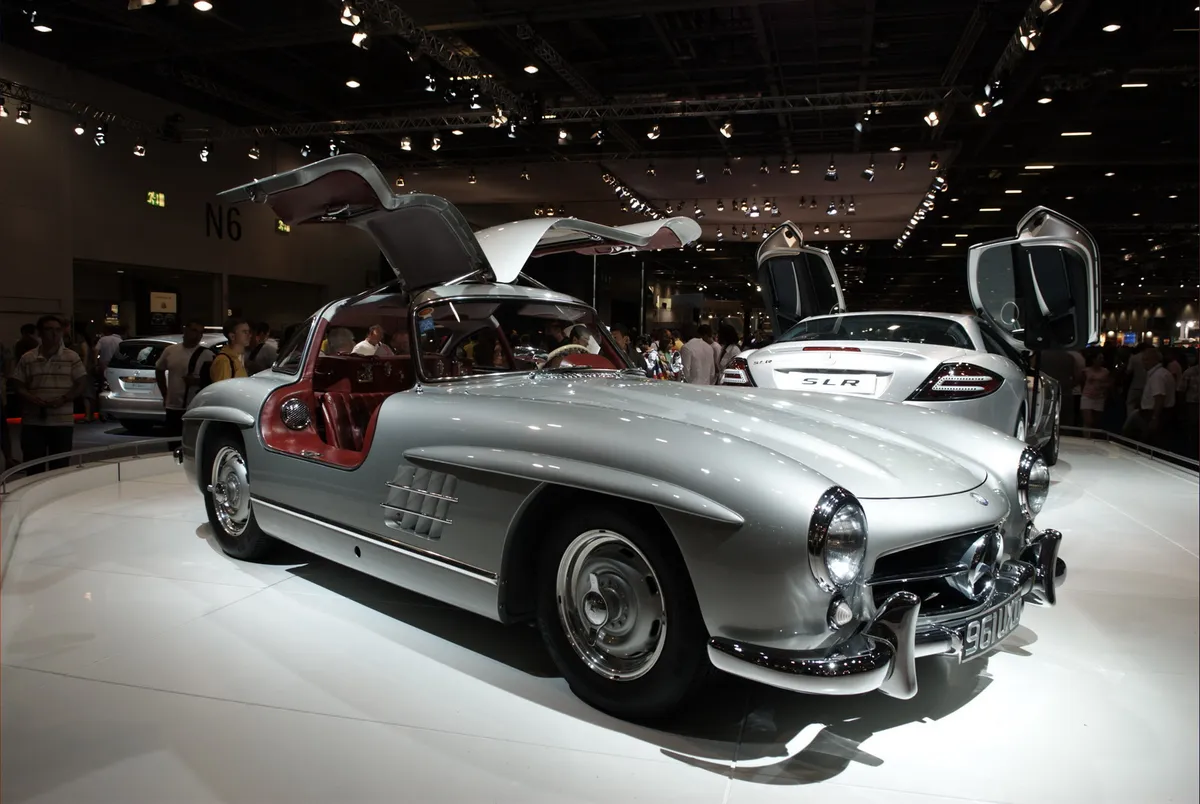
1955 Mercedes-Benz 300SL Gullwing
The 300SL is where Mercedes-Benz became a legend. Born from the W194 racing program that dominated Le Mans and the Carrera Panamericana, the road car was essentially a race car with headlights and a heater. Those gullwing doors weren't a styling gimmick — they were an engineering necessity, required by the tubular space frame chassis that made the car so rigid and light. The Bosch mechanical fuel injection was a world first for a production car, adding 50 hp over the carbureted racing engine. Max Hoffman, the legendary New York importer, convinced Mercedes to build it. The result was the first supercar — decades before that term existed.
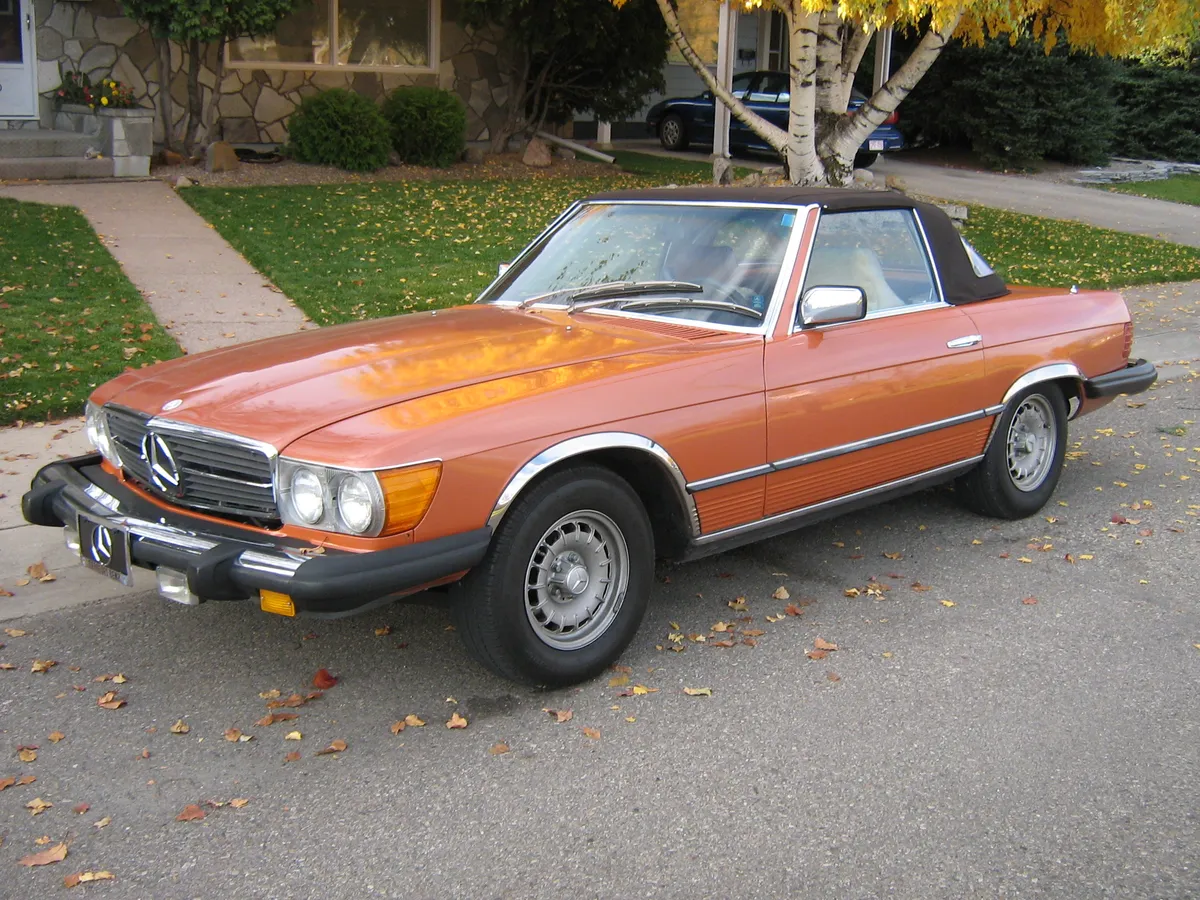
1979 Mercedes-Benz 450SL
The R107 SL is what happens when Mercedes builds a sports car for grown-ups. Where the 300SL was a race car with plates, the R107 was a gentleman's express — fast enough, comfortable enough, and built like a bank vault. It ran from 1971 to 1989, making it the longest-produced Mercedes model ever. While American manufacturers were fumbling through the malaise era with smog-choked engines and questionable build quality, Mercedes just kept refining the R107. The 450SL hit the sweet spot: enough V8 torque to move with authority, none of the early emission-control headaches of the smaller engines, and all the presence of the big-dollar 560SL without the collector premium.
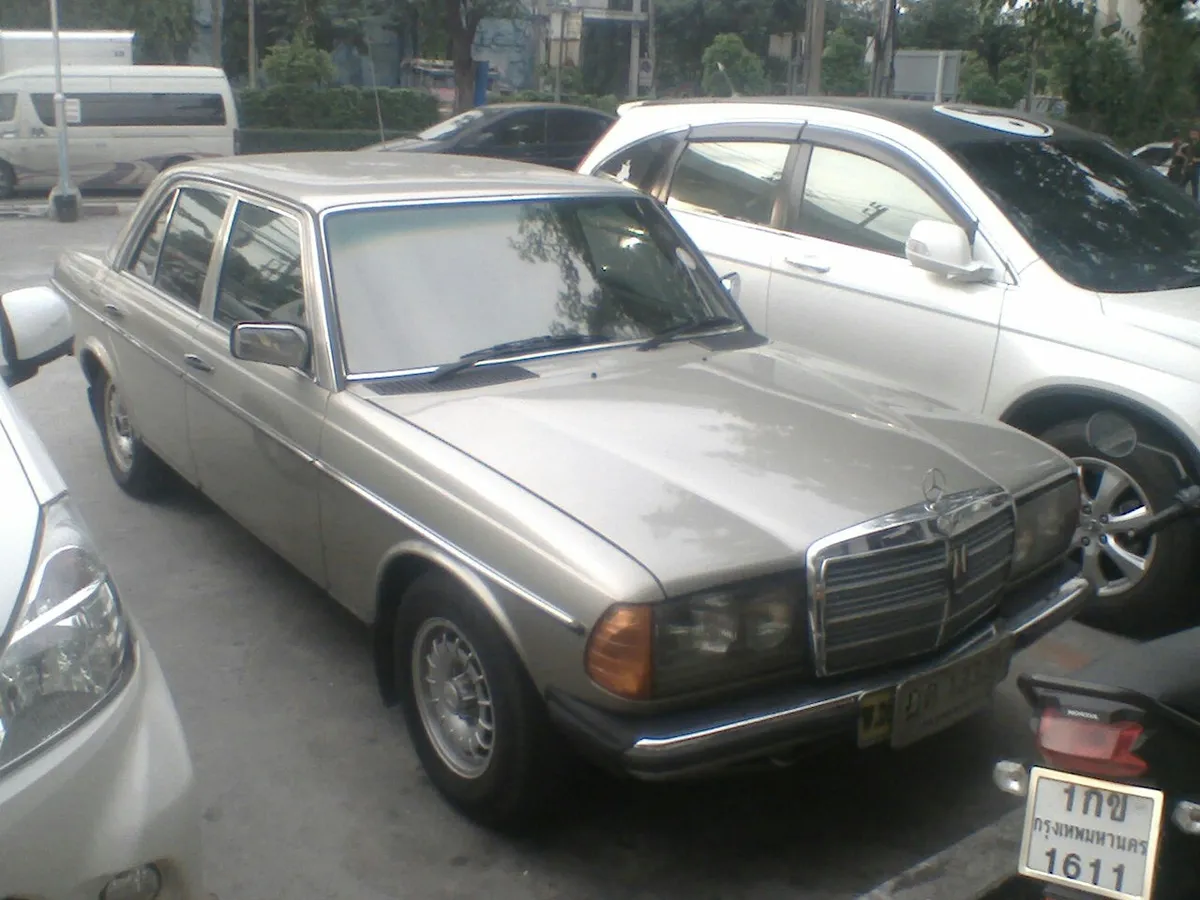
1983 Mercedes-Benz 300D
The W123 is the car that built Mercedes' reputation for indestructibility. Specifically, the 300D turbodiesel became the unofficial taxi of the third world, the eco-warrior's grease-car conversion platform, and the ultimate proof that German engineering could laugh at the odometer. These cars routinely hit 300,000, 400,000, even 500,000 miles with original engines. The OM617 five-cylinder turbodiesel is considered one of the most reliable engines ever built. While American cars were being strangled by early emissions equipment, the W123 diesel just kept clattering along, sipping fuel and refusing to die. The stacked headlights became an icon — a look that said 'serious car, serious engineering.'
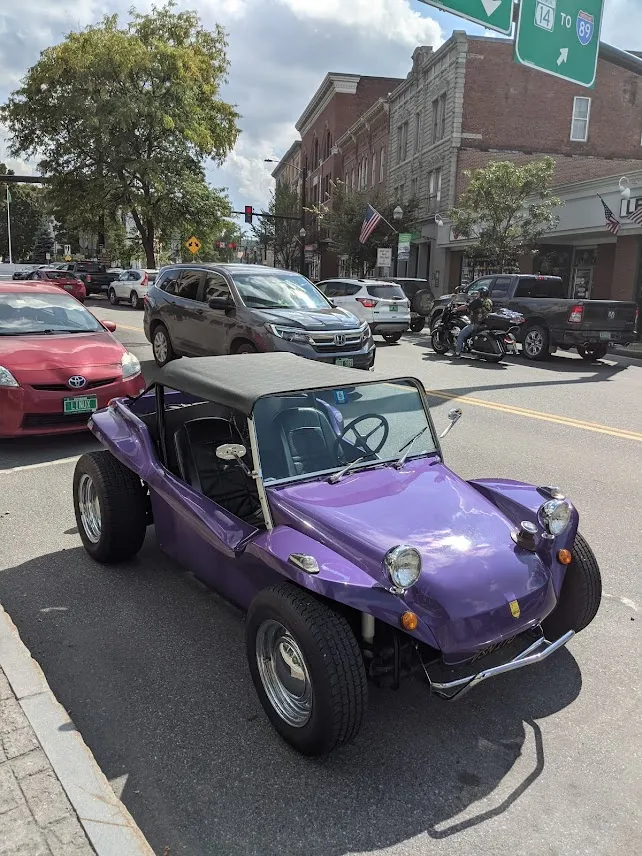
Meyers Manx
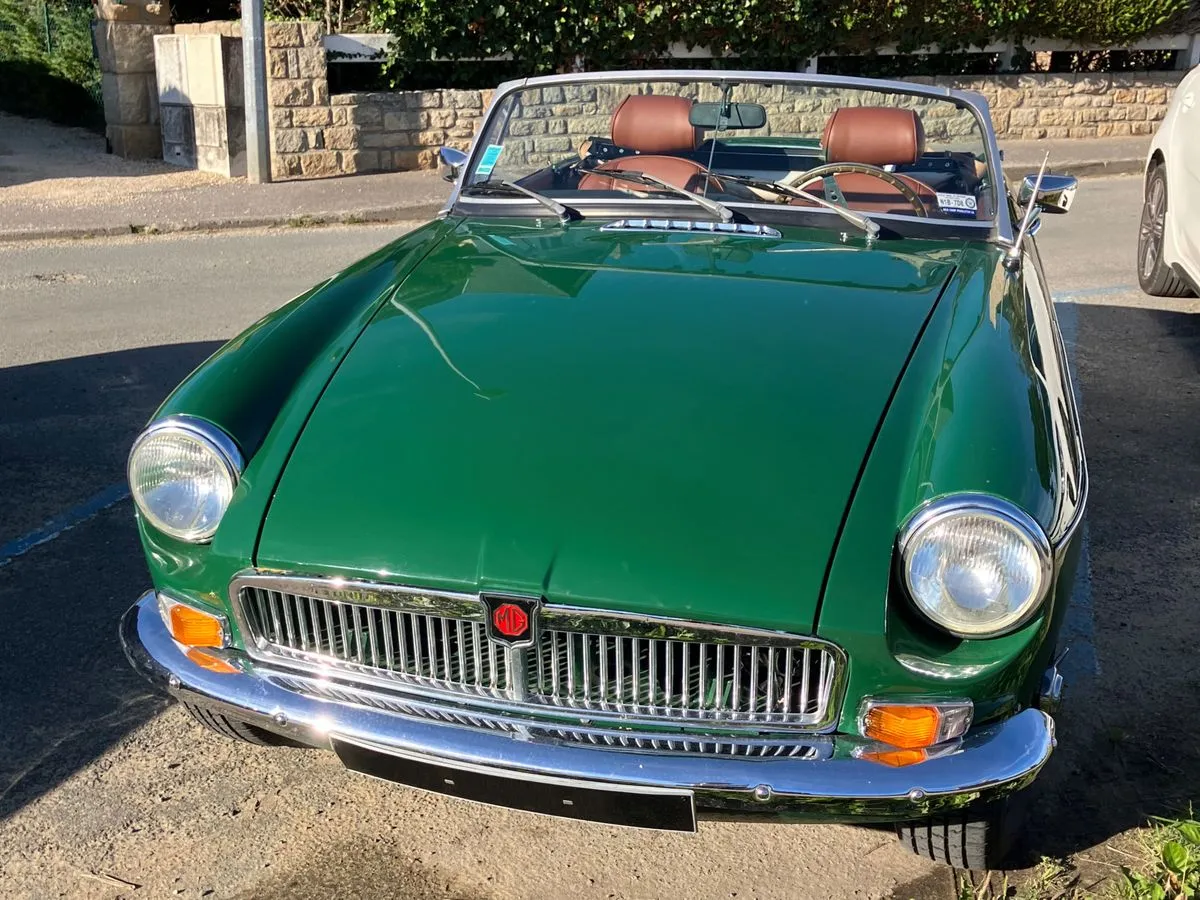
View make →MG
View make →Oldsmobile
View make →
1966 Oldsmobile Toronado
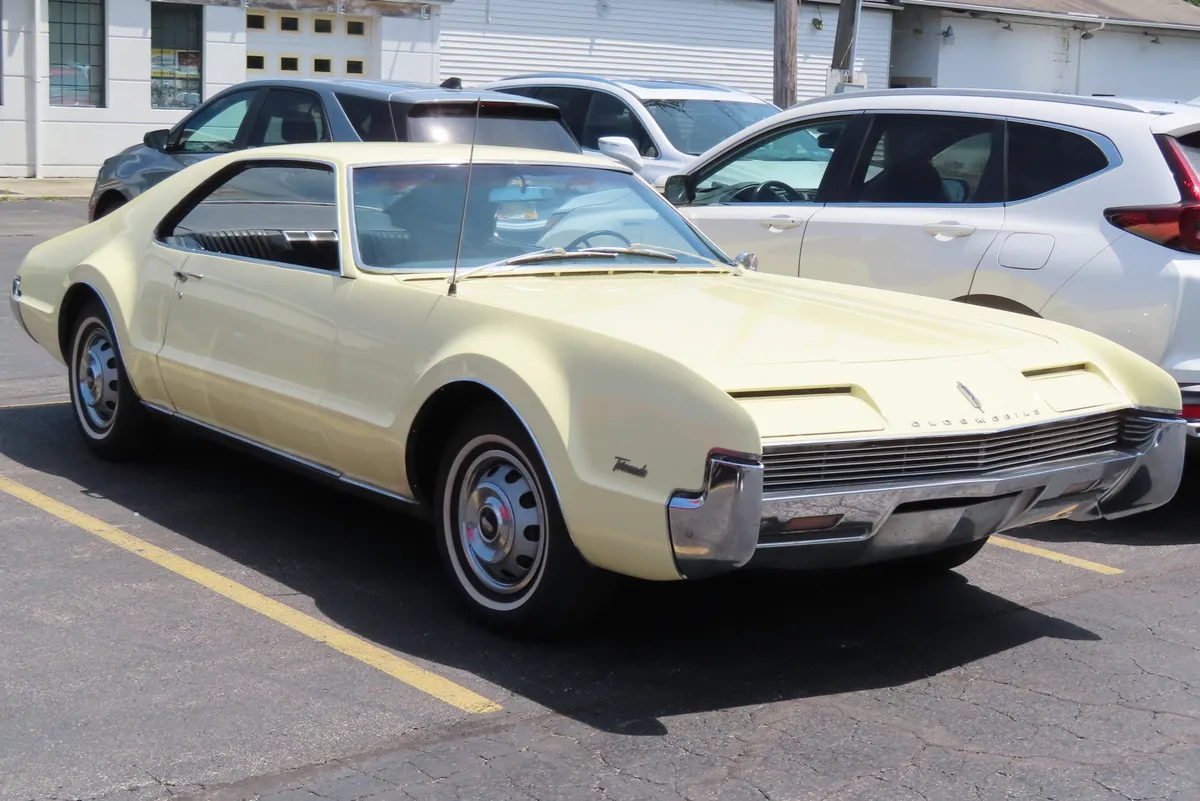
The Toronado was audacious: a full-size personal luxury car with front-wheel drive, at a time when the only other FWD cars in America were imports. GM's engineers developed a unique split drivetrain — the engine sits behind and above the transmission, connected by a chain to the torque converter. It worked, and worked well enough to win Motor Trend's Car of the Year. The dramatic fastback roofline and hidden headlights made it look like nothing else on the road. The Toronado proved that Oldsmobile was willing to take engineering risks that other GM divisions wouldn't touch.
1970 Oldsmobile 442
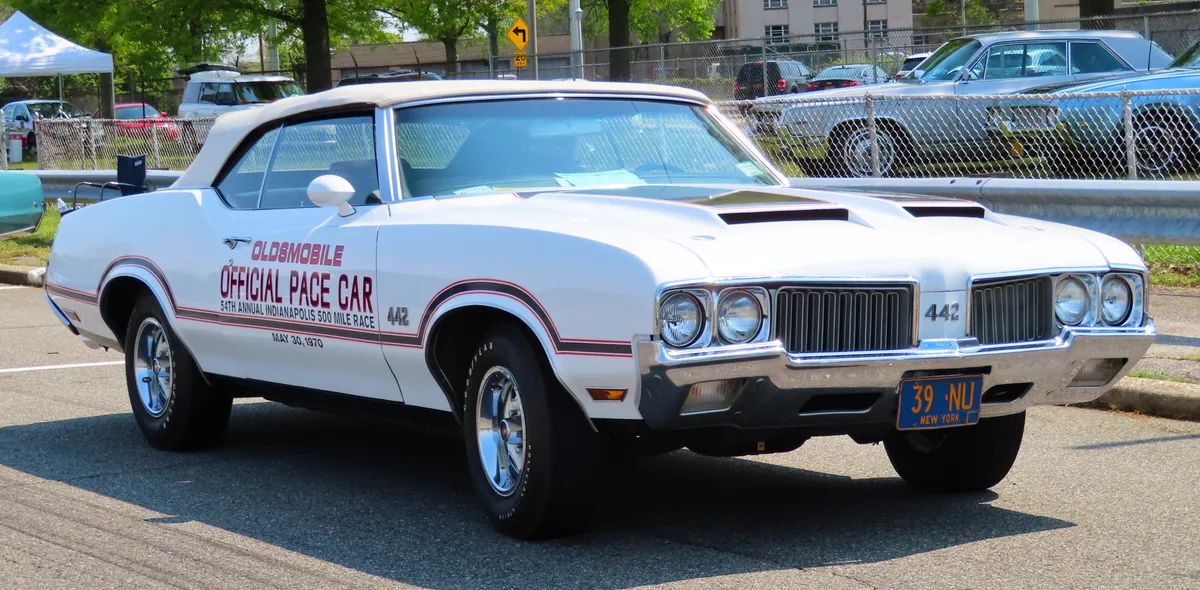
The 442 was Oldsmobile's answer to the GTO, and by 1970 it had evolved into a legitimate muscle car heavyweight. The 455 V8 made a stump-pulling 500 lb-ft of torque. The W-30 package added Ram Air induction, a hotter cam, and an aluminum intake — the fastest Oldsmobile you could buy. The '70 redesign gave it swoopier lines that aged better than some competitors. 'Dr. Oldsmobile' ads positioned it as the prescription for boring transportation. The 442 name originally meant 4-barrel carb, 4-speed manual, and dual exhaust — by 1970 it had become its own model designation.
1976 Oldsmobile Cutlass Supreme
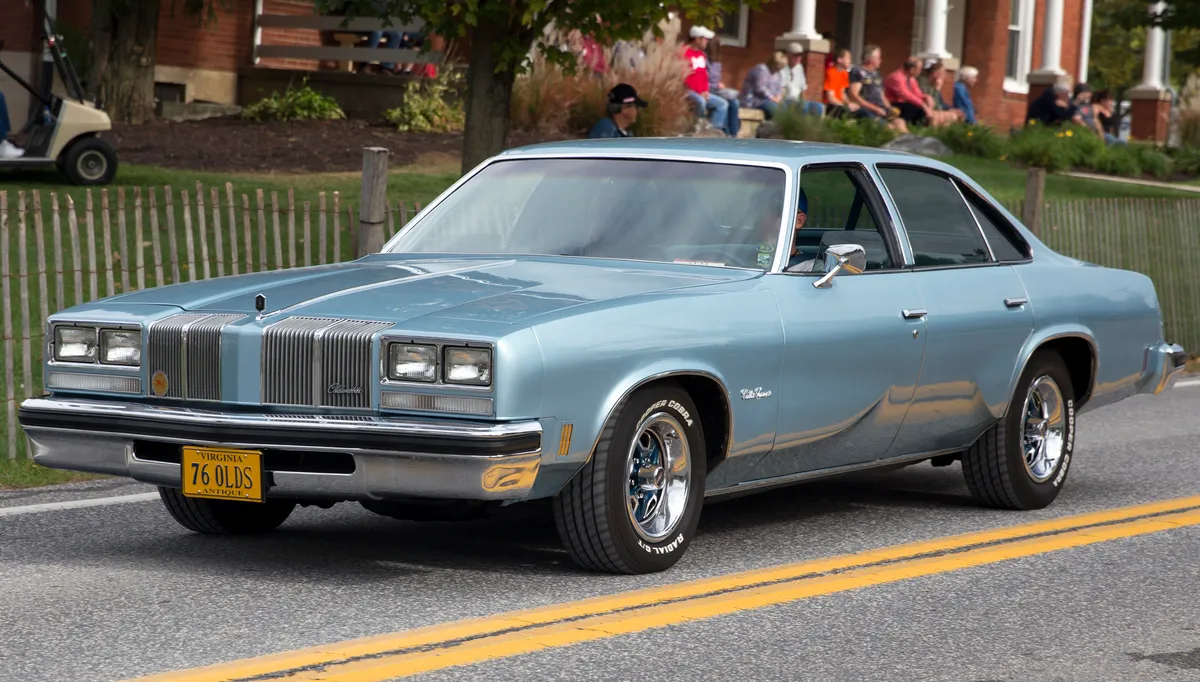
The Cutlass Supreme was America's favorite car in the mid-1970s — not a Chevy, not a Ford, but an Oldsmobile. The Colonnade body introduced in 1973 hit exactly the right note of personal luxury: formal rooflines, opera windows, comfortable interiors, and enough engine options to satisfy most tastes. The 1976 model year was peak Cutlass, selling over 500,000 units. These were the cars parked in suburban driveways across America, the cars driven to disco and back, the cars that defined malaise-era comfort. Today, they're finally getting respect as survivors of an underappreciated era.
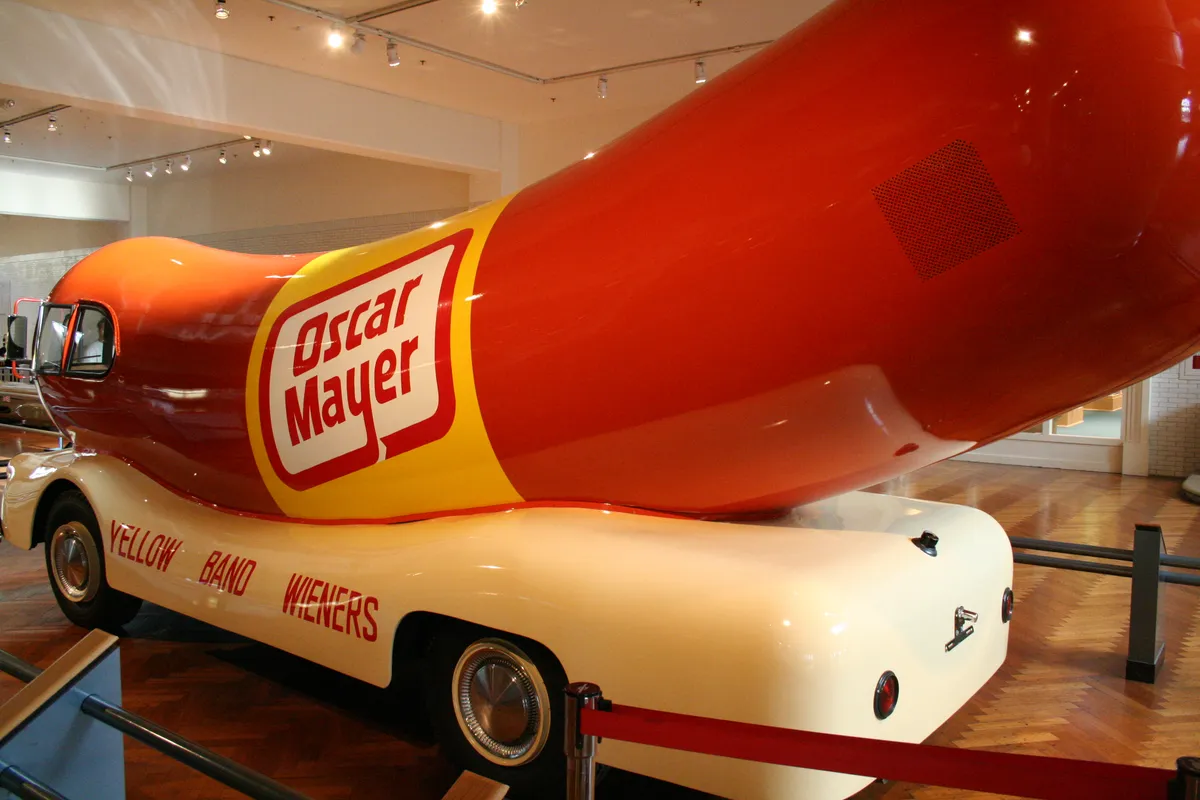
Oscar Mayer
View make →Plymouth
View make →Pontiac
View make →
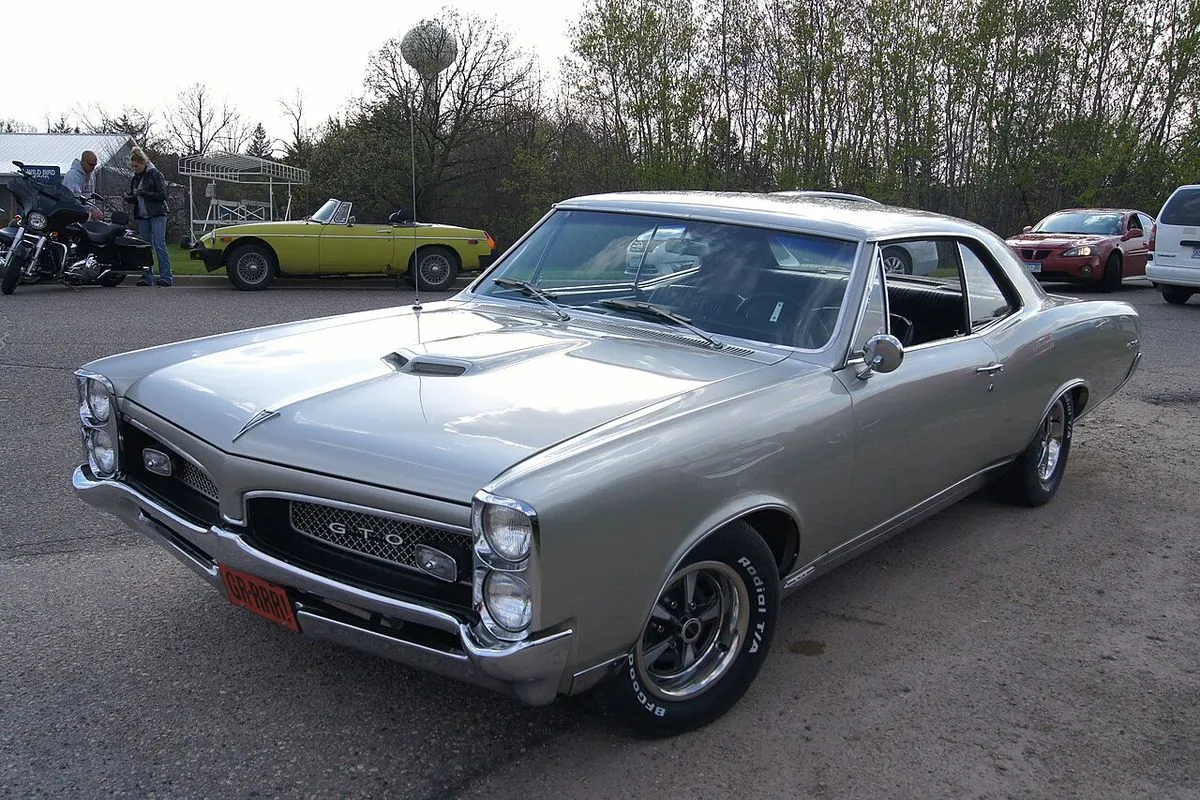
1967 Pontiac GTO
The GTO invented the muscle car. Period. In 1964, John DeLorean and his team at Pontiac dropped a big 389 V8 into the mid-size Tempest, creating a formula that every other manufacturer would copy. By 1967, the GTO had its own body — no longer just an option package — with more aggressive styling and the new 400 cubic inch V8. The 1967 model is the sweet spot: refined from the crude early cars but still raw enough to feel dangerous. Ronnie & the Daytonas wrote a song about it. Little GTO, you're really lookin' fine.
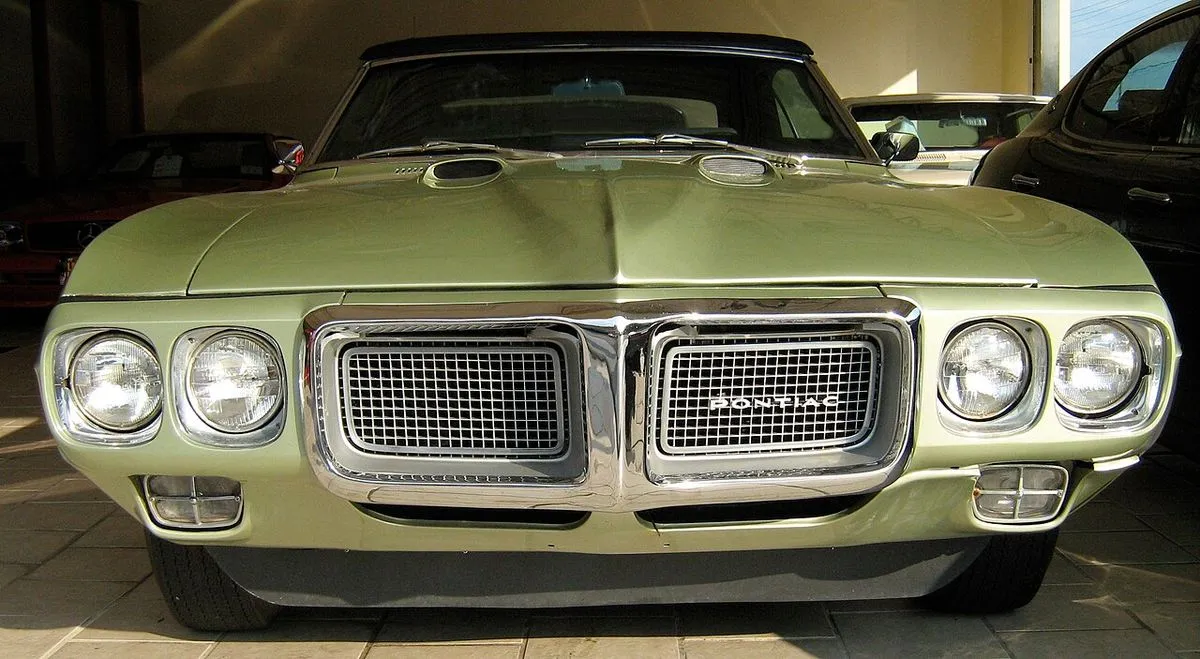
1969 Pontiac Firebird/Trans Am
The 1969 Firebird is when Pontiac's pony car came into its own. While the Camaro got more aggressive styling, the Firebird went racing. The Trans Am was born this year — a homologation special named after the SCCA racing series Pontiac wanted to dominate. Only 697 were built, all painted Cameo White with blue stripes. The Ram Air IV engine was Pontiac's masterpiece: round-port heads, radical cam timing, and performance that the factory underrated for insurance purposes. The '69 Firebird is GM's pony car for people who wanted more than a rebadged Camaro.
Saab
View make →Shelby
View make →Subaru
View make →Suzuki
View make →
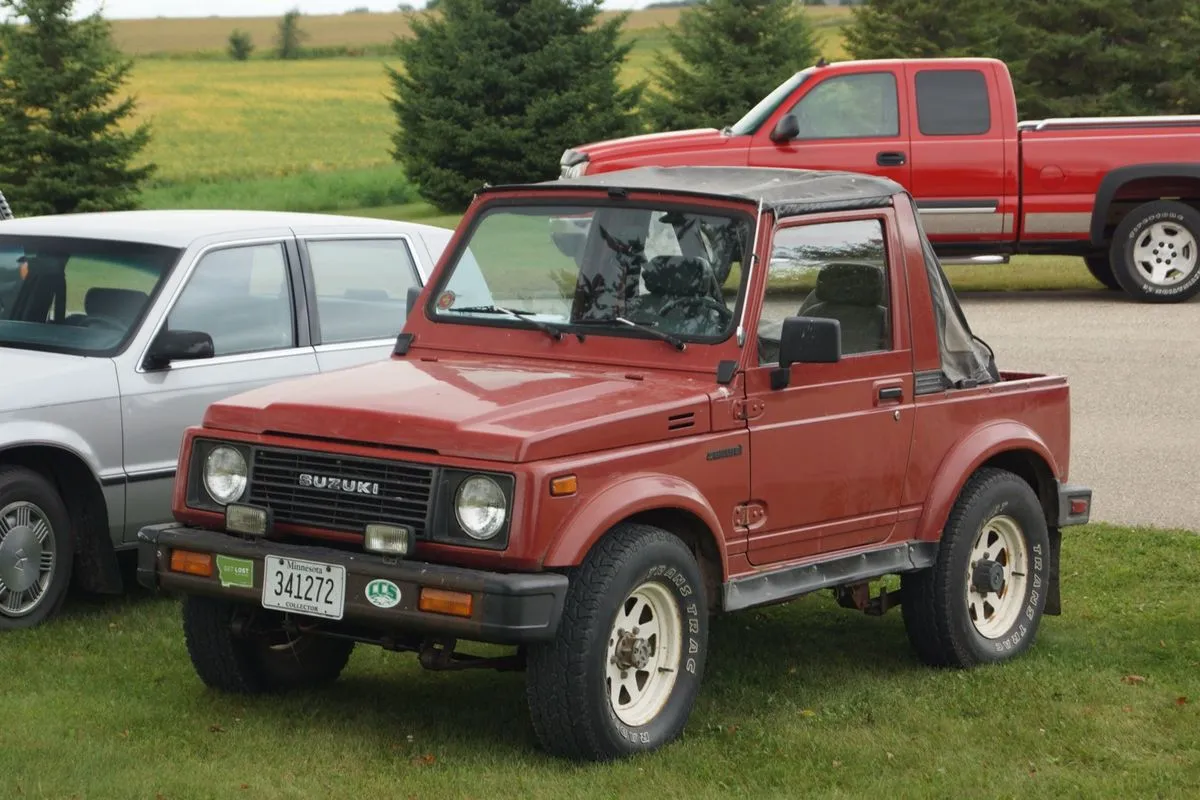
1987 Suzuki Samurai
The Samurai proved that small doesn't mean incapable. At barely 2,000 pounds with proper 4WD and low range, the Samurai could go places that heavier trucks couldn't reach. Consumer Reports' rollover controversy nearly killed it in America, but the Samurai was vindicated — it wasn't more dangerous than comparable vehicles. The lightweight platform created a cult following among off-roaders who appreciated what less weight and tight turning could accomplish on trails.
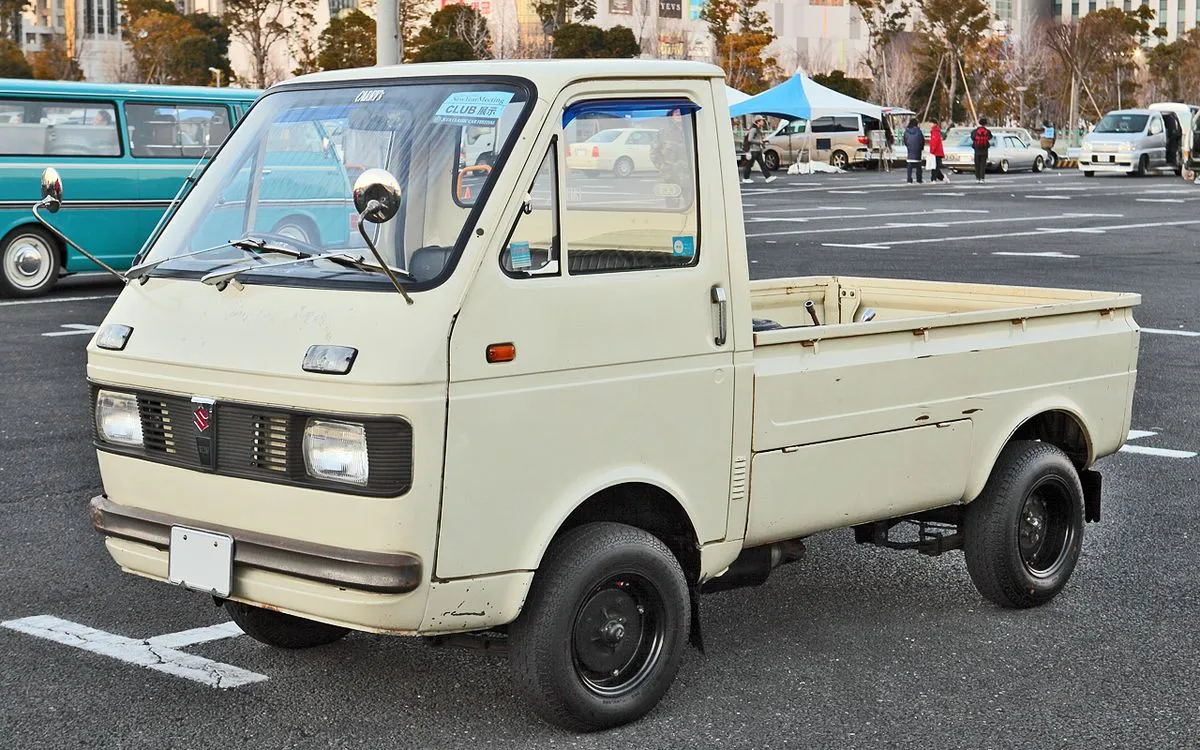
1990 Suzuki Carry Kei Truck
Kei trucks are Japan's dirty secret. For decades, these miniature pickups have done real work on Japanese farms, construction sites, and narrow streets. The 25-year import rule has finally made them legal in America, and people are discovering what Japan has known: sometimes smaller is better. A Carry can fit where full-size trucks can't, haul surprisingly heavy loads, and sip fuel. They're not highway vehicles, but for property work, they're brilliant.
Toyota
View make →
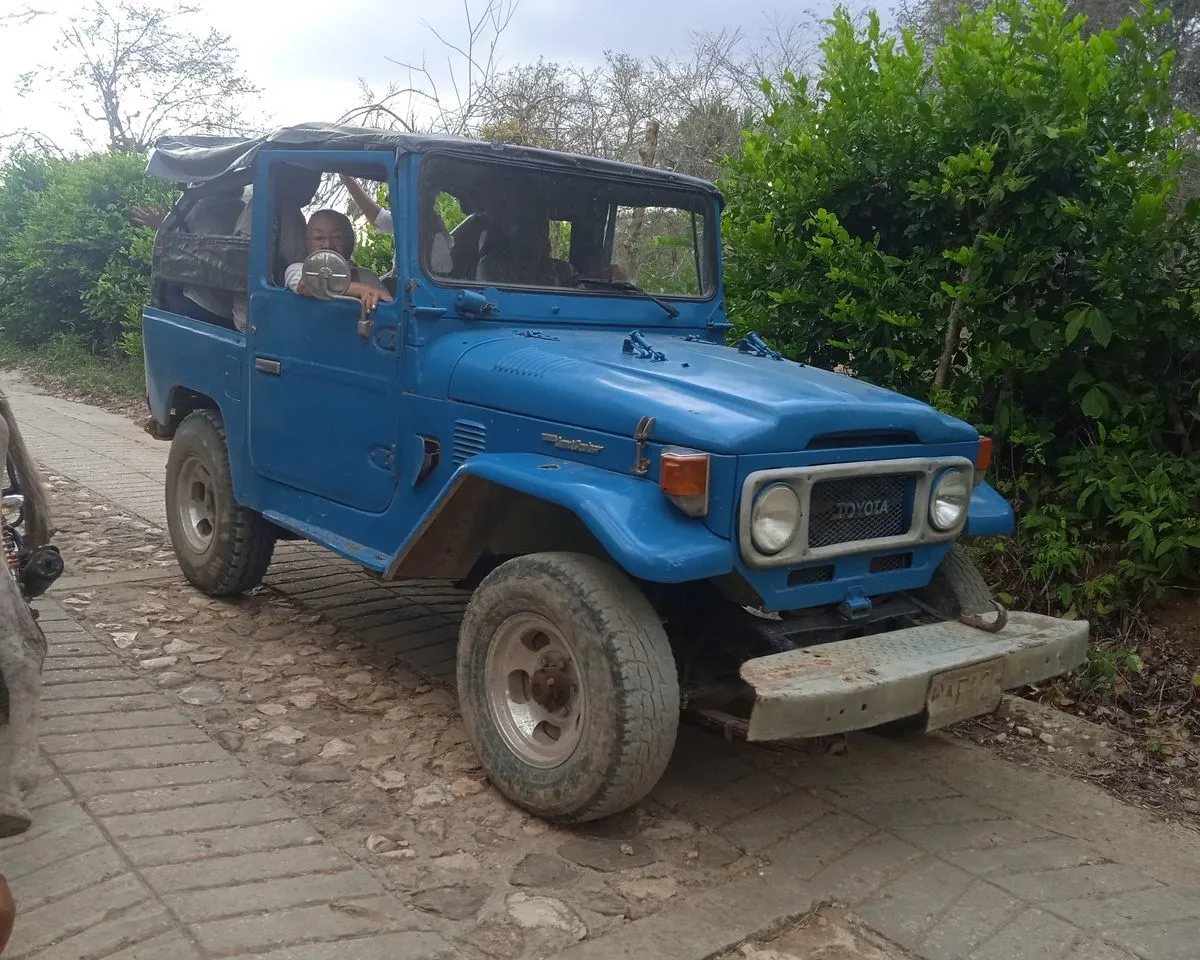
1974 Toyota Land Cruiser FJ40
The FJ40 is the off-road equivalent of a Rolex Submariner: an icon that transcends its original purpose. Toyota built these trucks to work in the harshest conditions on earth, and they delivered. Aid workers, safari guides, and military forces worldwide trusted their lives to FJ40s. The formula was simple: bulletproof inline-six, solid axles front and rear, and body-on-frame construction tough enough to survive anything. This isn't a lifestyle accessory — it's a working tool that happens to be beautiful.
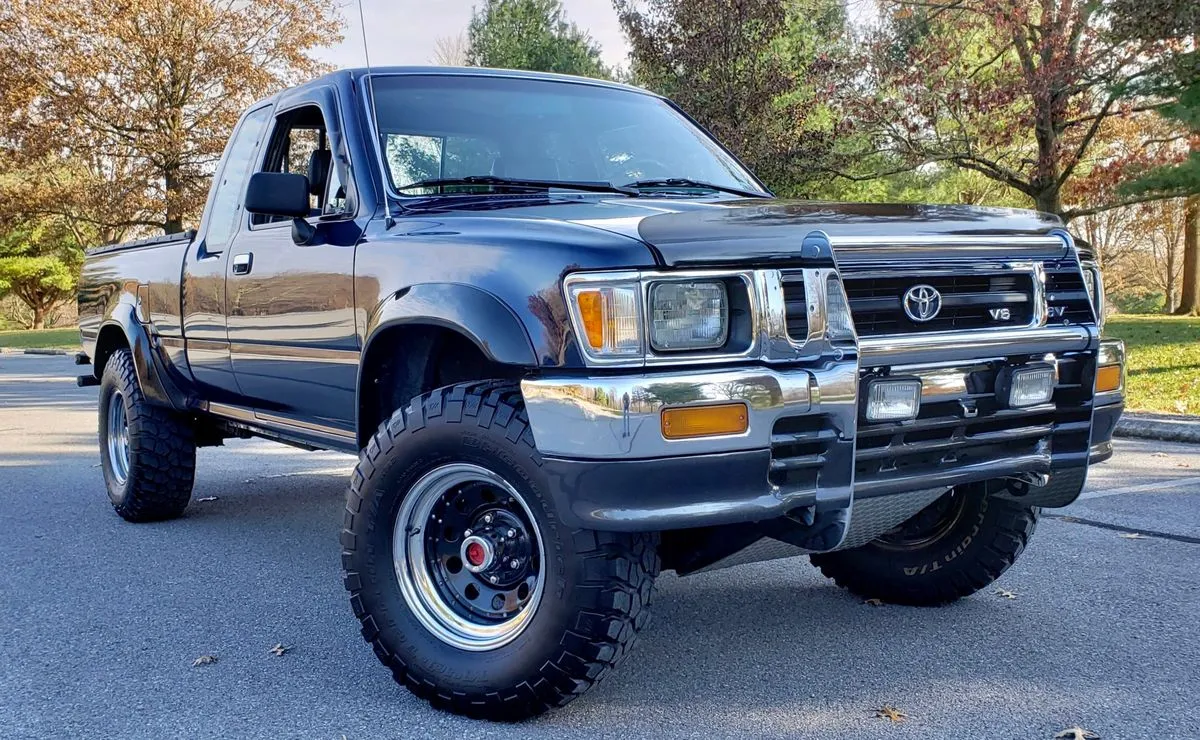
1994 Toyota 4x4 Pickup
This is the truck that built Toyota's American reputation. The one that survives neglect, abuse, and decades of use. It's not fast, not luxurious, not particularly capable by modern standards. But it starts every time, runs forever, and does exactly what a truck should do without drama. The 22R-E engine has a cult following for good reason: it may be the most reliable engine ever mass-produced. These trucks just refuse to die.
1994 Toyota Supra Turbo
The A80 Supra was Toyota's grand touring flagship, but the tuning community turned it into legend. The 2JZ-GTE inline-six is perhaps the most overbuilt engine ever put in a production car. The factory bottom end can handle 700+ horsepower without modification. Tuners discovered this, and 1,000 hp street Supras became almost common. The Fast & Furious franchise made the orange Supra iconic, and prices went stratospheric. But even stock, the Supra Turbo was a sophisticated GT car with genuine performance. The sequential turbos eliminated lag. The Getrag 6-speed was nearly indestructible. It was the last of Toyota's great sports cars before they went conservative.
Triumph
View make →
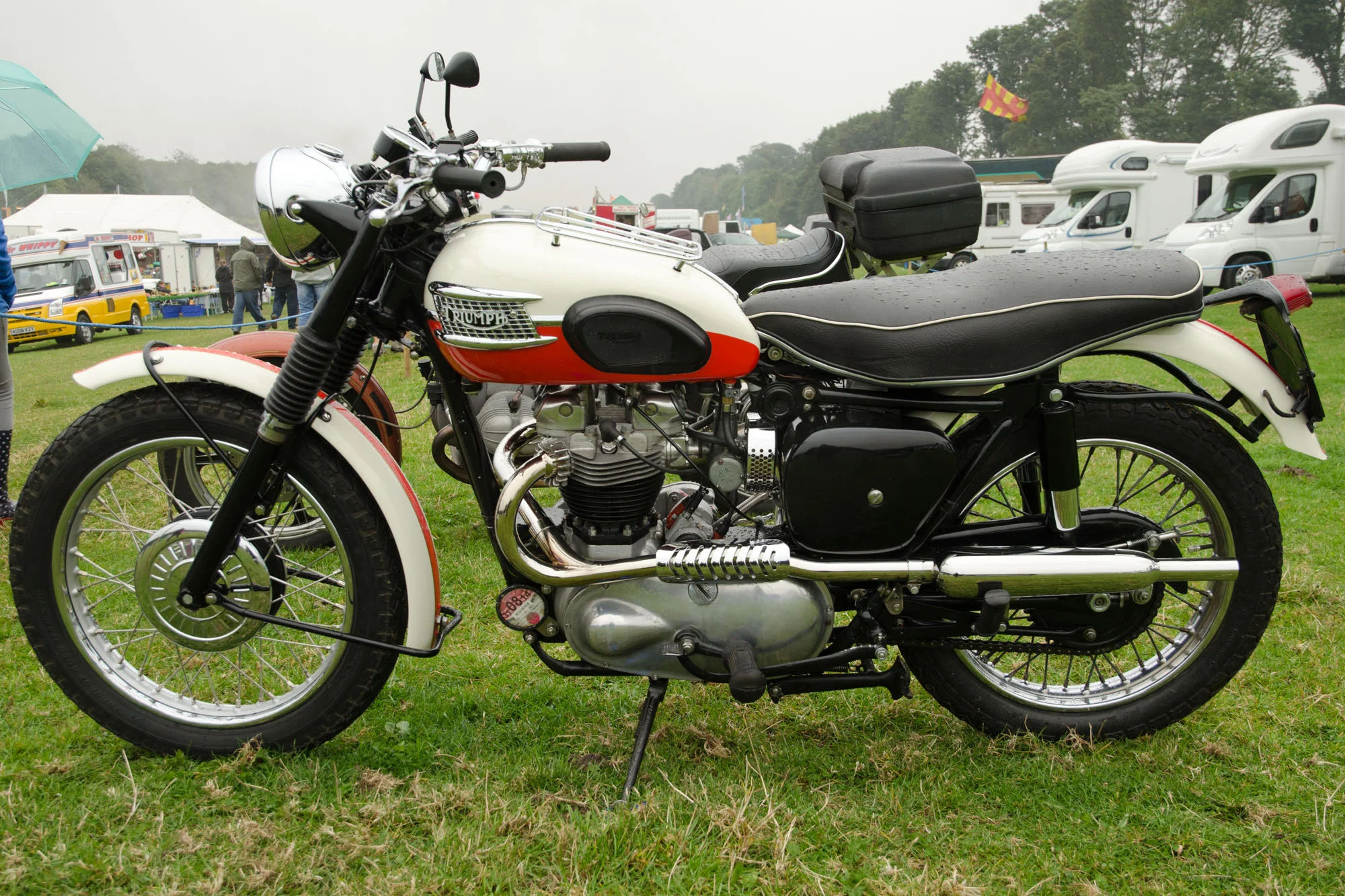
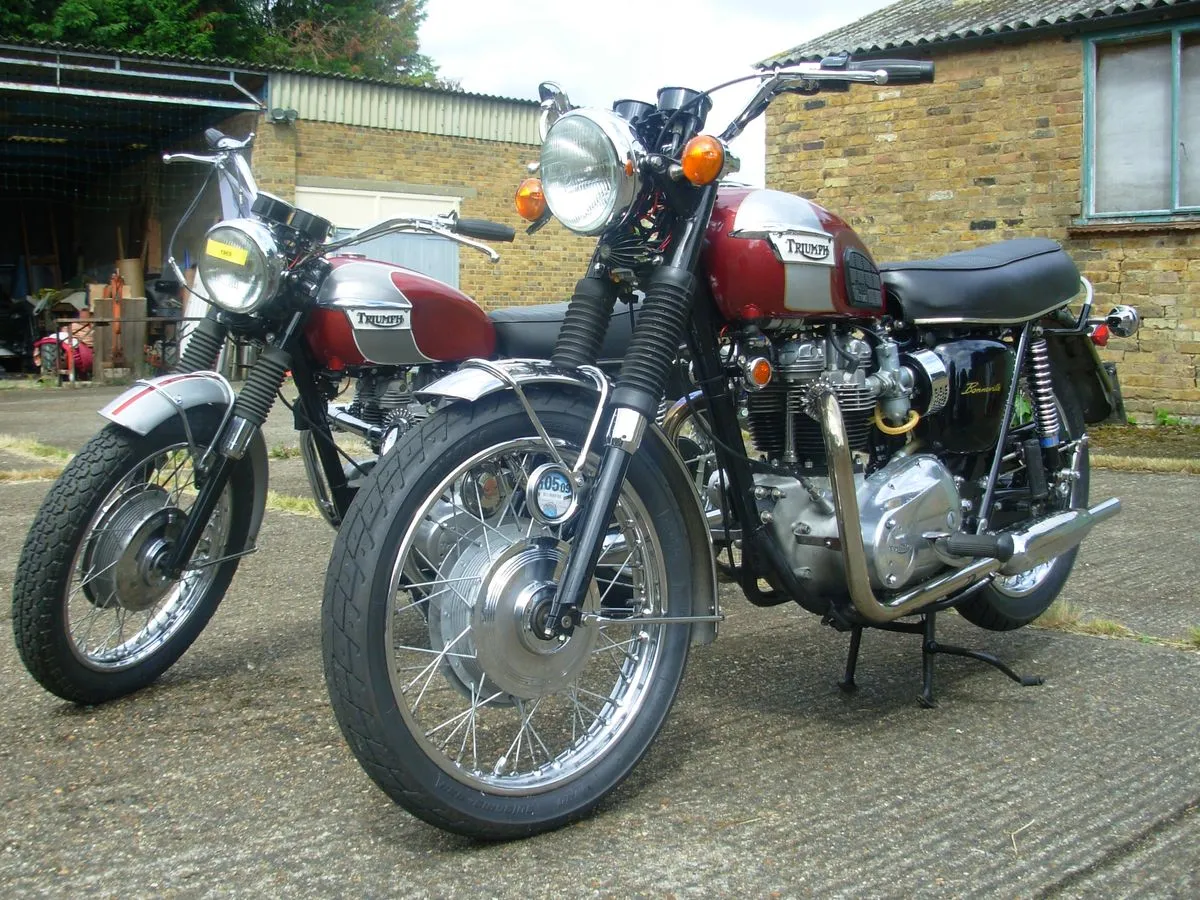
1969 Triumph Bonneville T120
The Bonneville defined what a motorcycle should look like for two decades. Launched in 1959 after Johnny Allen set speed records at the Bonneville Salt Flats, the T120 became the template for the cafe racer movement. Steve McQueen rode one. Countless movies featured them. The parallel twin has a character that inline fours can't match — a mechanical heartbeat that resonates at every RPM. This is the motorcycle that British motorcycling's reputation was built on.
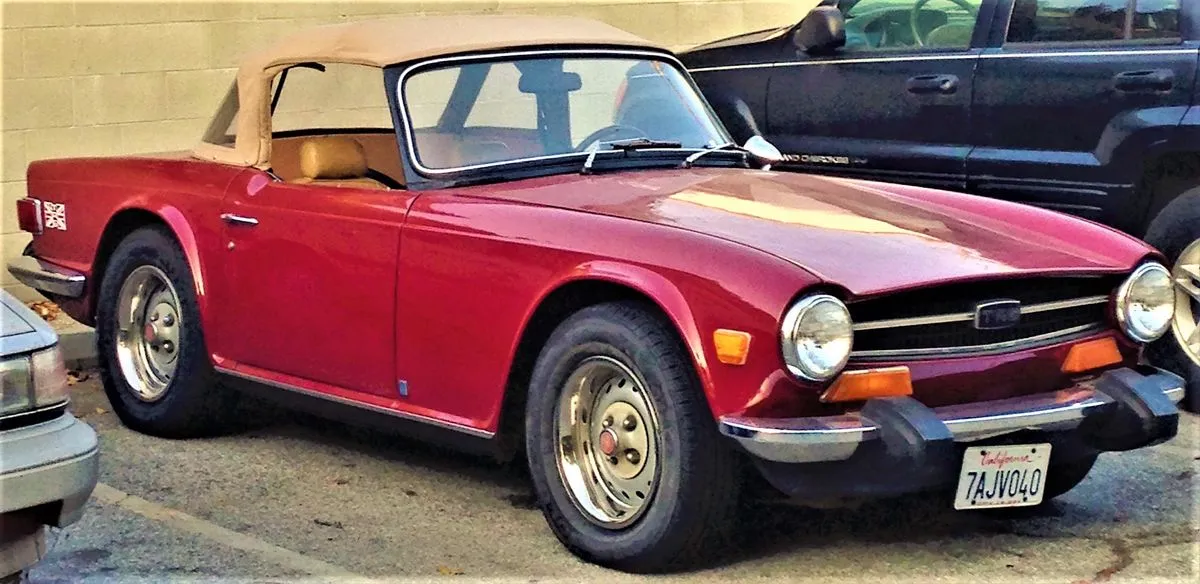
1974 Triumph TR6
The TR6 is the hairy-chested British sports car. Where the MGB was friendly and approachable, the TR6 was muscular and aggressive. The inline-six engine delivered real power. The Karmann-designed body looked like someone had chiseled it from anger. This was the TR for people who wanted more than the MGB could offer — more power, more presence, more drama. The TR6 was the last of the proper TRs before the wedge-shaped TR7 killed the brand's credibility.
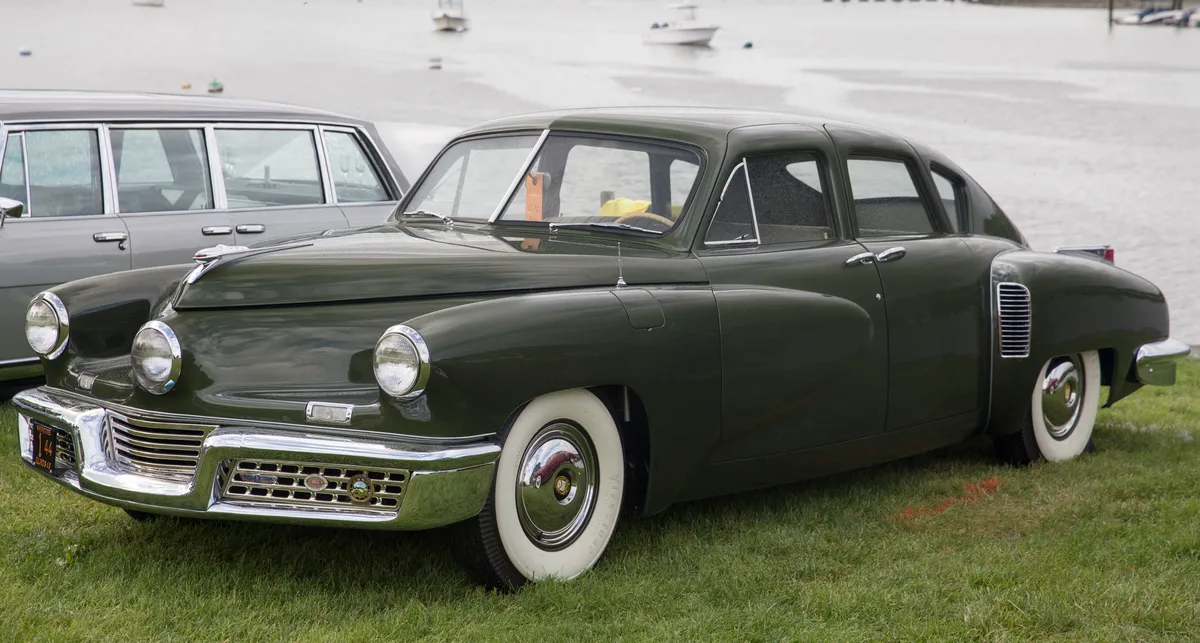
Tucker
View make →Vespa
View make →Volkswagen
View make →
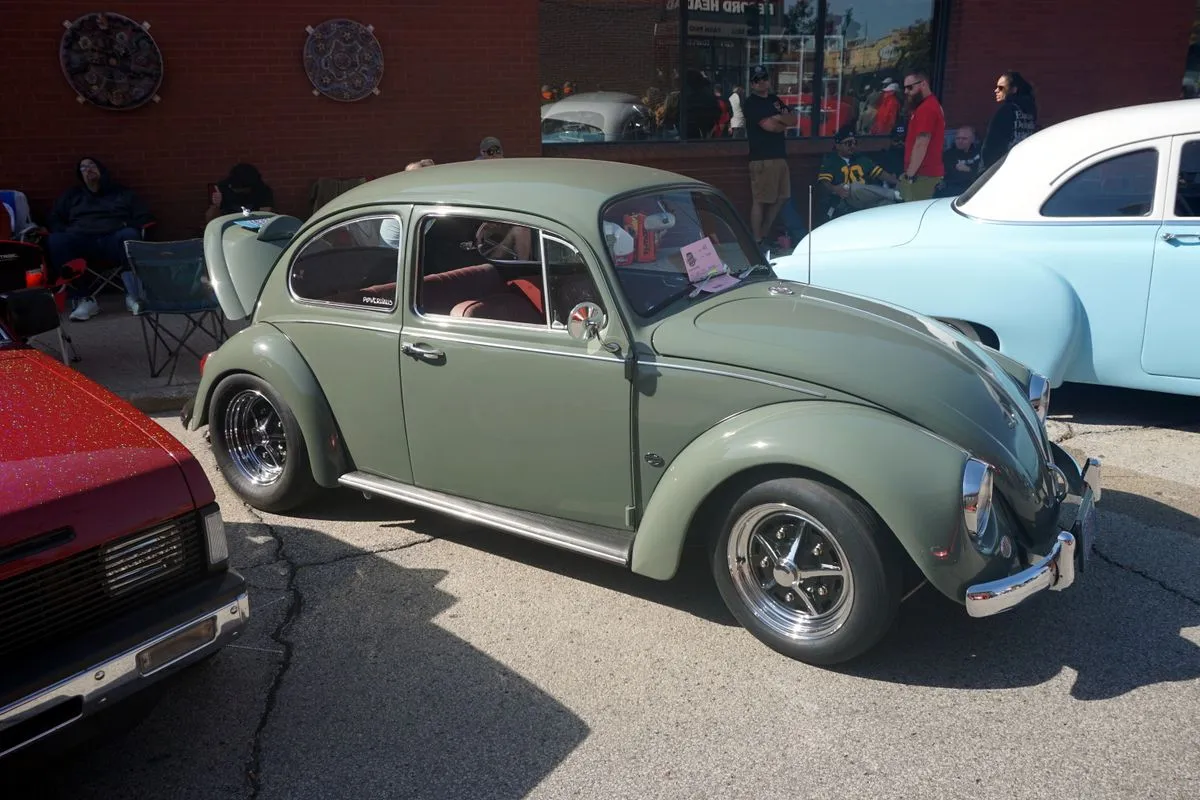
1967 Volkswagen Beetle
The Beetle is the most successful car design in history. Over 21 million produced. It democratized car ownership in post-war Europe, then became the counterculture icon in America. The air-cooled flat-four is mechanically simple to the point of being educational — generations of enthusiasts learned to wrench on Beetles. The 1967 is the collector sweet spot: the last year before US-mandated safety changes brought larger bumpers and sealed-beam headlights. But any classic Beetle captures the magic. This is where the entire air-cooled VW community starts.
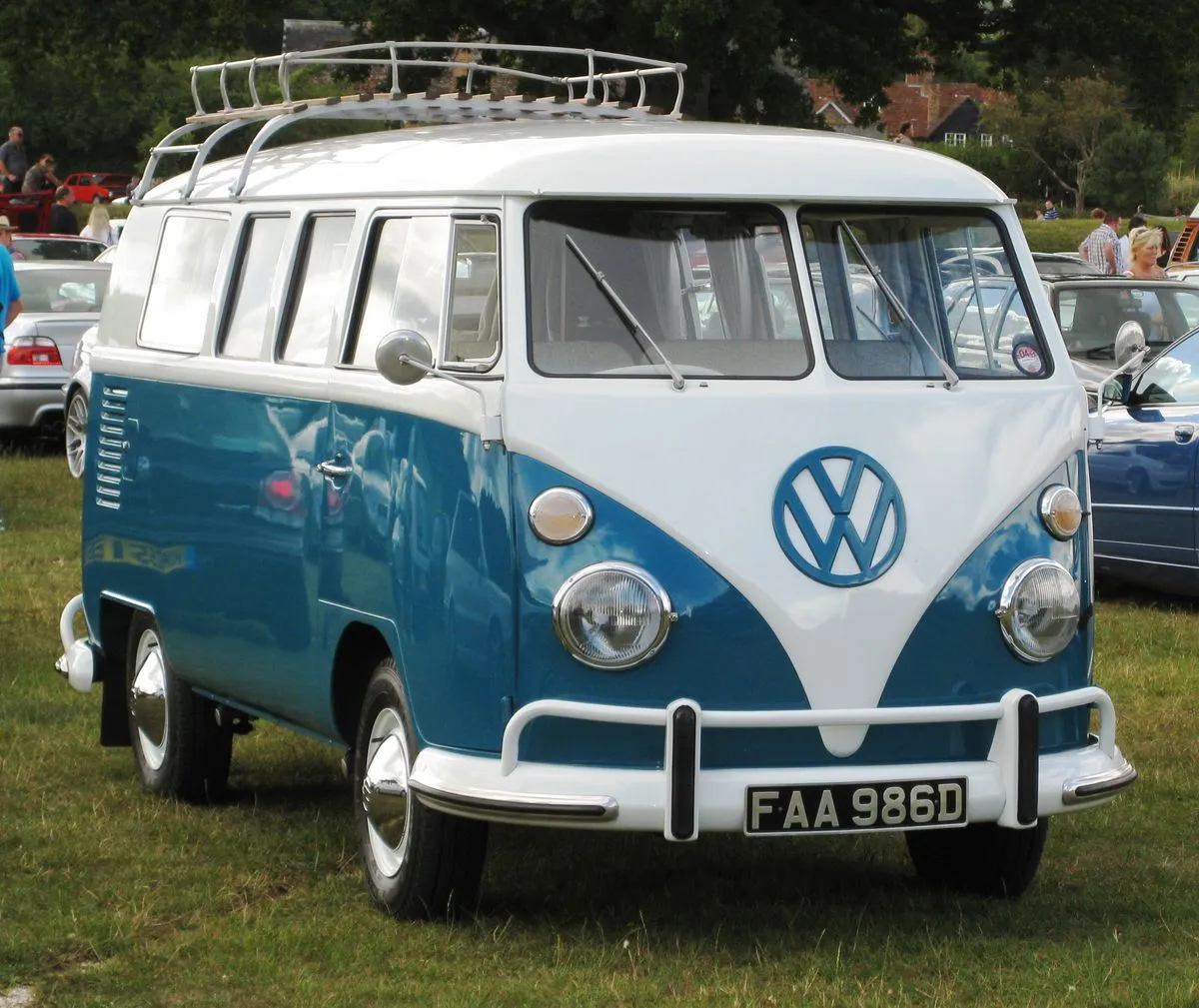
1967 Volkswagen Type 2 Bus (T2)
The VW Bus transcended transportation to become a cultural icon. It was the vehicle of the counterculture, the road trip, the alternative lifestyle. The split-window 'Splitties' and later bay-window 'Baywindows' carried surfers, hippies, travelers, and dreamers to wherever they wanted to go, slowly. The Bus proved that a vehicle could be more than transportation — it could be a statement, a home, a lifestyle. Every modern camper van owes something to the Type 2.
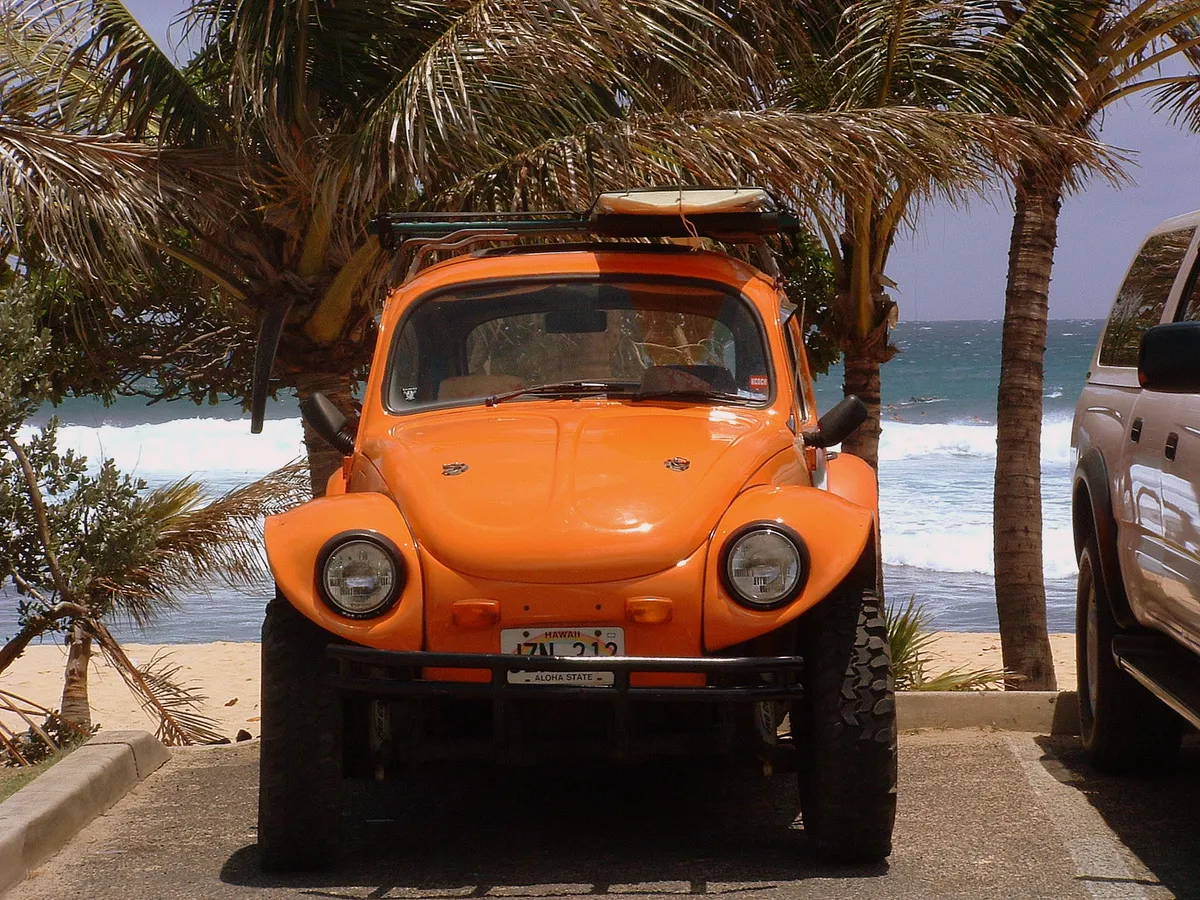
1969 Volkswagen Baja Bug
The Baja Bug proved that the humble Volkswagen Beetle — designed for German roads in the 1930s — could conquer the harshest desert terrain in the Americas. When the Baja 1000 started in 1967, people showed up with Beetles because they were cheap, air-cooled (no radiator to puncture), rear-engined (weight over the drive wheels), and nearly indestructible. Cut the fenders for bigger tires, add a skid plate, raise the suspension, and suddenly you had a legitimate off-road racer. The Baja Bug became the everyman's entry into desert racing — you didn't need a factory team or a purpose-built vehicle. You needed a beater Beetle, a welder, and more courage than sense.
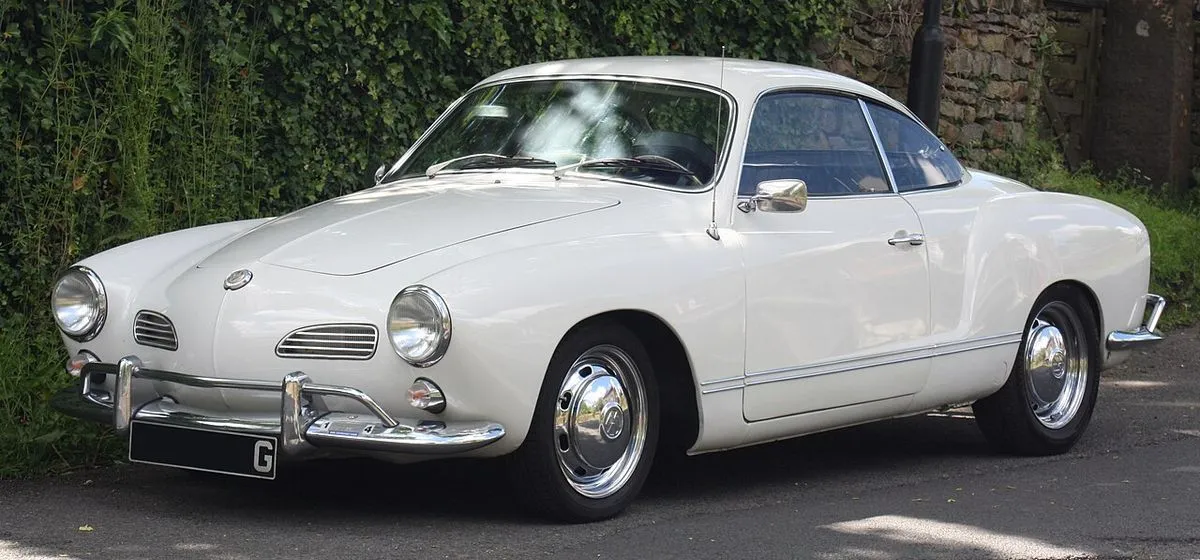
1969 Volkswagen Karmann Ghia
The Karmann Ghia is a sports car that isn't really a sports car — and that's exactly why people love it. Italian styling by Ghia, German construction by Karmann, built on Beetle running gear. It's gorgeous but slow. Romantic but practical. A car for people who understand that driving pleasure isn't always about speed. Every Karmann Ghia on the road is a statement that beauty matters, even if you can't outrun a Civic.
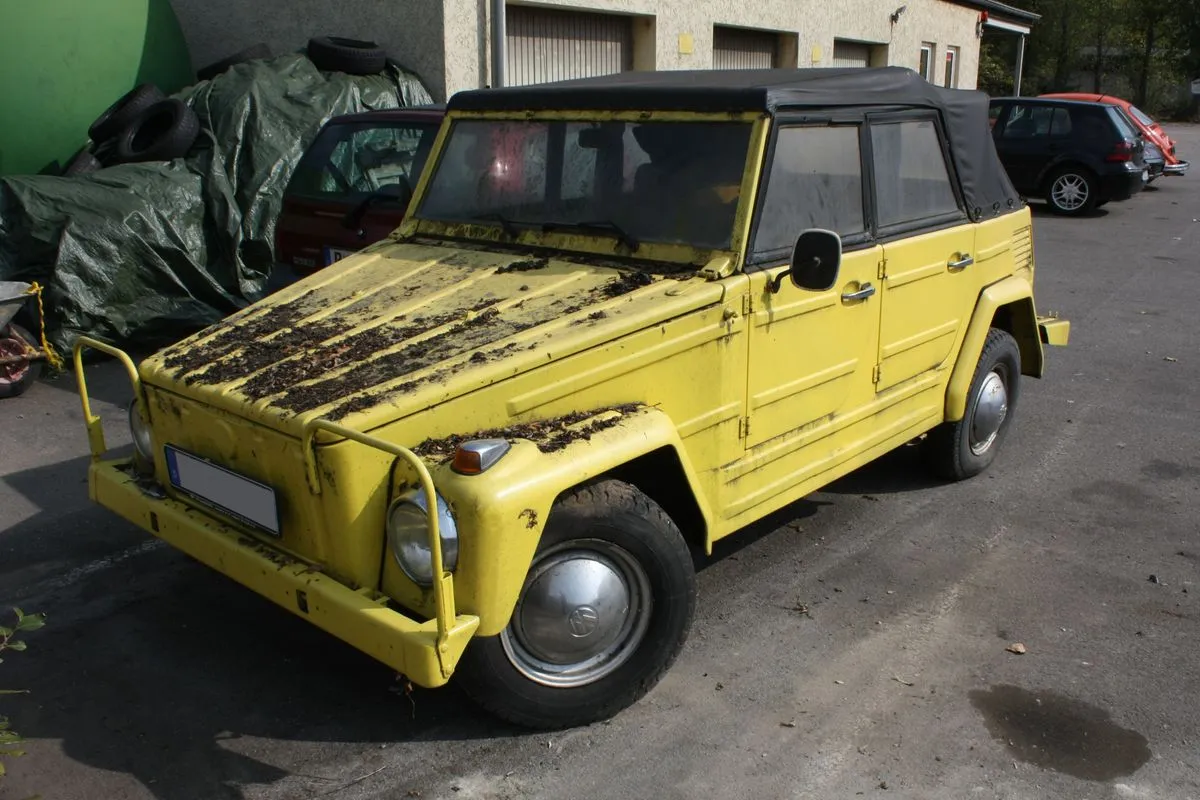
1974 Volkswagen Thing (Type 181)
The Thing is what happens when you take a military utility vehicle and sell it to beach towns. Based on the WWII Kubelwagen design, VW updated it for the '60s and '70s as a recreational vehicle. In America, it became a cult item for exactly two years before failing new safety standards. That brief window and the quirky design created instant collector appeal. The Thing is the ultimate beach cruiser — doors off, top down, completely impractical, and absolutely joyful.