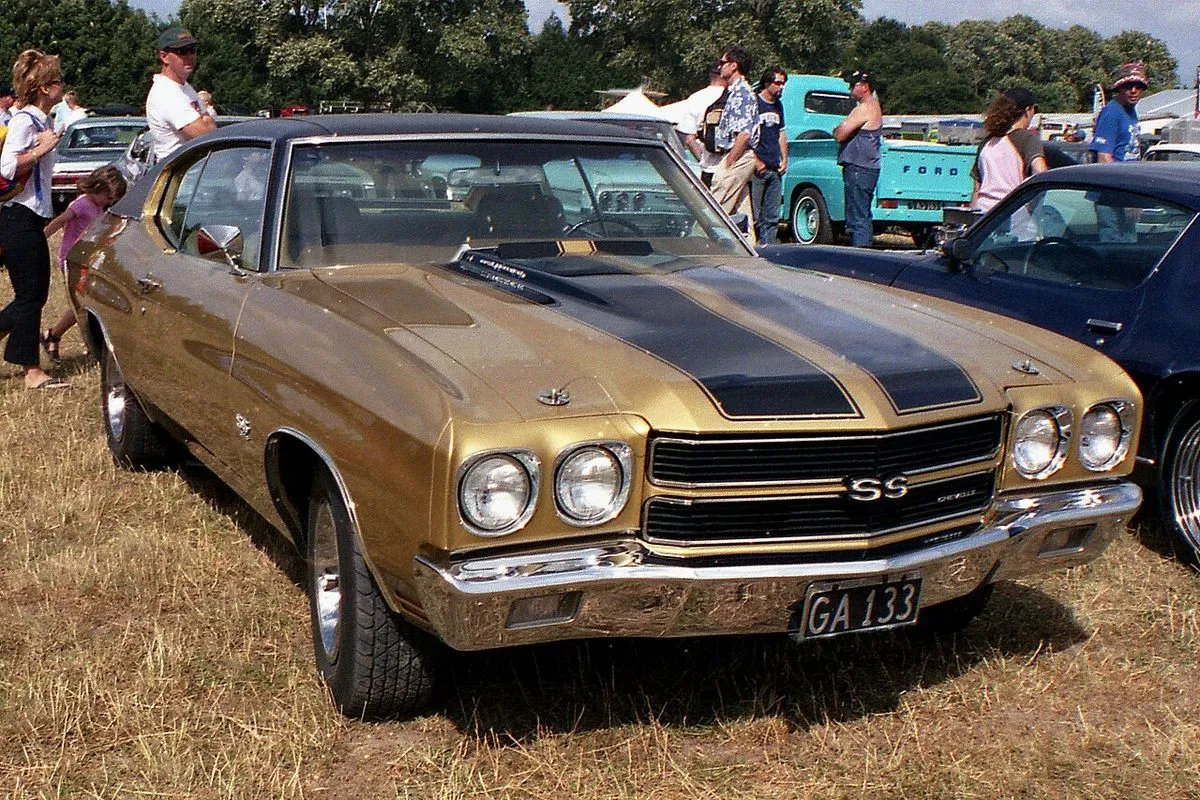
Why this vehicle matters
The 1970 Chevelle SS 454 is the apex predator of the muscle car era. When GM lifted its 400 cubic inch displacement limit, Chevrolet responded with the LS6 454 — 450 horsepower, 500 lb-ft of torque, and a factory 0-60 time under six seconds.
The redesigned body was aggressive and purposeful. The hood scoop actually worked. For one glorious year before insurance rates and emissions killed muscle cars, the LS6 Chevelle was the most powerful production car you could buy. The LS5 (360 hp) was the 'mild' option. Nothing about this car is mild.
Patina notes
The 1970 body style is stunning and ages well. Original Forest Green, Cranberry Red, and Astro Blue are particularly desirable with honest wear. The cowl induction hood is the tell — fakes have flat hoods.
Watch for rust in the floors, trunk, and rear quarter panels. The convertible is rare and valuable. Original LS6 cars are essentially unobtainable at sane prices, but LS5 cars and 396 SS models offer the same experience for less money.
Ownership reality
Parts availability is excellent — the Chevelle shares much with the El Camino, Monte Carlo, and A-body platform. Restoration shops know these cars intimately. The M22 'Rock Crusher' 4-speed is bulletproof but expensive to replace.
The TH400 automatic is also nearly indestructible. Watch out for clone detection — with LS6 cars worth $150K+, paperwork verification is essential. PHS documentation, Protect-O-Plate, and build sheets matter.
The verdict
Buy if
You want the most powerful factory muscle car of the golden era. You appreciate the A-body platform's parts availability. You're okay with a car that commands attention and questions at every gas stop.
Skip if
You want subtlety. You're shopping on a tight budget. You can't verify documentation and refuse to buy a clone.
What to look for
- → Floor pan rust, especially under carpet
- → Trunk floor and lower quarter panels
- → Cowl area around windshield base
- → Frame rust at rear spring mounts
- → Documentation: PHS, Protect-O-Plate, build sheet
- → Correct date-coded components for matching numbers
- → Convertible top frame condition (if applicable)
Common problems
- ⚠ Frame rust at rear leaf spring mounts
- ⚠ Convertible chassis flex (requires subframe connectors)
- ⚠ Carburetor issues with ethanol fuel
- ⚠ Rear axle seals weep oil
- ⚠ Power steering pump noise
- ⚠ Heater core replacement requires dash work
Parts & community
Parts sources
- OPGI (Original Parts Group)
- Classic Industries
- Eckler's Chevelle
- Ground Up SS396.com
- Year One
Forums & communities
- Chevelles.com
- SS396.com forums
- Pro-Touring.com
- Team Chevelle
Sources
- Hagerty Valuation Tools · 2026-02-01
- Super Chevy Magazine Archives · 2026-02-01
Specifications
| Engine | 396 V8 / 454 V8 (LS5/LS6) |
| Power | 350-450 hp |
| Torque | 415-500 lb-ft |
| Transmission | 3-speed auto (TH400) / 4-speed manual (M21/M22) |
| Drivetrain | RWD |
| Weight | 3,800 lbs |
| Wheelbase | 112 inches |
| Production | 53,599 (1970 SS) |
Notable Features
- • LS6 454 was the baddest factory engine of the era
- • Cowl induction hood
- • Heavy-duty suspension standard on SS
- • Peak of the muscle car era
About Chevy
Ford's eternal rival. The bowtie that launched a thousand hot rods.
View all Chevy vehicles →Find one
Looking to buy? Search current and past listings on Bring a Trailer.
Search on Bring a Trailer →More from Chevy
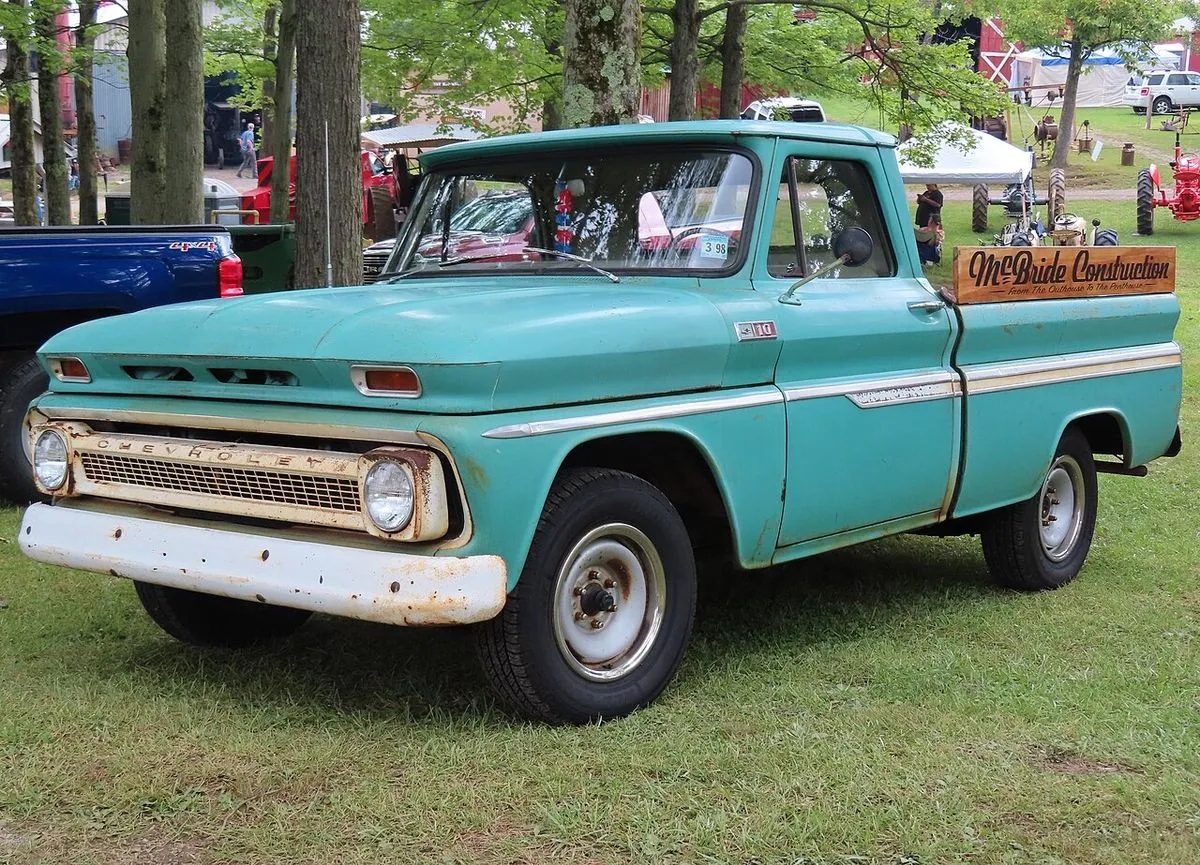
1960-1966 Chevy C10
1960-1966
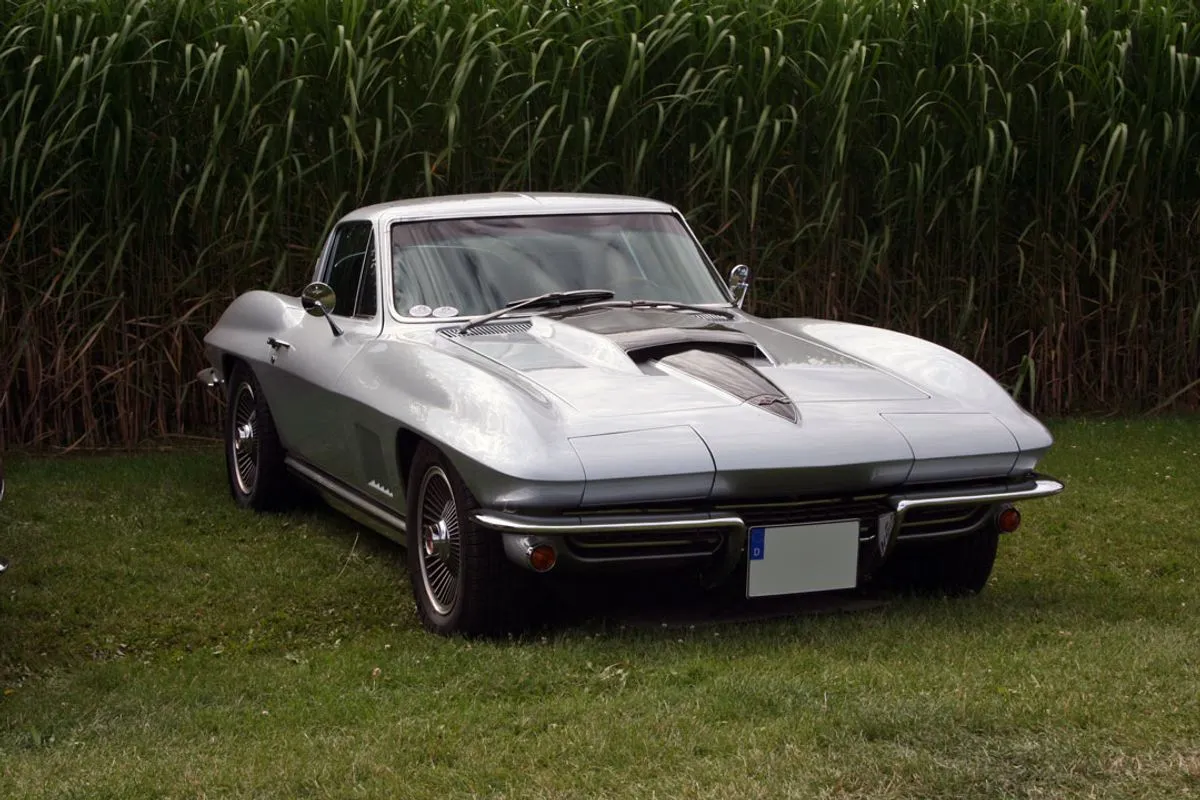
1967 Chevy Corvette C2 Stingray
1963-1967
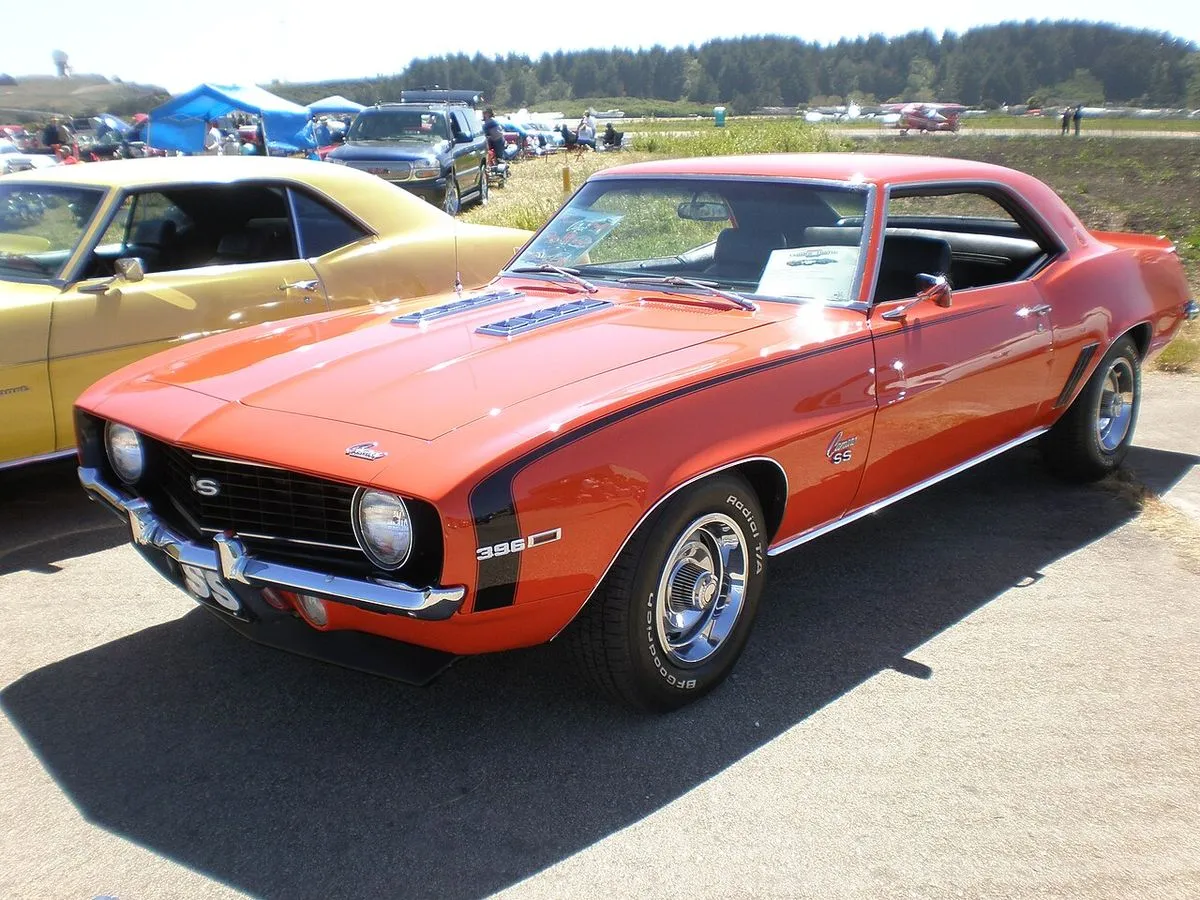
1969 Chevy Camaro SS/Z28
1969
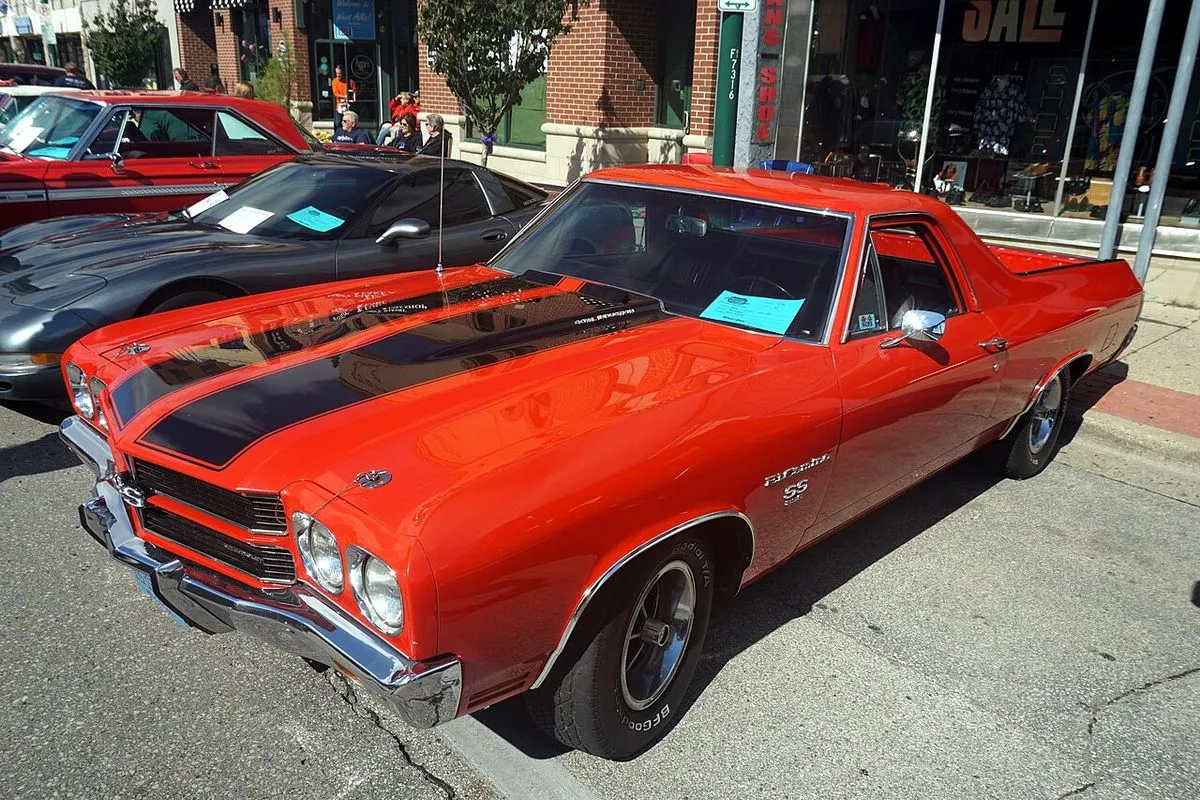
1970 Chevy El Camino SS 454
1968-1972
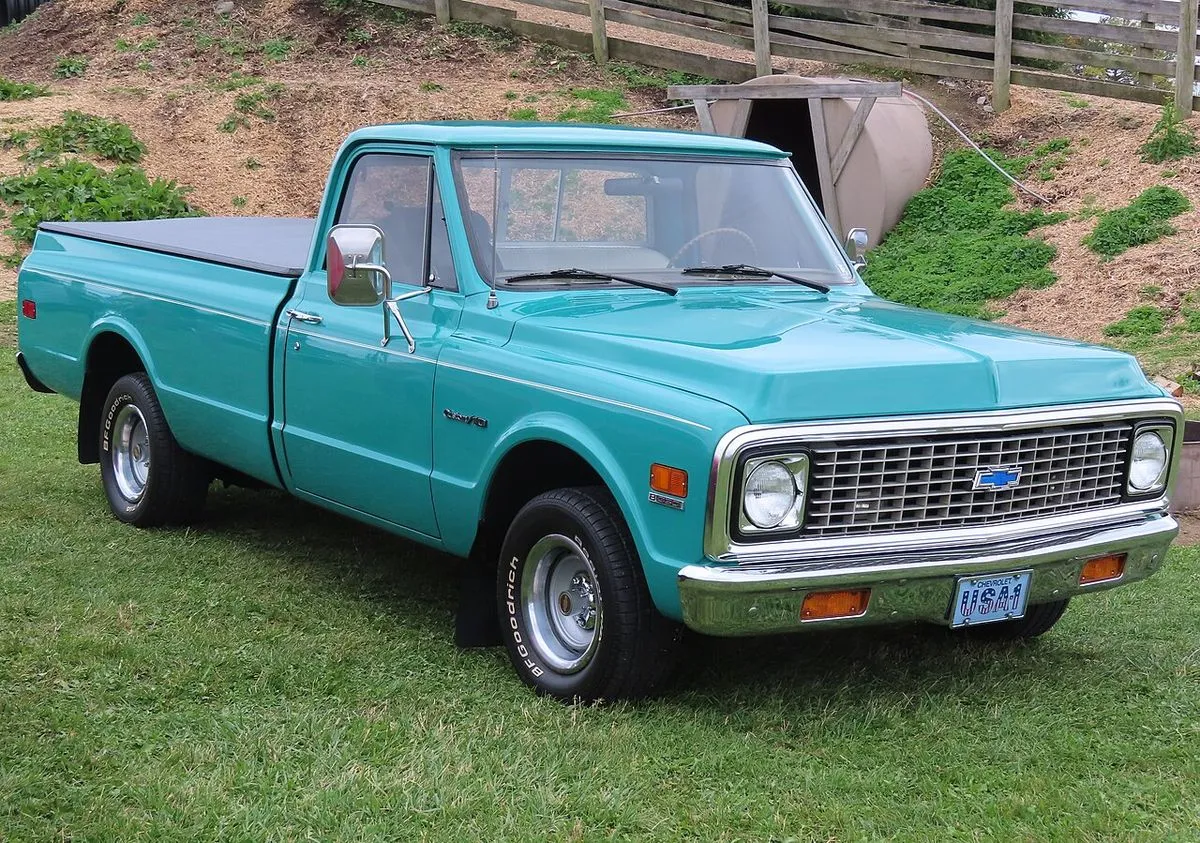
1967-1972 Chevy C10
1967-1972
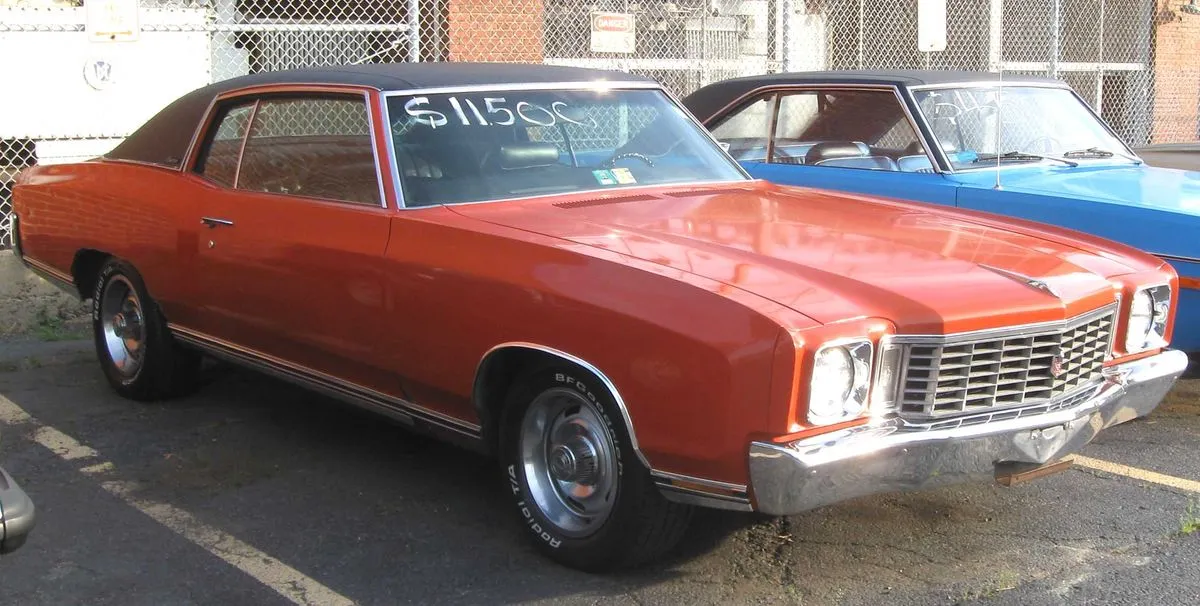
1972 Chevy Monte Carlo
1970-1977
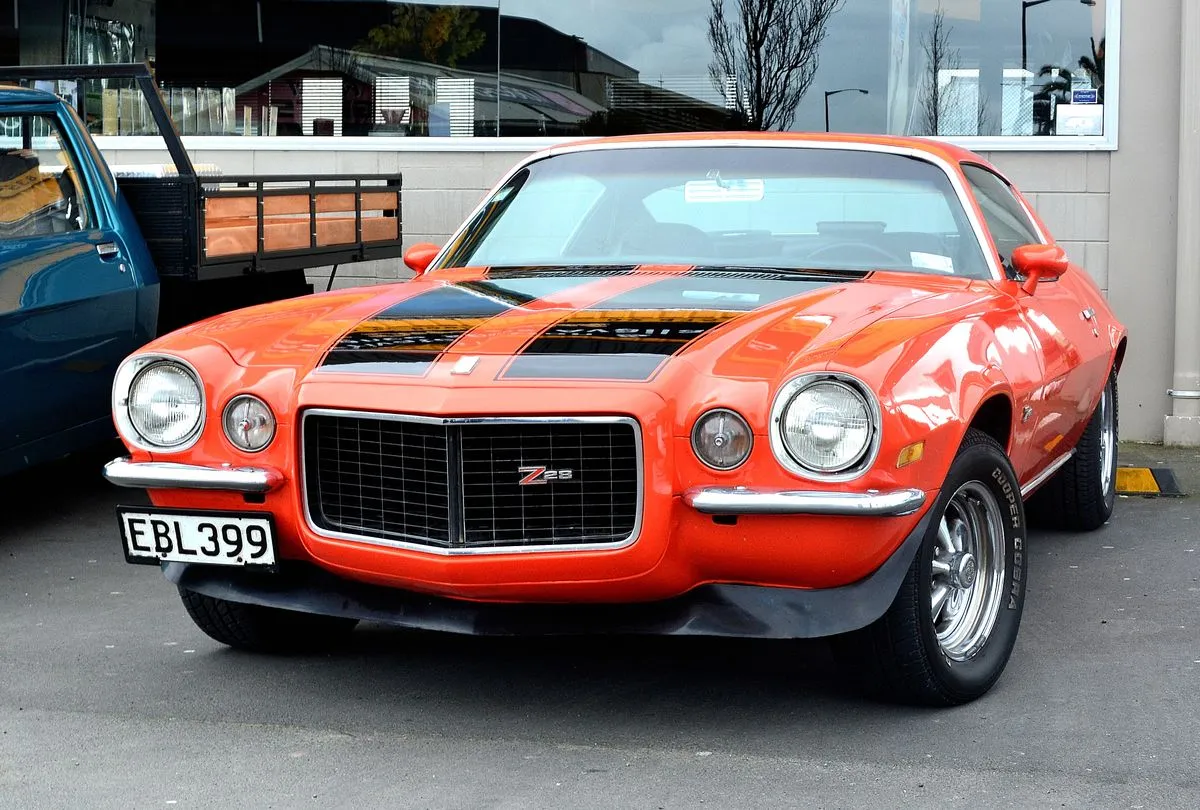
1973 Chevy Camaro Z28
1970-1981
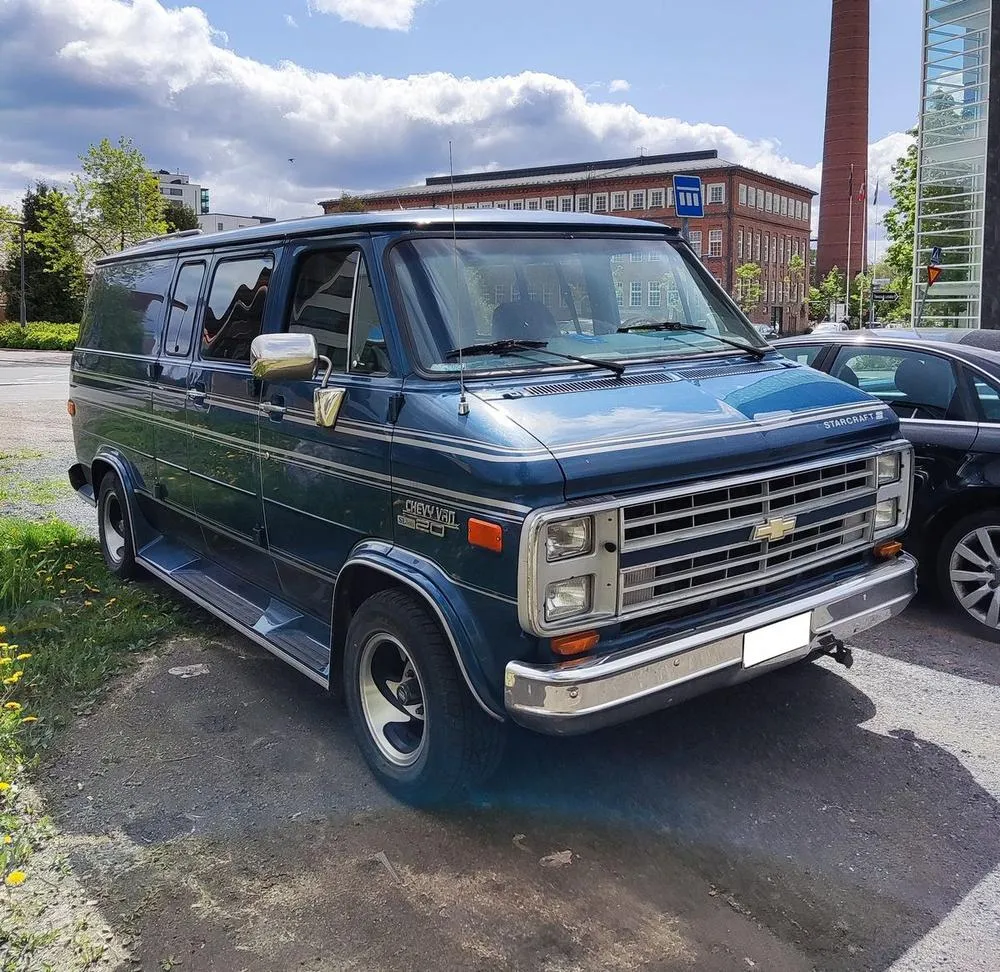
1975 Chevy G20 Van
1971-1995
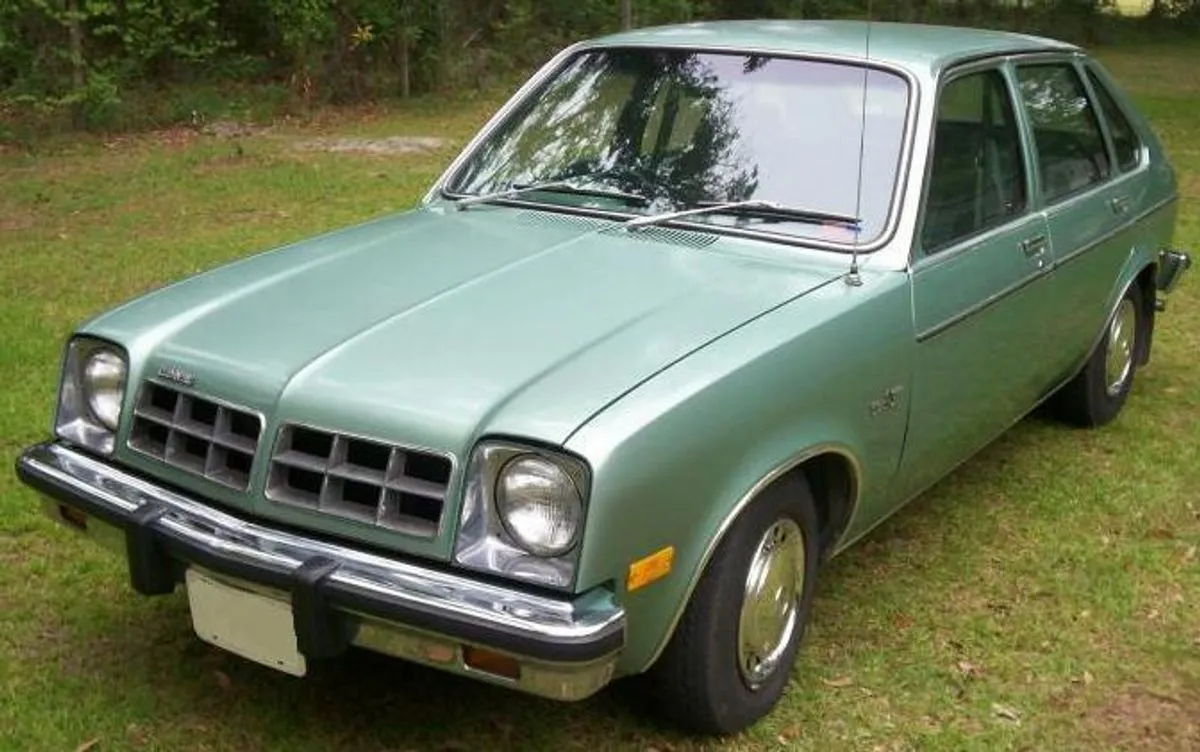
1976 Chevy Chevette
1976-1987
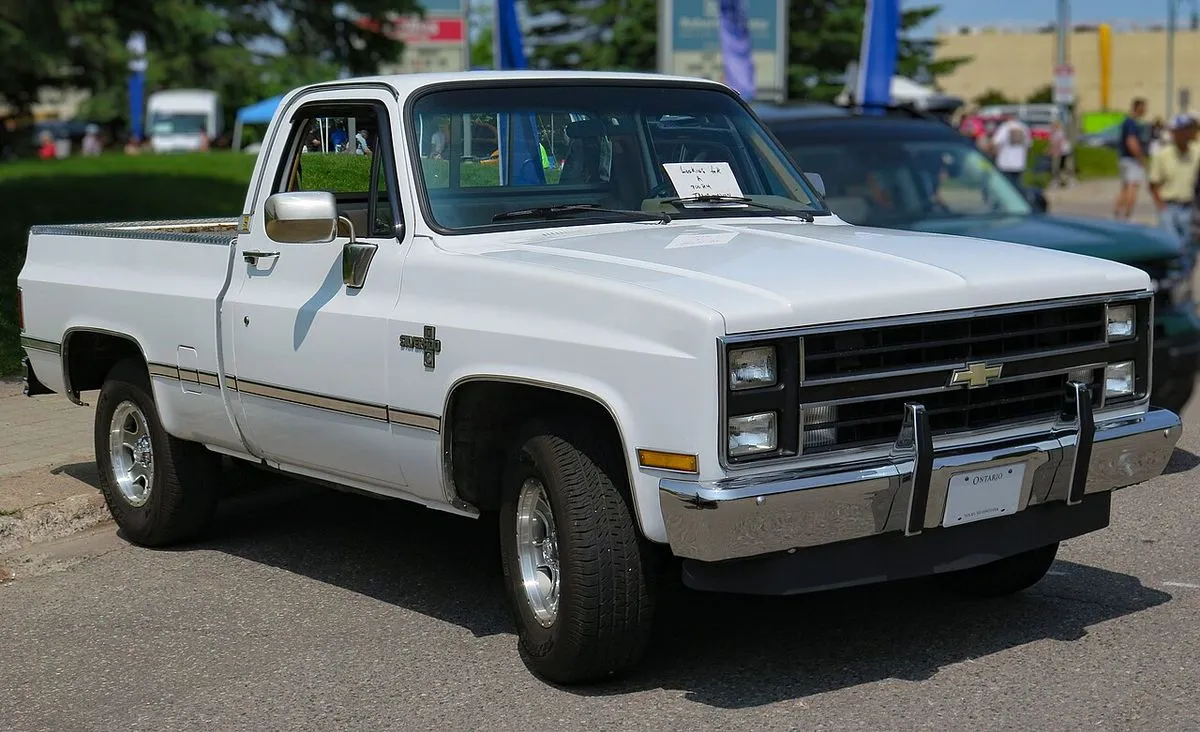
1973-1987 Chevy C/K Square Body
1973-1987