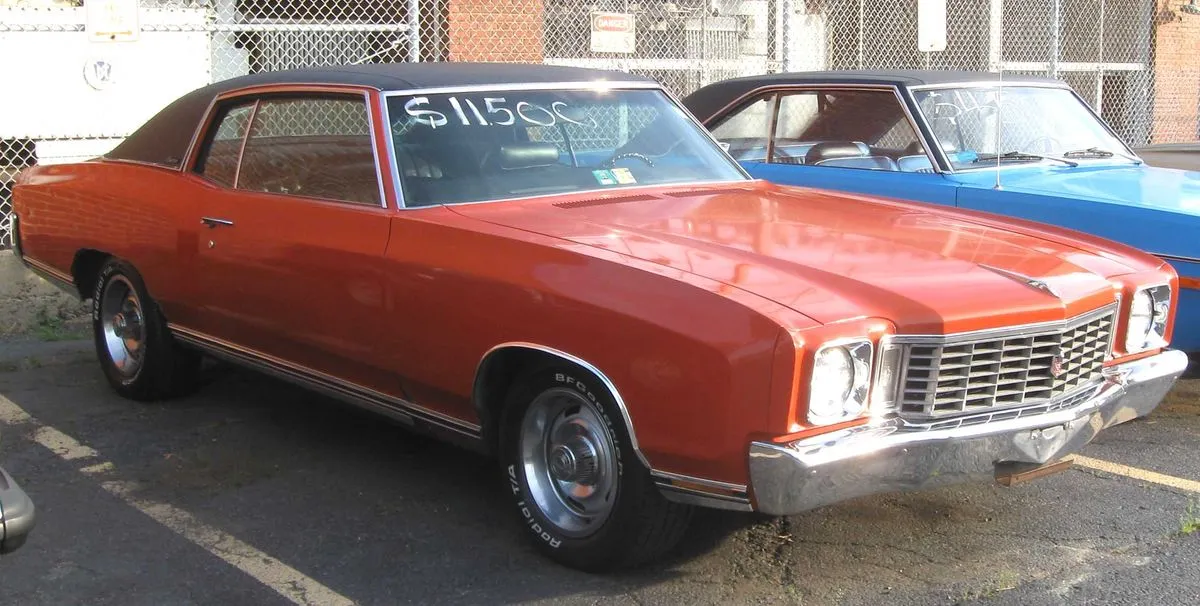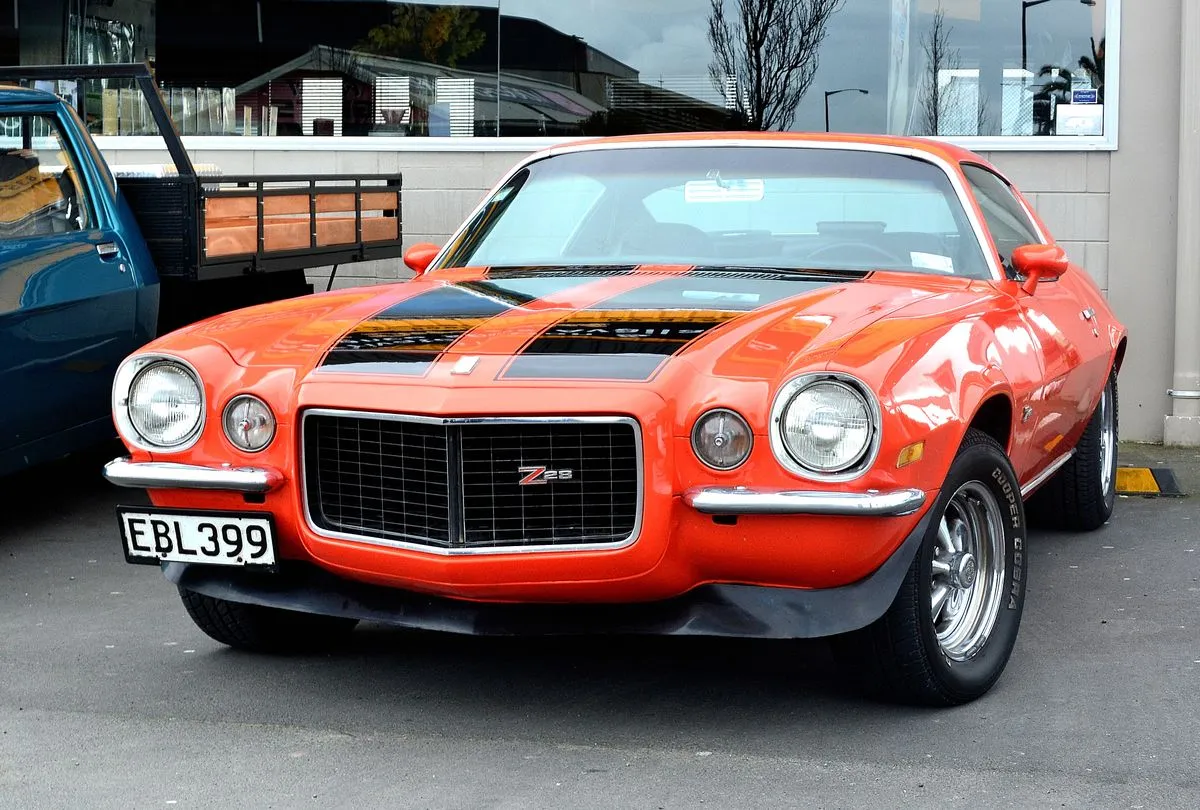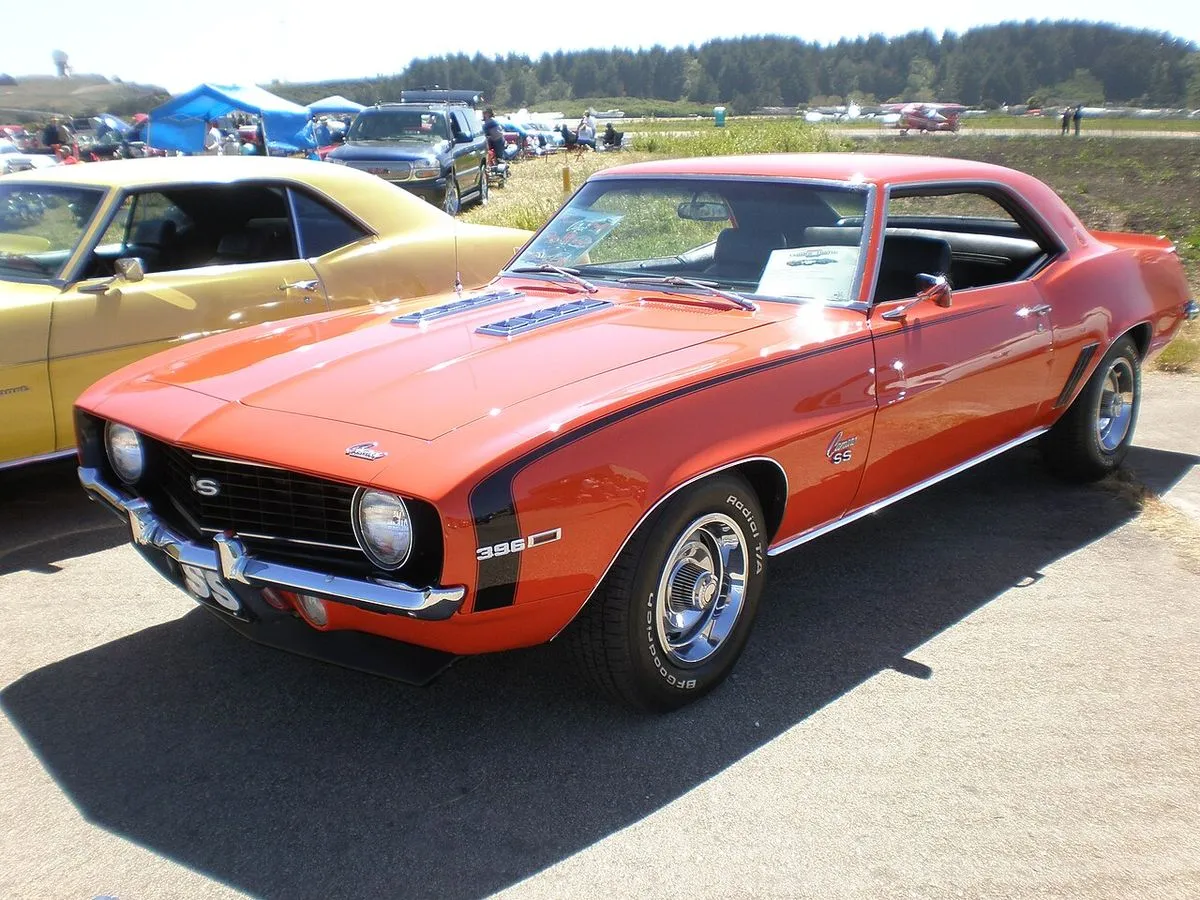
1969 Chevy Camaro SS/Z28
$45,000-150,000+ Car Chevy Muscle Era

1969 Chevy Camaro SS/Z28

1969

Why this vehicle matters

The '69 Camaro is GM's answer to the Mustang, perfected. The 1967-68 cars were good; the '69 is great. The redesigned body added aggression without losing elegance. The Z28 became a legitimate race car for the street — the 302 V8 was designed specifically to dominate Trans-Am racing. The SS 396 put big-block power in a car that could actually handle it. And the COPO 427 cars, ordered through dealer back channels to bypass GM's ban on engines over 400 cubic inches in intermediate cars, are now worth six figures. This is the Camaro that defined what a Camaro should be.

Patina notes

The '69 body holds up well under honest wear. Original Hugger Orange or LeMans Blue paint with age-appropriate fade looks right. The chrome bumpers and trim are substantial and rechrome well. Watch for rust in the trunk floor, quarter panels, and subframe connectors — these cars rust from the inside out. Original Z28 cars with matching numbers command serious premiums. Clones are everywhere, and that's fine — but know what you're buying.

Ownership reality

One of the most supported cars in the hobby. Reproduction parts cover everything from floor pans to complete front clips. Dynacorn makes full bodies. The aftermarket is so strong you could literally build a car from a catalog. But that support has a downside: forgeries are common, especially for valuable packages like Z28 and COPO. Documentation matters. The Camaro Registry and PHS (Protect-O-Plate) can verify authenticity. Daily driver? Possible with upgrades, but the 4-wheel drum brakes are scary by modern standards.

The verdict

Buy if

You want the best-looking first-gen Camaro with the strongest parts support. You can verify documentation or you're comfortable buying a clone. You're ready to join the Camaro cult.

Skip if

You're allergic to paperwork verification. You need something with adequate brakes out of the box. You want to stand out — these are everywhere at car shows.

What to look for

  • Subframe and subframe connectors for rust and cracks
  • Cowl panel and windshield pillar rust (hidden killers)
  • Trunk floor and spare tire well
  • Quarter panel rust around wheel openings
  • Documentation: Protect-O-Plate, window sticker, build sheet
  • VIN tag tampering signs for clone detection
  • Frame rail damage from improper jacking

Common problems

  • Drum brakes inadequate for modern traffic
  • Positraction rear ends wear out
  • Heater core access requires dash removal
  • Rust in unexpected places (under vinyl top, door bottoms)
  • Electrical gremlins in gauge cluster
  • Reproduction parts quality varies wildly

Parts & community

Parts sources

  • Classic Industries (huge catalog)
  • Ground Up Restoration
  • Rick's Camaros
  • Eckler's
  • Summit Racing (performance parts)

Forums & communities

  • NastyZ28.com
  • CamaroZ28.com
  • Team Camaro
  • Pro-Touring.com

Sources

Specifications

Engine 350 V8 (Z28) / 396 V8 (SS) / 427 V8 (COPO)
Power 290-430 hp depending on package
Torque 290-450 lb-ft
Transmission 3-speed auto / 4-speed manual
Drivetrain RWD
Weight 3,300 lbs
Wheelbase 108 inches
Production 243,085 (all 1969 Camaros)

Notable Features

  • First redesign from 1967-68
  • Z28 was the Trans-Am homologation special
  • SS 396 brought big-block muscle
  • COPO 427s are the holy grail

About Chevy

Ford's eternal rival. The bowtie that launched a thousand hot rods.

View all Chevy vehicles →

Find one

Looking to buy? Search current and past listings on Bring a Trailer.

Search on Bring a Trailer →

More from Chevy

1960-1966 Chevy C10

1960-1966 Chevy C10
$25,000-80,000+ Truck
Engine: 235 I6
Power: 140-220 hp
Trans: 3-speed manual
Years: 1960-1966

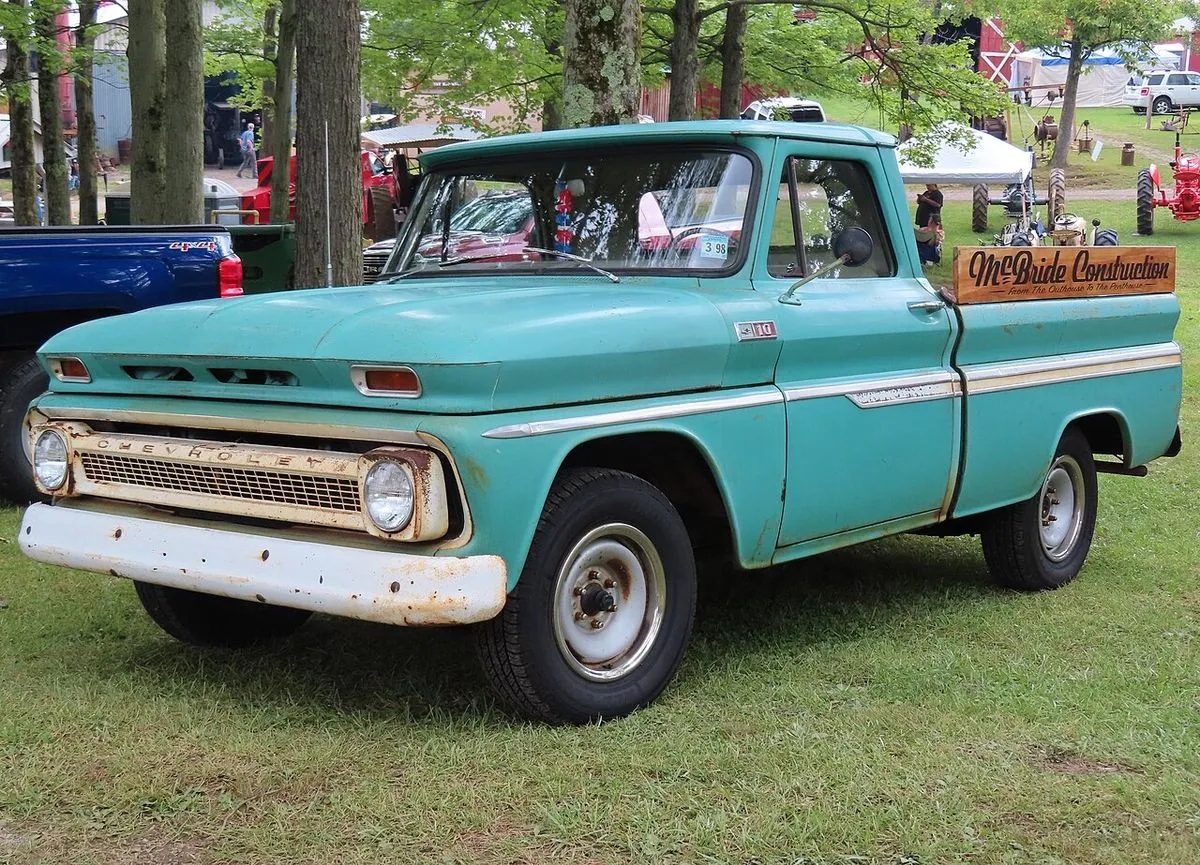
The 1960-66 Chevrolet C10 is the truck that made pickups cool. Before this generation, trucks were strictly utilitarian. GM's designers gave this truck car-like styling — the wraparound windshield, sweeping fender lines, and available Custom Cab interior made it something you'd want to drive, not just need to drive. The drop-center frame lowered the floor height for easier entry. The optional V8 engines made them quick. These trucks launched the custom truck scene that continues today. A well-built 1966 C10 was the truck every high schooler in America wanted.

1967 Chevy Corvette C2 Stingray

1967 Chevy Corvette C2 Stingray

$60,000-200,000+ Car
Engine: 327 V8
Power: 300-435 hp
Trans: 3-speed auto
Years: 1963-1967

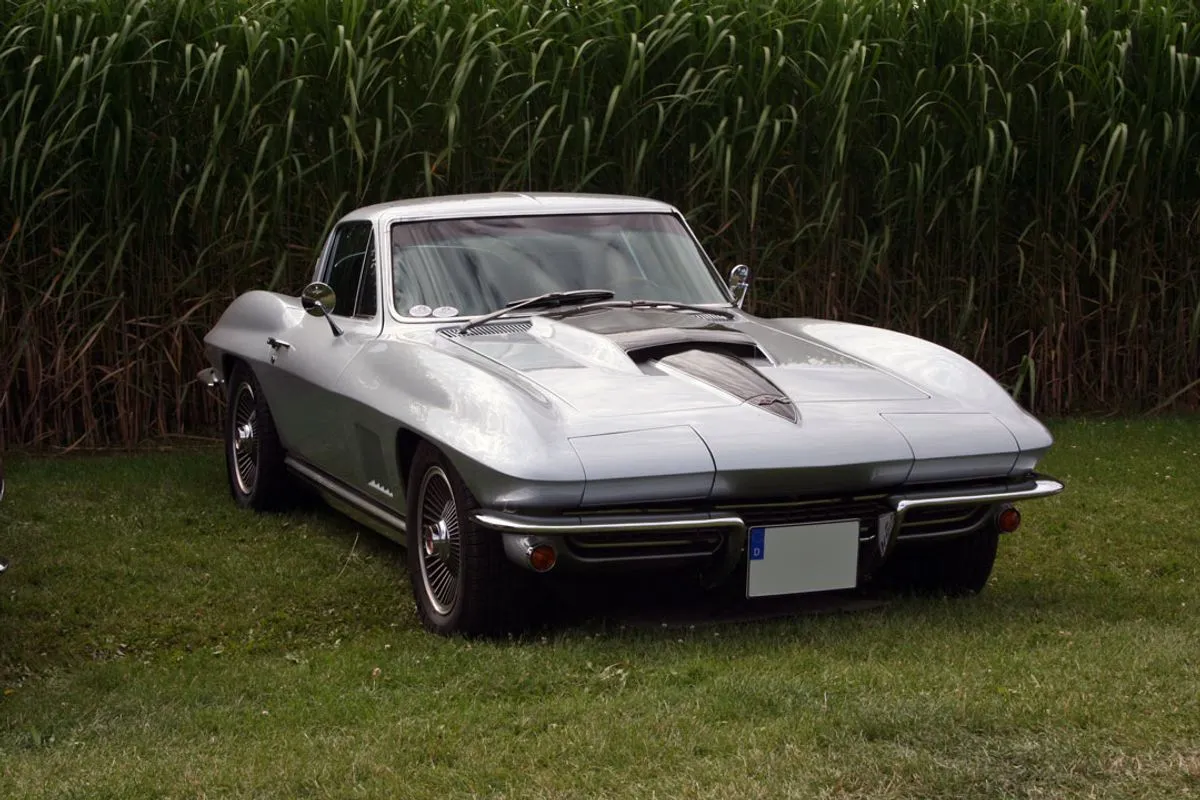
The C2 Corvette is America's sports car at its most beautiful. The 1963-67 'mid-year' generation introduced the Stingray name, the split rear window (1963 only), and some of the most stunning automotive styling ever committed to fiberglass. By 1967, the final year, Chevrolet had refined the car's quirks while adding the monstrous 427 big-block option. The result was a sports car that could humiliate European exotics on both the track and the street. The L88 racing engine option — aluminum heads, 12.5:1 compression, and a factory-rated 430 hp that was actually closer to 560 — is one of the most valuable engines ever installed in a production car.

1967-1972 Chevy C10

1967-1972 Chevy C10

$25,000-60,000 Truck
Engine: 250 I6
Power: 155-325 hp depending on engine
Trans: 3-speed manual
Years: 1967-1972

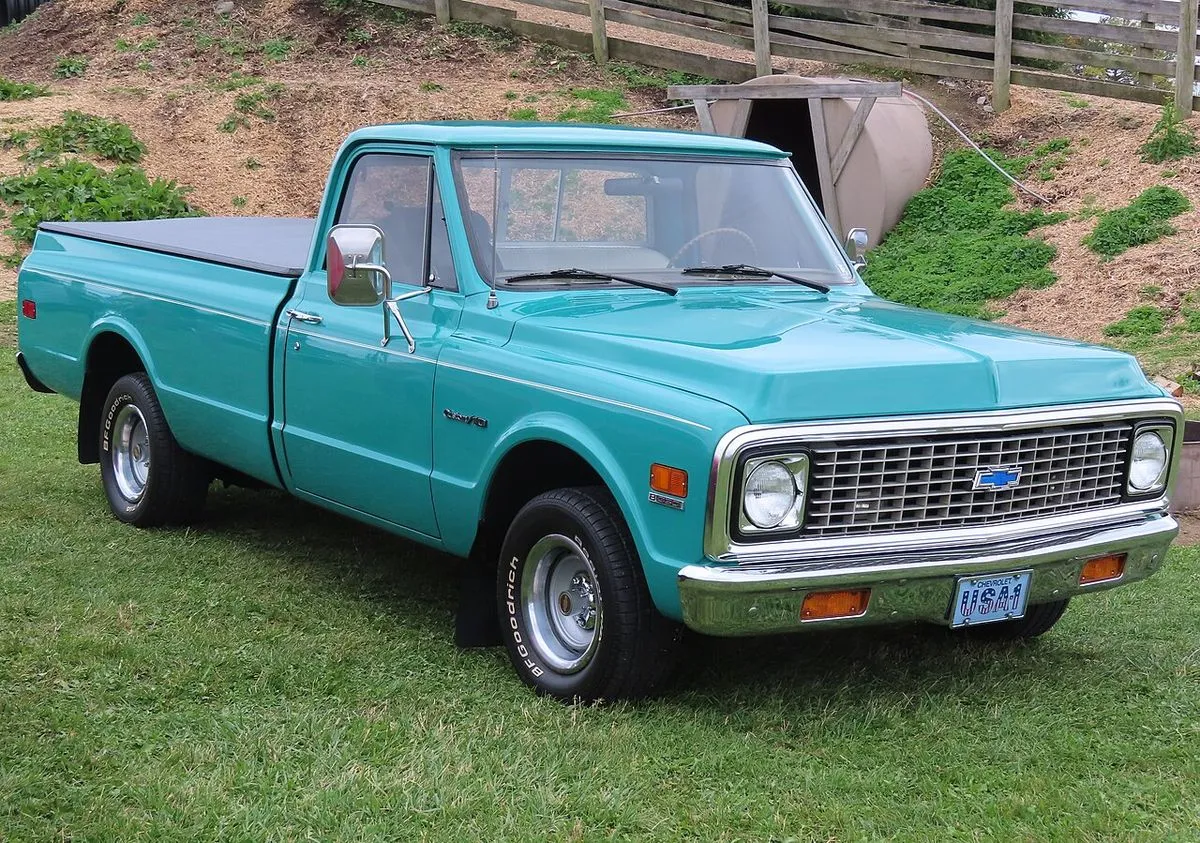
The '67-72 C10 is the canonical classic truck. The Action Line redesign cleaned up the bulbous '60-66 look into something timeless. It's the truck in every truck commercial when they want to evoke authenticity. The square body that followed ('73-87) is also cool, but these are the ones that launched the restomod movement. LS swaps, air ride, patina paint — the C10 is to trucks what the '32 Ford is to hot rods: the canvas everyone starts with.

1970 Chevy Chevelle SS 454

1970 Chevy Chevelle SS 454

$50,000-200,000+ Car
Engine: 396 V8
Power: 350-450 hp
Trans: 3-speed auto (TH400)
Years: 1970-1972

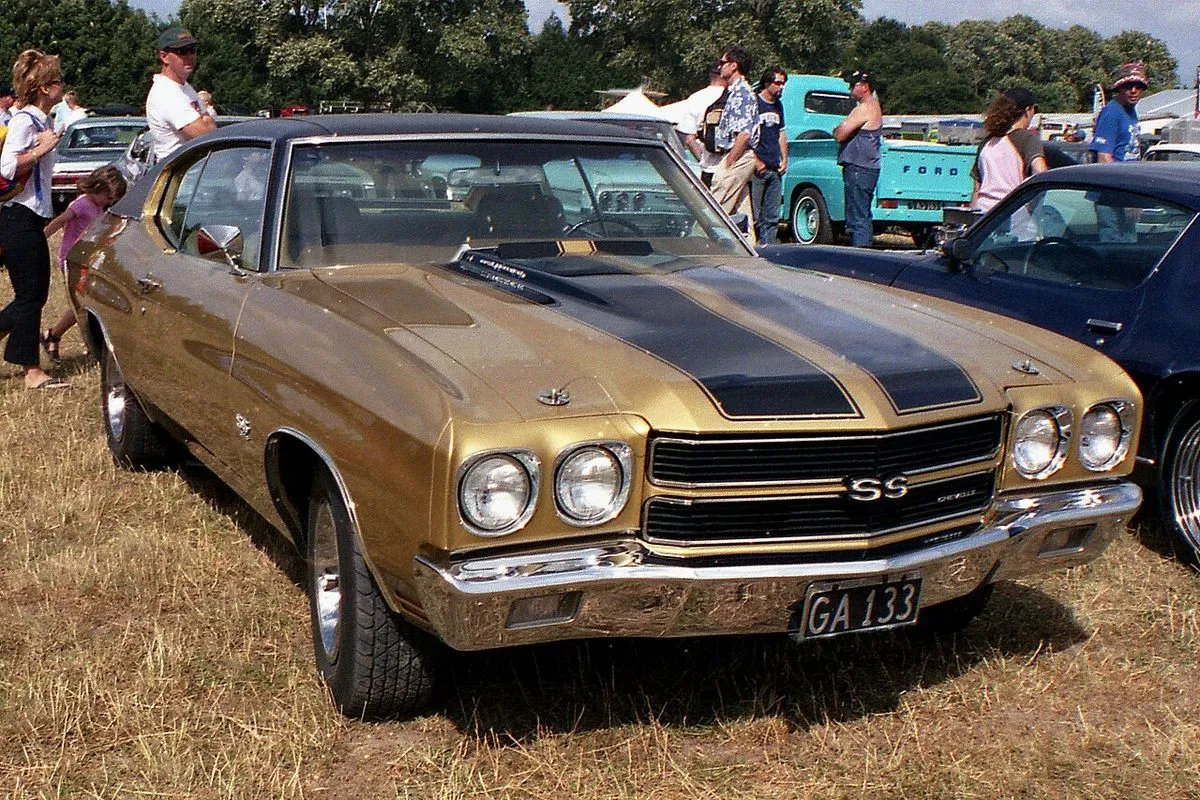
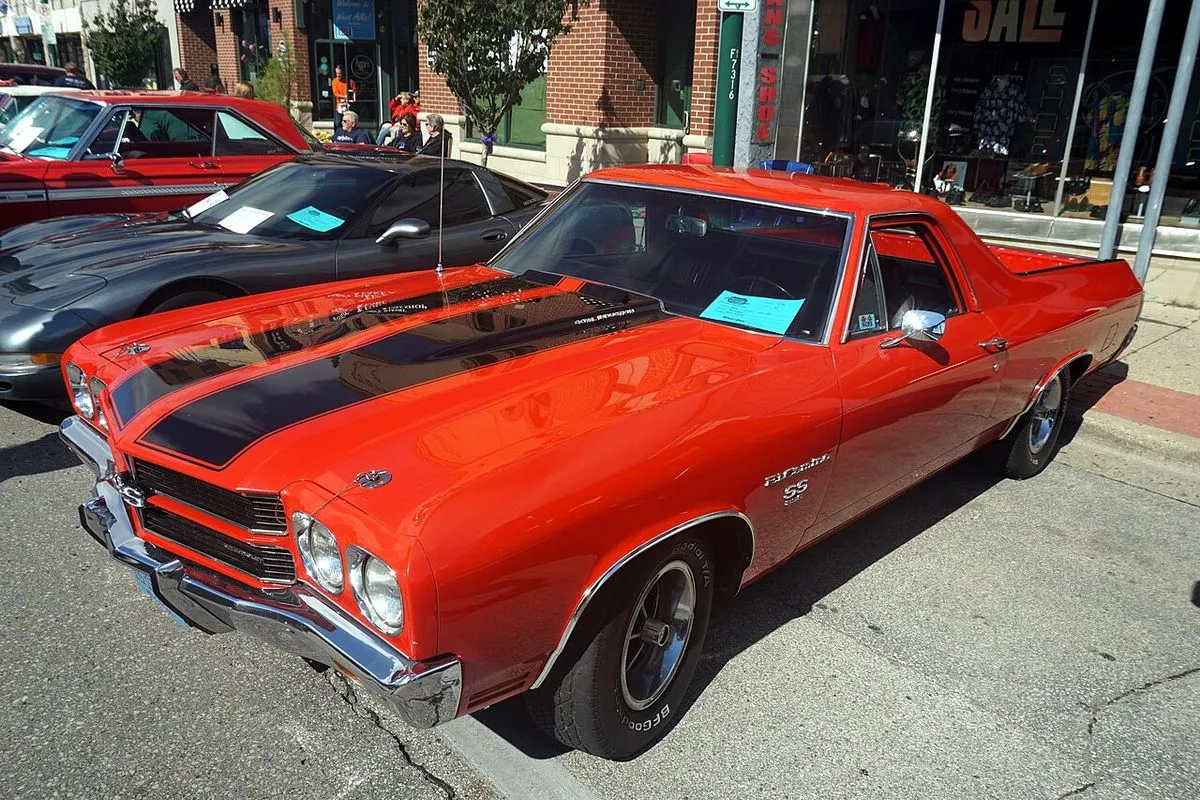
The 1970 Chevelle SS 454 is the apex predator of the muscle car era. When GM lifted its 400 cubic inch displacement limit, Chevrolet responded with the LS6 454 — 450 horsepower, 500 lb-ft of torque, and a factory 0-60 time under six seconds. The redesigned body was aggressive and purposeful. The hood scoop actually worked. For one glorious year before insurance rates and emissions killed muscle cars, the LS6 Chevelle was the most powerful production car you could buy. The LS5 (360 hp) was the 'mild' option. Nothing about this car is mild.

1973-1987 Chevy C/K Square Body

1973-1987 Chevy C/K Square Body

$15,000-80,000+ Truck
Engine: 250 I6
Power: 100-245 hp
Trans: 3-speed manual
Years: 1973-1987

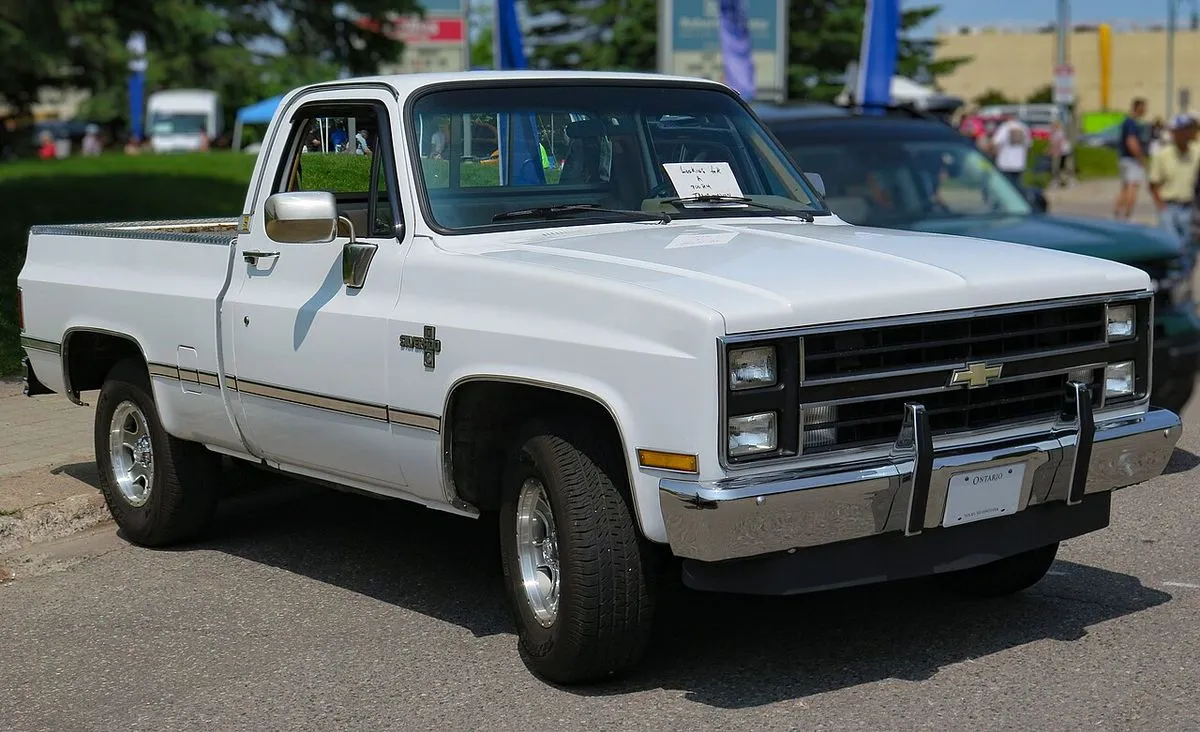
The Chevrolet Square Body is the last old-school American truck — simple, solid, and infinitely fixable. The design ran for 14 years with only incremental changes, which means parts interchange across the entire run. The square styling that gives these trucks their nickname was revolutionary in 1973 and still looks purposeful today. They were workhorses when new, and the survivors are either beat to hell or lovingly maintained. The K-series 4x4 trucks, especially short-bed models, have become the hottest segment in the collector truck market. A clean 1987 K10 Silverado can sell for more than it cost new, adjusted for inflation.

1975 Chevy G20 Van

1975 Chevy G20 Van

$5,000-25,000 Van
Engine: 250ci inline-6
Power: 105-175 hp depending on engine and year
Trans: 3-speed auto (TH350)
Years: 1971-1995

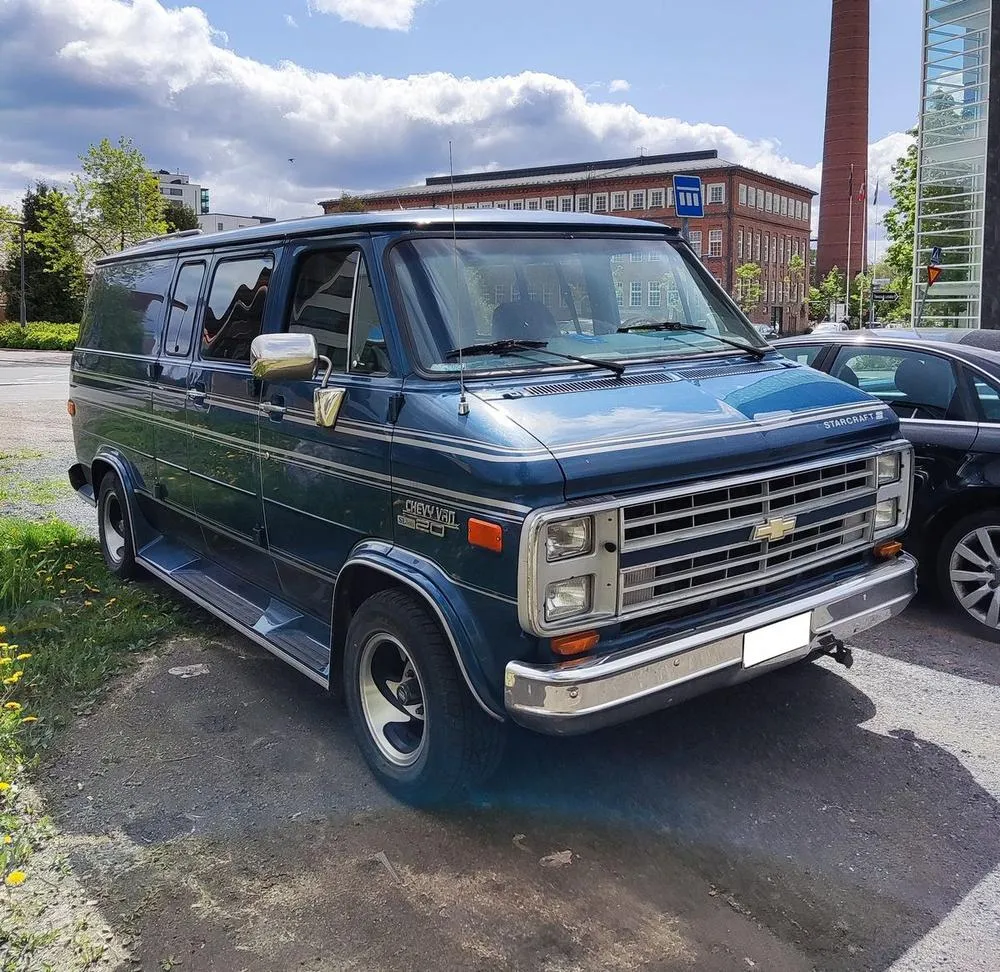
The G-Series van defined what a full-size American van should be for 25 years. The second-generation design ran from 1971 to 1995 with minimal changes, proving that sometimes you get it right the first time. The G20 became the platform for the entire custom van industry — shag carpet, bubble windows, and murals of wizards on the sides. But underneath the conversions was a solid, reliable truck that could haul, tow, and work. The G-Series was America's utility vehicle.

1976 Chevy Chevette

1976 Chevy Chevette

$2,000-8,000 Car
Engine: 1.4L OHV inline-4
Power: 52-65 hp depending on engine and year
Trans: 4-speed manual
Years: 1976-1987

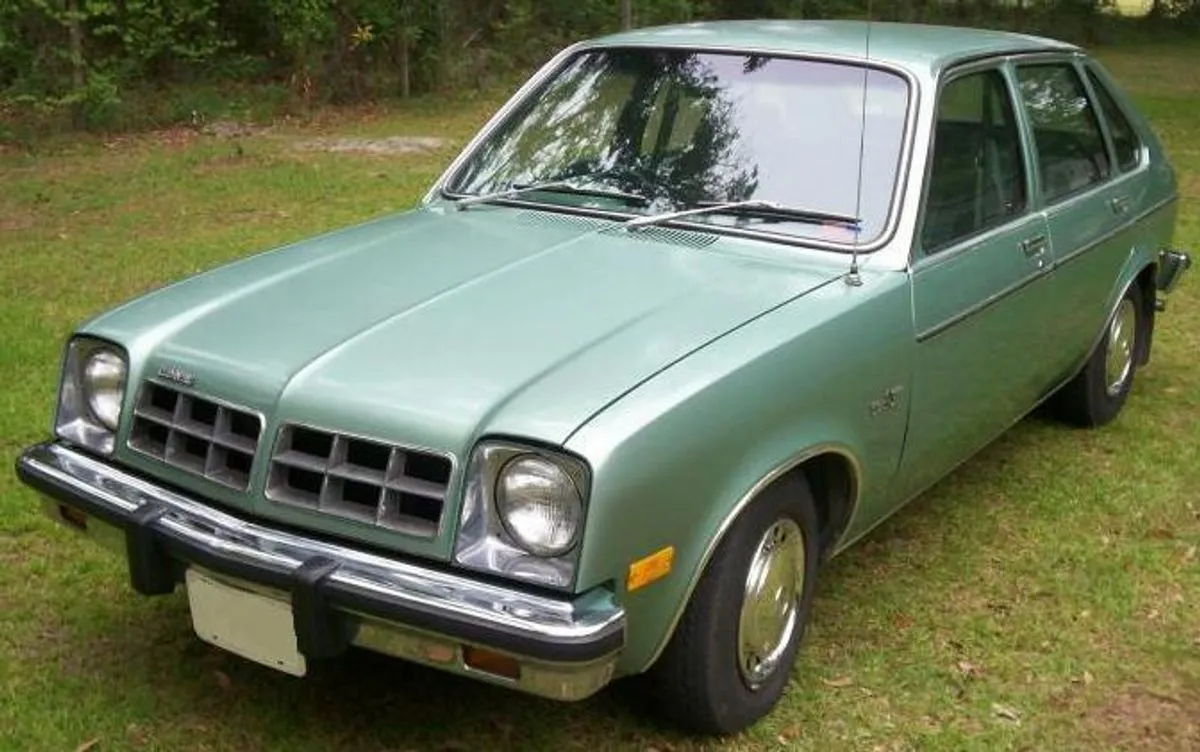
The Chevette was GM's white flag to the imports. After watching Japanese cars steal market share, GM finally built a proper subcompact — by copying what worked. The Chevette was adequate. That's it. Not good, not terrible, just adequate. It did what millions of Americans needed: basic transportation. The RWD layout was archaic even then, but it made the car simple and somewhat fun in snow. The Chevette is the car nobody loved but everybody accepted.