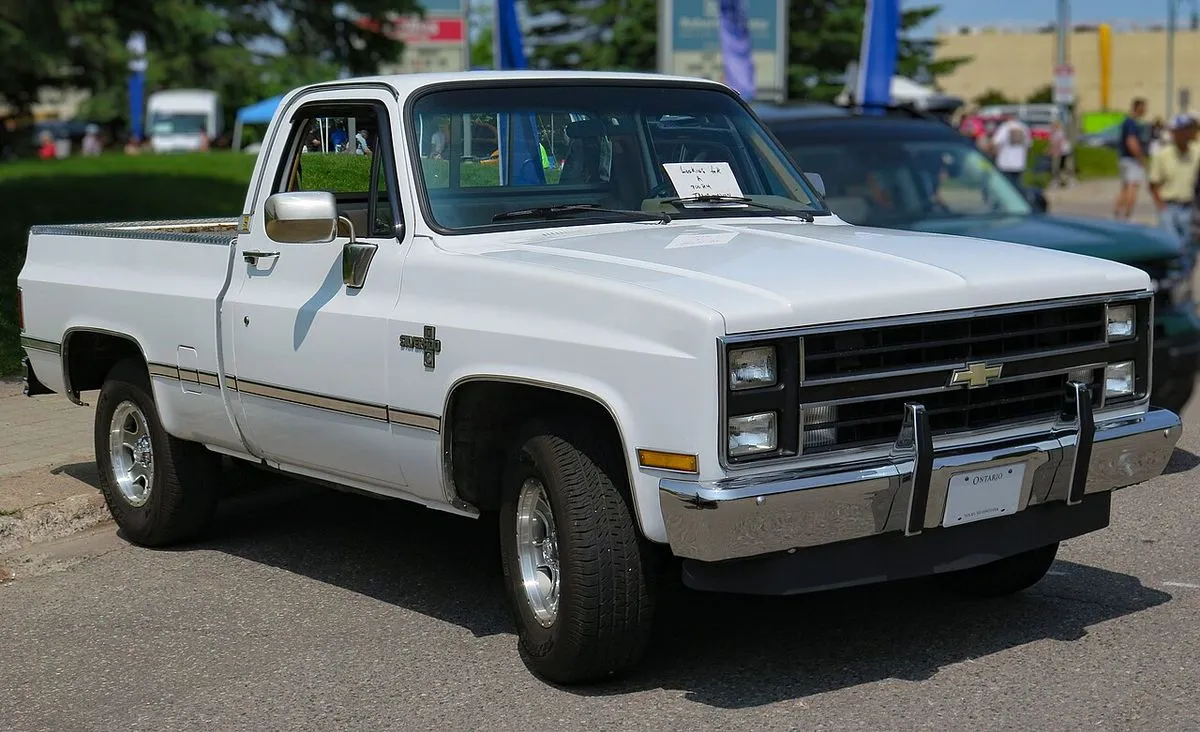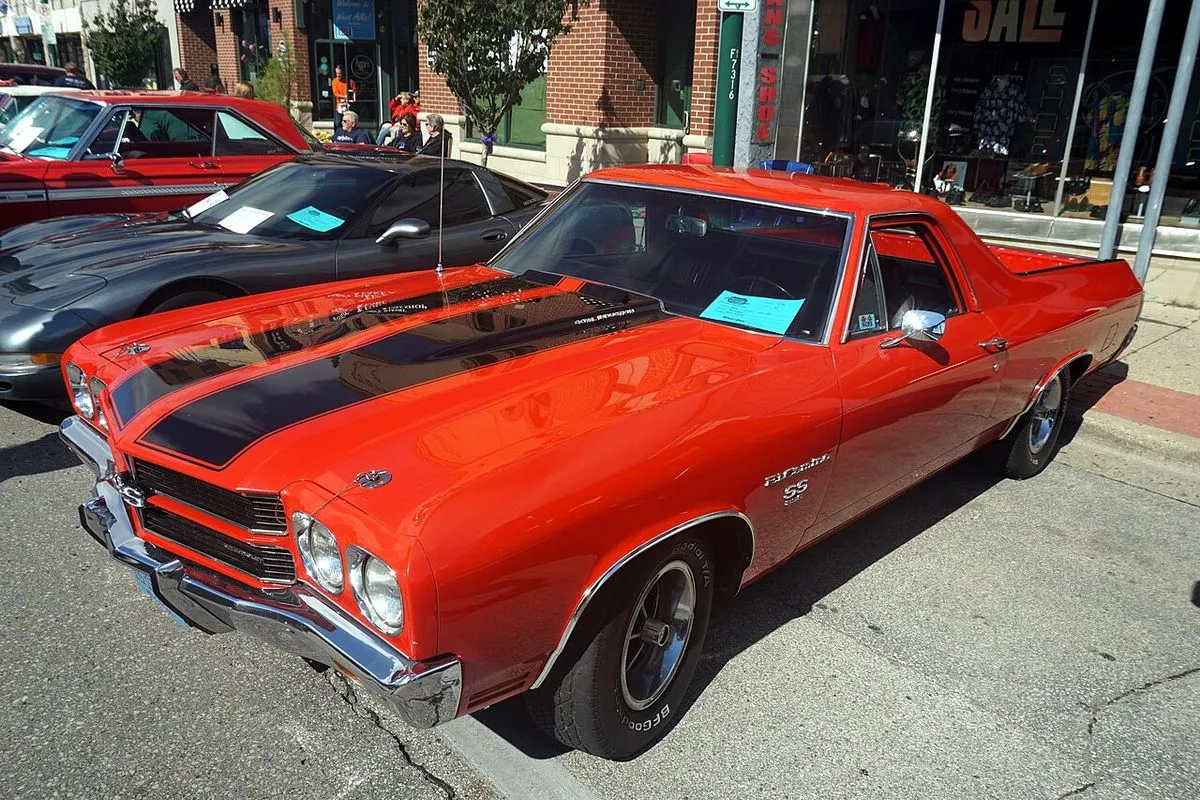
1970 Chevy El Camino SS 454
$45,000-100,000+ Truck Chevy Muscle Era

1970 Chevy El Camino SS 454

1968-1972

Why this vehicle matters

The El Camino SS is the ultimate 'have your cake and eat it too' muscle car. It's a Chevelle SS in the front, pickup truck in the back. The same engines that made the Chevelle SS legendary — including the 450-hp LS6 454 — were available in a vehicle that could haul a refrigerator. GM built the perfect vehicle for someone who needed to move furniture on Saturday and drag race on Sunday.

Patina notes

El Caminos were used harder than Chevelles because they were trucks. Bed rust, cab corner rust, and rocker panel rust are common. But a working truck with honest wear has character. The cowl-induction hood and SS stripes age beautifully when they're original. Many El Caminos were stripped of SS equipment by owners who needed a work truck — restamped VINs and clone cars are common.

Ownership reality

Everything interchanges with Chevelle, so parts support is excellent. An El Camino SS shares its drivetrain, suspension, and interior with one of the best-supported classic cars in the hobby. The bed is actually useful — you can haul stuff. Daily driver? Sure, with the same caveats as any big-block muscle car: drums brakes, vague steering, and 10 mpg.

The verdict

Buy if

You want muscle car performance with actual utility. You appreciate the absurdity of a 450-hp pickup truck. You need to haul motorcycle/parts/lumber and look cool doing it.

Skip if

You need four seats. You want a pure muscle car with better resale. You live somewhere that salts roads (rust is brutal on these).

What to look for

  • Bed floor rust and underside condition
  • Cab corners and rocker panels
  • Build sheet and documentation (SS vs clone)
  • Big-block vs small-block (big-block cars are worth more)
  • Frame condition under the bed
  • Cowl vent rust (water intrusion point)

Common problems

  • Bed floor rust from standing water
  • Tailgate hinge wear
  • Weatherstripping failures causing leaks
  • Power steering box wear
  • Rear axle seal leaks
  • Door hinge sag from heavy use

Parts & community

Parts sources

  • Original Parts Group (OPGI)
  • Classic Industries
  • El Camino Store
  • Eckler's
  • Year One

Forums & communities

  • ElCamino.com
  • ChevelleStuff.net
  • Pro-Touring.com
  • Team Chevelle

Sources

Specifications

Engine 454 LS6 V8 (top option)
Power 360-450 hp depending on engine
Torque 500 lb-ft (LS6)
Transmission 4-speed manual / TH400 automatic
Drivetrain RWD
Weight 3,500 lbs
Wheelbase 116 inches
Production Part of Chevelle production (SS numbers not separately tracked)

Notable Features

  • Based on Chevelle platform
  • Same engine options as Chevelle SS
  • Available with cowl-induction hood
  • Full truck bed for actual utility

About Chevy

Ford's eternal rival. The bowtie that launched a thousand hot rods.

View all Chevy vehicles →

Find one

Looking to buy? Search current and past listings on Bring a Trailer.

Search on Bring a Trailer →

More from Chevy

1960-1966 Chevy C10

1960-1966 Chevy C10
$25,000-80,000+ Truck
Engine: 235 I6
Power: 140-220 hp
Trans: 3-speed manual
Years: 1960-1966

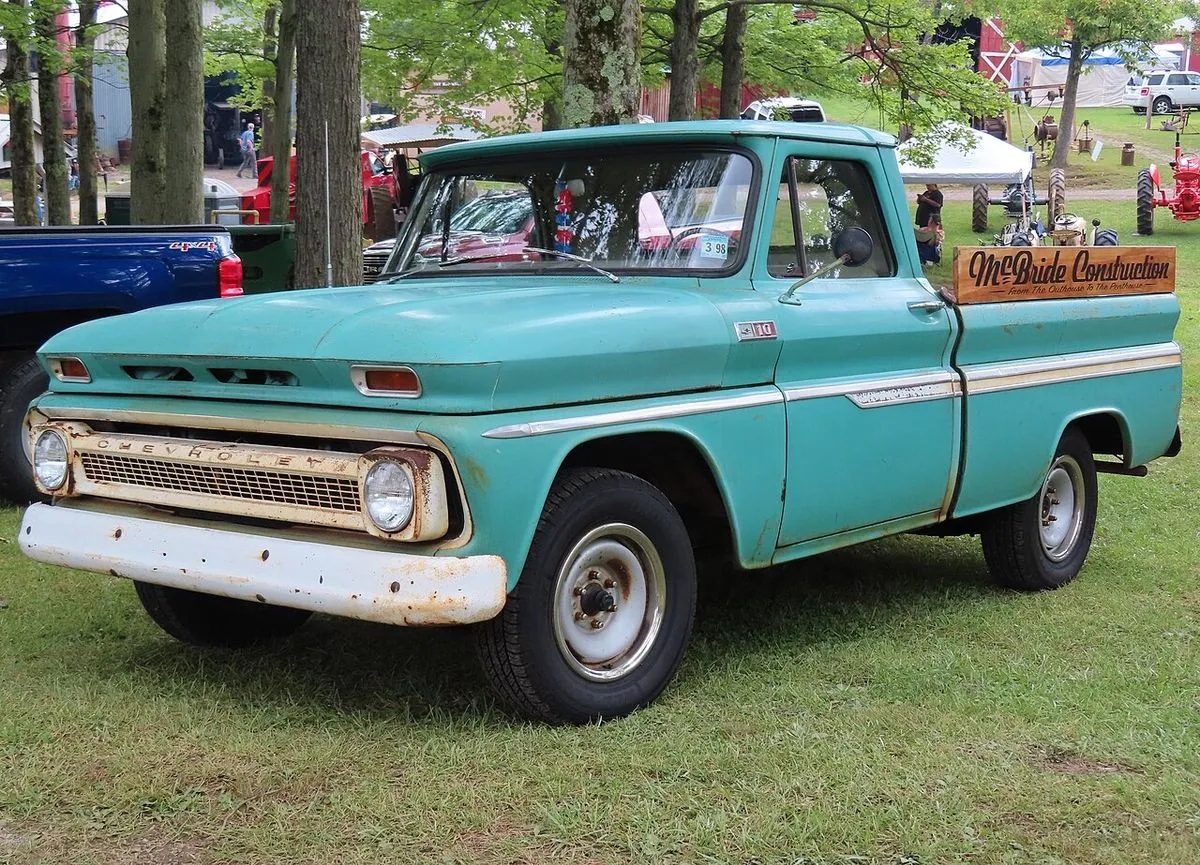
The 1960-66 Chevrolet C10 is the truck that made pickups cool. Before this generation, trucks were strictly utilitarian. GM's designers gave this truck car-like styling — the wraparound windshield, sweeping fender lines, and available Custom Cab interior made it something you'd want to drive, not just need to drive. The drop-center frame lowered the floor height for easier entry. The optional V8 engines made them quick. These trucks launched the custom truck scene that continues today. A well-built 1966 C10 was the truck every high schooler in America wanted.

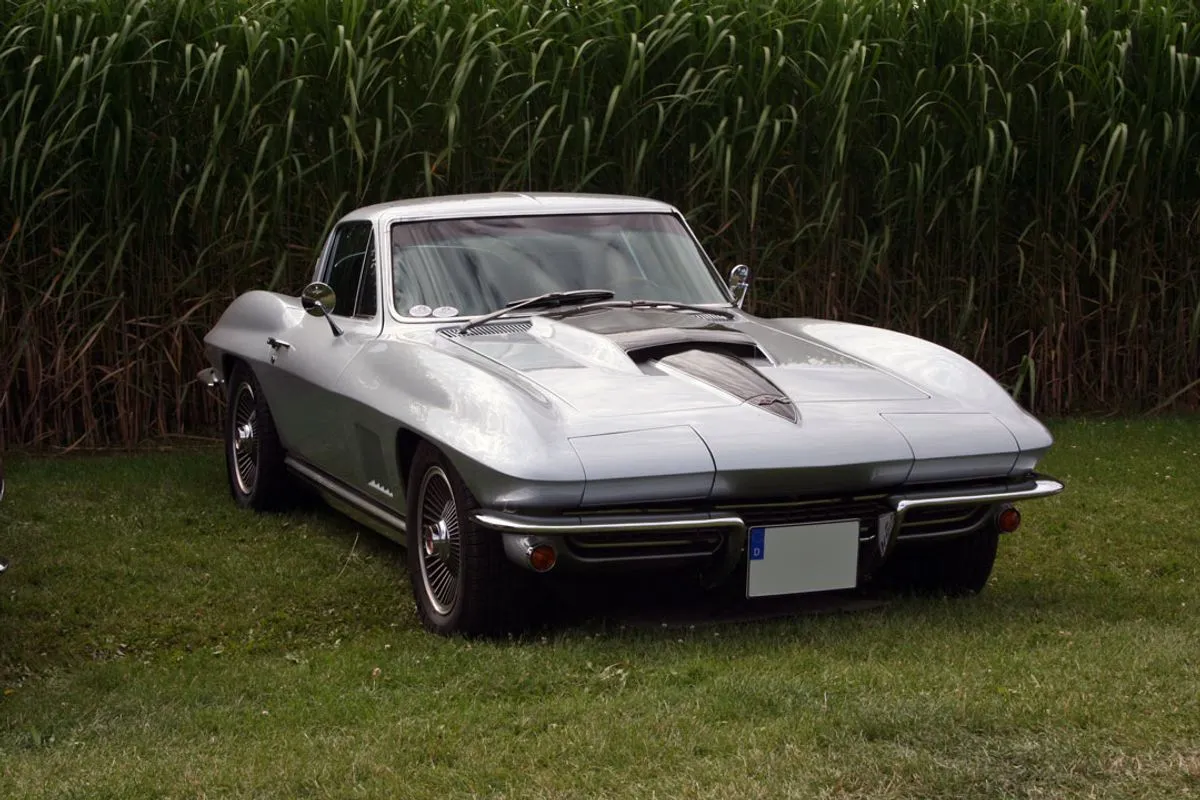
1967 Chevy Corvette C2 Stingray

1967 Chevy Corvette C2 Stingray

$60,000-200,000+ Car
Engine: 327 V8
Power: 300-435 hp
Trans: 3-speed auto
Years: 1963-1967

The C2 Corvette is America's sports car at its most beautiful. The 1963-67 'mid-year' generation introduced the Stingray name, the split rear window (1963 only), and some of the most stunning automotive styling ever committed to fiberglass. By 1967, the final year, Chevrolet had refined the car's quirks while adding the monstrous 427 big-block option. The result was a sports car that could humiliate European exotics on both the track and the street. The L88 racing engine option — aluminum heads, 12.5:1 compression, and a factory-rated 430 hp that was actually closer to 560 — is one of the most valuable engines ever installed in a production car.

1967-1972 Chevy C10

1967-1972 Chevy C10

$25,000-60,000 Truck
Engine: 250 I6
Power: 155-325 hp depending on engine
Trans: 3-speed manual
Years: 1967-1972

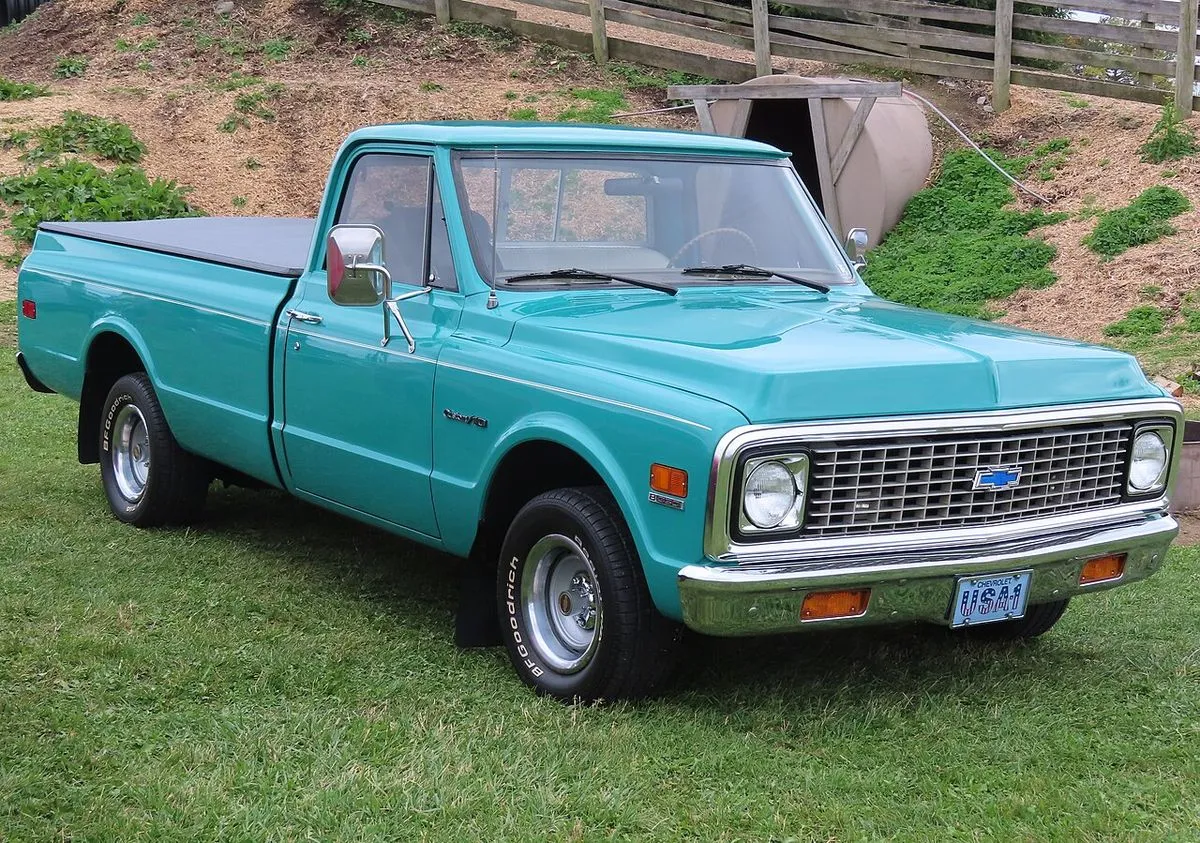
The '67-72 C10 is the canonical classic truck. The Action Line redesign cleaned up the bulbous '60-66 look into something timeless. It's the truck in every truck commercial when they want to evoke authenticity. The square body that followed ('73-87) is also cool, but these are the ones that launched the restomod movement. LS swaps, air ride, patina paint — the C10 is to trucks what the '32 Ford is to hot rods: the canvas everyone starts with.

1969 Chevy Camaro SS/Z28

1969 Chevy Camaro SS/Z28

$45,000-150,000+ Car
Engine: 350 V8 (Z28)
Power: 290-430 hp depending on package
Trans: 3-speed auto
Years: 1969

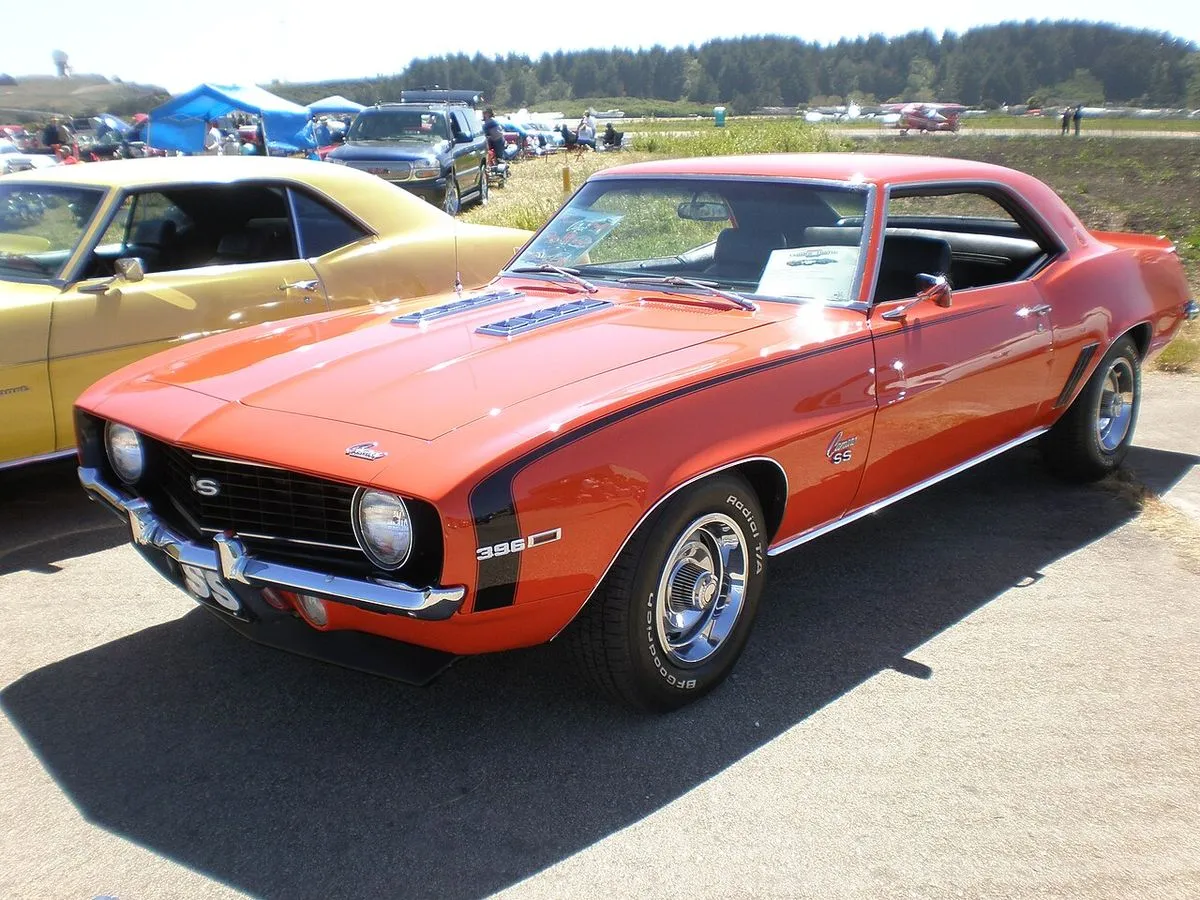
The '69 Camaro is GM's answer to the Mustang, perfected. The 1967-68 cars were good; the '69 is great. The redesigned body added aggression without losing elegance. The Z28 became a legitimate race car for the street — the 302 V8 was designed specifically to dominate Trans-Am racing. The SS 396 put big-block power in a car that could actually handle it. And the COPO 427 cars, ordered through dealer back channels to bypass GM's ban on engines over 400 cubic inches in intermediate cars, are now worth six figures. This is the Camaro that defined what a Camaro should be.

1970 Chevy Chevelle SS 454

1970 Chevy Chevelle SS 454

$50,000-200,000+ Car
Engine: 396 V8
Power: 350-450 hp
Trans: 3-speed auto (TH400)
Years: 1970-1972

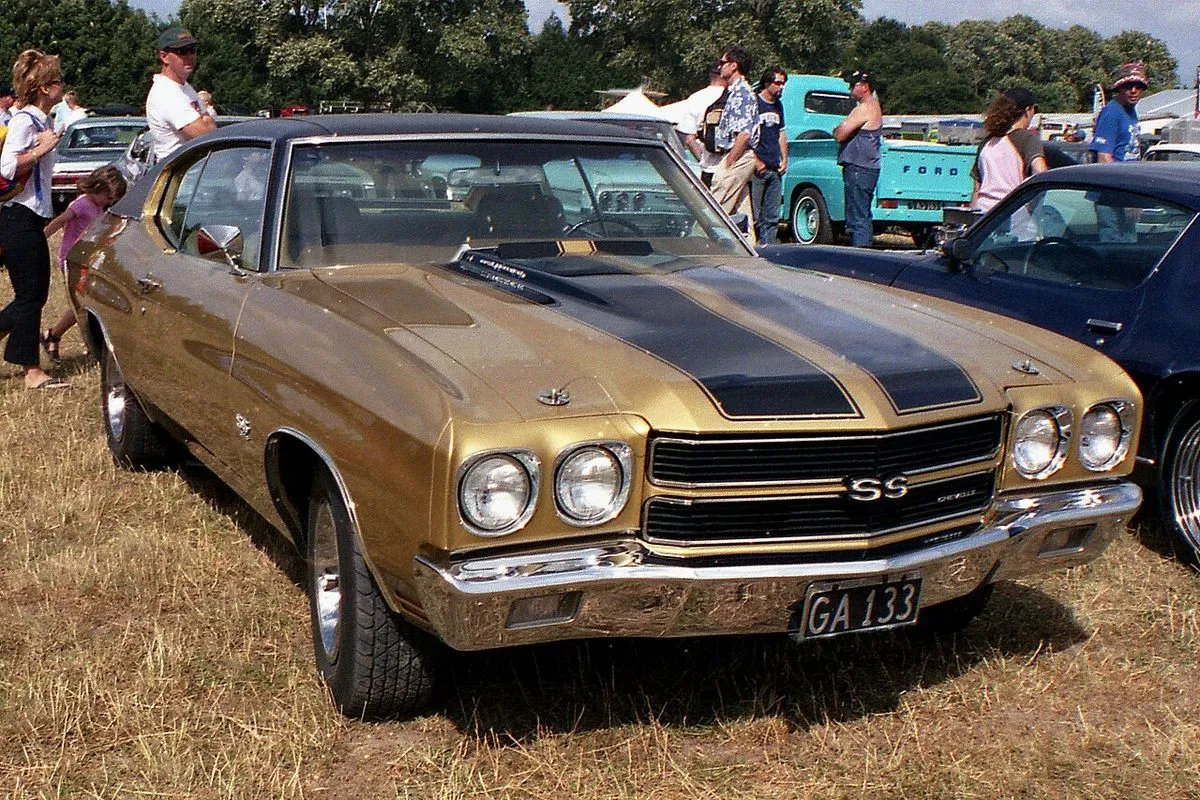
The 1970 Chevelle SS 454 is the apex predator of the muscle car era. When GM lifted its 400 cubic inch displacement limit, Chevrolet responded with the LS6 454 — 450 horsepower, 500 lb-ft of torque, and a factory 0-60 time under six seconds. The redesigned body was aggressive and purposeful. The hood scoop actually worked. For one glorious year before insurance rates and emissions killed muscle cars, the LS6 Chevelle was the most powerful production car you could buy. The LS5 (360 hp) was the 'mild' option. Nothing about this car is mild.

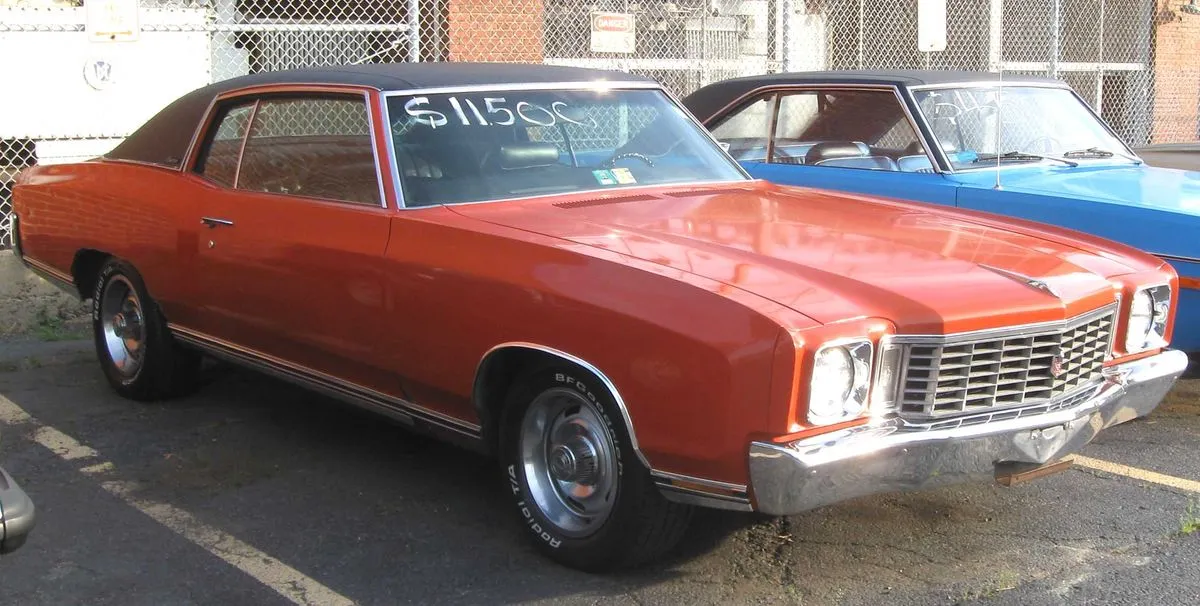
1972 Chevy Monte Carlo

1972 Chevy Monte Carlo

$20,000-50,000 Car
Engine: 350 V8
Power: 165-270 hp (net ratings varied by year)
Trans: 3-speed Turbo-Hydramatic
Years: 1970-1977

The Monte Carlo was GM's answer to the Ford Thunderbird and Pontiac Grand Prix — a personal luxury coupe that said 'success' without screaming it. The first generation (1970-72) was the pretty one, with flowing lines and available big-block power. The SS 454 turned it into a genuine muscle car with luxury pretensions. The 1973-77 models got the colonnade treatment — heavier, but somehow even more popular. The Monte Carlo became the best-selling coupe in America and laid the foundation for decades of NASCAR dominance. It's the car for people who wanted muscle car performance with grown-up styling.

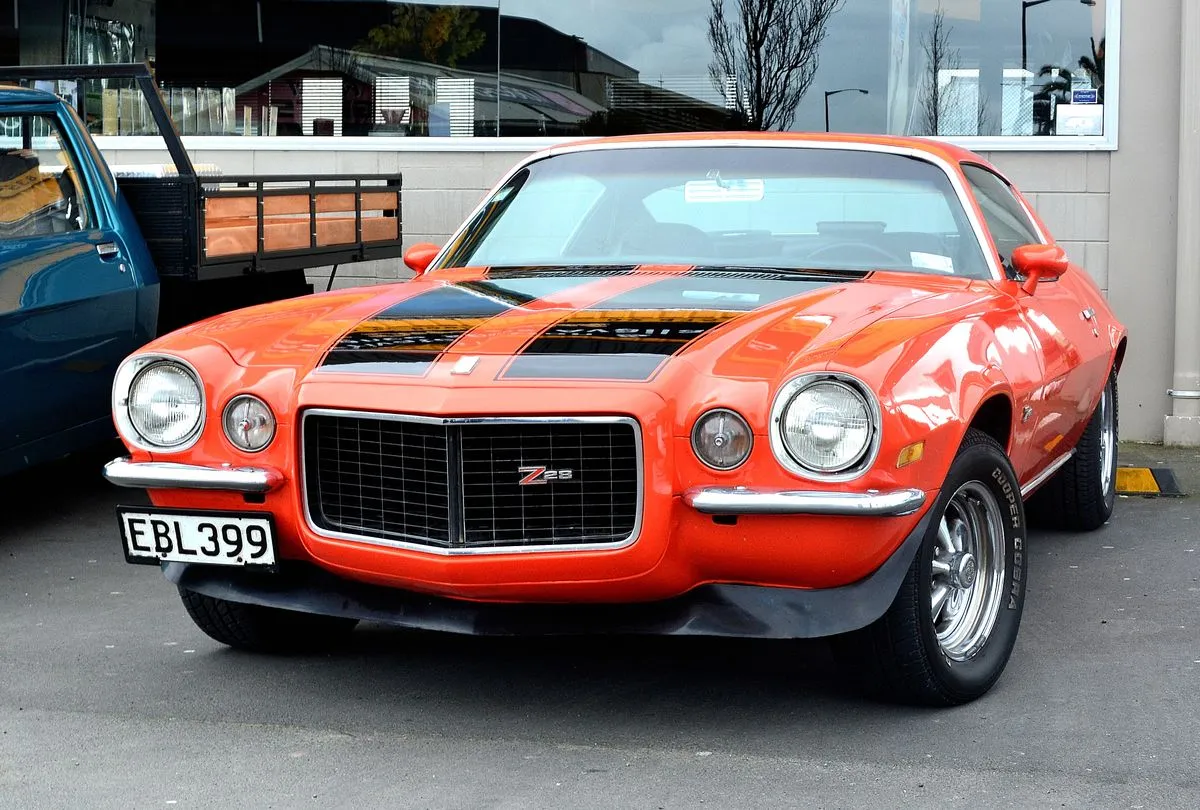
1973 Chevy Camaro Z28

1973 Chevy Camaro Z28

$25,000-60,000 Car
Engine: 350 V8 (LT-1 through 1972, L82 from 1973)
Power: 245 hp @ 5,200 rpm (1973 net rating)
Trans: 4-speed manual
Years: 1970-1981

The second-generation Camaro is what happens when GM's designers got ambitious. Where the first-gen Camaro was a Mustang fighter, the second-gen aimed higher — European GT car proportions wrapped around American V8 muscle. The 1970-73 'split bumper' cars are the most desirable, with that aggressive face GM would never build today. The Z28 badge meant business: the LT-1 was a legitimate performance engine, even as emissions regulations started strangling horsepower. By 1973, the muscle car era was dying, but the Camaro's styling made it look fast even when it wasn't.

1973-1987 Chevy C/K Square Body

1973-1987 Chevy C/K Square Body

$15,000-80,000+ Truck
Engine: 250 I6
Power: 100-245 hp
Trans: 3-speed manual
Years: 1973-1987

The Chevrolet Square Body is the last old-school American truck — simple, solid, and infinitely fixable. The design ran for 14 years with only incremental changes, which means parts interchange across the entire run. The square styling that gives these trucks their nickname was revolutionary in 1973 and still looks purposeful today. They were workhorses when new, and the survivors are either beat to hell or lovingly maintained. The K-series 4x4 trucks, especially short-bed models, have become the hottest segment in the collector truck market. A clean 1987 K10 Silverado can sell for more than it cost new, adjusted for inflation.

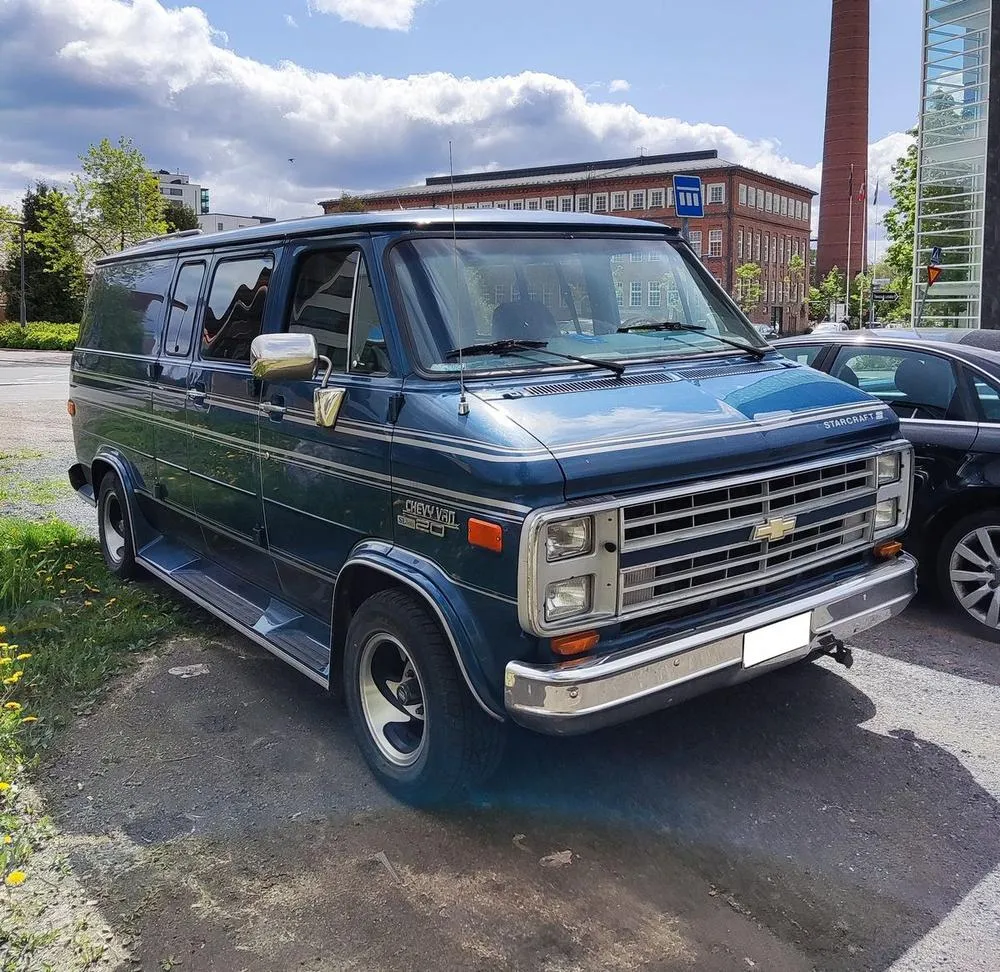
1975 Chevy G20 Van

1975 Chevy G20 Van

$5,000-25,000 Van
Engine: 250ci inline-6
Power: 105-175 hp depending on engine and year
Trans: 3-speed auto (TH350)
Years: 1971-1995

The G-Series van defined what a full-size American van should be for 25 years. The second-generation design ran from 1971 to 1995 with minimal changes, proving that sometimes you get it right the first time. The G20 became the platform for the entire custom van industry — shag carpet, bubble windows, and murals of wizards on the sides. But underneath the conversions was a solid, reliable truck that could haul, tow, and work. The G-Series was America's utility vehicle.

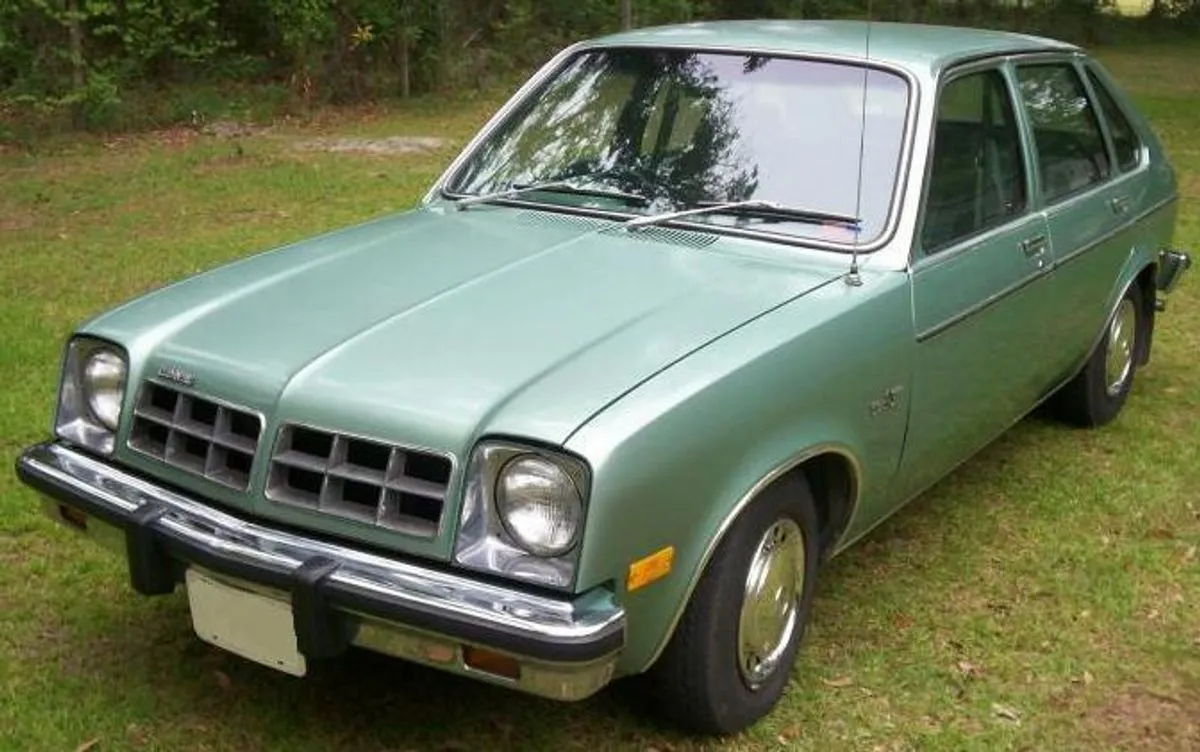
1976 Chevy Chevette

1976 Chevy Chevette

$2,000-8,000 Car
Engine: 1.4L OHV inline-4
Power: 52-65 hp depending on engine and year
Trans: 4-speed manual
Years: 1976-1987

The Chevette was GM's white flag to the imports. After watching Japanese cars steal market share, GM finally built a proper subcompact — by copying what worked. The Chevette was adequate. That's it. Not good, not terrible, just adequate. It did what millions of Americans needed: basic transportation. The RWD layout was archaic even then, but it made the car simple and somewhat fun in snow. The Chevette is the car nobody loved but everybody accepted.