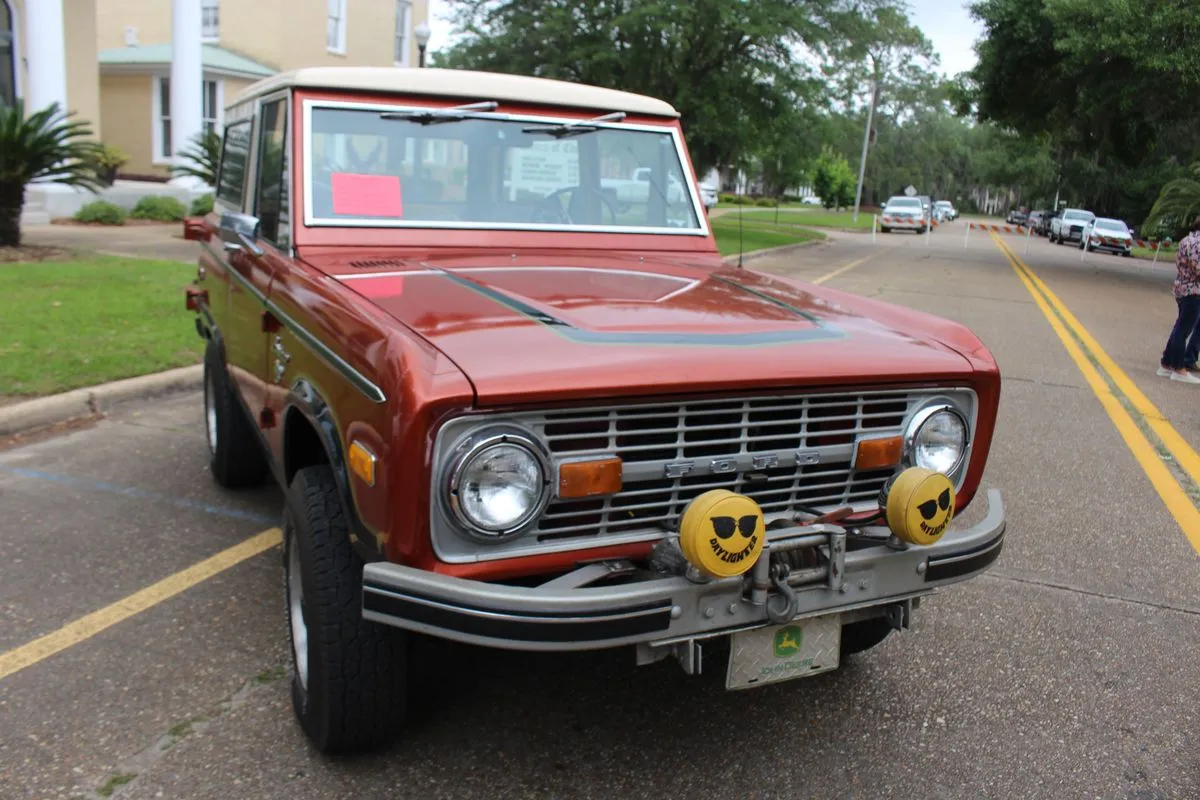
Why this vehicle matters
The first-gen Bronco was Ford's answer to the Jeep CJ — a no-nonsense, purpose-built 4x4 for people who actually needed to go off-road. The short 92-inch wheelbase made it absurdly maneuverable in the rocks and woods.
The removable hardtop made it a convertible. The V8 option made it fast. For a decade, the Bronco was the serious choice for serious off-roaders. Then the O.J. Simpson chase in 1994 made it famous for entirely different reasons.
Today, the early Bronco is one of the hottest collector trucks on the market, with values that have tripled in a decade.
Patina notes
The early Bronco's simple body panels develop surface rust that looks authentic. Original Wimbledon White, Ivy Green, and Candy Apple Red with honest patina are highly desirable.
The aftermarket now offers reproduction everything, so pristine examples are increasingly common. Watch for rust in the floors, rockers, and especially the area behind the rear wheels where mud collects.
The roadster and half-cab models are rarer and more valuable. A driver-quality Bronco with good bones is still a reasonable entry point.
Ownership reality
The early Bronco aftermarket exploded in the 2010s. You can build a complete Bronco from reproduction parts. Companies like ICON and Gateway Bronco build restomod versions for $200K+.
For regular enthusiasts, the V8 models are the sweet spot — reliable power, reasonable fuel economy, and adequate cooling. The inline-6 models are gutless but period-correct. The 3-speed manual transmission is agricultural but robust.
Modern upgrades like disc brakes and power steering are common and don't hurt value.
The verdict
Buy if
You want the original American compact SUV. You appreciate functional simplicity over modern convenience. You're okay with a vehicle that now costs more than a new car.
Skip if
You need modern safety features. You want something that's comfortable on long highway drives. You're not prepared for the quirks of 1960s engineering.
What to look for
- → Floor pan rust, especially under rubber mats
- → Rocker panel rust behind the doors
- → Rear wheel well rust from mud accumulation
- → Frame rust at body mounts and suspension points
- → Dana 44 front axle vs Dana 30 (value difference)
- → Transfer case condition (Dana 20)
- → Original hardtop condition
Common problems
- ⚠ Drum brakes are inadequate (disc conversion common)
- ⚠ Manual steering is heavy at parking speeds
- ⚠ Fuel tank location (in cab) is a safety concern
- ⚠ Transfer case shifter linkage wears
- ⚠ Door hinges sag over time
- ⚠ Windshield frame rust
Parts & community
Parts sources
- Bronco Graveyard
- Wild Horses 4x4
- Tom's Bronco Parts
- James Duff
- LMC Truck
Forums & communities
- Full Size Bronco Forums
- Early Bronco Forum
- Ford Bronco Zone
- BroncoCorral.com
Sources
- Hagerty Valuation Tools · 2026-02-01
- Bring a Trailer auction results · 2026-02-01
Specifications
| Engine | 170 I6 / 200 I6 / 289 V8 / 302 V8 |
| Power | 105-205 hp |
| Torque | 158-300 lb-ft |
| Transmission | 3-speed manual / 3-speed auto (C4) |
| Drivetrain | 4WD (Dana 20 transfer case) |
| Weight | 2,900-3,400 lbs |
| Wheelbase | 92 inches |
| Production | 225,585 (total first-gen) |
Notable Features
- • Purpose-built off-roader
- • Removable hardtop
- • Three body styles: wagon, half-cab, roadster
- • Short wheelbase for maneuverability
About Ford
The company that put America on wheels. From the Model T to the Mustang, Ford defined American automotive culture.
View all Ford vehicles →Find one
Looking to buy? Search current and past listings on Bring a Trailer.
Search on Bring a Trailer →More from Ford
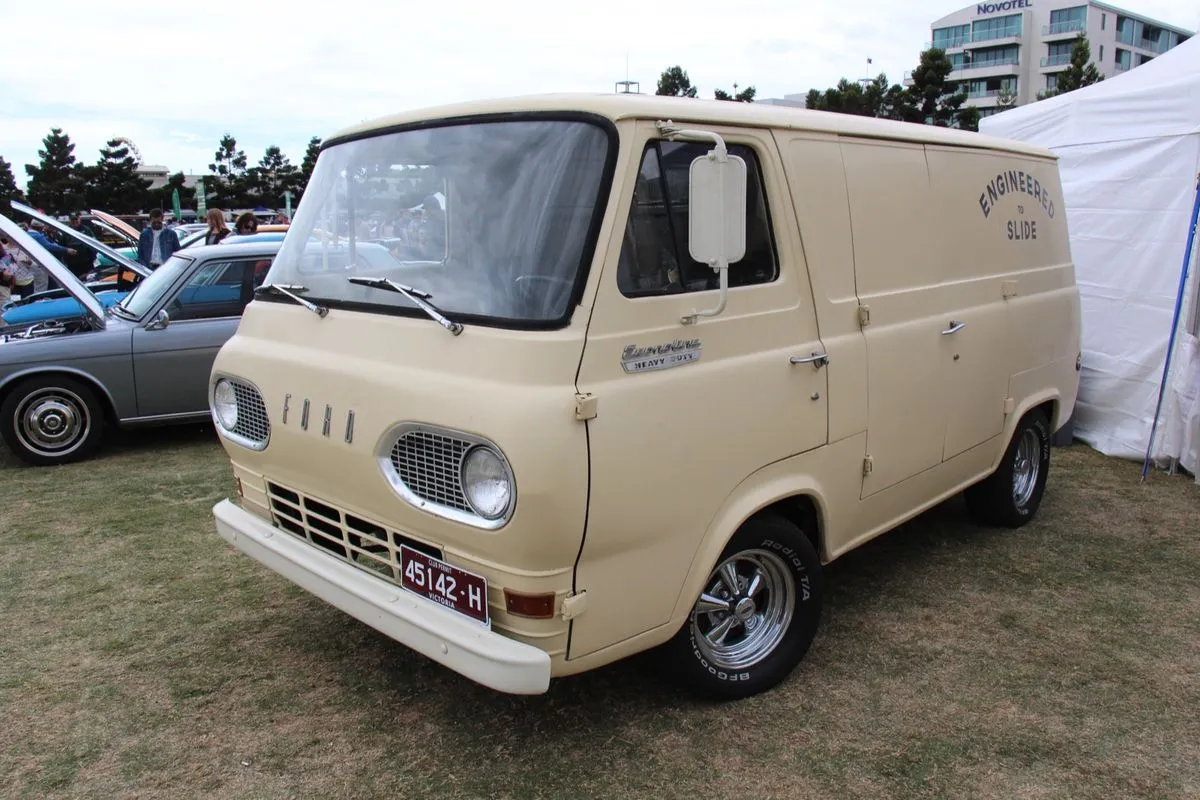
1964 Ford Econoline
1961-1967
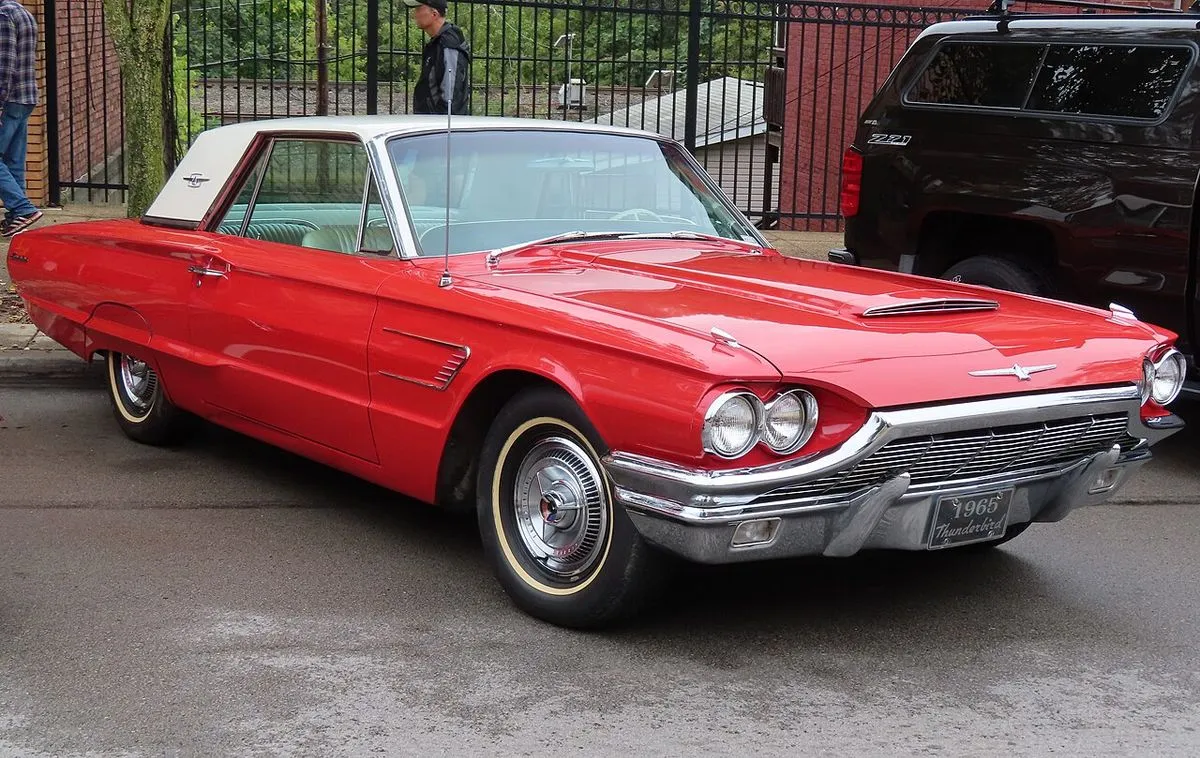
1965 Ford Thunderbird
1964-1966
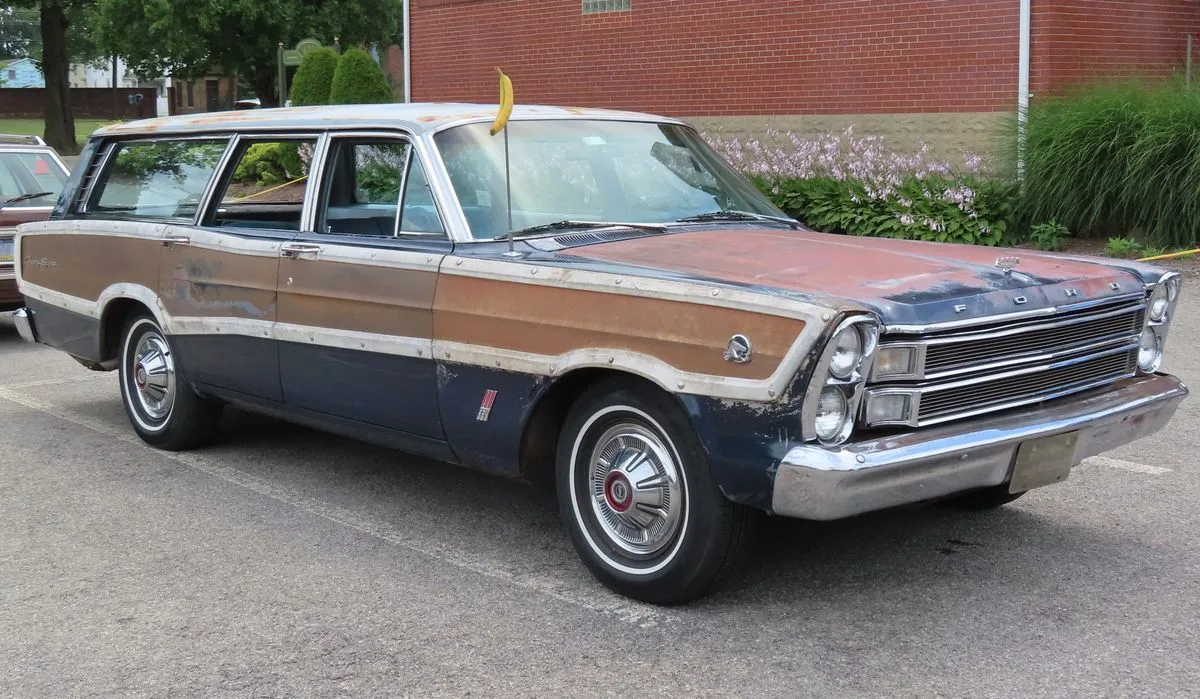
1966 Ford Country Squire
1965-1968
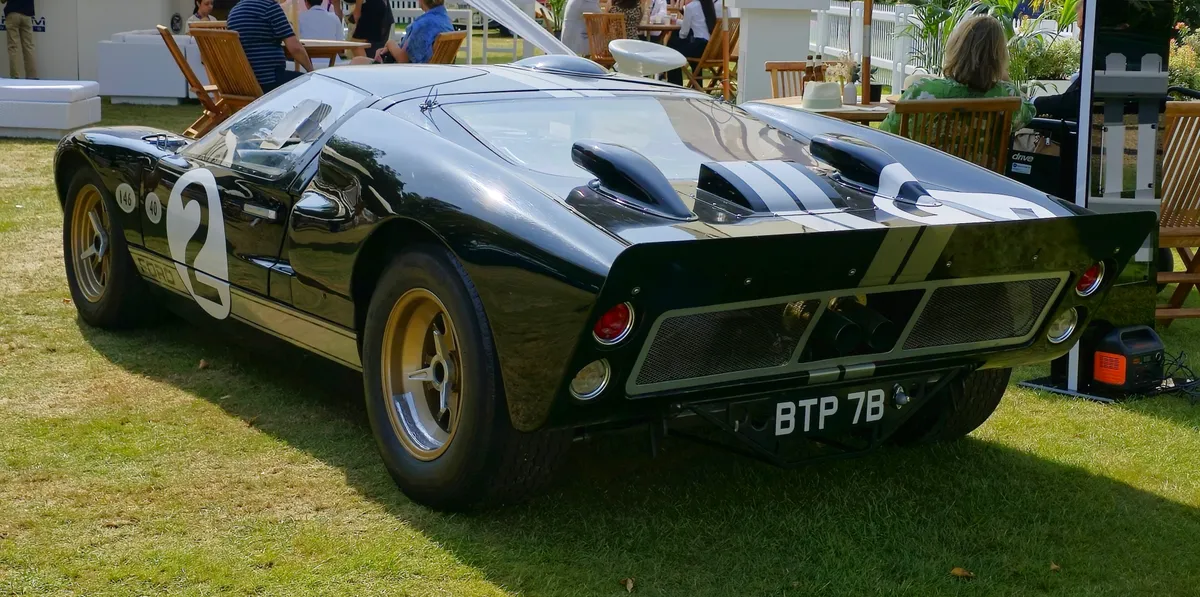
1966 Ford GT40
1964-1969
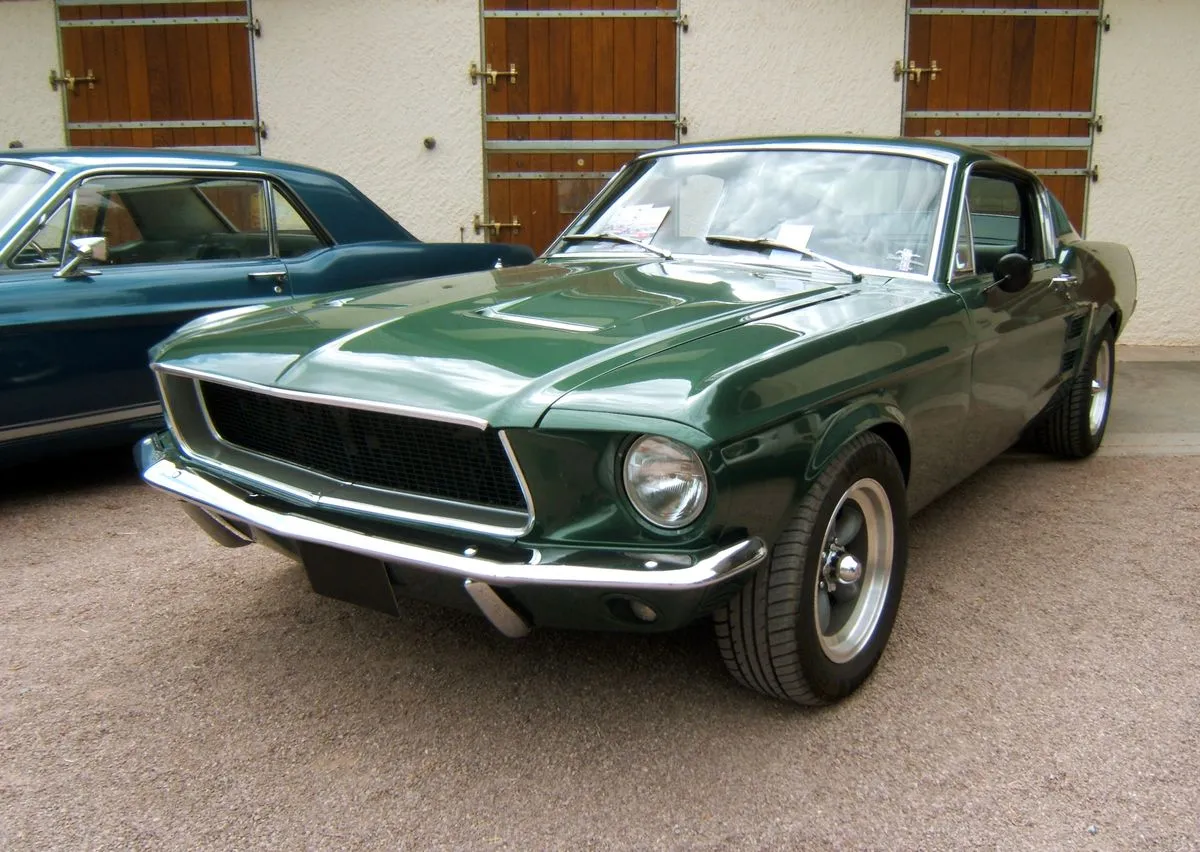
1967 Ford Mustang Fastback
1967-1968
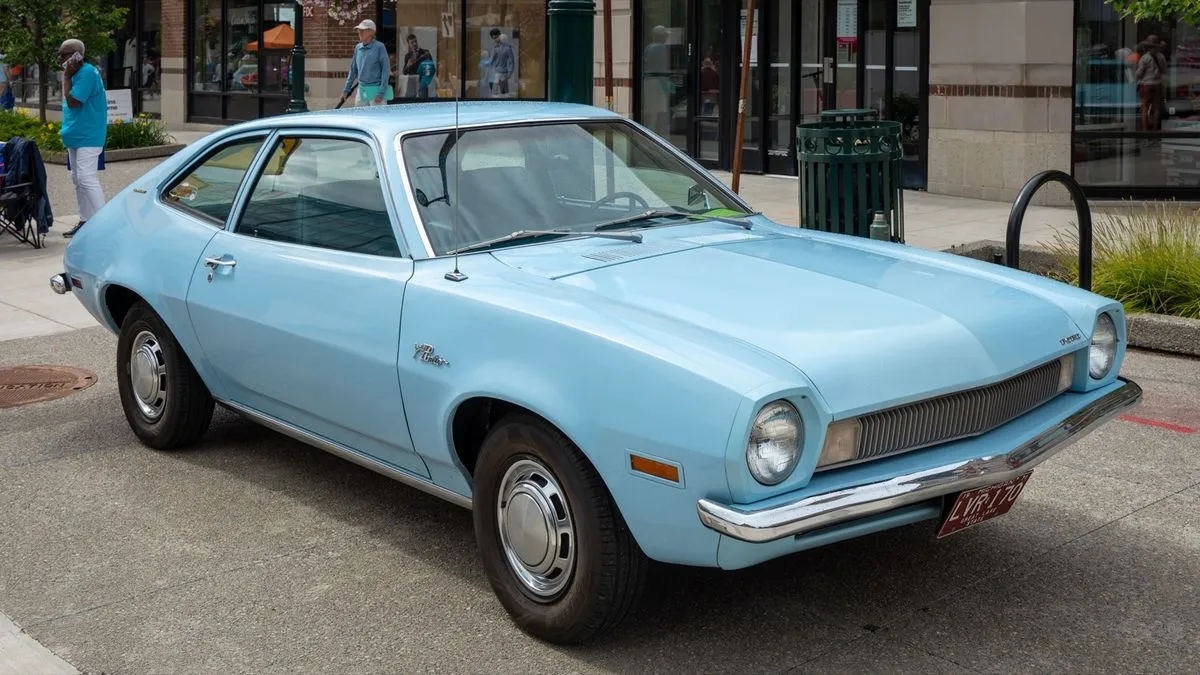
1971 Ford Pinto
1971-1980
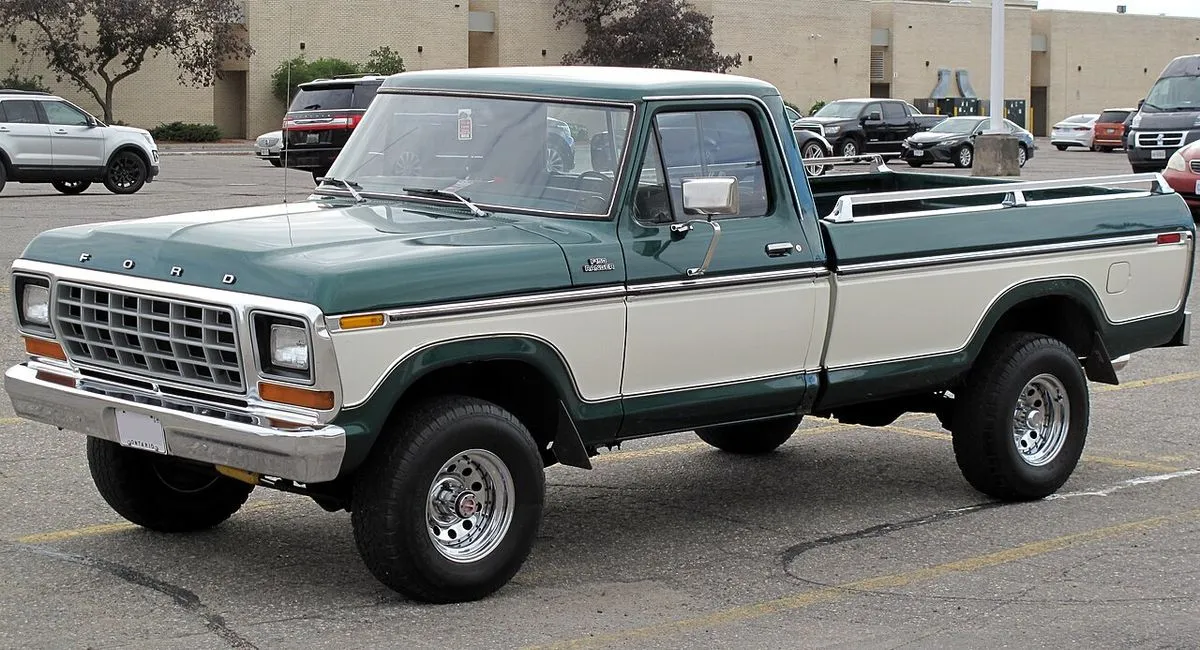
1967-1979 Ford F-100/F-150
1967-1979
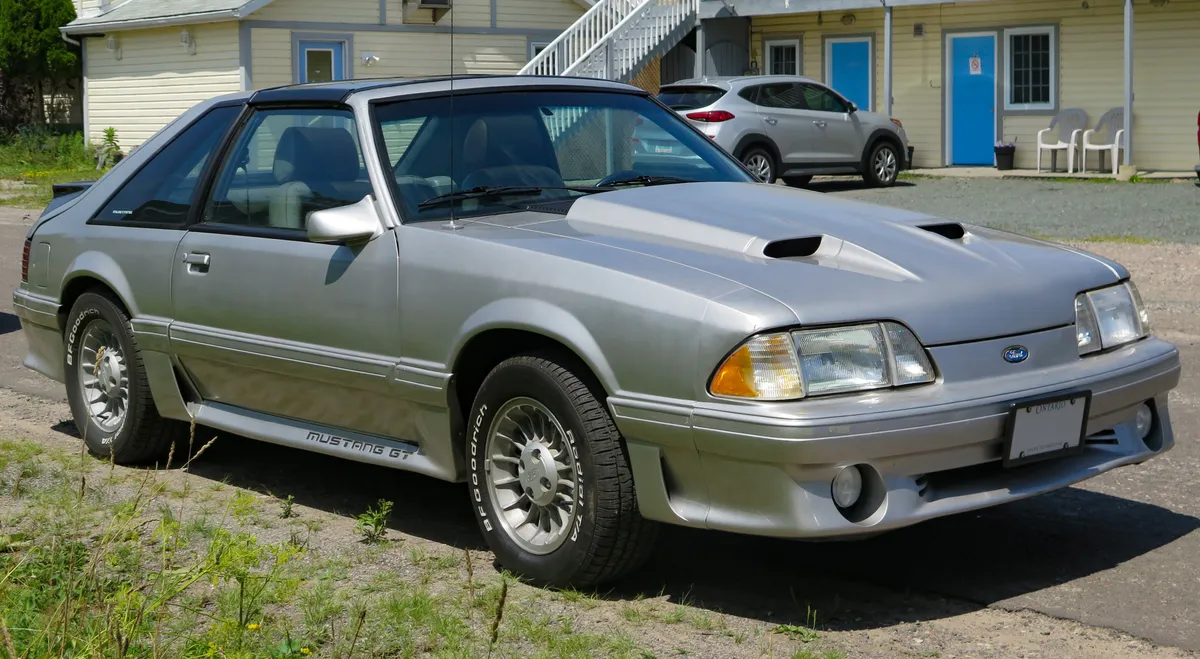
1989 Ford Mustang 5.0
1987-1993
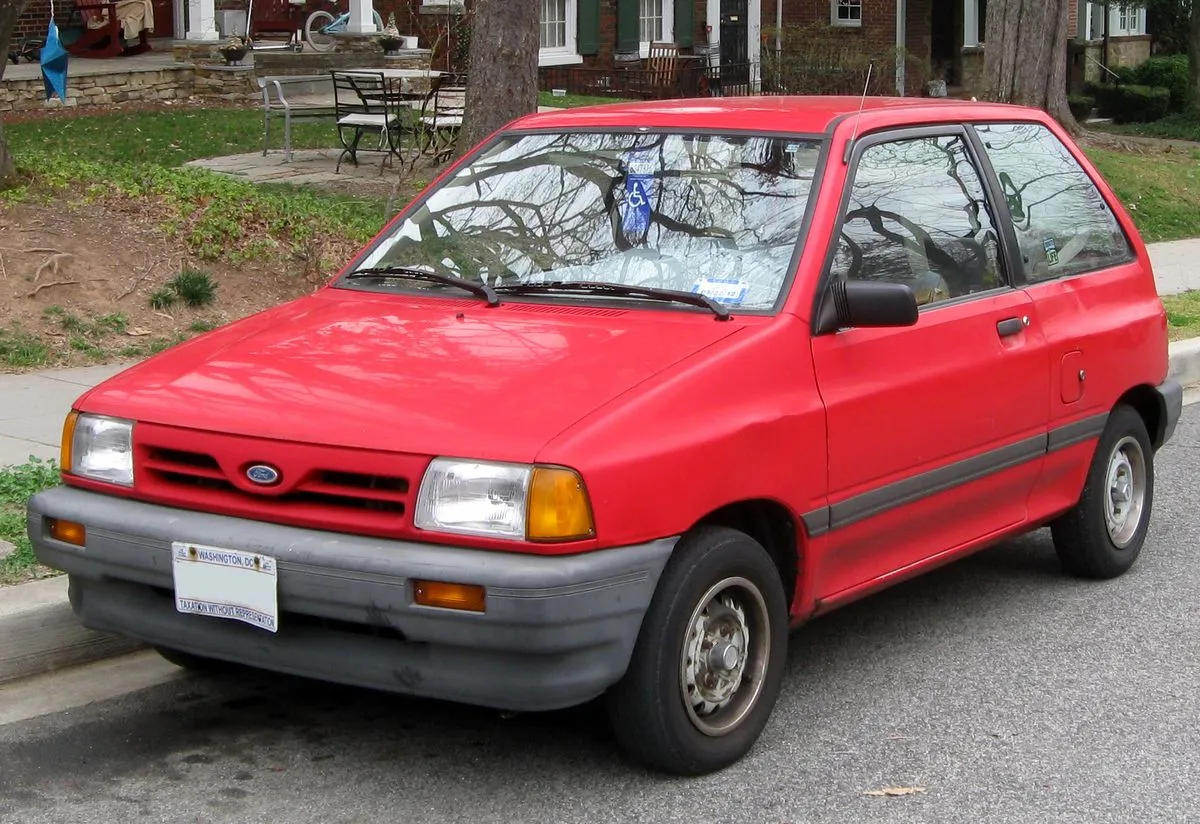
1992 Ford Festiva
1988-1993
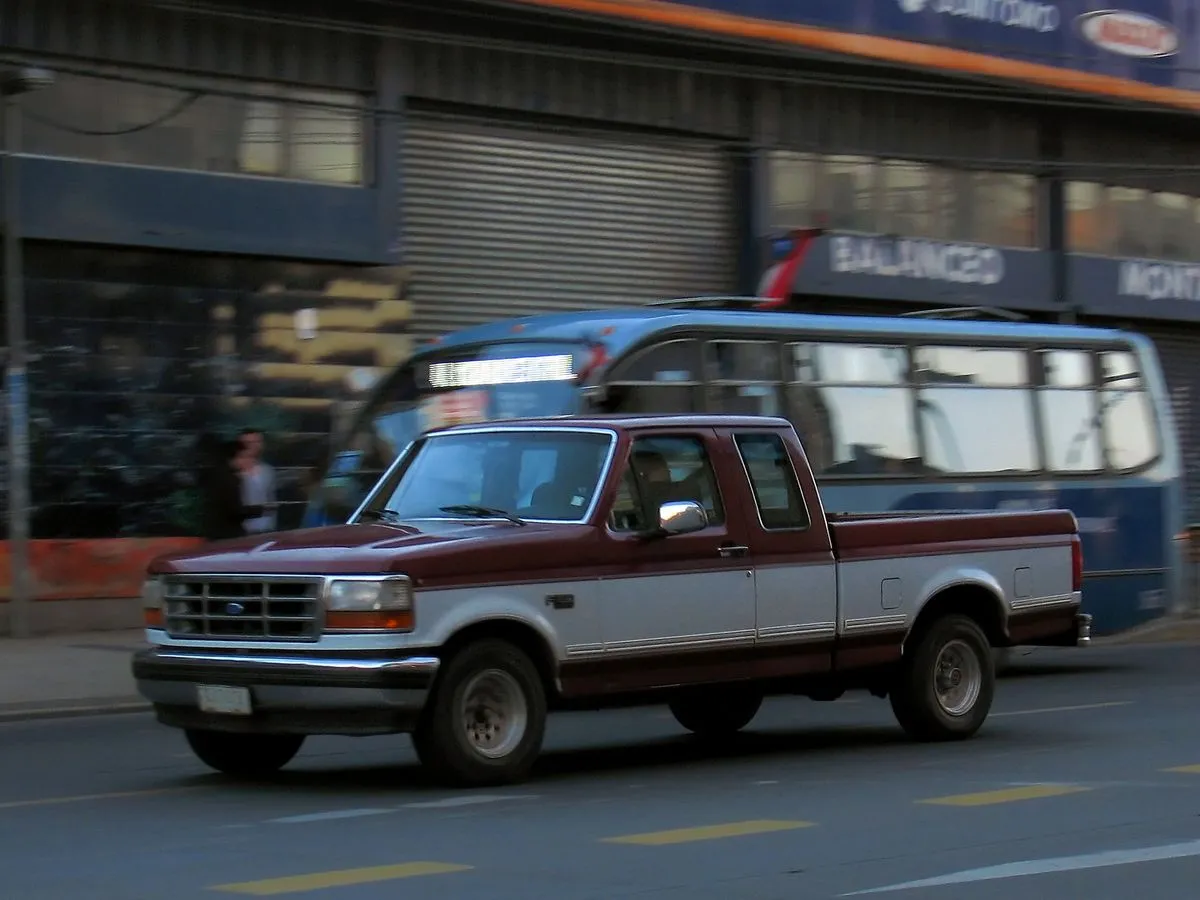
1993 Ford F-150 XLT Lariat
1987-1996
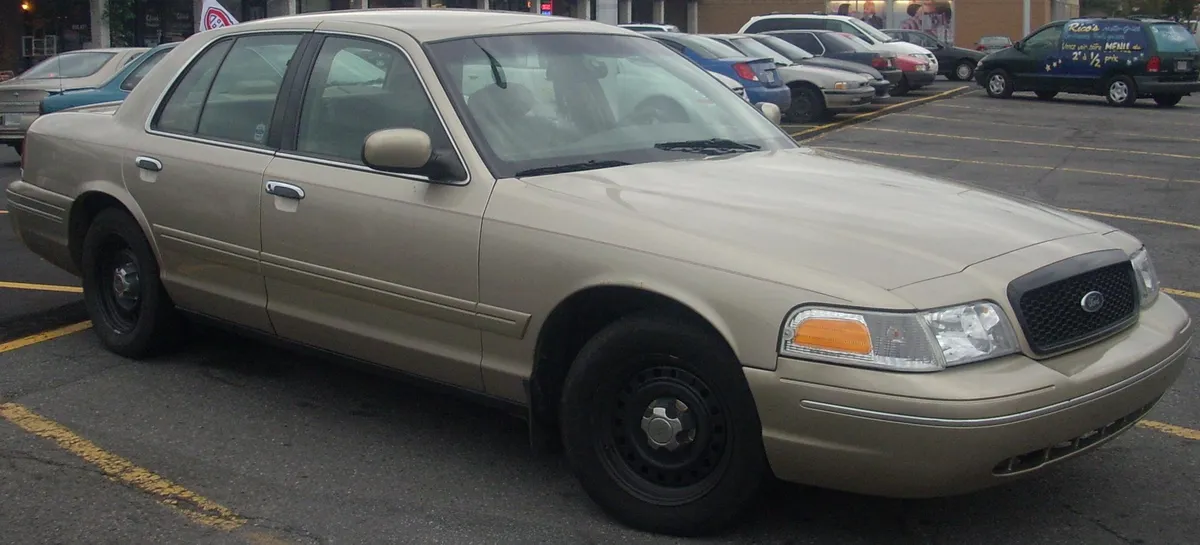
1999 Ford Crown Victoria
1992-2011