Why this vehicle matters
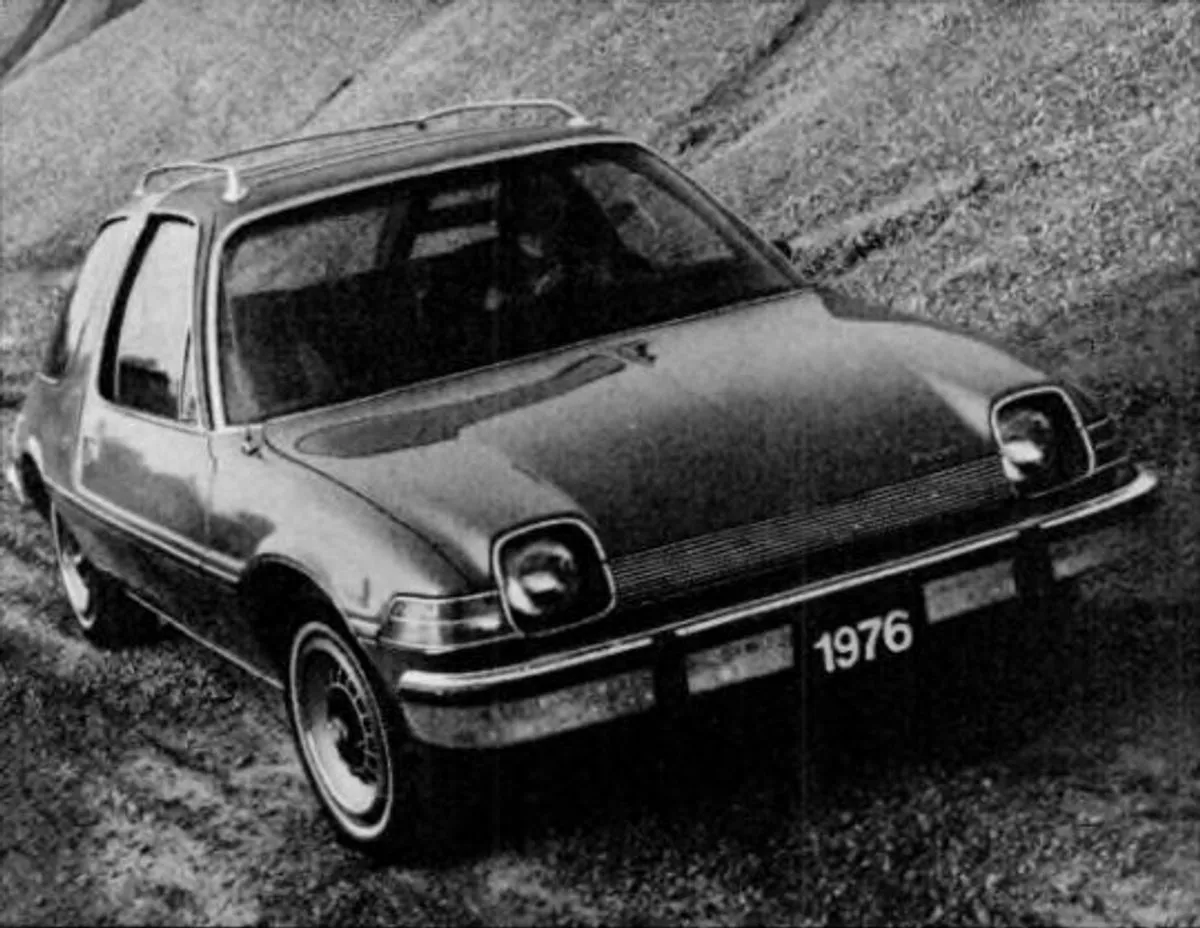
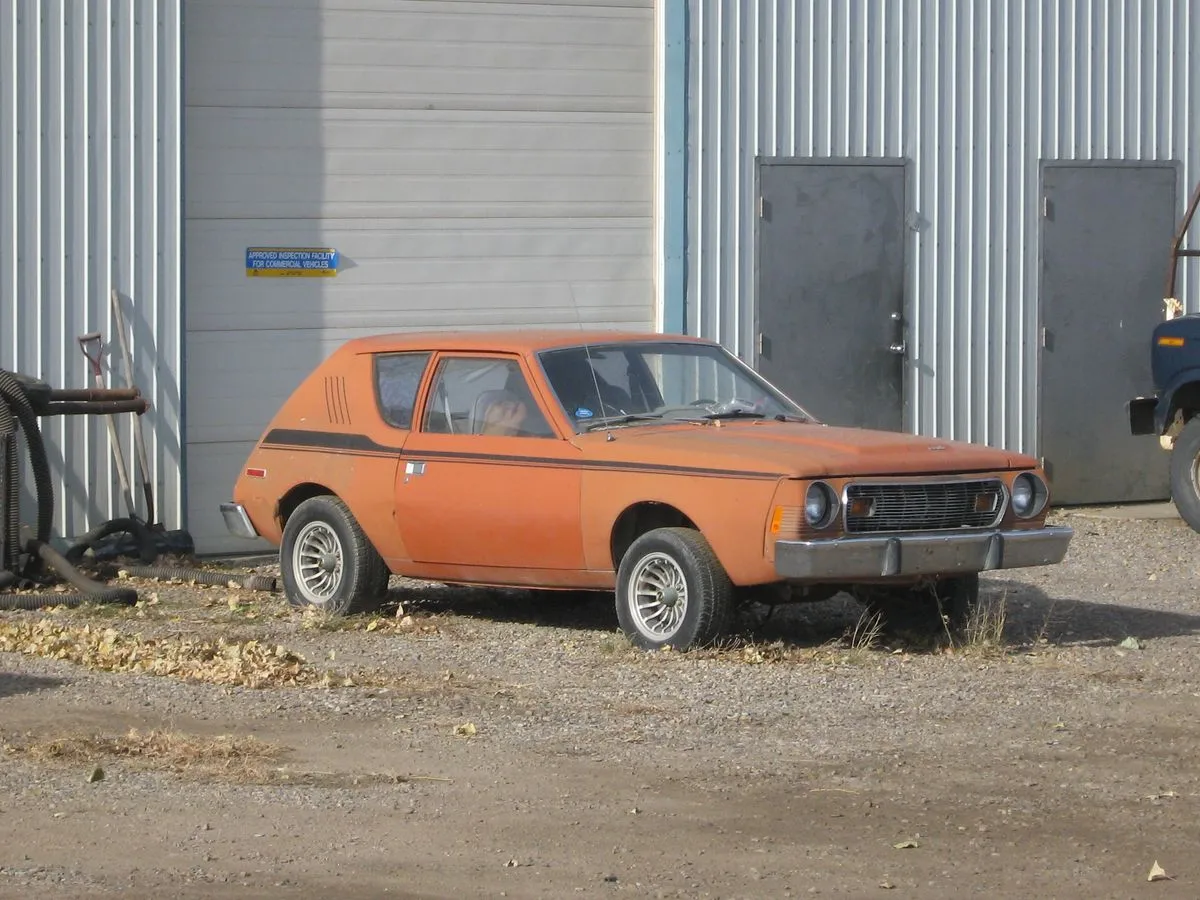
The Gremlin beat the Pinto and Vega to market by six months, making it America's first subcompact. AMC took a calculated risk: chop the back off a Hornet, call it a new car, and hope nobody notices. It worked.
The Gremlin sold well despite the mocking. And here's the thing: underneath the strange proportions was a genuinely good car. The AMC inline-6 was reliable. The handling was decent. The V8 option made it a sleeper. The Gremlin was better than its reputation.
Patina notes
Gremlins were cheap cars bought by people who needed cheap cars. Most were used up and thrown away. Survivors exist because someone cared. The trademark Kammback shape is distinctive enough that patina enhances rather than detracts.
Original Levi's interiors are collector items. Let the honest wear show — these were working-class cars.
Ownership reality
The platform sharing with other AMC cars means parts are more available than you'd expect. The inline-6 is tough and easy to service. V8 cars are faster and rarer. The unibody construction rusts like all AMC products, so rust inspection is critical.
But a solid Gremlin is a surprisingly practical classic — they're actually fun to drive.
The verdict
Buy if
You want an underdog that's better than its reputation. You appreciate AMC's desperation-driven innovation. You like explaining your car to confused onlookers.
Skip if
You care about resale value. You need cargo space. You can't handle the 'why did you buy THAT?' conversations.
What to look for
- → Floor pan rust (thorough inspection required)
- → Rear shock tower rust
- → Rocker panel rust
- → Engine condition (inline-6 preferred)
- → Original interior preservation
- → Unibody damage from improper jacking
Common problems
- ⚠ Rust everywhere (AMC standard)
- ⚠ Carburetor issues (especially late models)
- ⚠ Cooling system needs attention
- ⚠ Drum brake adequacy
- ⚠ Interior parts scarcity
- ⚠ Window seal deterioration
Parts & community
Parts sources
- Kennedy American
- American Parts Depot
- eBay (NOS and used)
- AMC Forum classifieds
- Swap meets
Forums & communities
- AMC Forum
- GremlinX.net
- AMC Rambler Club
- Facebook AMC groups
Sources
- Hagerty Valuation Tools · 2026-02-02
Specifications
| Engine | 3.3L AMC inline-6 / 4.2L AMC inline-6 / 5.0L AMC V8 |
| Power | 100-150 hp depending on engine |
| Torque | 160-255 lb-ft |
| Transmission | 3-speed manual / 4-speed manual / 3-speed auto |
| Drivetrain | RWD |
| Weight | 2,700-3,000 lbs |
| Wheelbase | 96 inches |
| Production | First American subcompact (beat Pinto/Vega by 6 months) |
Notable Features
- • Kammback rear design
- • Based on shortened Hornet platform
- • Available with V8 power (rare for subcompact)
- • Levi's denim interior option
About AMC
The scrappy underdog of American automakers. AMC punched above its weight with innovative designs that Detroit's Big Three wouldn't touch.
View all AMC vehicles →Find one
Looking to buy? Search current and past listings on Bring a Trailer.
Search on Bring a Trailer →