Why this vehicle matters
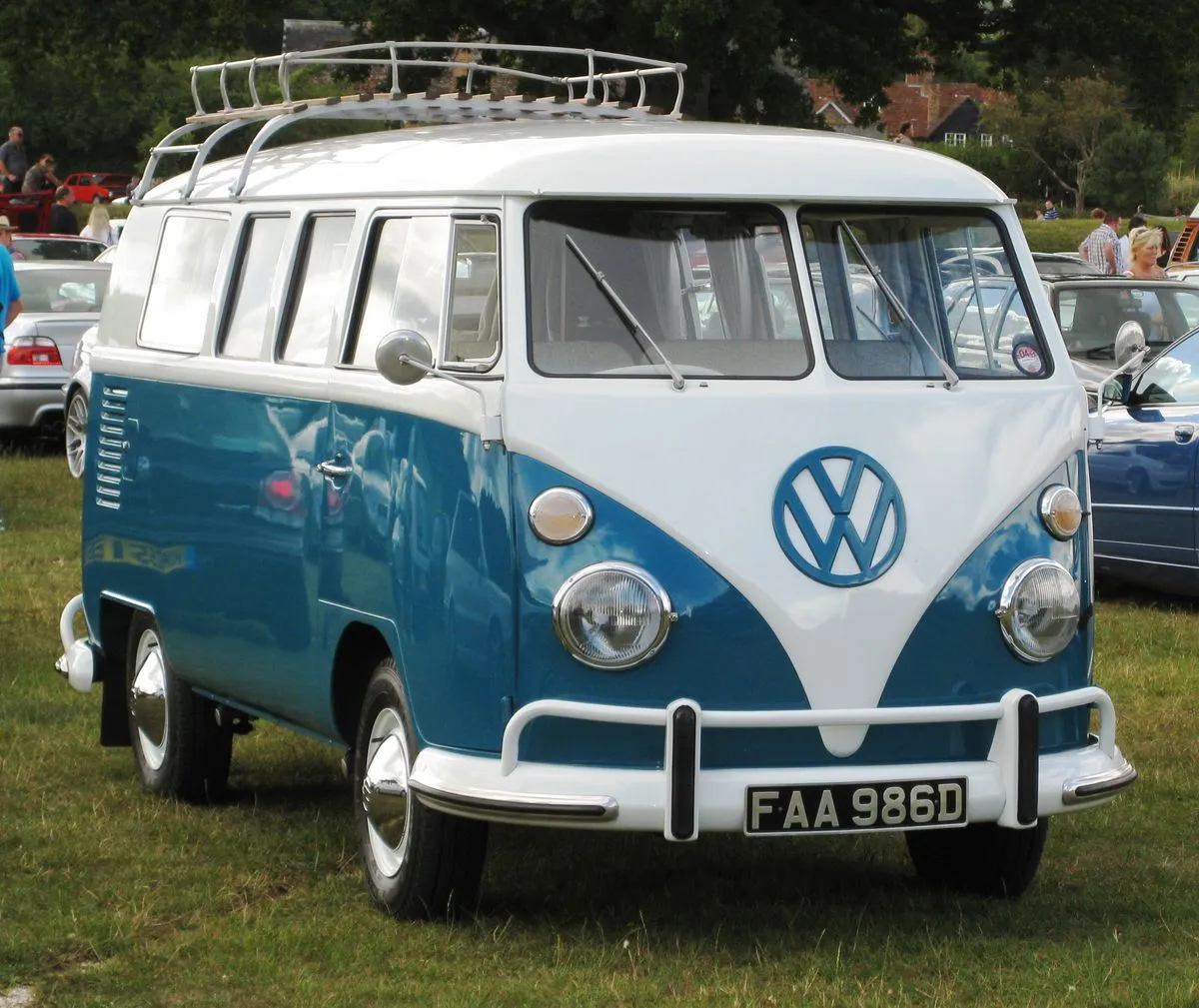
The VW Bus transcended transportation to become a cultural icon. It was the vehicle of the counterculture, the road trip, the alternative lifestyle. The split-window 'Splitties' and later bay-window 'Baywindows' carried surfers, hippies, travelers, and dreamers to wherever they wanted to go, slowly.
The Bus proved that a vehicle could be more than transportation — it could be a statement, a home, a lifestyle. Every modern camper van owes something to the Type 2.
Patina notes
A VW Bus with history is better than a perfect one. The paint fades to beautiful pastels. The windows fog with age. The engine develops that particular air-cooled smell.
Split-window buses have become too valuable for patina; bay-windows are still accessible enough to use. Let the rust show (within reason). These vehicles were meant to be lived in, not preserved.
Ownership reality
Air-cooled VW ownership is a lifestyle. The engine is simple but needs understanding. Highway speeds are an adventure (merge planning is critical). Rust is the constant enemy.
But the community support is exceptional — you can build a Bus from aftermarket parts, and help is always available. The reward is ownership of a rolling piece of cultural history.
The verdict
Buy if
You want a vehicle that transcends transportation. You're comfortable with air-cooled VW maintenance. You accept that the journey matters more than the arrival time.
Skip if
You need reliable highway cruising. You can't tolerate 55 mph being optimistic. You want something everyone else doesn't want.
What to look for
- → Roof rust (hidden under layers of paint and filler)
- → Floor pan rust (water pools under mats)
- → Cargo door hinge areas
- → Heater channel rust (structural)
- → Engine condition (compression test)
- → Cargo doors and windows operation
Common problems
- ⚠ Rust everywhere (especially roof, floors, cargo doors)
- ⚠ Engine cooling (air-cooled in a box)
- ⚠ Fuel system issues (carbs and fuel pumps)
- ⚠ Generator/alternator failures
- ⚠ Brake system simplicity (single circuit)
- ⚠ Window seals leak with age
Parts & community
Parts sources
- Bus Depot
- West Coast Metric
- JBugs
- MOFOCO
- TheSamba.com classifieds
Forums & communities
- TheSamba.com (Bay window and Bus subforums)
- VWVortex.com
- BusTopia
- Facebook VW Bus groups
Sources
- Hagerty Valuation Tools · 2026-02-02
Specifications
| Engine | 1.5L air-cooled flat-4 / 1.6L / 2.0L (later) |
| Power | 40-70 hp depending on year and engine |
| Torque | 65-98 lb-ft |
| Transmission | 4-speed manual |
| Drivetrain | RWD |
| Weight | 2,500-3,000 lbs |
| Wheelbase | 94.5 inches |
| Production | Split-window (1950-67), Bay window (1968-79) |
Notable Features
- • Split windshield iconic on early models
- • Beetle-based air-cooled drivetrain
- • Camper, panel van, pickup variants
- • Symbol of counterculture
About Volkswagen
The people's car. From Nazi-era origins to counterculture icon, VW became synonymous with simple, honest transportation.
View all Volkswagen vehicles →Find one
Looking to buy? Search current and past listings on Bring a Trailer.
Search on Bring a Trailer →