Why this vehicle matters
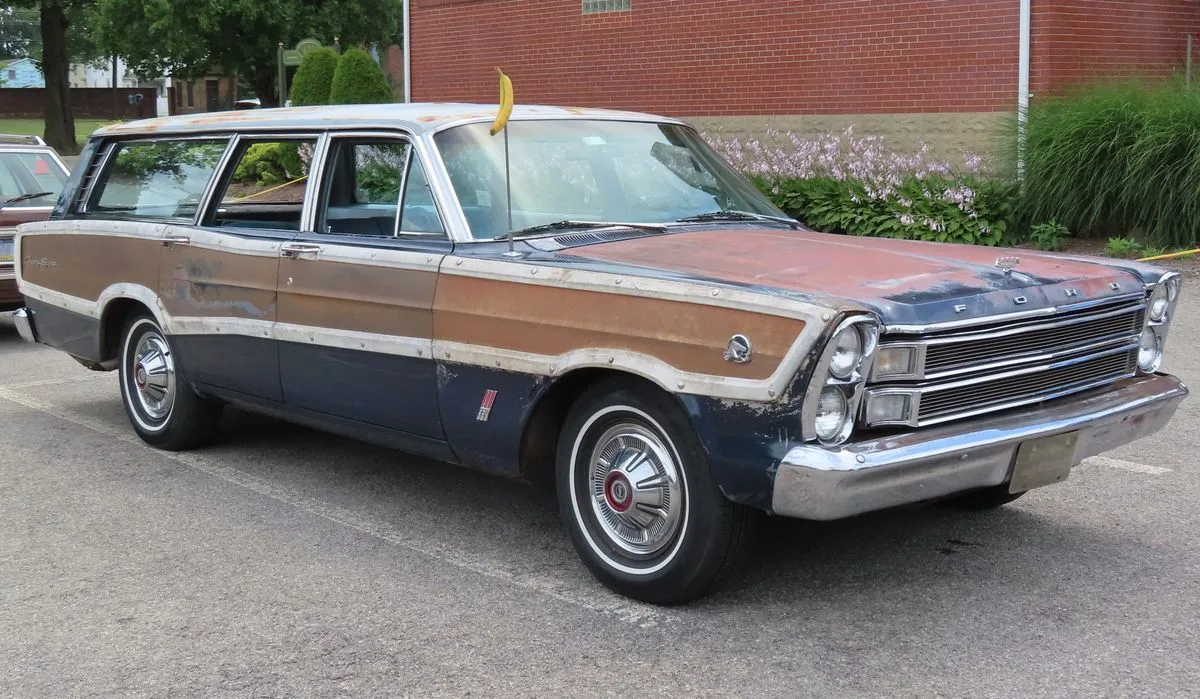
The Country Squire is American family life in automotive form. Wood-paneled wagons carried the baby boom generation to Little League, summer camps, and cross-country vacations. The fake wood — Di-Noc vinyl with printed grain — was aspirational. Real wood wagons were for the country club set; the Squire let everyone else pretend. By the mid-60s, Ford had perfected the formula: big FE V8 for effortless cruising, cavernous interior, and styling that said 'we made it.' Throw a surfboard on the roof and you've got an icon of California cool that defined an era. This is the Woody.
Patina notes
The Di-Noc wood trim is the make-or-break. Originals with intact trim are increasingly rare. Faded and peeling wood paneling has its own charm — it's honest aging. The chrome and brightwork are substantial and rechrome well. These are big cars that need space to look right. Slight fade on those massive painted surfaces works; too much restoration makes them look like parade floats. Let the wagon tell its story.
Ownership reality
Driving a Country Squire is an event. They're huge, slow to respond, and stop like a freight train. Parallel parking is an adventure. But highway cruising is what they're built for — that big FE V8 loafs along with hundreds of pounds of luggage and a family of five. Parts are getting harder to find, especially interior trim and the wood appliqué. The FE engine family is well-supported, though. Find a solid one and enjoy being the coolest person at the beach.
The verdict
Buy if
You want to relive the golden age of American road trips. You have a surfboard or at least want the image. You need a vehicle that seats nine.
Skip if
You live somewhere with tight parking. You need modern safety for your actual family. You can't source replacement Di-Noc trim.
What to look for
- → Di-Noc wood trim condition (expensive to replace)
- → Floor pan rust under cargo area
- → Tailgate mechanism function
- → Rear suspension (they sag under load)
- → Third row seat condition and latches
- → Power tailgate window motor
Common problems
- ⚠ Di-Noc trim peeling and cracking
- ⚠ Power tailgate mechanisms fail
- ⚠ Rear springs sag from age
- ⚠ Vacuum-operated systems fail (door locks, vents)
- ⚠ FE carburetor tuning issues
- ⚠ Exhaust manifold cracking
Parts & community
Parts sources
- Dennis Carpenter Ford Restoration Parts
- Macs Antique Auto Parts
- Falcon/Fairlane/Galaxie clubs
- eBay (NOS and used)
- Hemmings classifieds
Forums & communities
- Ford Galaxie Club of America
- FE Power Forum
- Ford Barn
- Vintage Ford Club
Sources
- Hagerty Valuation Tools · 2026-02-03
Specifications
| Engine | 352 FE V8 / 390 FE V8 / 428 V8 |
| Power | 250-345 hp depending on engine |
| Torque | 352-462 lb-ft |
| Transmission | 3-speed manual / Cruise-O-Matic 3-speed auto |
| Drivetrain | RWD |
| Weight | 4,200-4,500 lbs |
| Wheelbase | 119 inches |
| Production | Ford's flagship full-size wagon, 1950-1991 |
Notable Features
- • Simulated wood paneling (Di-Noc)
- • Third row seating standard
- • Power tailgate window
- • Magic Doorgate (opens as door or tailgate)
About Ford
The company that put America on wheels. From the Model T to the Mustang, Ford defined American automotive culture.
View all Ford vehicles →Find one
Looking to buy? Search current and past listings on Bring a Trailer.
Search on Bring a Trailer →More from Ford
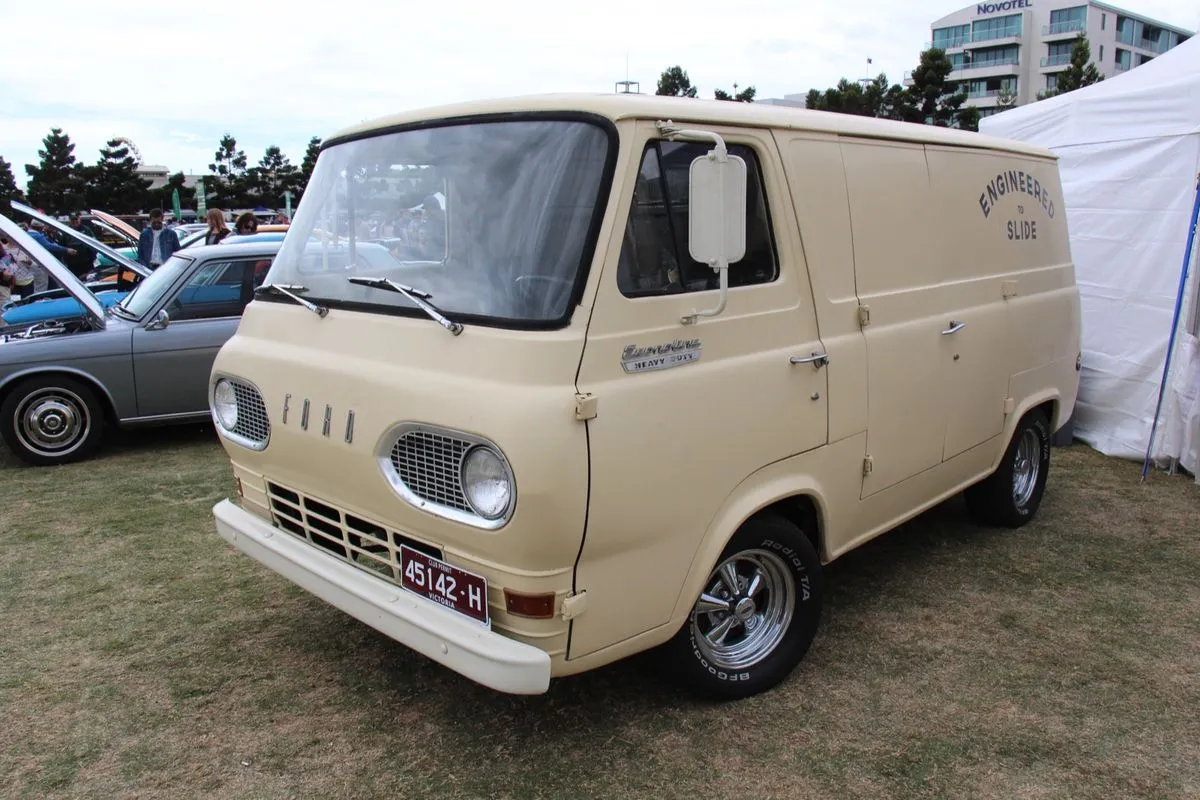
1964 Ford Econoline
Ford's first-gen Econoline was American industry's answer to the VW Bus. Where VW used an air-cooled rear engine, Ford put a Falcon six under the cab floor. The result was a genuinely useful commercial vehicle that also worked for families, campers, and custom van enthusiasts. The cab-forward design maximized cargo space in a compact footprint. Before full-size vans became conversion van monsters, the Econoline was right-sized and practical.
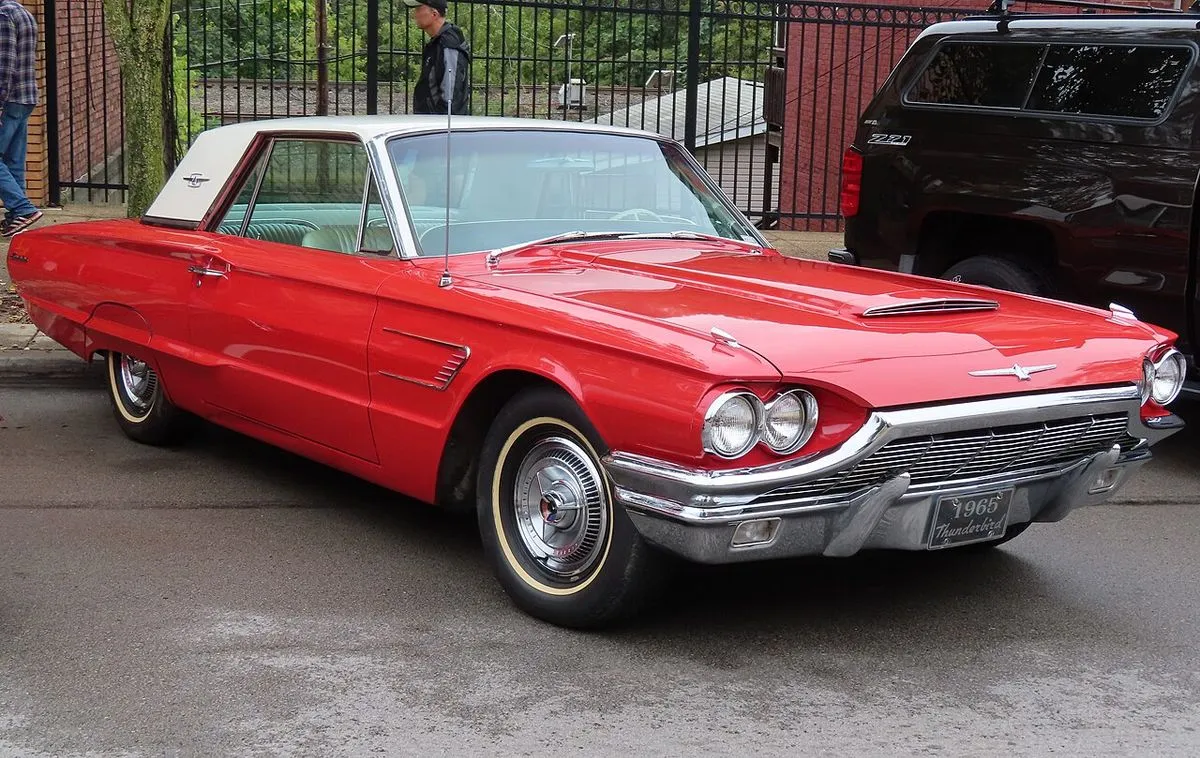
1965 Ford Thunderbird
The fourth-generation Thunderbird perfected the personal luxury concept. This wasn't a sports car — Ford made that clear when they ditched the two-seater format after 1957. This was a luxury cruiser for people who wanted to make an entrance. The sequential turn signals were a party trick that still impresses. The big 390 V8 moved serious weight effortlessly. The T-Bird was for people who'd made it and wanted everyone to know.
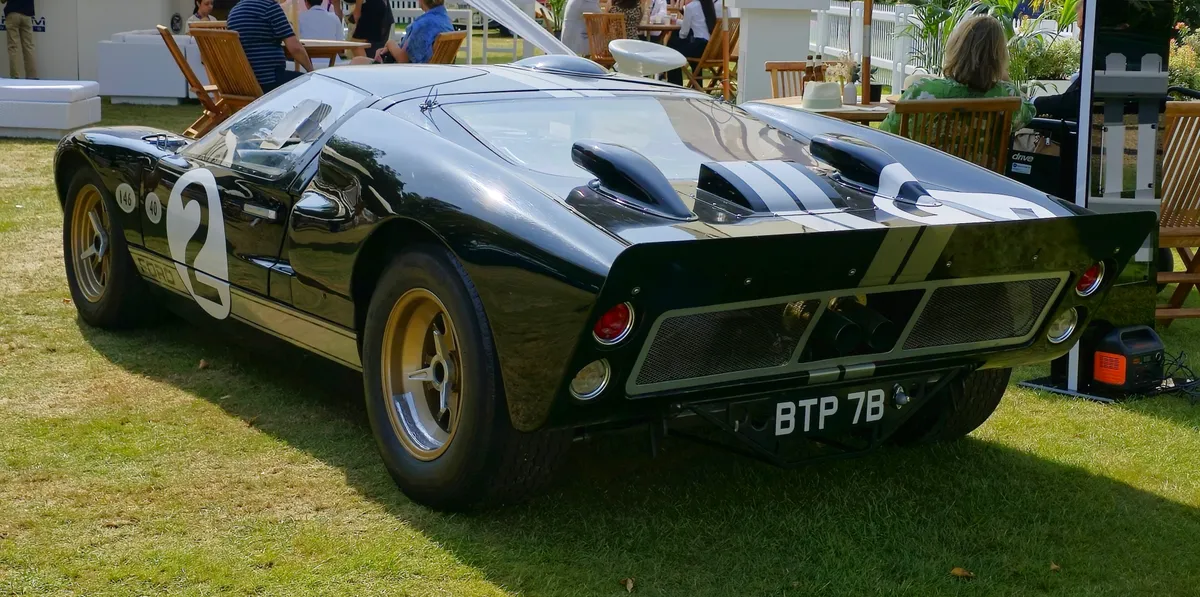
1966 Ford GT40
Henry Ford II tried to buy Ferrari in 1963. Enzo backed out at the last minute. Ford took it personally and built the GT40 specifically to beat Ferrari at Le Mans. It took a few years and a lot of money, but in 1966, Ford went 1-2-3 at Le Mans, destroying Ferrari on the world stage. They won again in 1967, 1968, and 1969. The GT40 proved that American muscle could compete with European racing technology when properly applied. The name came from its height — just 40 inches tall. It's one of the few purpose-built American racecars that achieved motorsport immortality.
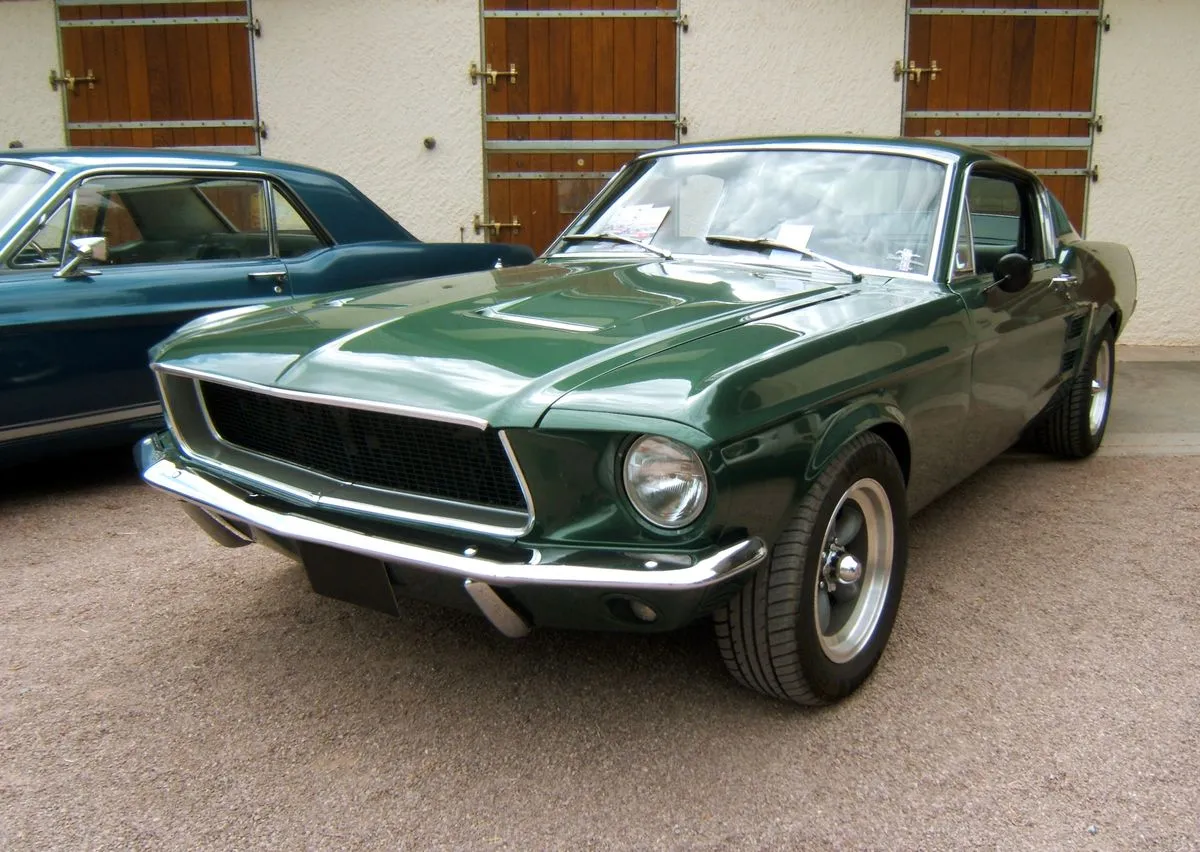
1967 Ford Mustang Fastback
The '67 Mustang is where the pony car grew up. The original 1964½ was a secretary's car — a compact Falcon in a pretty dress. For '67, Ford stretched the body to fit big-block V8s. The fastback roofline became the defining silhouette of American muscle. Steve McQueen's '68 Bullitt Mustang (nearly identical to the '67) cemented the fastback as the coolest car shape of the era. This is the Mustang that launched a thousand posters.
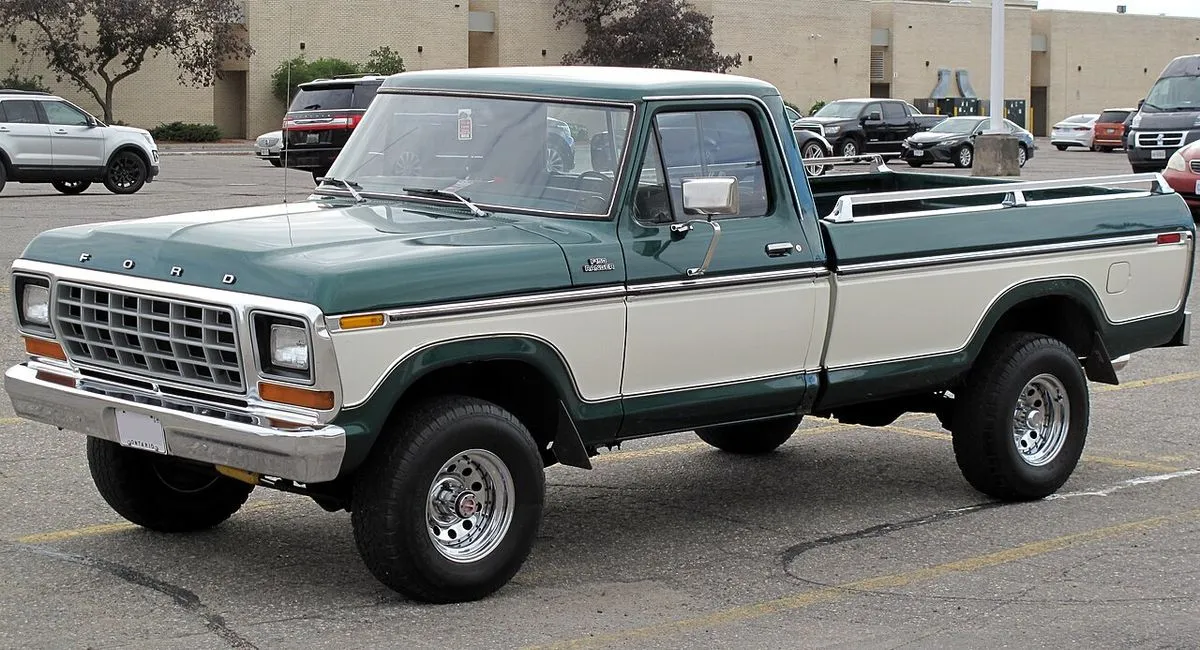
1967-1979 Ford F-100/F-150
The fifth and sixth generation Ford F-Series trucks represent Ford's transition from work truck to lifestyle vehicle. The 1967-72 'Bumpside' trucks have clean styling that's highly collectible today. The 1973-79 'Dentside' trucks added the character line down the bodyside and a more comfortable cab. The 300 cubic inch inline-6 became legendary for bulletproof reliability — many have crossed 500,000 miles with basic maintenance. The F-150 designation appeared in 1975, eventually becoming America's best-selling vehicle for decades. These trucks were built to work, and the survivors are either still working or treasured for their simplicity.
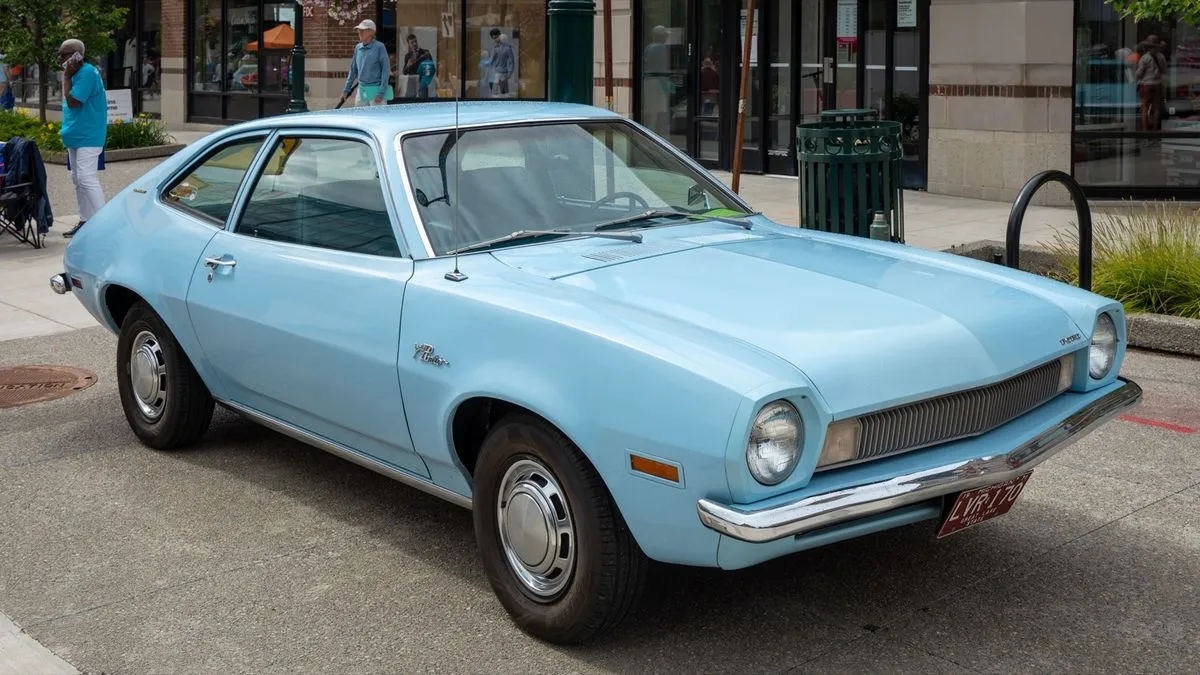
1971 Ford Pinto
The Pinto is forever associated with its fuel tank scandal — Ford's calculated decision that paying wrongful death settlements was cheaper than fixing the design. That scandal defined automotive ethics debates for decades. But before that, the Pinto was just Ford's answer to the import invasion. It was cheap, efficient, and sold millions. The car itself was adequate transportation for people who needed adequate transportation. The scandal shouldn't define the car, but it's impossible to separate them.
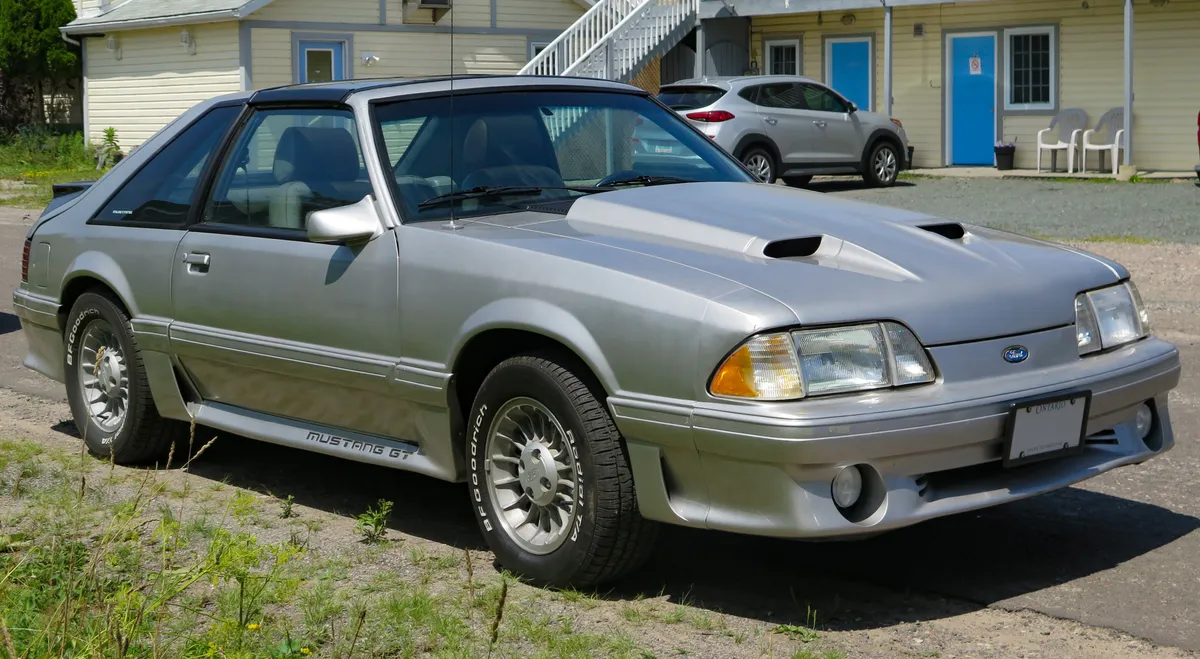
1989 Ford Mustang 5.0
The Fox Body 5.0 saved the Mustang. After years of malaise-era disappointment (Mustang II, anyone?), Ford finally gave enthusiasts what they wanted: a lightweight, rear-drive chassis with a fuel-injected V8 that actually made power. The 1987-1993 5.0 HO engine produced 225 hp — modest by modern standards but transformative for its era. The LX 5.0 notchback became the sleeper of choice; the GT had the aggressive body kit. The aftermarket exploded. Drag strips filled with Fox Bodies. This was the car that proved the pony car segment could survive and thrive.
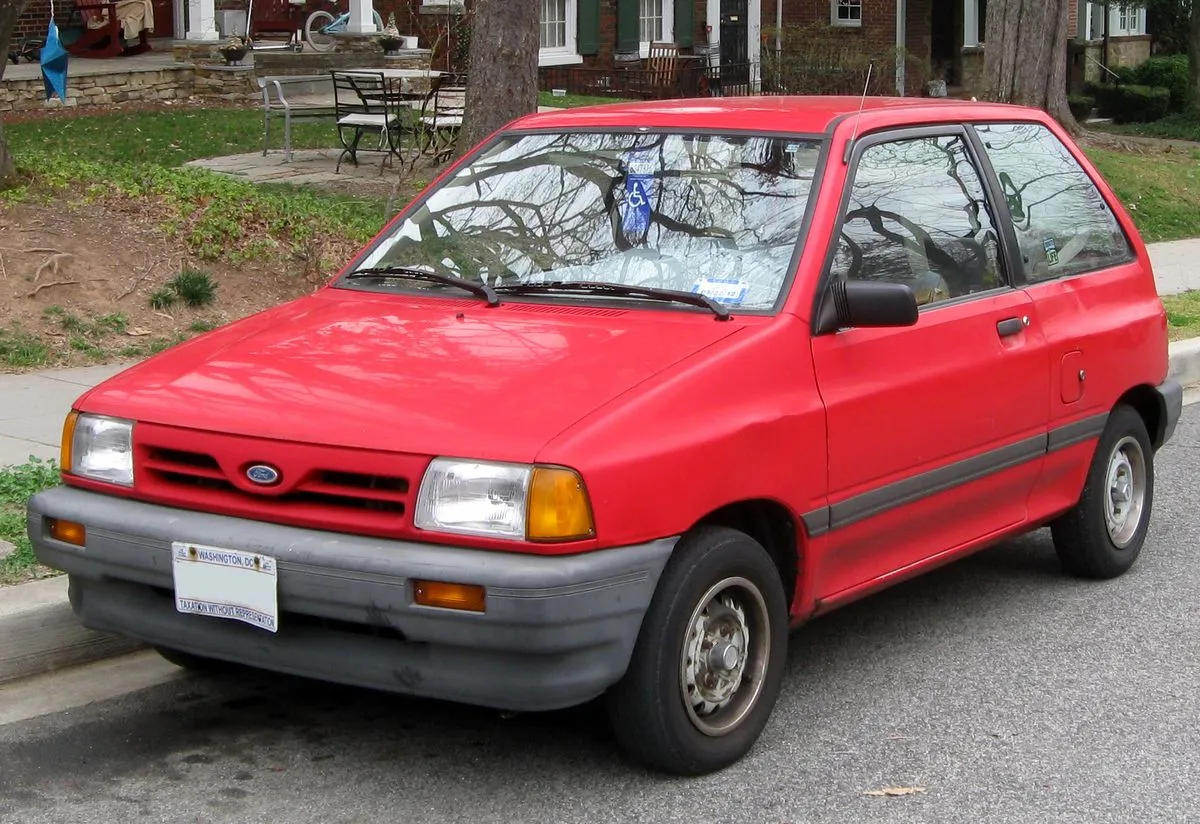
1992 Ford Festiva
The Festiva is transportation reduced to its absolute essence. Built by Kia, engineered by Mazda, sold by Ford — a globalized economy before anyone used that word. It's slow. It's tinny. The three-speed automatic is basically two gears and a suggestion. But it weighs nothing, sips fuel, and will get you from A to B forever if you do basic maintenance. For kids learning to drive, this was perfect: nothing to break, nothing to race, just honest transportation that taught you how cars work.
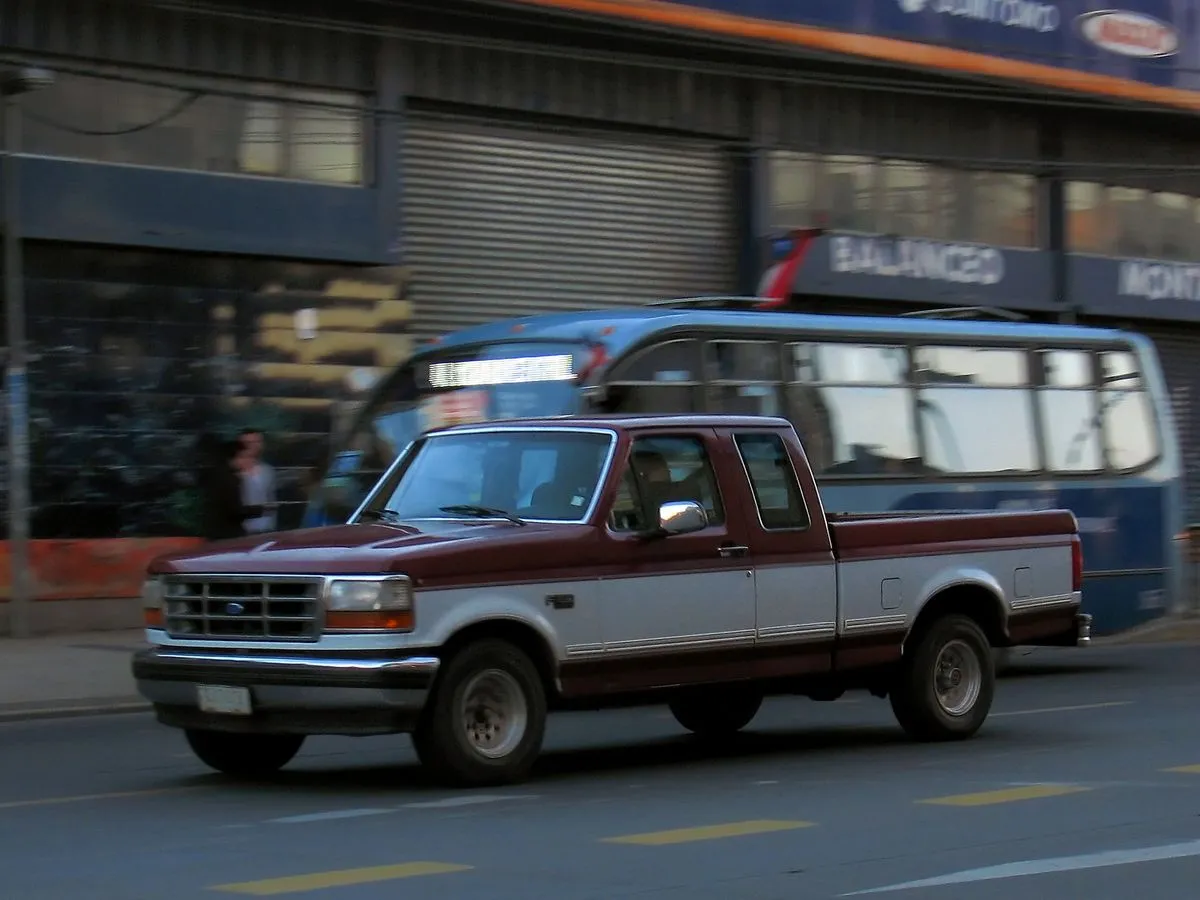
1993 Ford F-150 XLT Lariat
The OBS (Old Body Style) F-150 is the quintessential American truck. It's what people picture when they think 'pickup.' The 1987 redesign added aerodynamics without losing the truck's essential character. The 300 cubic inch inline-6 is legendarily reliable — truckers call it the 'big six' and swear by it. The XLT Lariat trim added carpet, power everything, and enough creature comforts to make the wife happy. This is the working truck that could also be the family vehicle.
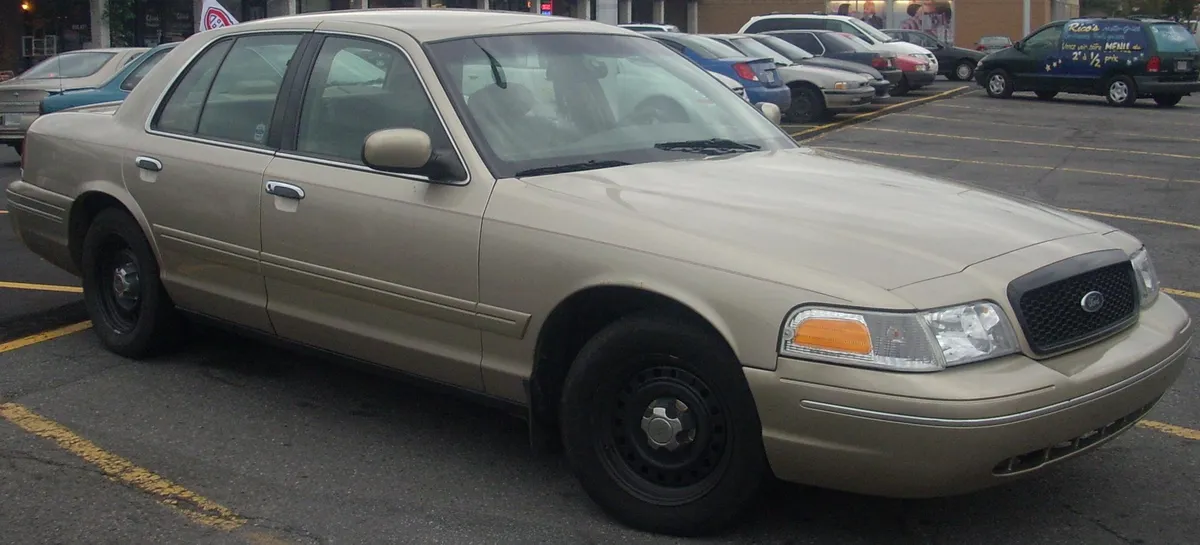
1999 Ford Crown Victoria
The Crown Victoria was the last of the American body-on-frame V8 sedans. While everyone else moved to front-wheel drive and unibody construction, Ford kept building a proper full-frame car with a pushrod V8 and rear-wheel drive. It became the default American police car, taxi, and fleet vehicle. Every cop movie from 1992 to 2011 featured Crown Vics. Every taxi in every city outside New York ran Crown Vics. It was boring by design — reliable, cheap to fix, and fundamentally indestructible. That's exactly why it matters.
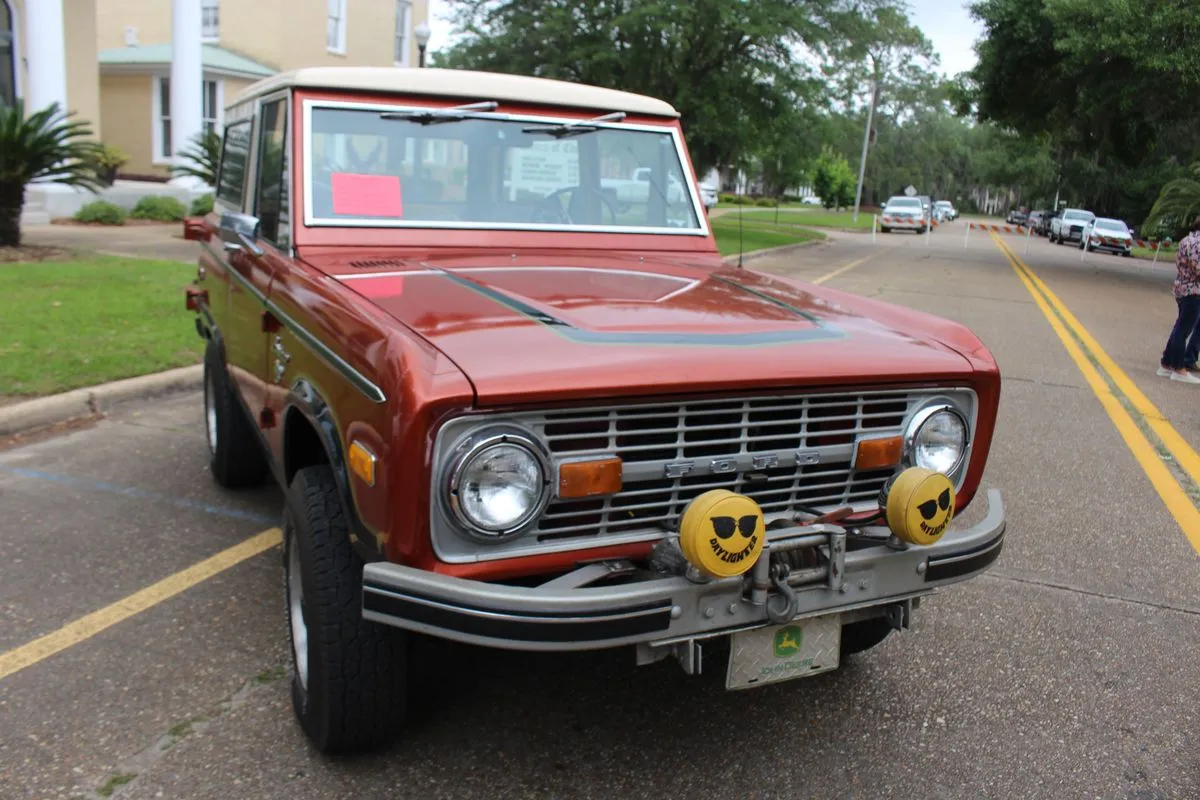
Ford Bronco (First Generation)
The first-gen Bronco was Ford's answer to the Jeep CJ — a no-nonsense, purpose-built 4x4 for people who actually needed to go off-road. The short 92-inch wheelbase made it absurdly maneuverable in the rocks and woods. The removable hardtop made it a convertible. The V8 option made it fast. For a decade, the Bronco was the serious choice for serious off-roaders. Then the O.J. Simpson chase in 1994 made it famous for entirely different reasons. Today, the early Bronco is one of the hottest collector trucks on the market, with values that have tripled in a decade.