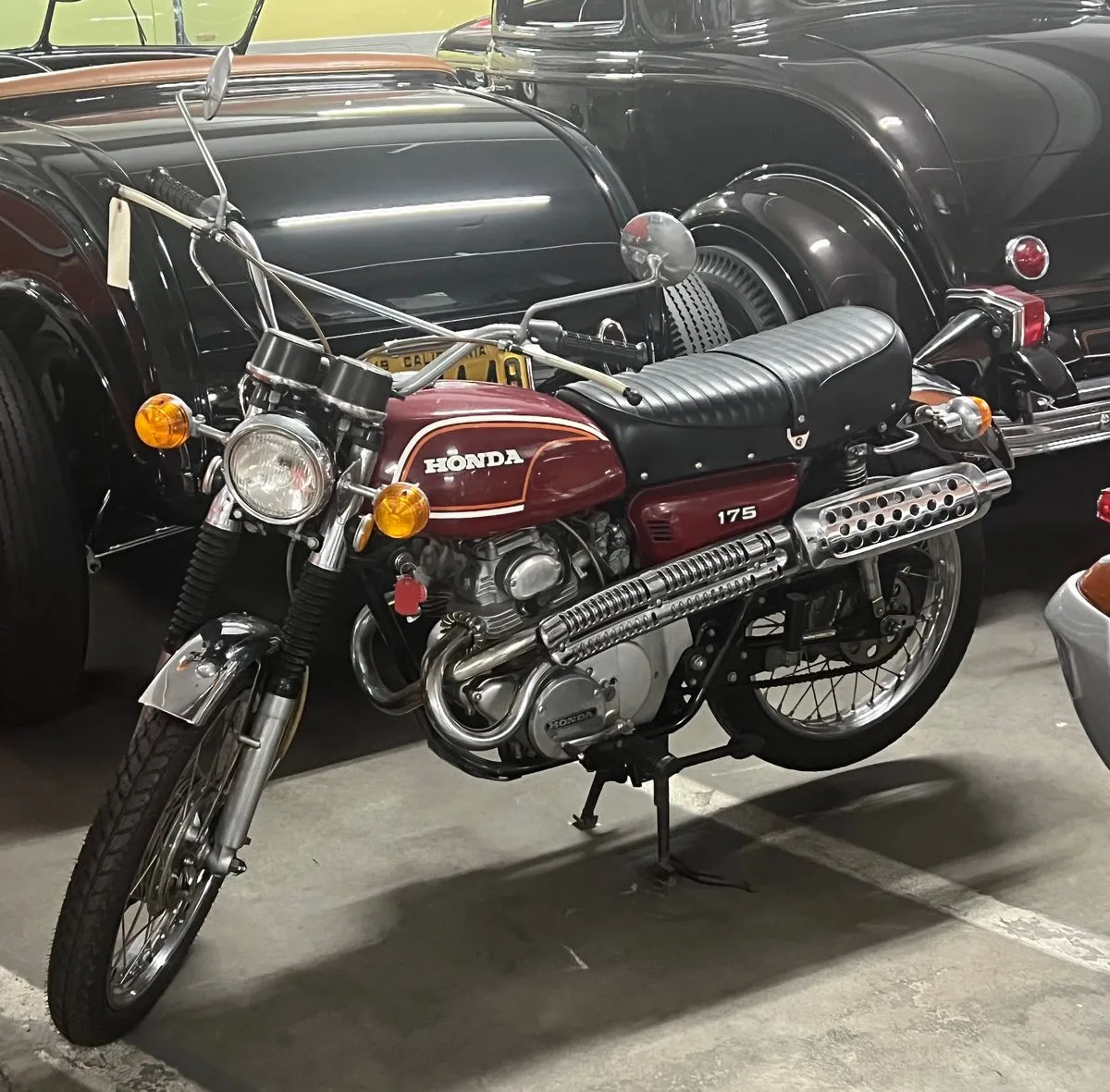
Why this vehicle matters
The CL175 is proof that motorcycling's best days don't require displacement. Honda's Scrambler line put high pipes and semi-knobbies on their small twins, creating bikes that looked adventurous and were genuinely capable on dirt roads.
At 17 horsepower, you can use all of what's available without going to jail. It's light enough to pick up when you drop it. Simple enough to fix yourself. Cheap enough to not worry about. The small-displacement scrambler is motorcycling's best-kept secret.
Patina notes
Mine is a proper survivor. High pipes have a nice heat patina. Paint is faded to a pleasant version of its original color. These bikes were meant to be ridden on backroads, and they should look like it.
The small-displacement Hondas of this era were built to last — they just need someone to appreciate them.
Ownership reality
This is the perfect third motorcycle. The one you ride when you want to feel alive without risking your life. Maintenance is Honda-simple: valve adjustments, points, and oil. Parts are getting scarcer but Honda twins share components across models.
The electric start works (unlike some of its contemporaries). Join the vintage Honda community and you'll find people who've kept these bikes running for 50 years.
The verdict
Buy if
You want a pure riding experience without the speed. You appreciate small-displacement character. You need a motorcycle you're not afraid to actually ride.
Skip if
You need highway capability. You want something that impresses other motorcyclists. You can't embrace the charm of 17 horsepower.
What to look for
- → Points condition (easy to convert to electronic)
- → Cam chain tensioner wear
- → Carb synchronization
- → Fork seal condition
- → Exhaust pipe rust (high pipes are exposed)
- → Ignition switch and key condition
Common problems
- ⚠ Points wear (convert to electronic)
- ⚠ Petcock vacuum diaphragm failure
- ⚠ Carburetor pilot jet clogging
- ⚠ Exhaust pipe rust at headers
- ⚠ Speedometer cable breaks
- ⚠ Turn signal relay failures
Parts & community
Parts sources
- 4into1.com (excellent Honda twin support)
- Common Motor Collective
- eBay (NOS and used parts)
- Honda Twins Forum classifieds
- David Silver Spares (UK)
Forums & communities
- HondaTwins.net
- Honda CL/SL Scrambler Group (Facebook)
- Vintage Honda Forum
- Reddit r/vintagemotorcycles
Sources
- Personal ownership · 2026-02-02
Specifications
| Engine | 174cc air-cooled parallel twin (SOHC) |
| Power | 17 hp @ 9,500 rpm |
| Torque | 10 lb-ft @ 8,000 rpm |
| Transmission | 5-speed |
| Drivetrain | Chain |
| Weight | 310 lbs wet |
| Wheelbase | 49.4 inches |
| Production | Part of Honda's small-displacement CL 'Scrambler' line |
Notable Features
- • High-pipe exhaust styling
- • Semi-knobby tires from factory
- • Small-displacement parallel twin
- • Electric start standard
Find one
Looking to buy? Search current and past listings on Bring a Trailer.
Search on Bring a Trailer →More from Honda
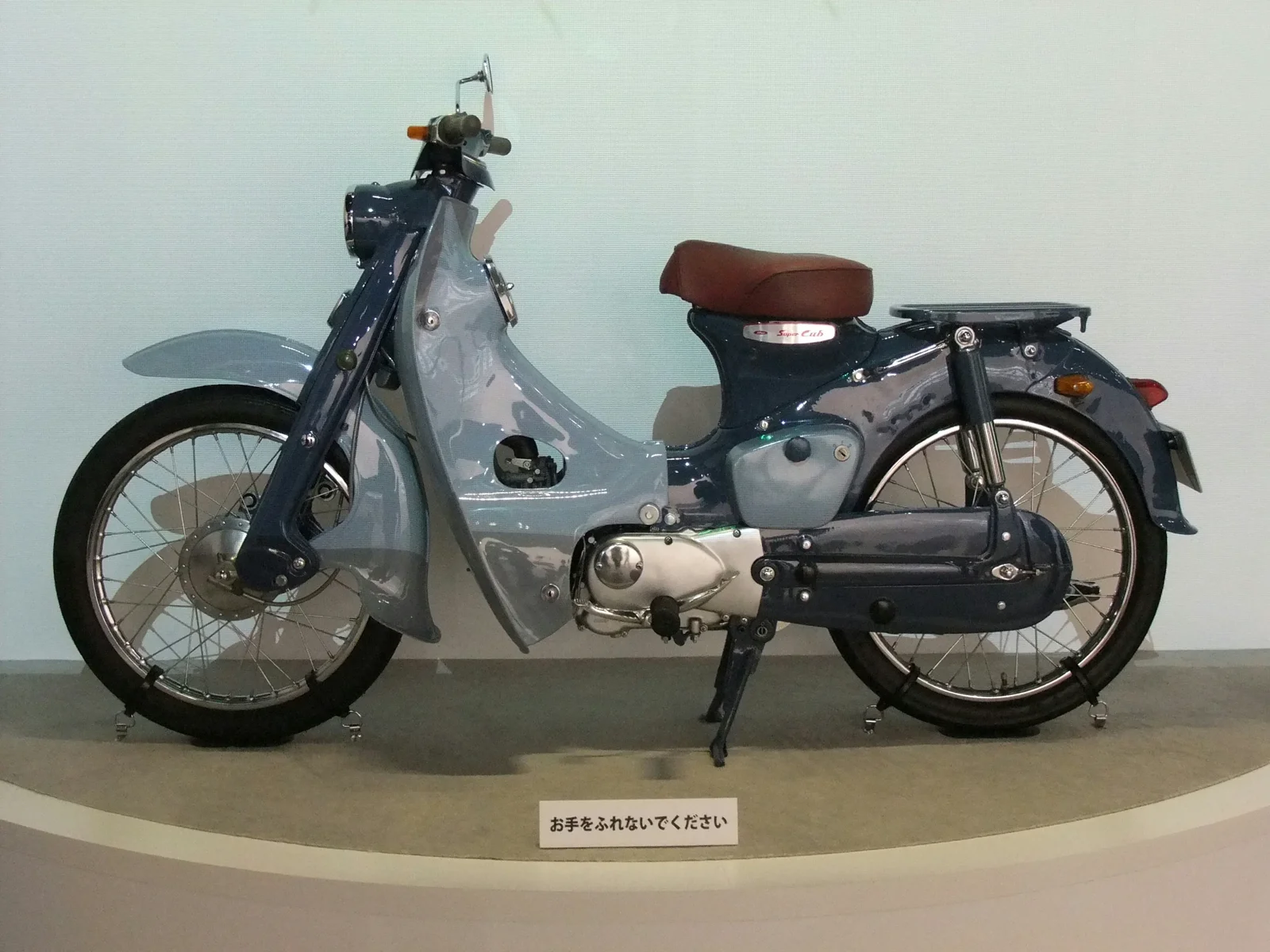
1958 Honda Super Cub
1958-present
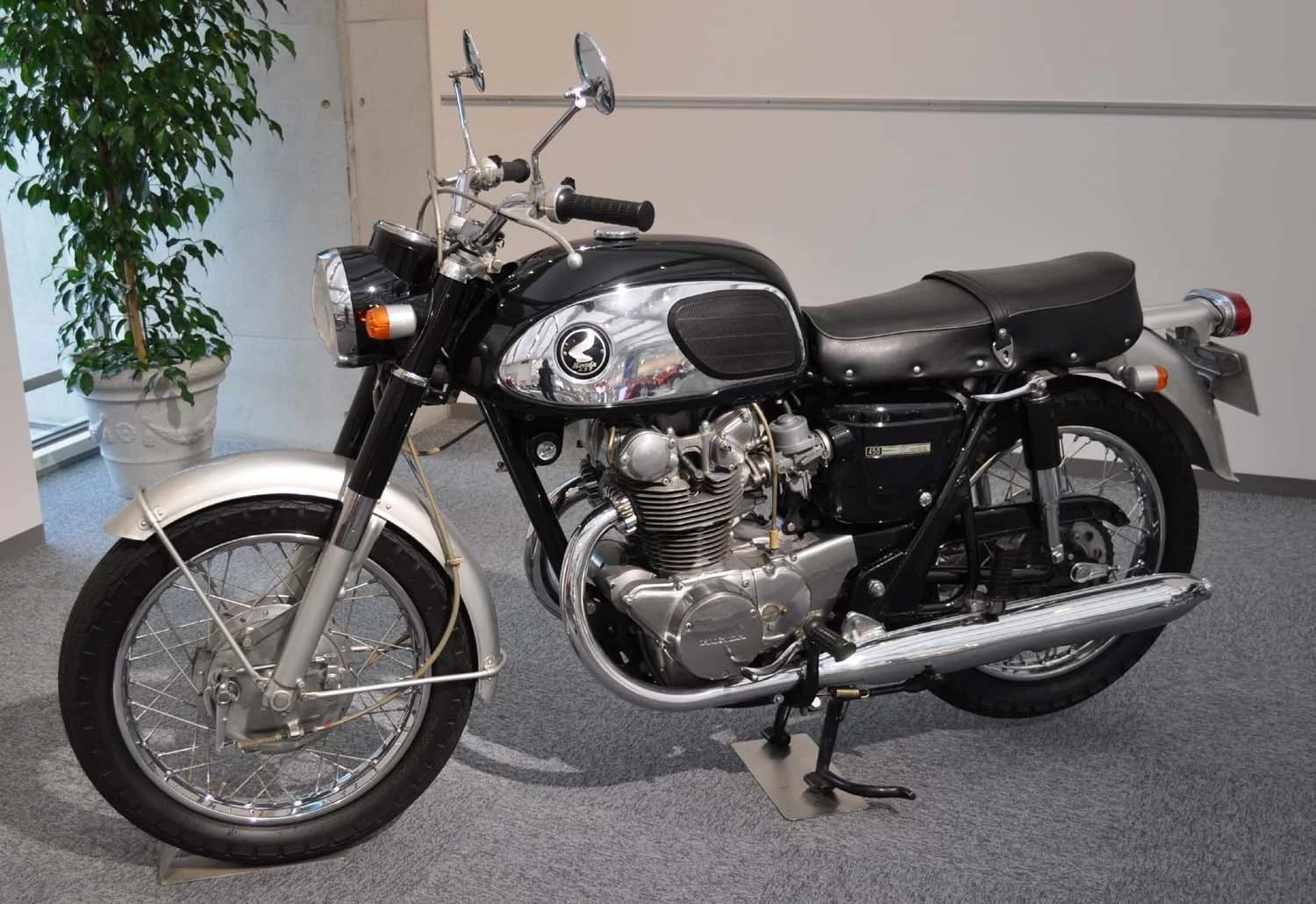
1965 Honda CB450 Black Bomber
1965-1974
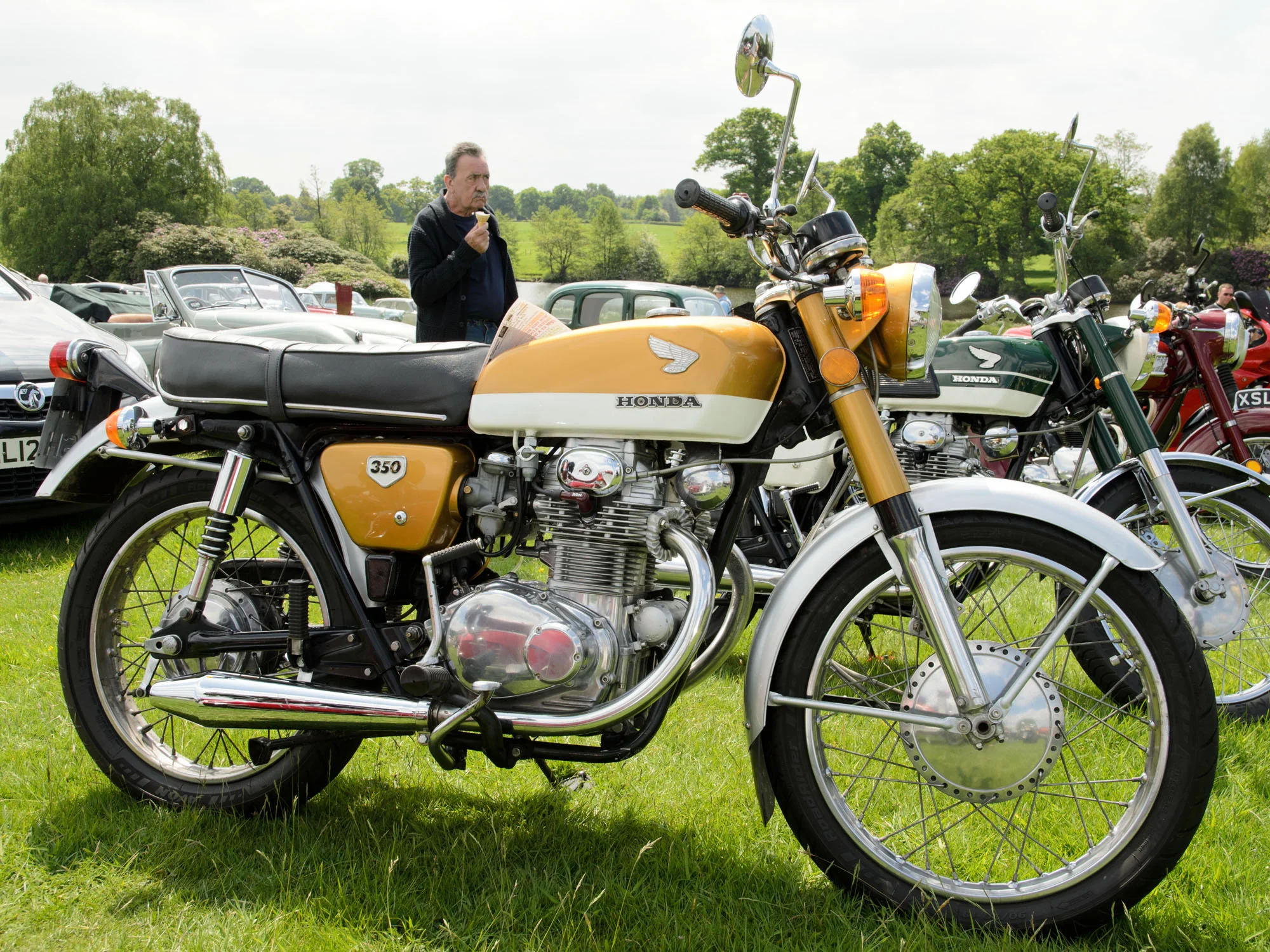
1969 Honda CB350
1968-1973
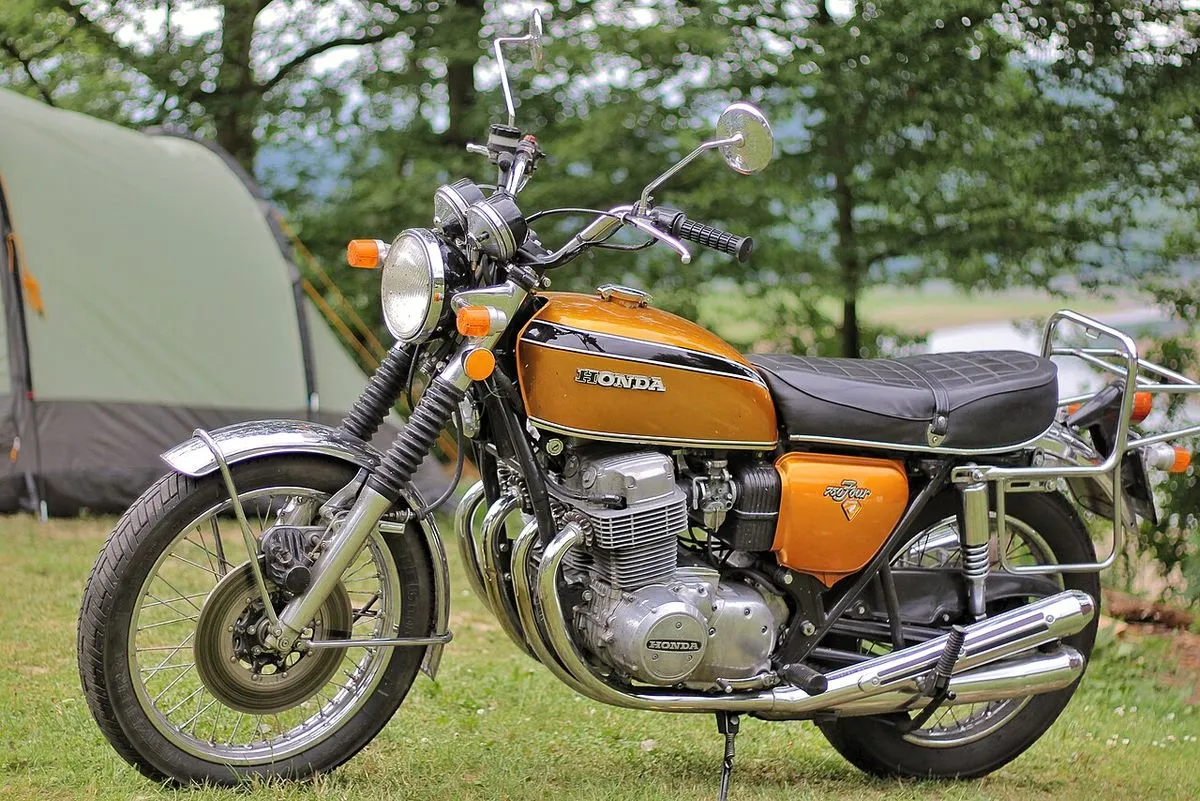
1969 Honda CB750
1969-1978
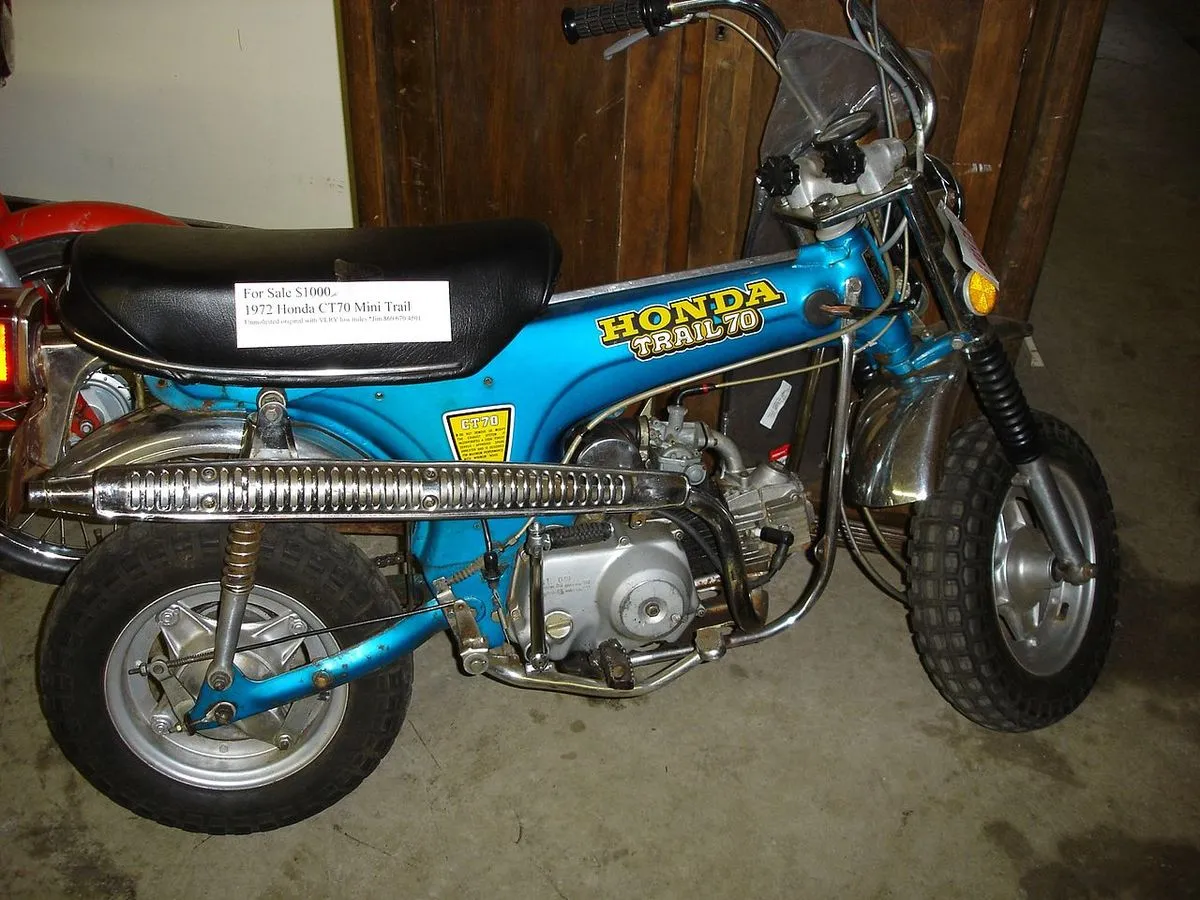
1974 Honda CT70 Trail
1969-1994
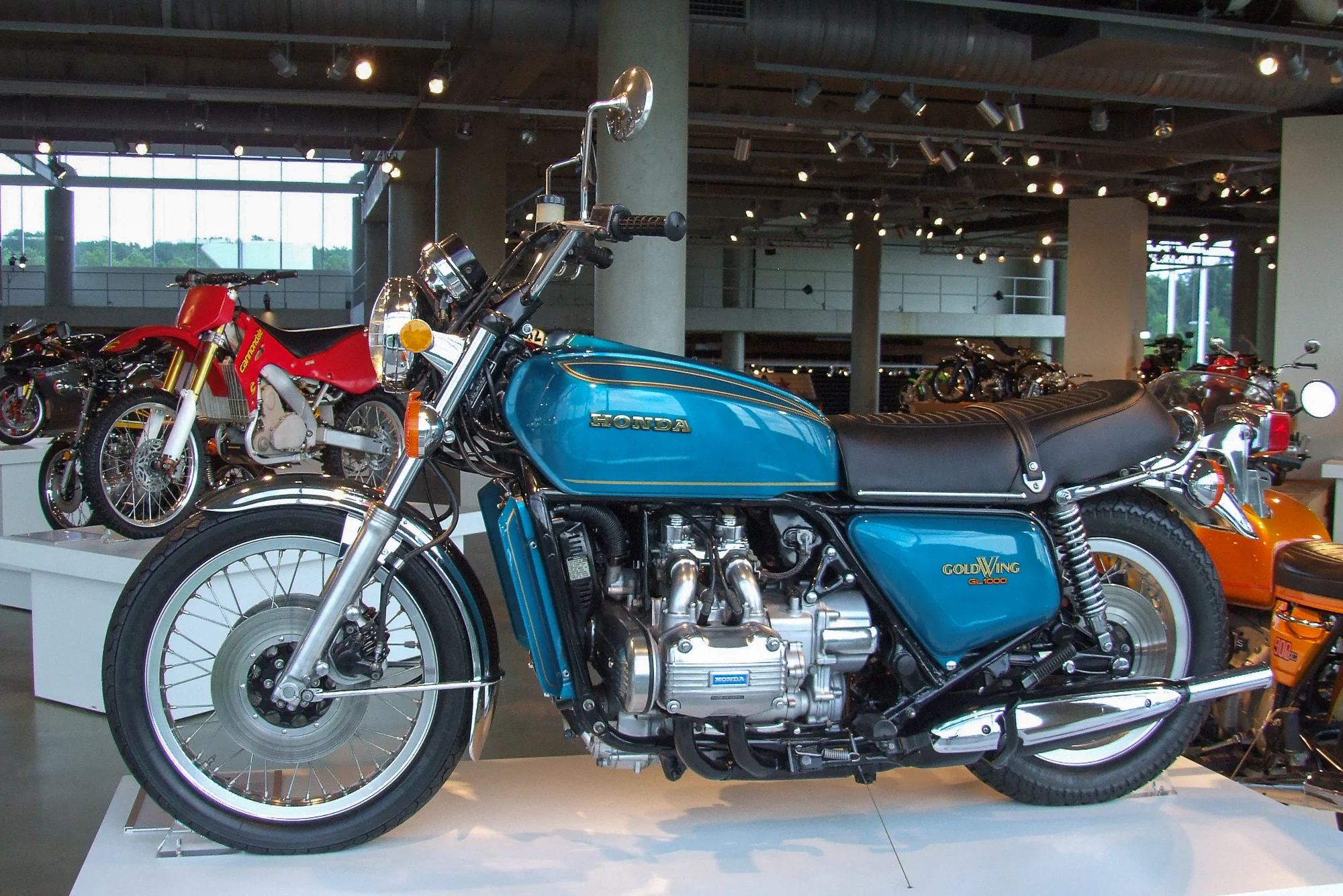
1975 Honda Gold Wing GL1000
1975-1979
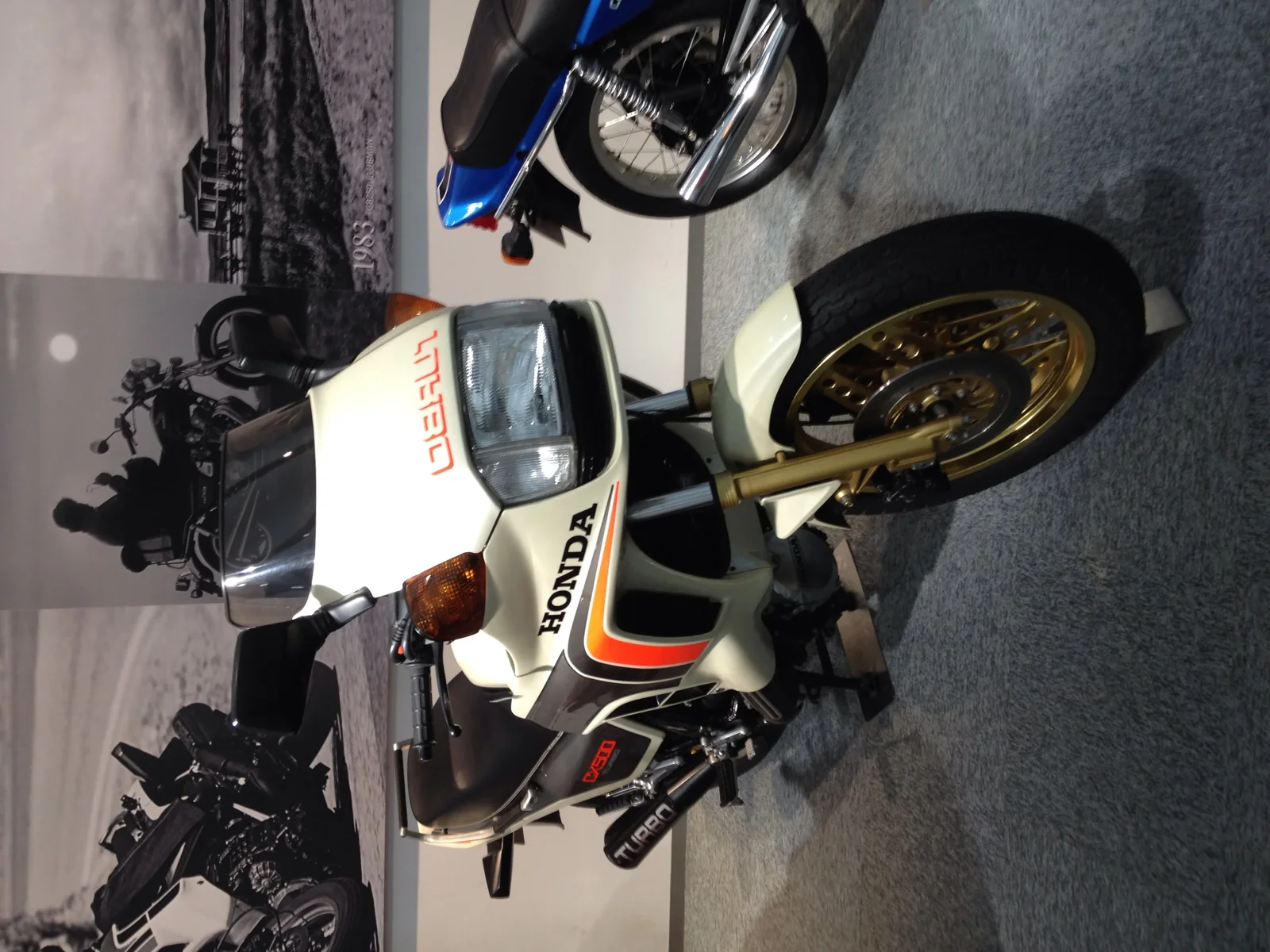
1982 Honda CX500 Turbo
1982-1983
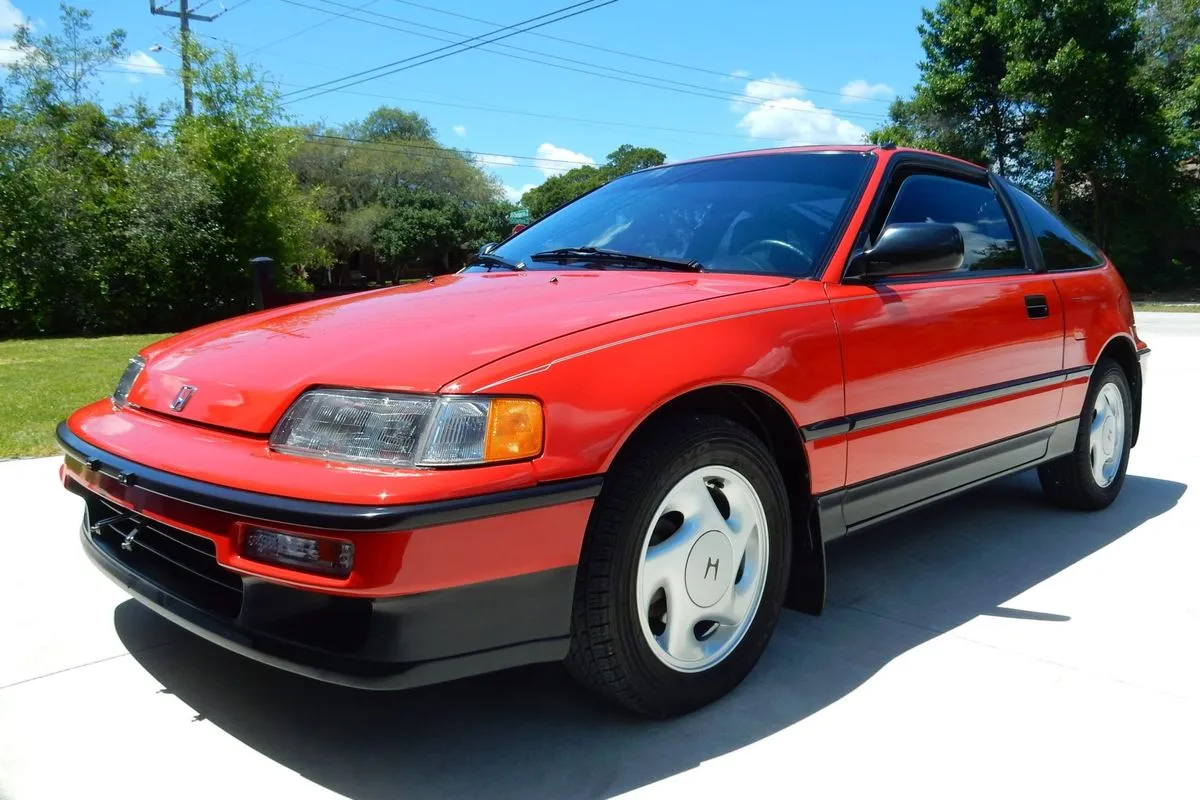
1990 Honda CRX Si
1988-1991