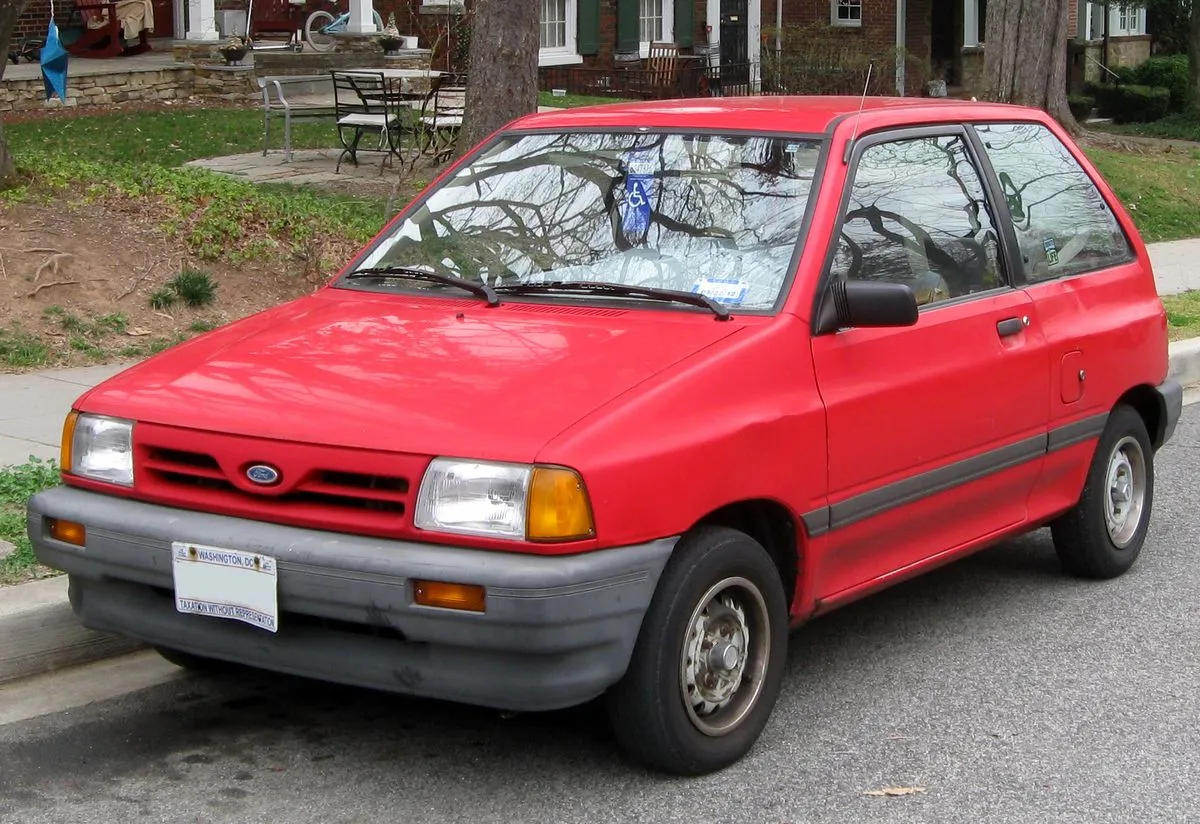
Why this vehicle matters
The Festiva is transportation reduced to its absolute essence. Built by Kia, engineered by Mazda, sold by Ford — a globalized economy before anyone used that word. It's slow. It's tinny.
The three-speed automatic is basically two gears and a suggestion. But it weighs nothing, sips fuel, and will get you from A to B forever if you do basic maintenance.
For kids learning to drive, this was perfect: nothing to break, nothing to race, just honest transportation that taught you how cars work.
Patina notes
My son learned to drive on one of these. Three-speed manual, no passenger mirror, Virginia historic tags. The Festiva wears its age on its sleeve. Paint fades to a dusty version of its original color. Interior plastics get brittle.
The manual windows and locks never break because there's nothing to break. It's honest in a way modern cars can't be. Let it look its age.
Ownership reality
This is the ultimate beater. The Mazda B3 engine is dead simple and reliable. Parts are getting scarce, but you can adapt Mazda 323 components. The manual transmission is the only real choice — the 3-speed auto saps what little power exists.
Rust is the enemy in cold climates. Keep it running and it'll serve for decades. It won't be pretty. It doesn't need to be.
The verdict
Buy if
You need cheap reliable transportation. You're teaching someone to drive. You appreciate honest, simple machines.
Skip if
You need to merge onto a highway quickly. You care about crash safety ratings. You want any sort of status symbol.
What to look for
- → Rust everywhere (especially rocker panels and floors)
- → Clutch cable condition (manual trans)
- → CV joints (they wear)
- → Timing belt service history
- → Electrical simplicity (not much to fail)
- → Suspension bushings (cheap to replace)
Common problems
- ⚠ Rust (primary cause of death)
- ⚠ CV joint wear (clicking in turns)
- ⚠ Clutch cable stretching (manual)
- ⚠ Distributor cap cracks with age
- ⚠ Door hinges sag on high-mileage cars
- ⚠ Heater core leaks
Parts & community
Parts sources
- RockAuto (limited but available)
- Mazda 323 parts (many interchange)
- eBay (used parts)
- Facebook Festiva groups
- Pick-n-Pull (if you can find one)
Forums & communities
- FestivaFan.com (archived but useful)
- Facebook Festiva groups
- Reddit r/festiva (small community)
Sources
- Personal ownership (son's first car) · 2026-02-02
Specifications
| Engine | 1.3L Mazda B3 inline-4 |
| Power | 63 hp @ 5,000 rpm |
| Torque | 73 lb-ft @ 3,500 rpm |
| Transmission | 4-speed manual / 5-speed manual / 3-speed auto |
| Drivetrain | FWD |
| Weight | 1,700-1,800 lbs |
| Wheelbase | 90.2 inches |
| Production | Built by Kia for Ford (badge engineering) |
Notable Features
- • Mazda engine, Kia body, Ford badge
- • Under 1,800 lbs
- • 40+ mpg easily achievable
- • Surprisingly good visibility
About Ford
The company that put America on wheels. From the Model T to the Mustang, Ford defined American automotive culture.
View all Ford vehicles →Find one
Looking to buy? Search current and past listings on Bring a Trailer.
Search on Bring a Trailer →More from Ford
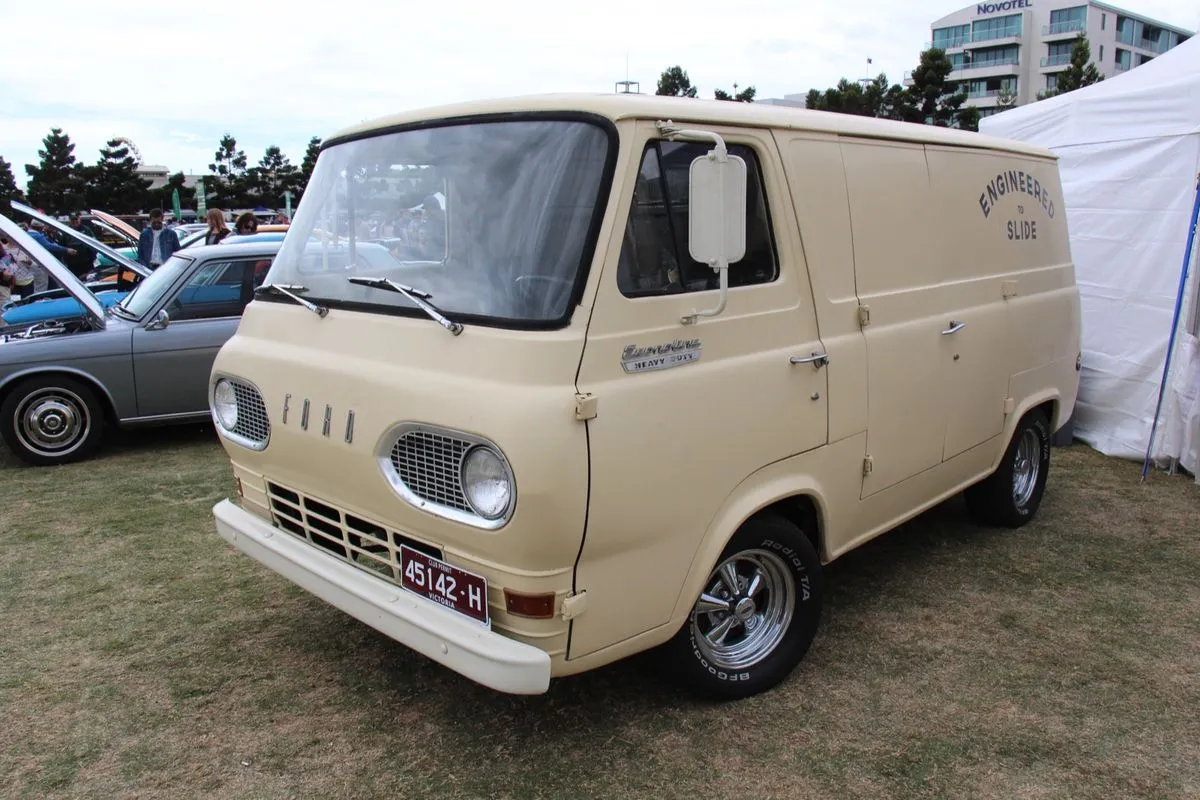
1964 Ford Econoline
1961-1967
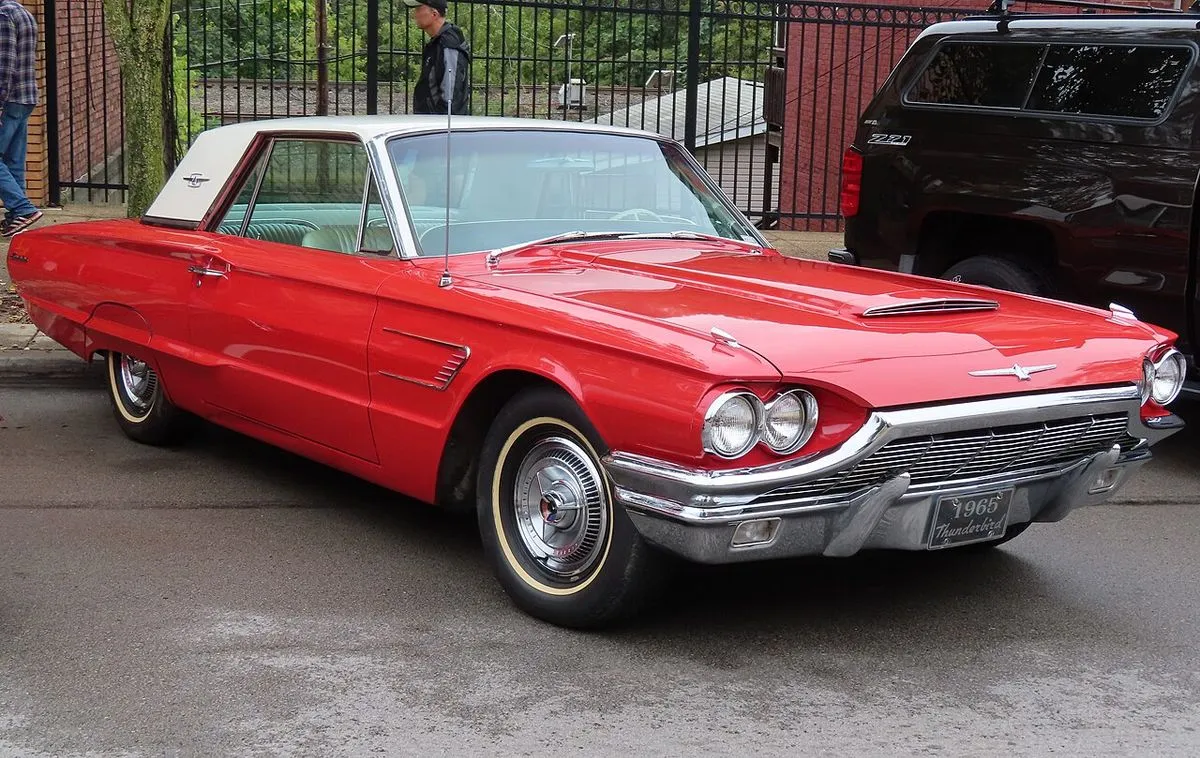
1965 Ford Thunderbird
1964-1966
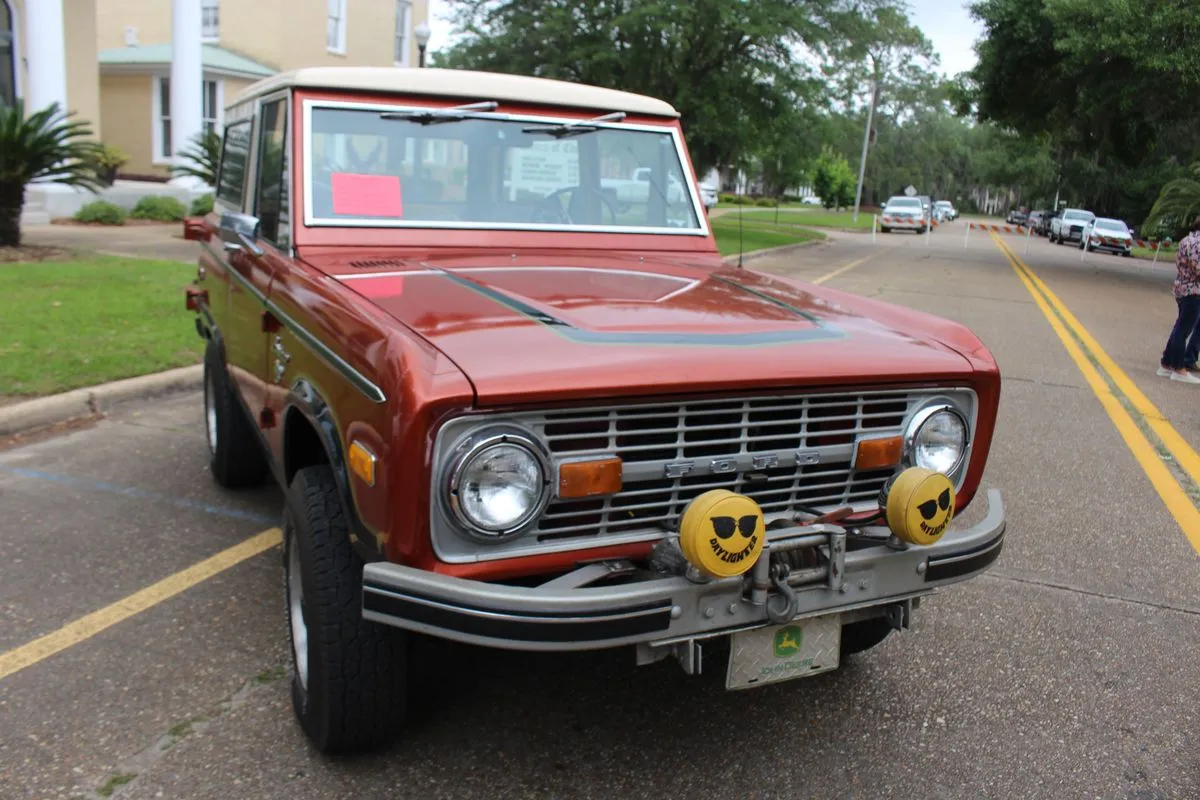
Ford Bronco (First Generation)
1966-1977
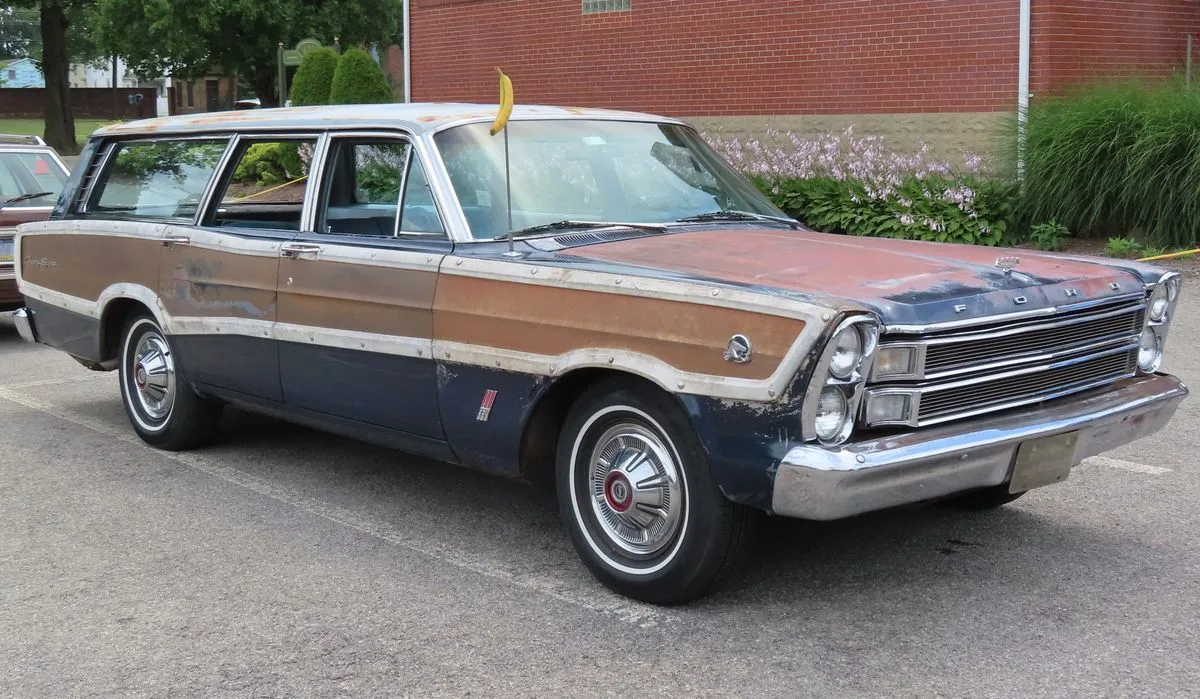
1966 Ford Country Squire
1965-1968
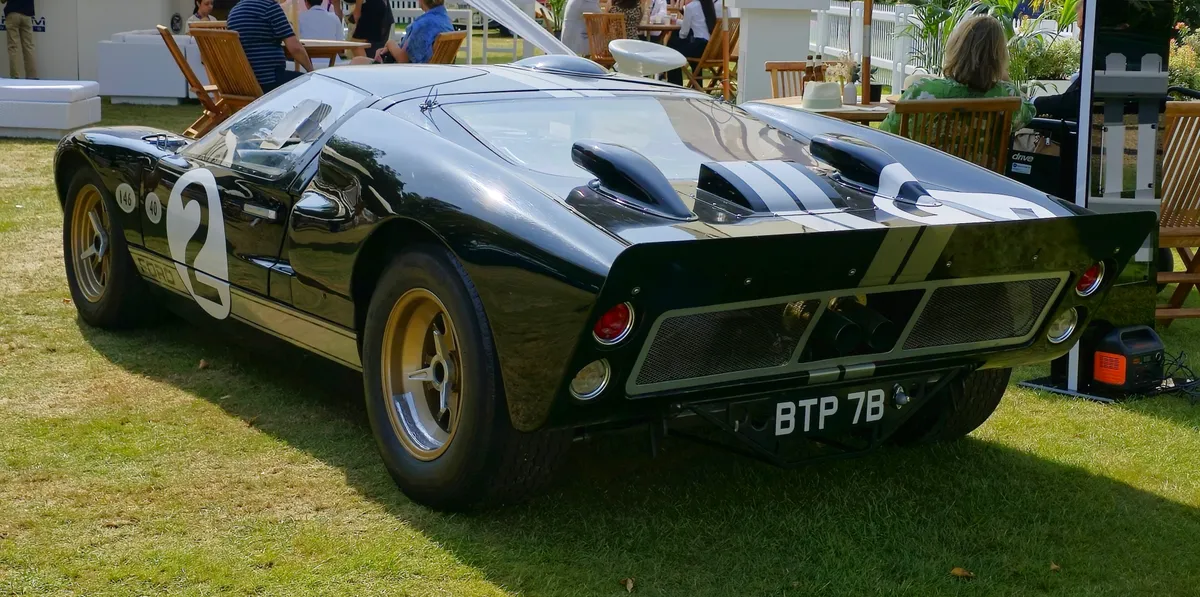
1966 Ford GT40
1964-1969
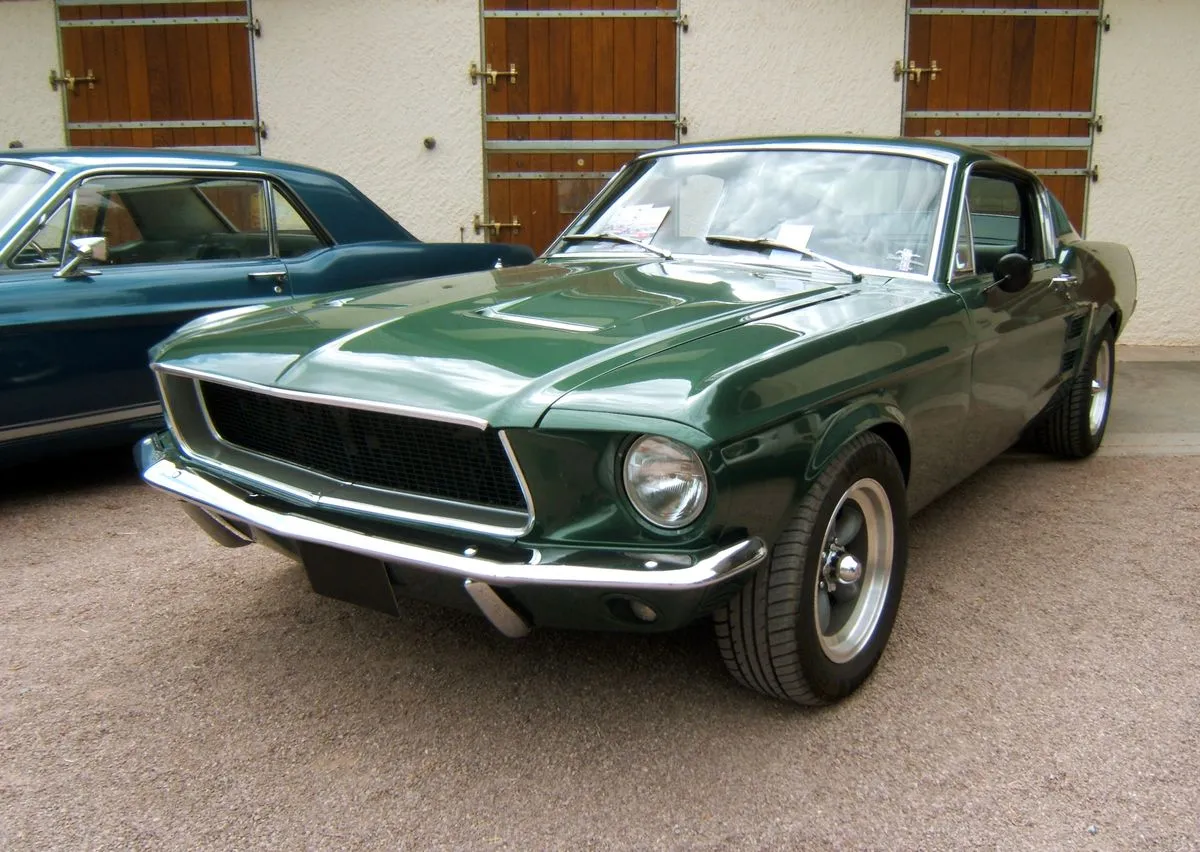
1967 Ford Mustang Fastback
1967-1968
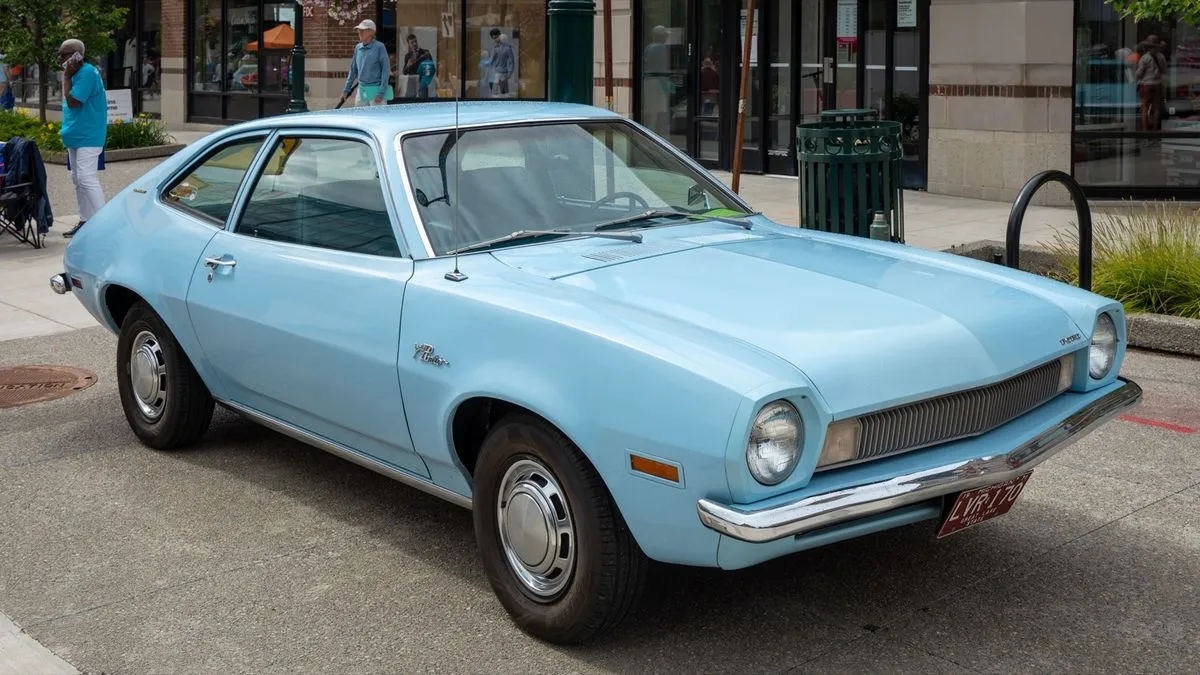
1971 Ford Pinto
1971-1980
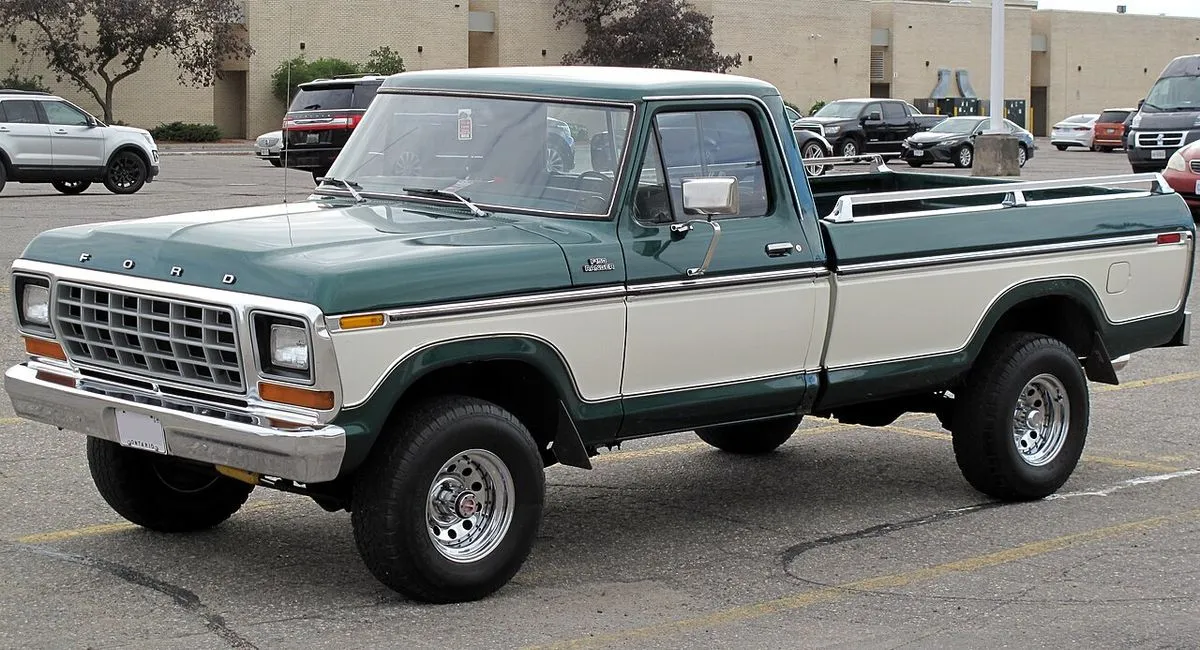
1967-1979 Ford F-100/F-150
1967-1979
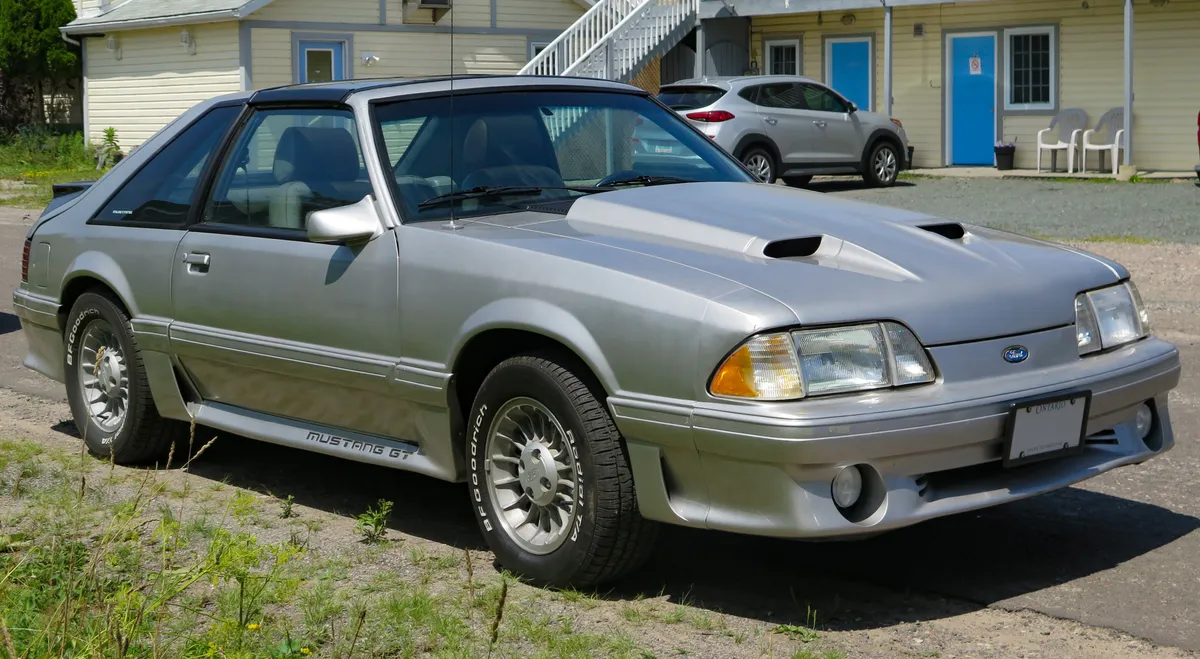
1989 Ford Mustang 5.0
1987-1993
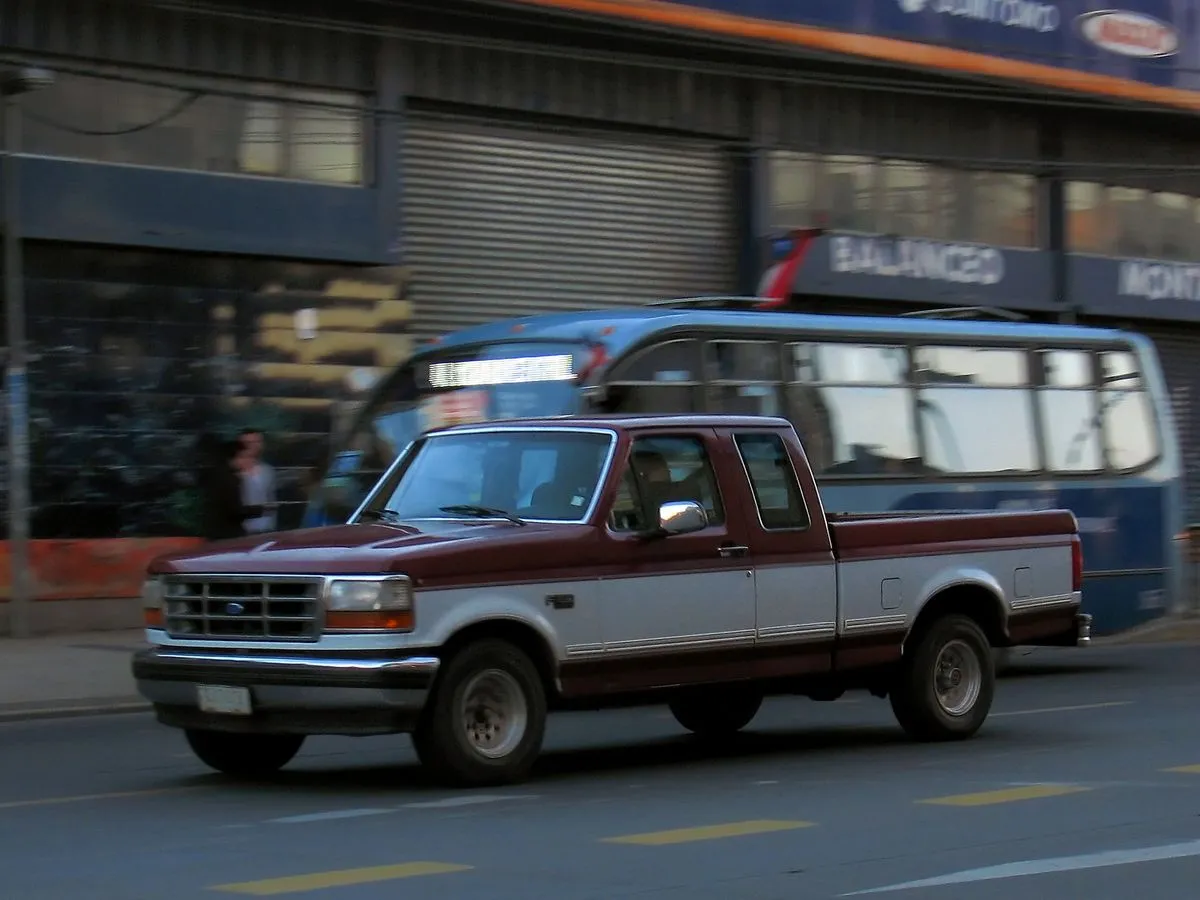
1993 Ford F-150 XLT Lariat
1987-1996
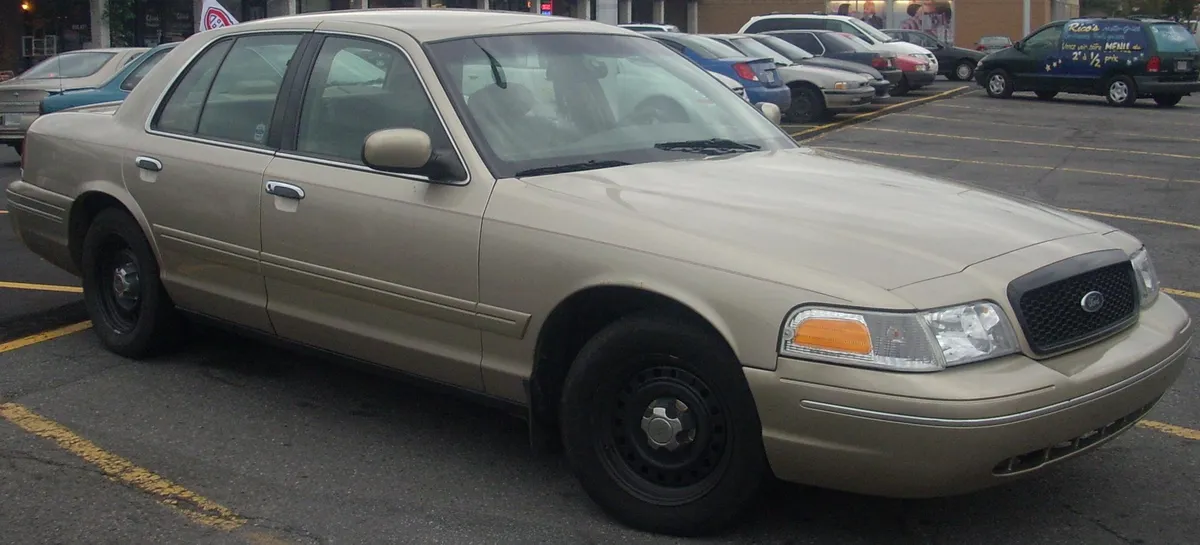
1999 Ford Crown Victoria
1992-2011