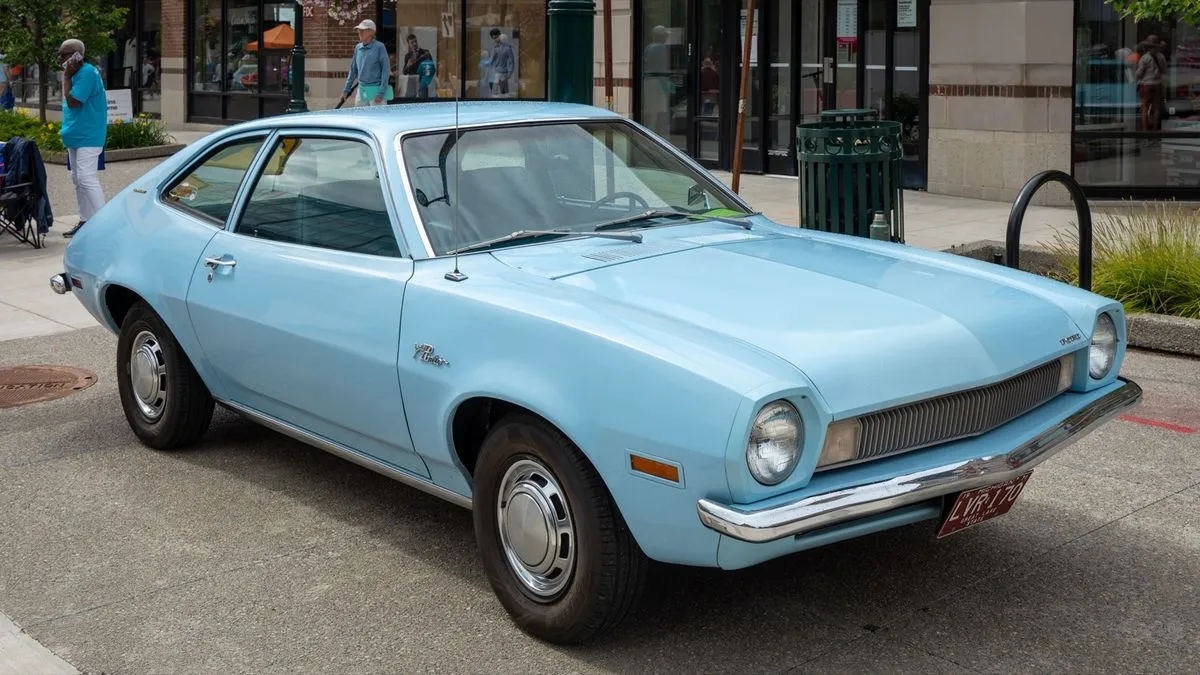
Why this vehicle matters
The Pinto is forever associated with its fuel tank scandal — Ford's calculated decision that paying wrongful death settlements was cheaper than fixing the design. That scandal defined automotive ethics debates for decades.
But before that, the Pinto was just Ford's answer to the import invasion. It was cheap, efficient, and sold millions. The car itself was adequate transportation for people who needed adequate transportation. The scandal shouldn't define the car, but it's impossible to separate them.
Patina notes
Pintos that survived are rare simply because most were driven until they fell apart. The unibody construction rusts predictably. These weren't collector cars until recently — survivors exist because someone couldn't afford to replace them.
A Pinto with honest wear tells a story about working-class America in the '70s. They're artifacts of an era.
Ownership reality
The 2.3L four-cylinder became Ford's Ranger/Mustang II engine — parts are available. The earlier engines are more obscure. The fuel tank issue can be addressed with aftermarket solutions if it bothers you.
These are simple cars to work on, with no electronics to speak of. Find one that hasn't rusted away and you'll have a quirky conversation piece that actually runs.
The verdict
Buy if
You want to own a piece of controversial automotive history. You appreciate simple, honest transportation. You're comfortable explaining the fuel tank story.
Skip if
You can't separate the car from the scandal. You need anything approaching modern safety. You want a car people admire.
What to look for
- → Rust in floor pans and rockers
- → Fuel tank condition and mounting
- → Engine condition (2.3L preferred)
- → Unibody damage
- → Interior condition
- → Rear suspension mounting points
Common problems
- ⚠ Rust everywhere (standard 1970s Ford)
- ⚠ Carburetor issues (2.0L and 2.3L)
- ⚠ Distributor wear
- ⚠ Cooling system failures
- ⚠ Suspension bushing deterioration
- ⚠ Drum brake inadequacy
Parts & community
Parts sources
- RockAuto (2.3L engine parts)
- eBay (Pinto-specific)
- LMC Truck (some crossover)
- Ford Parts network (limited)
- Pinto club swap meets
Forums & communities
- Pinto.org
- Ford Muscle Forums
- Facebook Pinto groups
- Hemmings forums
Sources
- Hagerty Valuation Tools · 2026-02-02
Specifications
| Engine | 1.6L Kent inline-4 / 2.0L OHC inline-4 / 2.3L OHC inline-4 |
| Power | 75-100 hp depending on engine and year |
| Torque | 85-120 lb-ft |
| Transmission | 4-speed manual / 3-speed auto |
| Drivetrain | RWD |
| Weight | 2,000-2,400 lbs |
| Wheelbase | 94 inches |
| Production | Sold over 3 million units despite controversy |
Notable Features
- • First Ford subcompact
- • European-derived engines
- • Available as sedan, hatchback, wagon
- • Infamous fuel tank placement
About Ford
The company that put America on wheels. From the Model T to the Mustang, Ford defined American automotive culture.
View all Ford vehicles →Find one
Looking to buy? Search current and past listings on Bring a Trailer.
Search on Bring a Trailer →More from Ford
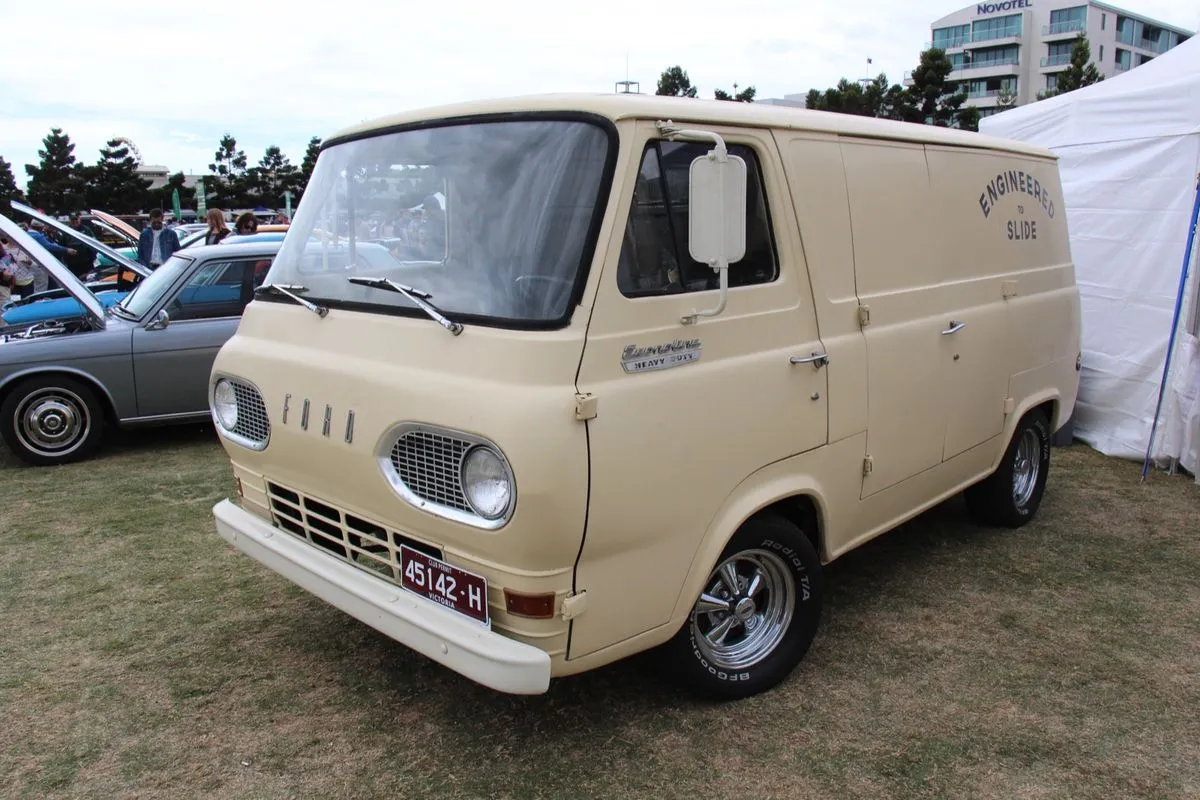
1964 Ford Econoline
1961-1967
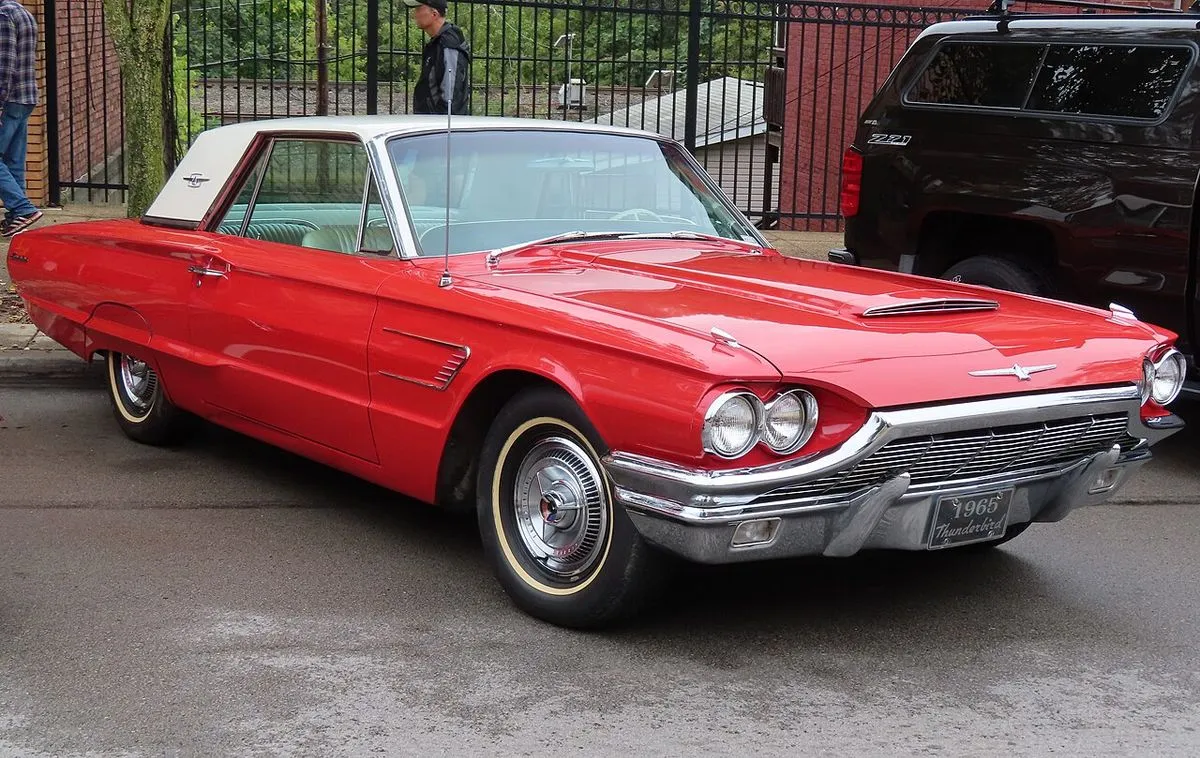
1965 Ford Thunderbird
1964-1966
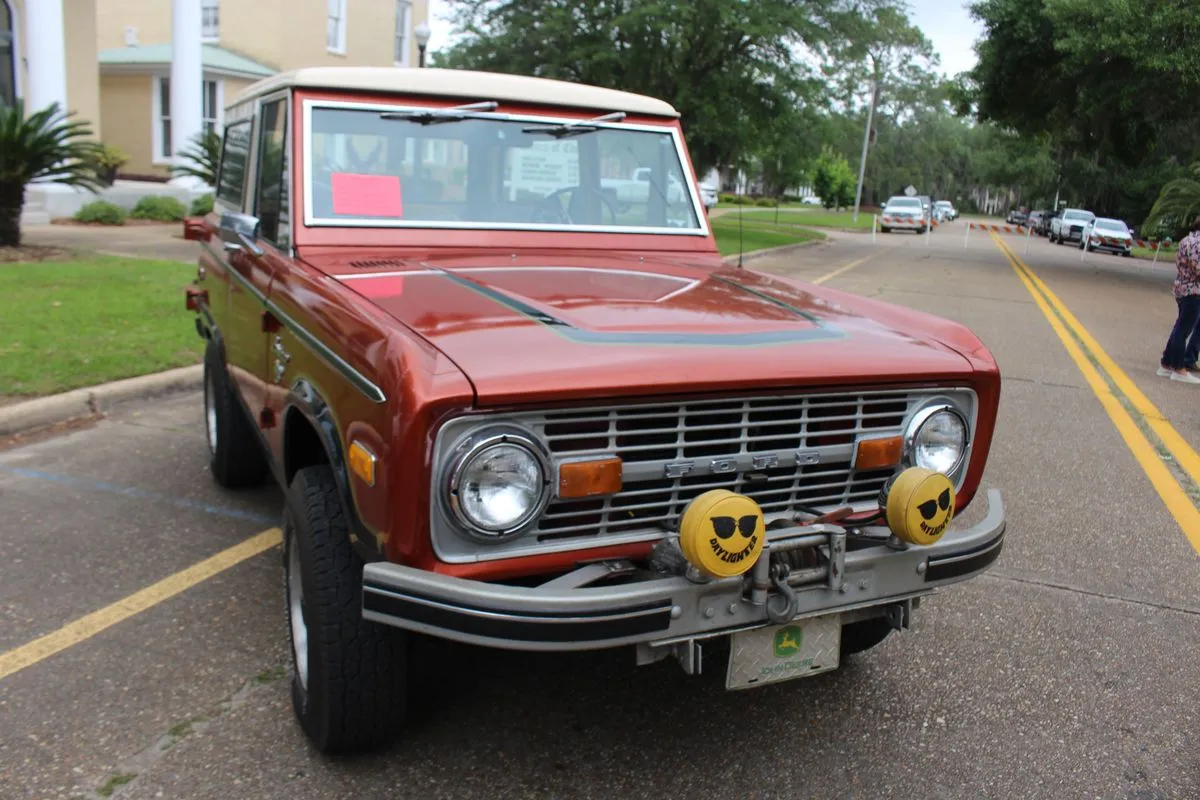
Ford Bronco (First Generation)
1966-1977
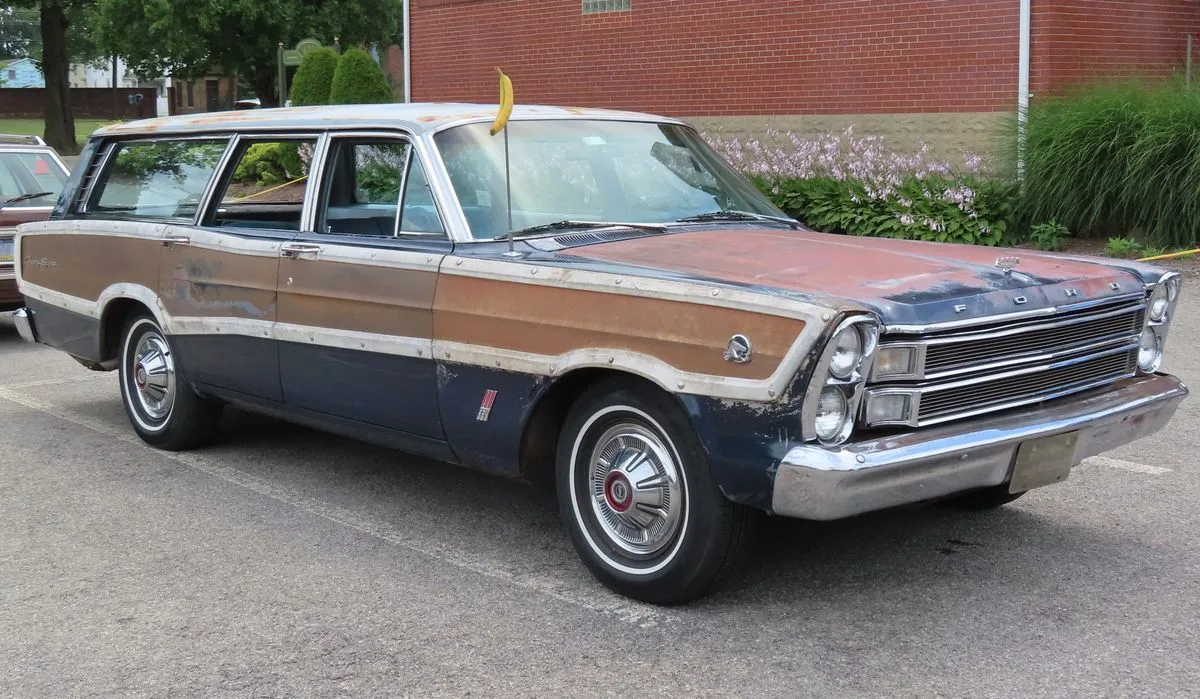
1966 Ford Country Squire
1965-1968
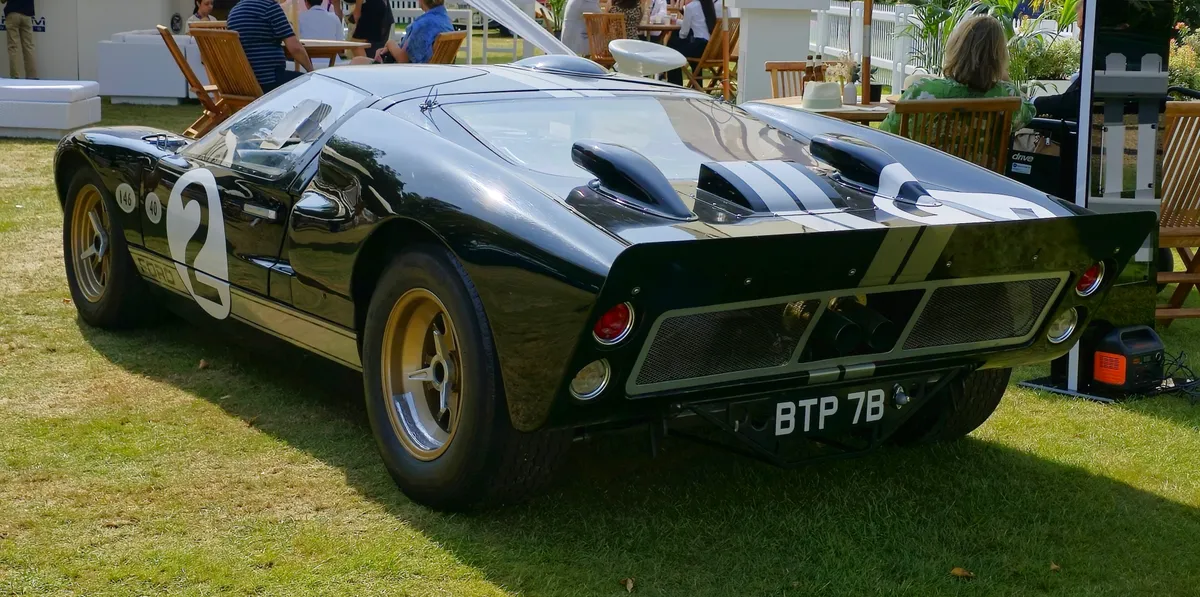
1966 Ford GT40
1964-1969
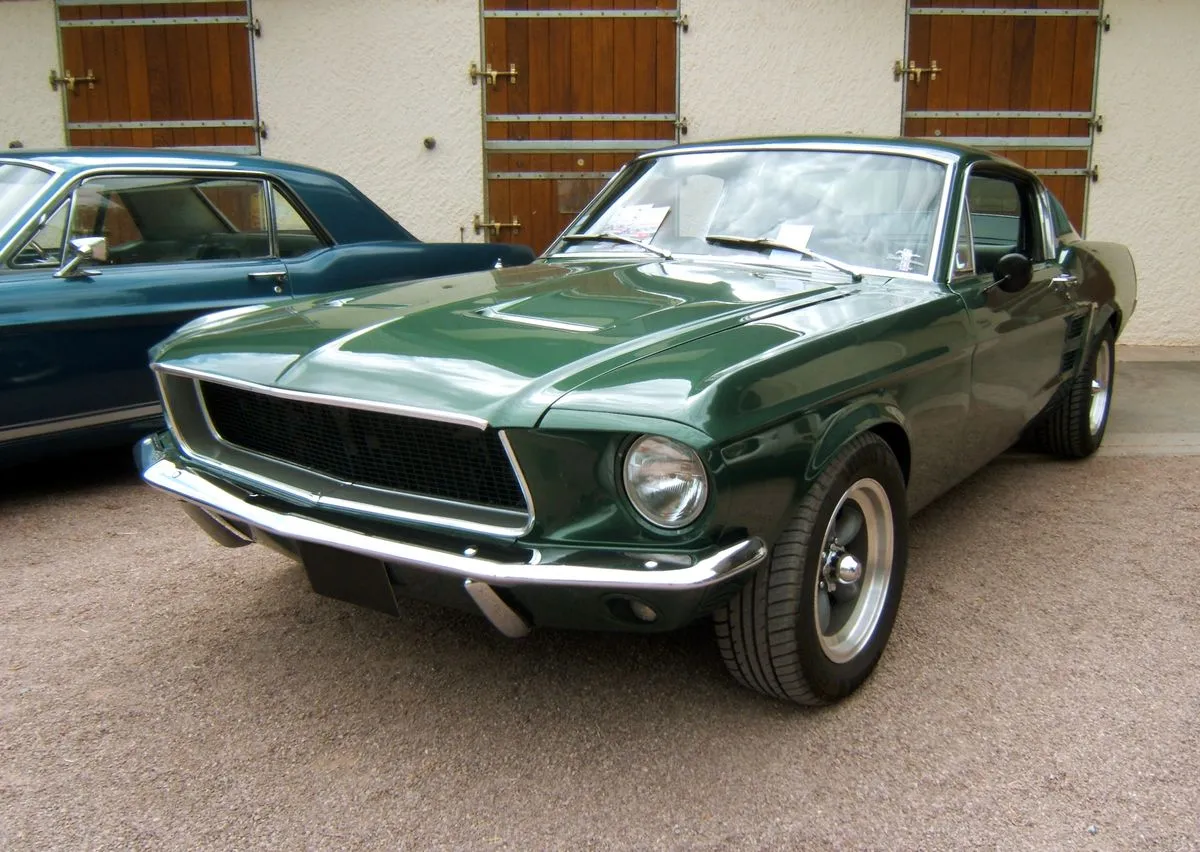
1967 Ford Mustang Fastback
1967-1968
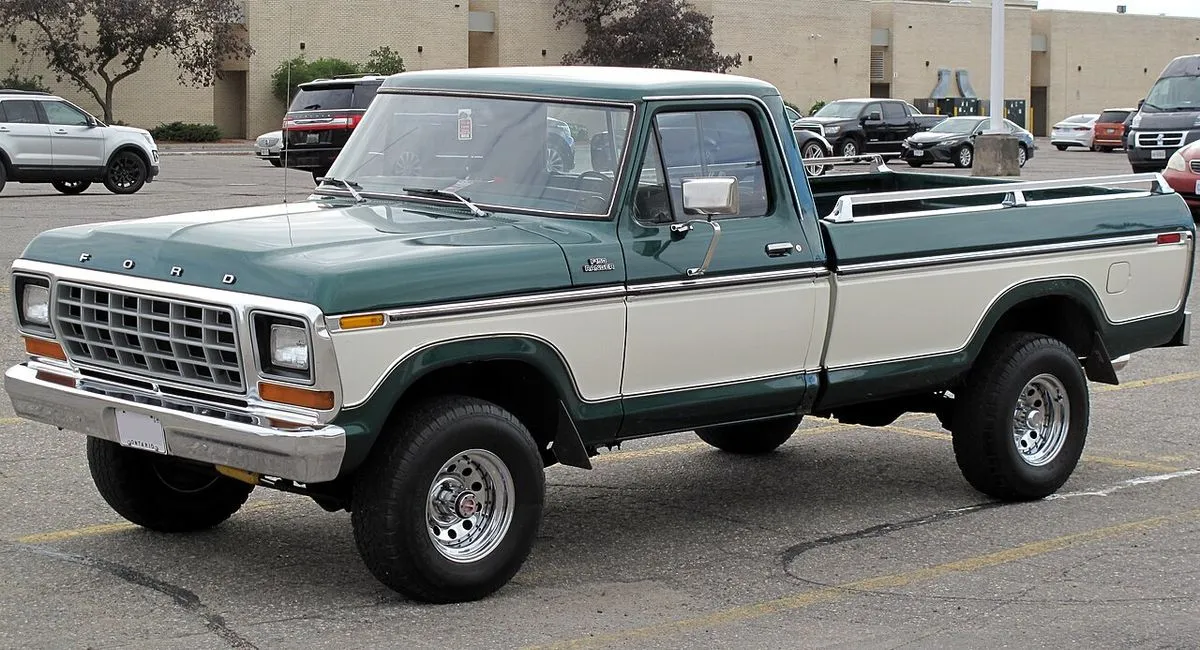
1967-1979 Ford F-100/F-150
1967-1979
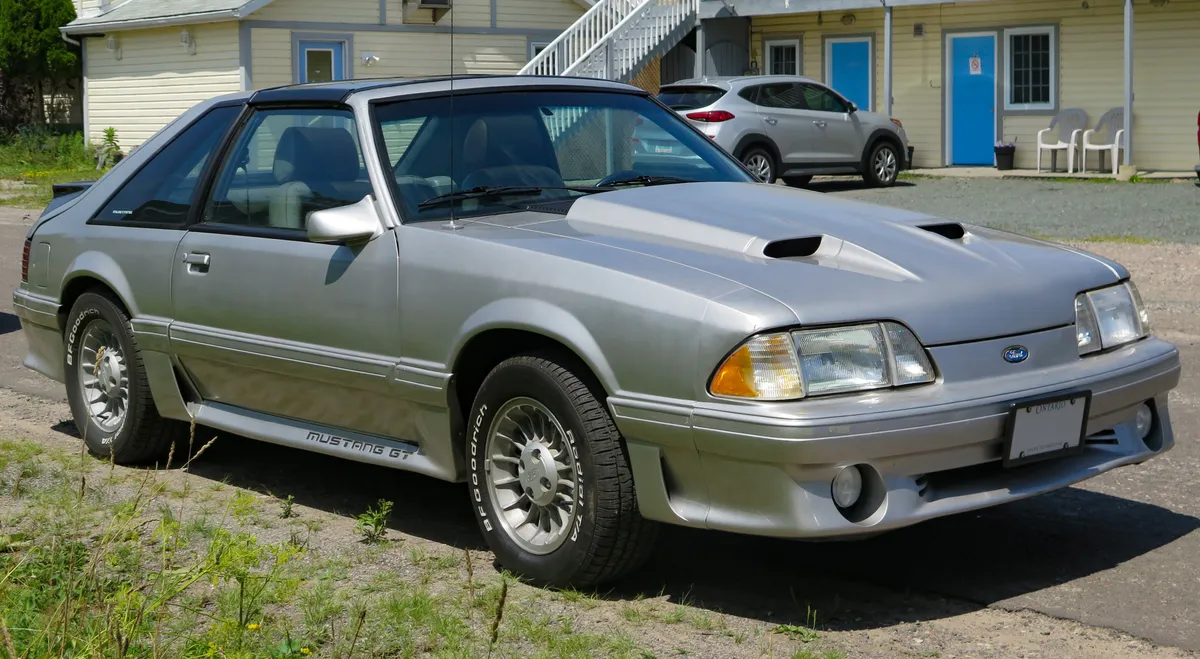
1989 Ford Mustang 5.0
1987-1993
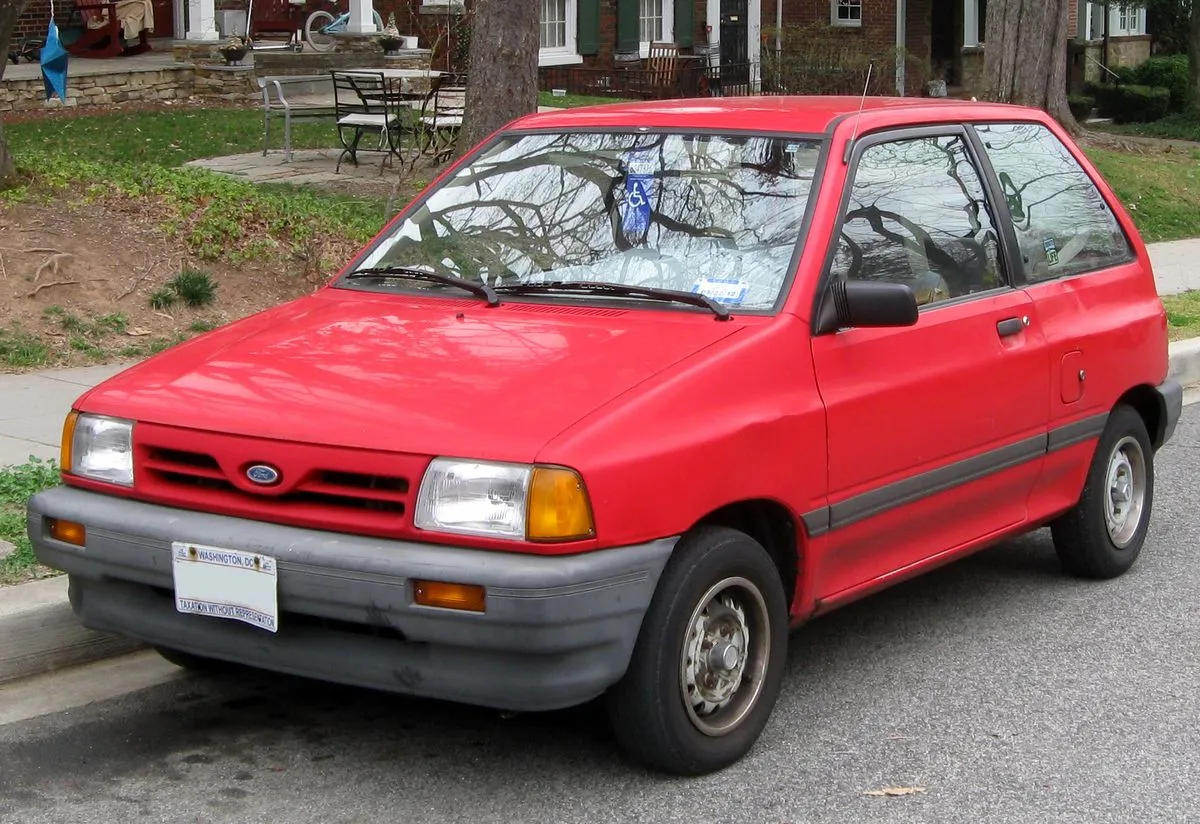
1992 Ford Festiva
1988-1993
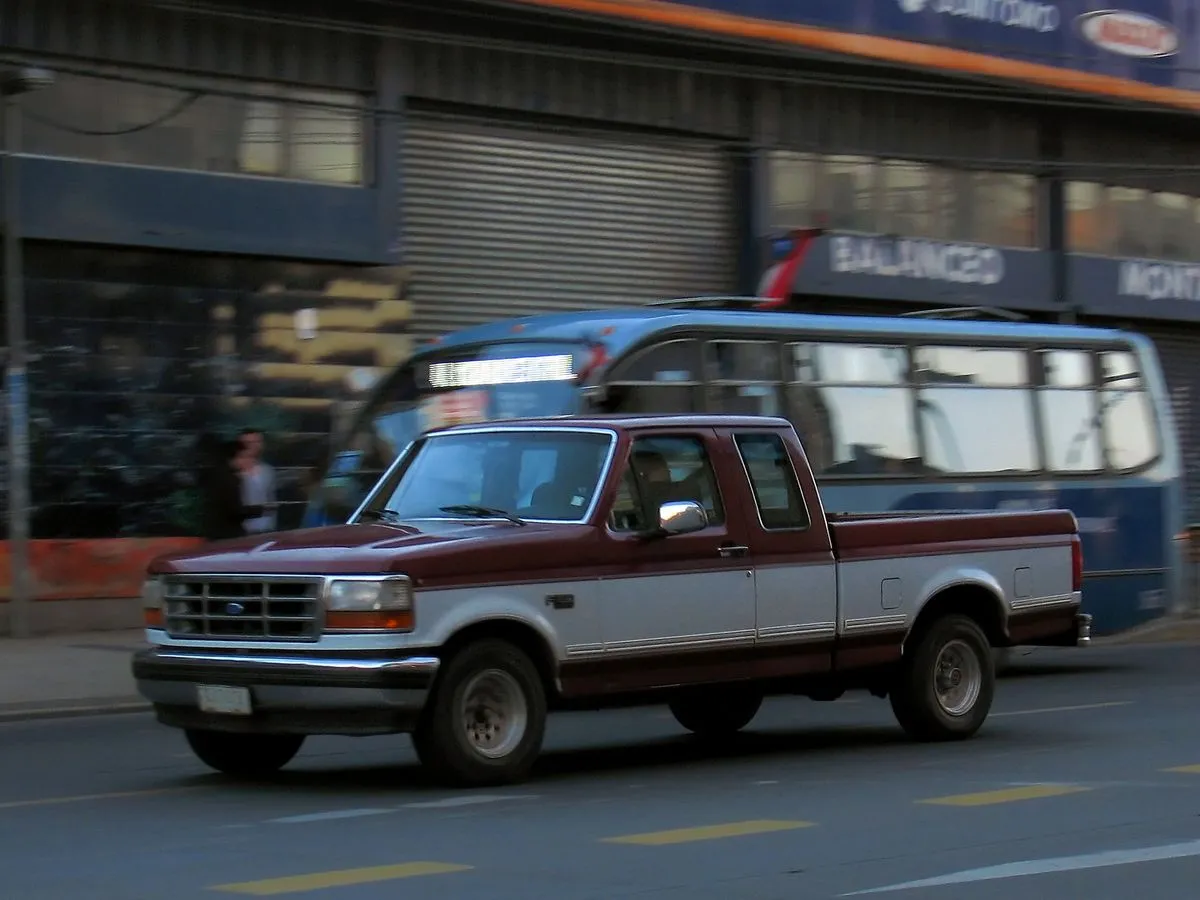
1993 Ford F-150 XLT Lariat
1987-1996
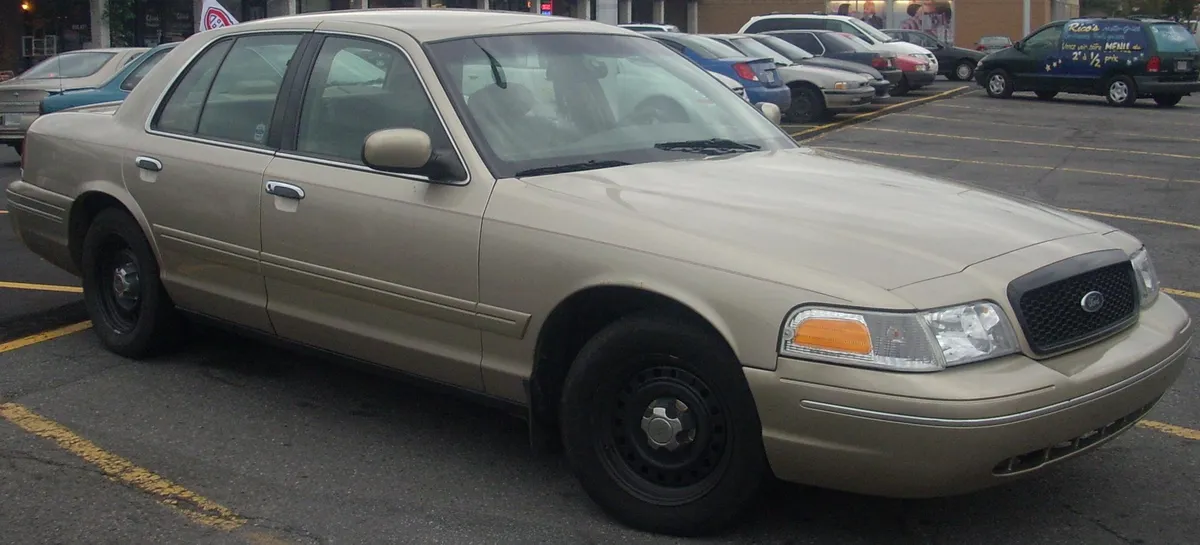
1999 Ford Crown Victoria
1992-2011