Why this vehicle matters
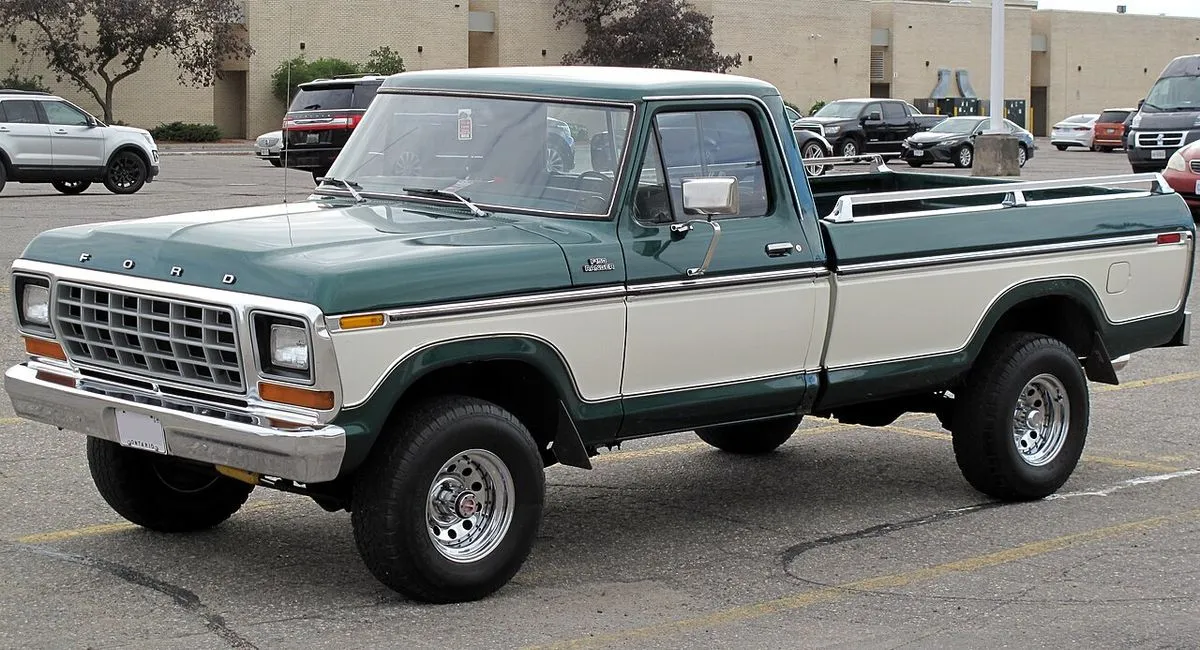
The fifth and sixth generation Ford F-Series trucks represent Ford's transition from work truck to lifestyle vehicle. The 1967-72 'Bumpside' trucks have clean styling that's highly collectible today.
The 1973-79 'Dentside' trucks added the character line down the bodyside and a more comfortable cab. The 300 cubic inch inline-6 became legendary for bulletproof reliability — many have crossed 500,000 miles with basic maintenance.
The F-150 designation appeared in 1975, eventually becoming America's best-selling vehicle for decades. These trucks were built to work, and the survivors are either still working or treasured for their simplicity.
Patina notes
The fifth and sixth-gen F-Series trucks age beautifully. Original two-tone schemes with Wimbledon White, Candy Apple Red, or Ford Blue develop honest patina. The chrome bumpers are substantial and rechrome well.
Watch for rust in the cab corners, rocker panels, and bed floor — especially around the wheel wells. The Bumpside trucks (1967-72) are generally more valuable than the Dentside (1973-79), though nice examples of both command premiums. The 4x4 trucks have become especially sought-after.
Ownership reality
These trucks share much with the car platform of the era — the 302 and 351 engines are the same as Mustangs and other Fords, making parts abundant. The C6 automatic transmission is bulletproof.
The 300 inline-6 is the most reliable engine Ford ever made. LMC Truck and Dennis Carpenter have complete catalogs. The trucks are simple to service and most repairs can be done in a home garage.
The Twin I-Beam front suspension is controversial — purists love it, handling enthusiasts often swap in modern IFS or solid axle setups.
The verdict
Buy if
You want Ford's version of the classic American truck. You appreciate the 300 inline-6's legendary durability. You want something that can still haul and tow while looking cool.
Skip if
You want Chevy-level parts interchangeability. You need modern fuel economy. You're not prepared for the quirks of 1970s engineering.
What to look for
- → Cab corners rust (both sides, both generations)
- → Rocker panels and door bottoms
- → Bed floor rust, especially at wheel wells
- → Frame rust at body mounts and spring hangers
- → 300 I6 or 302 V8 — both are excellent
- → Twin I-Beam front end wear (ball joints, radius arms)
- → Transfer case and front axle condition (4x4 models)
Common problems
- ⚠ Cab corner rust is nearly universal
- ⚠ Door hinge pins wear causing sag
- ⚠ Power steering box leaks
- ⚠ Carburetor issues with ethanol fuel
- ⚠ Fuel tank selector valve problems (dual tank trucks)
- ⚠ Speedometer cable breaks
Parts & community
Parts sources
- LMC Truck
- Dennis Carpenter Ford Restoration Parts
- National Parts Depot (NPD)
- MAC's Auto Parts
- CJ Pony Parts
Forums & communities
- Ford Truck Enthusiasts
- FordF150.net
- Vintage Ford Truck
- BumpSide.com
Sources
- Hagerty Valuation Tools · 2026-02-01
- Bring a Trailer auction results · 2026-02-01
Specifications
| Engine | 240 I6 / 300 I6 / 302 V8 / 351 V8 / 390 V8 / 460 V8 |
| Power | 150-245 hp |
| Torque | 215-380 lb-ft |
| Transmission | 3-speed manual / 4-speed manual / C6 auto |
| Drivetrain | RWD (F-100) / 4WD (F-150, 1975+) |
| Weight | 3,600-5,000 lbs |
| Wheelbase | 115-155 inches |
| Production | Millions |
Notable Features
- • Bumpside (1967-72) and Dentside (1973-79) styling
- • Twin I-Beam front suspension (2WD)
- • F-150 designation started 1975
- • 300 I6 is legendary for durability
About Ford
The company that put America on wheels. From the Model T to the Mustang, Ford defined American automotive culture.
View all Ford vehicles →Find one
Looking to buy? Search current and past listings on Bring a Trailer.
Search on Bring a Trailer →More from Ford
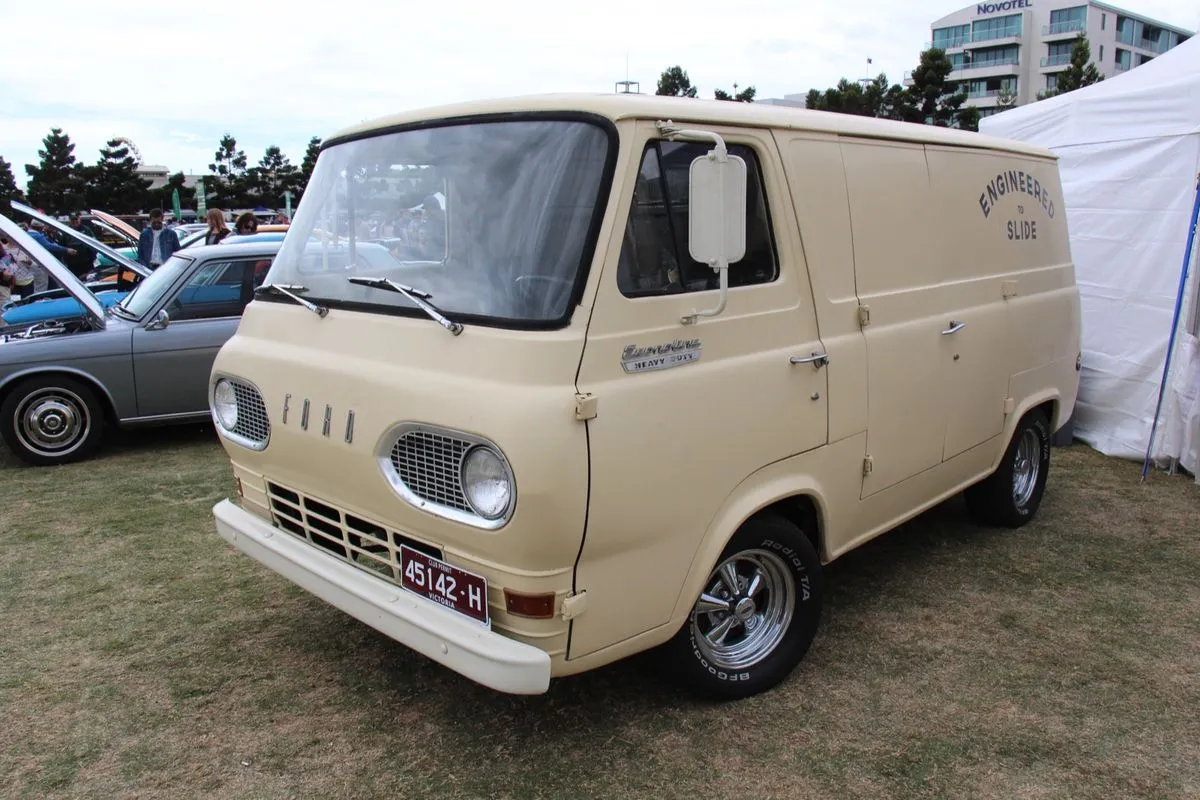
1964 Ford Econoline
1961-1967
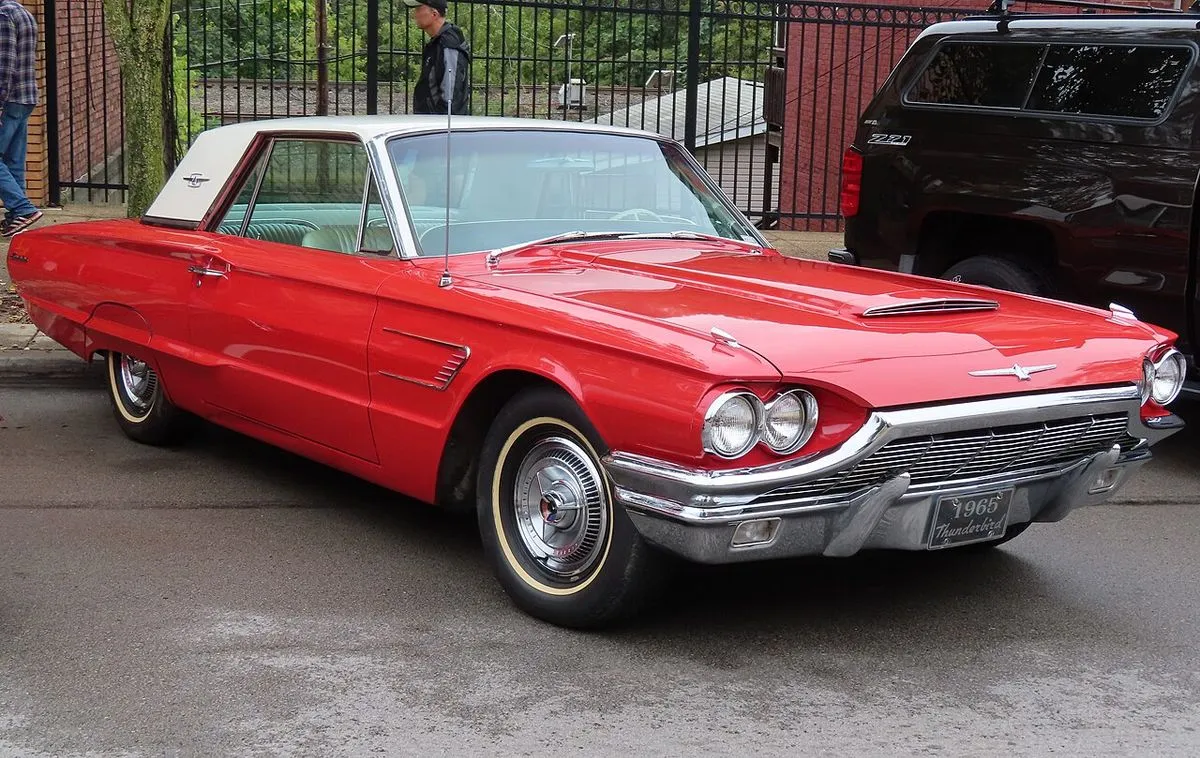
1965 Ford Thunderbird
1964-1966
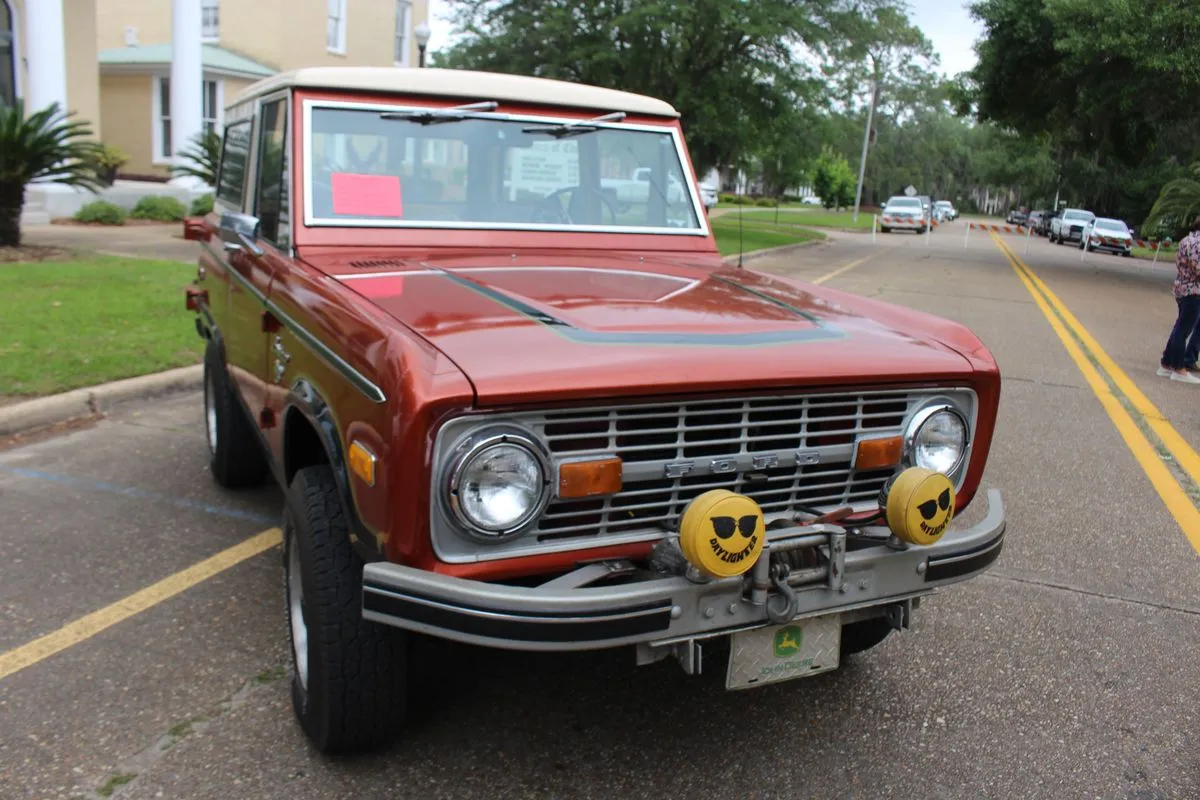
Ford Bronco (First Generation)
1966-1977
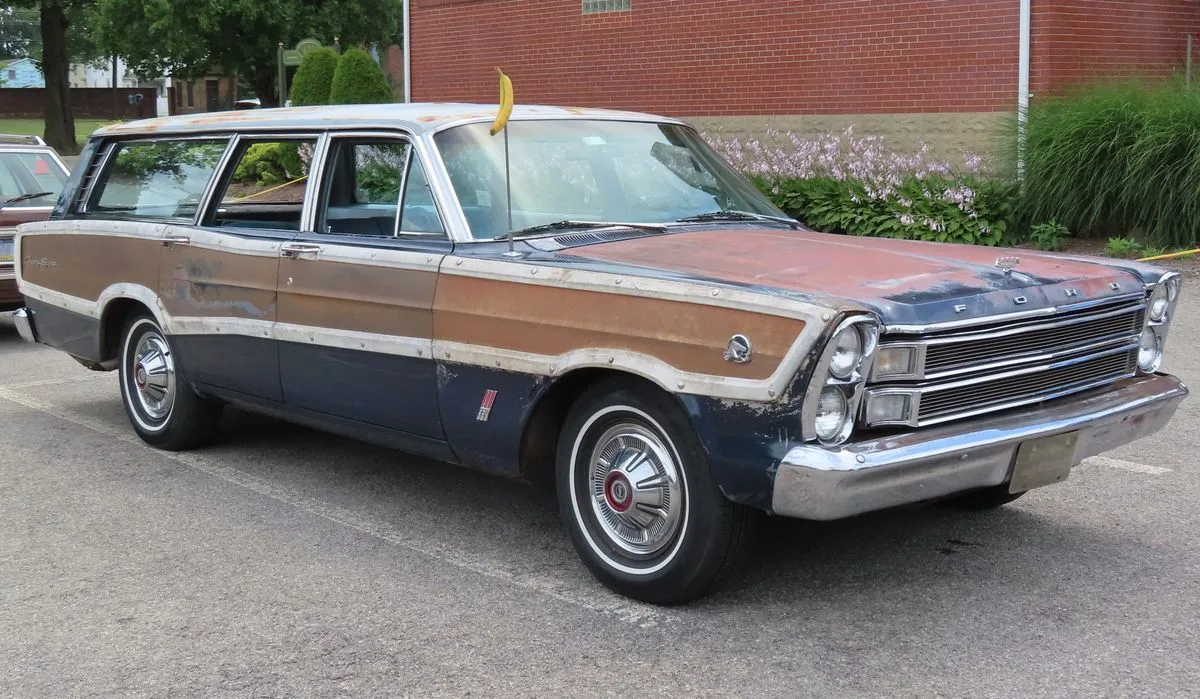
1966 Ford Country Squire
1965-1968
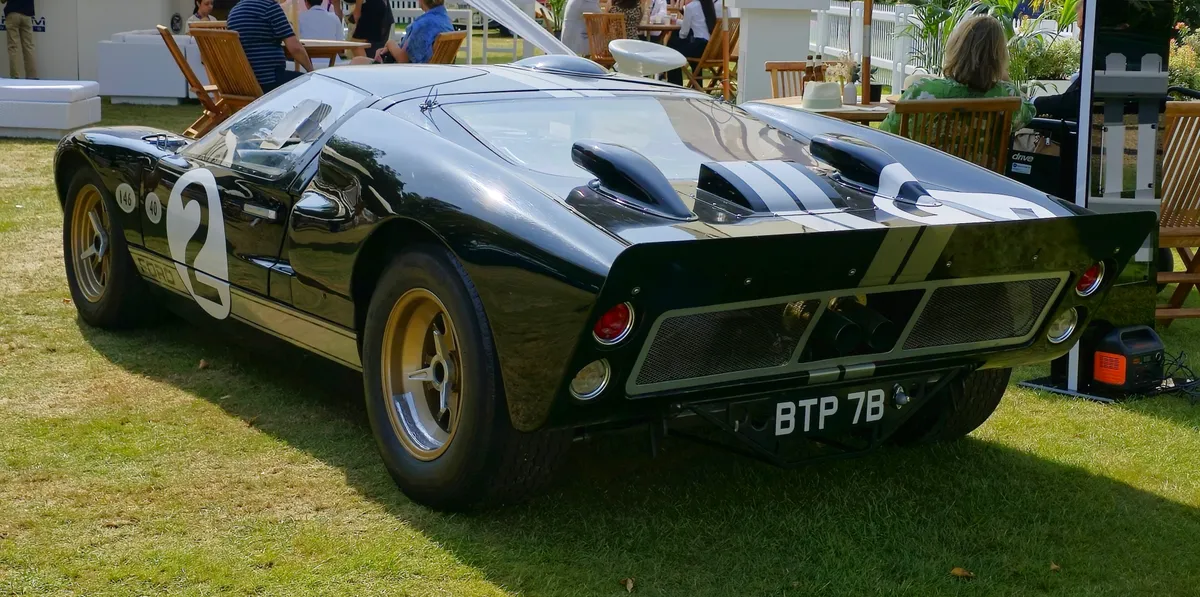
1966 Ford GT40
1964-1969
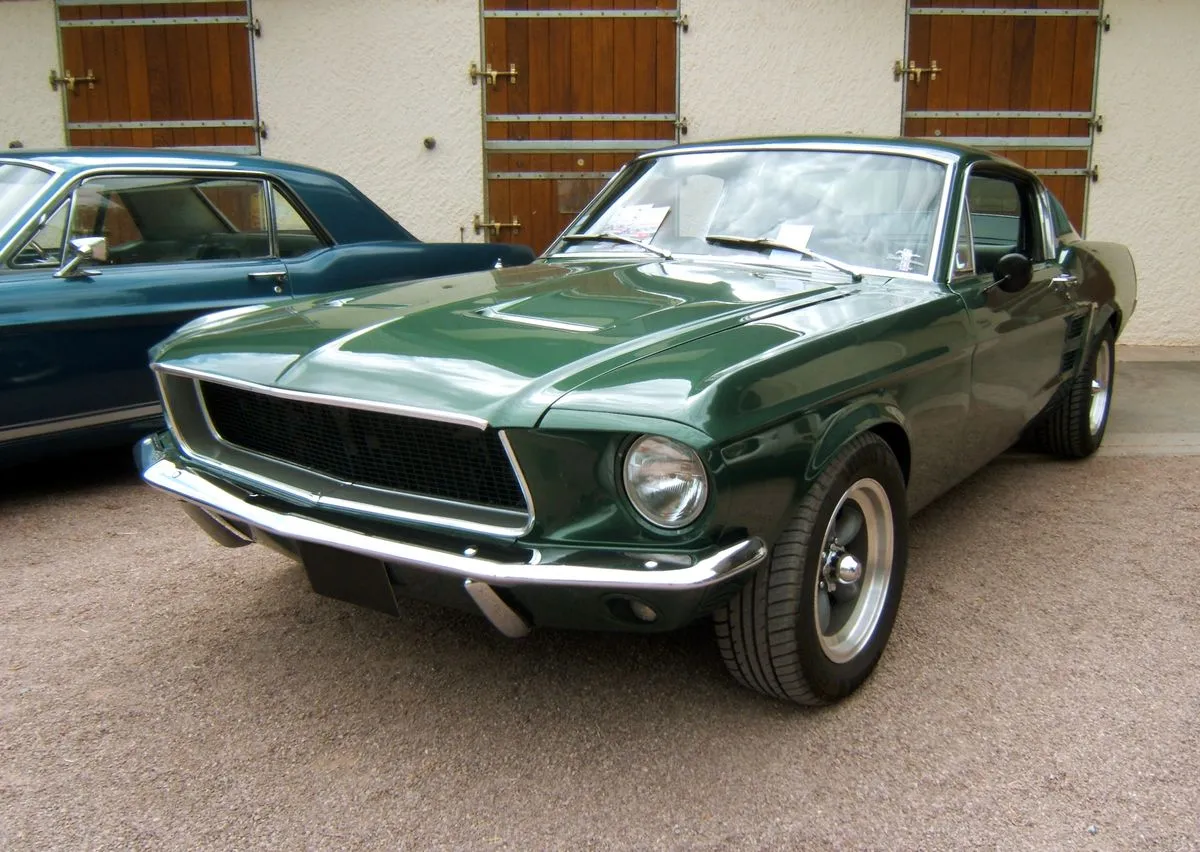
1967 Ford Mustang Fastback
1967-1968
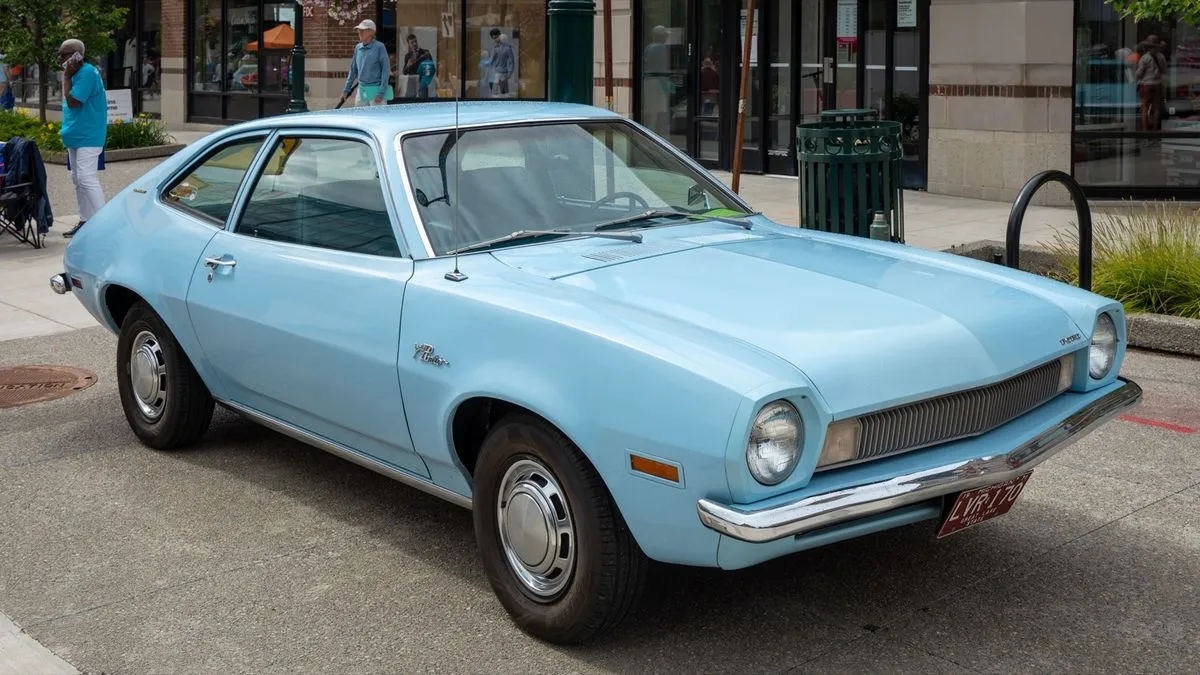
1971 Ford Pinto
1971-1980
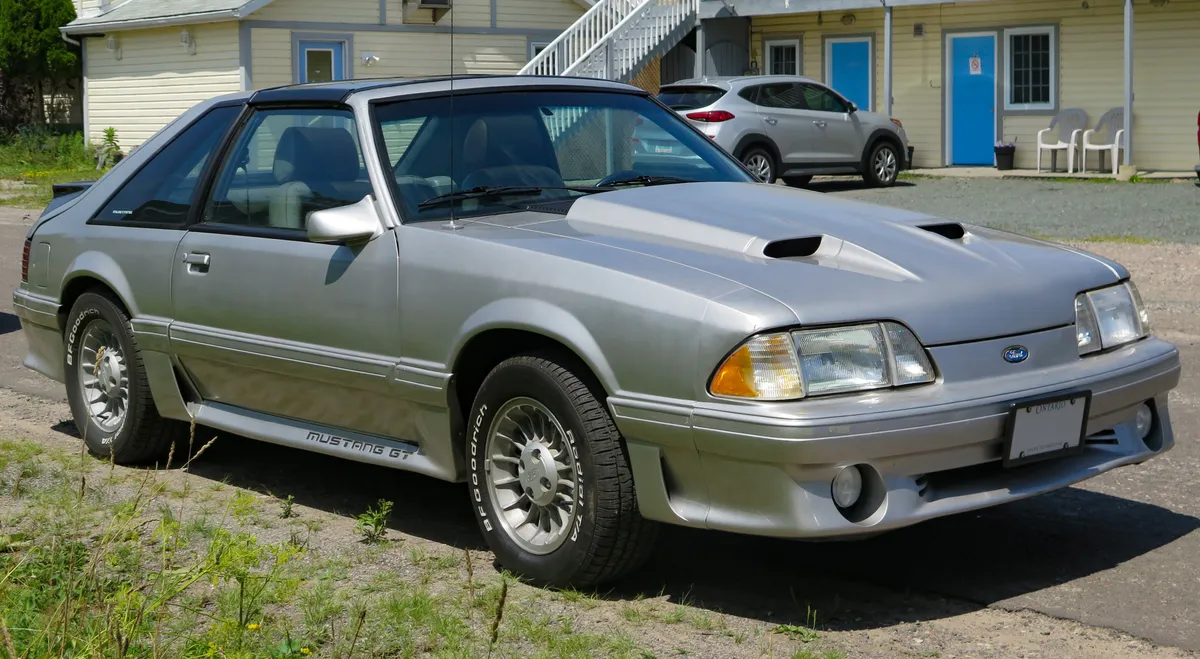
1989 Ford Mustang 5.0
1987-1993
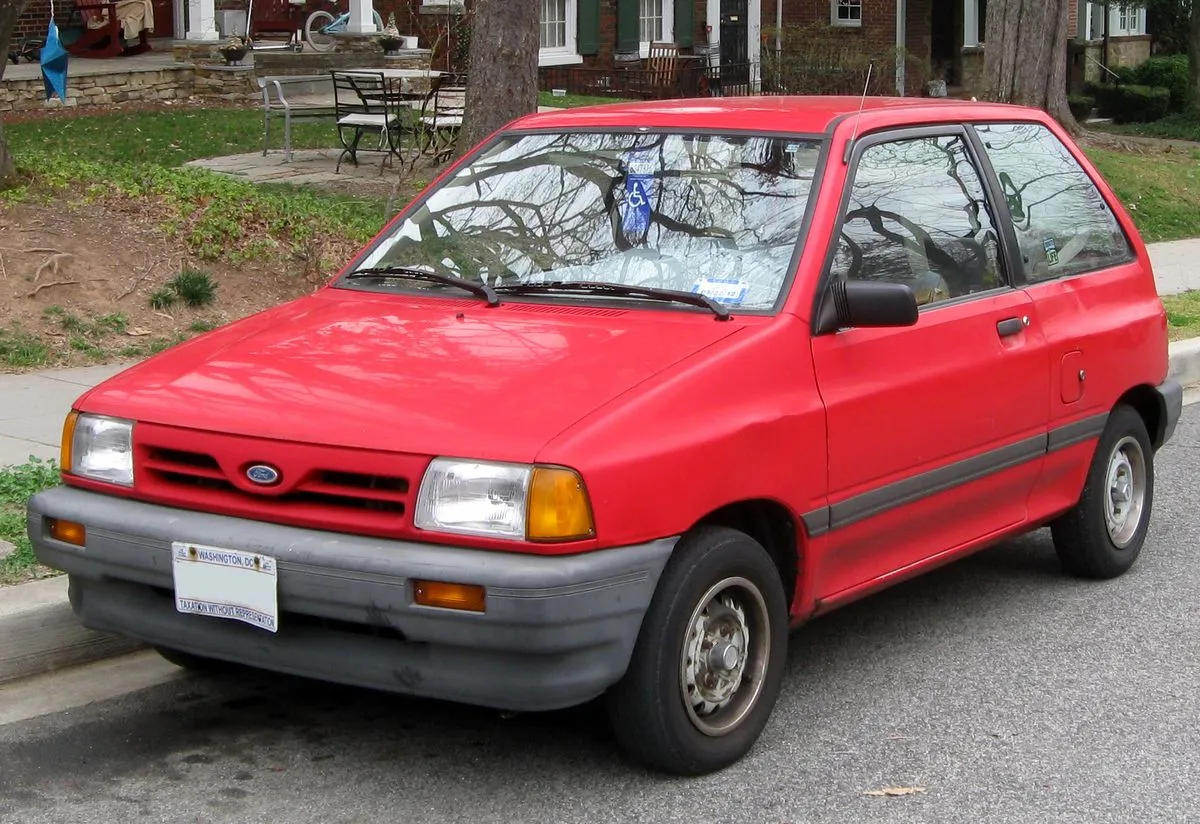
1992 Ford Festiva
1988-1993
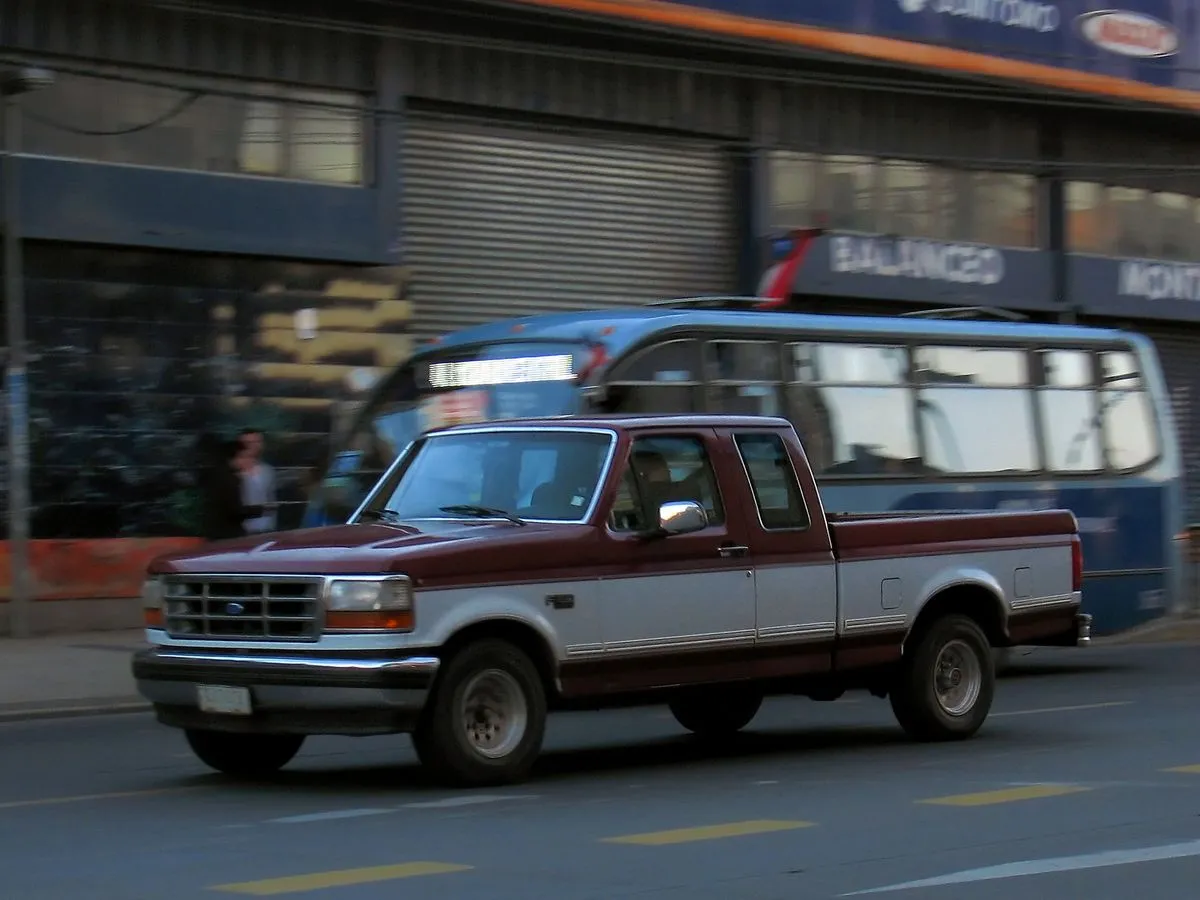
1993 Ford F-150 XLT Lariat
1987-1996
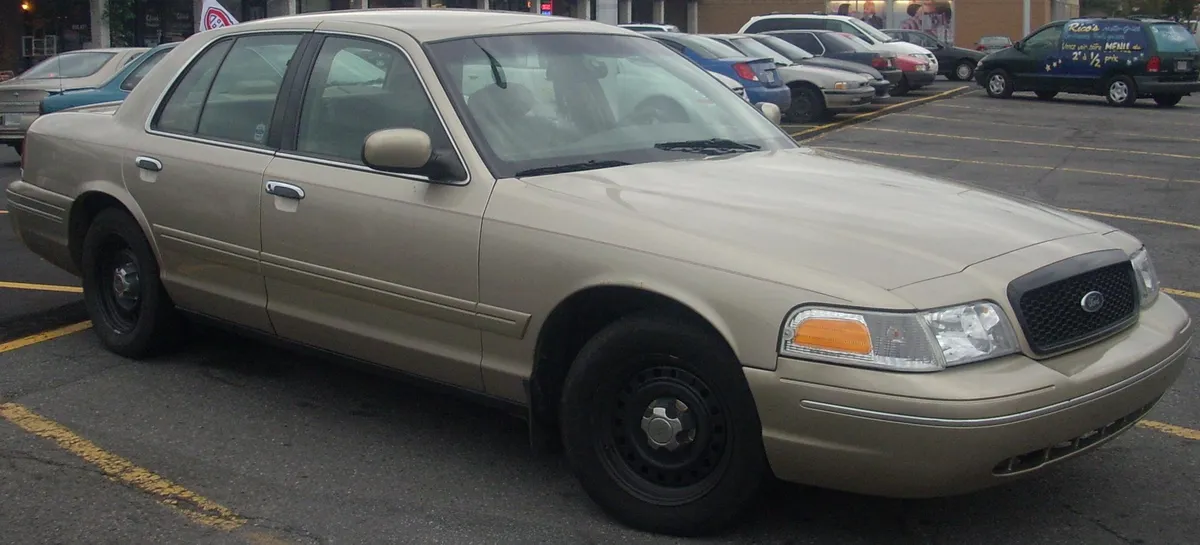
1999 Ford Crown Victoria
1992-2011