Ferrari
Italy · Founded 1939
The prancing horse. Road cars that fund racing, racing that sells road cars.
Heritage
Enzo Ferrari only wanted to race. The road cars were always a means to that end — a way to fund Scuderia Ferrari's endless pursuit of Formula 1 championships. But those road cars became something more: the definition of automotive desire. The 250 GTO is worth $70 million. The Testarossa was on every '80s kid's wall. The F40 was the last car Enzo personally approved. Ferrari doesn't just build fast cars — they build mythology. The waiting lists, the allocation games, the requirements that you already own Ferraris before you can buy the new one — it's all part of the mystique. Love them or hate them, Ferrari set the template for what a supercar company should be.
Ferrari Vehicles (3)
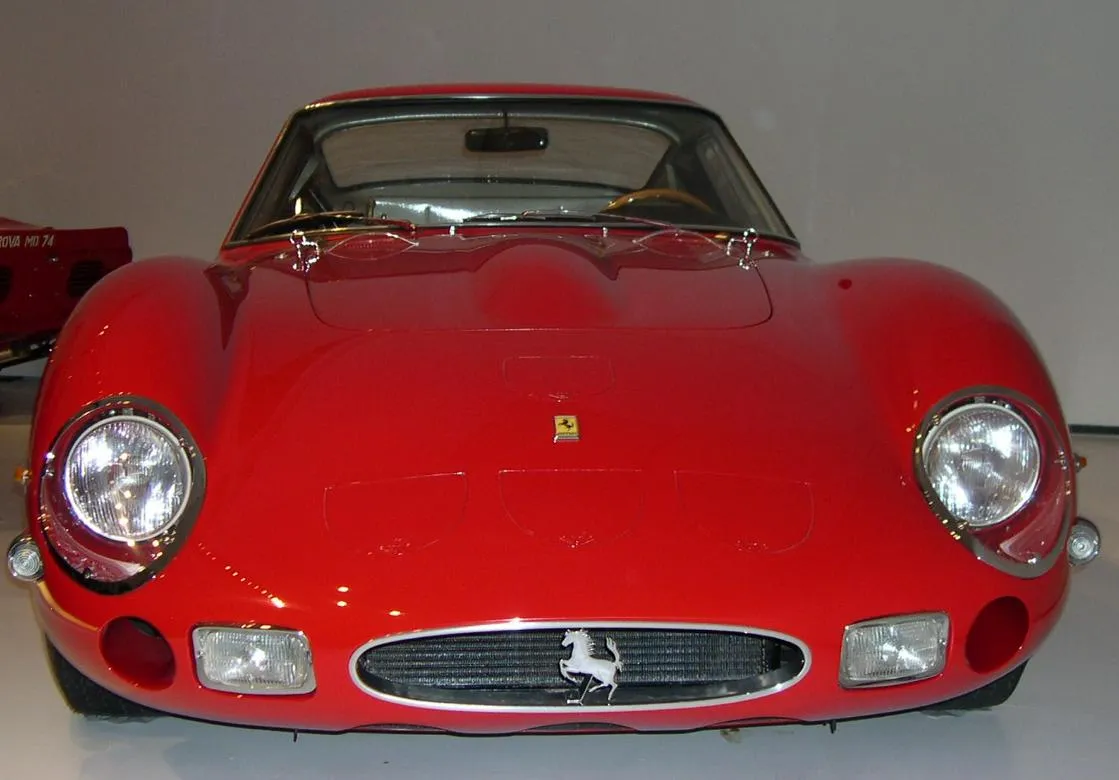
1962 Ferrari 250 GTO
The 250 GTO is the most valuable car in the world, and it earned that status the hard way: by winning everything. Ferrari built exactly 36 of them (39 if you count the later 330 GTO variants) to homologate the car for GT racing. They won the FIA GT Championship three years running. The body was shaped in a wind tunnel — revolutionary for the era. The Colombo V12 was a masterpiece. The drivers who raced them became legends. Today, a 250 GTO sale is front-page news. The most expensive car ever sold at auction was a 250 GTO. This isn't a car; it's the Mona Lisa on wheels.
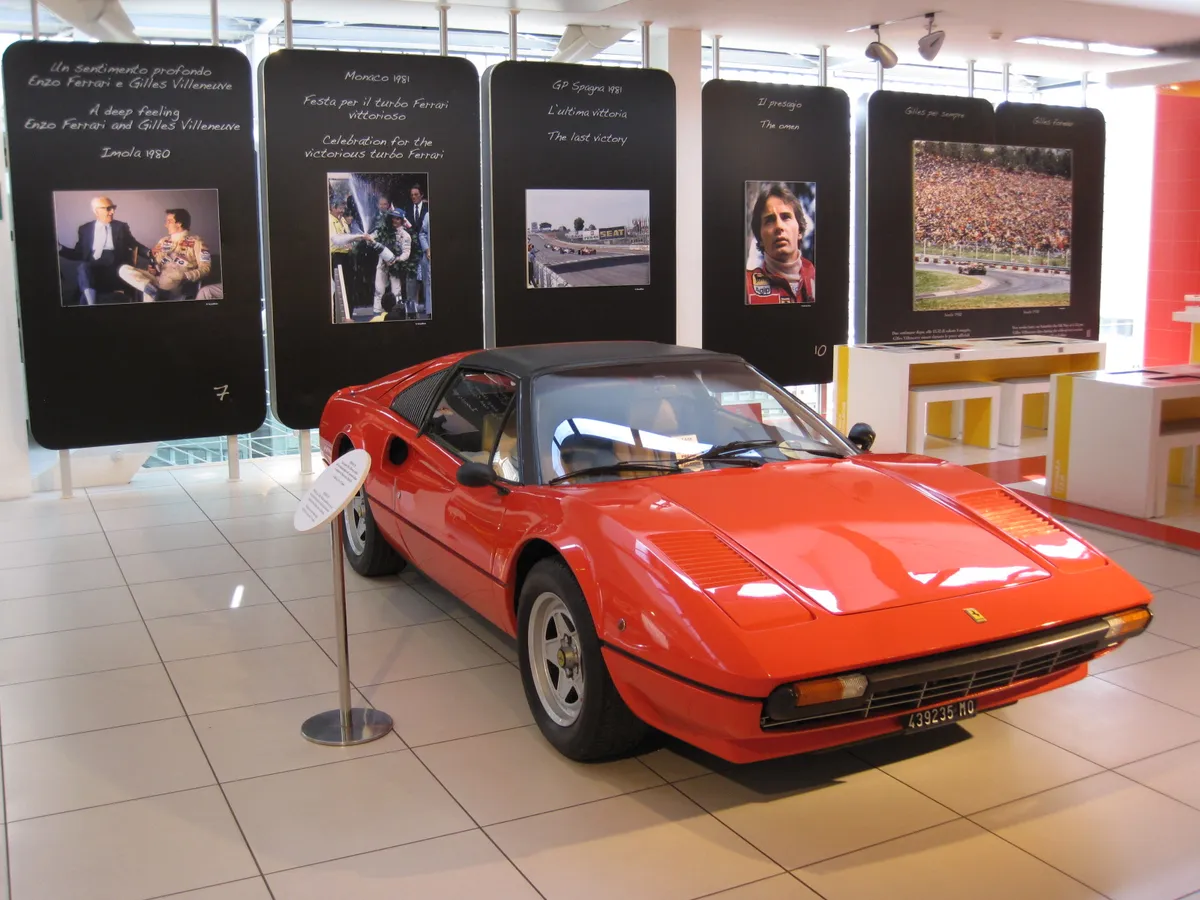
1977 Ferrari 308 GTS
The 308 democratized Ferrari. Before it, Ferraris were V12 exotics for the wealthy. The 308 was a V8 that middle-class professionals could actually aspire to own. Pininfarina's design set the template for mid-engine sports cars — the proportions, the flying buttresses, the wedge shape. Then Tom Selleck drove one in 'Magnum P.I.' for eight seasons, and the 308 GTS became the definitive '80s poster car. Yes, the V8 was down on power compared to the V12s. Yes, the malaise-era emissions equipment strangled performance. None of that mattered. The 308 looked like your dream of a Ferrari, and that was enough.
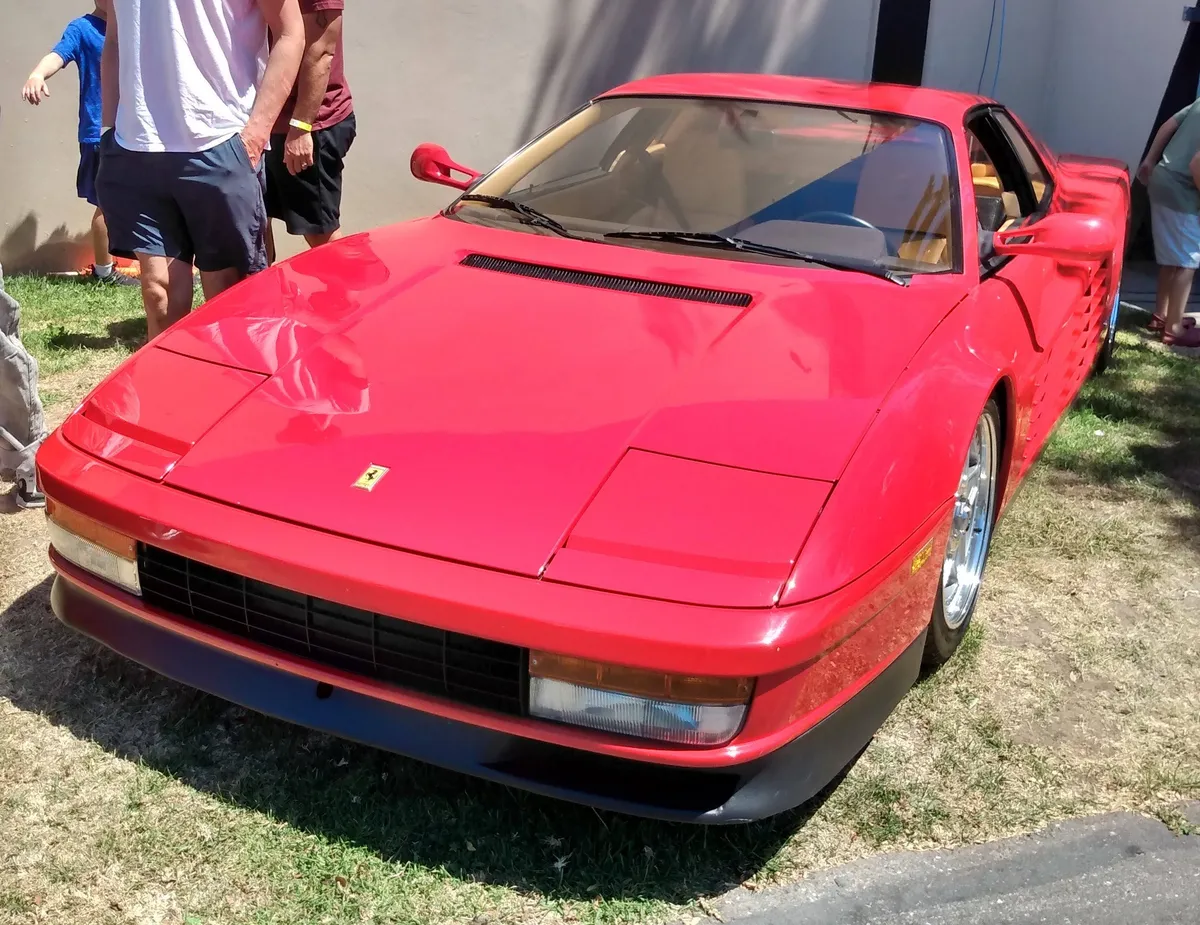
1984 Ferrari Testarossa
The Testarossa was the ultimate '80s supercar — wide, low, and straked to hell. Pininfarina's design put the radiators in the doors (hence the side strakes), allowing a lower nose and dramatic proportions. The flat-12 engine was Ferrari racing technology adapted for the road. 'Miami Vice' made it a cultural icon; every kid in America had one on their wall. The name referenced Ferrari's legendary racing Testarossas ('red head' for the red cam covers). Critics called it overstyled. They were wrong. The Testarossa was exactly as dramatic as the '80s demanded.