Why this vehicle matters
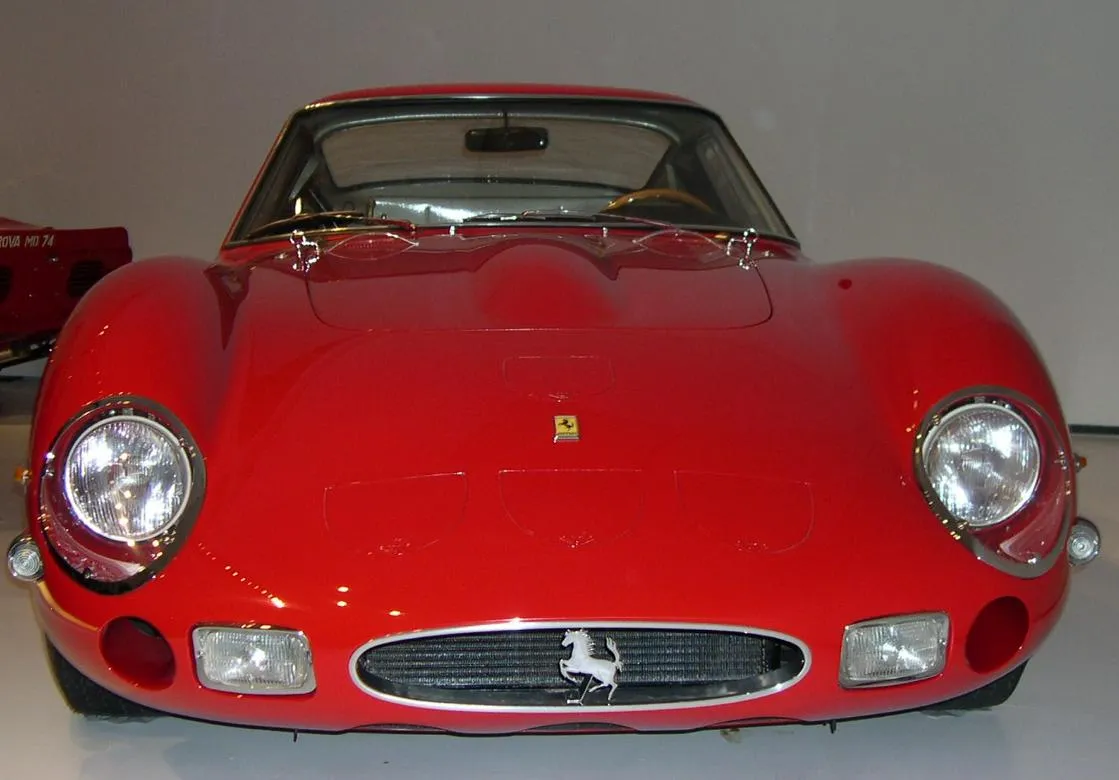
The 250 GTO is the most valuable car in the world, and it earned that status the hard way: by winning everything. Ferrari built exactly 36 of them (39 if you count the later 330 GTO variants) to homologate the car for GT racing.
They won the FIA GT Championship three years running. The body was shaped in a wind tunnel — revolutionary for the era. The Colombo V12 was a masterpiece. The drivers who raced them became legends. Today, a 250 GTO sale is front-page news.
The most expensive car ever sold at auction was a 250 GTO. This isn't a car; it's the Mona Lisa on wheels.
Patina notes
Every GTO is documented, photographed, and obsessed over. Racing provenance adds value — a car that won period races is worth more than one that didn't. Some have been restored to factory specs; others retain their racing history.
Authenticity is verified down to the casting numbers. There are no 'barn find' GTOs waiting to be discovered.
Ownership reality
You will never own a 250 GTO. Even if you have $70 million, Ferrari controls who gets to buy one. The few that change hands do so privately, between vetted collectors who have proven themselves to the brand. Insurance is a significant expense.
Security is a serious concern. Most GTOs live in climate-controlled vaults and appear only at invitation-only events like Pebble Beach and the Tour Auto.
The verdict
Buy if
You're a billionaire with established Ferrari collector credentials. You've already owned multiple significant Ferraris. You have relationships at Maranello.
Skip if
You're reading this as a buying guide. You have fewer than nine figures liquid. You want to actually drive it on public roads.
What to look for
- → Ferrari Classiche certification
- → Documented racing history
- → Matching numbers engine and gearbox
- → Continuous ownership history
- → Original Scaglietti bodywork vs. period repairs
Common problems
- ⚠ This is irrelevant — you're not buying one
- ⚠ If you somehow are: V12 maintenance at this level requires factory specialists
- ⚠ Gearbox synchros were marginal even new
- ⚠ Cooling in traffic (designed for racing pace)
Parts & community
Parts sources
- Ferrari Classiche (official)
- GTO Engineering (UK specialist)
- Private component sharing among the 36 owners
Forums & communities
- Ferrari Chat (GTO section)
- FerrariLife.com
- FChat 250 GTO Registry
Sources
- Ferrari 250 GTO Registry · 2026-02-04
- Ferrari Classiche · 2026-02-04
Specifications
| Engine | 3.0L Colombo V12 |
| Power | 300 hp @ 7,400 rpm |
| Torque | 217 lb-ft @ 5,500 rpm |
| Transmission | 5-speed manual |
| Drivetrain | RWD |
| Weight | 1,980 lbs |
| Wheelbase | 94.5 inches |
| Production | 36 units |
Notable Features
- • Handbuilt Scaglietti bodywork
- • Homologation special for GT racing
- • Dry sump lubrication
- • Independent front suspension with live rear axle
- • Three Weber carburetors
About Ferrari
The prancing horse. Road cars that fund racing, racing that sells road cars.
View all Ferrari vehicles →Find one
Looking to buy? Search current and past listings on Bring a Trailer.
Search on Bring a Trailer →