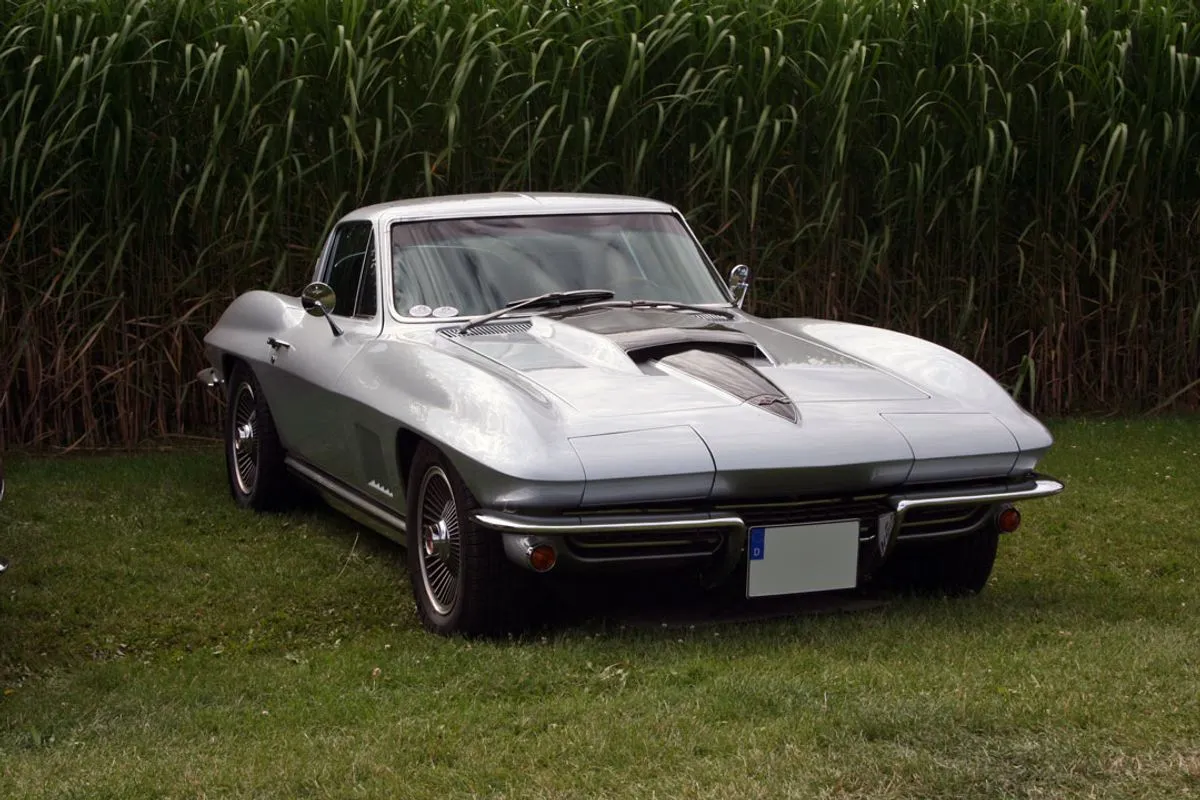
Why this vehicle matters
The C2 Corvette is America's sports car at its most beautiful. The 1963-67 'mid-year' generation introduced the Stingray name, the split rear window (1963 only), and some of the most stunning automotive styling ever committed to fiberglass.
By 1967, the final year, Chevrolet had refined the car's quirks while adding the monstrous 427 big-block option. The result was a sports car that could humiliate European exotics on both the track and the street.
The L88 racing engine option — aluminum heads, 12.5:1 compression, and a factory-rated 430 hp that was actually closer to 560 — is one of the most valuable engines ever installed in a production car.
Patina notes
The fiberglass body doesn't rust, but it does crack and check. Original Goodwood Green, Marlboro Maroon, and Sunfire Yellow age beautifully. The chrome bumpers and trim can pit but rechrome well.
The frame is steel and does rust — check the front crossmember and rear trailing arm mounts. Documentation matters enormously for big-block cars. The NCRS (National Corvette Restorers Society) judges these cars critically.
A well-documented numbers-matching car is worth multiples of an undocumented one.
Ownership reality
The C2 Corvette has perhaps the best parts support of any collector car. Reproduction everything is available. Corvette Central, Eckler's, and others have complete catalogs.
The fiberglass body means no rust repair — just panel replacement or repair. But the frame is steel and can be expensive to restore. The suspension geometry is dated and the car handles like the 1960s.
The small-block 327 is the best balanced choice for regular driving. Big-blocks are nose-heavy and require careful throttle management.
The verdict
Buy if
You want America's most beautiful sports car from its most beautiful era. You can verify documentation or you're comfortable with clone value. You appreciate the mechanical experience over modern refinement.
Skip if
You want a car that handles like a modern sports car. You're shopping for a 427 car on a 327 budget. You need a car that's practical for any purpose.
What to look for
- → Frame rust at front crossmember and rear trailing arms
- → Birdcage (inner body structure) damage or repairs
- → Fiberglass stress cracks, especially at door hinges
- → Tank sticker, window sticker, and Protect-O-Plate
- → NCRS judging sheets if available
- → Big-block cars need extensive documentation
- → Convertible top frame condition
Common problems
- ⚠ Frame rust in hidden areas
- ⚠ Fiberglass delamination and repairs
- ⚠ Dated suspension geometry
- ⚠ Heater barely works
- ⚠ Water intrusion into interior (convertible)
- ⚠ Big-block cooling issues in traffic
Parts & community
Parts sources
- Corvette Central
- Eckler's Corvette
- Corvette America
- Paragon Corvette Reproductions
- Mid America Motorworks
Forums & communities
- Corvette Forum
- CorvetteBlogger.com
- NCRS Forums
- Vettefinders
Sources
- Hagerty Valuation Tools · 2026-02-01
- National Corvette Restorers Society · 2026-02-01
Specifications
| Engine | 327 V8 / 427 V8 |
| Power | 300-435 hp |
| Torque | 360-460 lb-ft |
| Transmission | 3-speed auto / 4-speed manual |
| Drivetrain | RWD |
| Weight | 3,000 lbs |
| Wheelbase | 98 inches |
| Production | 22,940 (1967) |
Notable Features
- • Final year of C2 generation
- • 427 tri-power option
- • L88 racing engine (20 built)
- • Most refined mid-year
About Chevy
Ford's eternal rival. The bowtie that launched a thousand hot rods.
View all Chevy vehicles →Find one
Looking to buy? Search current and past listings on Bring a Trailer.
Search on Bring a Trailer →More from Chevy
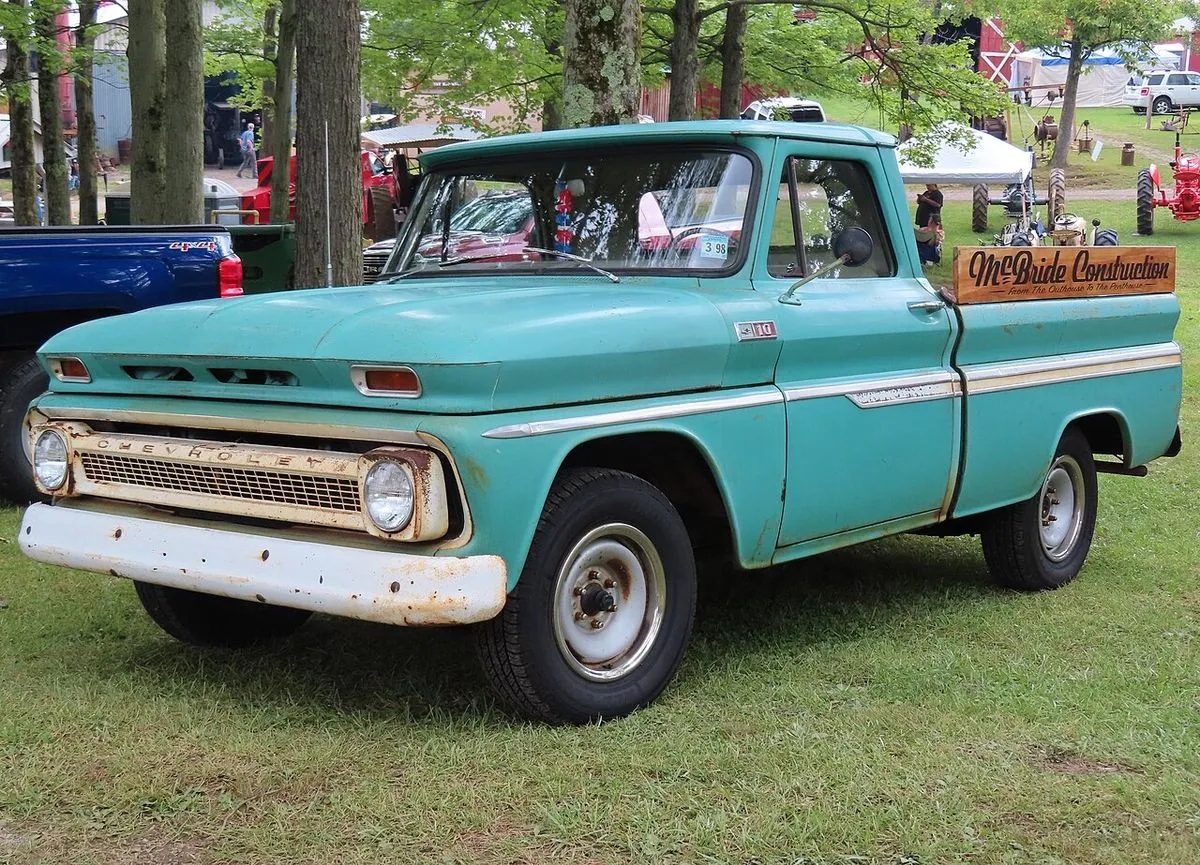
1960-1966 Chevy C10
1960-1966
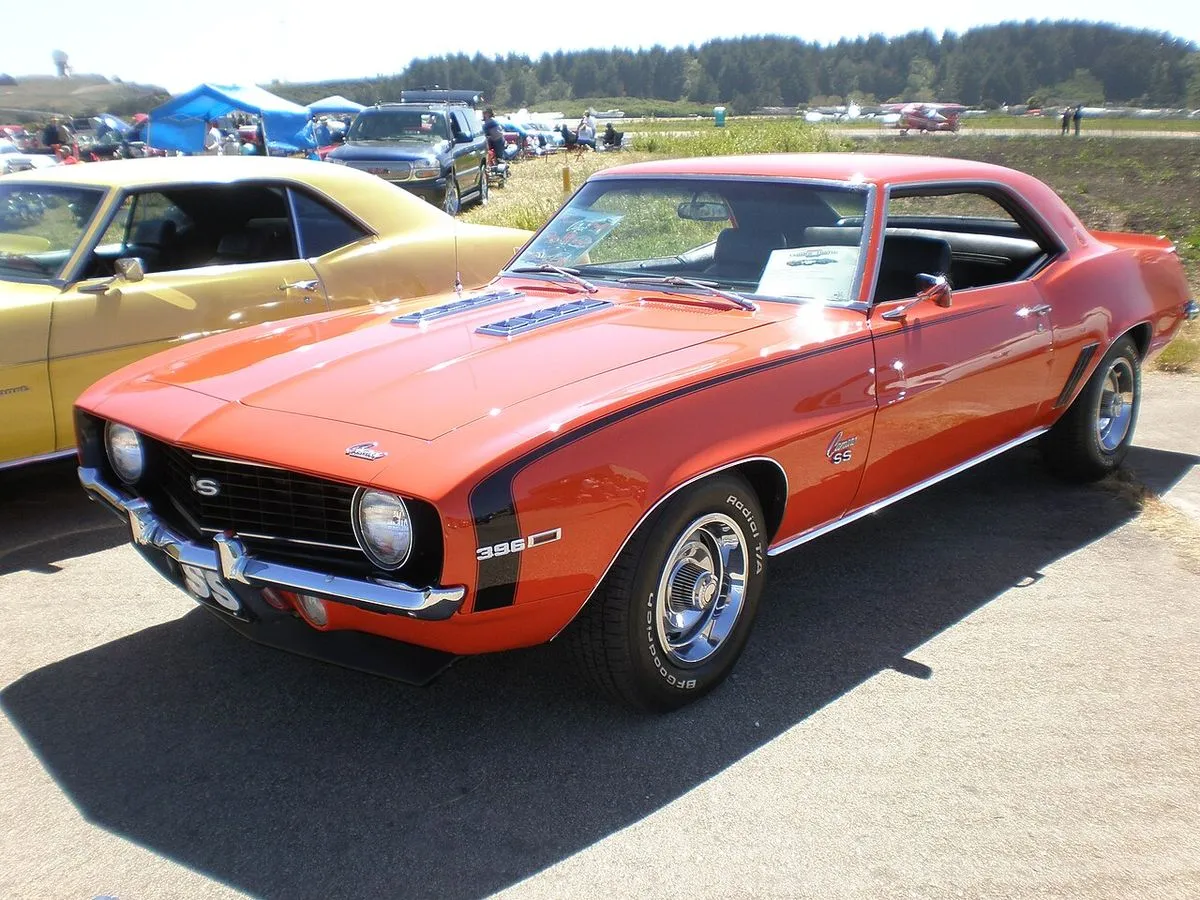
1969 Chevy Camaro SS/Z28
1969
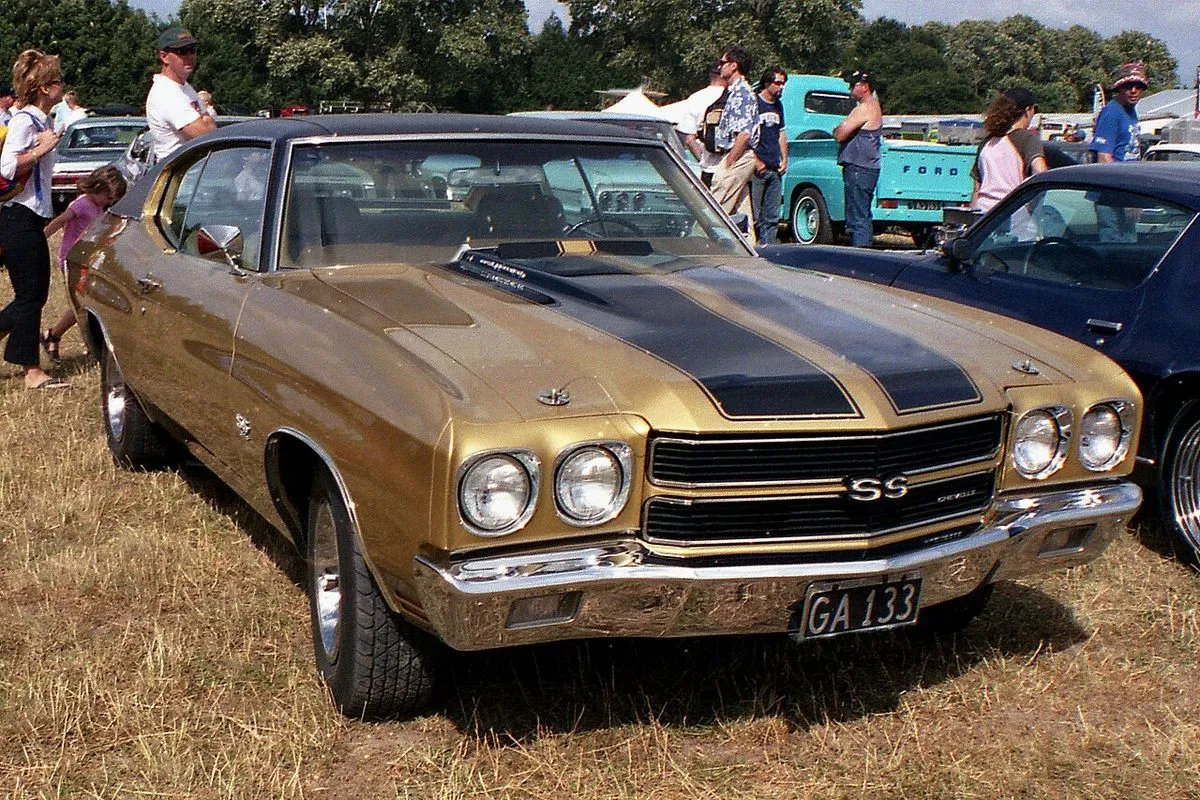
1970 Chevy Chevelle SS 454
1970-1972
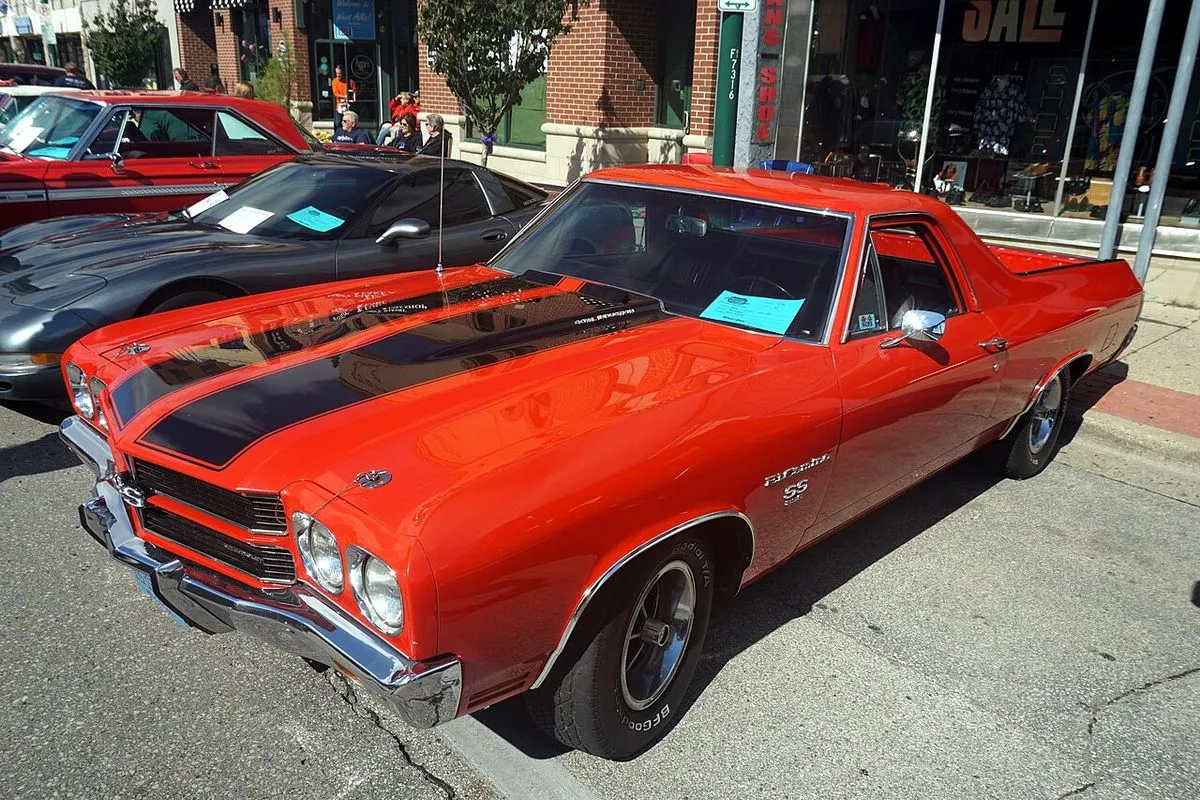
1970 Chevy El Camino SS 454
1968-1972
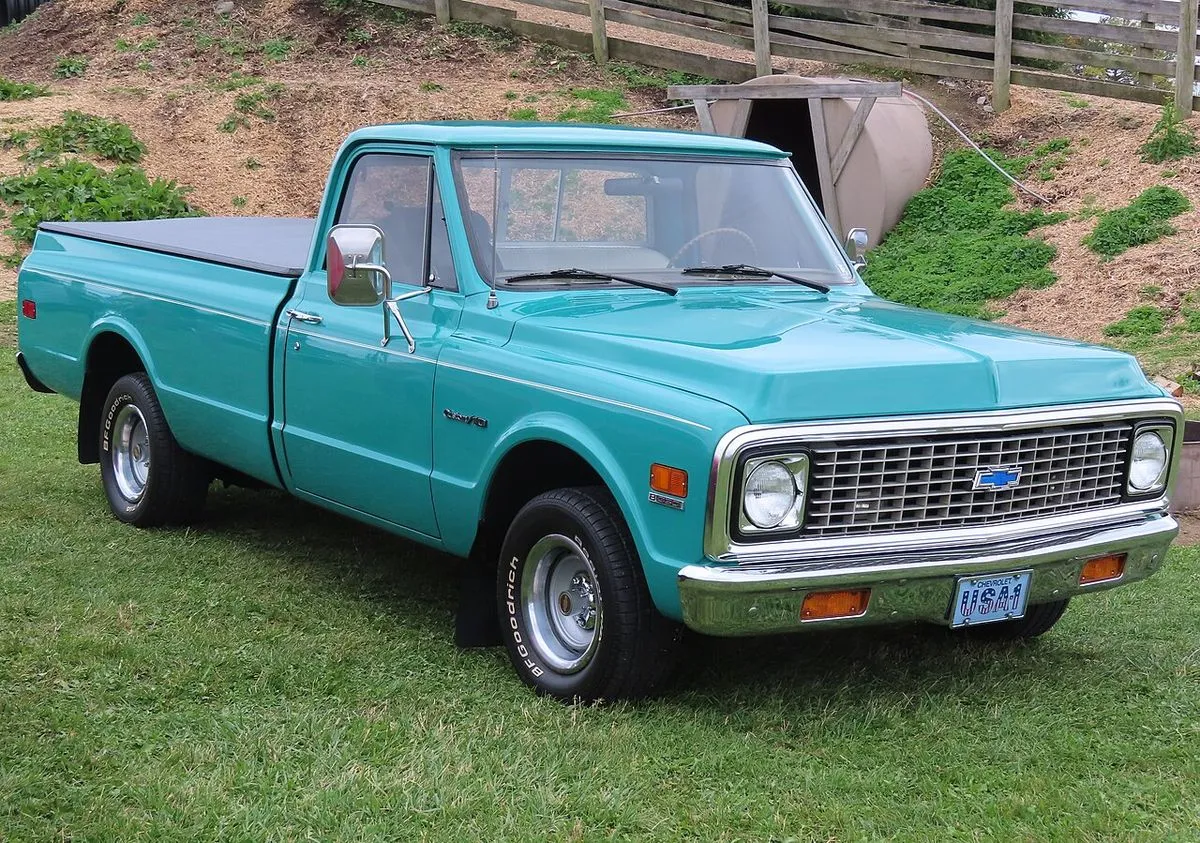
1967-1972 Chevy C10
1967-1972
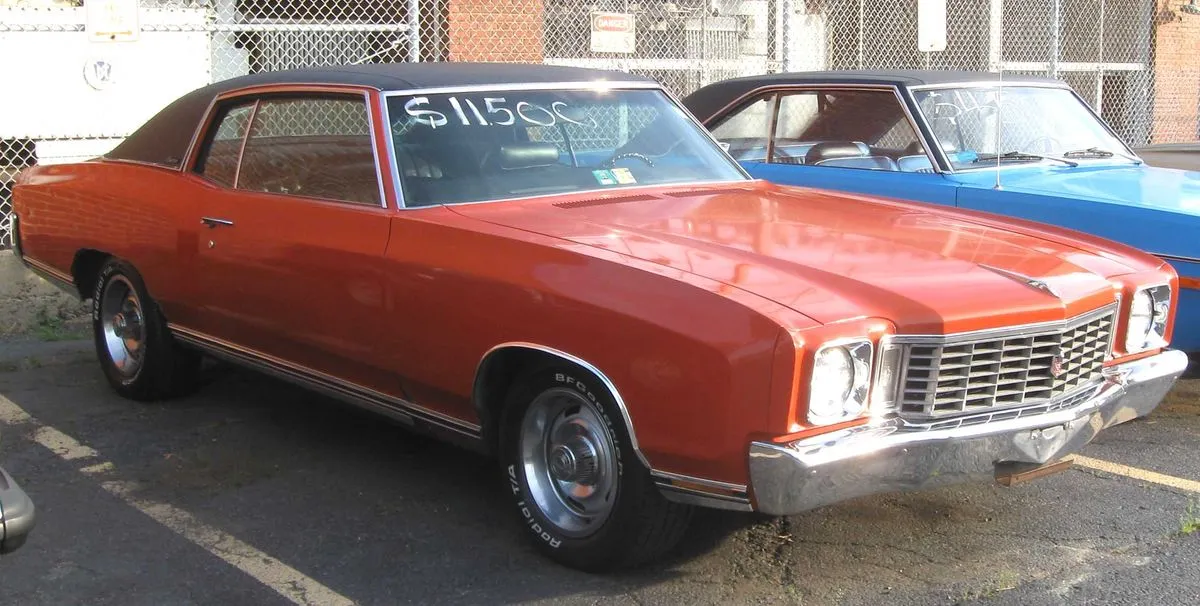
1972 Chevy Monte Carlo
1970-1977
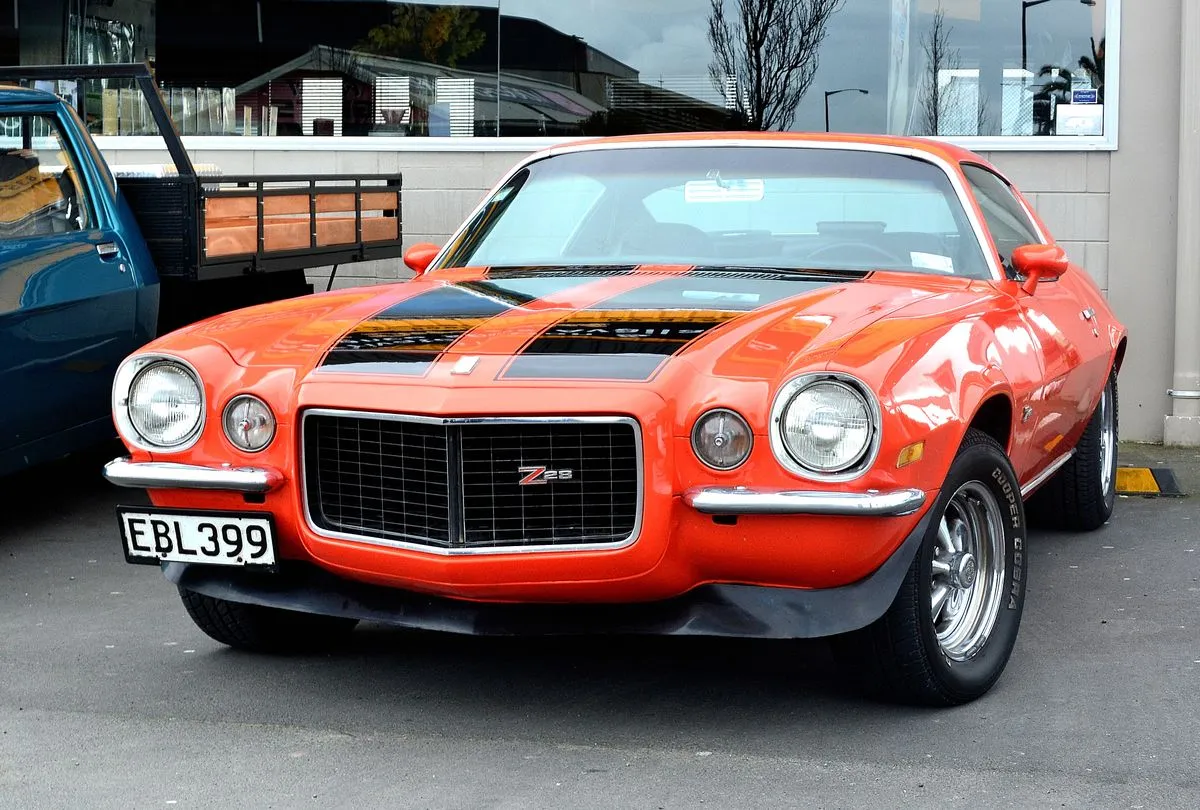
1973 Chevy Camaro Z28
1970-1981
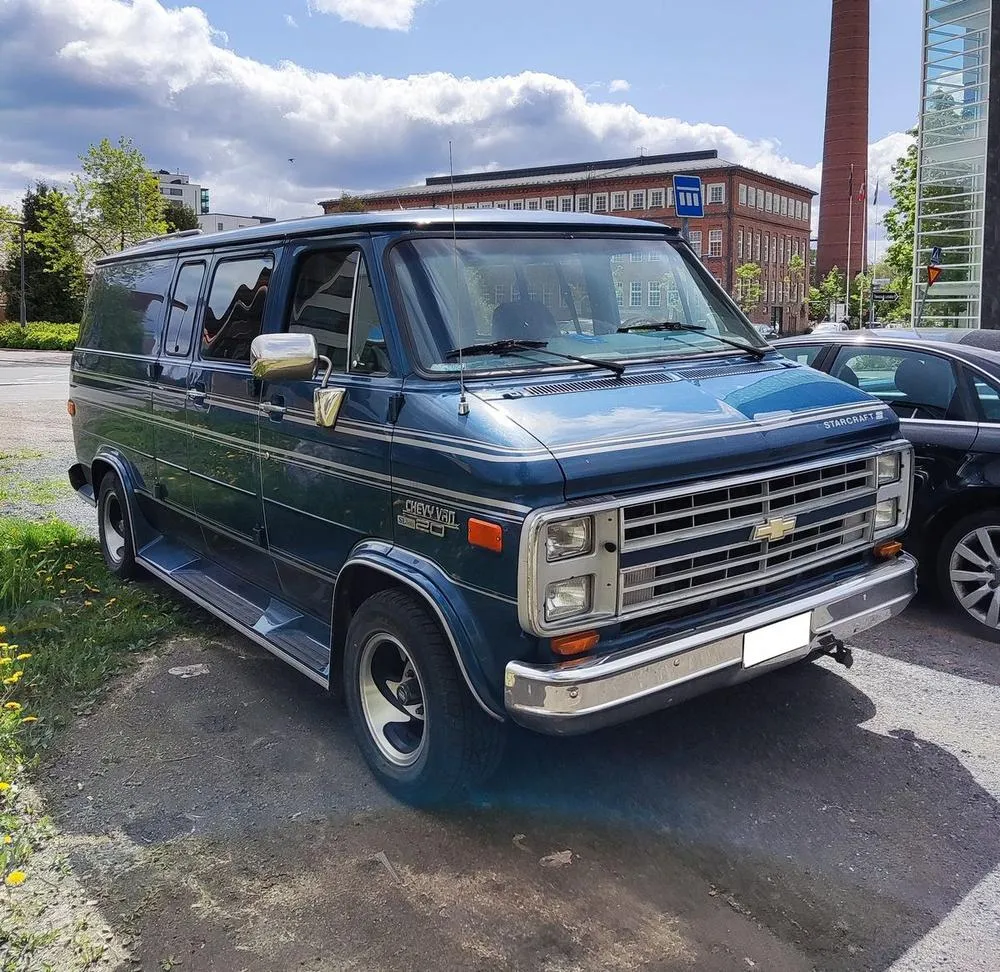
1975 Chevy G20 Van
1971-1995
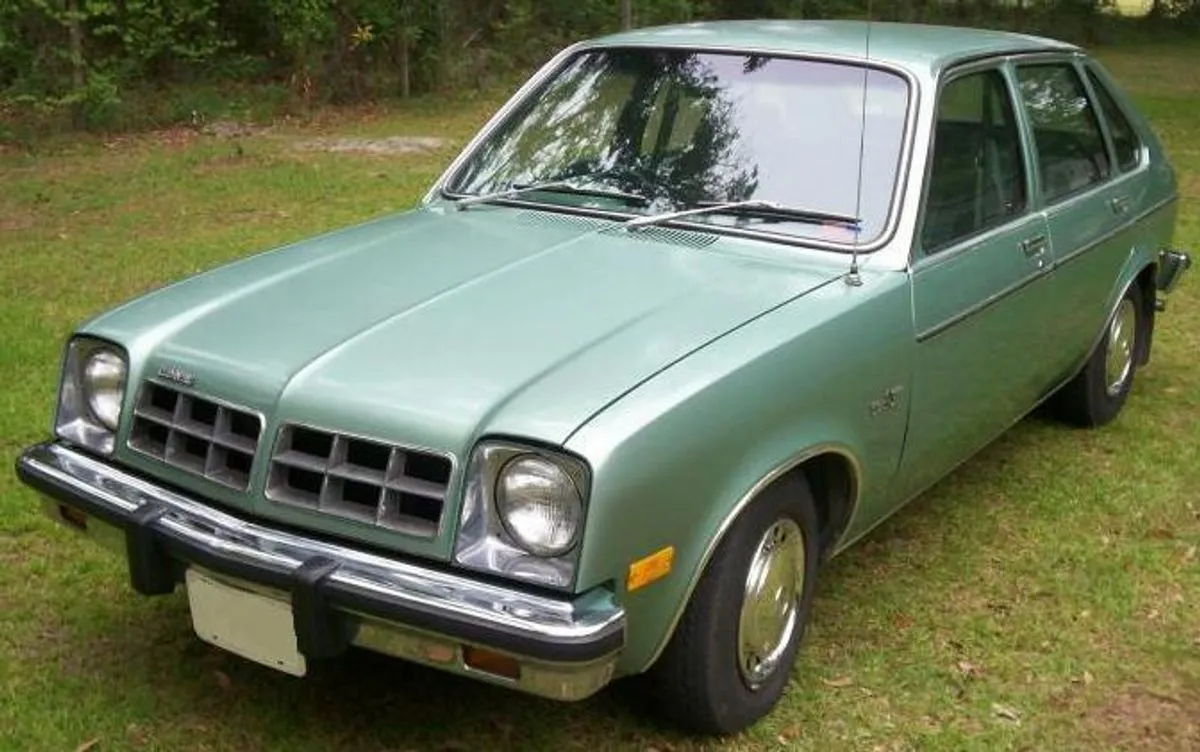
1976 Chevy Chevette
1976-1987
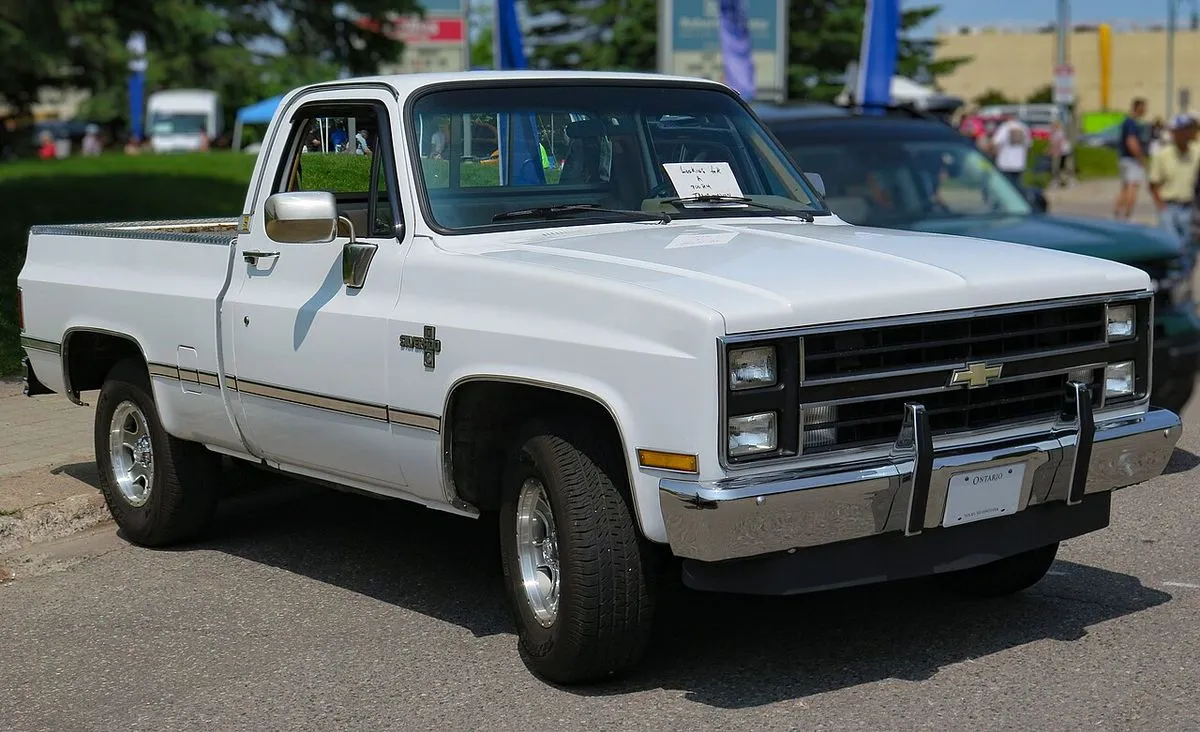
1973-1987 Chevy C/K Square Body
1973-1987