Honda
Japan · Founded 1948
The engineer's motorcycle company that changed everything.
Heritage
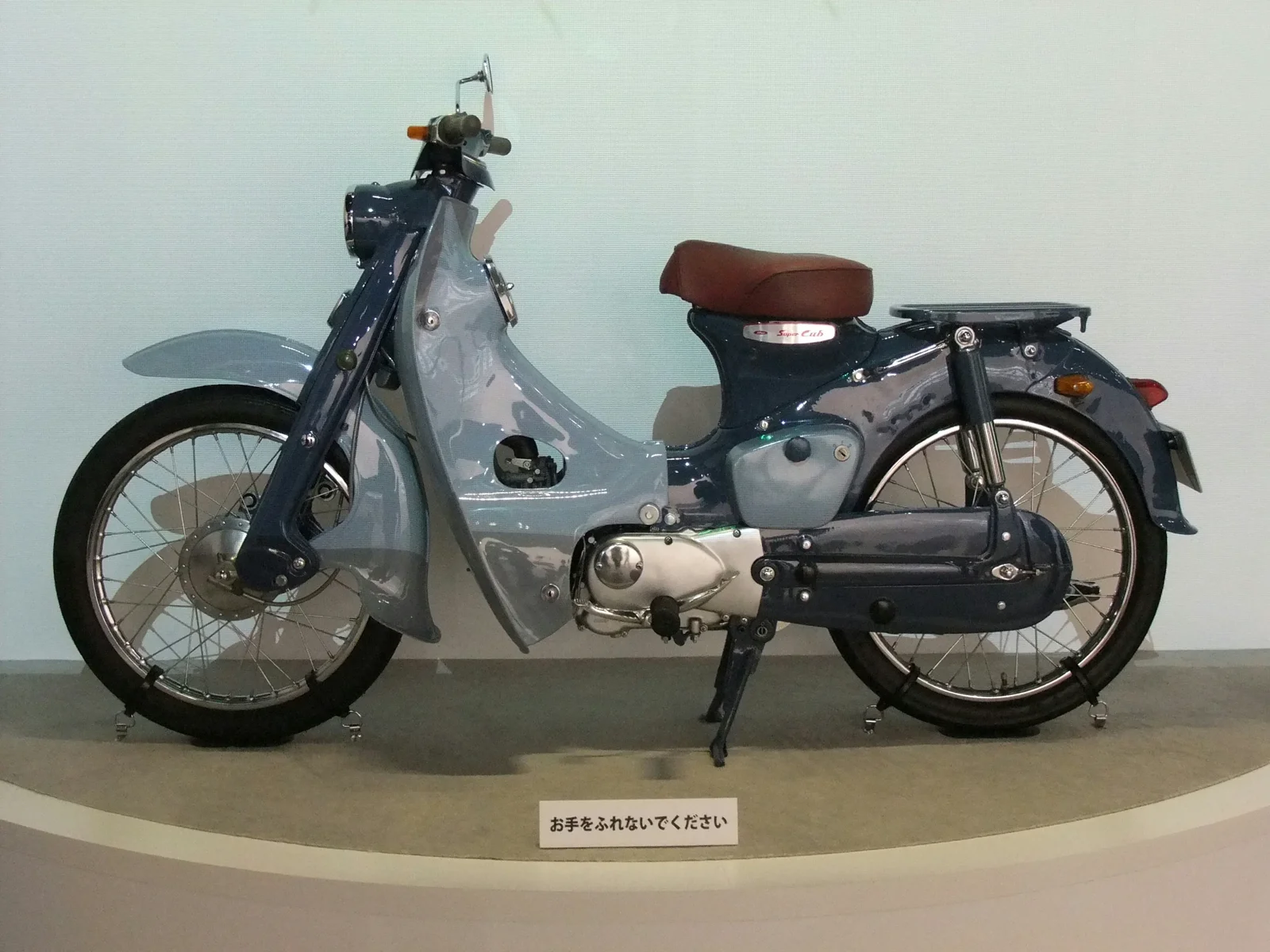
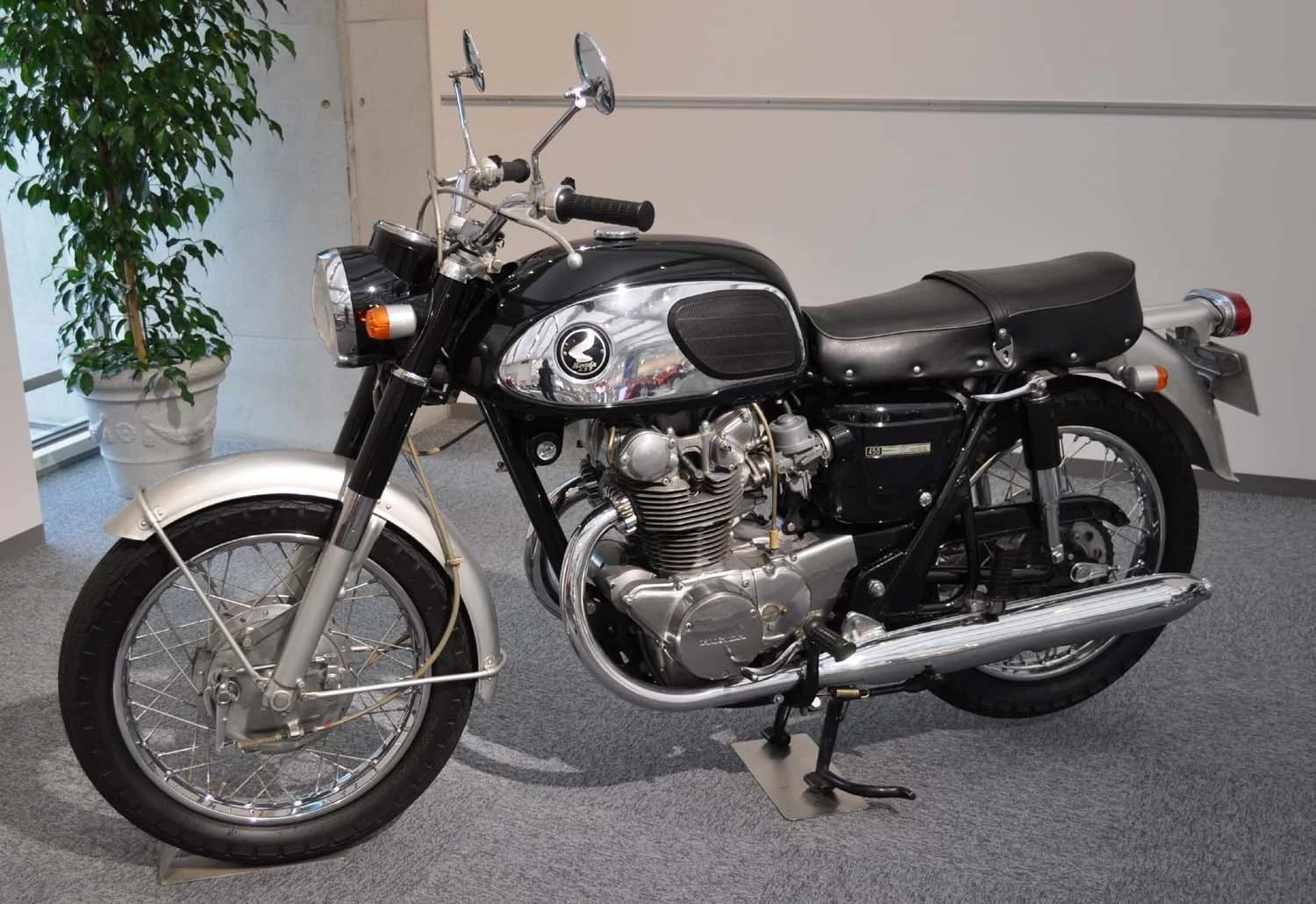
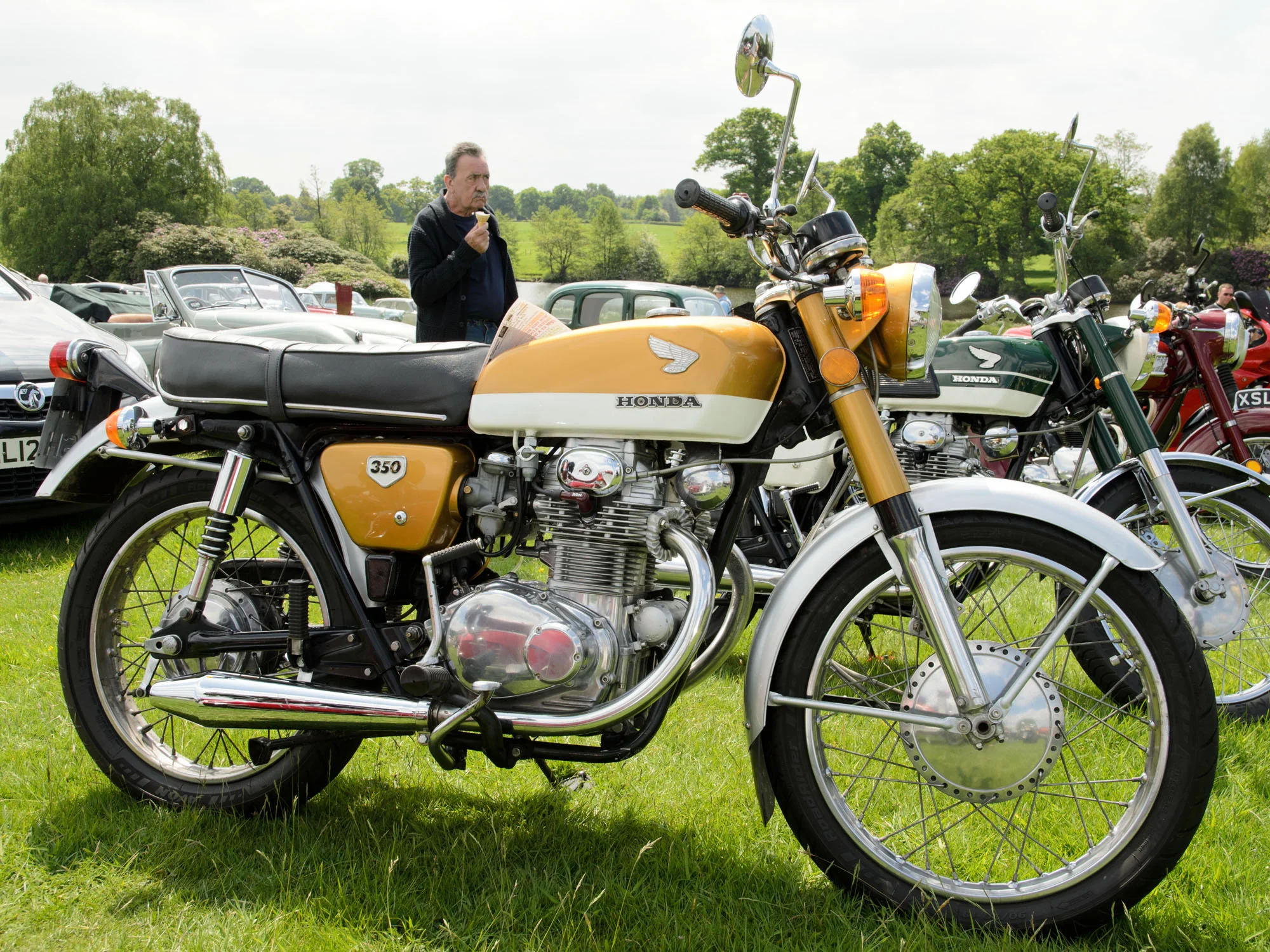
Soichiro Honda started building motorized bicycles in a wooden shack. By 1959, Honda was the world's largest motorcycle manufacturer. The CB750 didn't just compete with British bikes — it rendered them obsolete overnight. Four cylinders, overhead cam, disc brake, electric start: the future arrived in 1969. Honda's philosophy has always been engineering excellence over marketing — build it better and they will come.
Honda Vehicles (4)
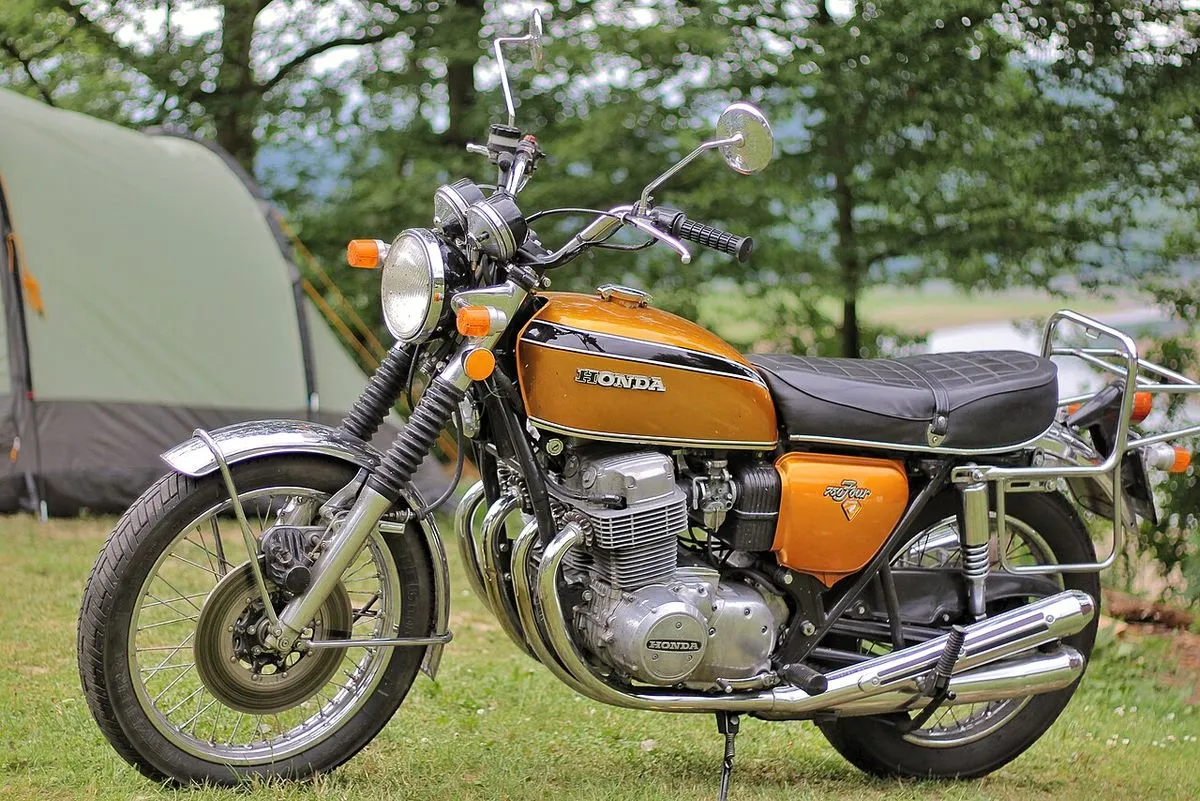
1969 Honda CB750
The CB750 is arguably the most important motorcycle ever made. Before 1969, if you wanted a fast, reliable motorcycle, you bought British — and accepted oil leaks, electrical gremlins, and kick-start rituals. Honda showed up with an inline-four that was faster, smoother, more reliable, AND cheaper. It had an electric starter and a front disc brake when British bikes still had drums. Within five years, the British motorcycle industry was essentially dead. The CB750 didn't just win — it changed what a motorcycle could be.
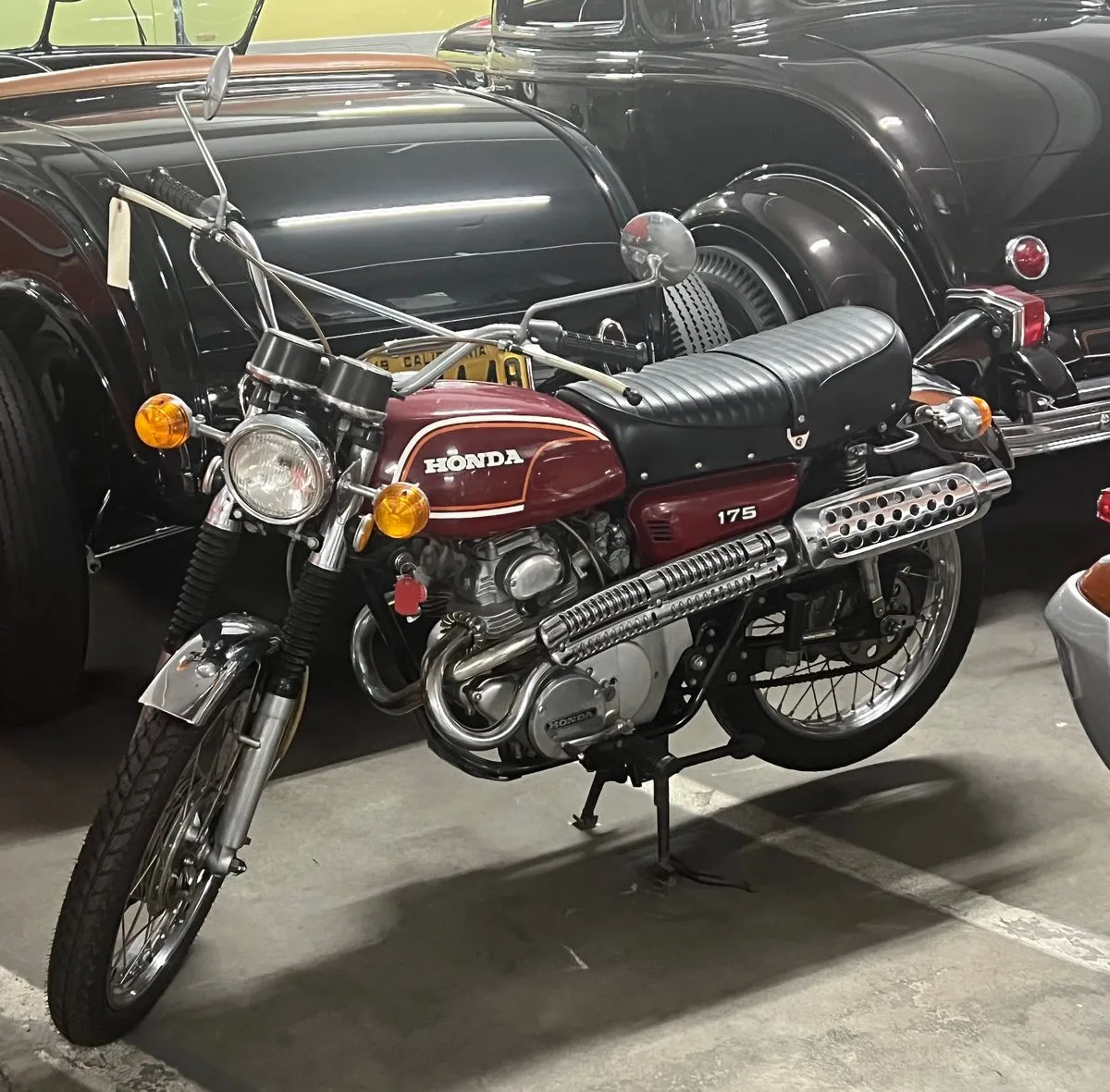
1974 Honda CL175 Scrambler
The CL175 is proof that motorcycling's best days don't require displacement. Honda's Scrambler line put high pipes and semi-knobbies on their small twins, creating bikes that looked adventurous and were genuinely capable on dirt roads. At 17 horsepower, you can use all of what's available without going to jail. It's light enough to pick up when you drop it. Simple enough to fix yourself. Cheap enough to not worry about. The small-displacement scrambler is motorcycling's best-kept secret.
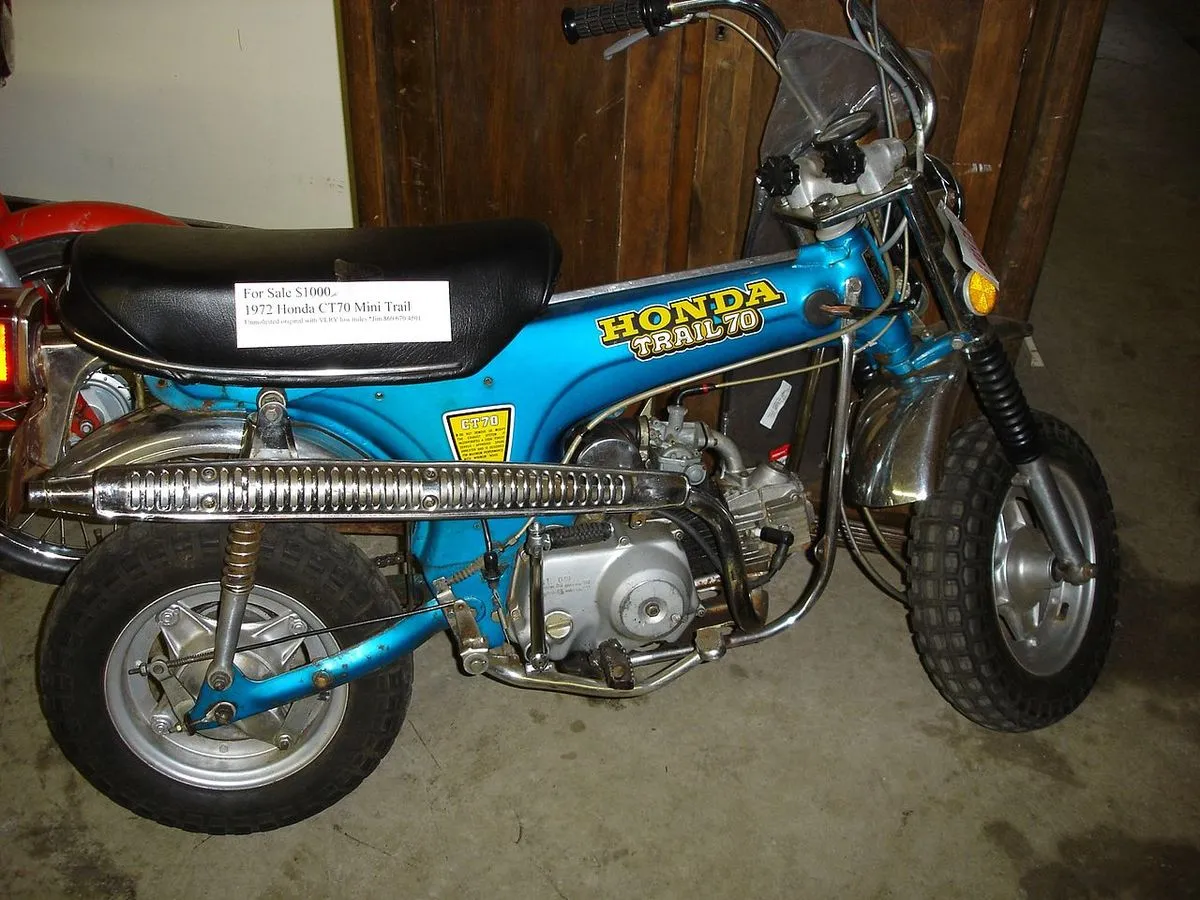
1974 Honda CT70 Trail
The CT70 is how America learned to ride. Honda's genius was making a motorcycle that was small enough to be non-threatening, cheap enough to be impulse-buyable, and reliable enough to survive novice abuse. Parents bought them for kids. Adults discovered they were actually fun. The CT70 created generations of motorcyclists by proving that two wheels weren't scary — they were joy. More people's first motorcycle memories involve a CT70 than any other bike.
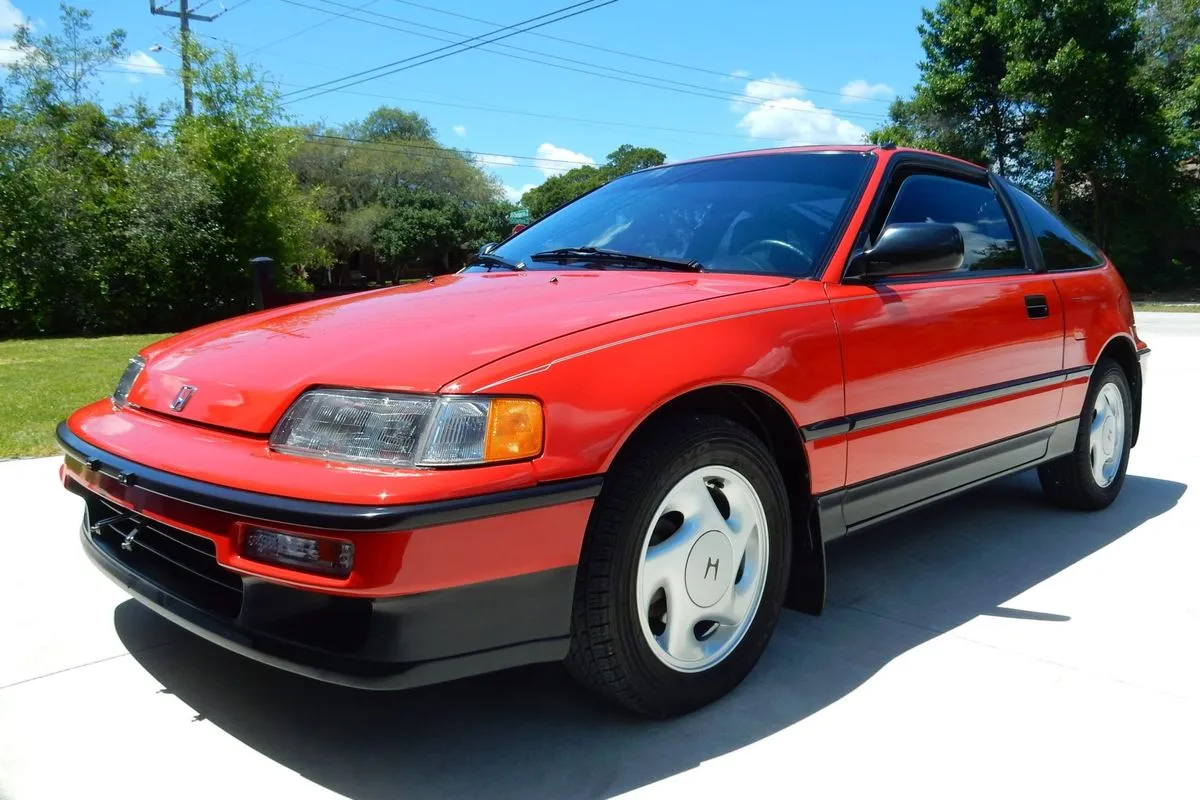
1990 Honda CRX Si
The second-gen CRX is the Miata's sibling that never got the credit. While Mazda was building the perfect roadster, Honda built the perfect coupe. Under 2,200 pounds, a willing SOHC engine, and handling that embarrassed cars costing three times as much. The Si version with the D16A6 engine found the sweet spot: enough power to be fun, reliable enough to be daily driven, efficient enough to pass gas stations without stopping. This was Honda at the height of their engineering arrogance — building cars that made you wonder why anyone bothered with anything else.