Mercedes-Benz
Germany · Founded 1926
The three-pointed star. Mercedes-Benz invented the automobile, then spent a century proving they still knew how to build one.
Heritage
Karl Benz built the first gasoline automobile in 1885. Mercedes combined luxury, engineering excellence, and motorsport success into a brand identity so powerful it became shorthand for automotive prestige. The 300SL Gullwing. The pagoda-roof SL. The W123 diesel that runs forever. The W124 that defined build quality. Before they chased BMW into the sport sedan market and plastered AMG badges on everything, Mercedes built cars that were overengineered, understated, and built to outlast their owners. The old ones still do.
Mercedes-Benz Vehicles (3)
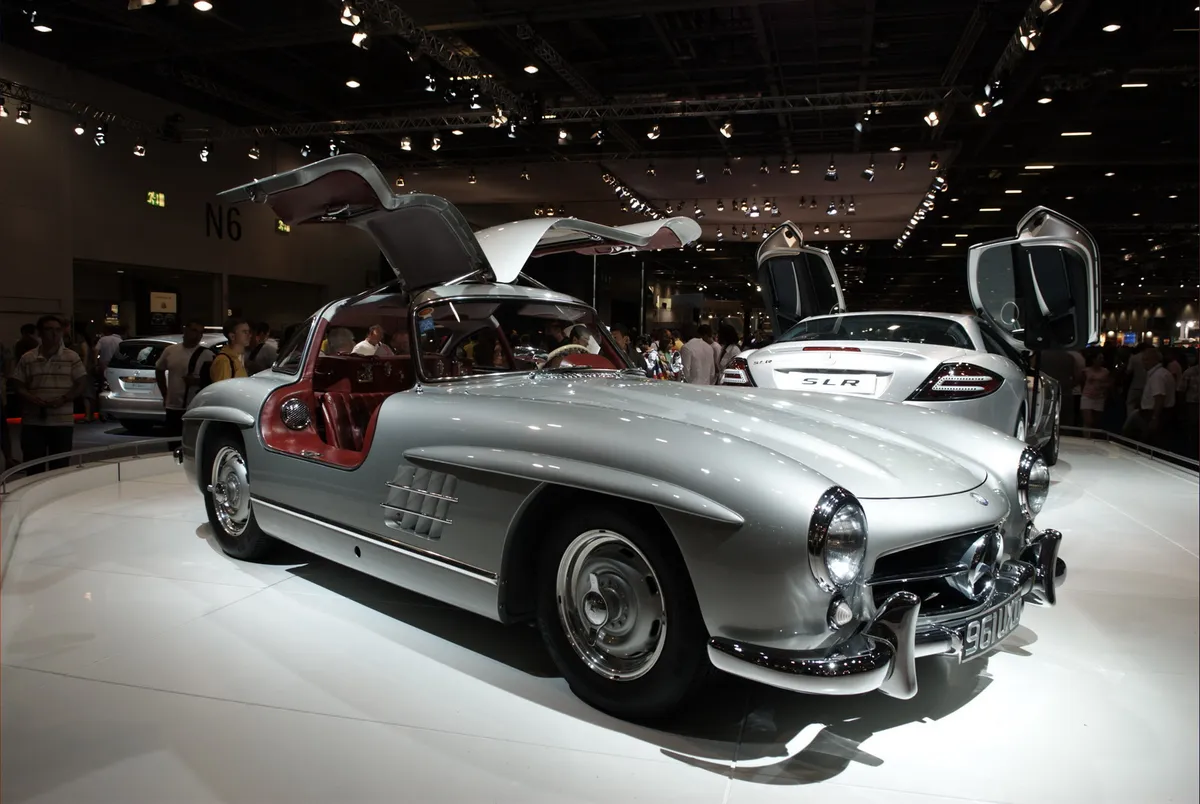
1955 Mercedes-Benz 300SL Gullwing
The 300SL is where Mercedes-Benz became a legend. Born from the W194 racing program that dominated Le Mans and the Carrera Panamericana, the road car was essentially a race car with headlights and a heater. Those gullwing doors weren't a styling gimmick — they were an engineering necessity, required by the tubular space frame chassis that made the car so rigid and light. The Bosch mechanical fuel injection was a world first for a production car, adding 50 hp over the carbureted racing engine. Max Hoffman, the legendary New York importer, convinced Mercedes to build it. The result was the first supercar — decades before that term existed.
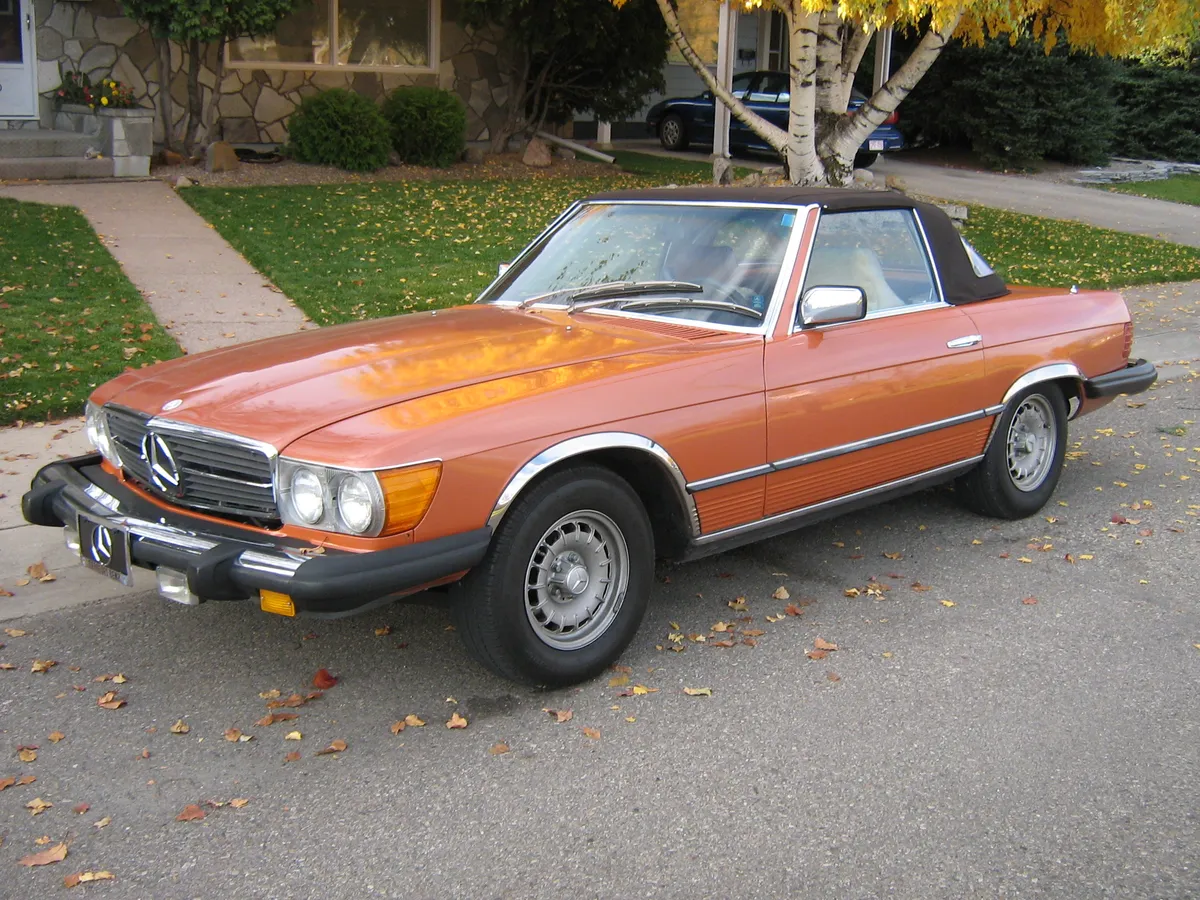
1979 Mercedes-Benz 450SL
The R107 SL is what happens when Mercedes builds a sports car for grown-ups. Where the 300SL was a race car with plates, the R107 was a gentleman's express — fast enough, comfortable enough, and built like a bank vault. It ran from 1971 to 1989, making it the longest-produced Mercedes model ever. While American manufacturers were fumbling through the malaise era with smog-choked engines and questionable build quality, Mercedes just kept refining the R107. The 450SL hit the sweet spot: enough V8 torque to move with authority, none of the early emission-control headaches of the smaller engines, and all the presence of the big-dollar 560SL without the collector premium.
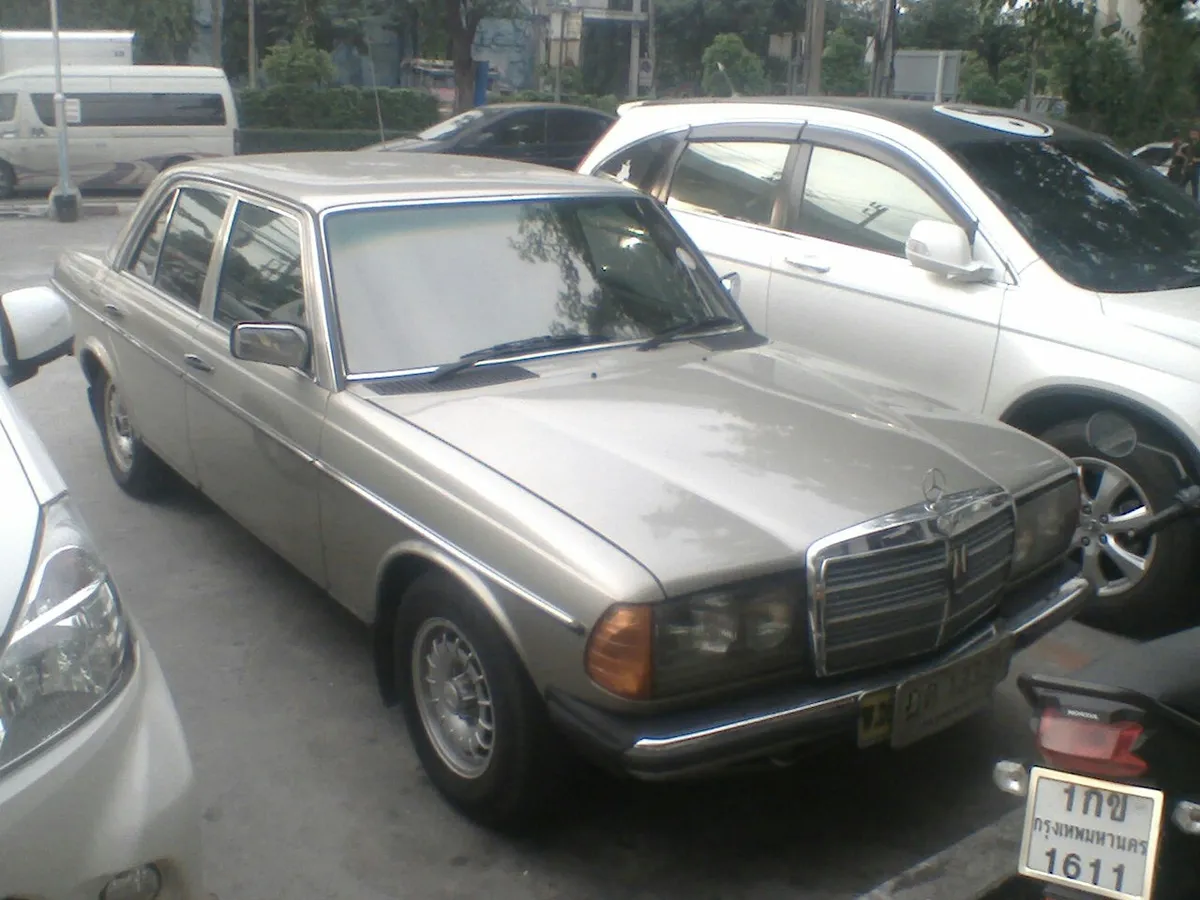
1983 Mercedes-Benz 300D
The W123 is the car that built Mercedes' reputation for indestructibility. Specifically, the 300D turbodiesel became the unofficial taxi of the third world, the eco-warrior's grease-car conversion platform, and the ultimate proof that German engineering could laugh at the odometer. These cars routinely hit 300,000, 400,000, even 500,000 miles with original engines. The OM617 five-cylinder turbodiesel is considered one of the most reliable engines ever built. While American cars were being strangled by early emissions equipment, the W123 diesel just kept clattering along, sipping fuel and refusing to die. The stacked headlights became an icon — a look that said 'serious car, serious engineering.'