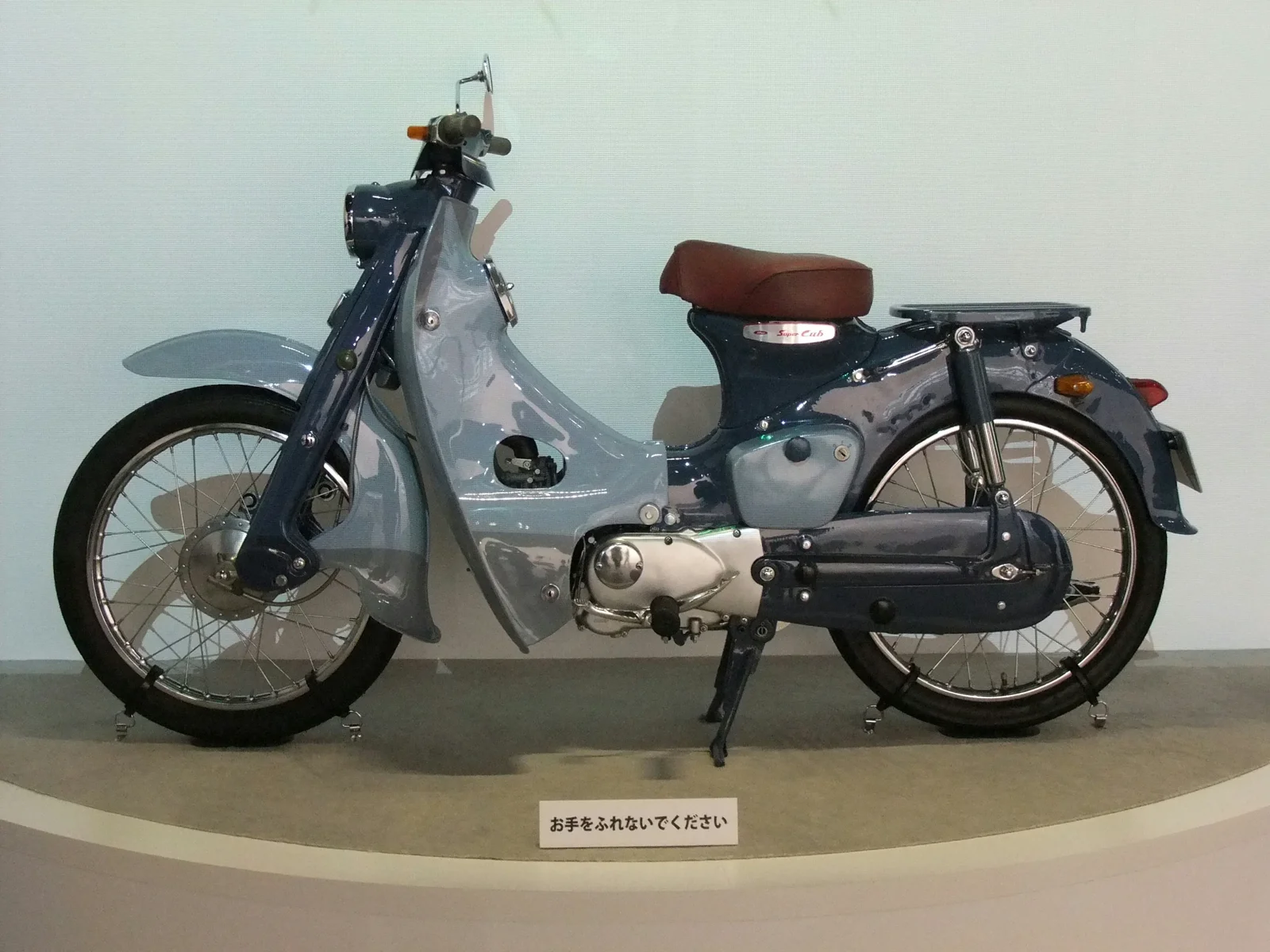
Why this vehicle matters
The Honda Super Cub is the best-selling motor vehicle in human history. Not motorcycle — motor vehicle. Over 100 million produced and counting. Soichiro Honda designed it after watching housewives struggle with baskets in Tokyo.
The step-through frame, automatic clutch, and weather shielding made it usable by anyone. Then the 'You meet the nicest people on a Honda' campaign cracked the American market by divorcing motorcycles from the Brando/outlaw image.
The Super Cub didn't just sell motorcycles — it made the entire concept of motorized two-wheelers respectable worldwide.
Patina notes
Early C100s (1958-1966) are the holy grail. The pressed-steel bodywork ages with a particular grace — surface rust creates a warm patina that looks intentional.
Original paint in any condition has value because reproductions are everywhere and easy to spot. The chrome trim on the headlight nacelle and exhaust pits but doesn't crumble. Watch for leg shield damage — they're the first thing to hit the ground.
Japanese-market examples with period accessories (baskets, mirrors, windscreens) are especially desirable.
Ownership reality
These are the simplest motorized vehicles you can own. The engine is so basic it's almost agricultural — a single cylinder, barely any moving parts, and Honda reliability from day one. Parts for later models are everywhere.
Early C100 parts are harder but not impossible — the global Super Cub community spans every continent. Don't expect speed. Expect to smile at every intersection. Fuel economy is measured in 'I forgot when I last filled up.' Insurance is negligible. The only real challenge is resisting the urge to buy more.
The verdict
Buy if
You want the most historically significant motor vehicle ever made. You appreciate design that solves real problems for real people. You want something you can ride to the coffee shop without pretension.
Skip if
You need to go faster than 30mph. You want something that announces your arrival. You're looking for a weekend project — these are too simple to satisfy the tinkerer.
What to look for
- → Frame integrity at steering head (stress cracks from drops)
- → Original vs. reproduction bodywork (repros are common, check fitment details)
- → Engine compression (should start easily, idle smoothly)
- → Automatic clutch engagement (should shift cleanly without slipping)
- → Wiring harness condition (cloth-wrapped originals deteriorate)
- → Exhaust pipe rust at header joint
Common problems
- ⚠ Points ignition needs periodic adjustment
- ⚠ Fuel petcock leaks from aged rubber
- ⚠ Carburetor gumming from sitting (universal old bike issue)
- ⚠ Speedometer cable breaks
- ⚠ Chain tensioner wear (enclosed case hides the problem)
- ⚠ Headlight and tail light bulb failure from vibration
Parts & community
Parts sources
- Honda Powersports (still producing Super Cubs — some parts cross-reference)
- David Silver Spares (UK — excellent early Honda coverage)
- eBay (massive global parts market)
- Dime City Cycles
- Chaly Shop (Japanese-market parts)
Forums & communities
- Honda Super Cub Club (UK)
- HondaCubWorld.com
- Reddit r/HondaCB (covers all vintage Hondas)
- Super Cub Facebook Groups
Sources
- Honda Global - Super Cub History · 2026-02-28
- Bring a Trailer · 2026-02-28
Specifications
| Engine | 49cc OHV air-cooled single |
| Power | 4.5 hp @ 9,500 rpm |
| Torque | 2.6 lb-ft @ 5,500 rpm |
| Transmission | 3-speed automatic centrifugal clutch |
| Drivetrain | Chain |
| Weight | 165 lbs |
| Wheelbase | 47 inches |
| Production | Over 100 million (all variants, 1958-present) |
Notable Features
- • Step-through frame (accessible to non-riders)
- • Automatic centrifugal clutch (no clutch lever)
- • Leg shields for weather protection
- • Enclosed chain case
Find one
Looking to buy? Search current and past listings on Bring a Trailer.
Search on Bring a Trailer →More from Honda
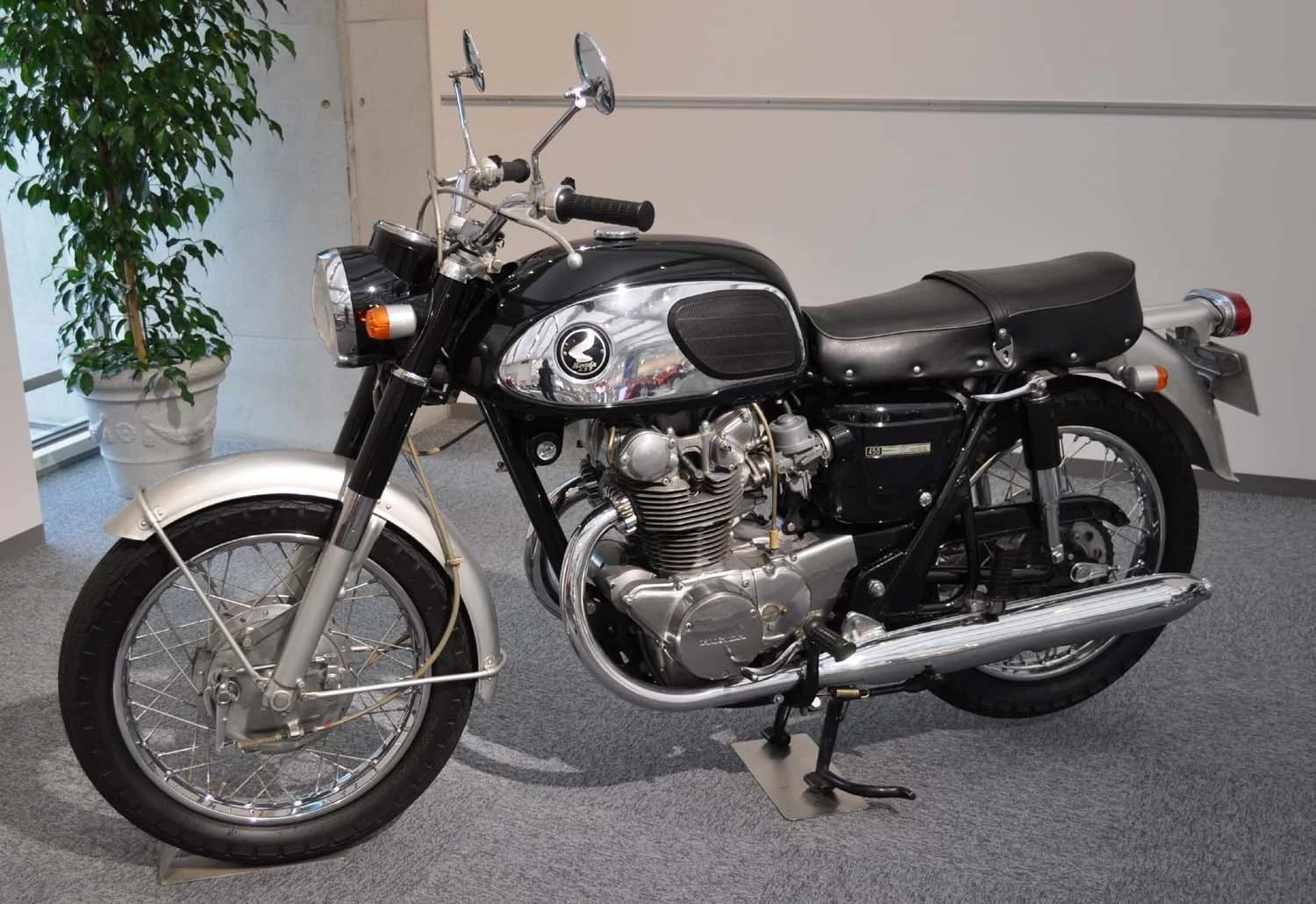
1965 Honda CB450 Black Bomber
1965-1974
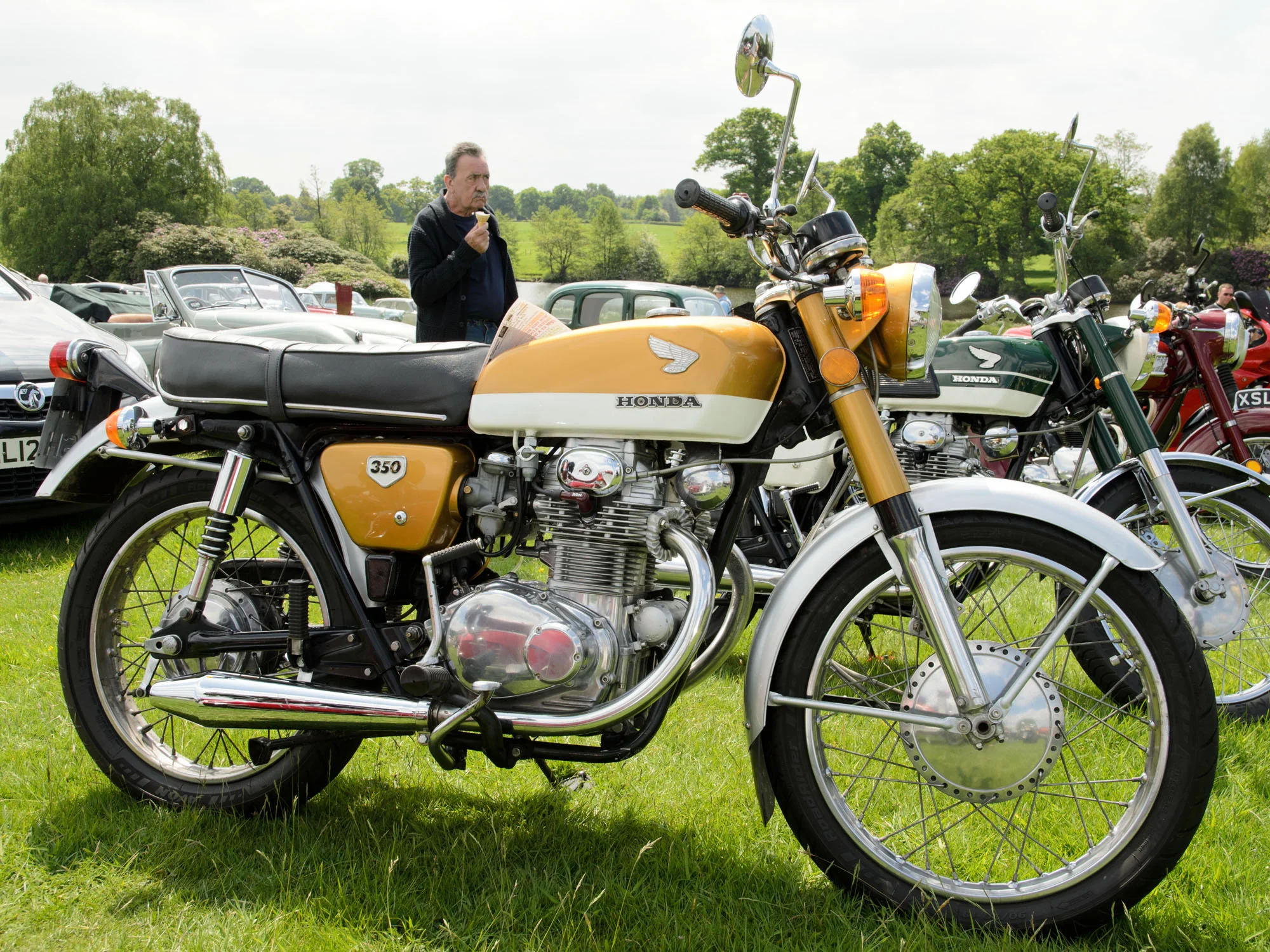
1969 Honda CB350
1968-1973
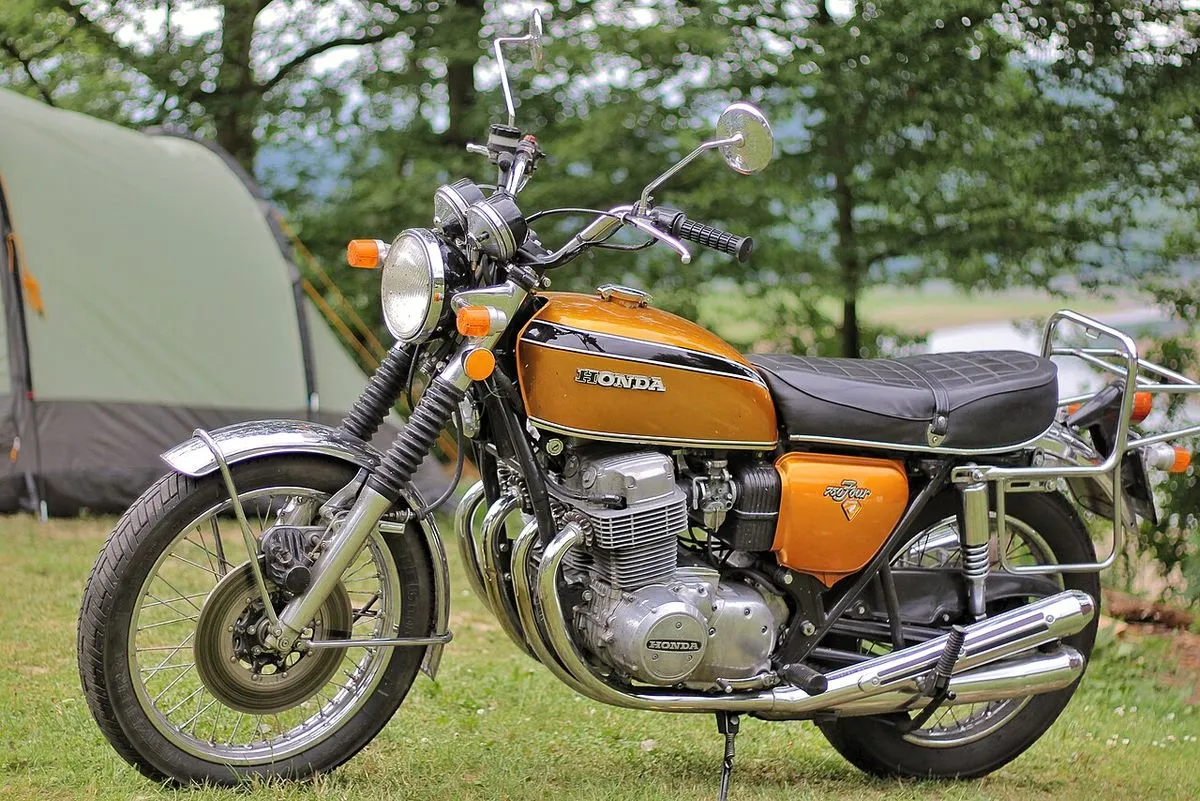
1969 Honda CB750
1969-1978
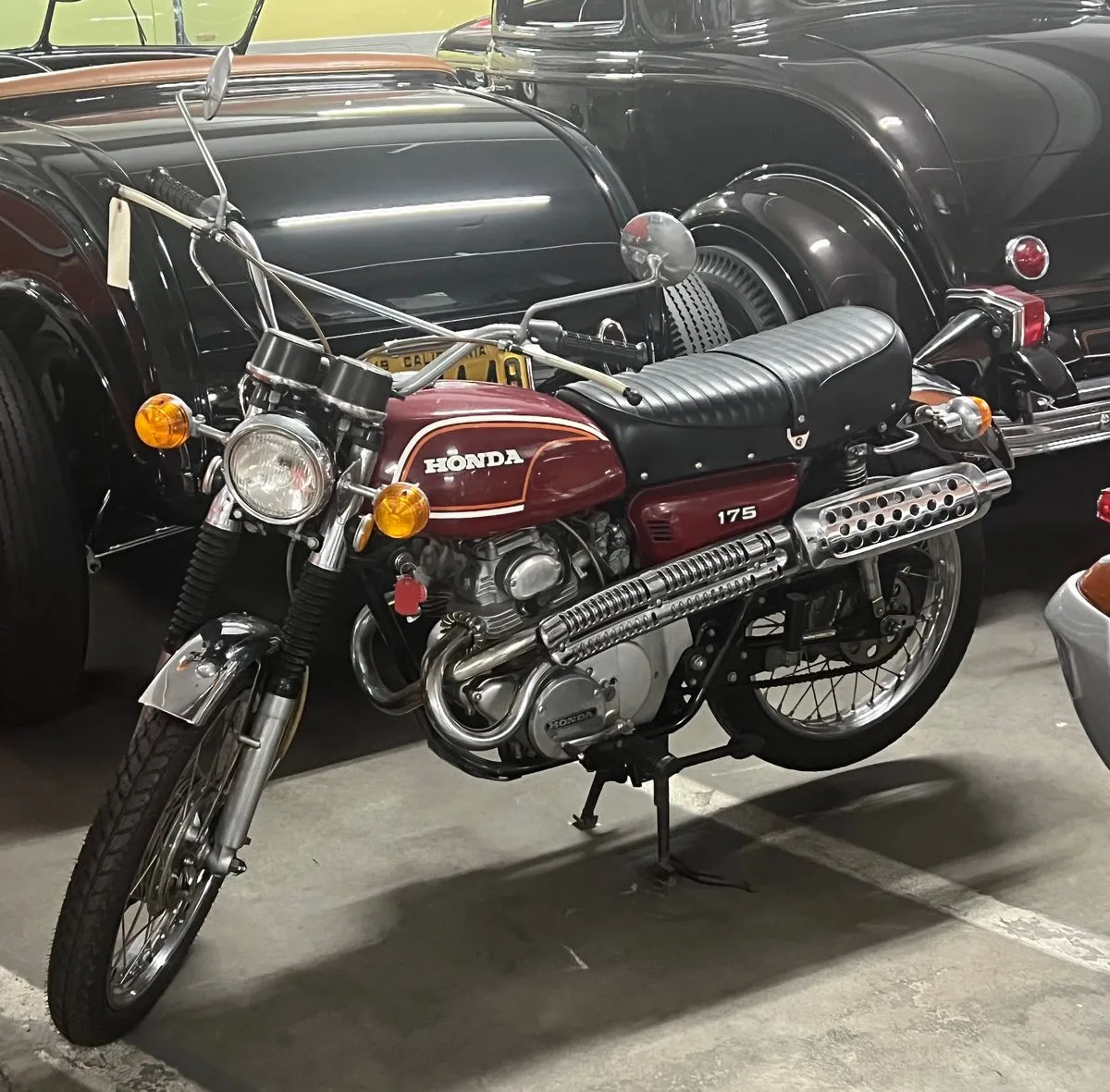
1974 Honda CL175 Scrambler
1968-1973
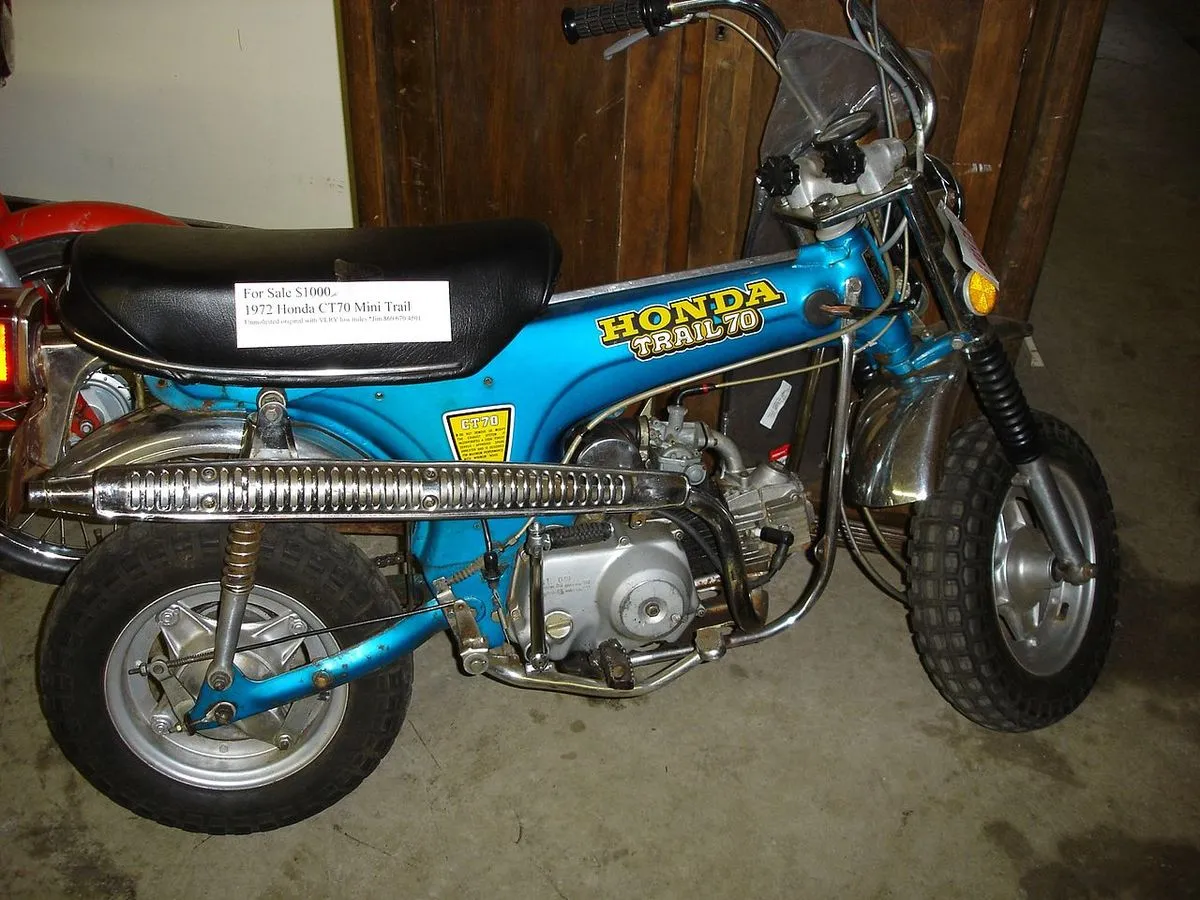
1974 Honda CT70 Trail
1969-1994
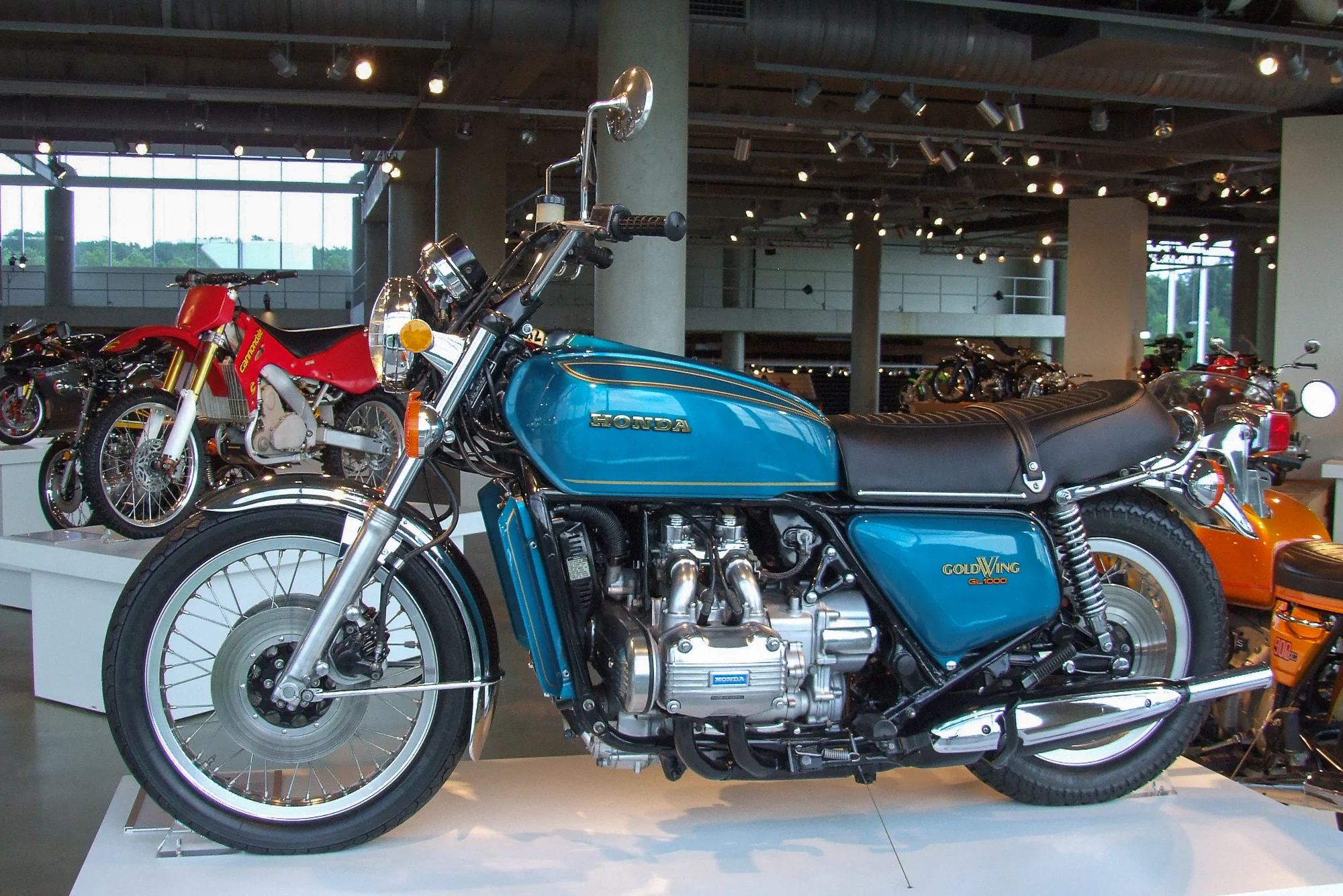
1975 Honda Gold Wing GL1000
1975-1979
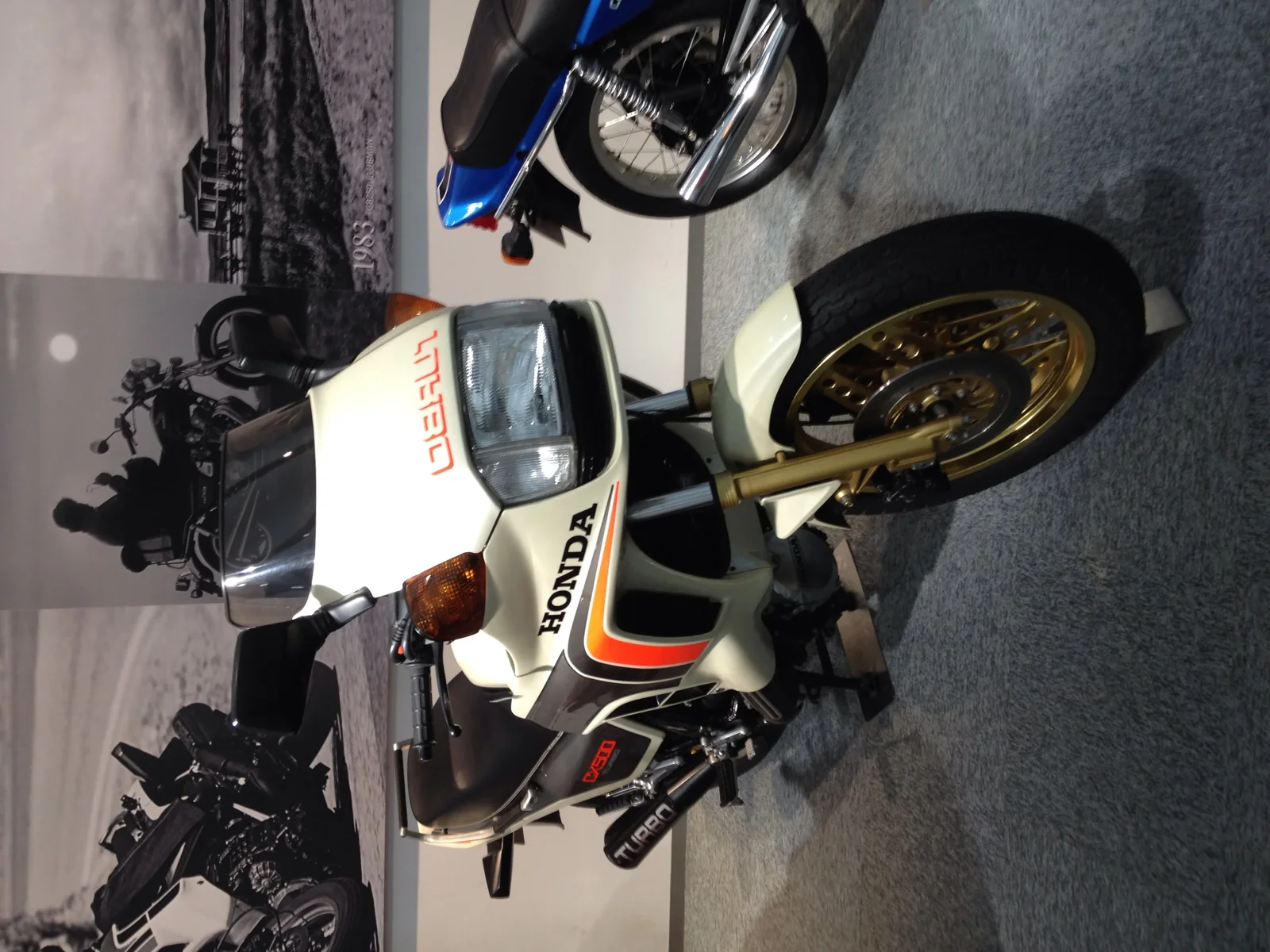
1982 Honda CX500 Turbo
1982-1983
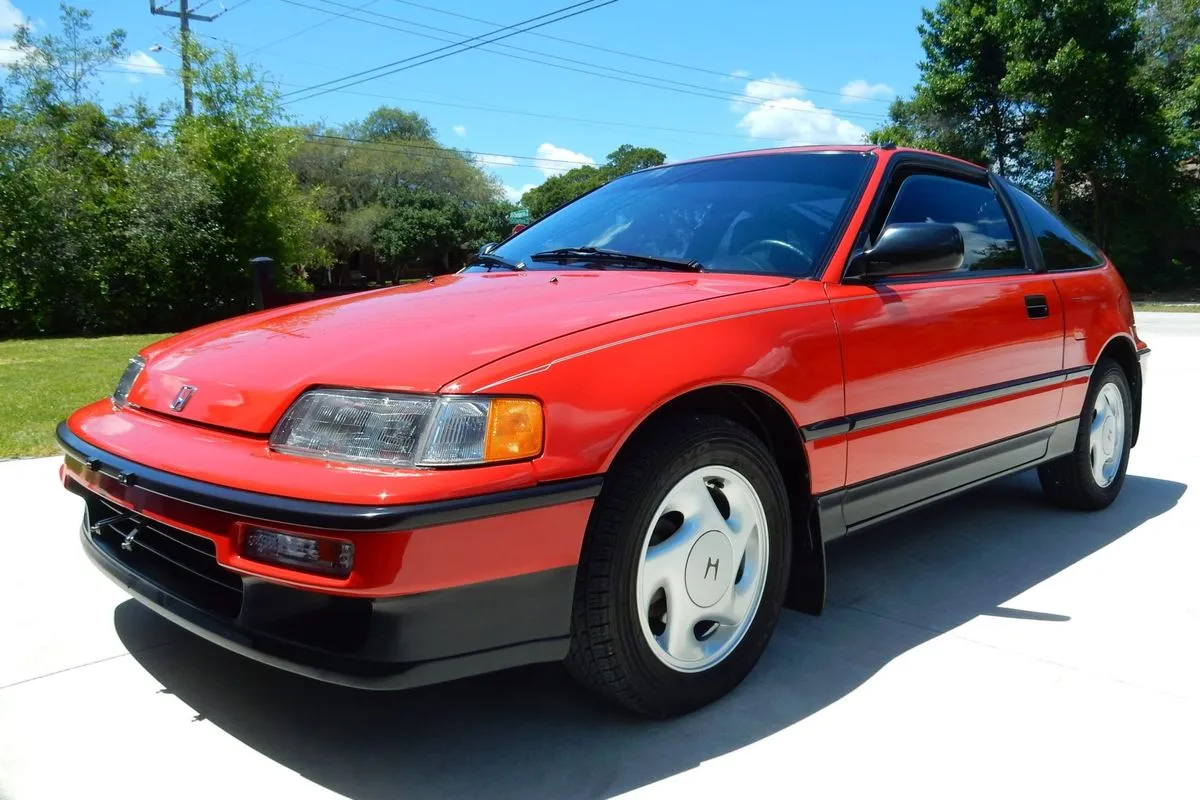
1990 Honda CRX Si
1988-1991