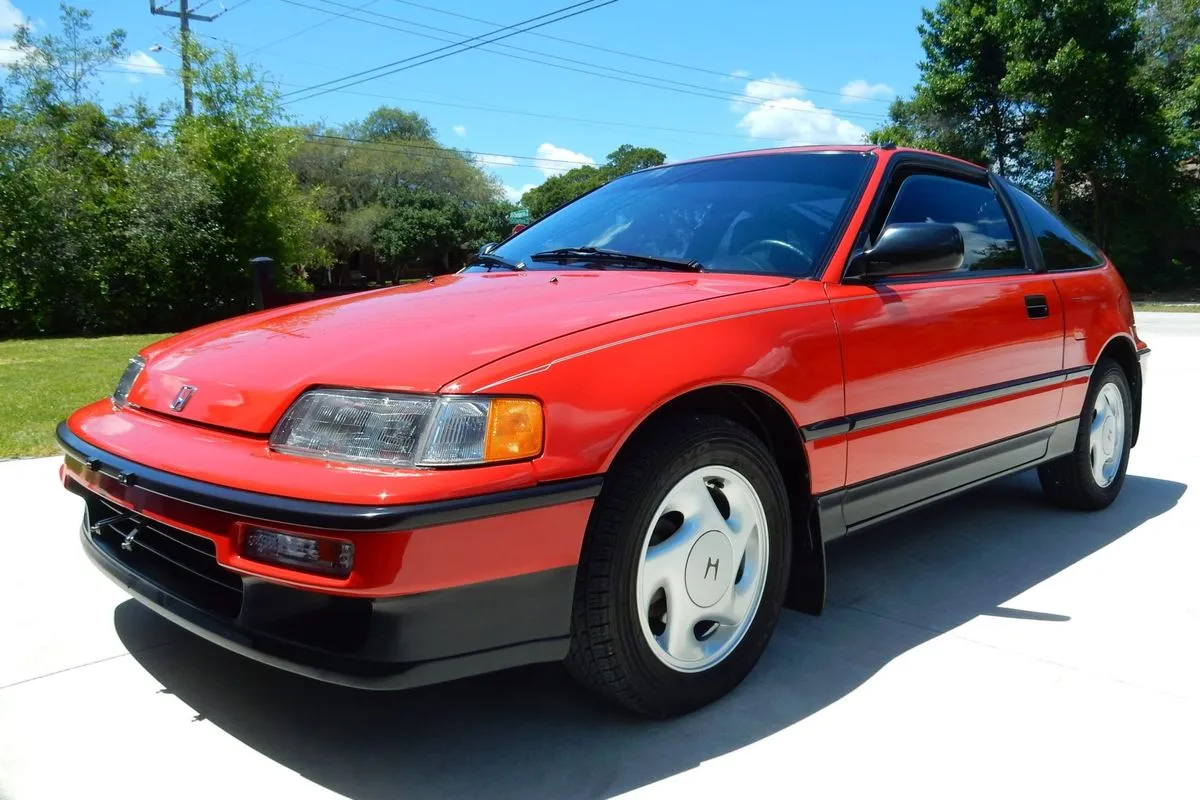
Why this vehicle matters
The second-gen CRX is the Miata's sibling that never got the credit. While Mazda was building the perfect roadster, Honda built the perfect coupe. Under 2,200 pounds, a willing SOHC engine, and handling that embarrassed cars costing three times as much.
The Si version with the D16A6 engine found the sweet spot: enough power to be fun, reliable enough to be daily driven, efficient enough to pass gas stations without stopping.
This was Honda at the height of their engineering arrogance — building cars that made you wonder why anyone bothered with anything else.
Patina notes
These cars were driven hard and put away wet. Finding one that hasn't been modified, crashed, or thrashed is increasingly difficult. Rust attacks the rear quarter panels and wheel arches. The pop-up sunroof models leak eventually.
Interior plastics get brittle with age. But a clean, unmolested CRX Si has a purity that's hard to find in modern cars. The patina should be honest — these were meant to be used.
Ownership reality
I put real miles on mine. The CRX rewards a driver who pays attention — it tells you everything that's happening with the road. Maintenance is Honda simple: timing belt every 90k, valve adjustment occasionally, and that's about it.
Parts are still available, though rust-free body panels are getting scarce. The biggest threat isn't mechanical failure; it's theft. Lock it up. Use a Club. Consider a kill switch.
★ From the Collection
Acquired June 2022 from Bring a Trailer (listing →)
~12,000 miles (title exempt) at acquisition
Equipment
- · Rio Red exterior
- · 14" alloy wheels
- · Power sunroof
- · Rear wiper
- · Tinted windows
- · Front/rear mud flaps
- · Air conditioning
- · AM/FM cassette stereo
- · Cargo cover
- · CRX-branded floor mats
- · Sport seats (black cloth, red-striped inserts)
- · Double-wishbone suspension with front/rear sway bars
- · Four-wheel disc brakes
Work Performed
- Pre-purchase Timing belt service
- Pre-purchase Water pump, tensioner, thermostat replaced
- Pre-purchase Fuel injectors replaced
- Pre-purchase Spark plug wires replaced
- Pre-purchase Fuel tank and fuel pump replaced
Condition Notes
Paint blemishes on rear bumper cover and right door. Scratch on one wheel. Accident-free Carfax. Open recall: seat belt (May 1995). Mileage gap in Carfax history.
The verdict
Buy if
You understand that driving engagement doesn't require horsepower. You want a car that rewards precision. You're willing to hunt for a clean example.
Skip if
You need cargo space. You want a car that intimidates in traffic. You can't walk away from a modified example that 'just needs a few things.'
What to look for
- → Rust in rear quarter panels and wheel arches
- → Sunroof seal condition and drainage
- → Timing belt service history
- → Clutch cable (they stretch and break)
- → Original vs. modified — most have been messed with
- → Accident history (unibody damage is terminal)
- → Interior condition (these were daily drivers)
Common problems
- ⚠ Distributor ignition components fail with age
- ⚠ Radiator plastic end tanks crack
- ⚠ A/C compressor clutch wear
- ⚠ Window regulators are weak
- ⚠ Rear wheel bearing noise
- ⚠ Rust, rust, rust (especially northern cars)
Parts & community
Parts sources
- Honda dealer (still supports these)
- RockAuto (maintenance items)
- Hondapartsnow.com
- eBay (used OEM parts)
- CRX-specific Facebook groups
Forums & communities
- HondaTech.com
- CRXCommunity.com
- Reddit r/crx
- Temple of VTEC
Sources
- Personal ownership · 2026-02-02
Specifications
| Engine | 1.6L SOHC inline-4 (D16A6) |
| Power | 108 hp @ 6,000 rpm |
| Torque | 100 lb-ft @ 5,000 rpm |
| Transmission | 5-speed manual |
| Drivetrain | FWD |
| Weight | 2,200 lbs |
| Wheelbase | 90.6 inches |
| Production | Second-gen CRX ran 1988-1991 |
Notable Features
- • Under 2,200 lbs curb weight
- • 50+ mpg achievable
- • Power sunroof
- • Perfect driver's seating position
Find one
Looking to buy? Search current and past listings on Bring a Trailer.
Search on Bring a Trailer →More from Honda
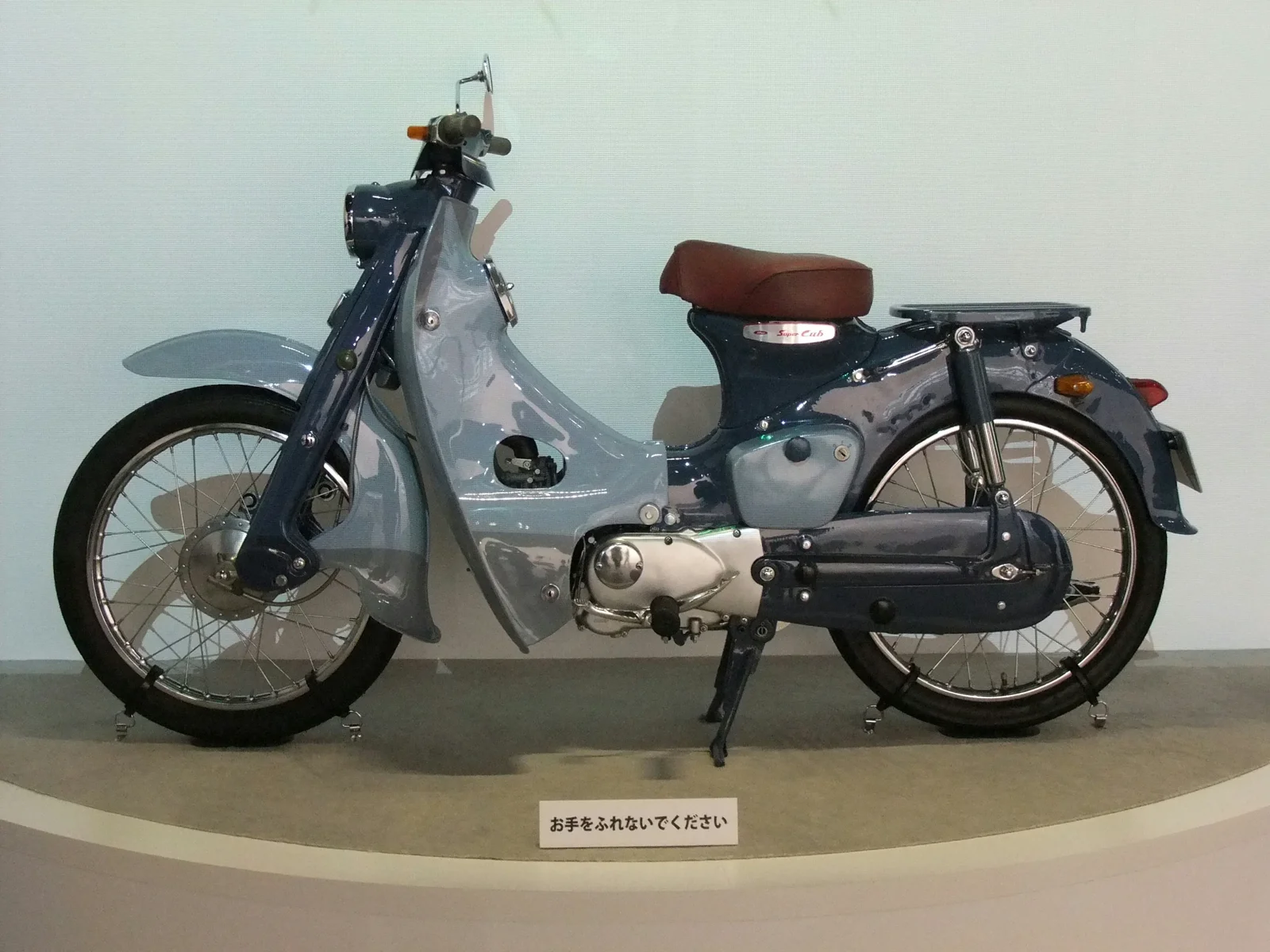
1958 Honda Super Cub
1958-present
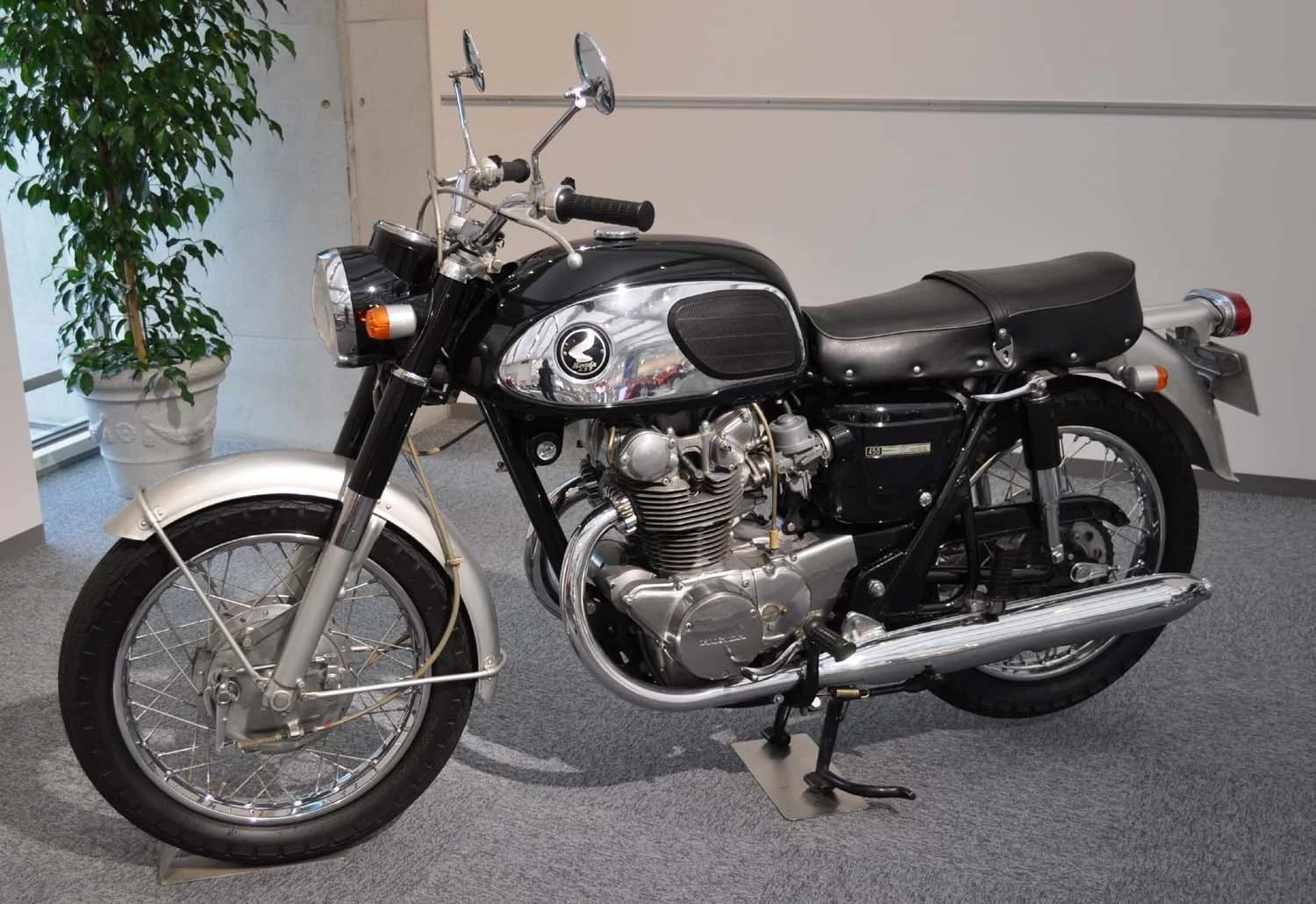
1965 Honda CB450 Black Bomber
1965-1974
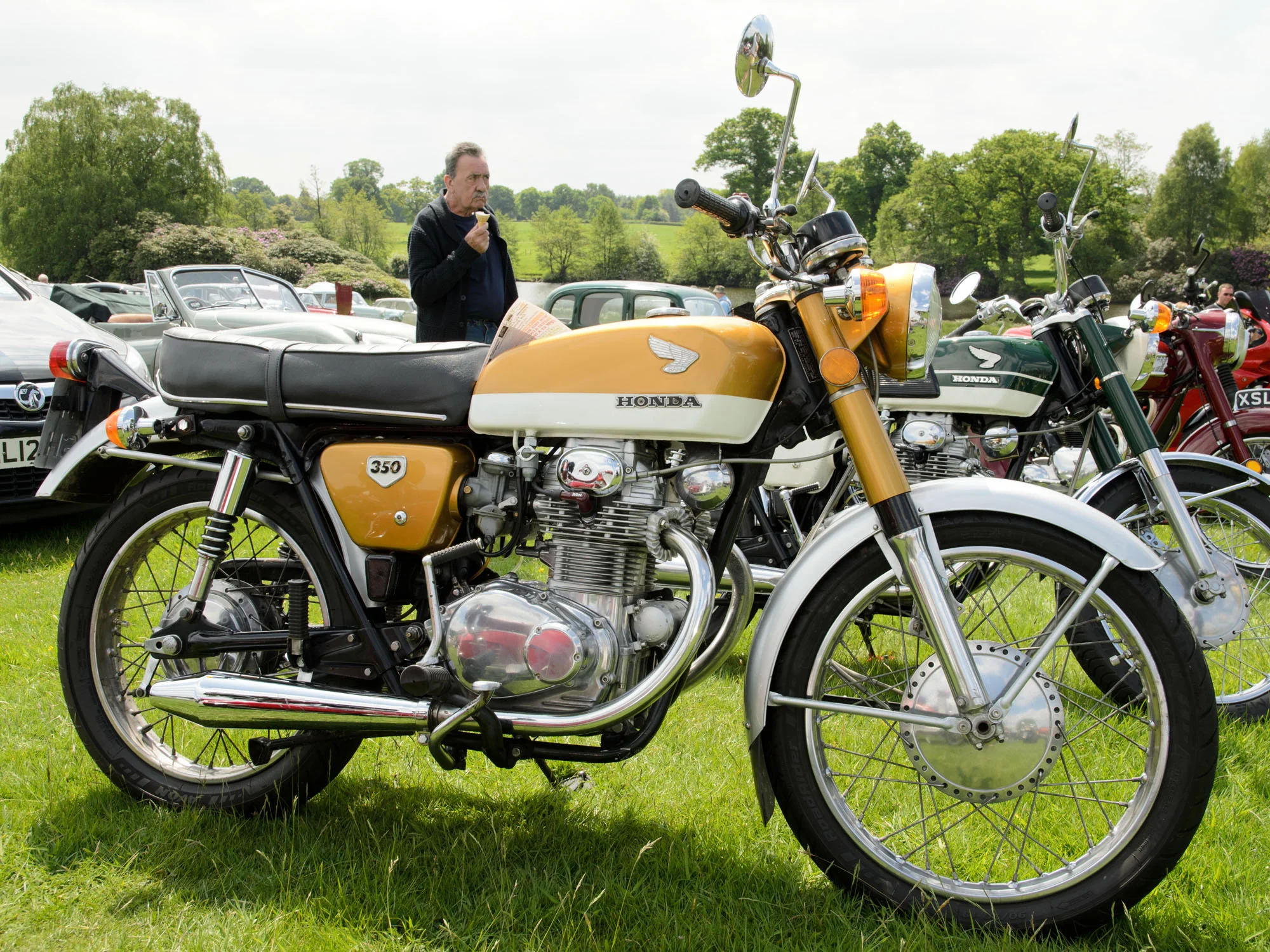
1969 Honda CB350
1968-1973
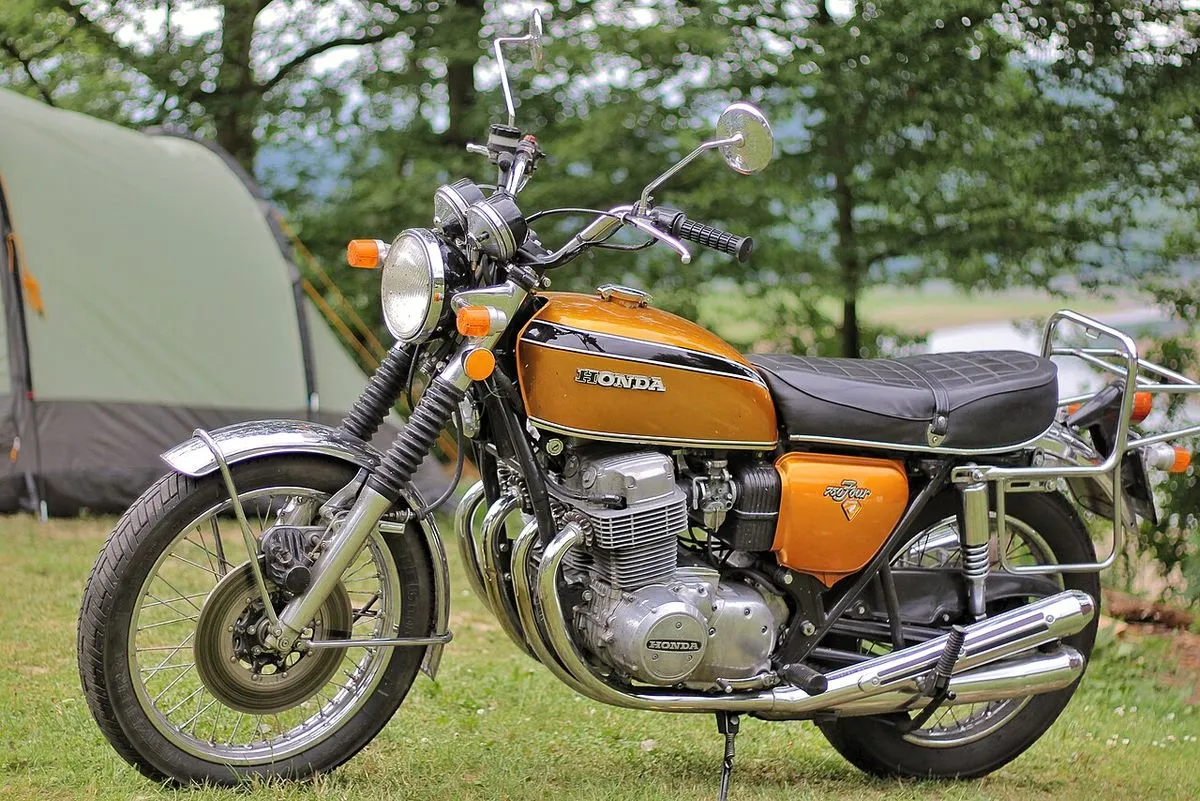
1969 Honda CB750
1969-1978
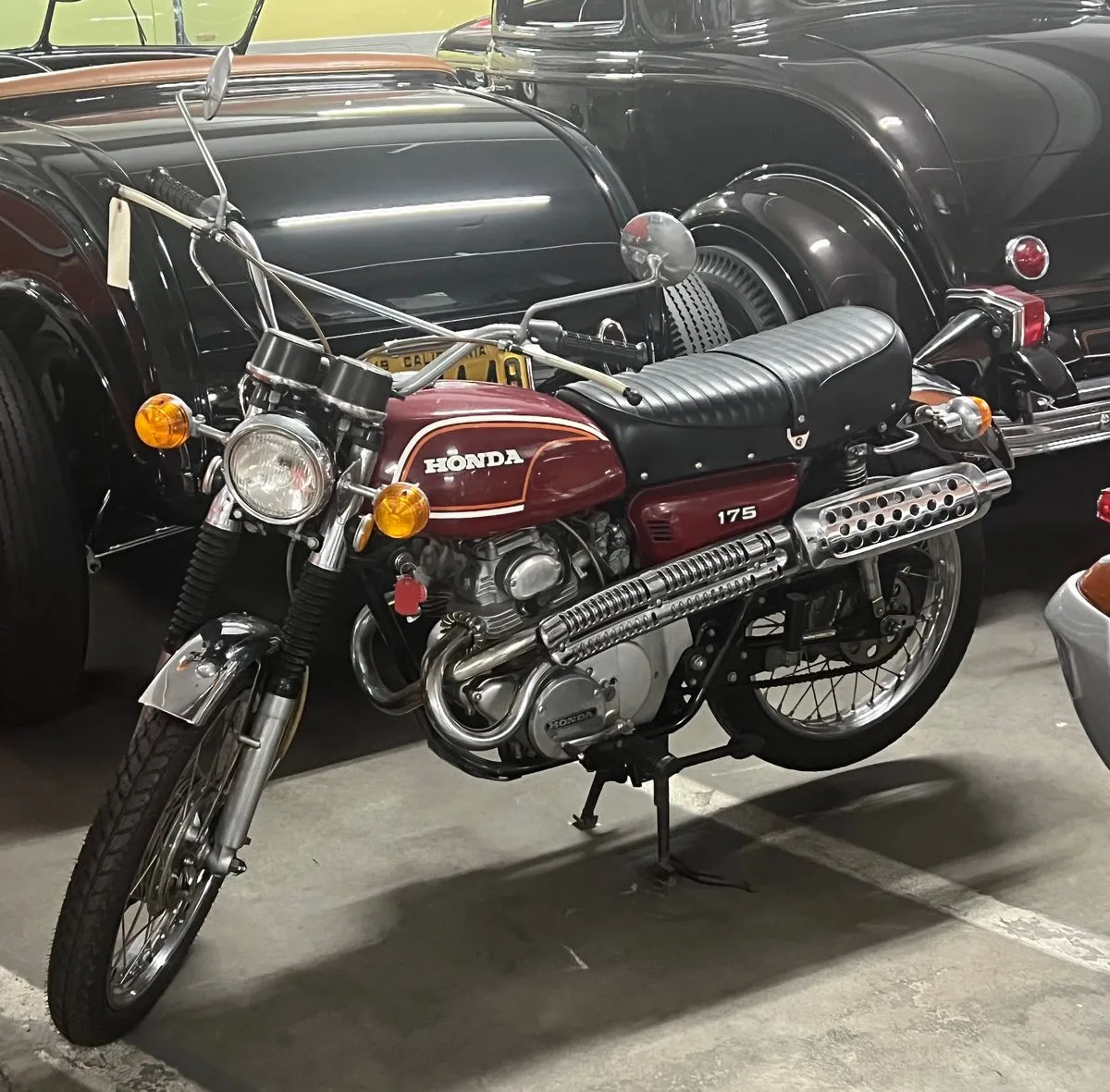
1974 Honda CL175 Scrambler
1968-1973
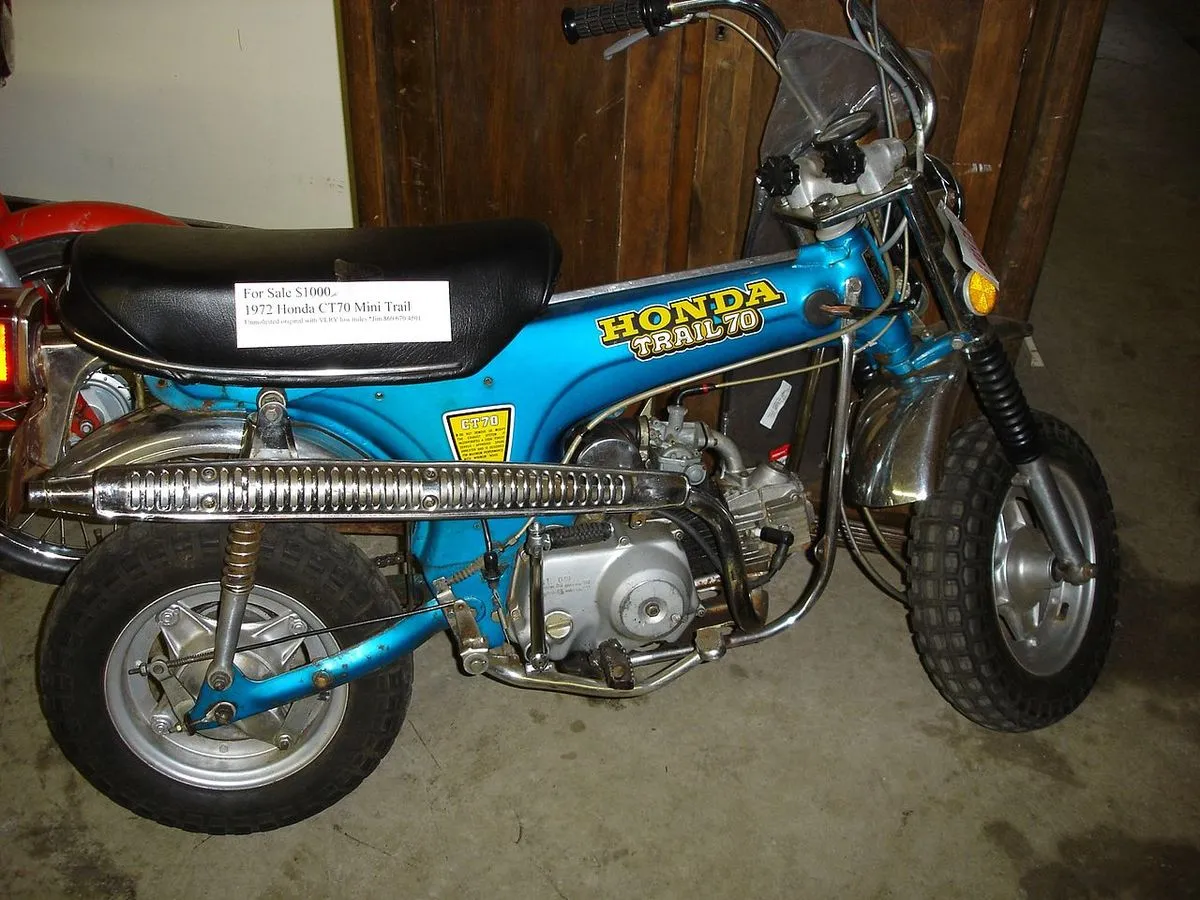
1974 Honda CT70 Trail
1969-1994
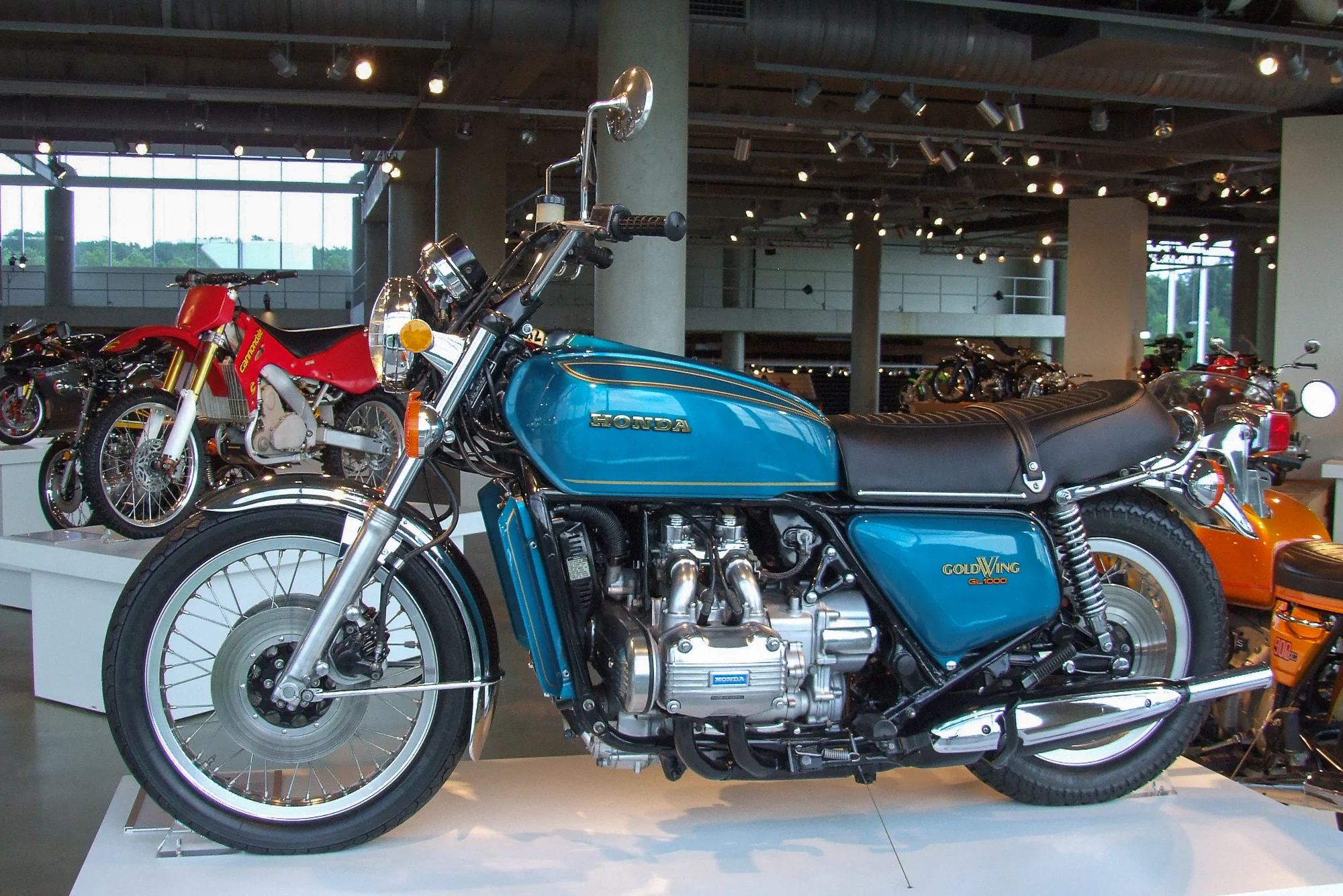
1975 Honda Gold Wing GL1000
1975-1979
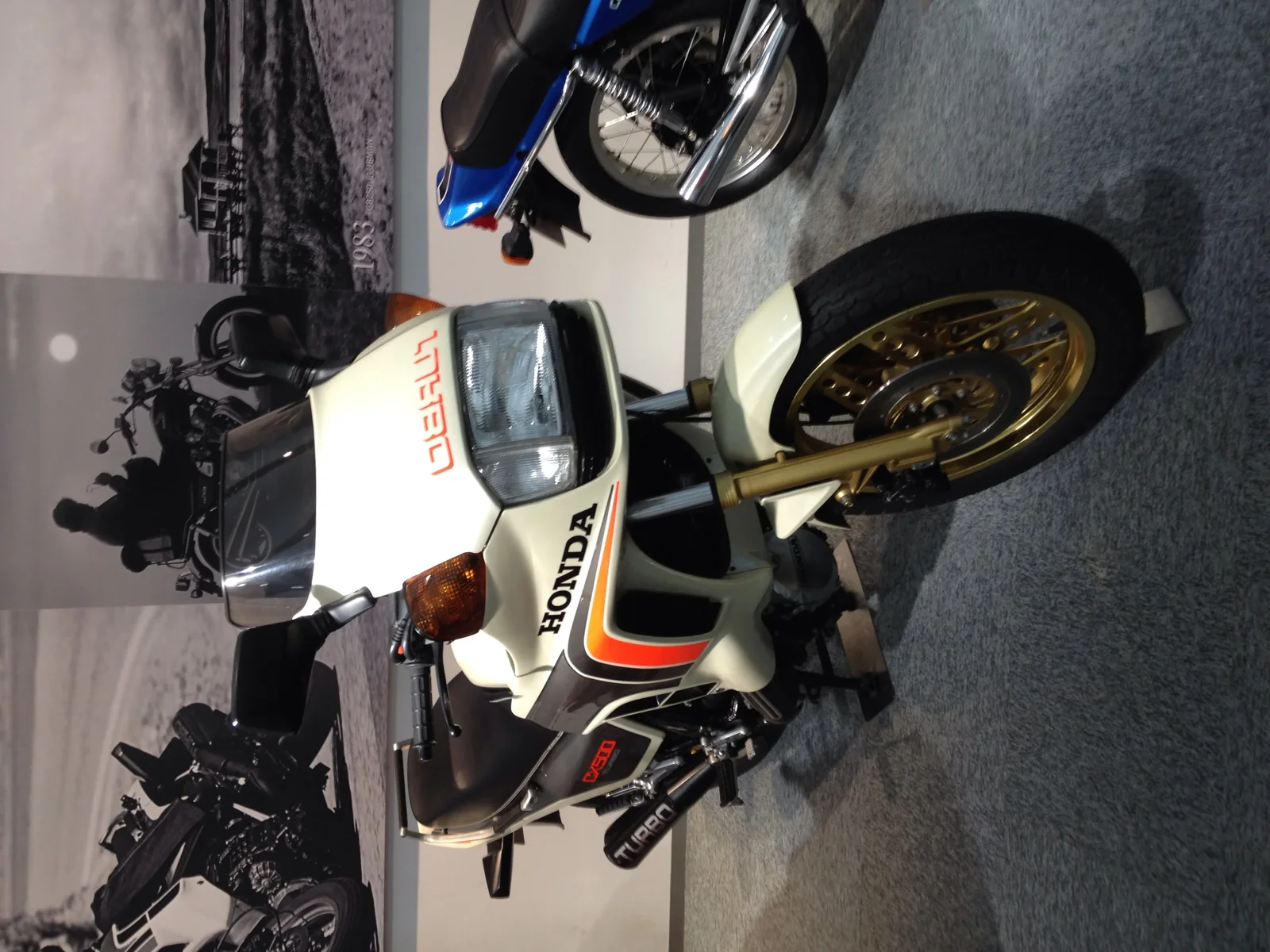
1982 Honda CX500 Turbo
1982-1983