Why this vehicle matters
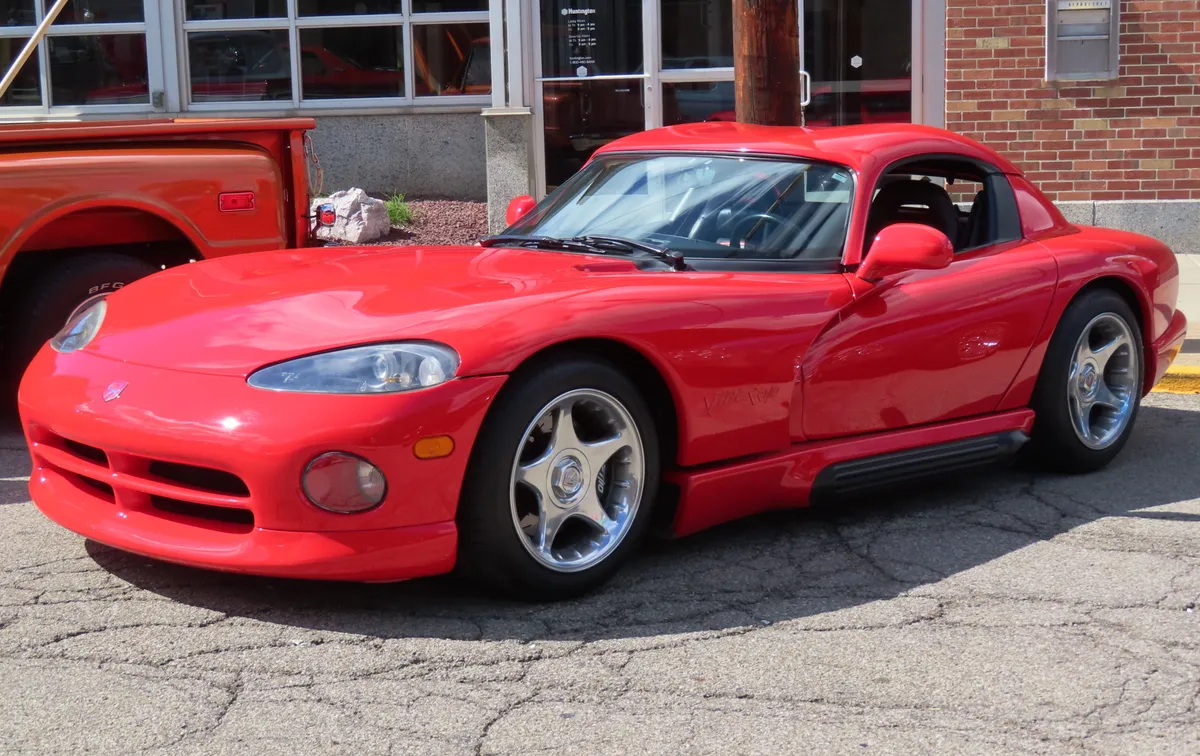
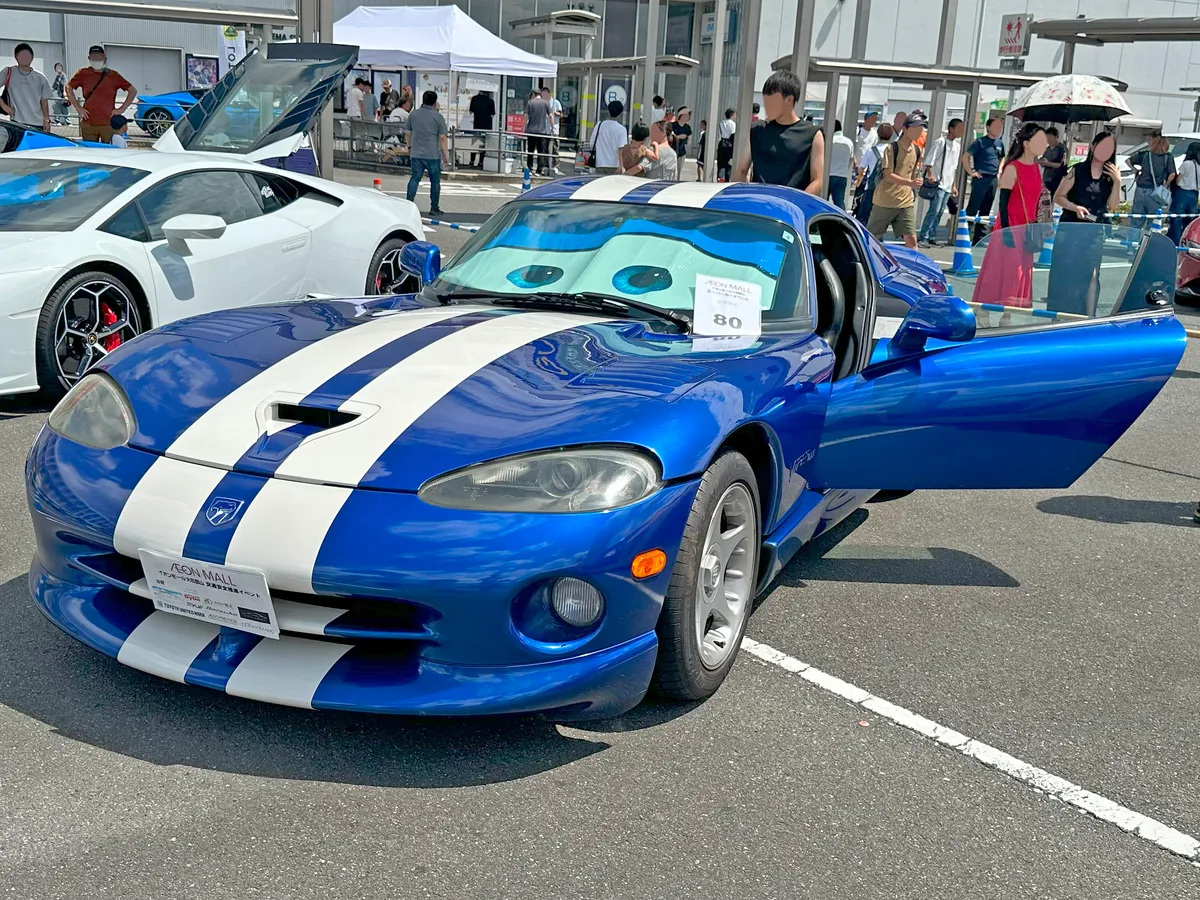
The GTS coupe took the RT/10's brutality and added just enough refinement to make it usable without losing the soul. The double-bubble roof — a direct homage to the Shelby Cobra Daytona coupe — made it instantly recognizable.
The 450 hp V10 was even more aggressive than the roadster's. And then Chrysler went racing. The Viper GTS-R dominated GT2 class racing, including class wins at Le Mans in 1998, 1999, and 2000. The blue-with-white-stripes livery became iconic.
The GTS proved the Viper wasn't just a drag strip brawler — it could humiliate European exotics on road courses too.
Patina notes
The GTS ages beautifully, especially in blue with white stripes (the Le Mans livery). Red and black cars are common but lack the visual drama. The double-bubble roof is structural and shouldn't show stress.
Interior wear is better controlled than the RT/10 thanks to actual climate control. The massive rear glass shows the engine; keep it clean. Original window stickers and documentation add significant value to GTS-R tribute cars.
Ownership reality
The GTS is the civilized Viper — meaning you can drive it more than 30 minutes without hating your life. Air conditioning works. The interior is actually finished.
But it's still a Viper: no electronic aids, heavy controls, and enough power to get you in serious trouble. The engine is bulletproof if maintained. The transmission is the weak link — grinding into second gear is common on hard-driven examples.
Special editions (GTS-R, GT2, ACR) command significant premiums. The community is excellent and genuinely helpful to newcomers.
The verdict
Buy if
You want Le Mans heritage in your garage. You want Viper experience with livable refinement. You appreciate that this car beat Porsches and Ferraris at their own game.
Skip if
You expected the GTS to be actually comfortable. You need a car that can be driven in the rain safely. You can't resist flooring it at every opportunity (this car punishes overconfidence).
What to look for
- → Transmission grinding into 2nd gear
- → Frame cracks at suspension pickups
- → Previous track abuse (check for roll bar mounts)
- → Clutch wear and hydraulic condition
- → Electrical issues in gauge cluster
- → Documentation for special editions
- → Signs of poorly repaired crash damage
Common problems
- ⚠ 2nd gear synchro wear
- ⚠ Water pump and cooling system maintenance
- ⚠ Rear differential whine
- ⚠ Clutch slave cylinder failure
- ⚠ Catalytic converter heat-related issues
- ⚠ Ball joint wear from aggressive driving
Parts & community
Parts sources
- Viper Parts Rack
- Prefix Corporation
- Woodhouse Performance
- Mopar Performance
Forums & communities
- VCA Viper Club of America
- ViperAlley.com
- DrivingEnthusiast.net
Sources
- Bring a Trailer · 2026-02-04
- Hagerty Valuation Tools · 2026-02-04
Specifications
| Engine | 8.0L V10 |
| Power | 450 hp |
| Torque | 490 lb-ft |
| Transmission | 6-speed manual |
| Drivetrain | RWD |
| Weight | 3,445 lbs |
| Wheelbase | 96.2 inches |
| Production | 4,752 (1996-2002 GTS) |
Notable Features
- • Double-bubble roof (Cobra Daytona homage)
- • Still no ABS or traction control
- • Improved interior with actual air conditioning
- • GT2 Championship-winning heritage
About Dodge
Chrysler's muscle brand. Dodge has always been the division willing to build something a little wilder than the competition.
View all Dodge vehicles →Find one
Looking to buy? Search current and past listings on Bring a Trailer.
Search on Bring a Trailer →