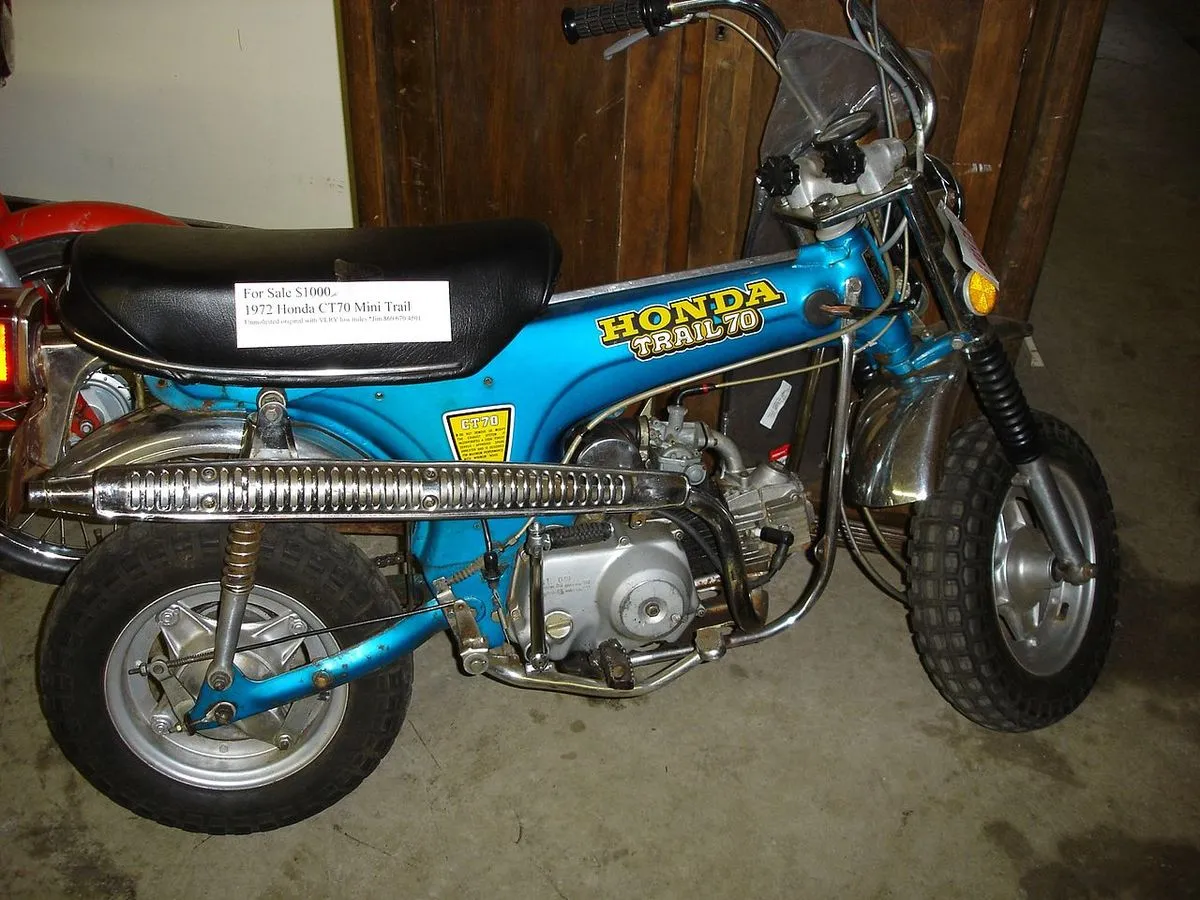
Why this vehicle matters
The CT70 is how America learned to ride. Honda's genius was making a motorcycle that was small enough to be non-threatening, cheap enough to be impulse-buyable, and reliable enough to survive novice abuse. Parents bought them for kids.
Adults discovered they were actually fun. The CT70 created generations of motorcyclists by proving that two wheels weren't scary — they were joy. More people's first motorcycle memories involve a CT70 than any other bike.
Patina notes
CT70s were toys, which means they got abused and neglected. Survivors with original paint show the scars of childhood: scratches from drops, faded tanks from sun exposure, worn seats from endless rides.
This is the good kind of patina — evidence of joy rather than neglect. Restored CT70s are nice, but an original with decades of adventure marks tells a story.
Ownership reality
Honda parts support is legendary, and the CT70 community is enormous. Reproduction parts are available for almost everything, though quality varies. The engine is so simple a teenager can rebuild it, which was kind of the point.
These bikes are easy to work on, cheap to maintain, and nearly impossible to kill through normal use. Daily transport? No, but perfect for putting around neighborhoods and trails.
The verdict
Buy if
You want to introduce someone to motorcycling. You need a bike that fits in your truck bed. You want to relive the simple joy of two wheels without any complexity.
Skip if
You need to travel faster than 40 mph. You're over 6 feet tall (ergonomics don't scale). You want something with modern safety equipment.
What to look for
- → Frame condition (stressed in crashes)
- → Tank rust inside (common in sitting bikes)
- → Folding mechanism wear and alignment
- → Engine compression (should kick easy, run immediately)
- → Fork seal leaks (common age-related failure)
- → Electrical system function (lights, horn, ignition)
Common problems
- ⚠ Petcock leaks (rubber deteriorates)
- ⚠ Ignition points need regular adjustment
- ⚠ Chain and sprocket wear
- ⚠ Tire dry rot from sitting
- ⚠ Carburetor gumming from old fuel
- ⚠ Seat foam deterioration under cover
Parts & community
Parts sources
- 4into1.com
- PartsZilla
- CT70 Classifieds
- eBay (large community)
- Honda Powersports (some NOS still available)
Forums & communities
- HondaTrail.net
- MiniTrailEnthusiast.com
- CT70-K0.com
- Honda Mini Trail Facebook groups
Sources
- Hagerty Valuation Tools · 2026-02-03
- Bring a Trailer · 2026-02-03
Specifications
| Engine | 72cc OHC Single |
| Power | 4.5 hp |
| Torque | 4 lb-ft |
| Transmission | 3-speed semi-automatic (early) / 4-speed manual (later) |
| Drivetrain | Chain |
| Weight | 148 lbs |
| Wheelbase | 40 inches |
| Production | Millions worldwide |
Notable Features
- • Folds for trunk/truck bed transport
- • Automatic clutch option (hands-free shifting)
- • High/low headlight switch
- • Folding handlebars
Find one
Looking to buy? Search current and past listings on Bring a Trailer.
Search on Bring a Trailer →More from Honda
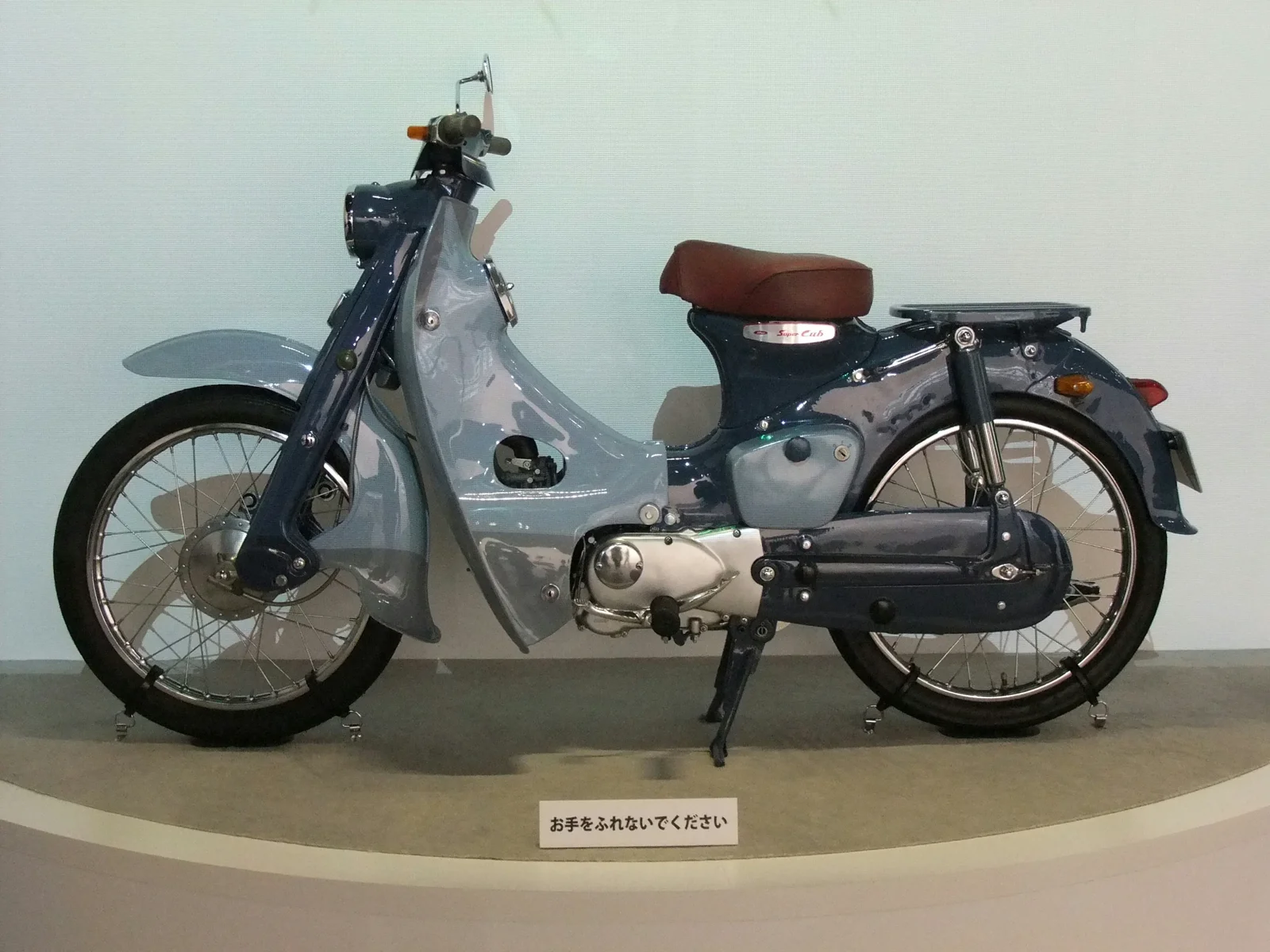
1958 Honda Super Cub
1958-present
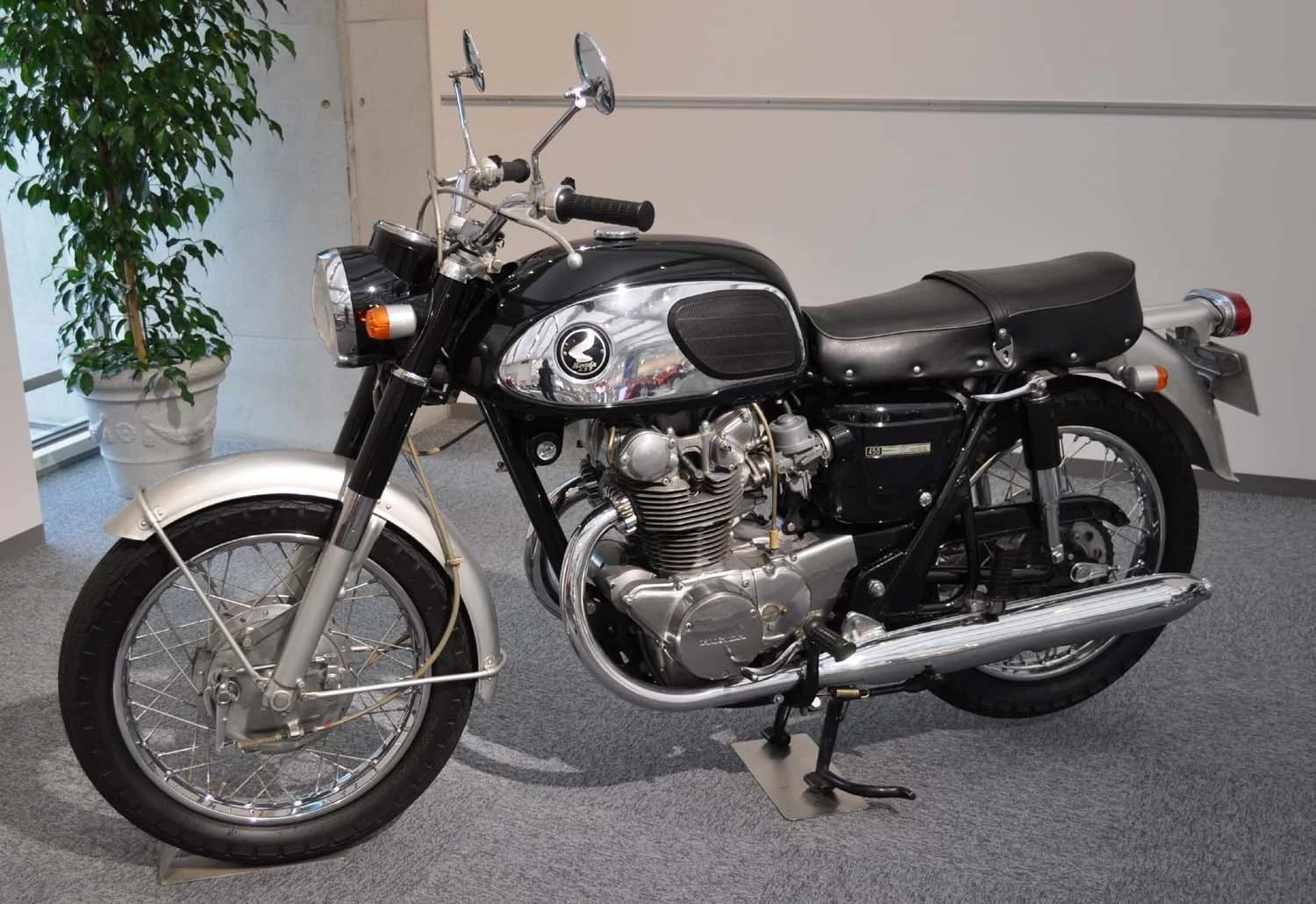
1965 Honda CB450 Black Bomber
1965-1974
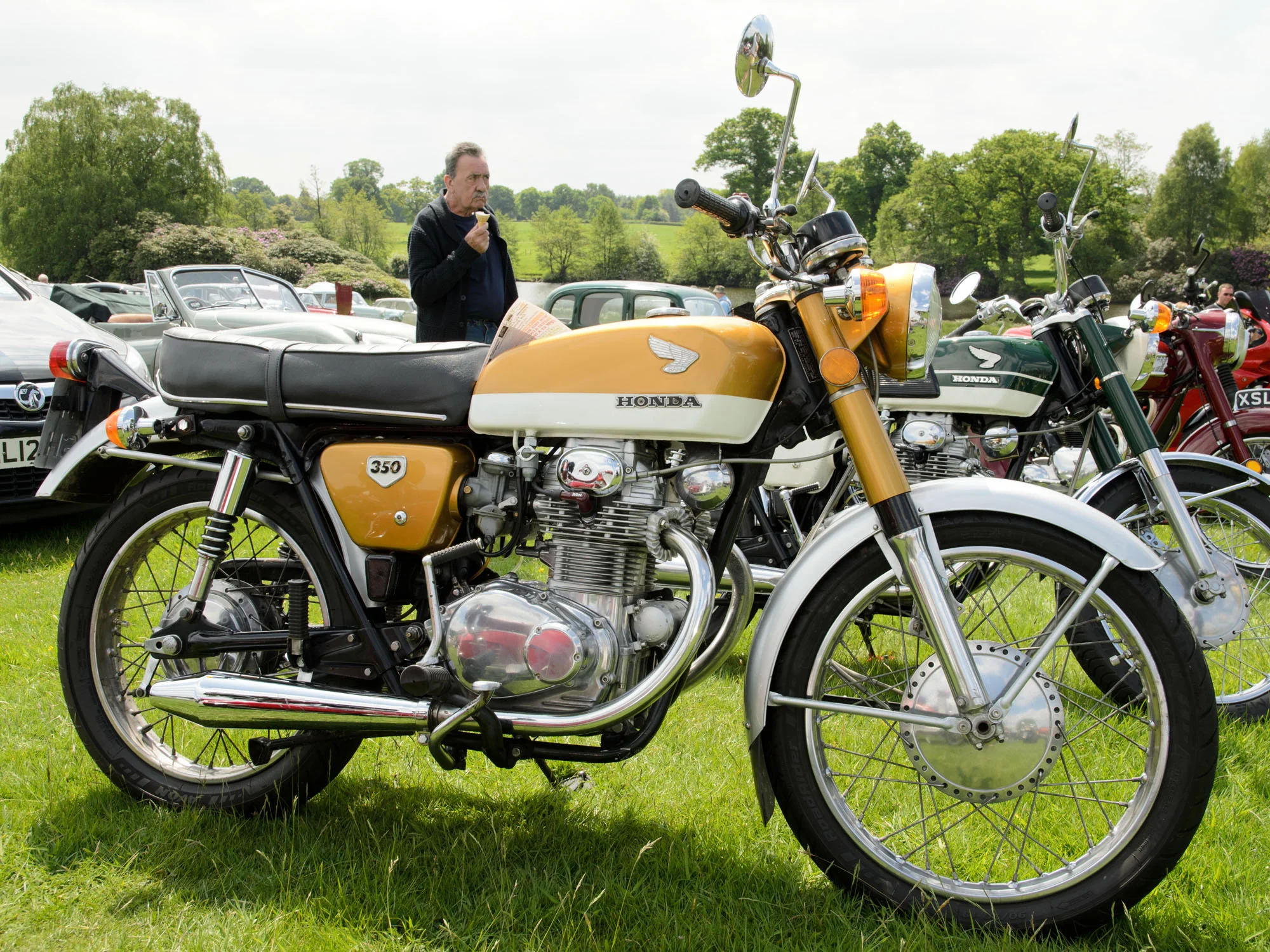
1969 Honda CB350
1968-1973
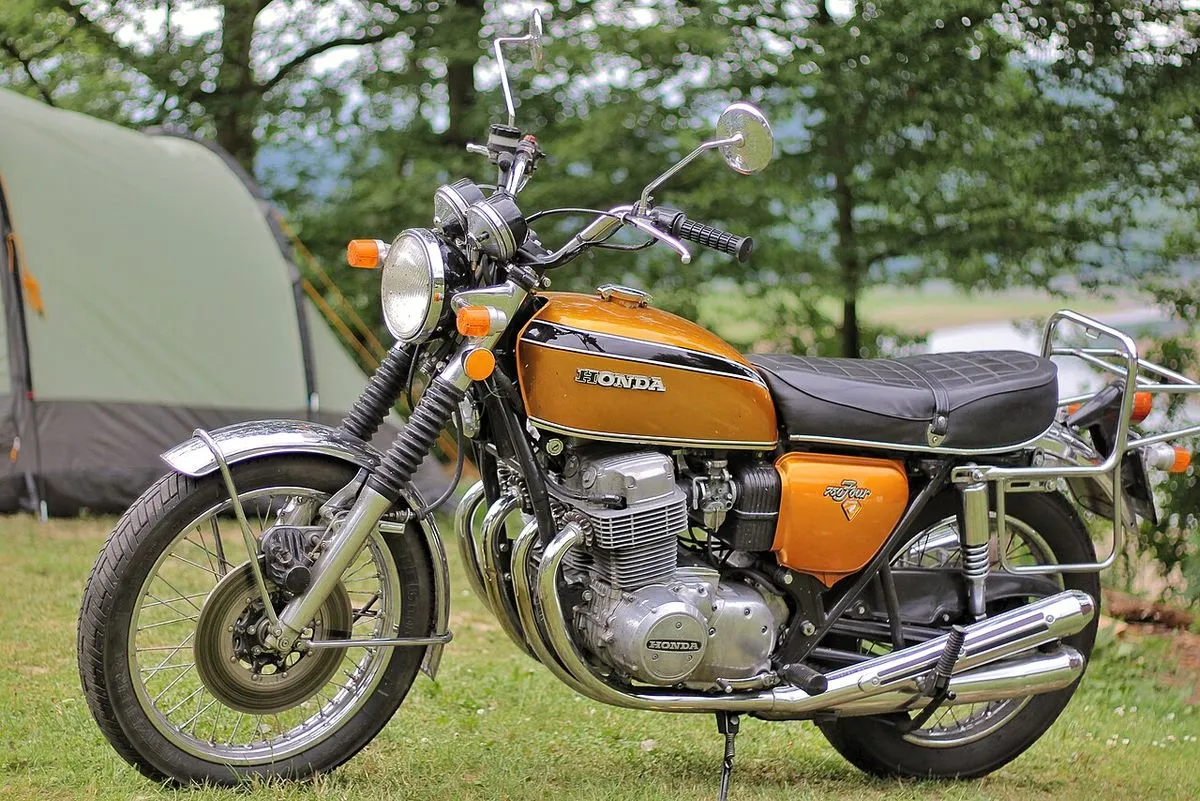
1969 Honda CB750
1969-1978
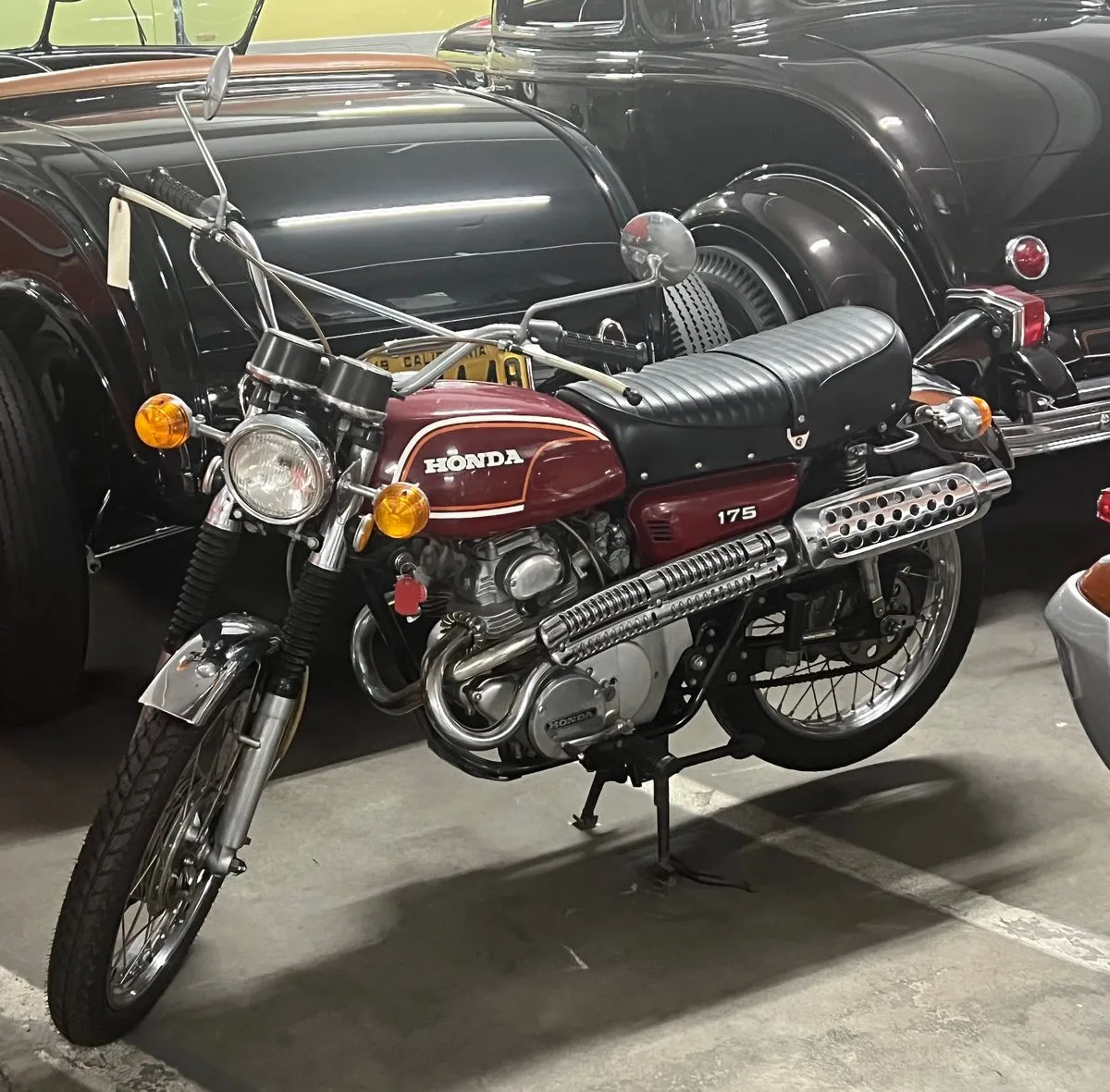
1974 Honda CL175 Scrambler
1968-1973
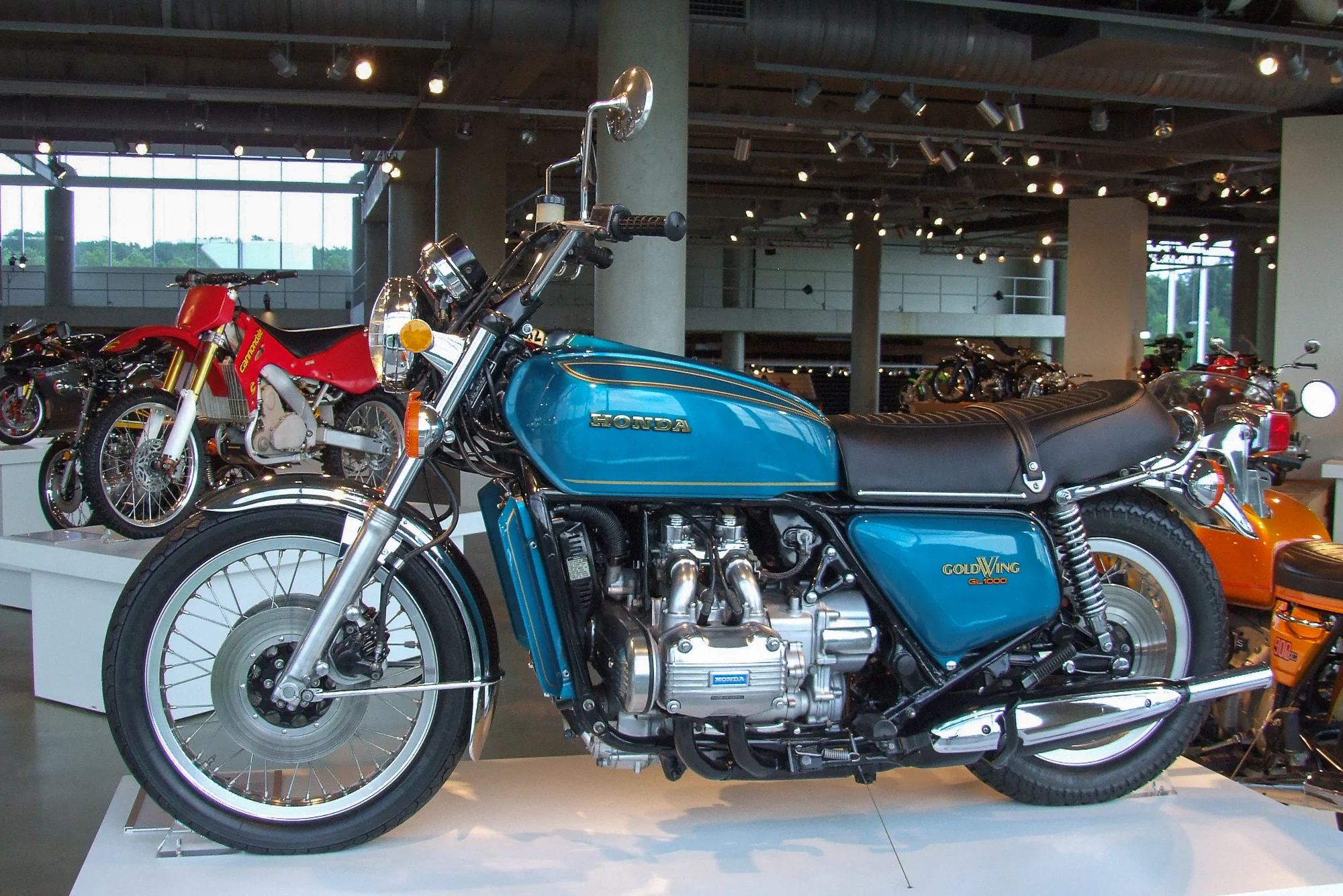
1975 Honda Gold Wing GL1000
1975-1979
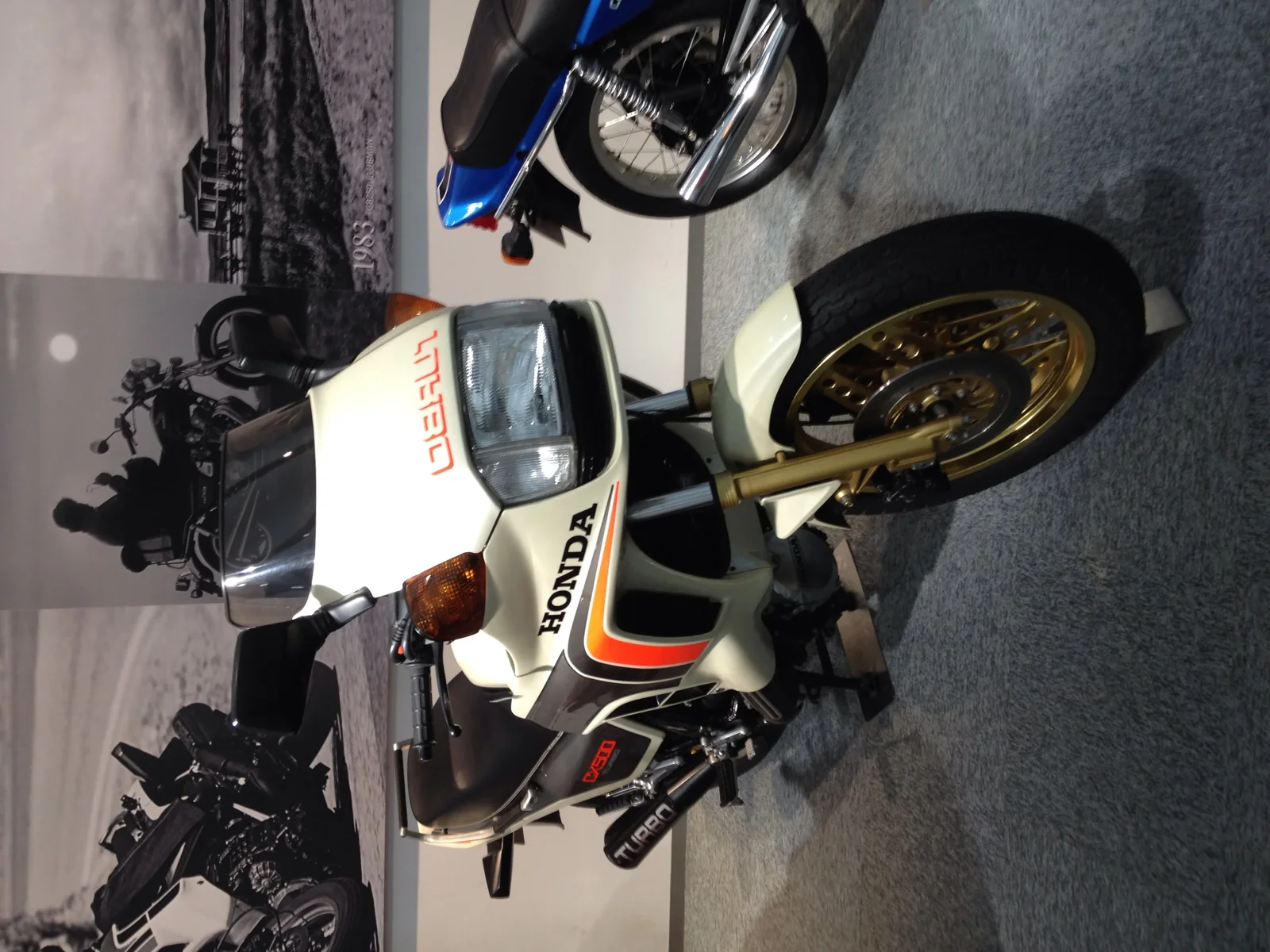
1982 Honda CX500 Turbo
1982-1983
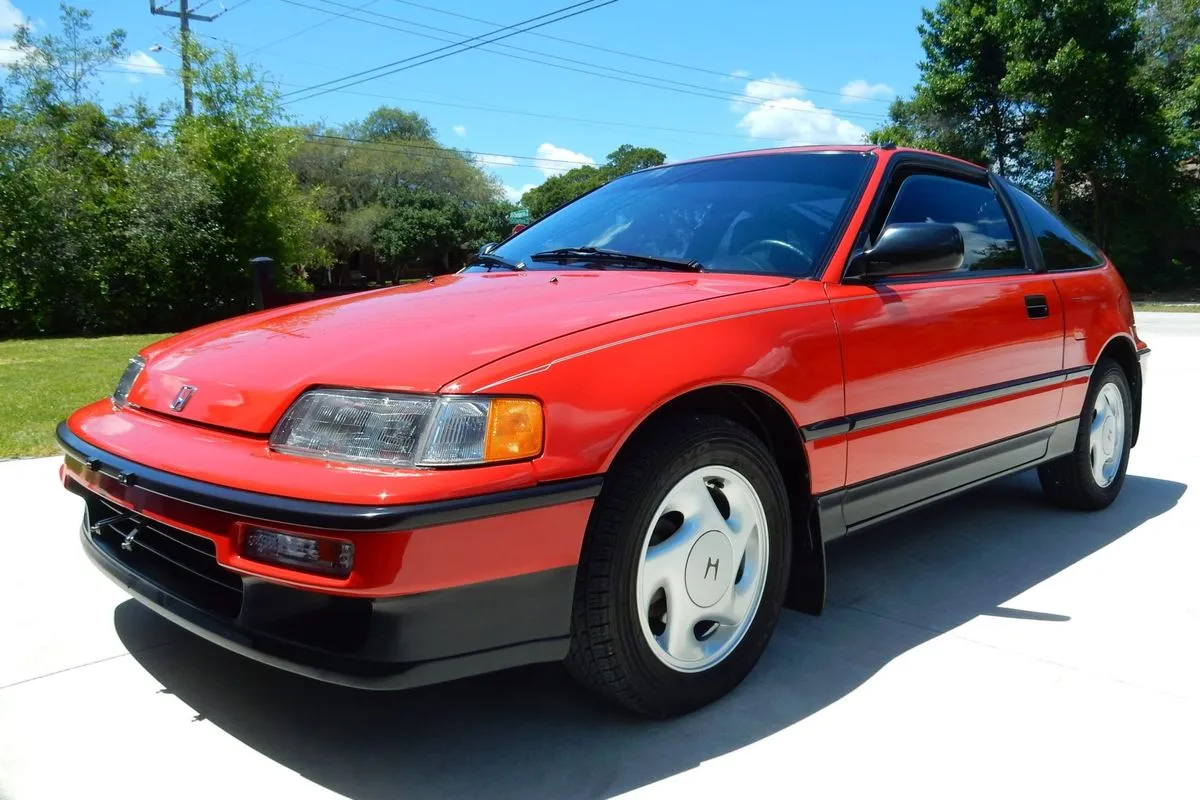
1990 Honda CRX Si
1988-1991