Muscle Era
1964-1973
The golden age of American performance. Big engines, straight-line speed, and style that still turns heads fifty years later.
Historical Context
Post-war prosperity, cheap gas, and the baby boomers hitting driving age created the perfect storm. Detroit responded with horsepower wars that peaked just before emissions regulations and the oil crisis brought the era to an abrupt end.
Defining Characteristics
- • Big-block V8 engines as standard or optional
- • Aggressive styling with hood scoops and stripes
- • Affordable performance for the masses
- • Quarter-mile bragging rights over handling
- • Factory drag racing packages
Vehicles from the Muscle Era (46)
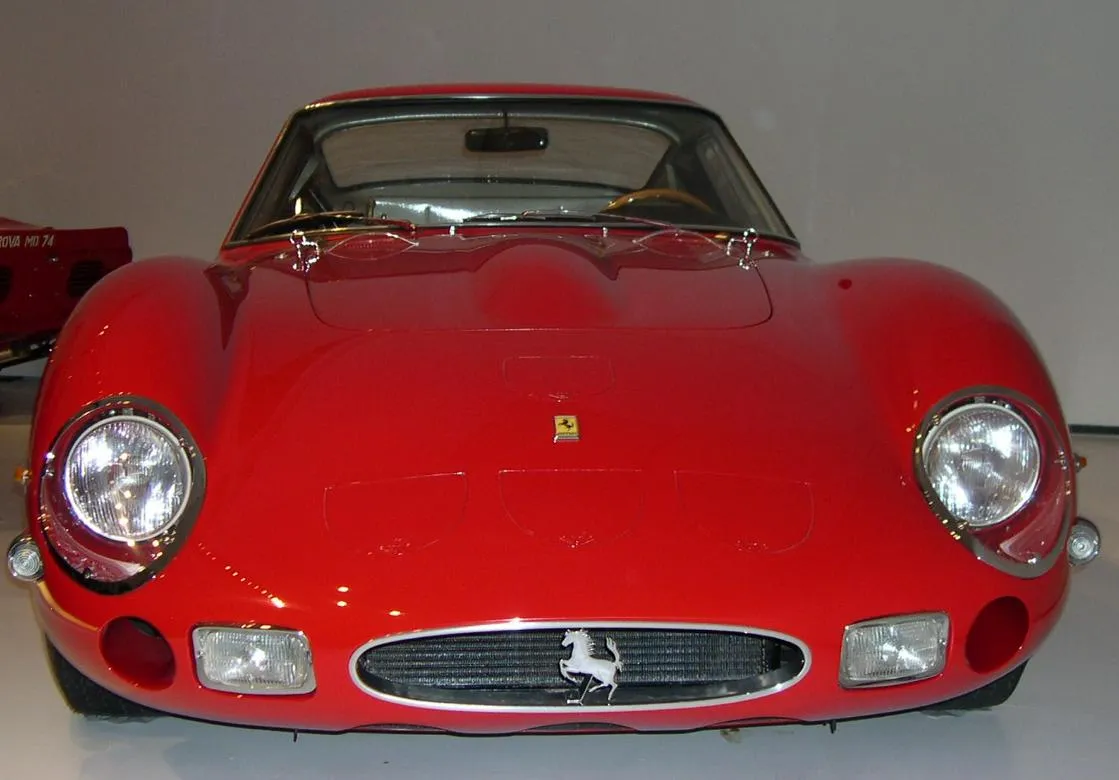
1962 Ferrari 250 GTO
1962-1964 · Ferrari
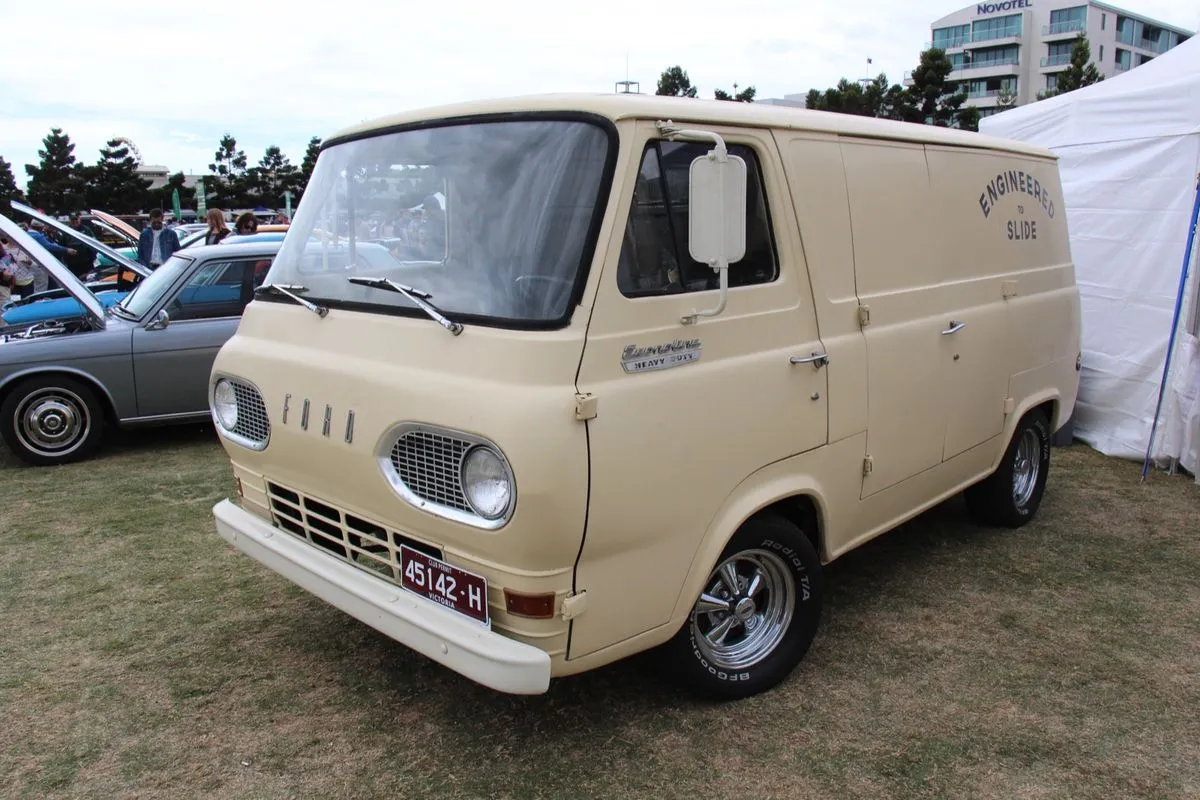
1964 Ford Econoline
1961-1967 · Ford
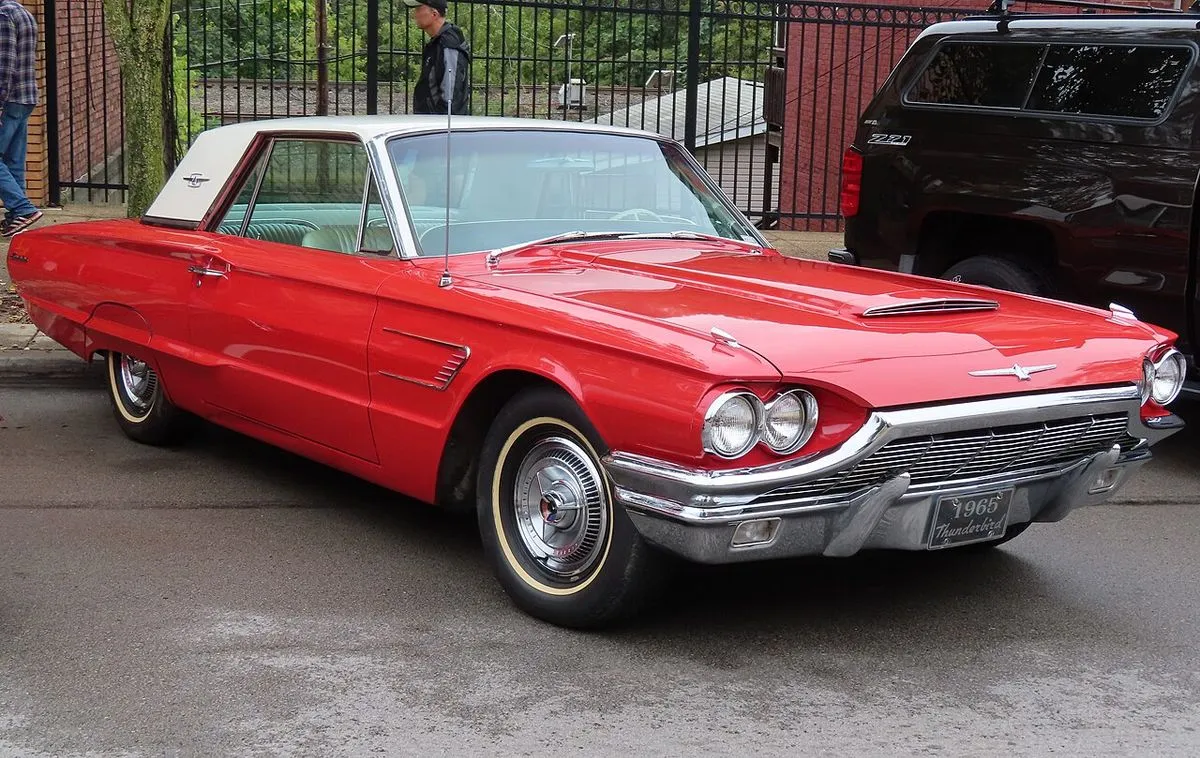
1965 Ford Thunderbird
1964-1966 · Ford
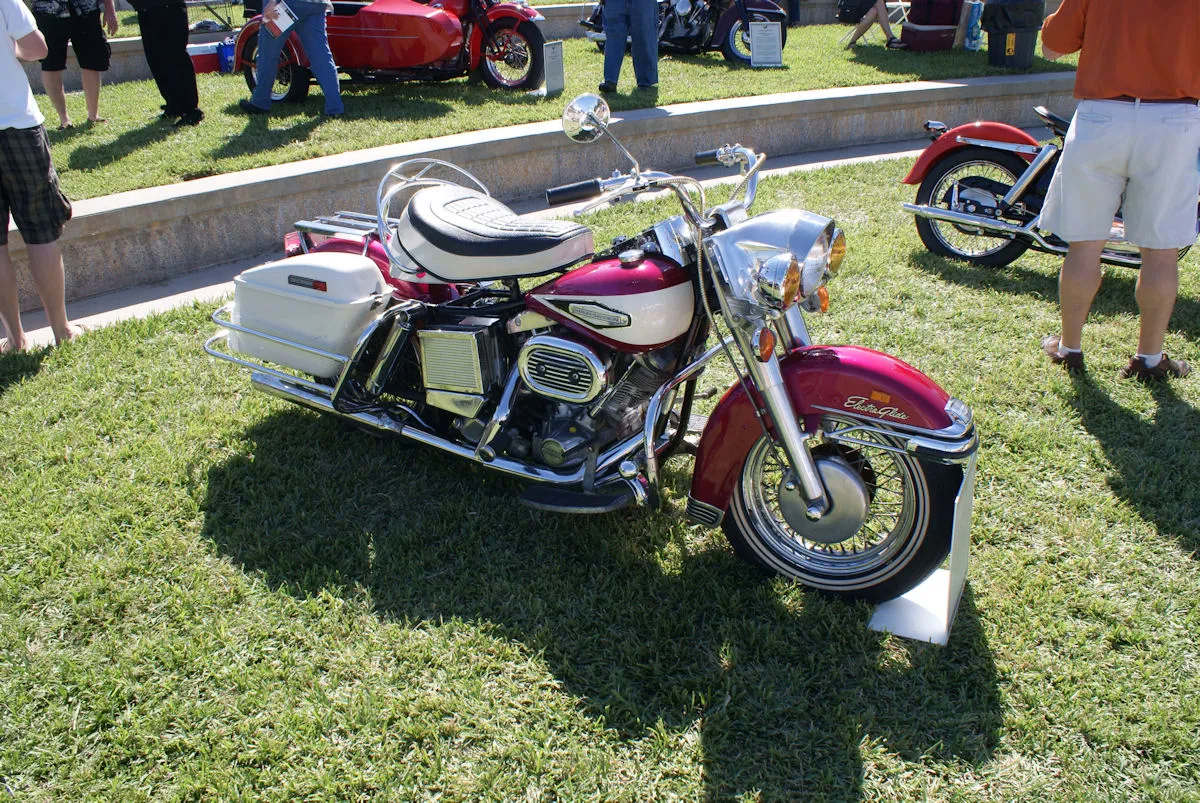
1965 Harley-Davidson Electra Glide
1965-1984 · Harley-Davidson
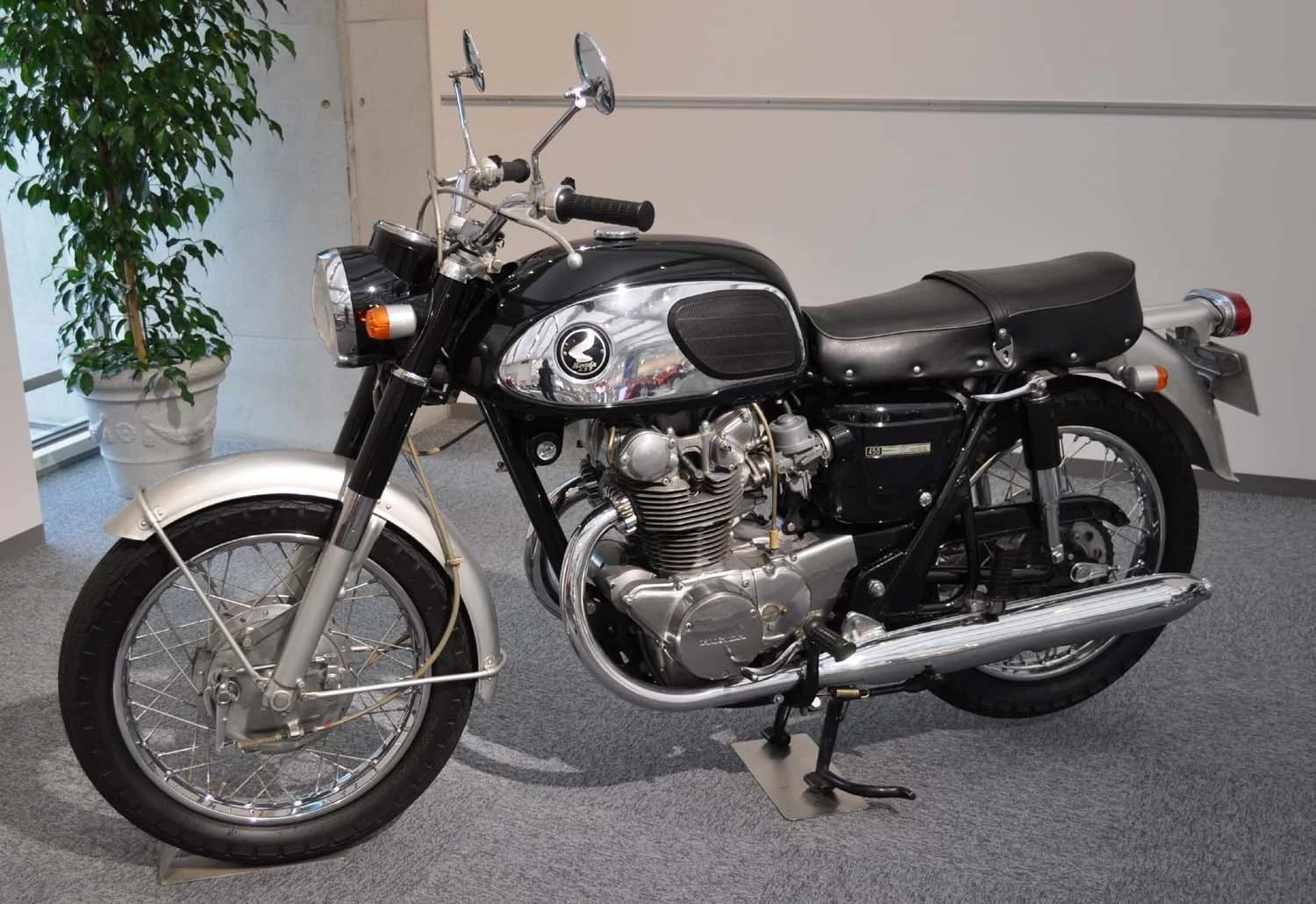
1965 Honda CB450 Black Bomber
1965-1974 · Honda
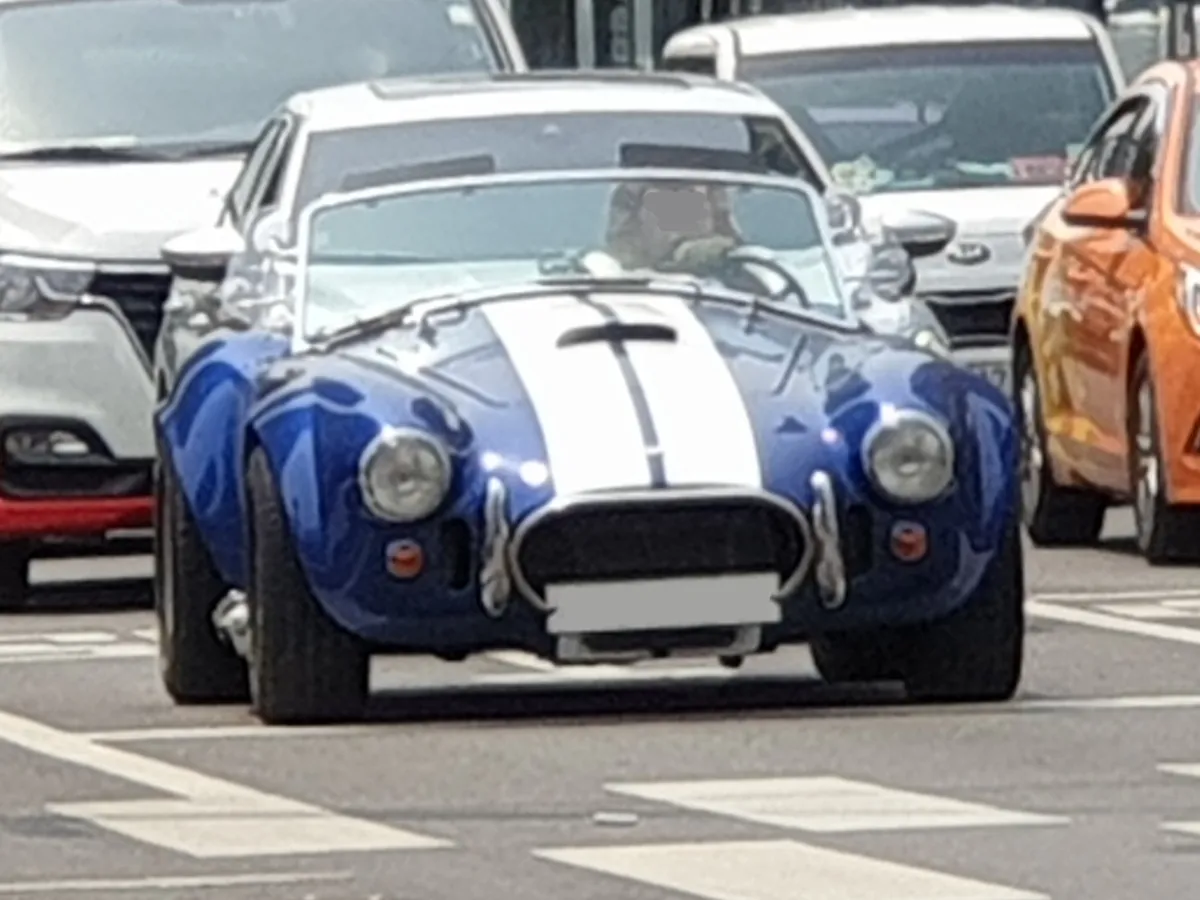
1965 Shelby Cobra 427
1965-1967 · Shelby
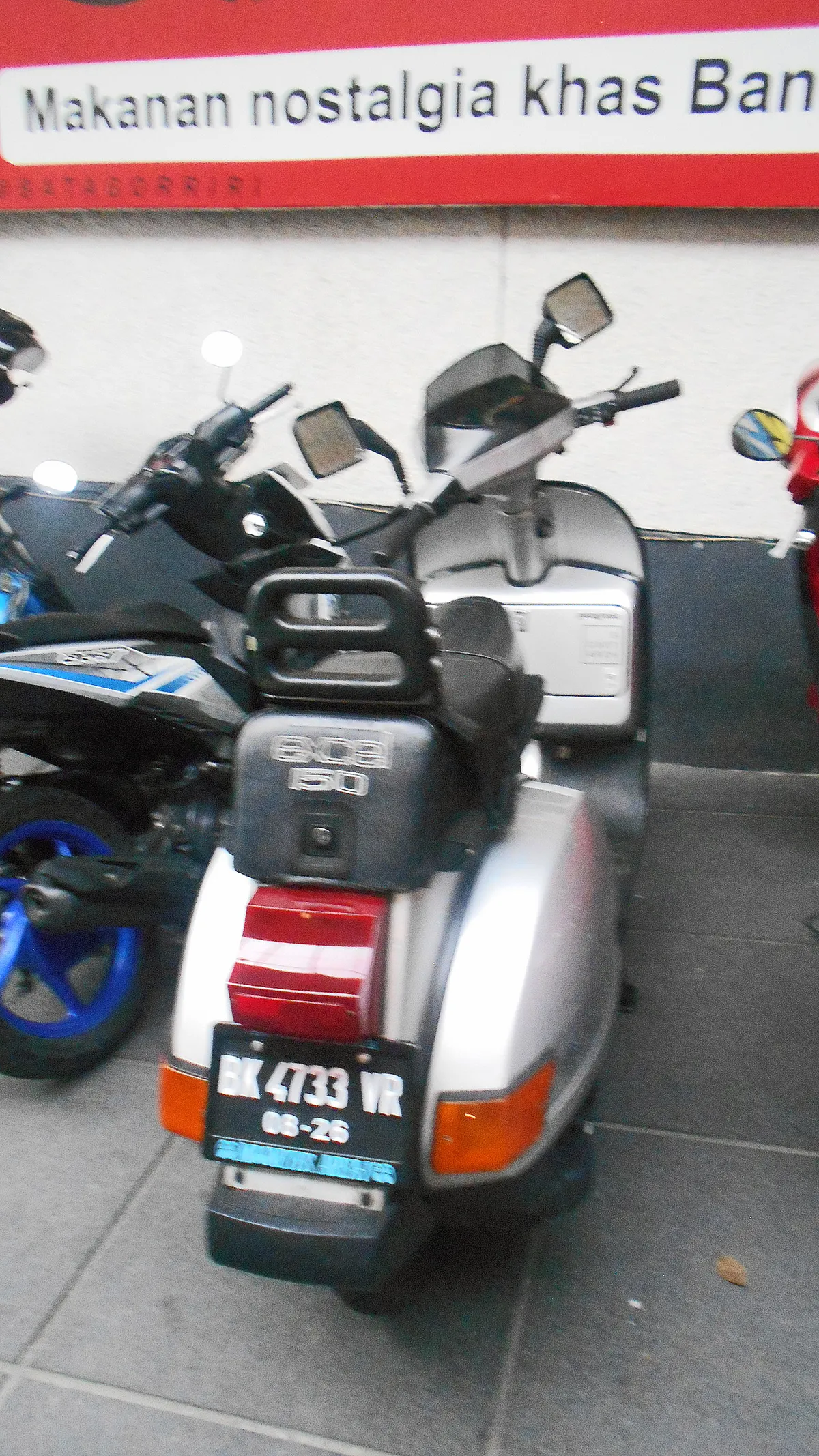
1965 Vespa 150 Super
1965-1979 · Vespa
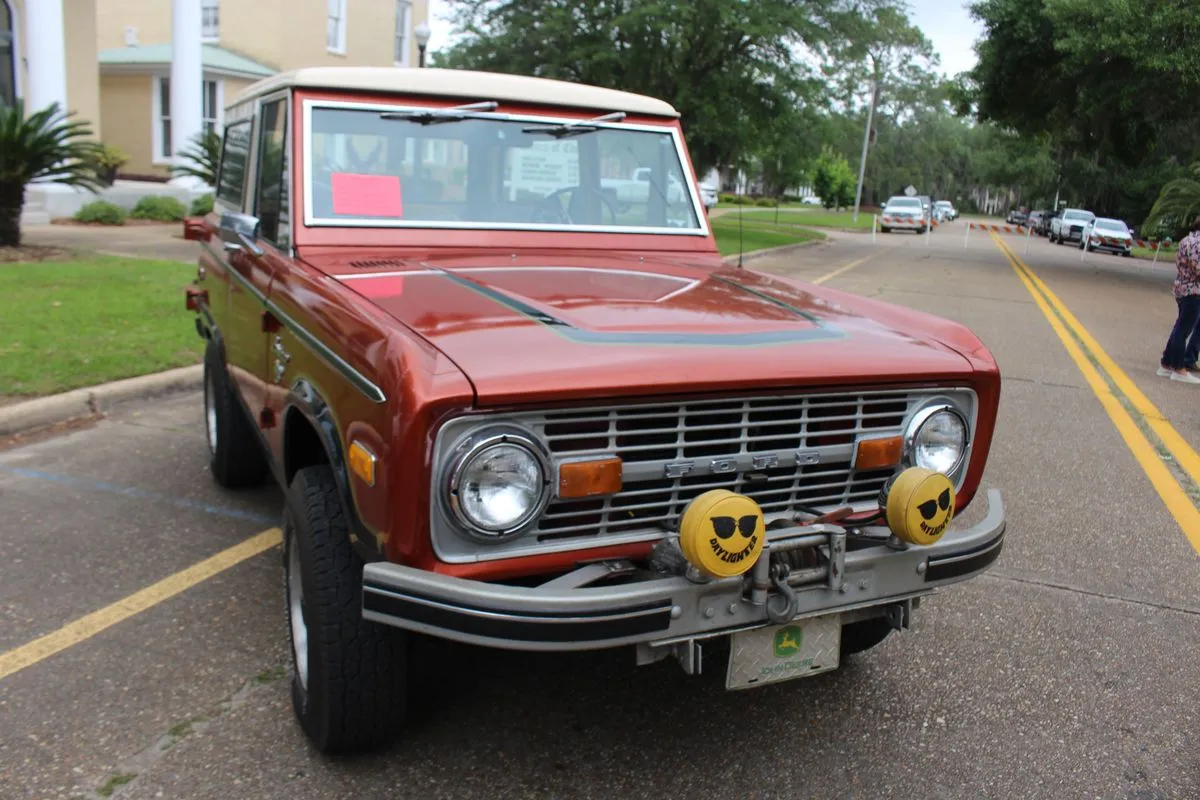
Ford Bronco (First Generation)
1966-1977 · Ford
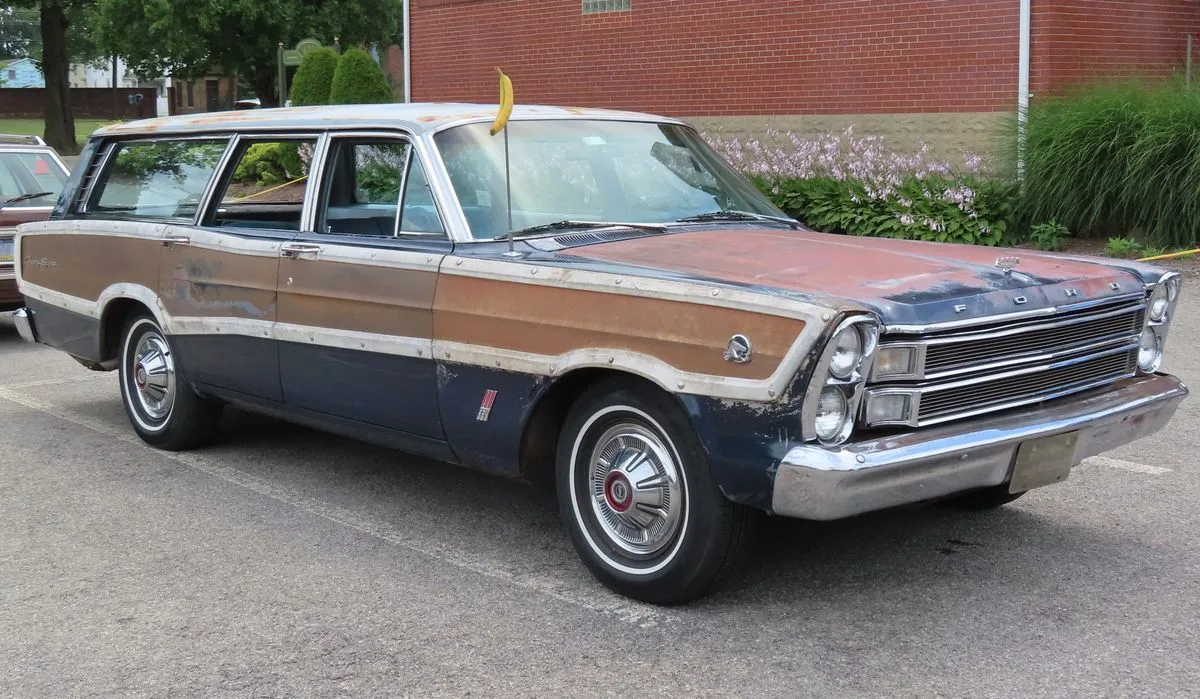
1966 Ford Country Squire
1965-1968 · Ford
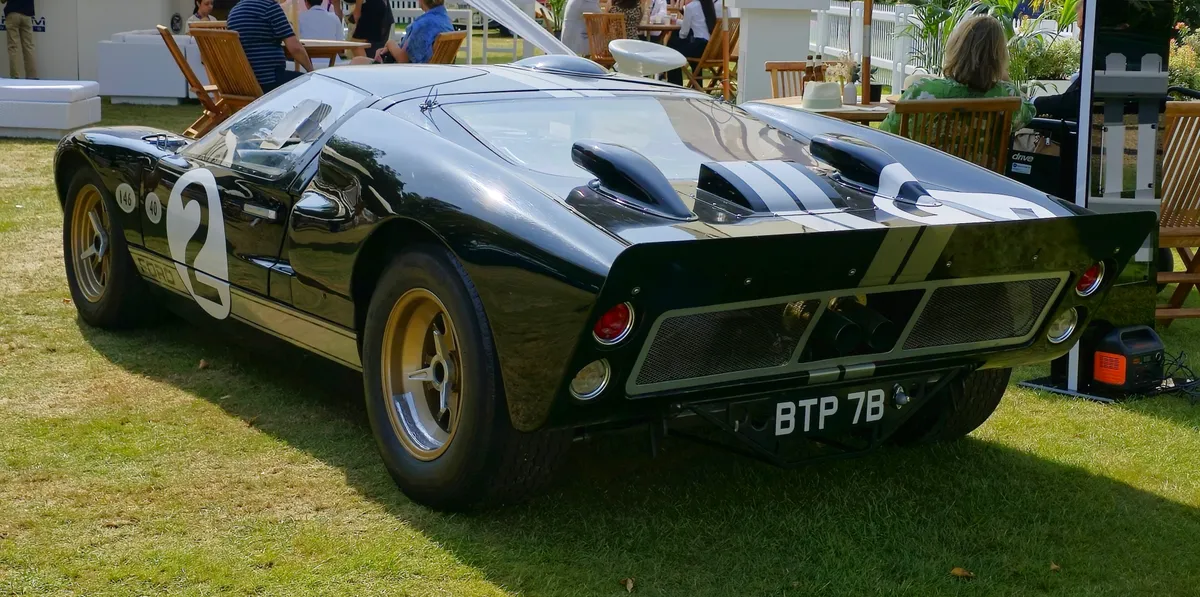
1966 Ford GT40
1964-1969 · Ford
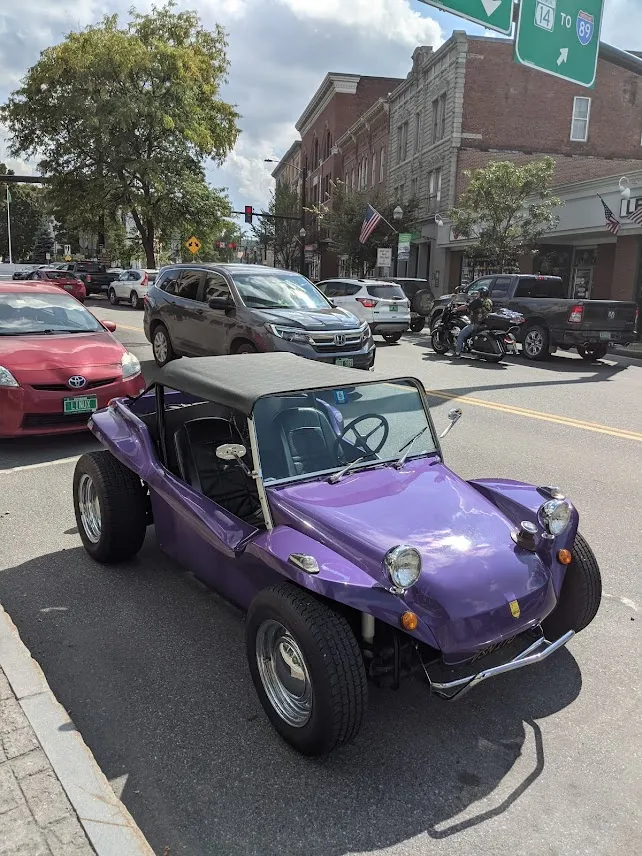
1966 Meyers Manx
1964-1971 · Meyers Manx
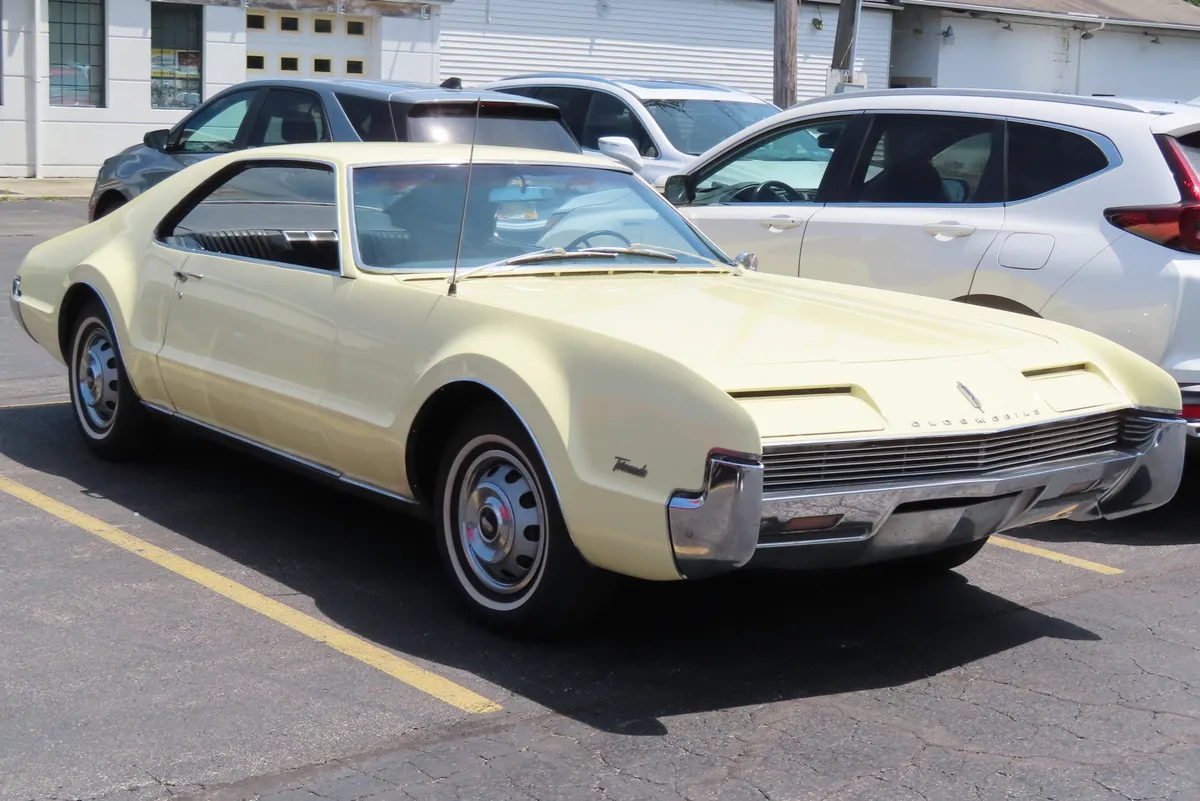
1966 Oldsmobile Toronado
1966-1970 · Oldsmobile
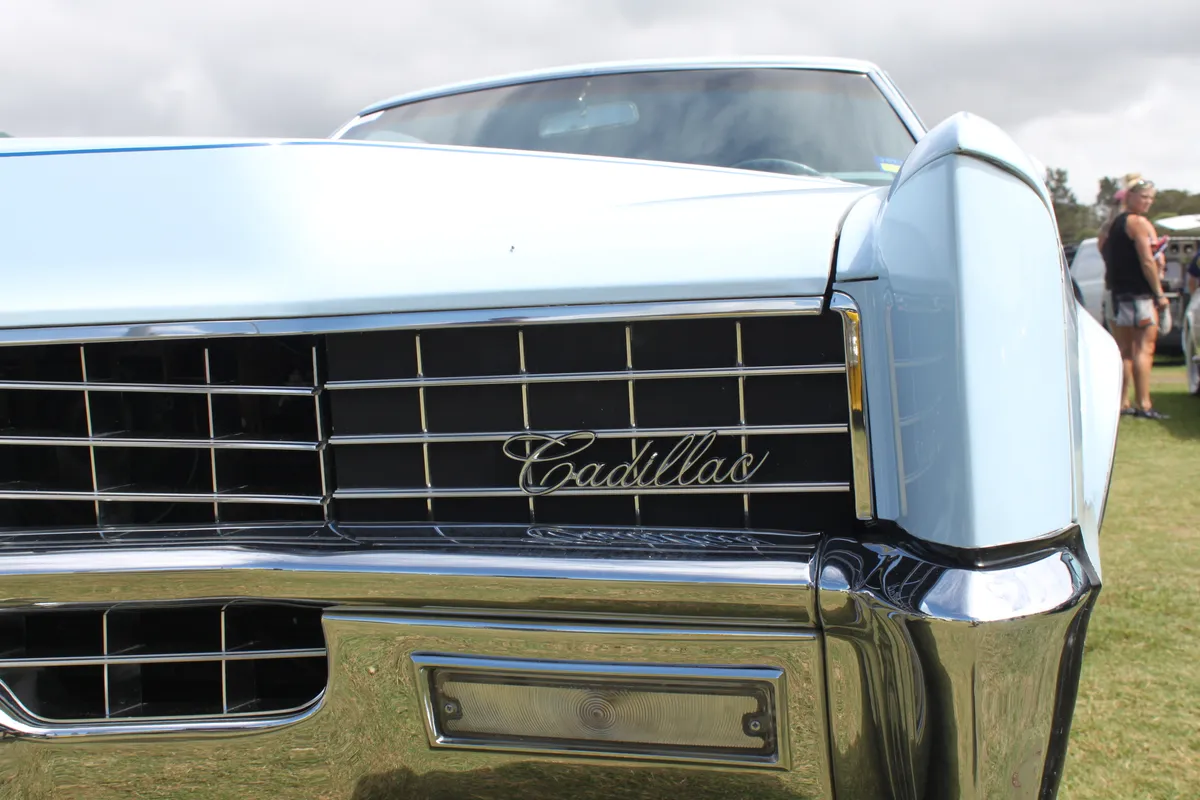
1967 Cadillac Eldorado
1967-1970 · Cadillac
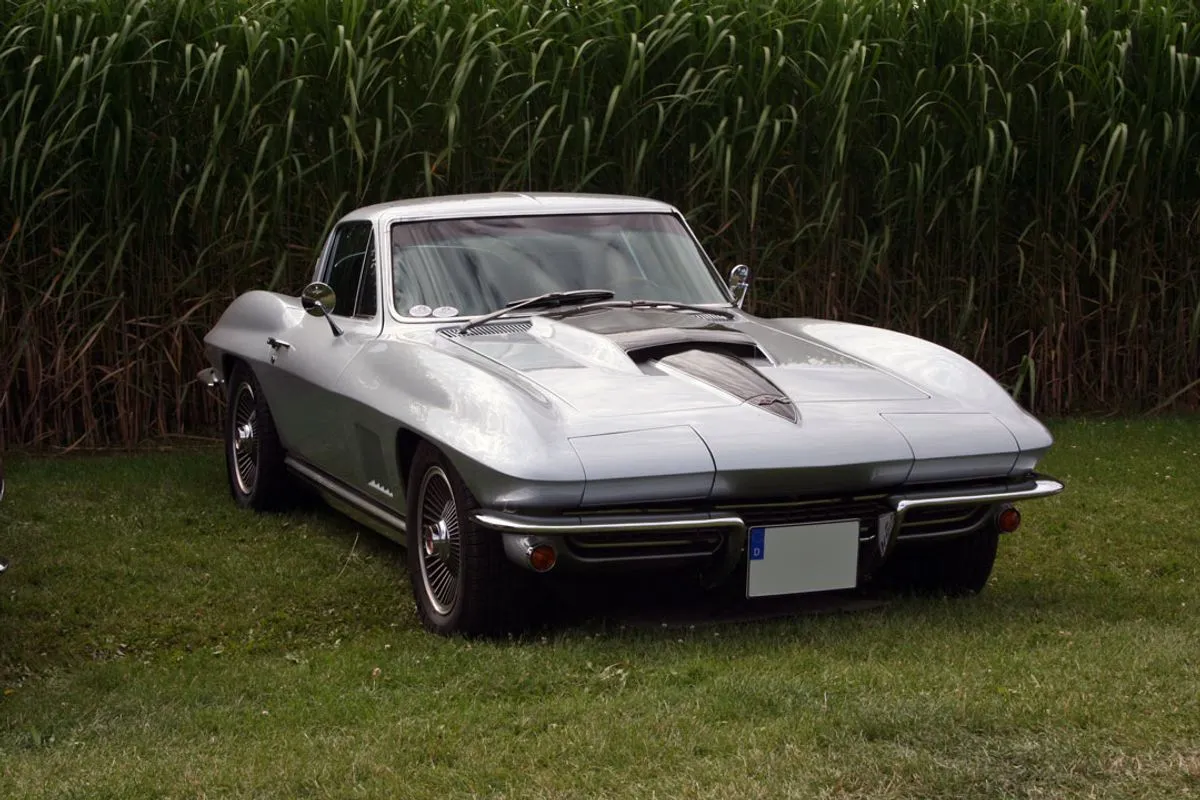
1967 Chevy Corvette C2 Stingray
1963-1967 · Chevy
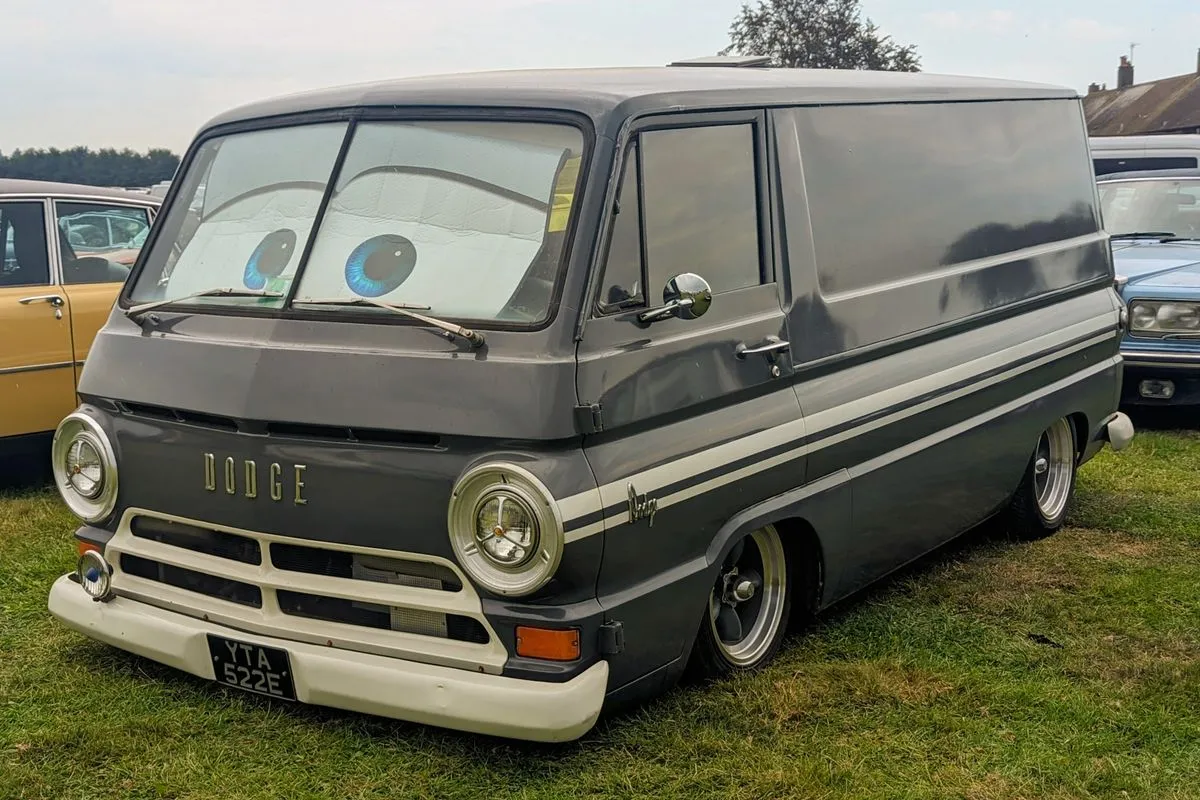
1967 Dodge A100
1964-1970 · Dodge
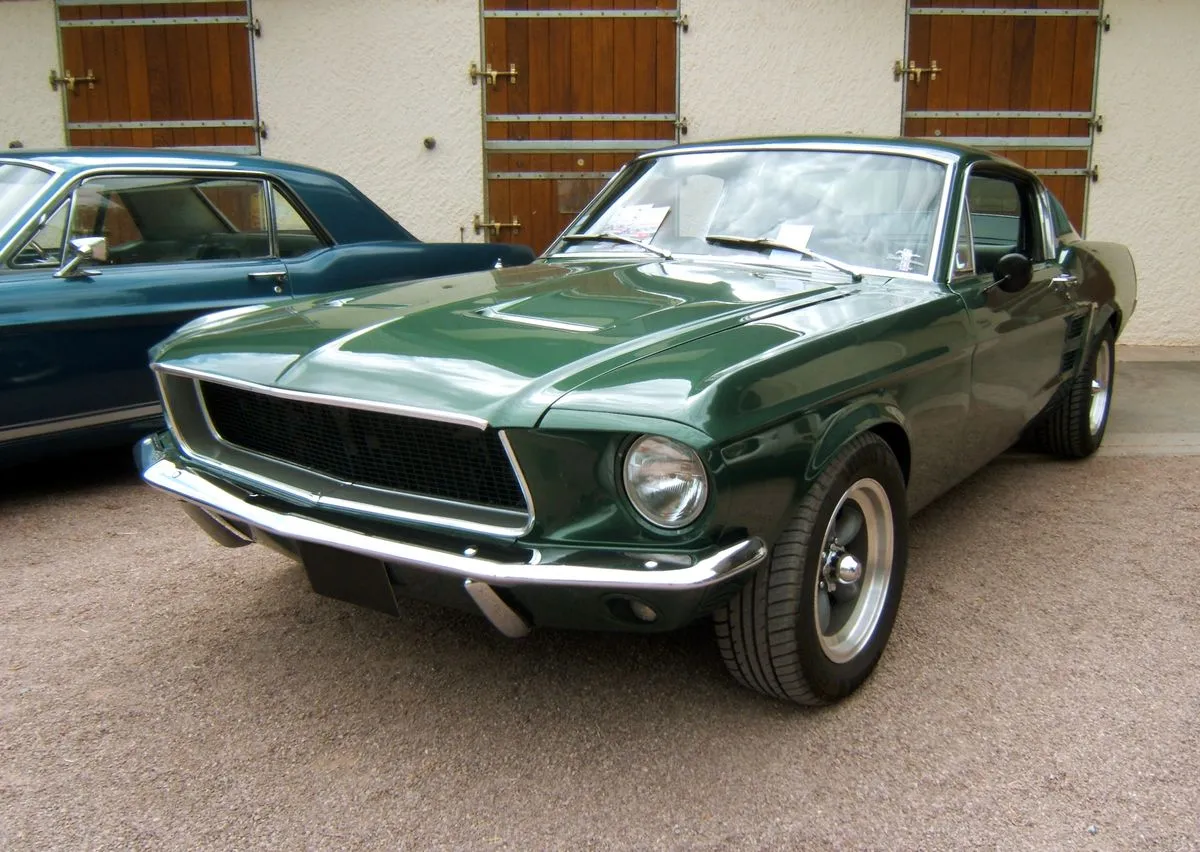
1967 Ford Mustang Fastback
1967-1968 · Ford
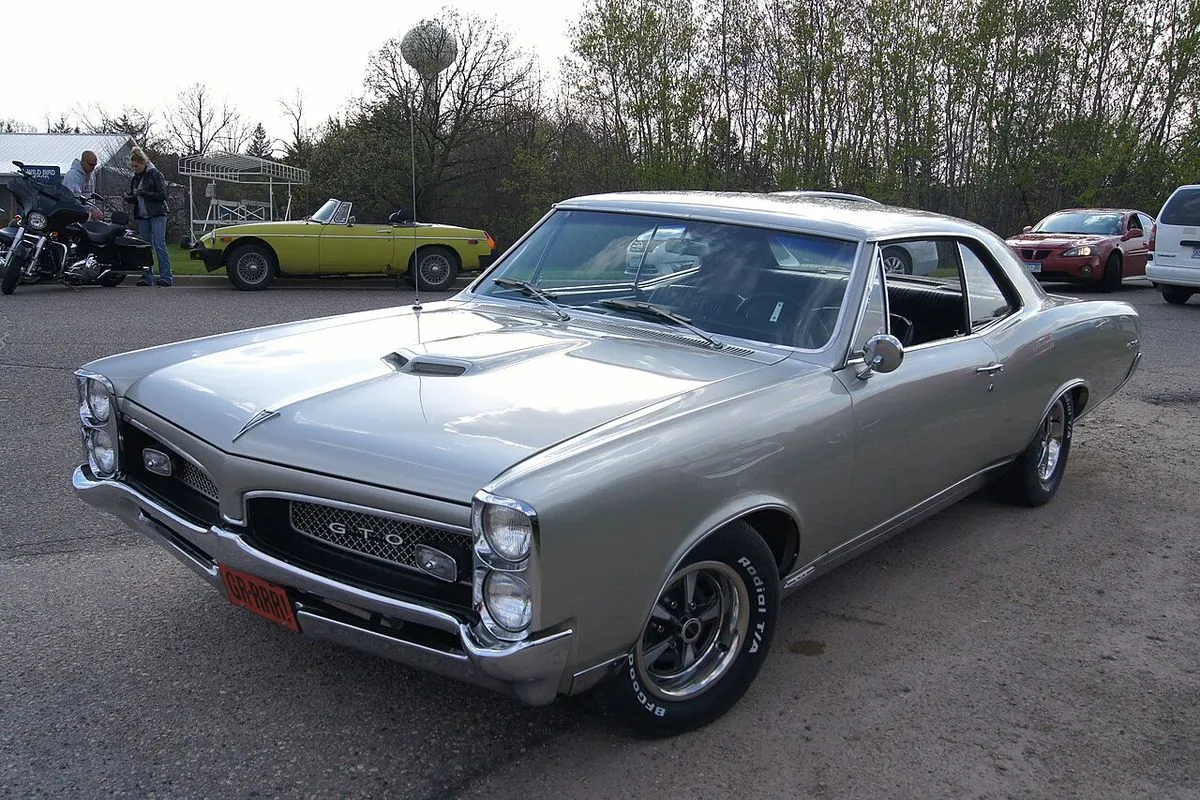
1967 Pontiac GTO
1964-1974 · Pontiac
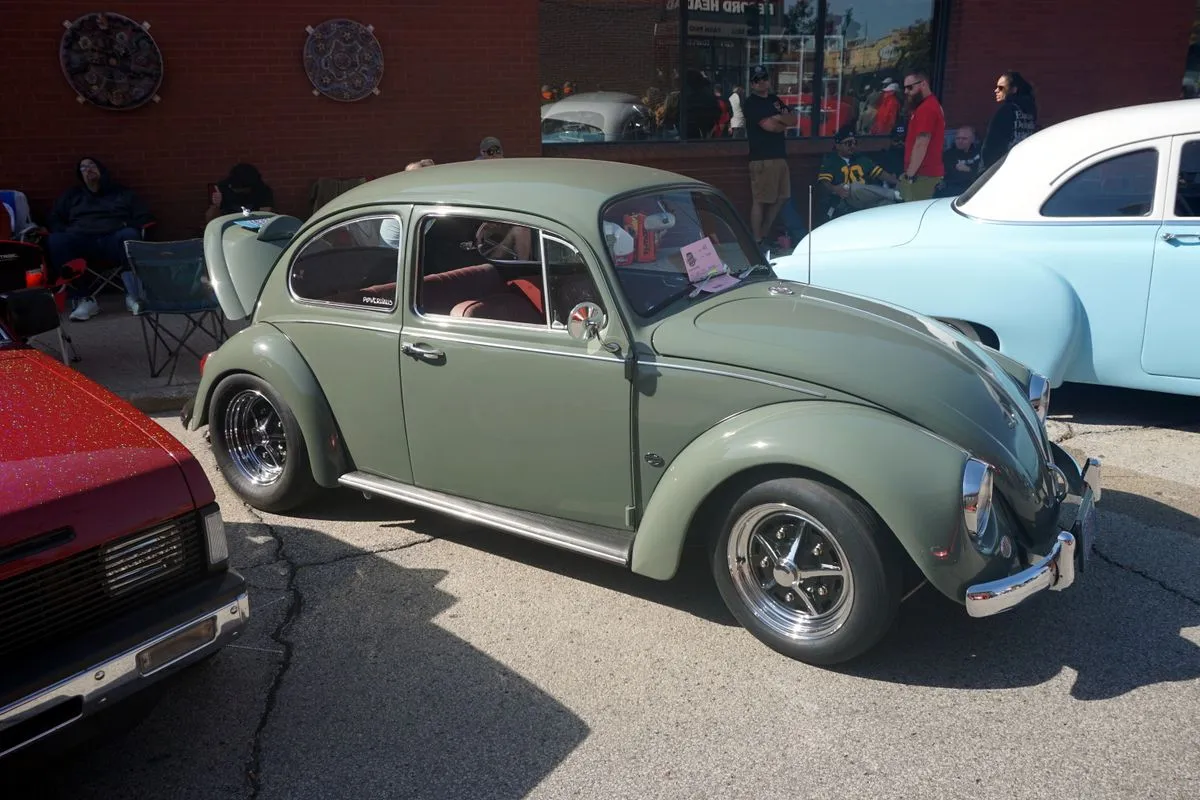
1967 Volkswagen Beetle
1938-1979 · Volkswagen
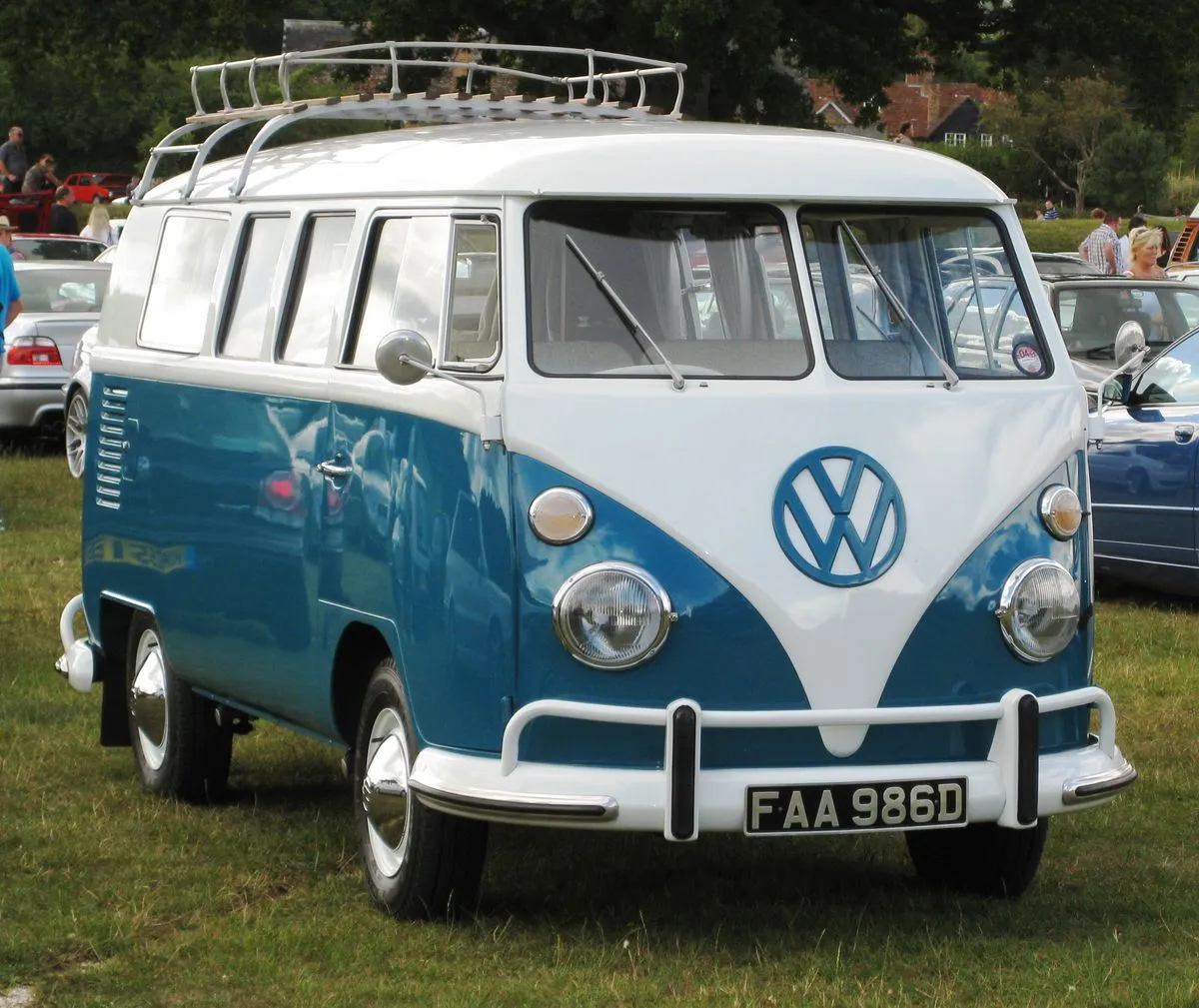
1967 Volkswagen Type 2 Bus (T2)
1950-1979 · Volkswagen
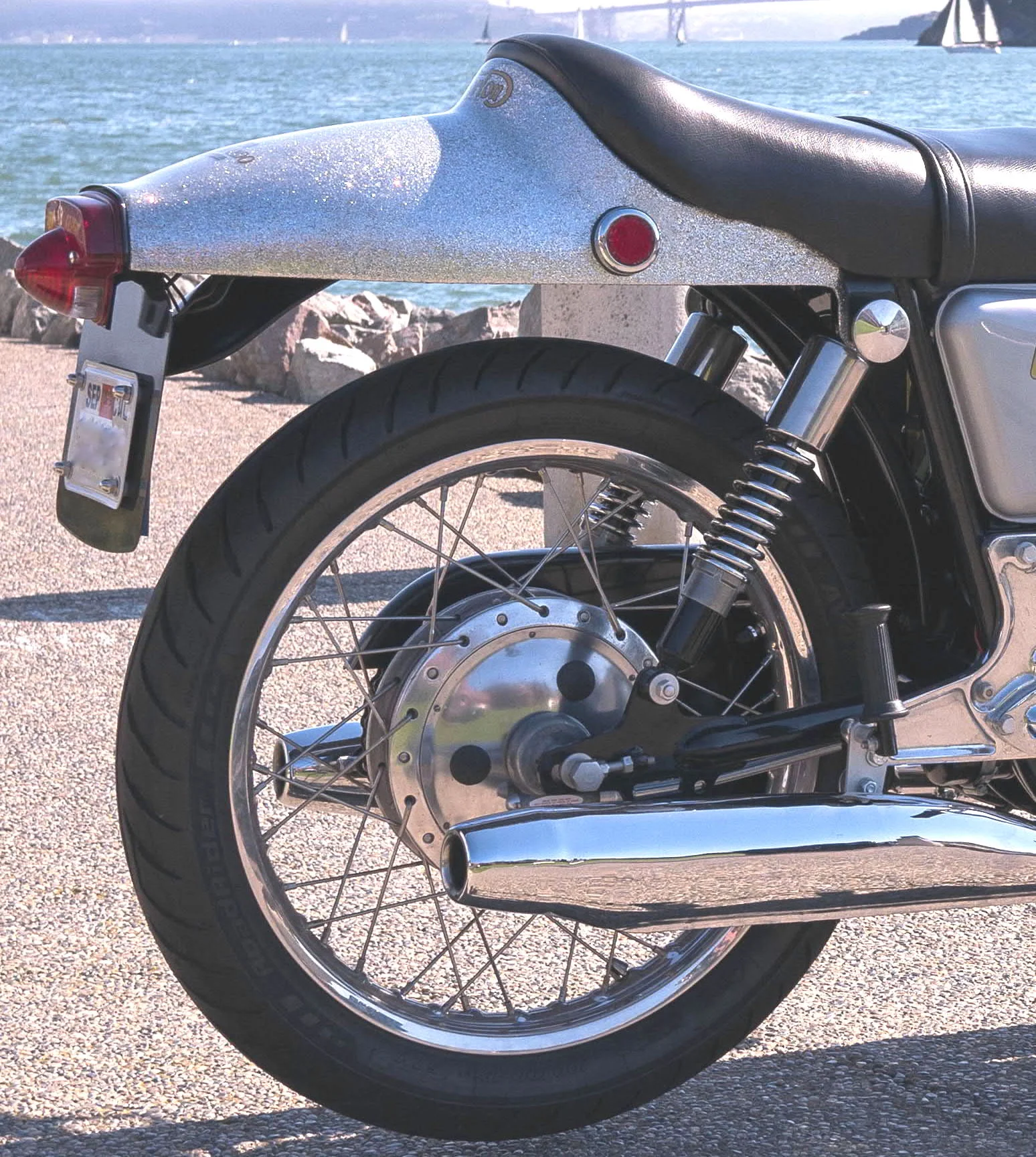
1968 Norton Commando
1968-1977 · Norton
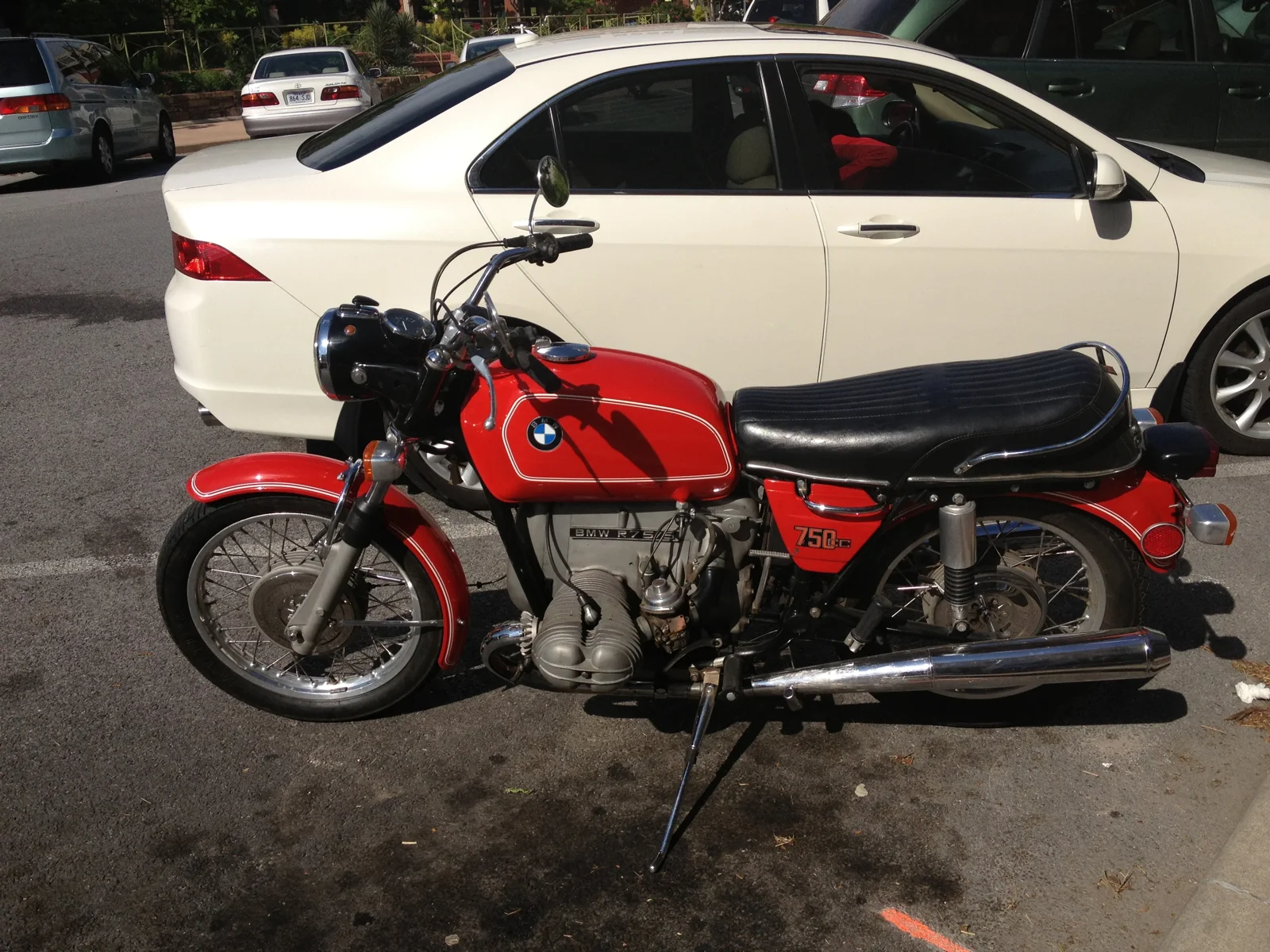
1969 BMW R75/5
1969-1973 · BMW
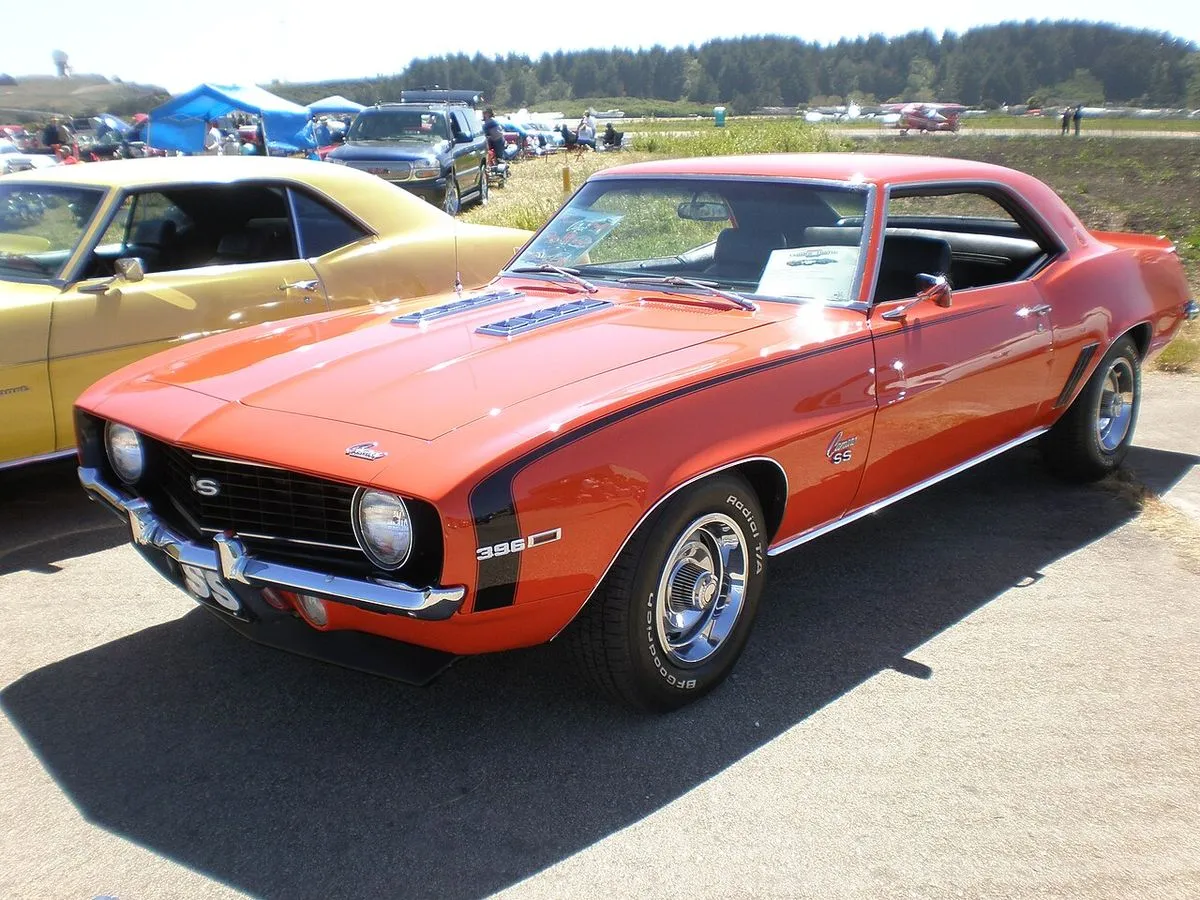
1969 Chevy Camaro SS/Z28
1969 · Chevy
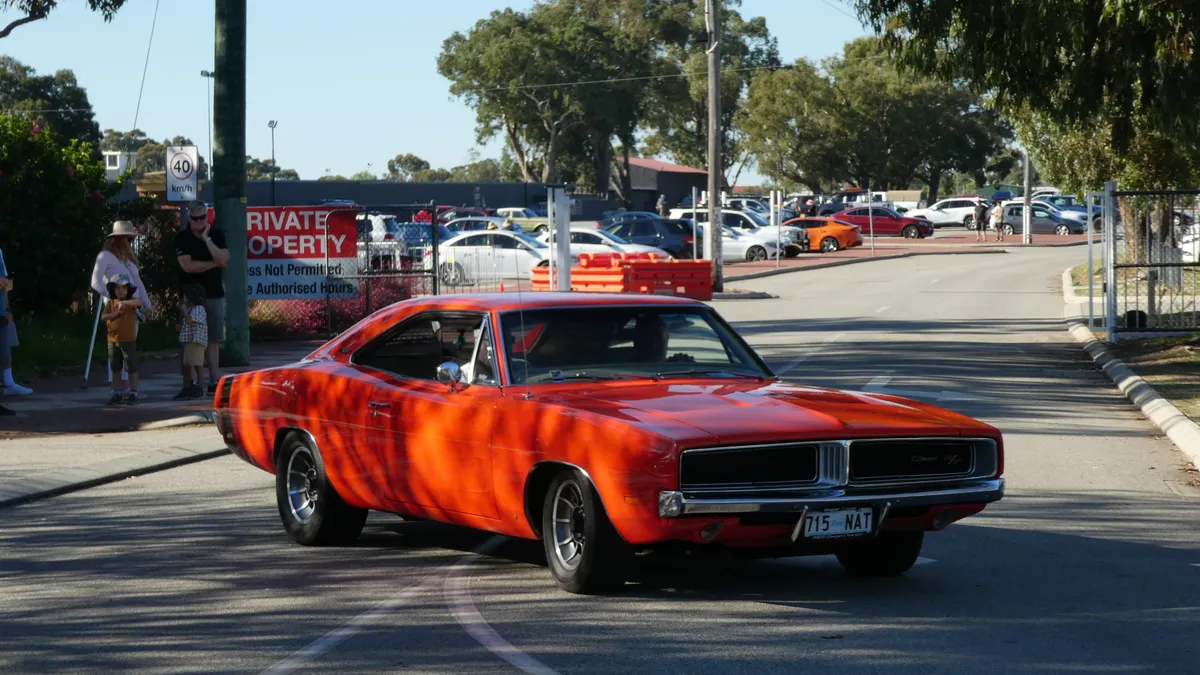
1969 Dodge Charger R/T
1968-1970 · Dodge
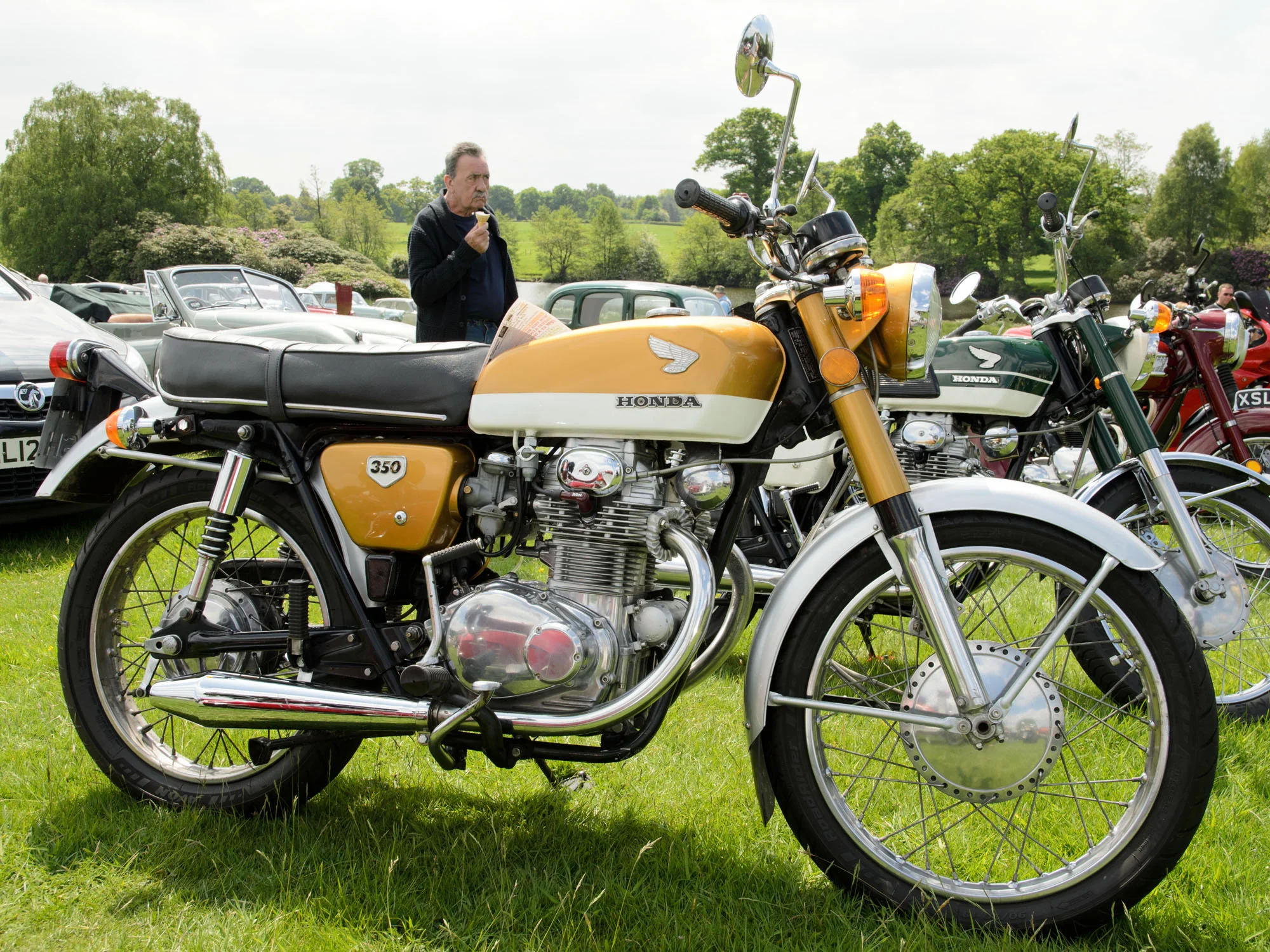
1969 Honda CB350
1968-1973 · Honda
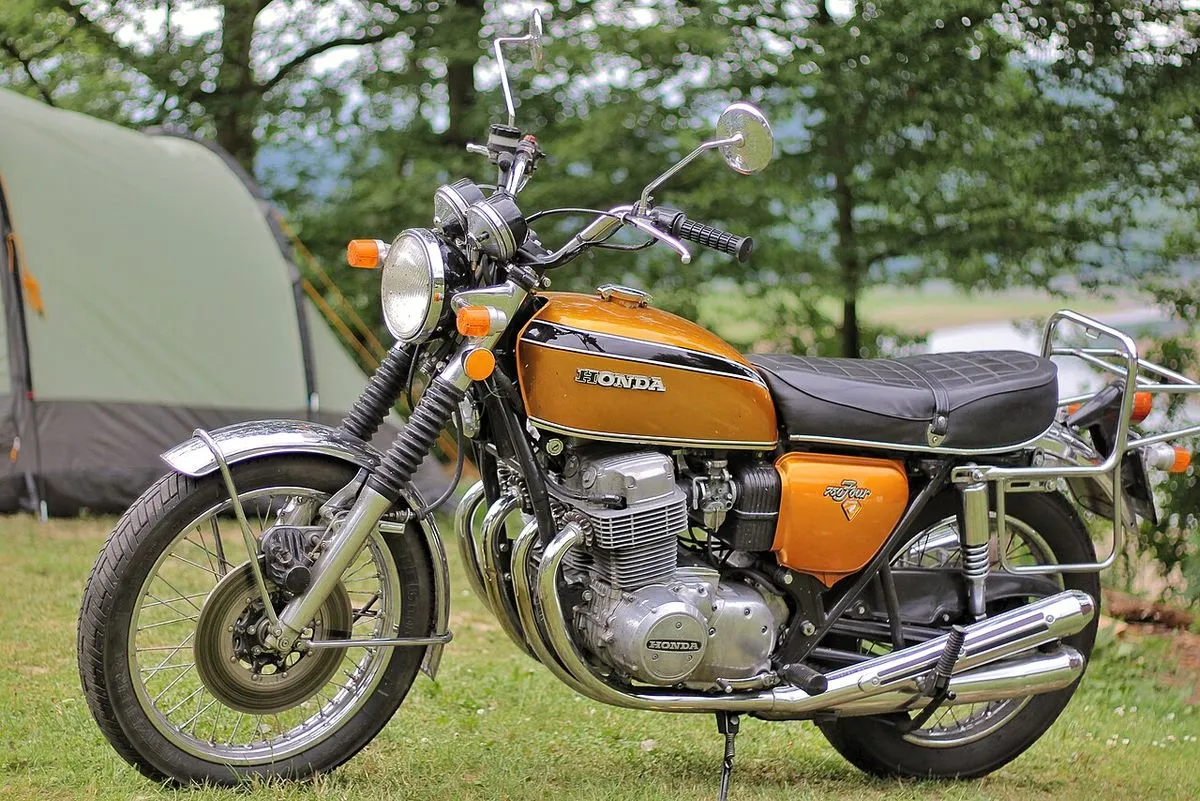
1969 Honda CB750
1969-1978 · Honda
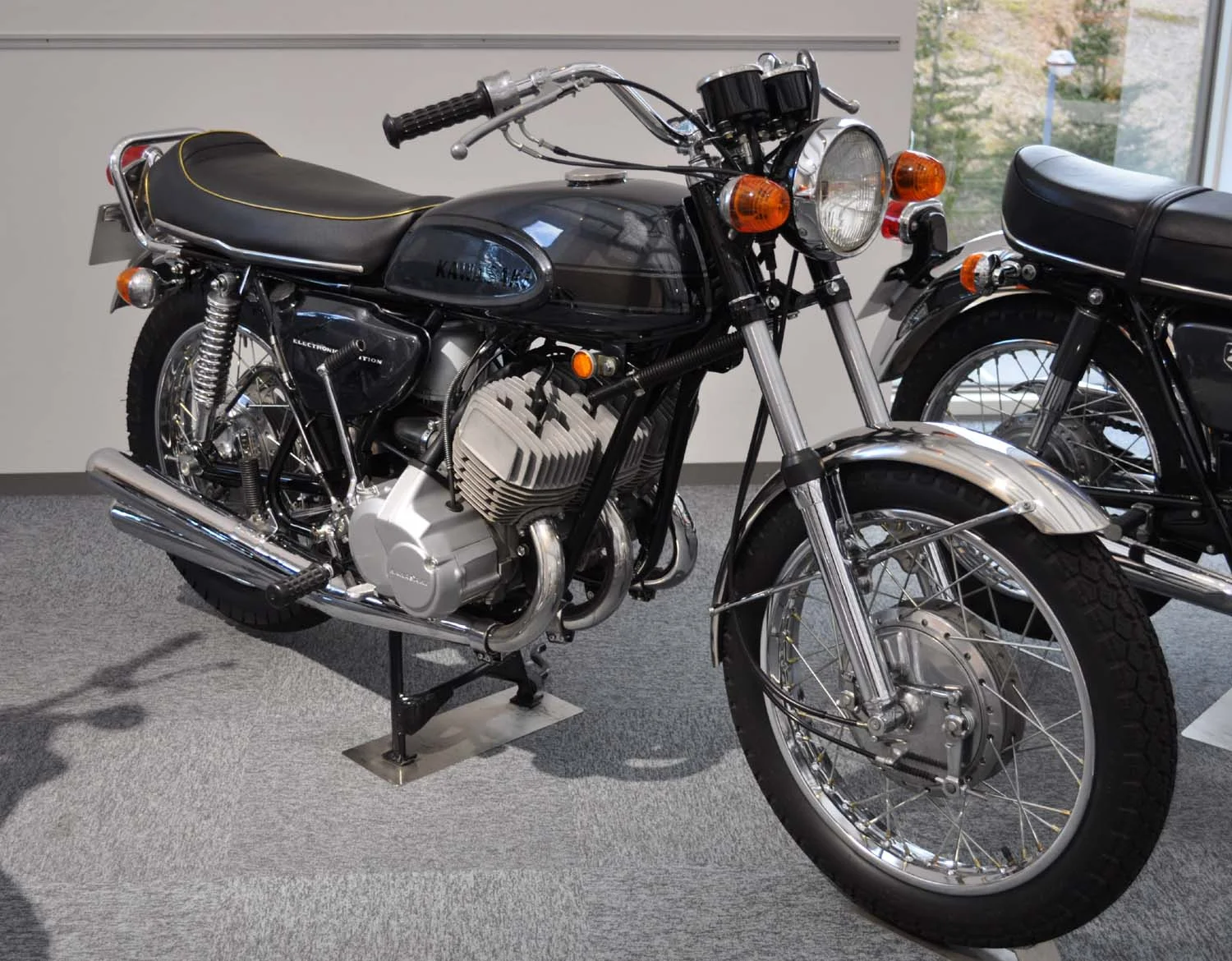
1969 Kawasaki H1 Mach III
1969-1975 · Kawasaki
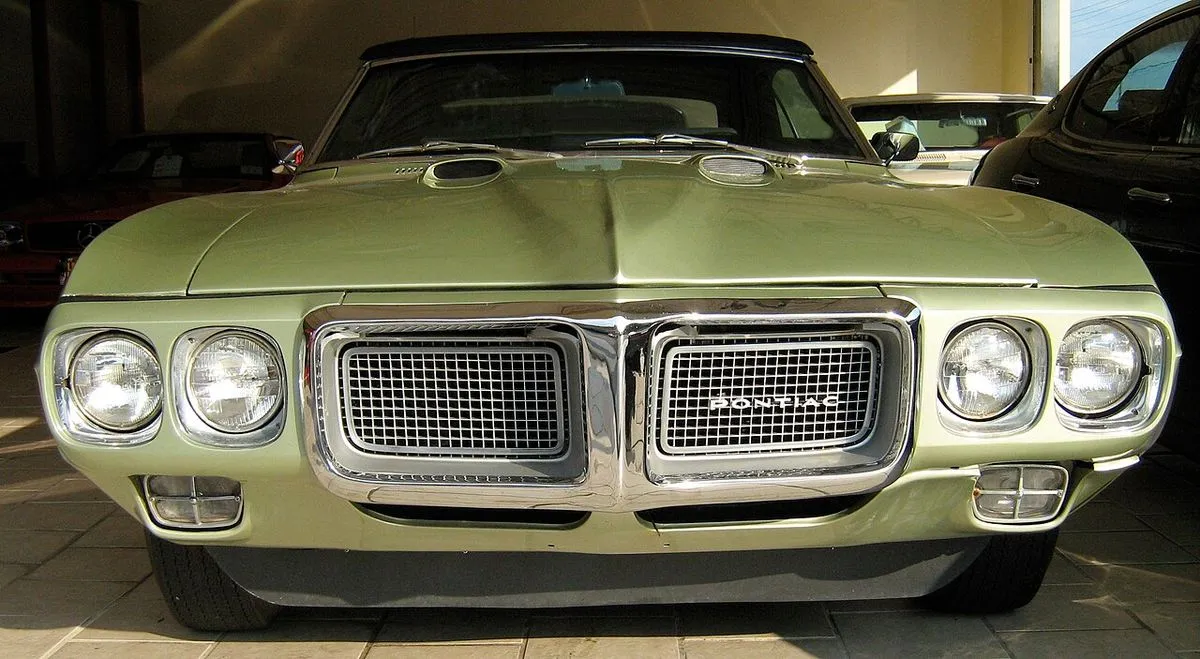
1969 Pontiac Firebird/Trans Am
1969 · Pontiac
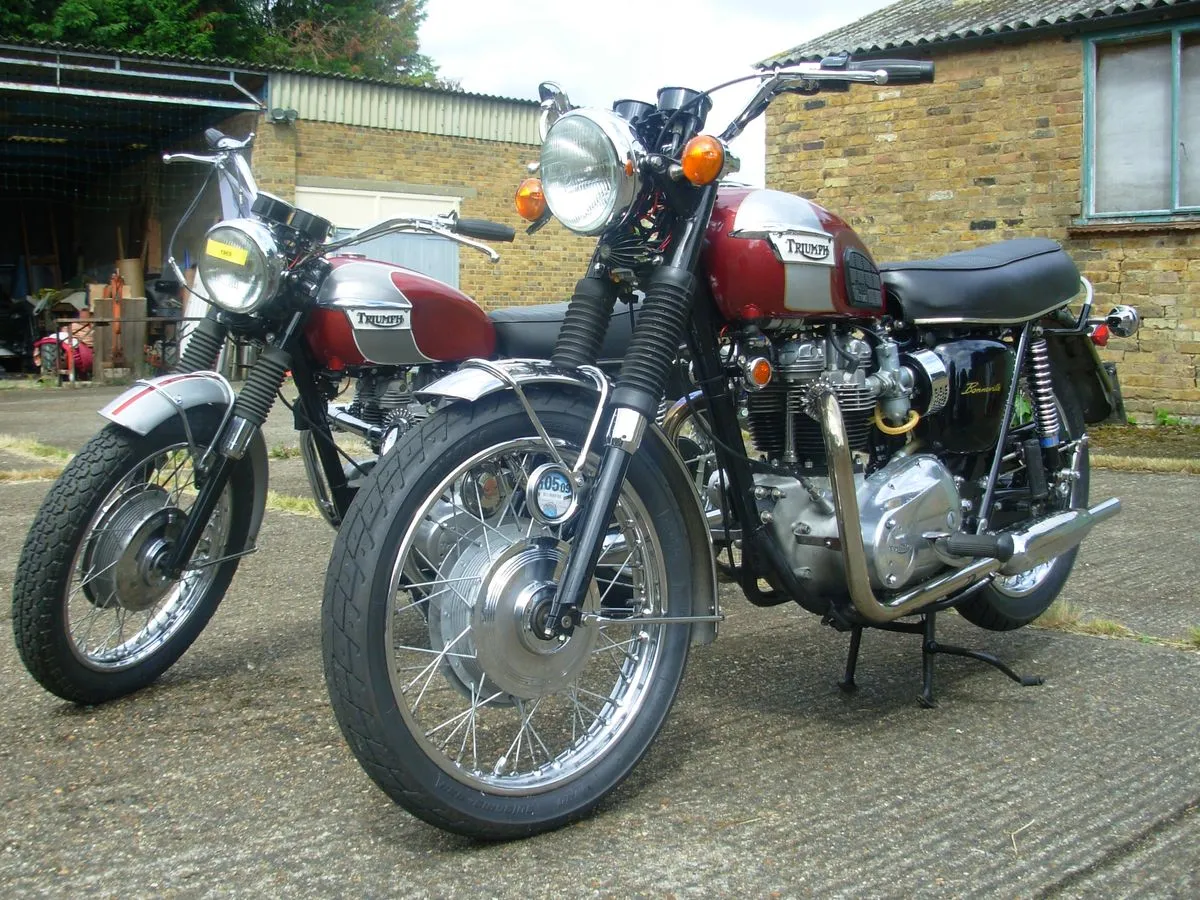
1969 Triumph Bonneville T120
1959-1975 · Triumph
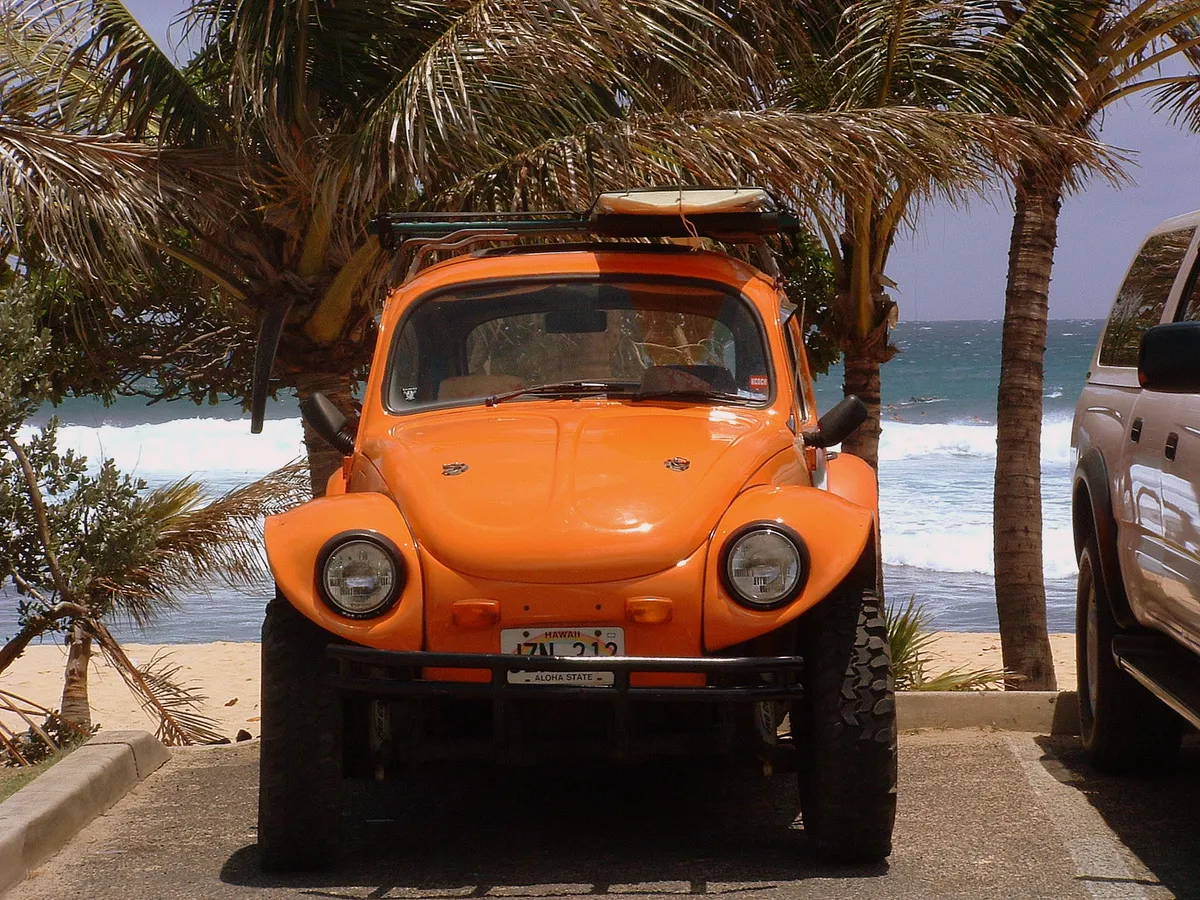
1969 Volkswagen Baja Bug
1960s-present · Volkswagen
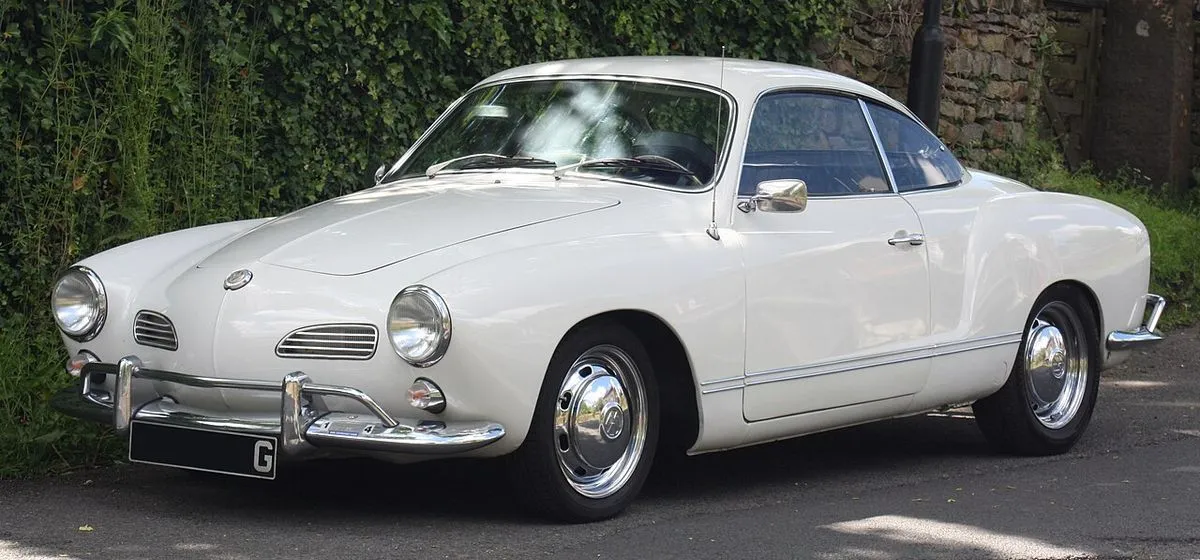
1969 Volkswagen Karmann Ghia
1955-1974 · Volkswagen
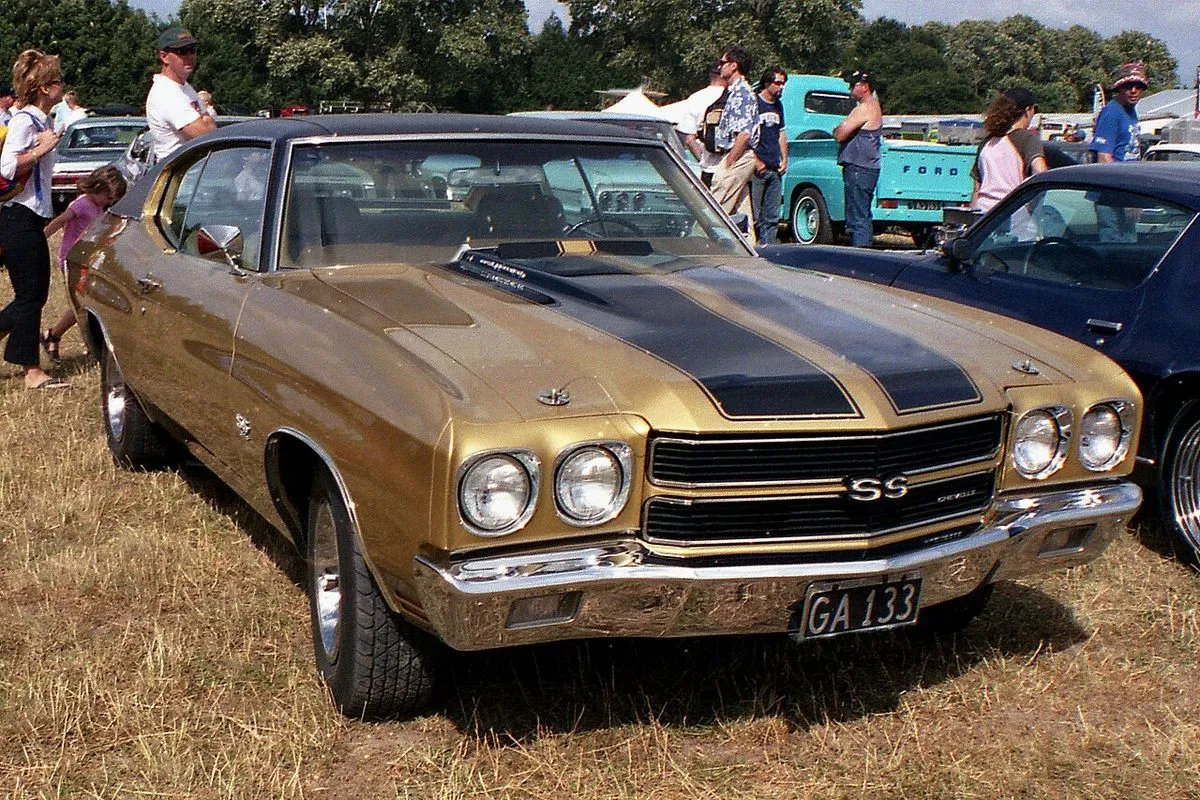
1970 Chevy Chevelle SS 454
1970-1972 · Chevy
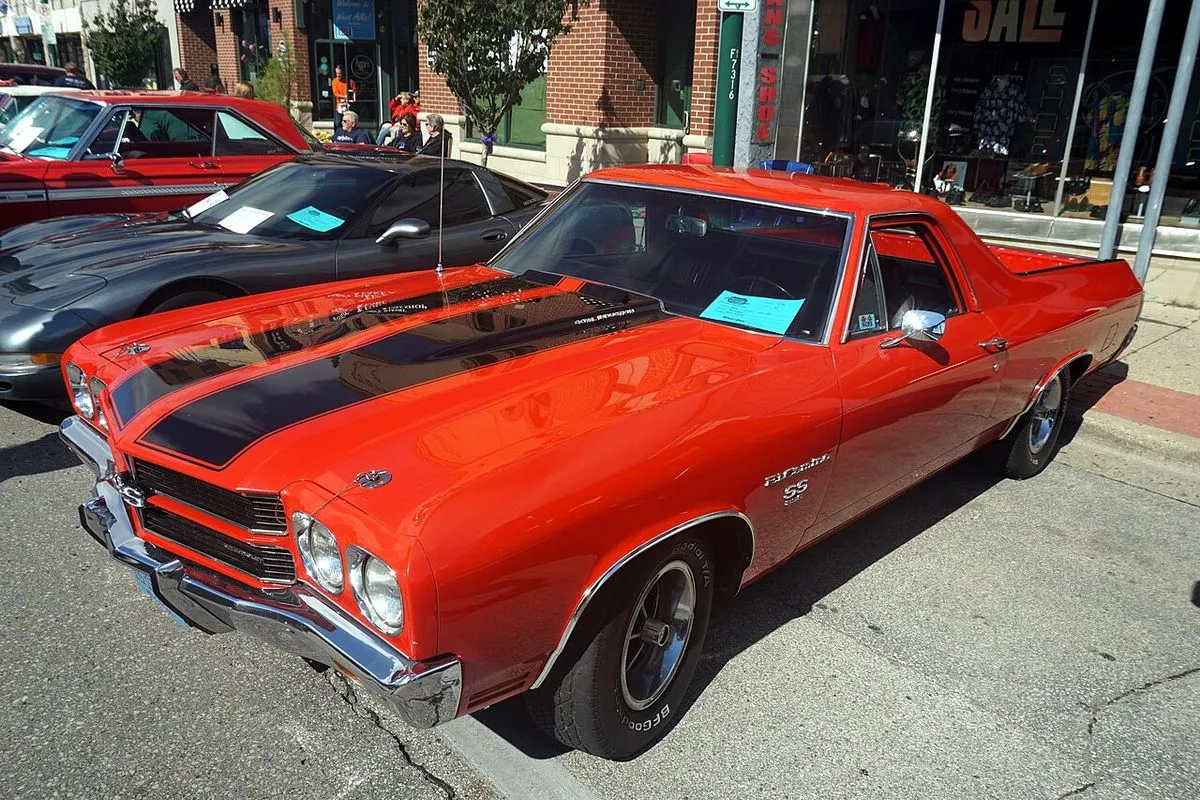
1970 Chevy El Camino SS 454
1968-1972 · Chevy
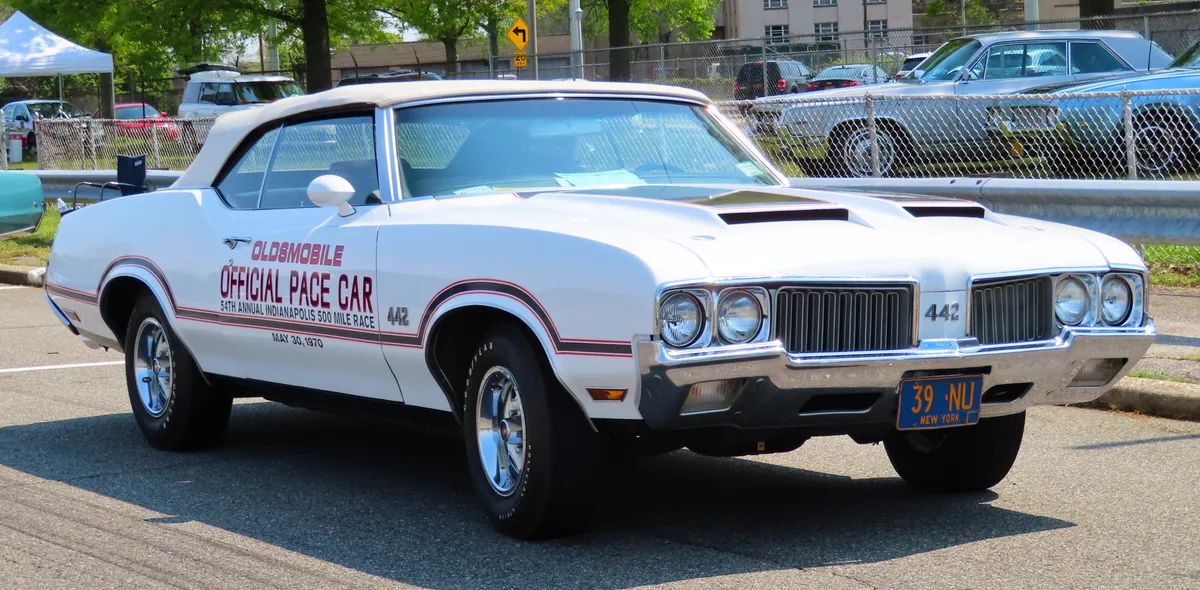
1970 Oldsmobile 442
1970 · Oldsmobile
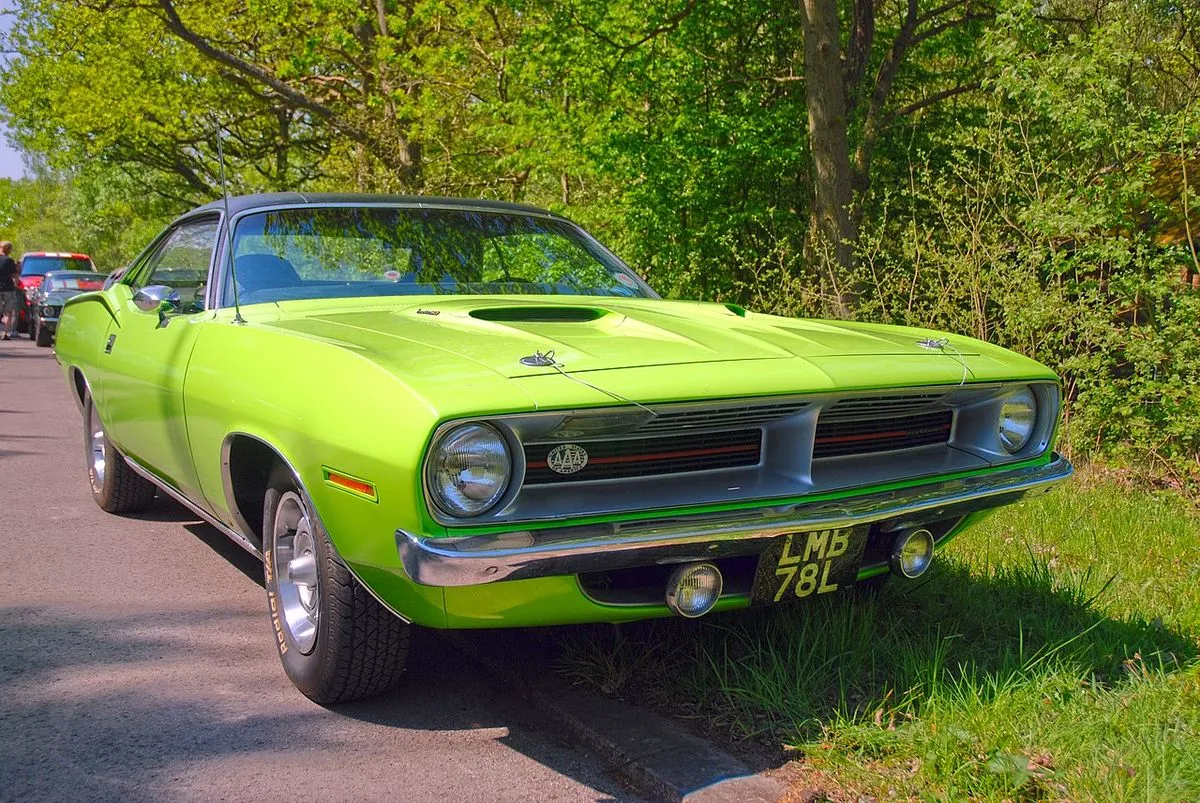
1970 Plymouth 'Cuda
1970-1974 · Plymouth
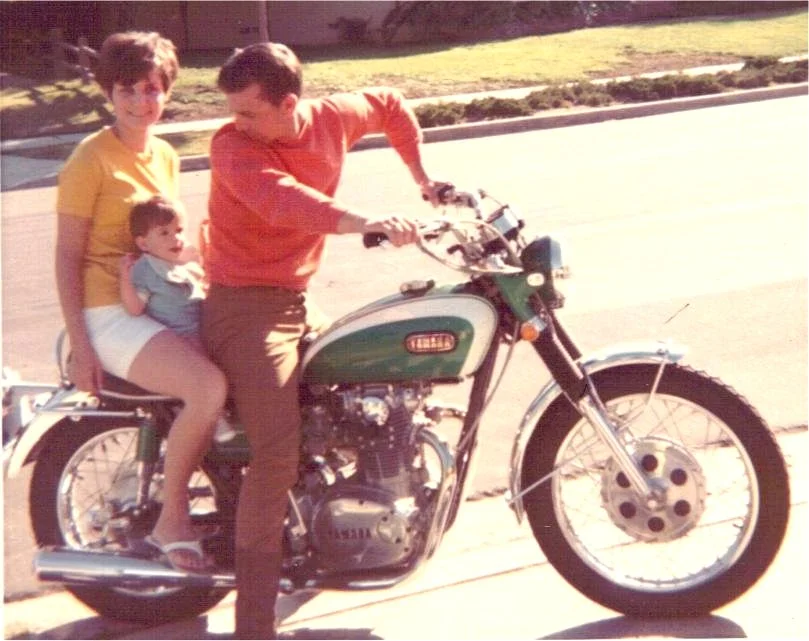
1970 Yamaha XS-1 650
1970-1973 · Yamaha
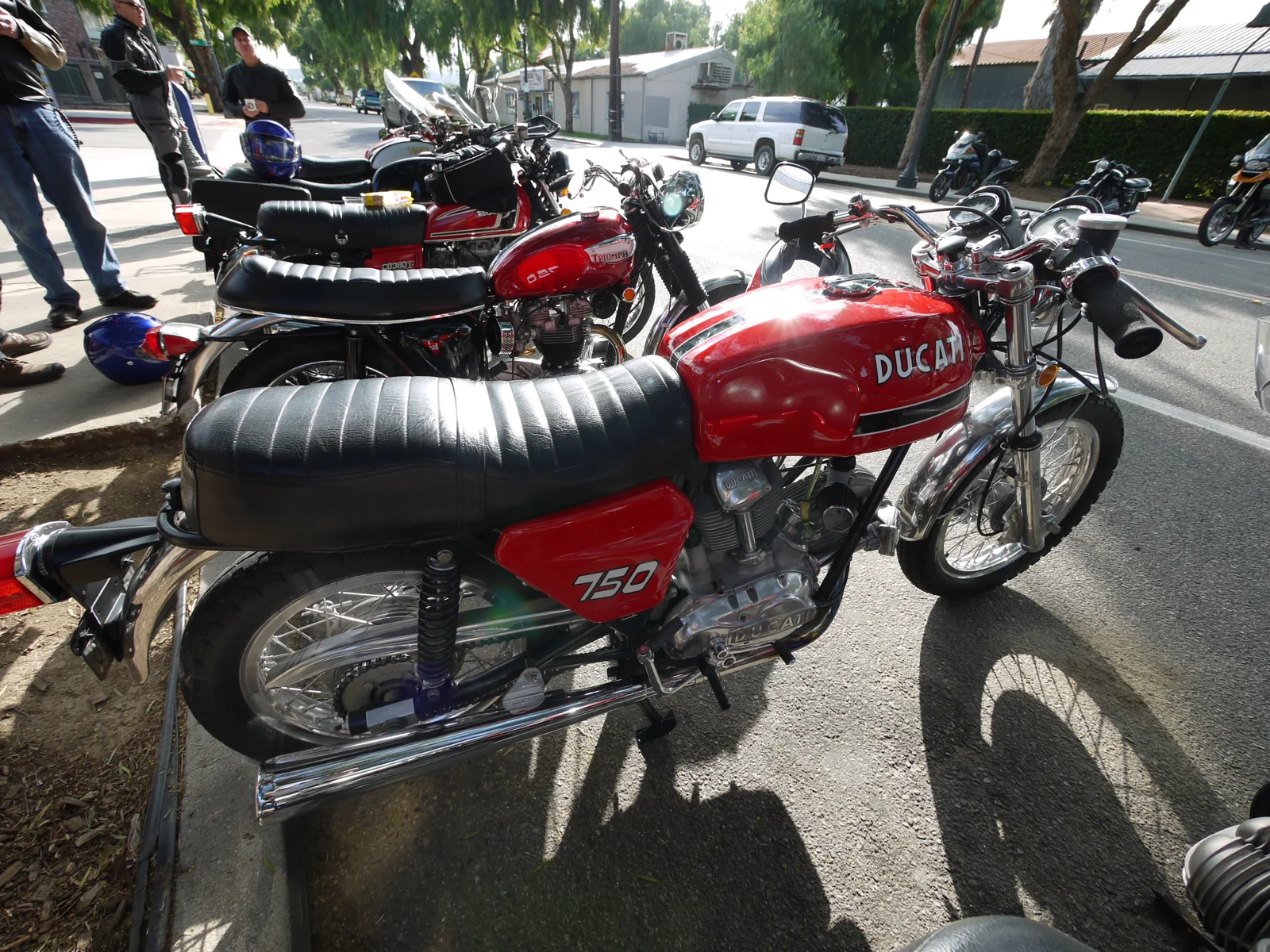
1971 Ducati 750 GT
1971-1974 · Ducati
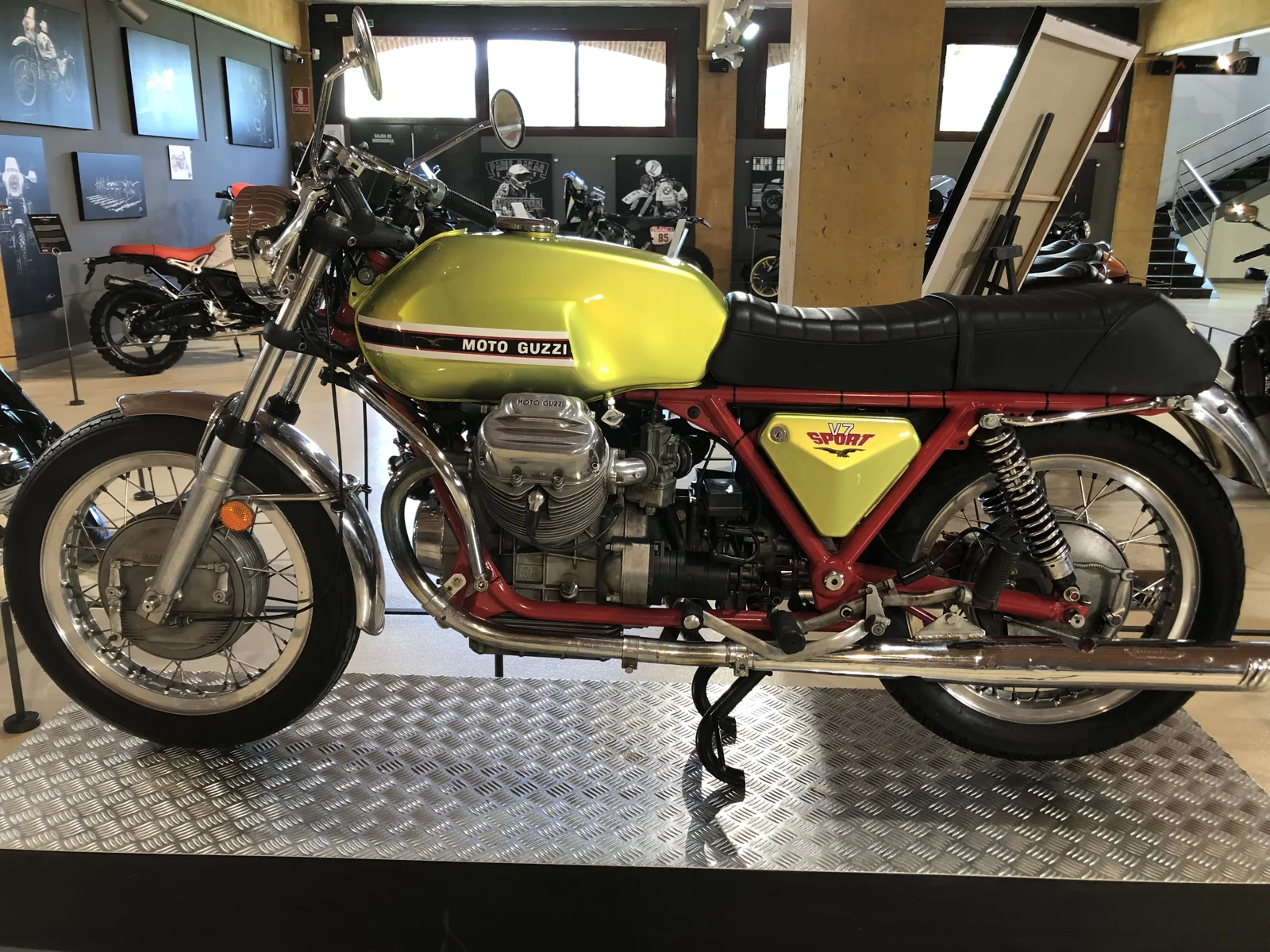
1971 Moto Guzzi V7 Sport
1971-1974 · Moto Guzzi
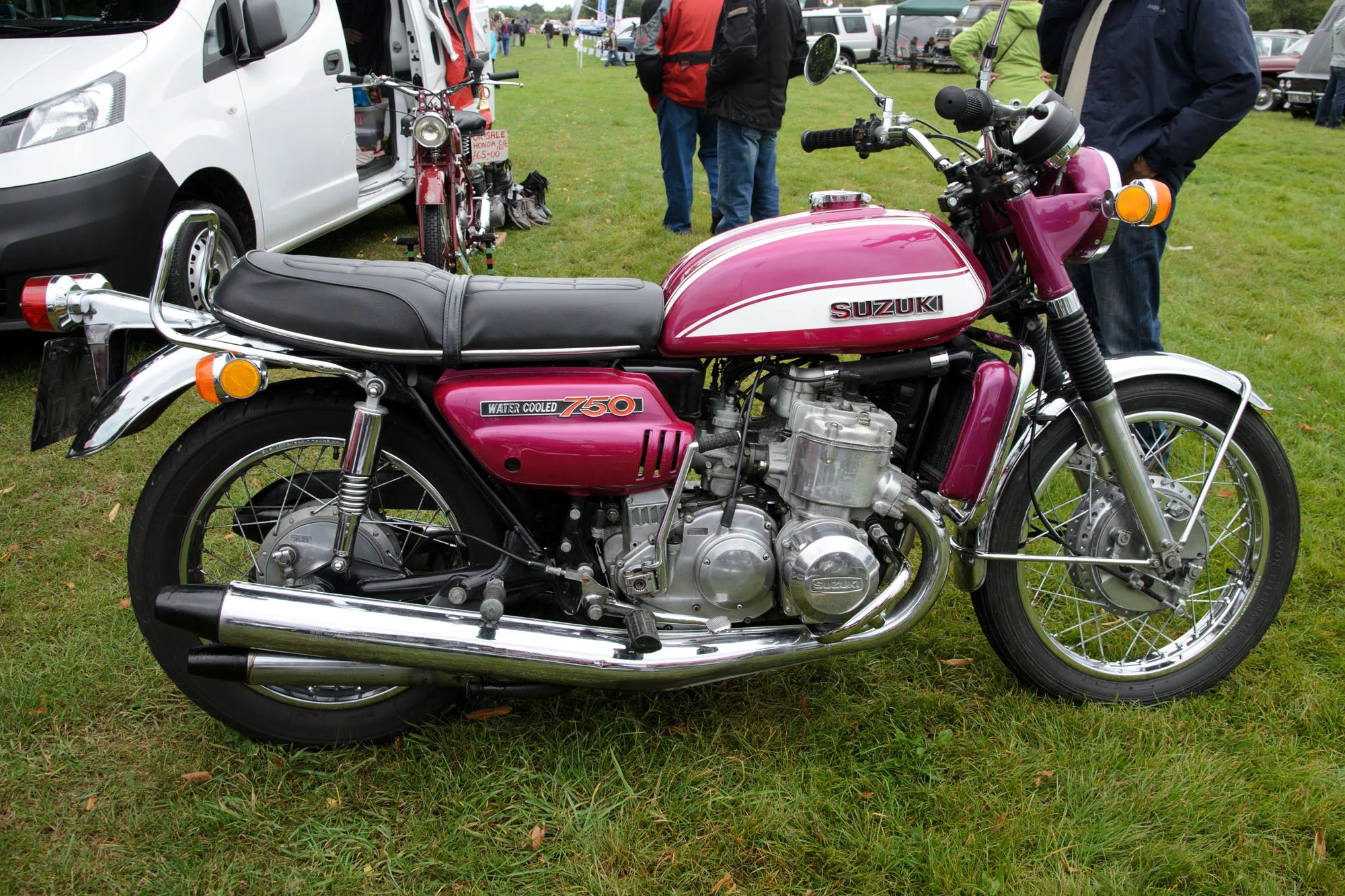
1971 Suzuki GT750 Water Buffalo
1972-1977 · Suzuki
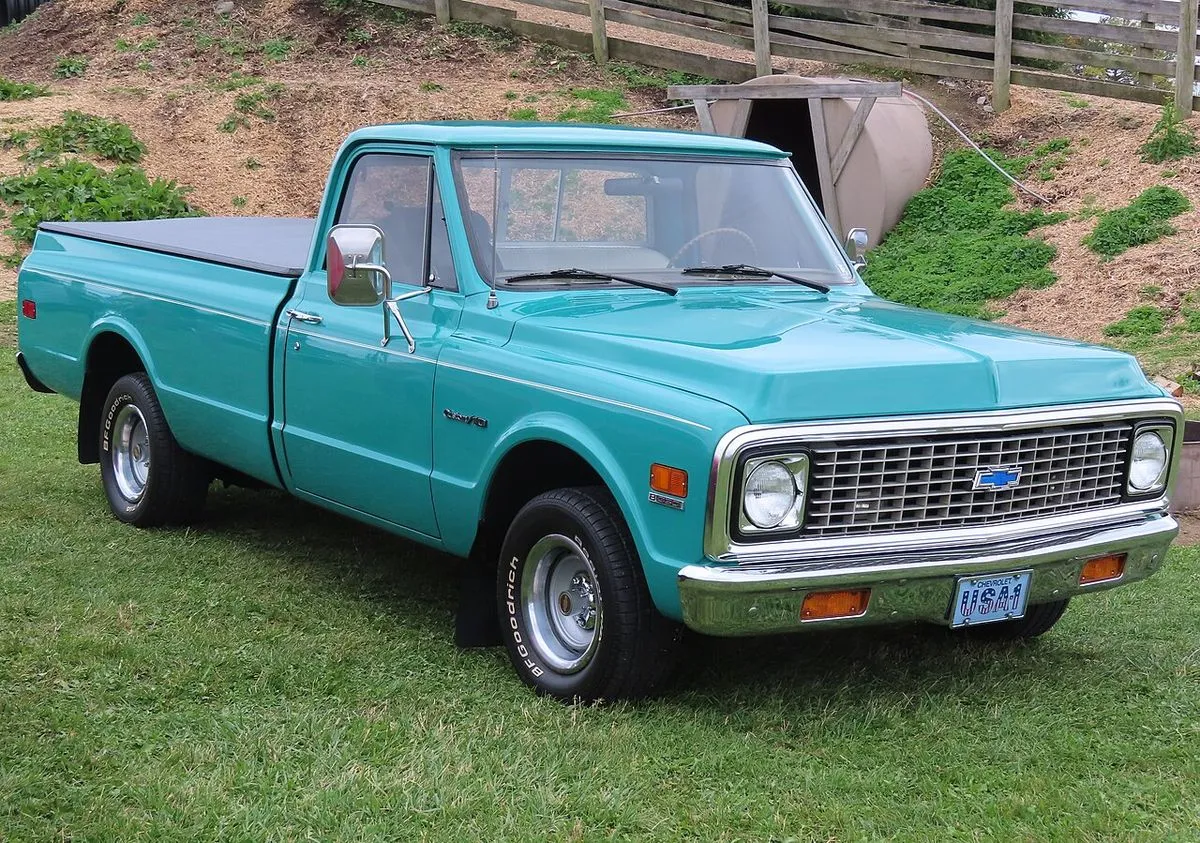
1967-1972 Chevy C10
1967-1972 · Chevy
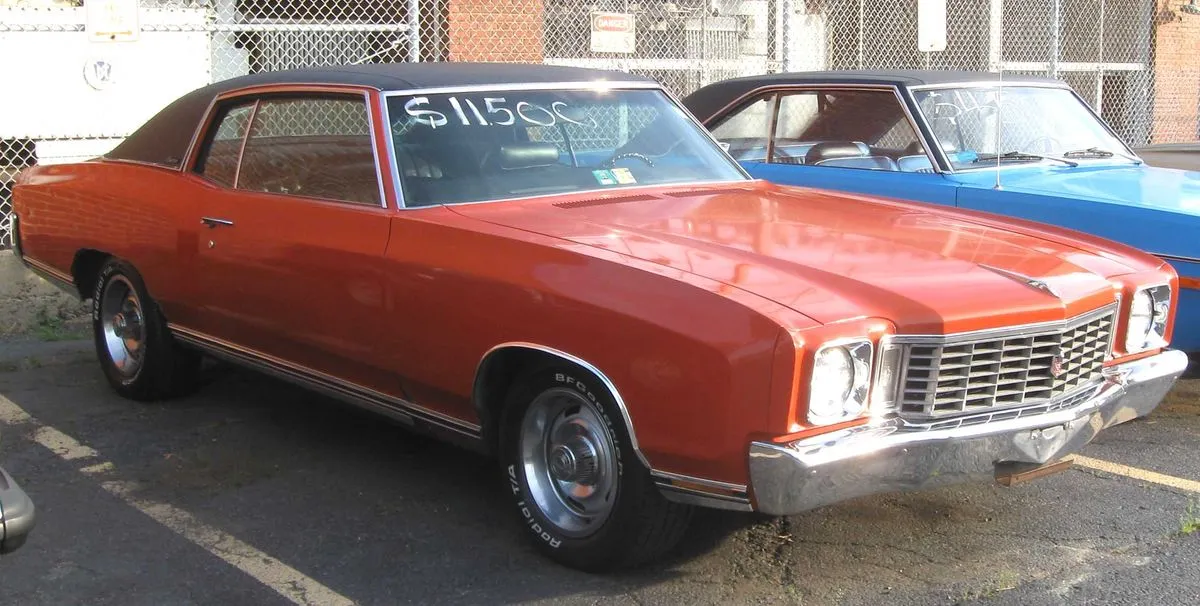
1972 Chevy Monte Carlo
1970-1977 · Chevy
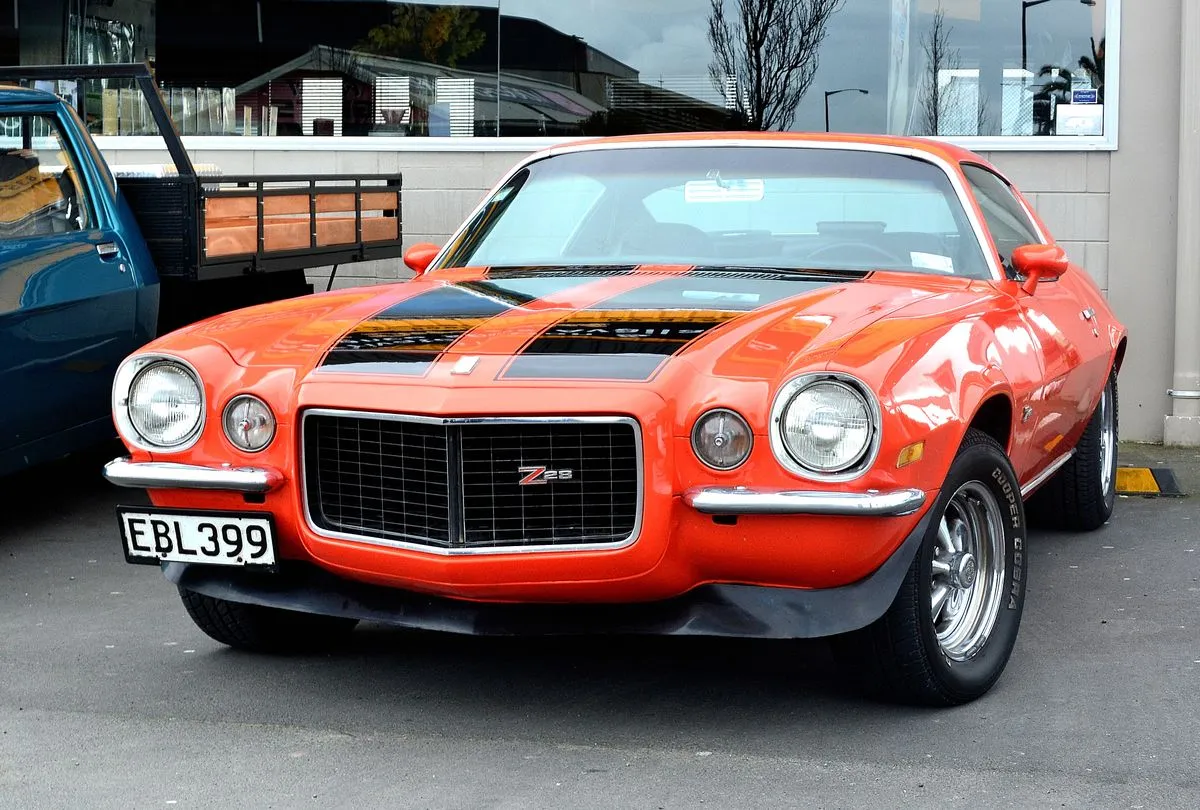
1973 Chevy Camaro Z28
1970-1981 · Chevy
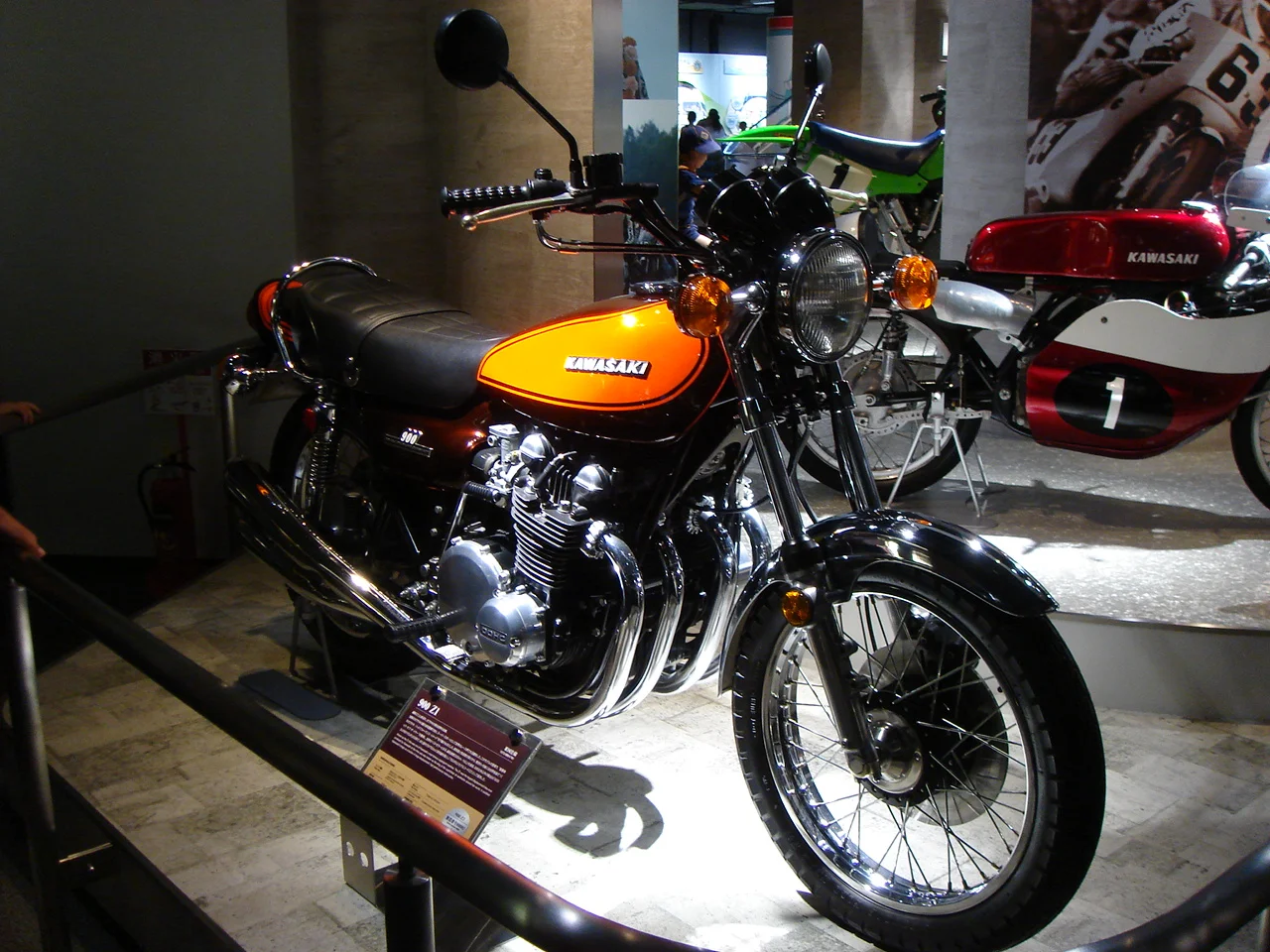
1973 Kawasaki Z1 900
1973-1975 · Kawasaki
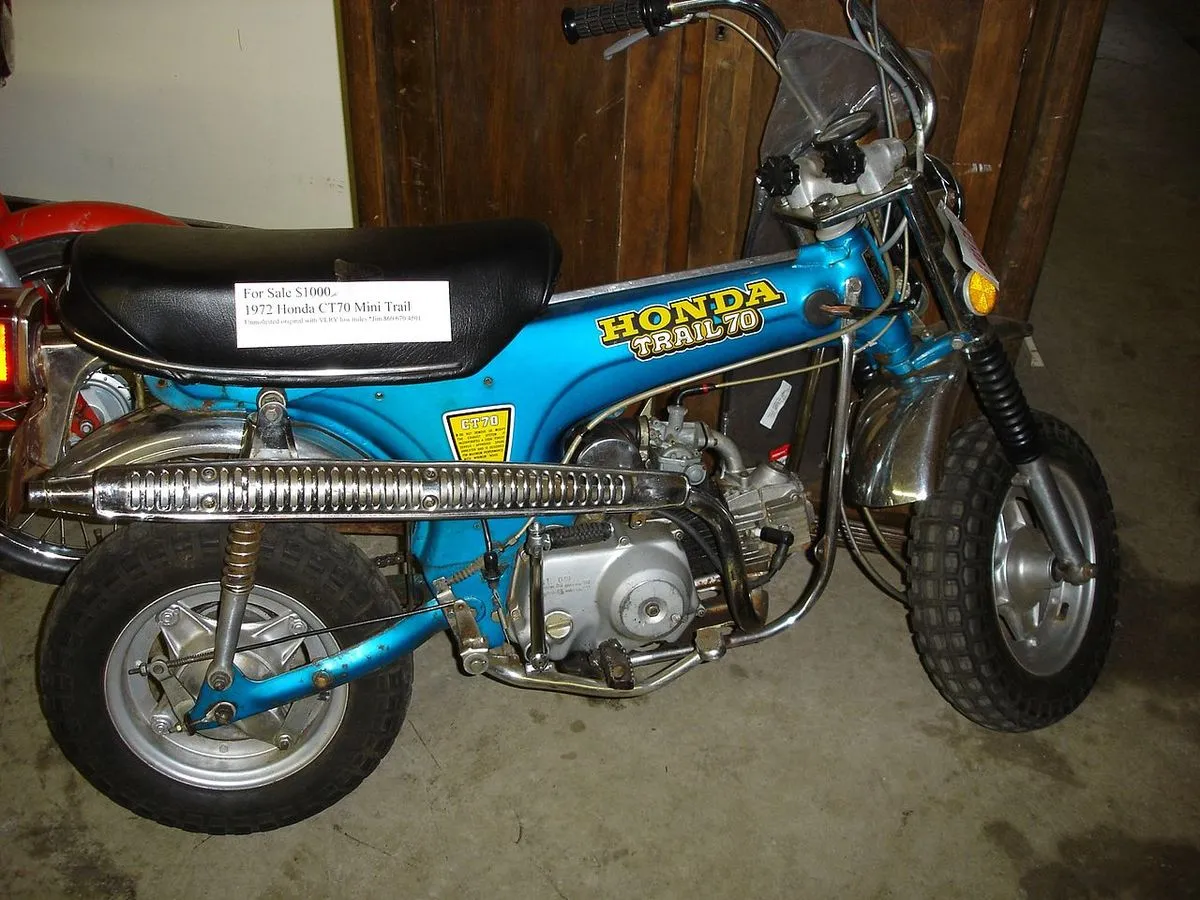
1974 Honda CT70 Trail
1969-1994 · Honda
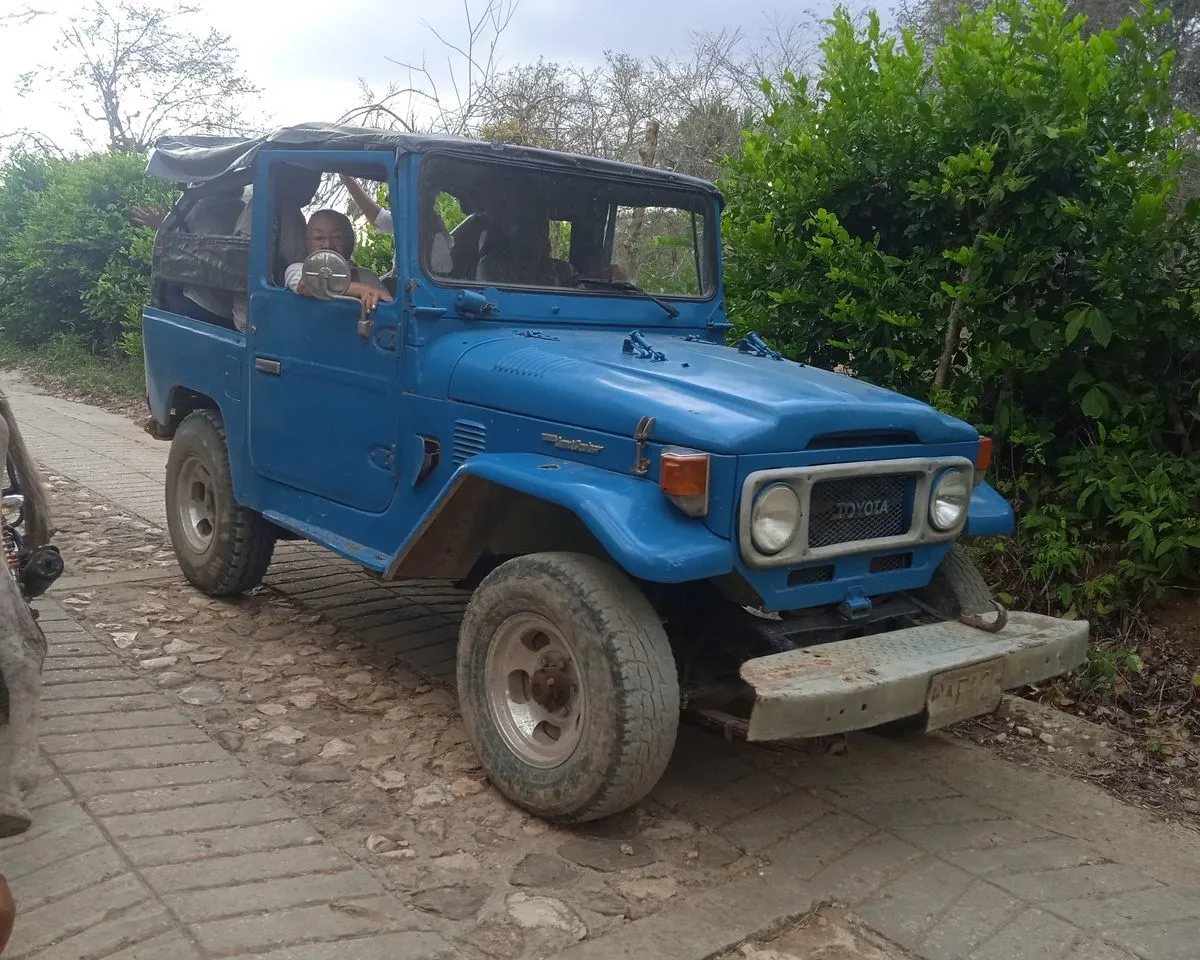
1974 Toyota Land Cruiser FJ40
1960-1984 · Toyota
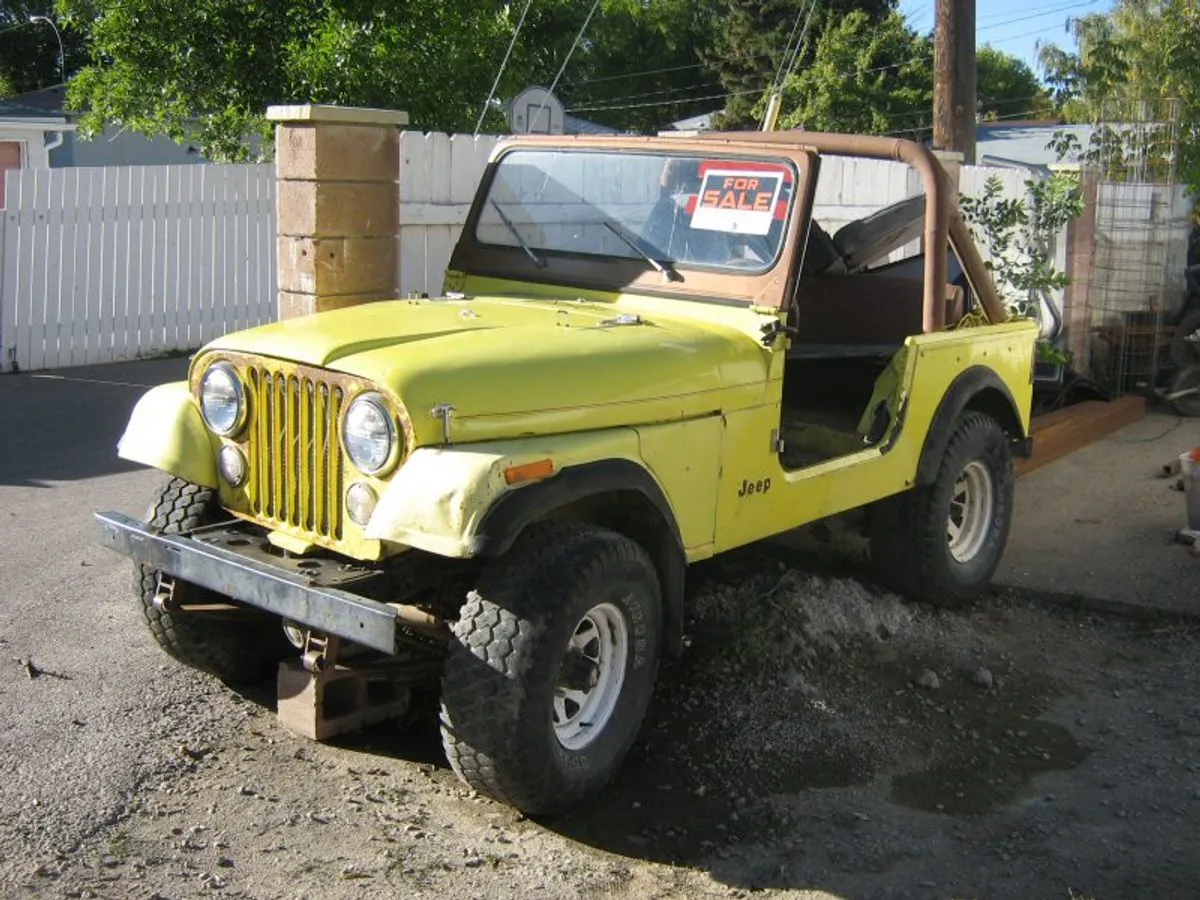
Jeep CJ-5 / CJ-7
1955-1986 · Jeep
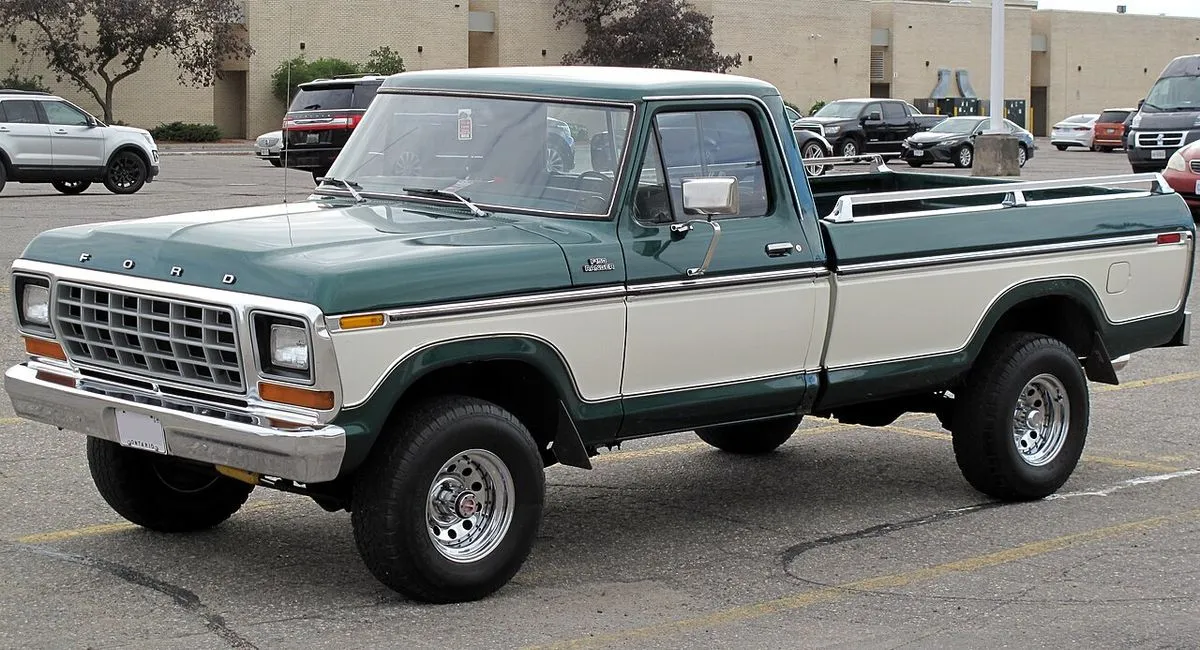
1967-1979 Ford F-100/F-150
1967-1979 · Ford