Malaise Era
1973-1983
The dark ages of American automotive performance. Emissions regulations, fuel crises, and corporate cost-cutting produced some of the strangest and most overlooked vehicles in history.
Historical Context
The 1973 oil embargo and new emissions regulations killed the muscle car overnight. Detroit scrambled to build fuel-efficient cars while meeting new safety standards. The results were often ugly, underpowered, and unreliable. But this desperation also bred innovation: AMC's Eagle invented the crossover. Small cars learned to be fun. Some manufacturers figured out how to make horsepower without cubic inches. The malaise era's underdogs are finally getting their due.
Defining Characteristics
- • Smog-choked engines with plummeting horsepower
- • Bumper regulations creating ungainly designs
- • Downsizing from land yachts to compact experiments
- • Strange corporate badge-engineering decisions
- • Early experiments with imports and fuel efficiency
Vehicles from the Malaise Era (14)
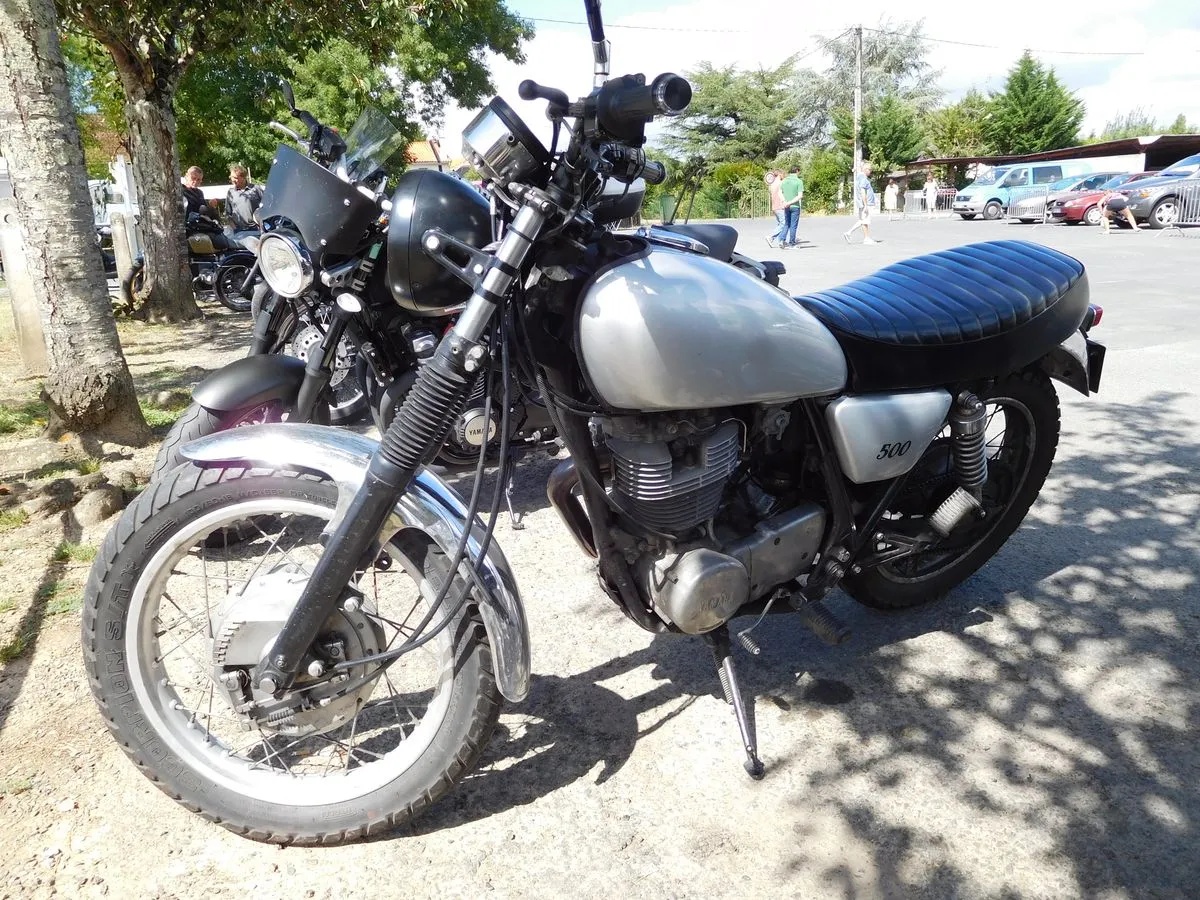
1979 Yamaha SR500
Yamaha
The SR500 is motorcycling's monk's cell. One cylinder. Kickstart only. No electric gadgets to fail. Yamaha built it as a callback to simpler times, and it became a cult classic for people who wanted to actually ride instead of manage electronics. The big single-cylinder engine has character that multi-cylinder bikes can't match — a rhythmic thump that connects you to every combustion event. It's meditation with handlebars.
1974 Honda CL180 Scrambler
Honda
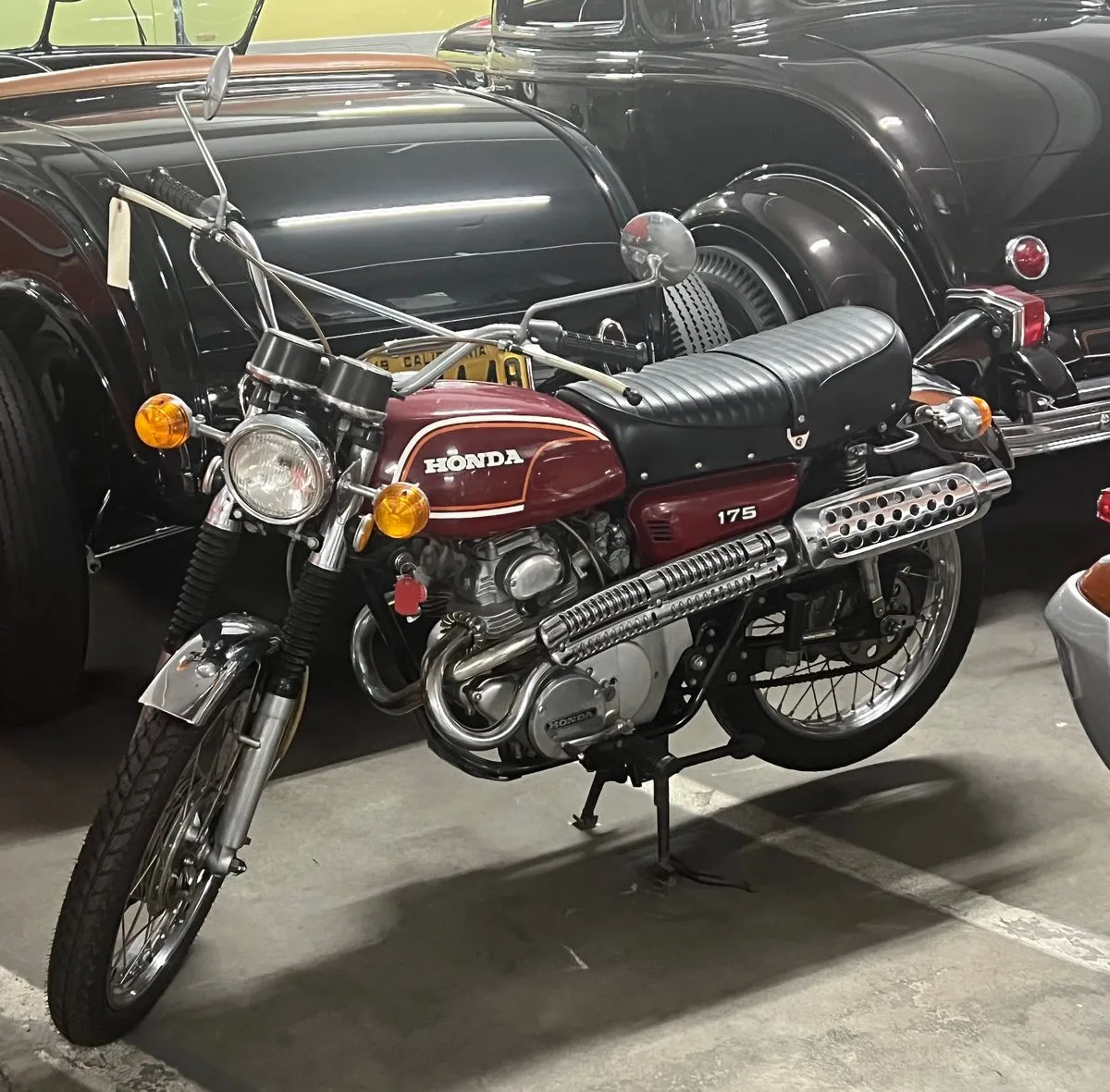
The CL180 is proof that motorcycling's best days don't require displacement. Honda's Scrambler line put high pipes and semi-knobbies on their small twins, creating bikes that looked adventurous and were genuinely capable on dirt roads. At 17 horsepower, you can use all of what's available without going to jail. It's light enough to pick up when you drop it. Simple enough to fix yourself. Cheap enough to not worry about. The small-displacement scrambler is motorcycling's best-kept secret.
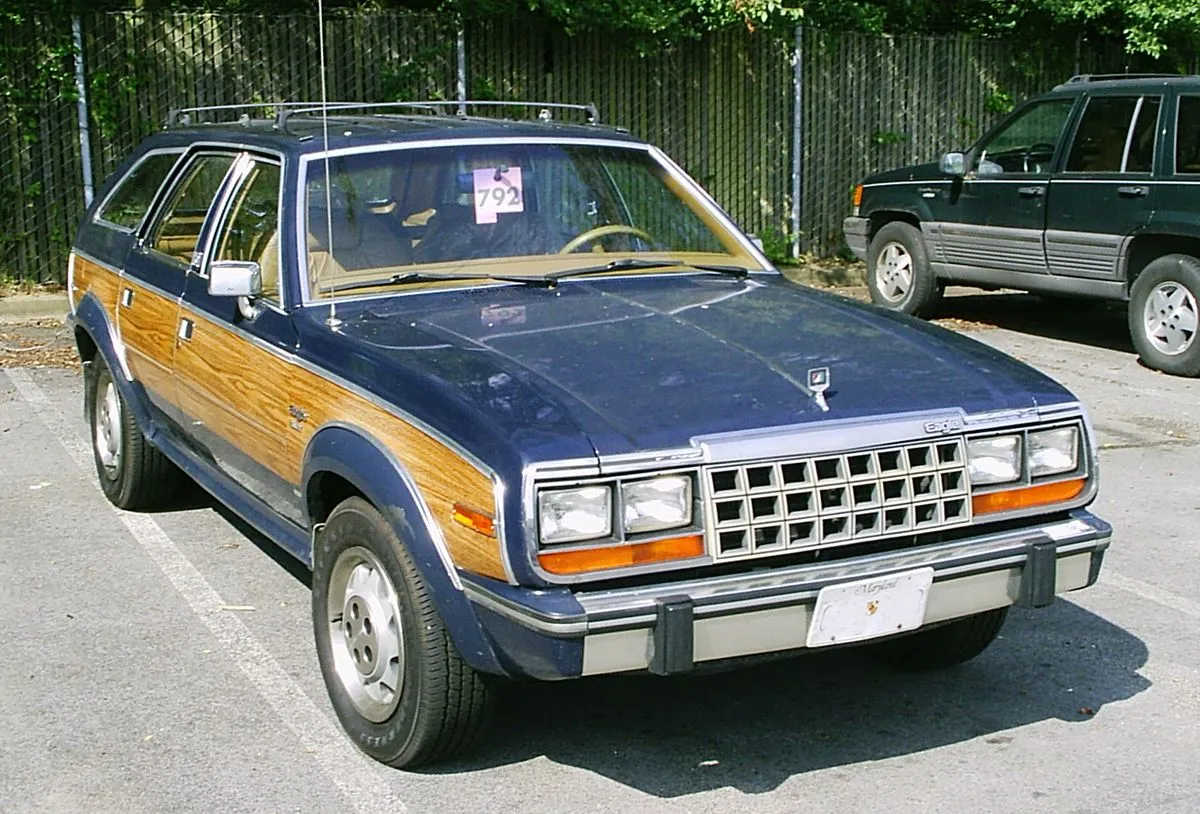
1980 AMC Eagle
AMC
The AMC Eagle invented the crossover. Before Subaru Outbacks, before lifted wagons became a lifestyle, AMC took a regular car, raised the suspension, and added full-time 4WD. Critics laughed. Buyers bought. The Eagle pioneered a vehicle segment that now dominates the market. AMC was broke, desperate, and innovative by necessity. They couldn't compete head-to-head with Detroit, so they built something nobody else would try. The modern CUV owes everything to this weird little company's desperate gamble.
1975 AMC Pacer
AMC
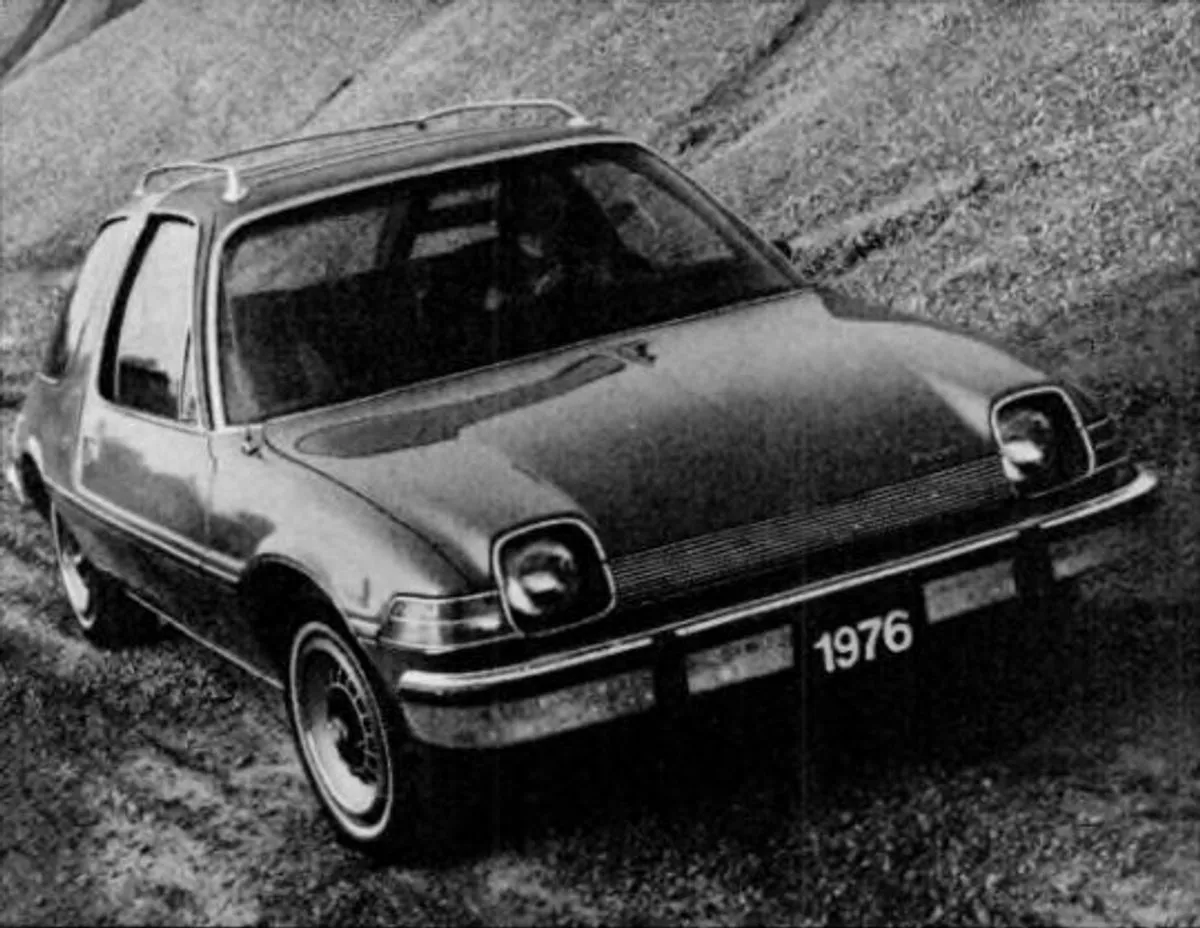
The Pacer is automotive proof that courage and good intentions don't guarantee success. AMC designed it for a rotary engine GM never delivered. They built it anyway with their inline-6. The styling was genuinely innovative — the fishbowl glass, the width, the rounded shape were all intentional aerodynamic choices. Critics destroyed it. Sales collapsed after 1975. But the Pacer was trying something. In an era of Detroit conformity, AMC swung for the fences. They missed, but at least they swung.
1970 AMC Gremlin
AMC
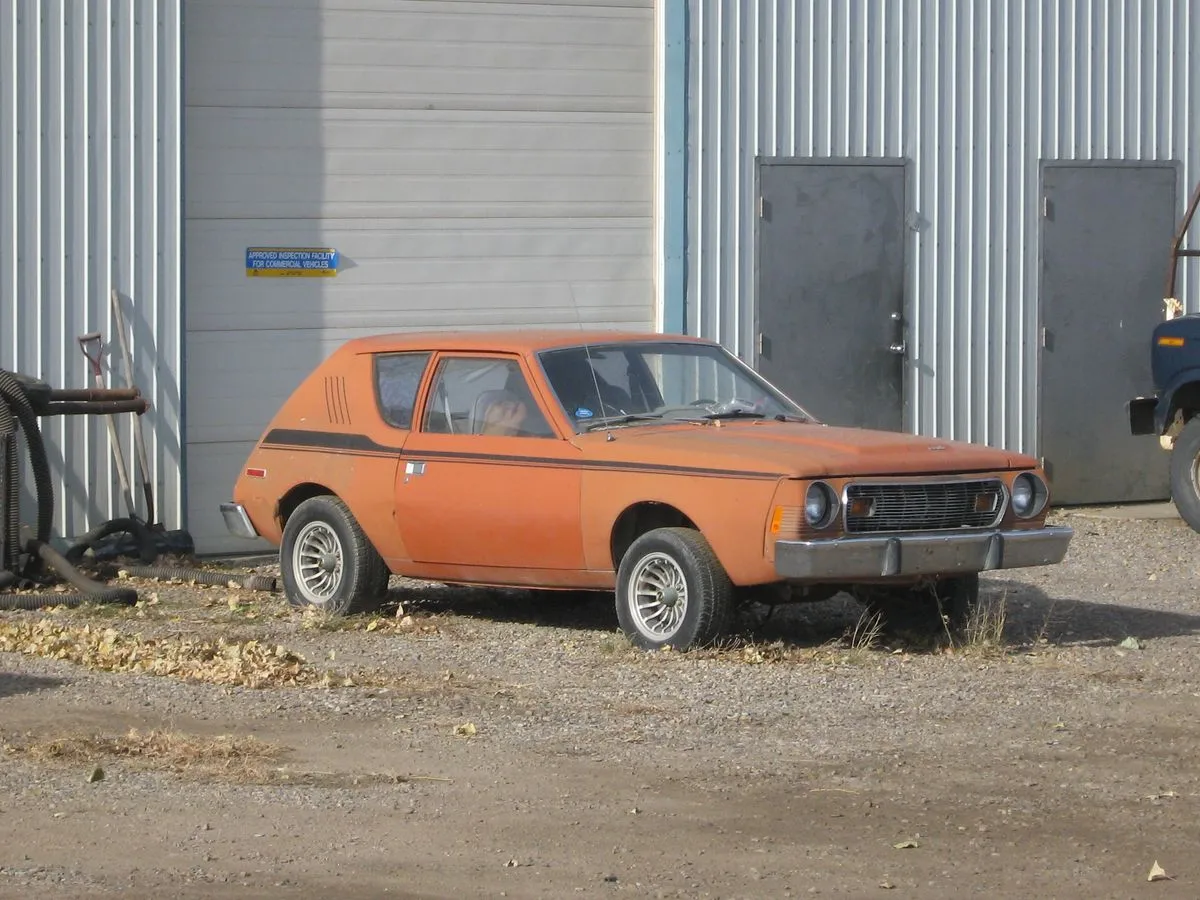
The Gremlin beat the Pinto and Vega to market by six months, making it America's first subcompact. AMC took a calculated risk: chop the back off a Hornet, call it a new car, and hope nobody notices. It worked. The Gremlin sold well despite the mocking. And here's the thing: underneath the strange proportions was a genuinely good car. The AMC inline-6 was reliable. The handling was decent. The V8 option made it a sleeper. The Gremlin was better than its reputation.
1971 Ford Pinto
Ford
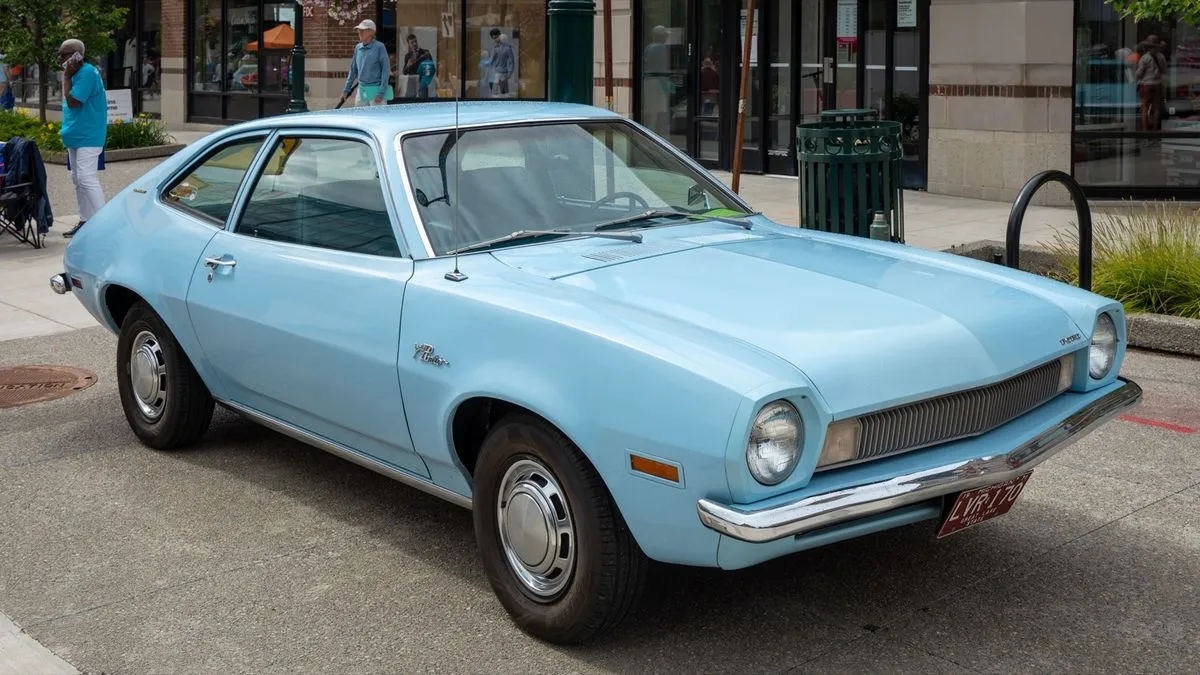
The Pinto is forever associated with its fuel tank scandal — Ford's calculated decision that paying wrongful death settlements was cheaper than fixing the design. That scandal defined automotive ethics debates for decades. But before that, the Pinto was just Ford's answer to the import invasion. It was cheap, efficient, and sold millions. The car itself was adequate transportation for people who needed adequate transportation. The scandal shouldn't define the car, but it's impossible to separate them.
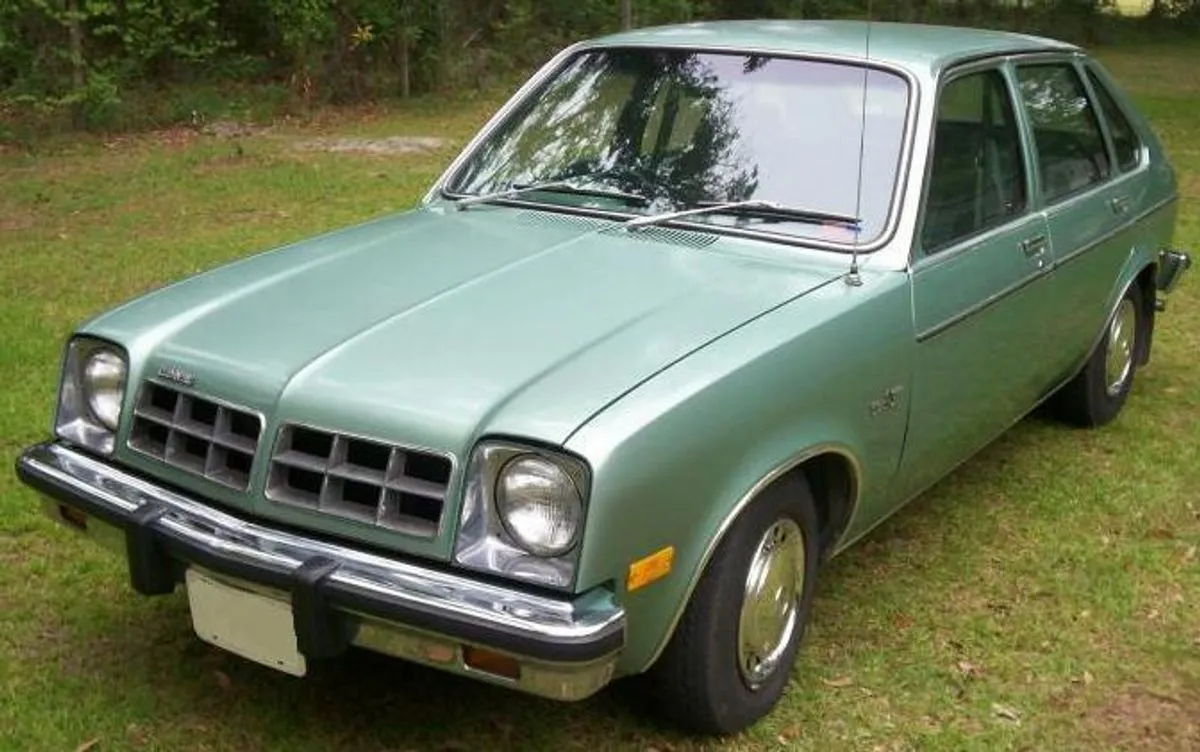
1976 Chevy Chevette
Chevy
The Chevette was GM's white flag to the imports. After watching Japanese cars steal market share, GM finally built a proper subcompact — by copying what worked. The Chevette was adequate. That's it. Not good, not terrible, just adequate. It did what millions of Americans needed: basic transportation. The RWD layout was archaic even then, but it made the car simple and somewhat fun in snow. The Chevette is the car nobody loved but everybody accepted.
1974 Volkswagen Thing (Type 181)
Volkswagen
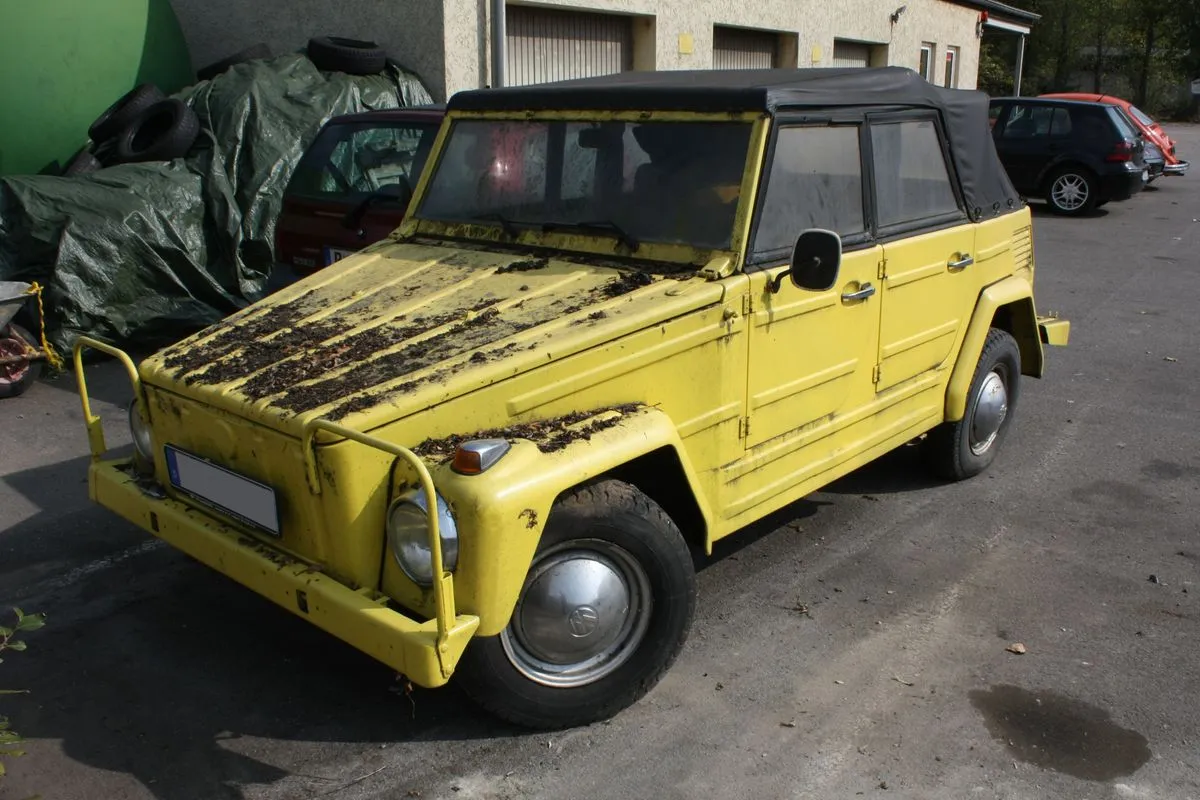
The Thing is what happens when you take a military utility vehicle and sell it to beach towns. Based on the WWII Kubelwagen design, VW updated it for the '60s and '70s as a recreational vehicle. In America, it became a cult item for exactly two years before failing new safety standards. That brief window and the quirky design created instant collector appeal. The Thing is the ultimate beach cruiser — doors off, top down, completely impractical, and absolutely joyful.
1978 Fiat 124 Spider
Fiat
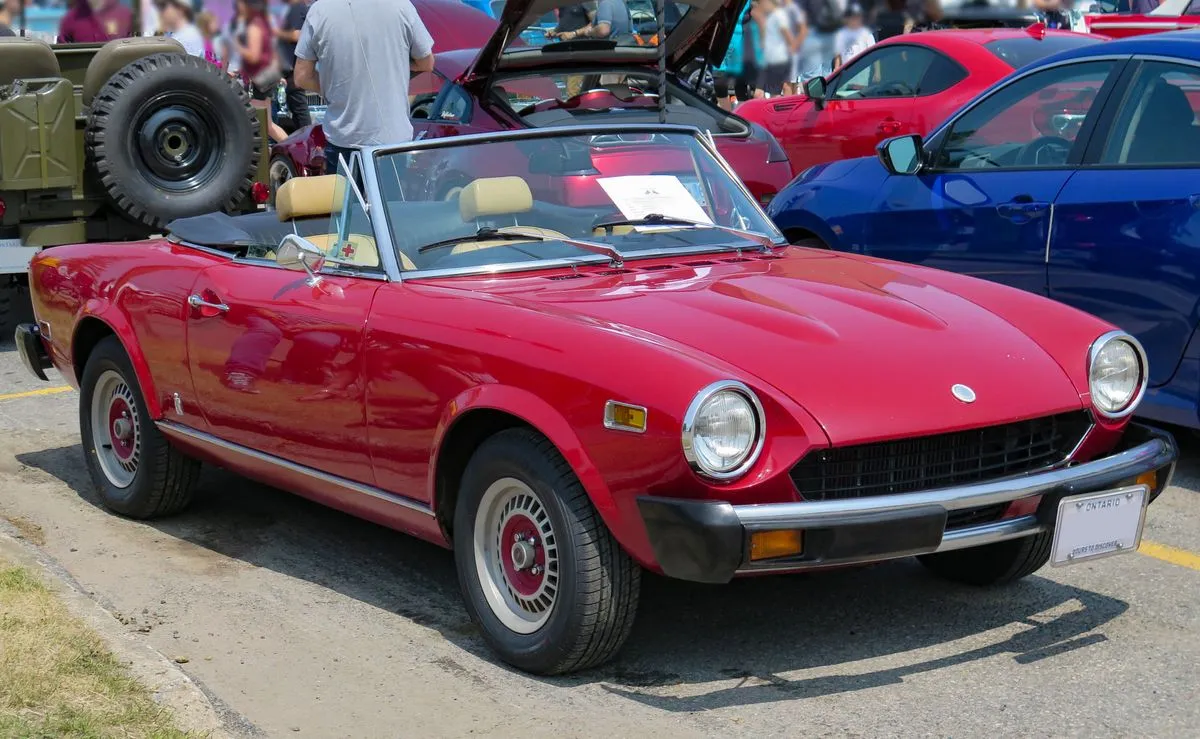
The 124 Spider brought Italian sports car experience to American driveways at a fraction of Ferrari prices. Pininfarina design, a genuine DOHC engine, proper handling — this was real automotive passion accessible to the middle class. Yes, the electrics are Italian. Yes, it rusts. But behind the wheel, with the top down, none of that matters. The 124 Spider taught Americans that sports cars could be affordable and still feel special.
1974 MG MGB
MG
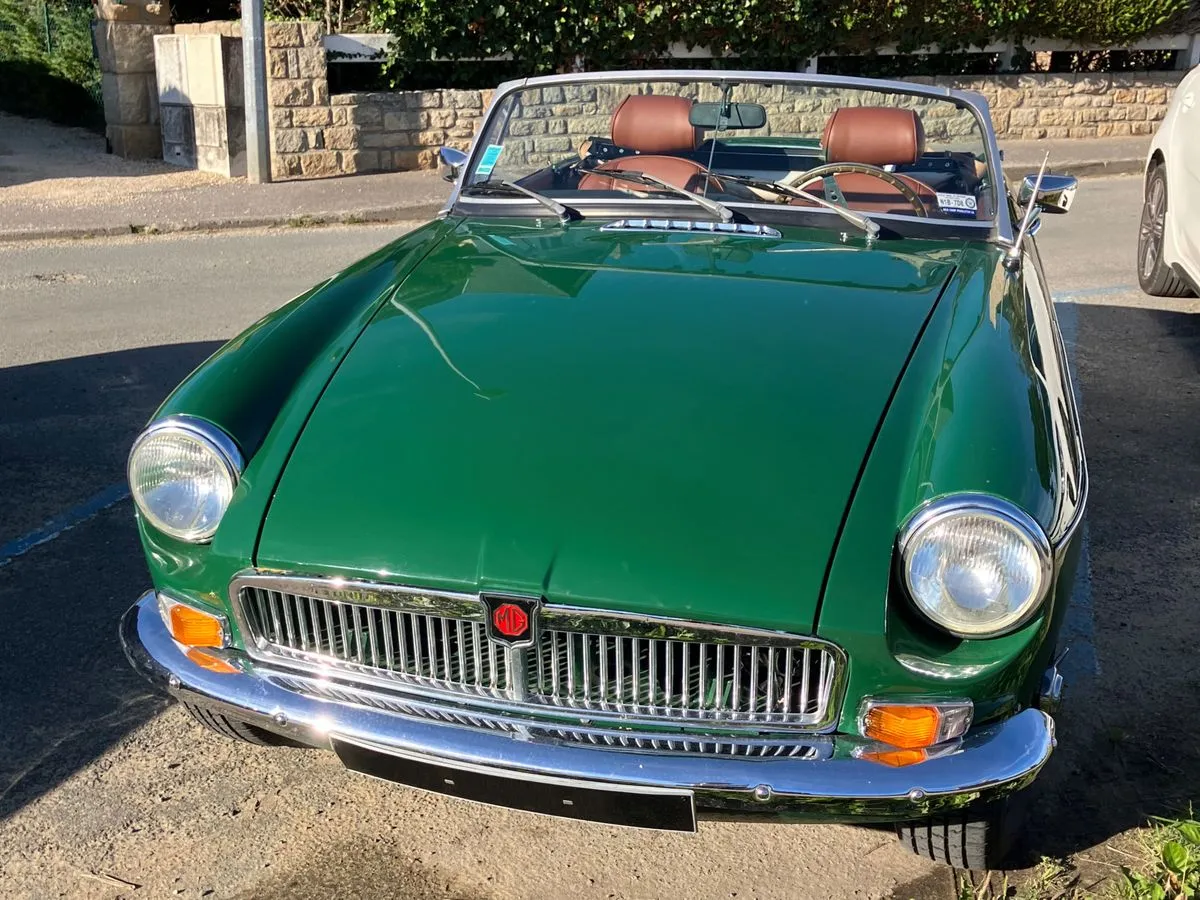
The MGB is the British sports car. More were sold in America than any other British roadster. It democratized the sports car experience — not as exotic as a Jaguar, not as expensive as a Triumph TR6, but genuinely fun and within reach. For decades, the MGB was the entry point into British car enthusiasm. The 1974.5 and later 'rubber bumper' cars get grief, but they're also cheaper and still fun. The MGB created a template for affordable sports cars that echoes through every Miata on the road today.
1974 Triumph TR6
Triumph
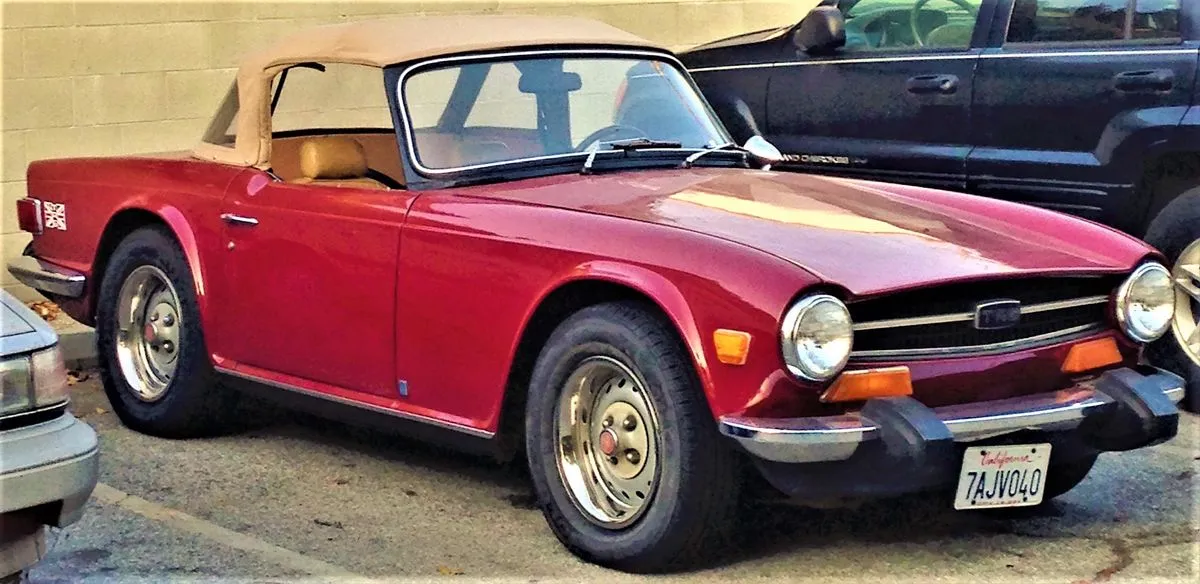
The TR6 is the hairy-chested British sports car. Where the MGB was friendly and approachable, the TR6 was muscular and aggressive. The inline-six engine delivered real power. The Karmann-designed body looked like someone had chiseled it from anger. This was the TR for people who wanted more than the MGB could offer — more power, more presence, more drama. The TR6 was the last of the proper TRs before the wedge-shaped TR7 killed the brand's credibility.
1970 Citroën 2CV
Citroën
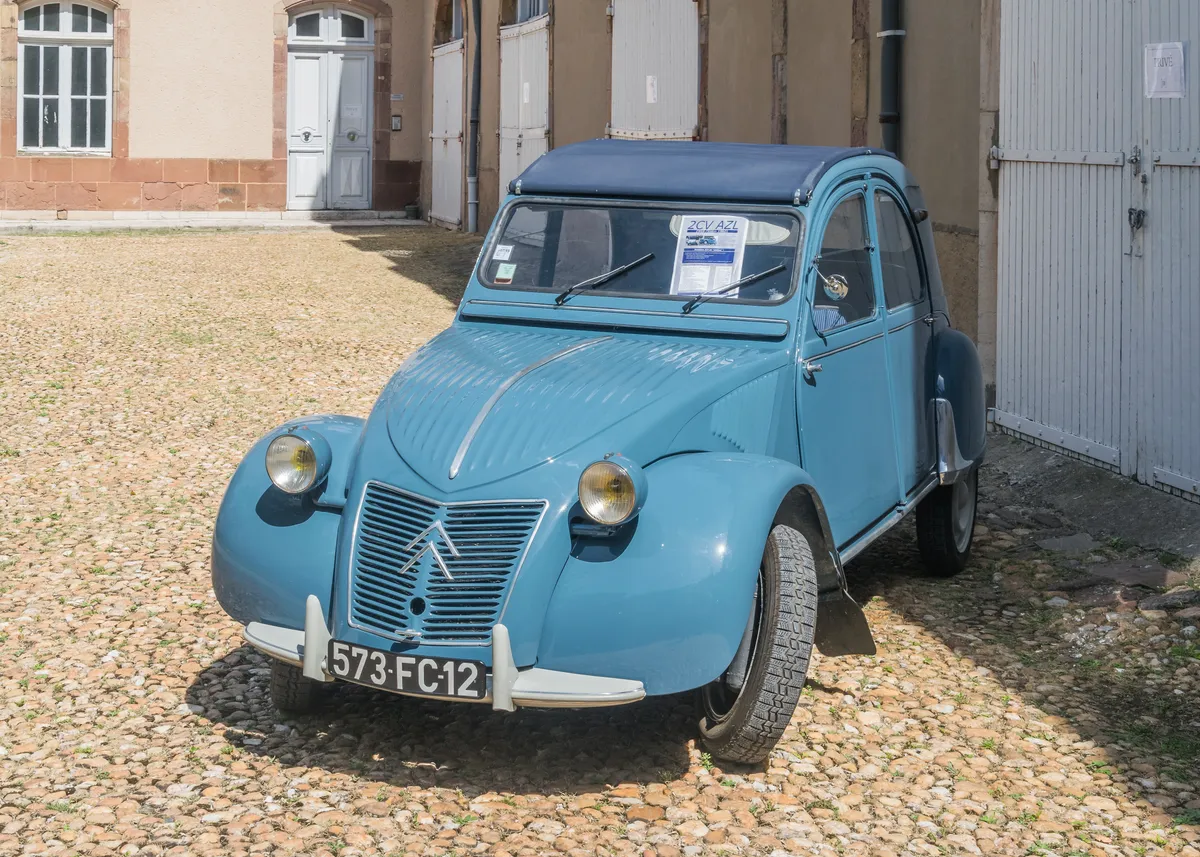
The 2CV is the anti-sports car. Citroën's engineers were told to create a car that could carry four adults and 50 kilos of potatoes across a plowed field without breaking the eggs on the seat. They succeeded beyond imagination. The result was something genuinely innovative: interconnected suspension that floats over bumps, air-cooling for simplicity, and design so honest it became art. The 2CV was France's answer to the Beetle, but even stranger and more lovable. It's automotive proof that charm beats performance.
1975 Chevy G20 Van
Chevy
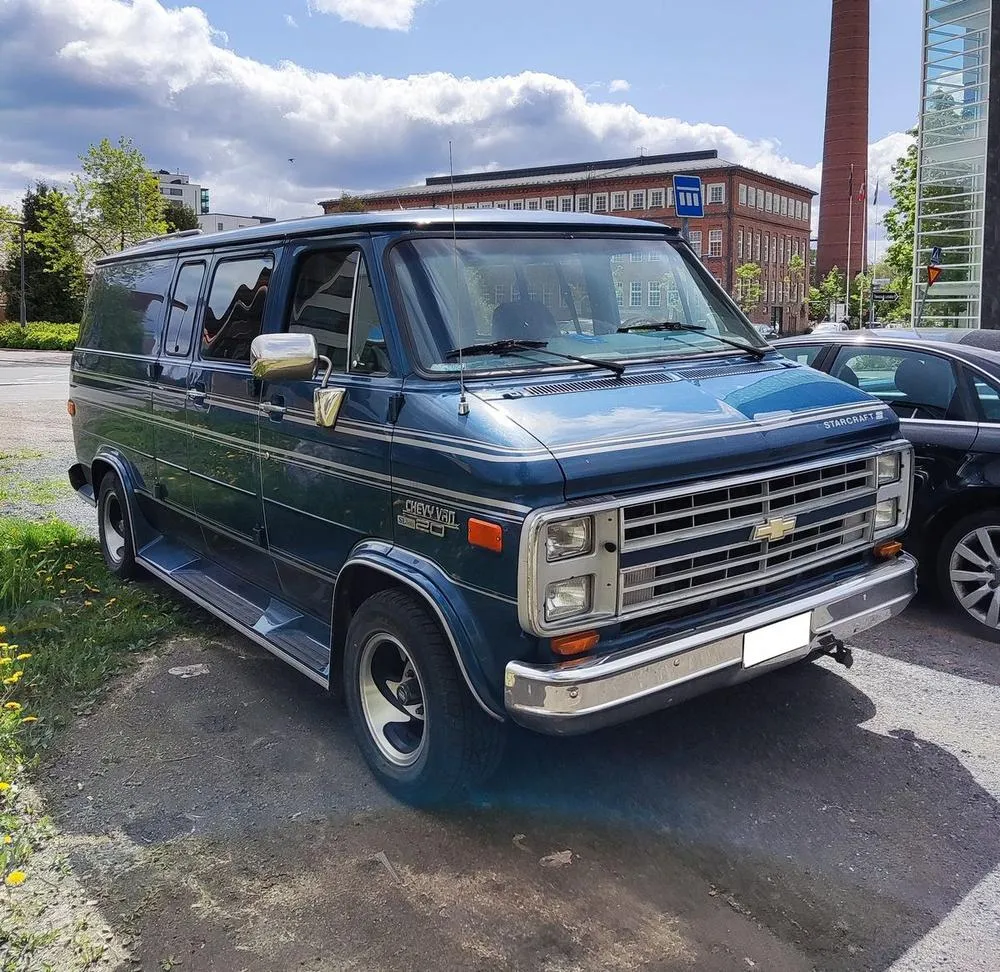
The G-Series van defined what a full-size American van should be for 25 years. The second-generation design ran from 1971 to 1995 with minimal changes, proving that sometimes you get it right the first time. The G20 became the platform for the entire custom van industry — shag carpet, bubble windows, and murals of wizards on the sides. But underneath the conversions was a solid, reliable truck that could haul, tow, and work. The G-Series was America's utility vehicle.
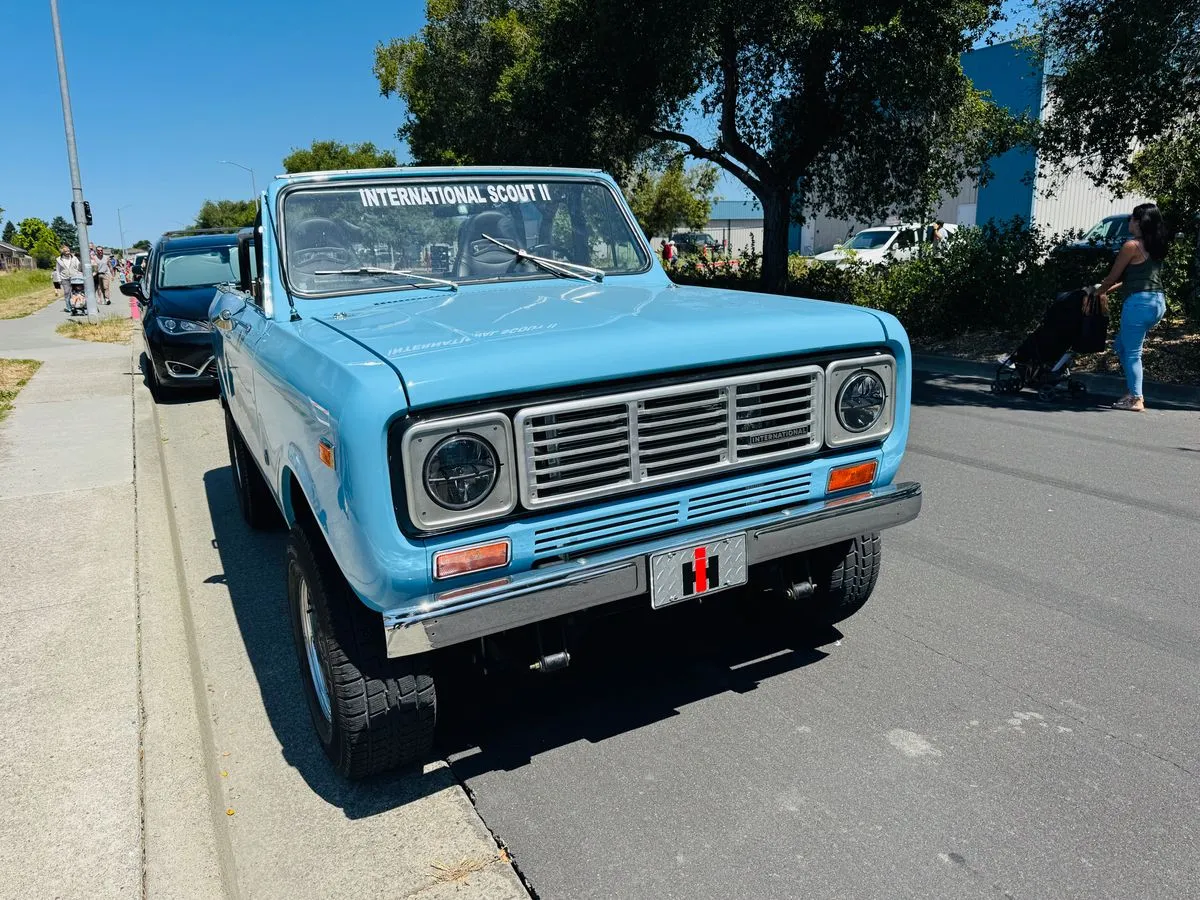
1971 International Scout II
International Harvester
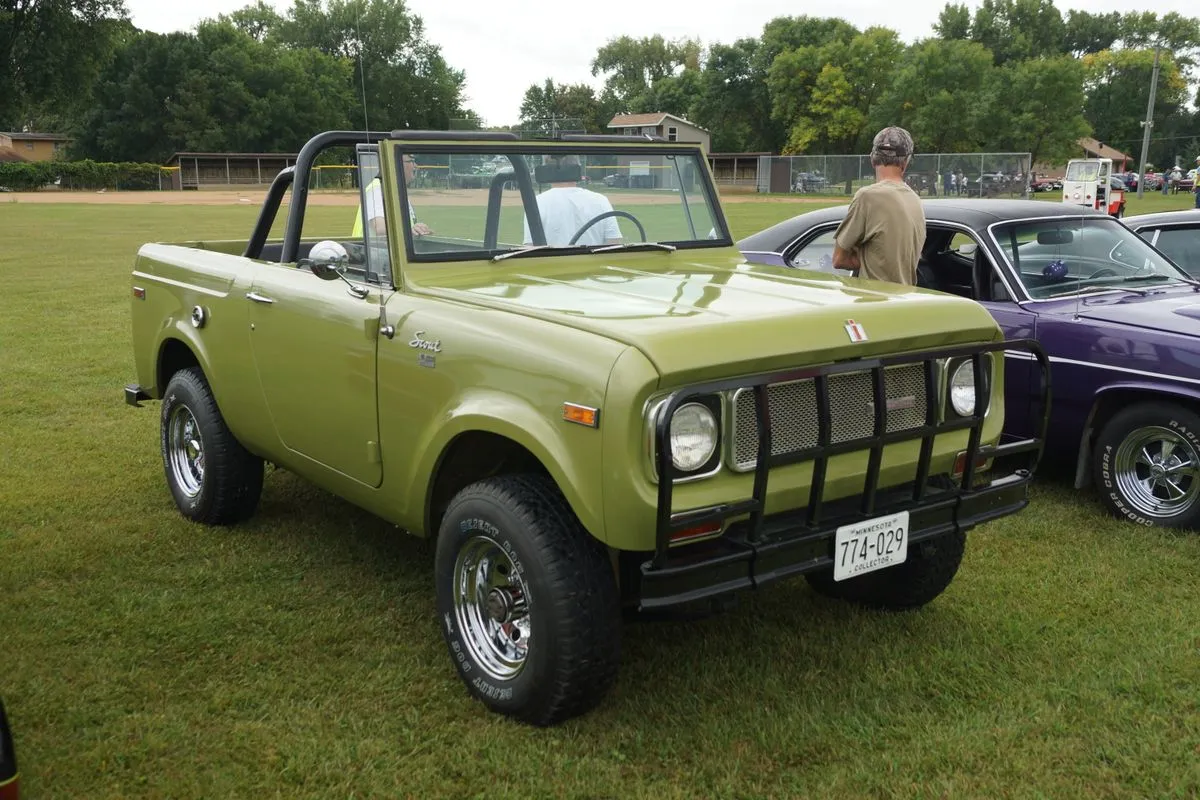
The Scout invented the SUV. International Harvester, a farm equipment company, created a vehicle for farmers and ranchers who needed something between a pickup and a car. The Bronco and Blazer followed, but the Scout got there first. The Scout II refined the formula with more power and better on-road manners. These were genuinely capable off-road vehicles built by a company that knew heavy equipment. The Scout is the grandfather of every crossover on the road today.