Post-War Era
1946-1963
America's automotive renaissance. Chrome, fins, and optimism on wheels.
Historical Context
America emerged from WWII as the world's dominant industrial power. Factories that built tanks and planes pivoted to automobiles. The interstate highway system opened the country, and car design reflected the space-age optimism of the era.
Defining Characteristics
- • Chrome everywhere — bumpers, trim, grilles
- • Tail fins that grew taller each year
- • Two-tone paint schemes
- • Bench seats and column shifters
- • The birth of the personal luxury car
Vehicles from the Post-War Era (5)
1948 Tucker 48
Tucker
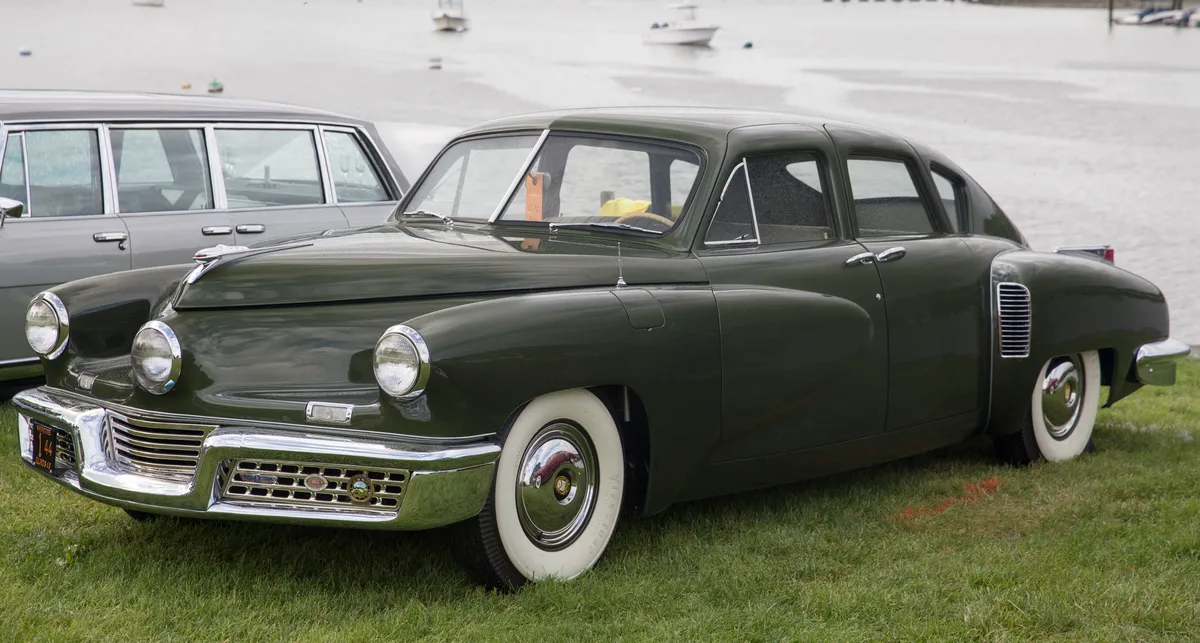
The Tucker 48 was a middle finger to Detroit complacency. While the Big Three were still building warmed-over prewar designs, Preston Tucker designed a car with features that wouldn't become standard for decades: the padded dash, the pop-out safety windshield, the directional center headlight. The rear-mounted flat-six was supposed to be a custom Tucker engine; when that fell through, they adapted a Franklin helicopter engine. It worked. The car worked. The 51 that were built proved the concept. Then the SEC investigation killed the company — whether due to actual fraud concerns or Detroit pressure depends on who you ask. Tucker was acquitted, but the dream died. These aren't just cars; they're monuments to what could have been.
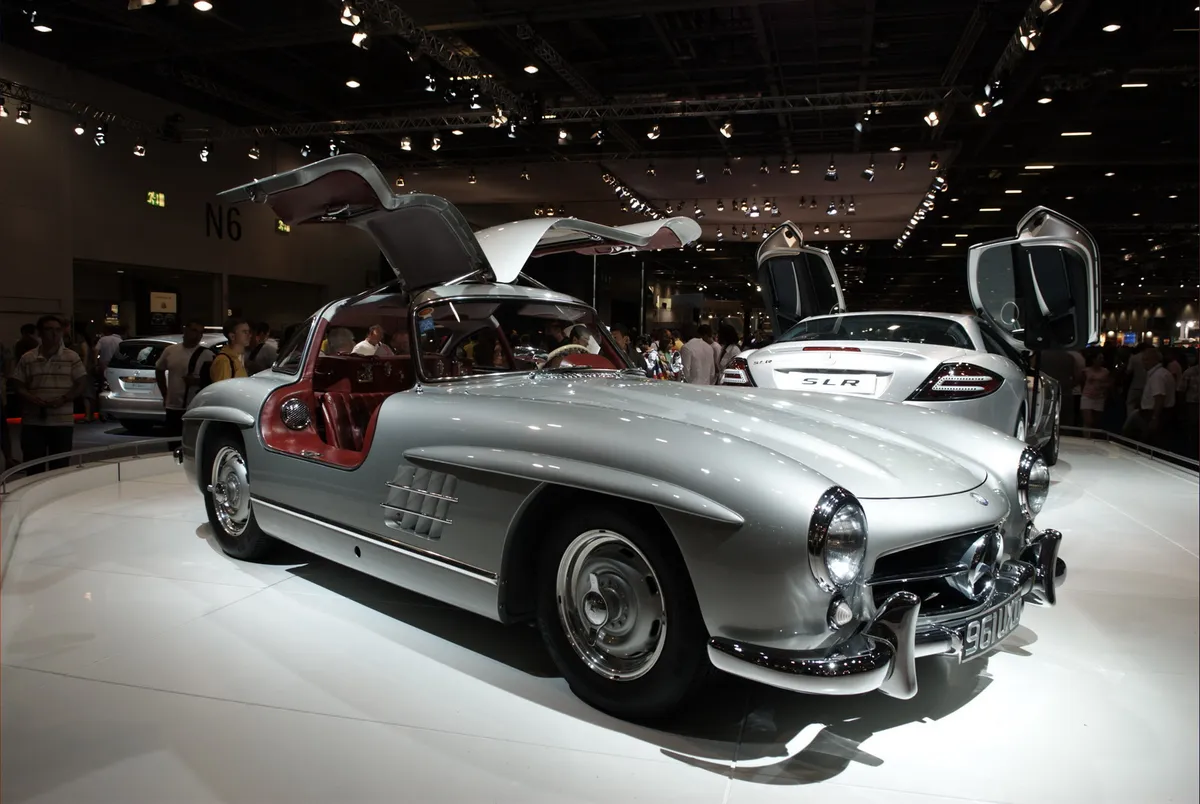
1955 Mercedes-Benz 300SL Gullwing
Mercedes-Benz
The 300SL is where Mercedes-Benz became a legend. Born from the W194 racing program that dominated Le Mans and the Carrera Panamericana, the road car was essentially a race car with headlights and a heater. Those gullwing doors weren't a styling gimmick — they were an engineering necessity, required by the tubular space frame chassis that made the car so rigid and light. The Bosch mechanical fuel injection was a world first for a production car, adding 50 hp over the carbureted racing engine. Max Hoffman, the legendary New York importer, convinced Mercedes to build it. The result was the first supercar — decades before that term existed.
1958 Cushman Eagle
Cushman
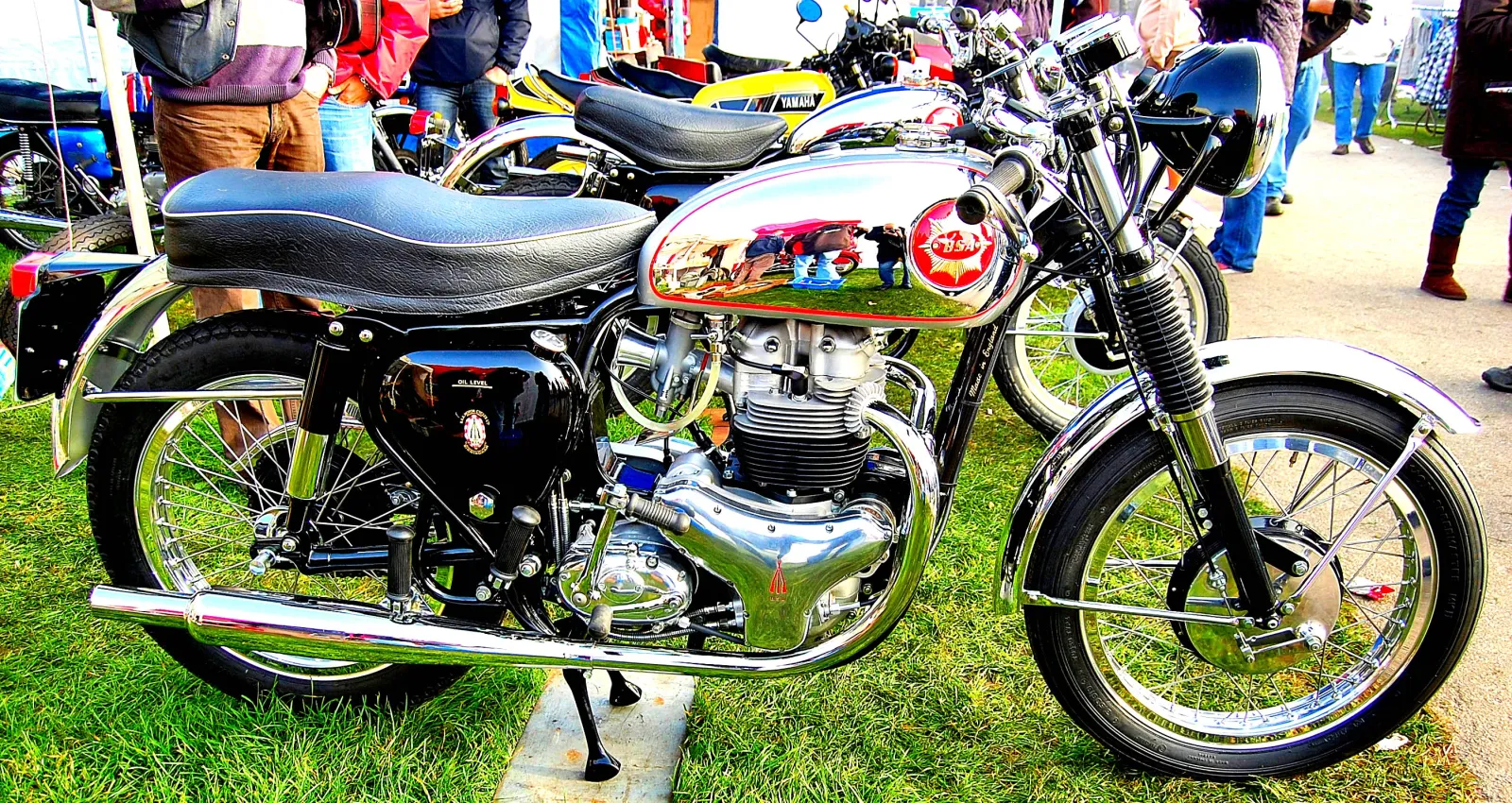
The Cushman Eagle was Vespa's American rival, and it couldn't have been more different. Where the Vespa was curvaceous and Continental, the Eagle was angular and industrial. Cushman built engines for decades before making scooters, and the Husky powerplant showed it — these were workhorses, not fashion statements. The Eagle became the scooter of choice for postal workers, meter maids, and anyone who needed utilitarian transportation. Later, the rockabilly and custom scene adopted Eagles as the anti-Vespa: proudly American, defiantly uncool, and perfect for customization. Cushman stopped scooter production in 1965, but the Eagle's cult following endures.
1959 Cadillac Eldorado Biarritz
Cadillac
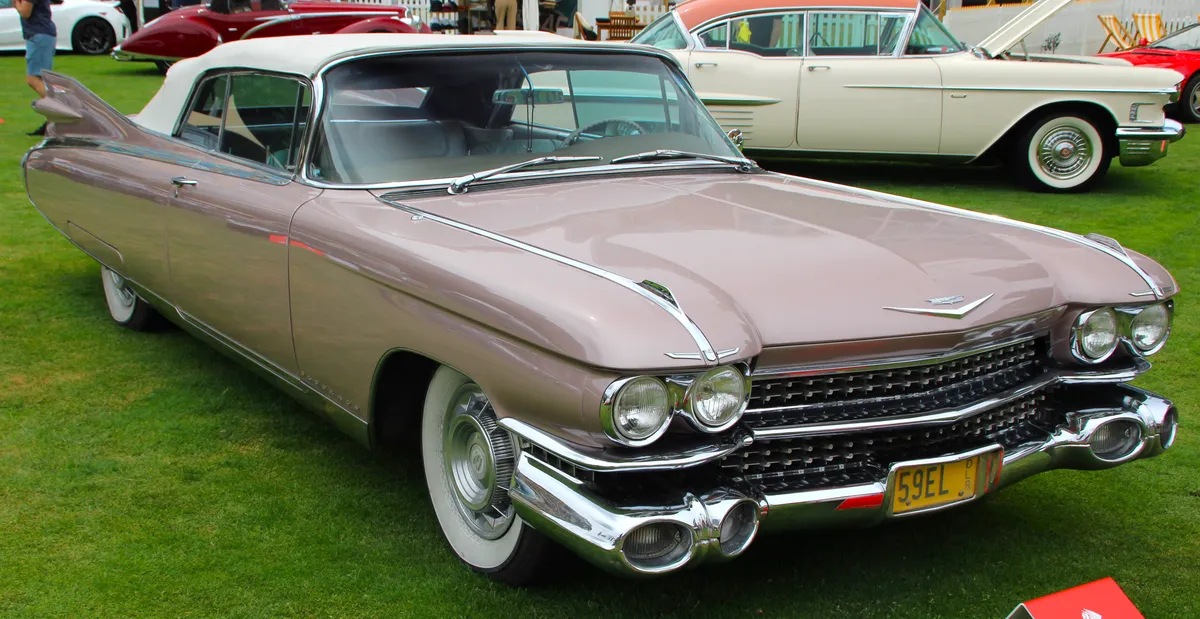
The 1959 Cadillac is the zenith of American automotive excess — the highest tailfins ever fitted to a production car, the most chrome Cadillac would ever apply, the ultimate expression of postwar optimism before JFK and Vietnam changed the national mood. The Eldorado Biarritz convertible was the flagship: air suspension, power everything, and styling that defined an era. These are the cars in vintage photographs of Las Vegas, Miami, and Hollywood. Love them or hate them, the '59 Cadillac is America in sheet metal — confident, oversized, and completely unapologetic.
1960-1966 Chevy C10
Chevy
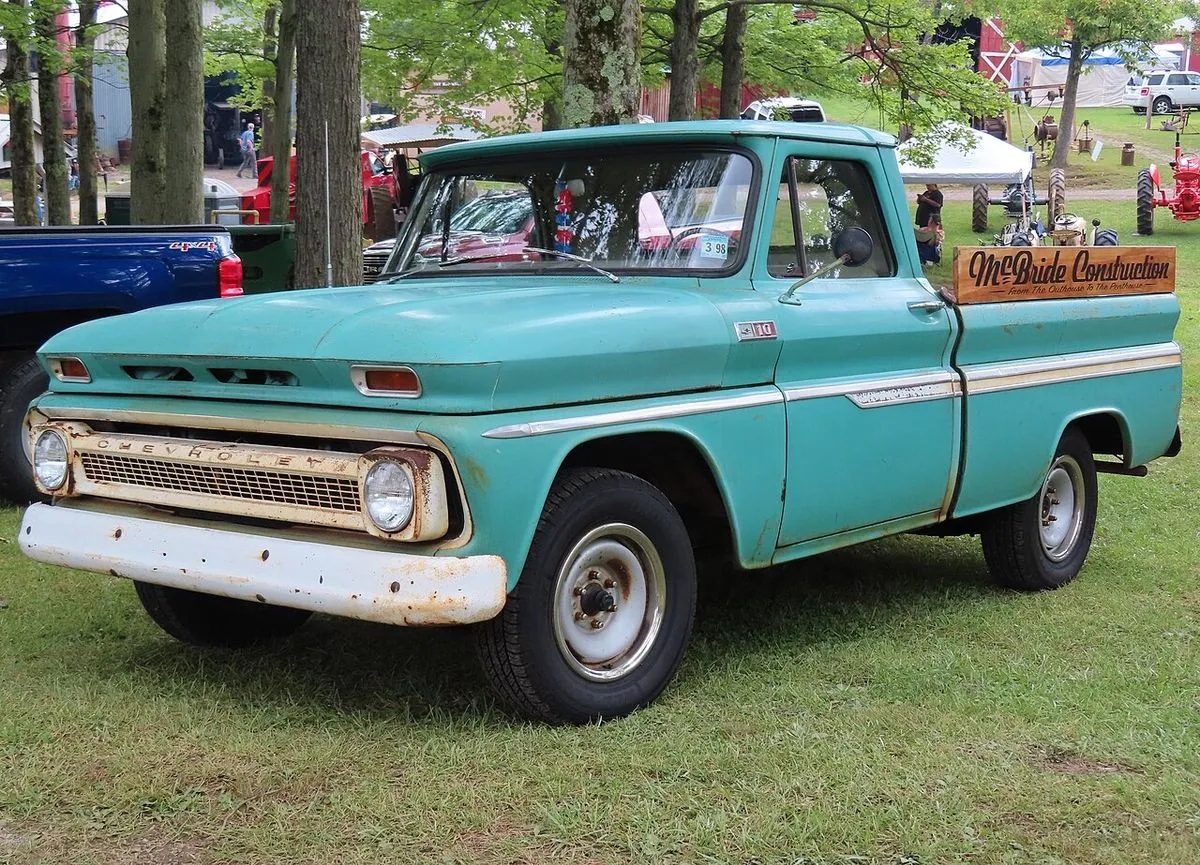
The 1960-66 Chevrolet C10 is the truck that made pickups cool. Before this generation, trucks were strictly utilitarian. GM's designers gave this truck car-like styling — the wraparound windshield, sweeping fender lines, and available Custom Cab interior made it something you'd want to drive, not just need to drive. The drop-center frame lowered the floor height for easier entry. The optional V8 engines made them quick. These trucks launched the custom truck scene that continues today. A well-built 1966 C10 was the truck every high schooler in America wanted.