Best First Classic Car
Your first classic should be forgiving, fun, and findable. Here's where to start without losing your shirt.
Everyone's got opinions about first classics. Most of them are bad. 'Buy a numbers-matching Hemi 'Cuda!' Sure, if you've got $2 million and zero sense. 'Start with a British roadster!' Enjoy your Lucas electrical fires. Here's the actual truth: your first classic should be cheap enough that mistakes don't bankrupt you, simple enough that you can learn on it, and supported enough that parts exist when things break. Because things will break.
What makes a good first classic?
Three things matter: parts availability, mechanical simplicity, and community support. A car with a massive aftermarket means you can fix anything. Simple mechanicals mean you can actually learn to wrench. And an active community means free advice when you're stuck at 2am with a fuel pump that won't prime. Price matters too, obviously — your first classic should be cheap enough that you can afford to fix the problems you'll inevitably discover. Don't buy a $60K trailer queen as your first rodeo.
Best bets under $20K
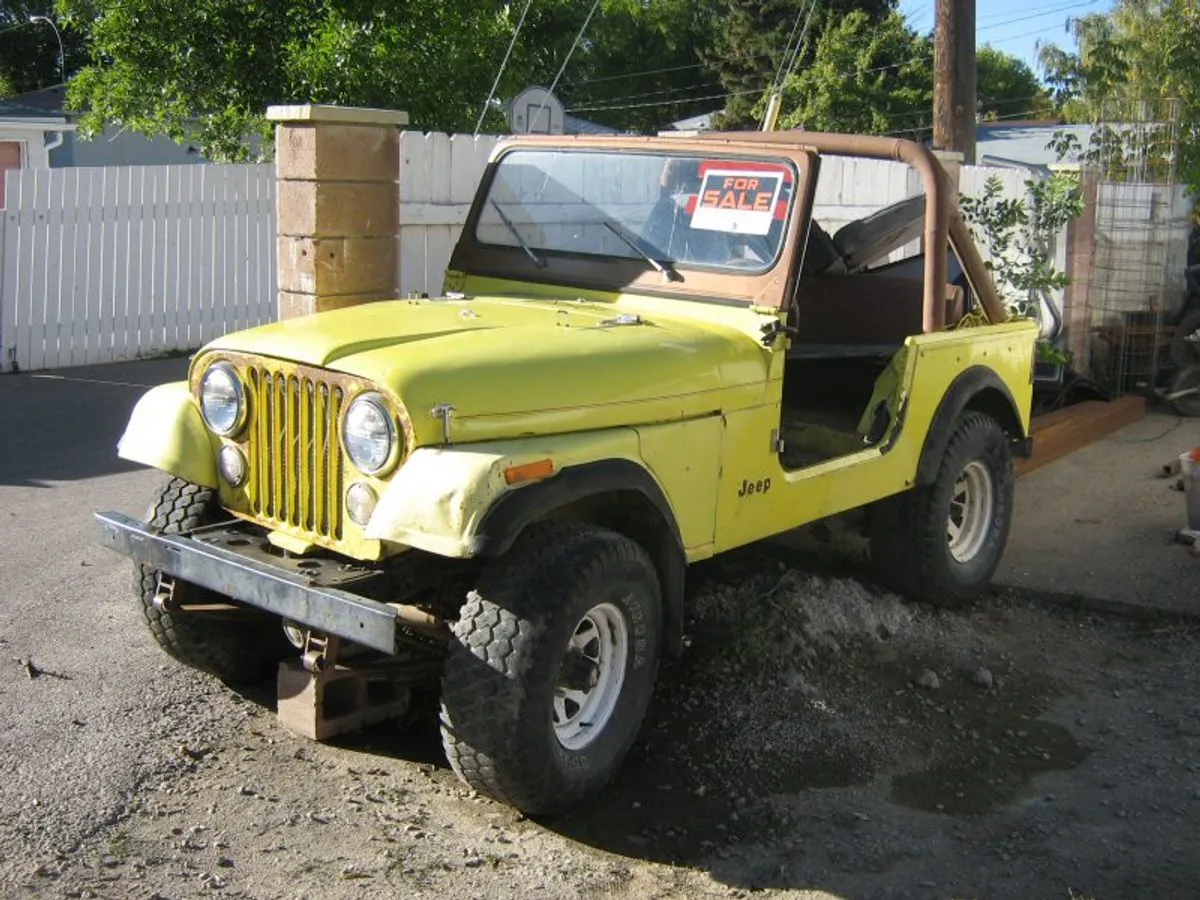
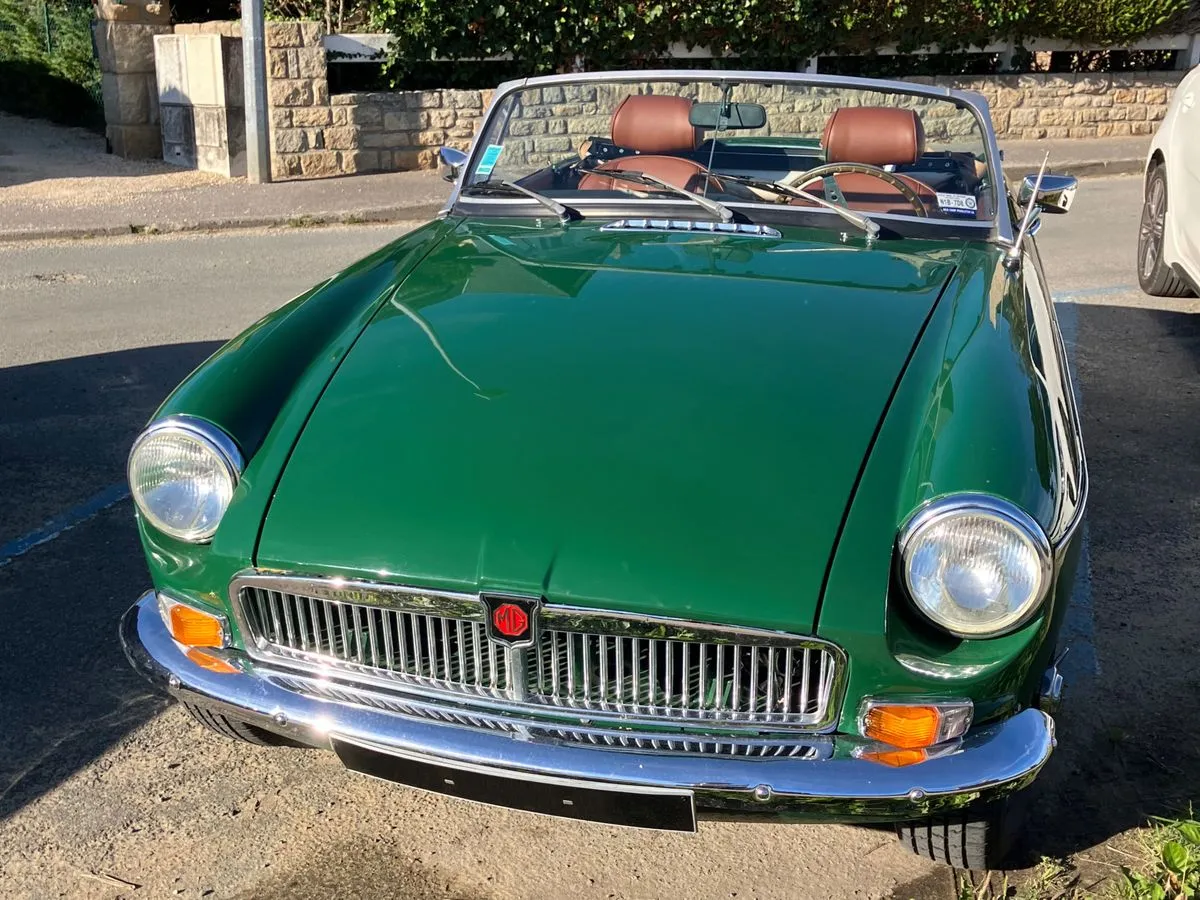
The sweet spot for first classics. These cars are cheap enough to make mistakes on, but interesting enough to actually enjoy. The Honda CRX is the sleeper pick — it's reliable, fun to drive, and the aftermarket is absurd. The Jeep CJ is ideal if you want something you can beat on without guilt. And the MGB is the cheapest way into British sports car ownership that won't strand you weekly. All three can be found in driver condition for well under $20K.
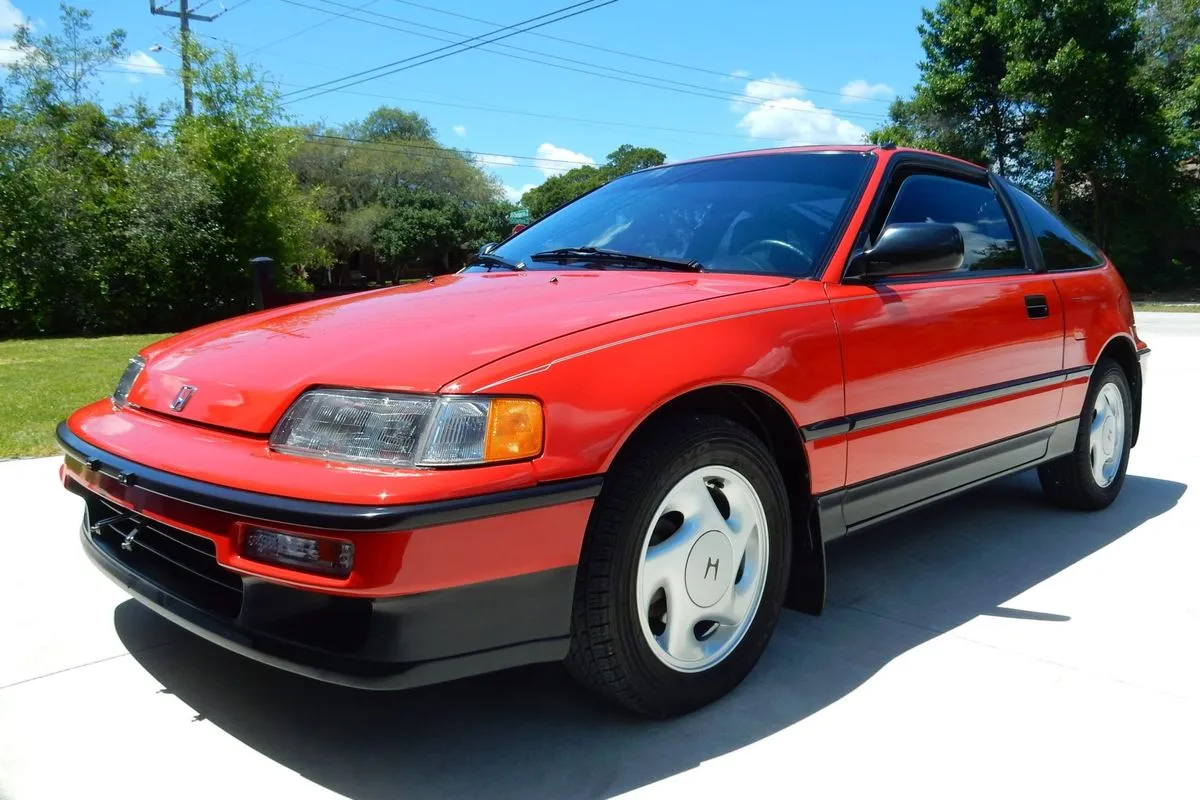
1990 Honda CRX Si
Honda
The second-gen CRX is the Miata's sibling that never got the credit. While Mazda was building the perfect roadster, Honda built the perfect coupe. Under 2,200 pounds, a willing SOHC engine, and handling that embarrassed cars costing three times as much. The Si version with the D16A6 engine found the sweet spot: enough power to be fun, reliable enough to be daily driven, efficient enough to pass gas stations without stopping. This was Honda at the height of their engineering arrogance — building cars that made you wonder why anyone bothered with anything else.
Jeep CJ-5 / CJ-7
Jeep
The CJ is where the Jeep legend lives. The military MB won World War II; the civilian CJ brought that go-anywhere capability to everyone else. The CJ-5 ran for 28 years with relatively minor changes — a testament to the design's rightness. The CJ-7, introduced in 1976 with a 10-inch longer wheelbase, added practicality without sacrificing capability. These were the Jeeps that crawled Moab before Instagram. The AMC inline-6 engines that arrived in 1972 are bulletproof and still run daily. The CJ is the original recreational 4x4 — every Wrangler since has been chasing this formula.
1974 MG MGB
MG
The MGB is the British sports car. More were sold in America than any other British roadster. It democratized the sports car experience — not as exotic as a Jaguar, not as expensive as a Triumph TR6, but genuinely fun and within reach. For decades, the MGB was the entry point into British car enthusiasm. The 1974.5 and later 'rubber bumper' cars get grief, but they're also cheaper and still fun. The MGB created a template for affordable sports cars that echoes through every Miata on the road today.
If you want American muscle
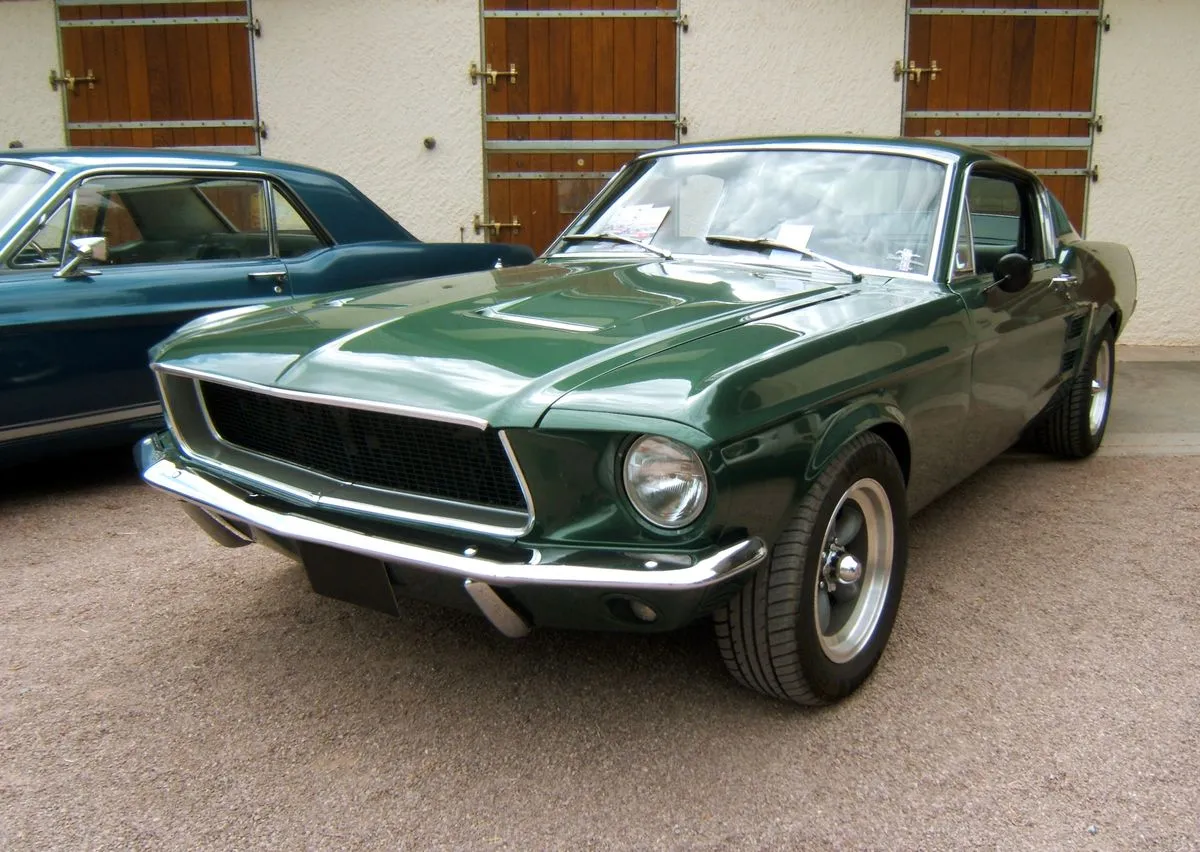
The Mustang is the right answer and you know it. The aftermarket is deeper than any other classic car. You can build one from scratch with reproduction parts. Every old-timer at the local shop knows how to work on them. Yes, they're common. That's a feature, not a bug. Common means parts are cheap and help is everywhere. The Camaro is cooler but harder to verify (fakes everywhere) and costs more. Start with the pony that everyone knows.
If you want a project truck
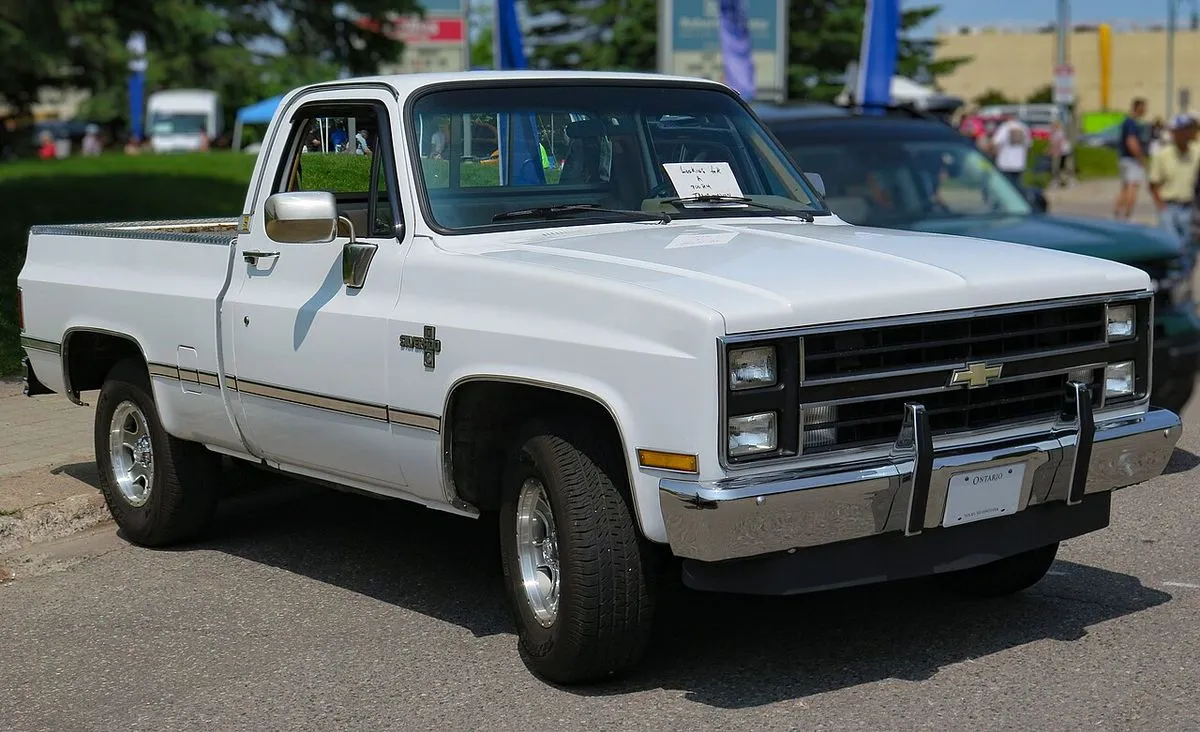
Old trucks are the perfect first project. They're simple, body damage is expected, and nobody cares if your paint doesn't match. The Chevy C10 is the gold standard — massive aftermarket, LS swap friendly, and they look good with patina. The Square Body (1973-1987) might be even better because they're cheaper and more modern underneath. Either way, you can't go wrong with an old Chevy truck as your introduction to classic ownership.
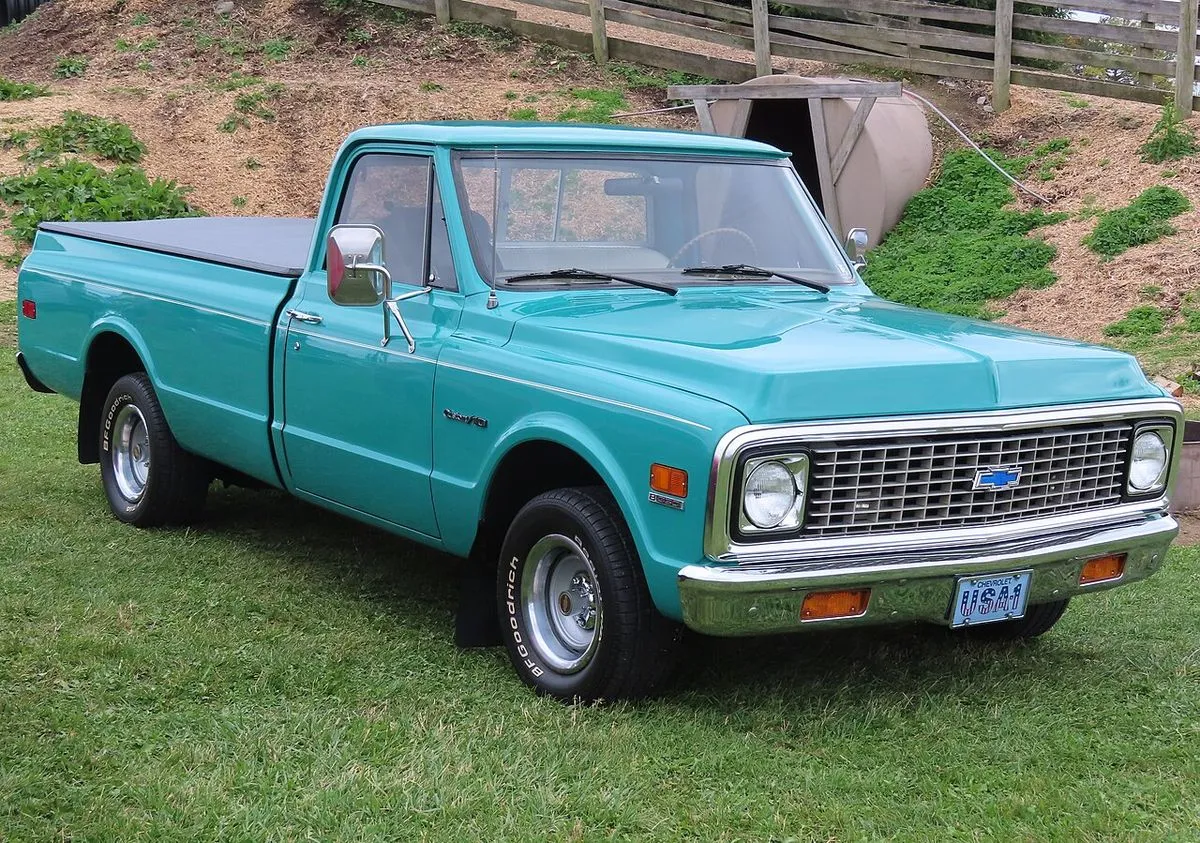
1967-1972 Chevy C10
Chevy
The '67-72 C10 is the canonical classic truck. The Action Line redesign cleaned up the bulbous '60-66 look into something timeless. It's the truck in every truck commercial when they want to evoke authenticity. The square body that followed ('73-87) is also cool, but these are the ones that launched the restomod movement. LS swaps, air ride, patina paint — the C10 is to trucks what the '32 Ford is to hot rods: the canvas everyone starts with.
1973-1987 Chevy C/K Square Body
Chevy
The Chevrolet Square Body is the last old-school American truck — simple, solid, and infinitely fixable. The design ran for 14 years with only incremental changes, which means parts interchange across the entire run. The square styling that gives these trucks their nickname was revolutionary in 1973 and still looks purposeful today. They were workhorses when new, and the survivors are either beat to hell or lovingly maintained. The K-series 4x4 trucks, especially short-bed models, have become the hottest segment in the collector truck market. A clean 1987 K10 Silverado can sell for more than it cost new, adjusted for inflation.
If you want something weird
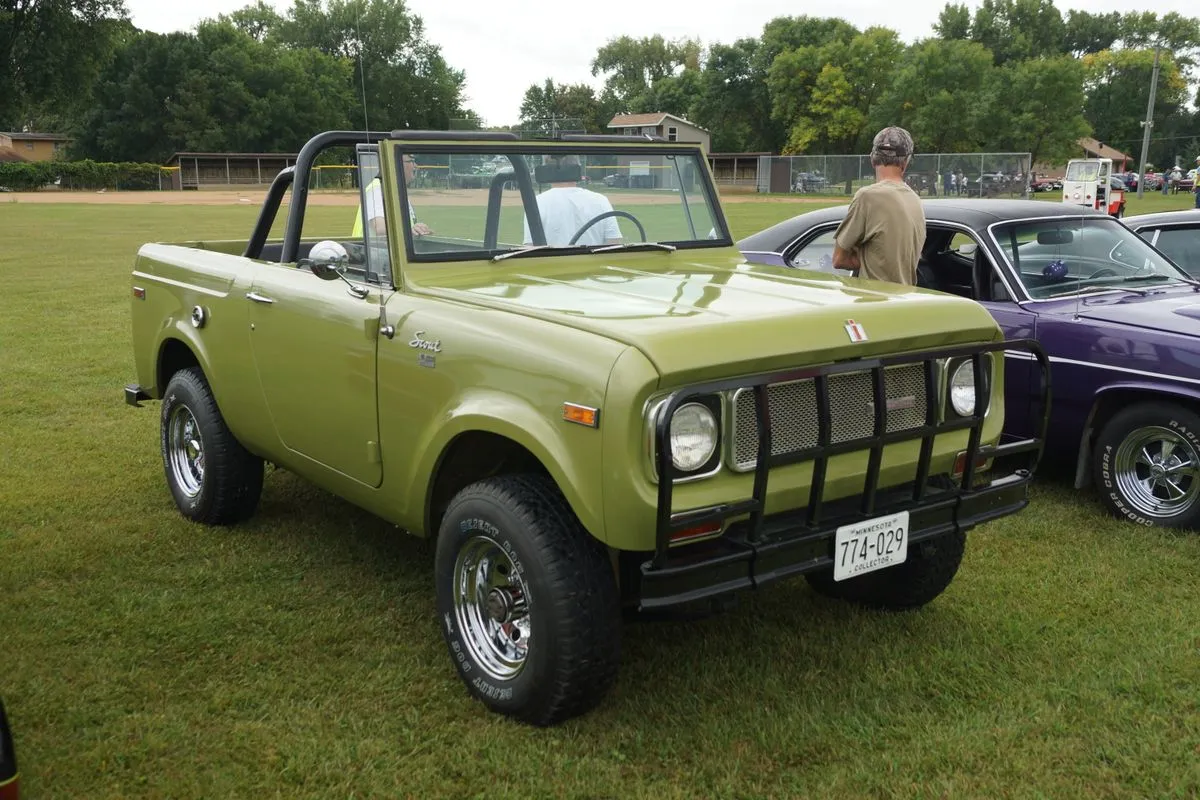
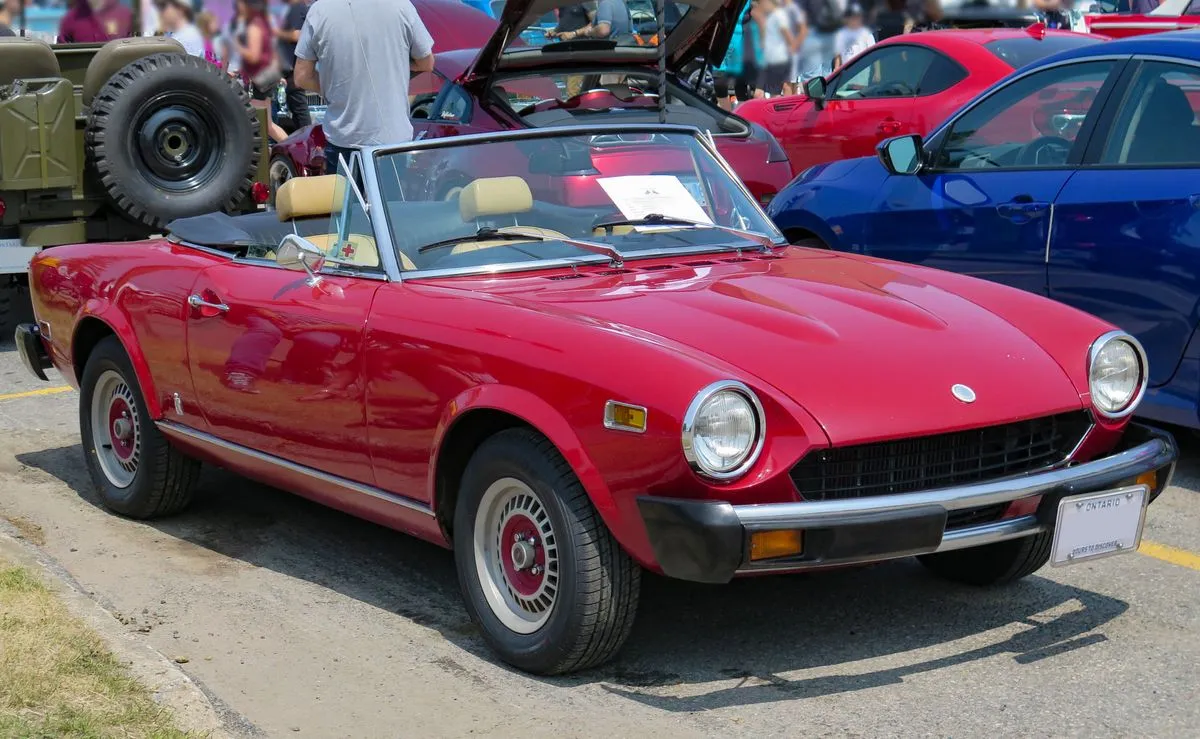
Not everyone wants a Mustang. Respect. The VW Thing is quirky, simple, and air-cooled VW parts are everywhere. The International Scout is cooler than a Bronco and cheaper (for now). The Fiat 124 Spider is an Italian sports car that's actually reliable-ish and costs half what an Alfa does. These are conversation starters that won't bore you — just know that parts are harder and you'll be explaining what it is at every gas station.
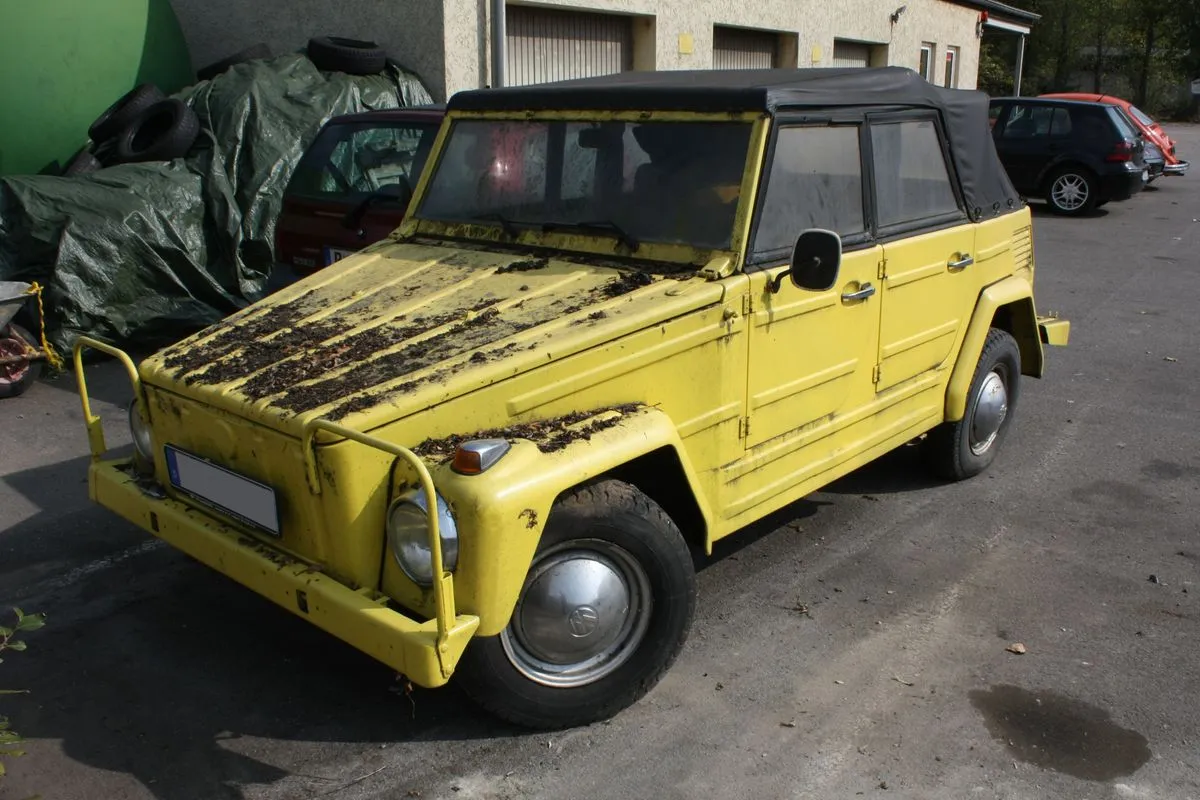
1974 Volkswagen Thing (Type 181)
Volkswagen
The Thing is what happens when you take a military utility vehicle and sell it to beach towns. Based on the WWII Kubelwagen design, VW updated it for the '60s and '70s as a recreational vehicle. In America, it became a cult item for exactly two years before failing new safety standards. That brief window and the quirky design created instant collector appeal. The Thing is the ultimate beach cruiser — doors off, top down, completely impractical, and absolutely joyful.
1971 International Scout II
International Harvester
The Scout invented the SUV. International Harvester, a farm equipment company, created a vehicle for farmers and ranchers who needed something between a pickup and a car. The Bronco and Blazer followed, but the Scout got there first. The Scout II refined the formula with more power and better on-road manners. These were genuinely capable off-road vehicles built by a company that knew heavy equipment. The Scout is the grandfather of every crossover on the road today.
1978 Fiat 124 Spider
Fiat
The 124 Spider brought Italian sports car experience to American driveways at a fraction of Ferrari prices. Pininfarina design, a genuine DOHC engine, proper handling — this was real automotive passion accessible to the middle class. Yes, the electrics are Italian. Yes, it rusts. But behind the wheel, with the top down, none of that matters. The 124 Spider taught Americans that sports cars could be affordable and still feel special.
The bottom line
Your first classic is about the journey, not the destination. Pick something you actually like looking at, with enough support that you won't be stranded. Don't overspend — you'll learn more from a $15K beater than a $50K garage queen. And whatever you buy, drive it. These cars weren't meant to sit under covers. Get it running, put miles on it, and figure out what you actually want from classic car ownership. Your second classic can be the dream car. Your first should be the teacher.