Oddities
Some vehicles exist because a committee approved them. Others exist because someone with vision (or delusion) willed them into being against all odds. This collection celebrates the latter — the corporate misfires, the engineering experiments, and the cult classics that shouldn't have worked but somehow did.
The Tucker 48 proved Detroit wasn't ready for innovation. The DeLorean proved ambition isn't always enough. The Wienermobile proved that sometimes the ridiculous idea is the right idea. The Checker Marathon proved that building the same car for 26 years isn't boring — it's commitment to a vision. Bigfoot proved that one man's obsession with bigger tires could create an entire motorsport. The Meyers Manx and Baja Bug proved that a boat builder and some desert racers could turn the humble Beetle into something nobody expected. And the scooters? They proved that transportation doesn't have to be serious to be significant.
These aren't the vehicles you buy for practical reasons. You buy them because they tell a story, because they spark conversations, because they represent roads not taken in automotive history.
Featured Oddities
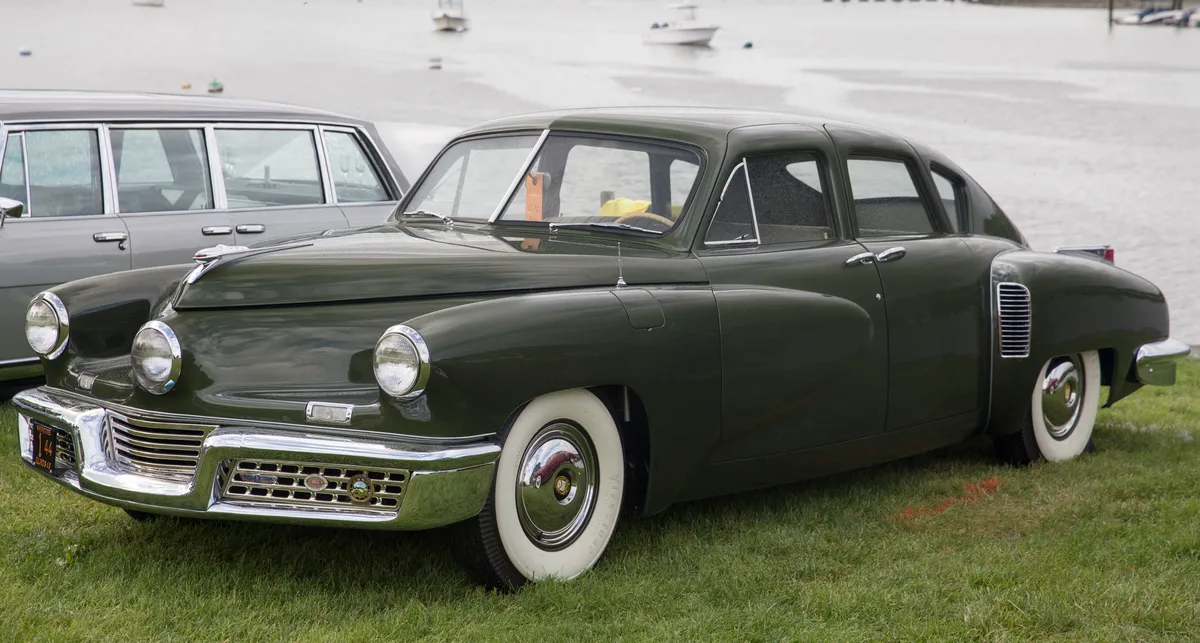
1948 Tucker 48
1948 · Tucker
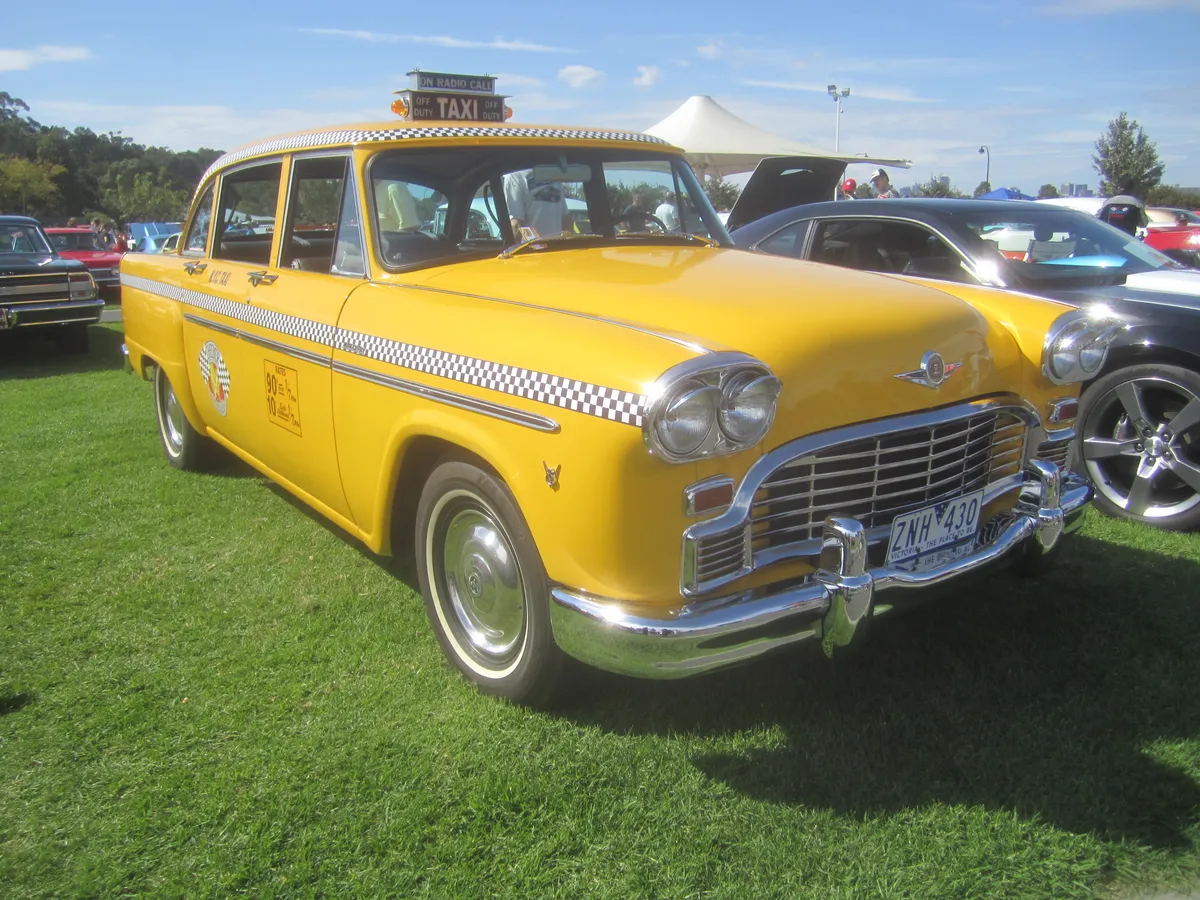
1975 Checker Marathon
1960-1982 · Checker
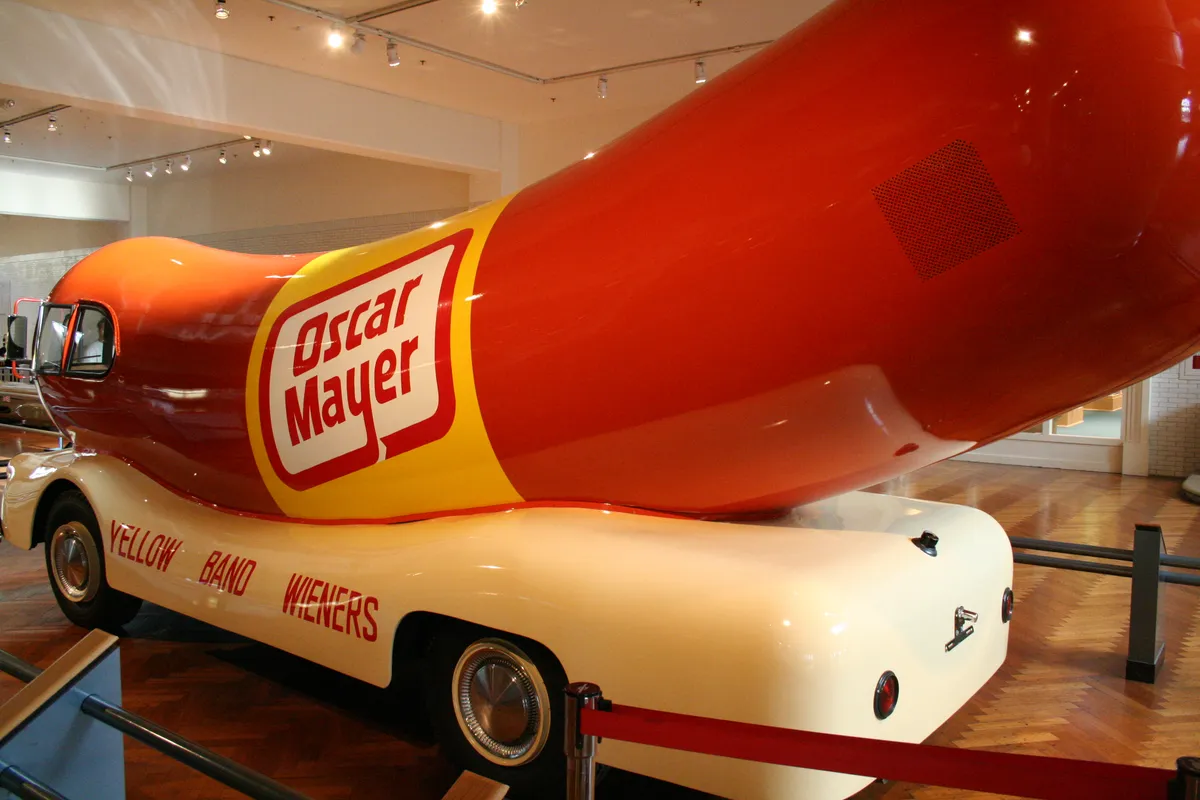
Oscar Mayer Wienermobile
1969-present · Oscar Mayer
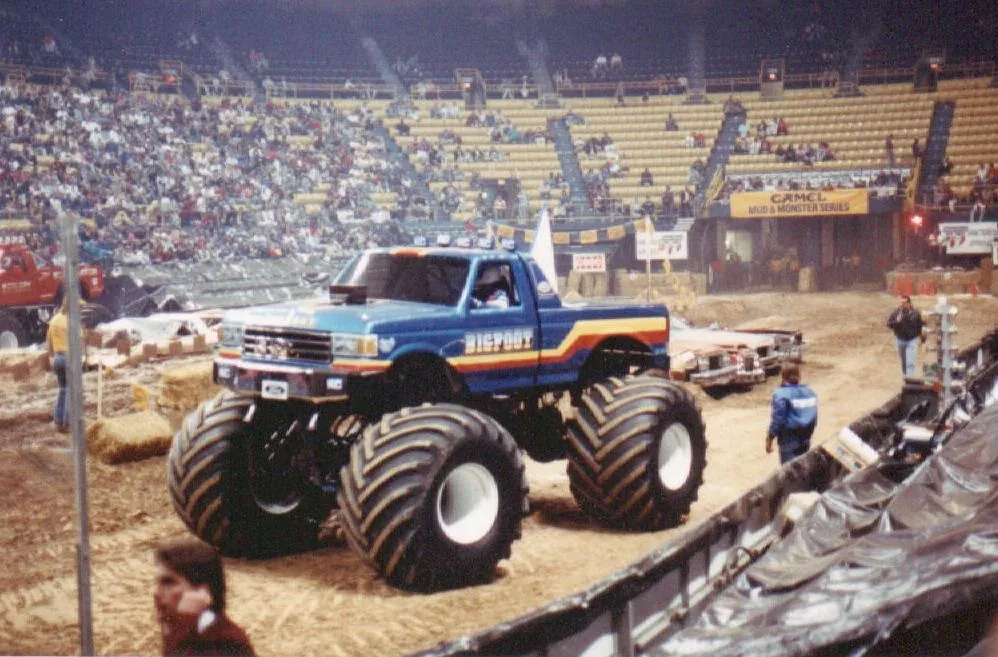
Bigfoot
1975-present · Bigfoot
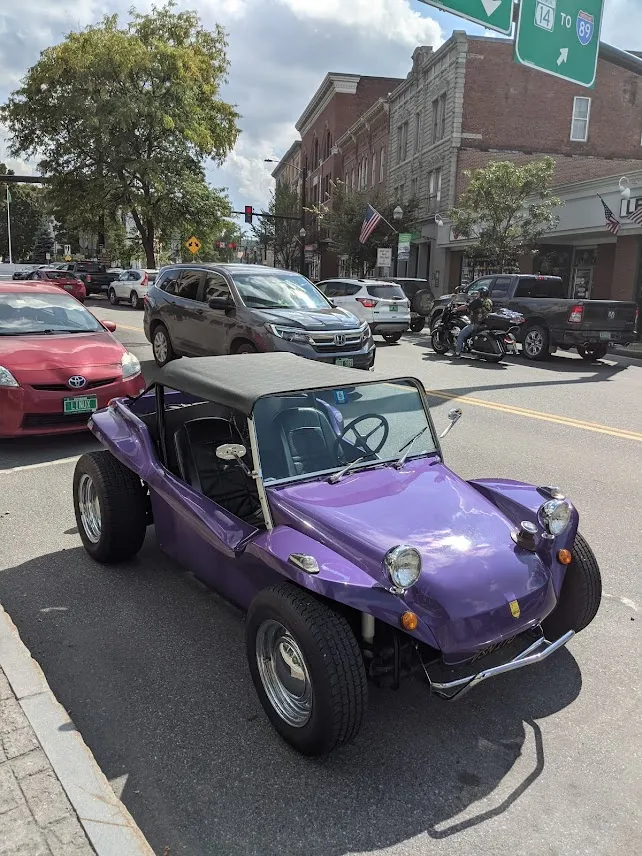
1966 Meyers Manx
1964-1971 · Meyers Manx
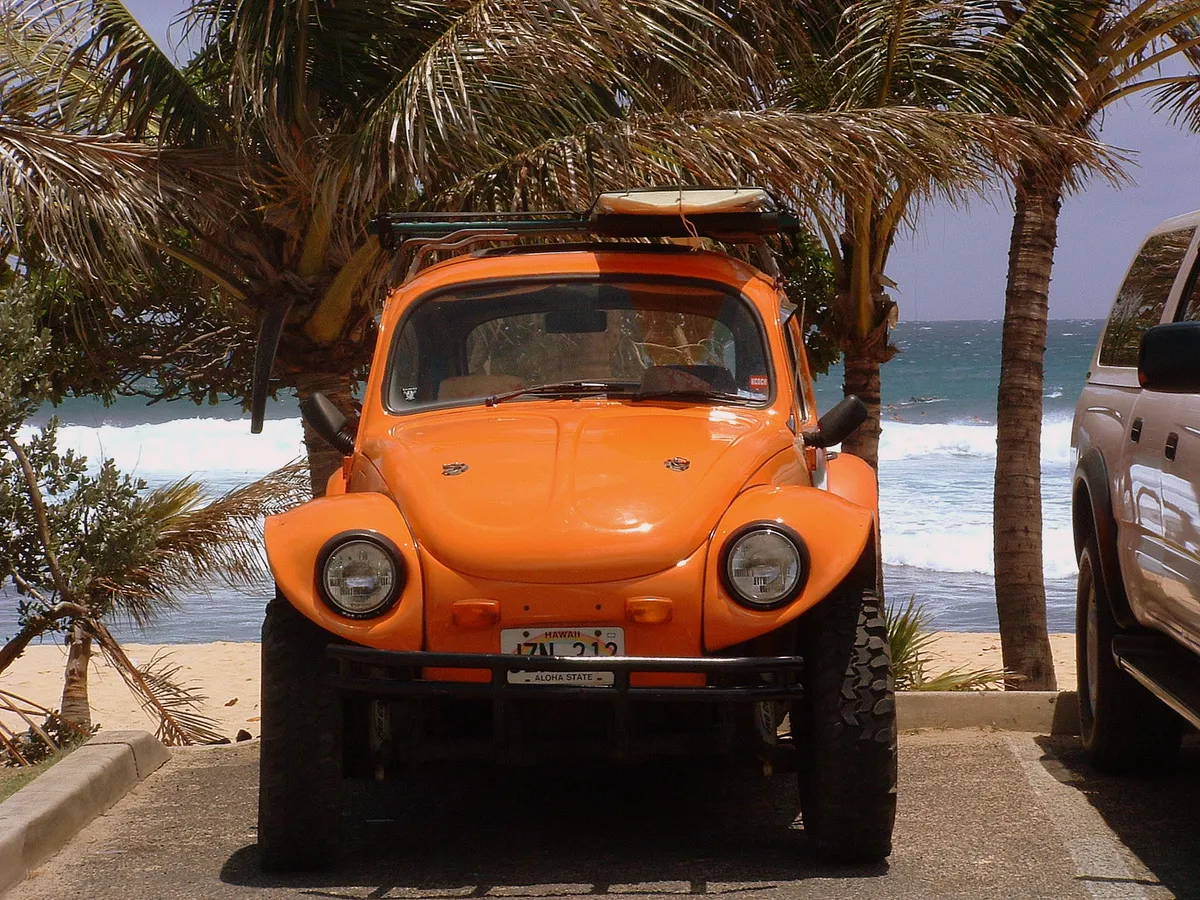
1969 Volkswagen Baja Bug
1960s-present · Volkswagen
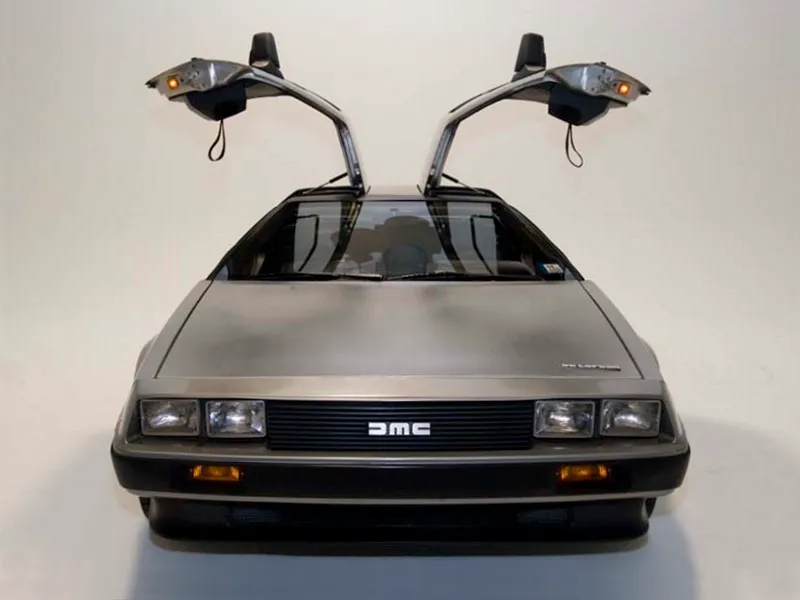
1981 DeLorean DMC-12
1981-1983 · DeLorean

1965 Vespa 150 Super
1965-1979 · Vespa
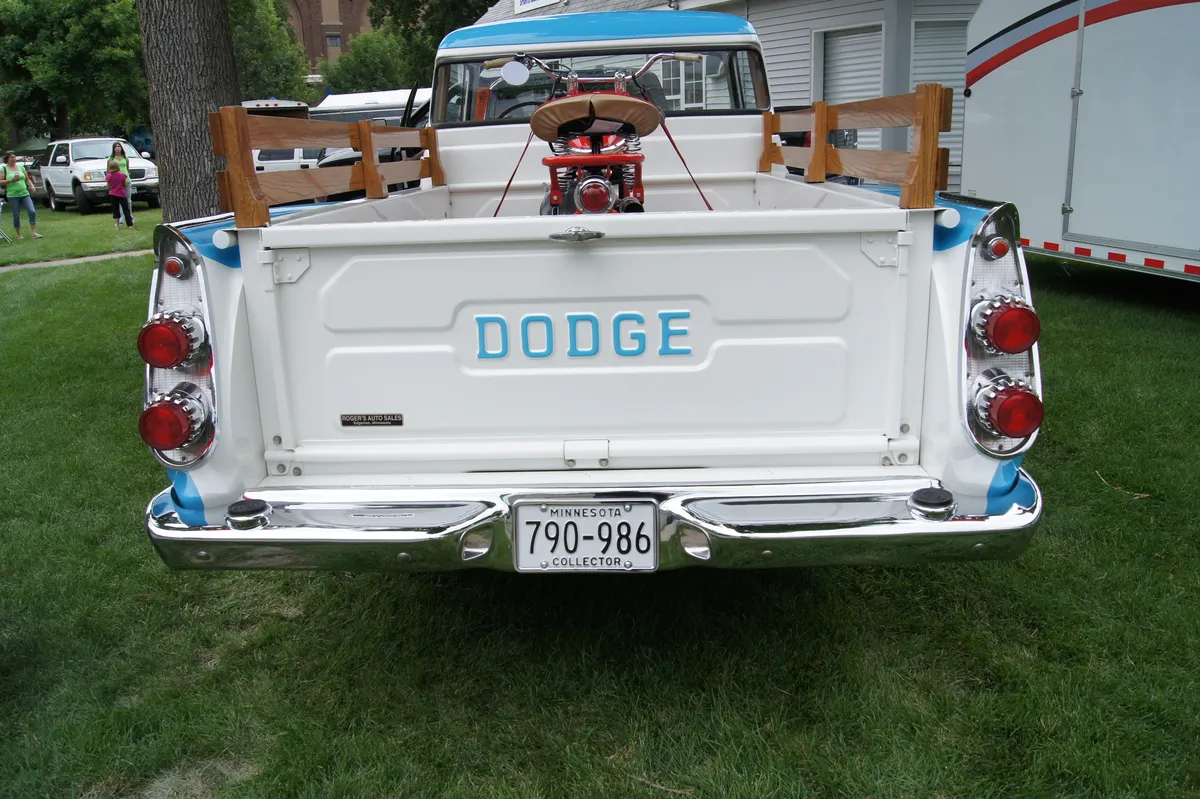
1958 Cushman Eagle
1949-1965 · Cushman
Why Oddities Matter
The mainstream vehicles define an era. The oddities reveal its character.
The Tucker showed what postwar American innovation could have been before the establishment crushed it. The DeLorean captured '80s optimism and excess in stainless steel. Even the Wienermobile — ridiculous on its face — proved that American marketing could be genuinely joyful.
The scooters tell a different story: that America had its own answer to European mobility, built with industrial-grade Nebraska pragmatism (Cushman) or Italian postwar optimism (Vespa). They weren't motorcycles. They weren't cars. They were something else entirely.
Collect oddities if you want conversation starters. Collect them if you appreciate the weird corners of automotive history. Collect them because the mainstream is boring and these vehicles are anything but.